
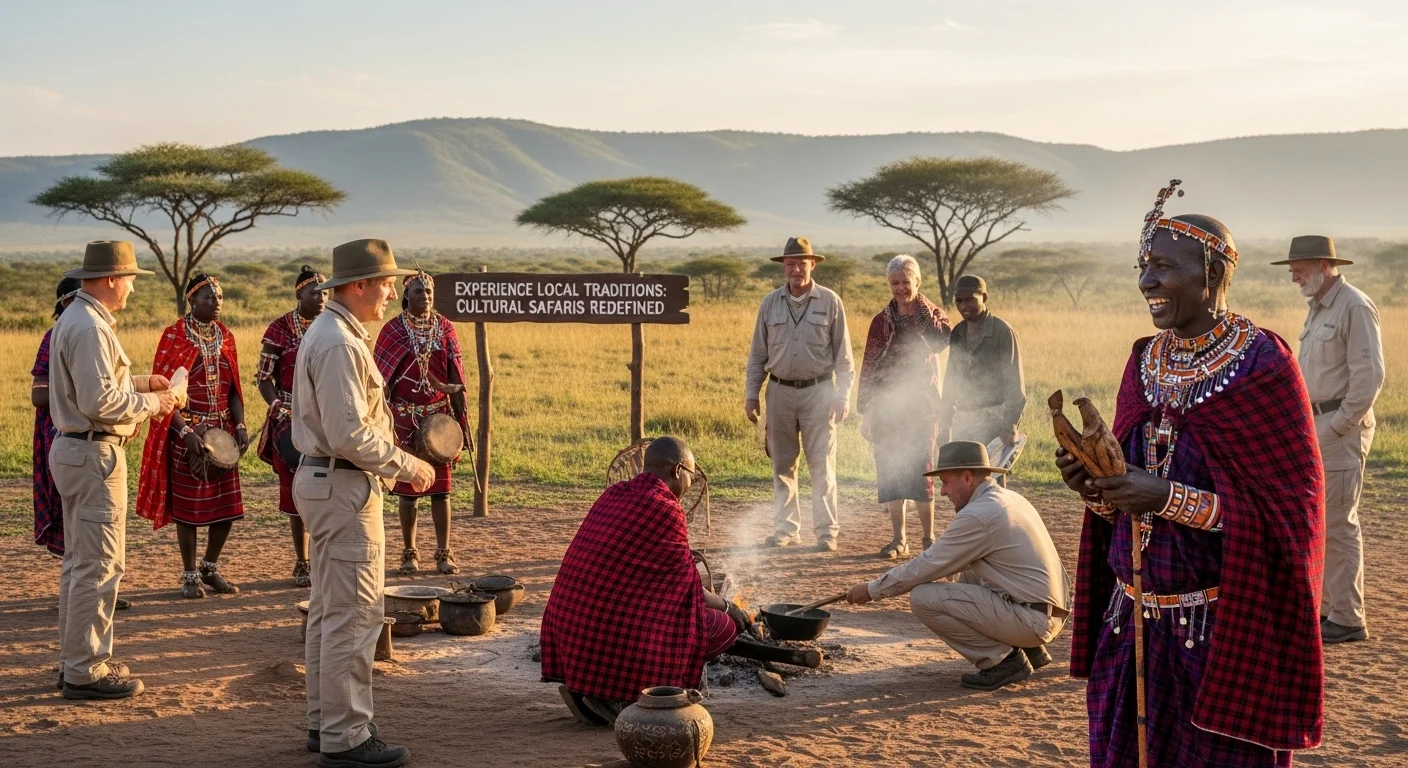
Imagine stepping into a world where traditions breathe life into every moment. Cultural safaris redefine our travel experiences, allowing us to immerse ourselves in local customs and stories that resonate with the heart. To get the most out of your experience, consider the differences between group and private safaris.
Understanding Cultural Safaris
Definition of Cultural Safaris
Cultural safaris are unique travel experiences designed to immerse travelers in the local traditions, customs, and daily lives of communities around the world. Unlike conventional wildlife safaris that focus primarily on observing animals in their natural habitats, cultural safaris offer an opportunity to connect with people, learn about their heritage, and understand the cultural nuances that shape their existence. For me, this kind of travel isn’t just about visiting a place; it’s about truly experiencing it through the eyes of its inhabitants.
Difference Between Traditional and Modern Cultural Safaris
Traditional cultural safaris often followed a more passive approach, where tourists would observe local cultures from a distance, sometimes even inadvertently perpetuating stereotypes. I’ve seen this firsthand in some destinations where locals are treated more like attractions than individuals with rich stories and lives. In contrast, modern cultural safaris emphasize active engagement and interaction with local communities. They focus on building genuine connections rather than just ticking off a list of sights. This shift has allowed travelers like us to participate in authentic experiences, whether it’s learning a traditional dance or cooking a local dish together.
Importance of Local Traditions in Travel
Traveling is about broadening our horizons and gaining new perspectives. Engaging with local traditions enhances our understanding of the world and fosters empathy. I believe that when we embrace the customs and heritage of the places we visit, we not only enrich our own lives but also contribute to the preservation of those cultures. It’s a two-way street; we learn from them, and they gain recognition and respect for their lifestyles. This connection can lead to long-lasting memories, friendships, and even a deeper sense of purpose in our travels. I recall a time when I participated in a traditional weaving workshop in a small village; the intricate patterns told stories of generations, and I felt honored to be a part of that legacy, even if just for a moment.
Top Destinations for Cultural Safaris
Africa: The Heart of Cultural Safaris
Africa has long been considered the quintessential destination for cultural safaris, with its diverse range of tribes, languages, and traditions. Each region offers a unique glimpse into the rich tapestry of African cultures.
Maasai Mara, Kenya
The Maasai Mara is not just famous for its wildlife but also for its vibrant Maasai culture. Visiting this region, I was struck by the vibrant attire of the Maasai people and the way their traditions are intricately woven into their daily lives. I participated in a traditional dance and learned about their customs surrounding cattle, which holds significant value in their society. It’s incredible how much you can learn about respect for nature and community in just a short visit.
Serengeti, Tanzania
Similarly, the Serengeti offers a connection to the local tribes, particularly the Datoga and Hadzabe. I found the opportunity to learn about their hunting and gathering practices fascinating. By engaging with these communities, I understood the delicate balance between wildlife conservation and cultural preservation. It made my experience much richer, knowing I was learning from people who have called this land home for generations.
Asia: Diverse Cultural Experiences
Asia, with its vast diversity, presents countless opportunities for cultural safaris. Each country has its own unique traditions waiting to be explored.
Varanasi, India
Varanasi is a spiritual hub where traditions flow as freely as the Ganges River. I was mesmerized by the daily rituals at the ghats, where locals perform their prayers and ceremonies. Participating in a sunrise boat ride along the river was transformative; it was a moment where I felt deeply connected to something greater than myself. The stories shared by locals about their heritage made me appreciate the layered history of this ancient city.
Kyoto, Japan
Kyoto is another captivating destination where tradition thrives. The tea ceremonies, temple visits, and seasonal festivals create a beautiful mosaic of cultural experiences. I joined a tea ceremony and learned about the mindfulness involved in the ritual. It reminded me of the importance of slowing down and appreciating the little things in life. Each moment shared with the locals felt like a gentle reminder of the values embedded in their culture.
South America: Rich Heritage and Traditions
South America is a treasure trove of cultural experiences, with rich histories and vibrant traditions that continue to thrive.
Incan Culture in Peru
In Peru, the echoes of Incan culture can be felt in every corner. Visiting Machu Picchu was a dream come true, but what truly moved me was engaging with the local Quechua communities. They shared stories of their ancestors and their deep connection to the Andean mountains. Participating in traditional ceremonies helped me understand their reverence for nature and the land.
Amazonian Tribes in Brazil
The Amazon rainforest is home to many indigenous tribes, each with its own unique customs and practices. My experience visiting a tribe in Brazil was eye-opening. I learned about their sustainable way of life and the vital role they play in preserving the rainforest. This experience taught me how interconnected we all are and highlighted the importance of protecting these communities and their environment.
Experiencing Local Traditions
Engaging with Indigenous Communities
One of the most profound aspects of cultural safaris is the chance to engage directly with indigenous communities. I’ve had the privilege of meeting people whose lives are deeply intertwined with their land and traditions. For instance, when I visited the Himba tribe in Namibia, I was welcomed into their village with open arms. The women, adorned with beautiful ochre-colored skin and intricate jewelry, shared their daily routines and rituals. I remember sitting with them as they explained their unique way of life, which revolves around livestock and communal living. It was astonishing to witness their vibrant culture firsthand, and I left feeling like I had gained a deeper understanding of their values and resilience.
Participating in Traditional Festivals
Participating in local festivals is another unforgettable way to dive into a culture. I recall being in Madagascar during the Famadihana, or the “Turning of the Bones” ceremony. This festival celebrates ancestors by exhuming their remains, wrapping them in fresh shrouds, and dancing with them. The atmosphere was filled with joy and music, a celebration of life rather than a mourning of death. I felt honored to be invited to witness such a sacred event. These festivals not only allowed me to experience the local traditions but also to connect with the community on a deeper level. We laughed, danced, and shared stories, creating bonds that transcended language and cultural barriers.
Learning Local Crafts and Skills
Another enriching experience during my travels was learning local crafts and skills. I remember visiting artisans in a small village in Bali, where I was taught the intricate art of batik. The process of creating these beautiful fabric designs involves wax resist dyeing, and it was a delight to get my hands dirty and immerse myself in the craft. The artisan who taught me shared the history behind each pattern and symbol, which added a layer of meaning to my creation. This hands-on experience not only brought me closer to the culture but also sparked a newfound appreciation for traditional craftsmanship. It’s moments like these that remind us of the value of preserving skills passed down through generations.
Traditional Culinary Experiences
Food is often the heart of every culture, and indulging in traditional culinary experiences is a must during a cultural safari. I still savor the memory of a cooking class I took in a quaint village in Tuscany, Italy. Under the guidance of a local chef, I learned how to make fresh pasta from scratch. As we rolled the dough and crafted the perfect shapes, she shared family recipes and stories that had been passed down for generations. The meal we prepared together was more than just food; it was a labor of love, a connection to her heritage. Eating that homemade pasta was a celebration of the culture, and it made me appreciate the role of food in bringing people together. For more budget-friendly culinary experiences, explore budget tours that cater to unique cultural moments.
Planning Your Cultural Safari
Best Time to Visit Cultural Safari Destinations
When planning your cultural safari, timing can significantly impact your experience. I’ve noticed that visiting during local festivals or harvest seasons can enhance your journey. For example, if you’re visiting India, experiencing Diwali or Holi can be magical. Researching the best times to visit specific regions based on cultural events can help you immerse yourself more deeply in the traditions. I’ve found that shoulder seasons—just before or after peak tourist times—often offer a balance of good weather and fewer crowds, allowing for more genuine interactions with locals.
Choosing the Right Tour Operators
Selecting the right tour operator can make or break your cultural safari experience. I’ve learned to look for companies that prioritize sustainable tourism and community engagement. Reading reviews and seeking recommendations from fellow travelers can help. One of my most rewarding experiences was with a small, locally-owned company that partnered with indigenous communities. They provided authentic experiences and ensured that a portion of the profits went back to the communities we visited. It made me feel good knowing that my travel choices were directly benefiting the people I was learning from. If you’re considering luxury options, check out how to navigate luxury safaris on a budget.
What to Pack for a Cultural Safari
Packing for a cultural safari requires some thought. Comfort and respect for local customs should be top of mind. I remember packing lightweight clothing that was both respectful and suitable for the climates I would encounter. Depending on where you go, it might be essential to include items like a shawl or scarf, which can be useful in conservative areas or during temple visits. Additionally, having a small notebook can be invaluable for jotting down stories or lessons learned from conversations with locals. I’ve found that being prepared leads to more fulfilling experiences.
Safety Tips for Travelers
Safety is always a concern when traveling, especially in unfamiliar environments. I’ve learned to stay aware of my surroundings and keep copies of important documents in a safe place. It’s also wise to research any travel advisories for your destination. Moreover, I always make it a point to respect local customs and traditions, as this not only ensures my safety but also fosters goodwill with the communities I visit. Engaging with locals and building rapport can often create a protective network around you, enhancing both your safety and your experience.
Budgeting for Your Cultural Safari
Cost of Cultural Safari Tours
Budgeting for a cultural safari can feel daunting, but it’s essential to plan wisely. I’ve discovered that the cost of these tours can vary widely depending on the destination, duration, and level of luxury you choose. Typically, I’ve seen cultural safaris that range from modestly priced group tours to more personalized, high-end experiences. When I was planning my trip to the Maasai Mara, I found that costs were influenced by the activities included, such as cultural visits, workshops, and meals. I recommend considering what you truly want to experience; this will help you find a tour that fits your budget while still offering the authentic experiences you’re after.
Accommodation Options
Finding the right place to stay is another crucial aspect of budgeting for your cultural safari. I’ve stayed in everything from cozy guesthouses run by local families to luxurious lodges that overlook stunning landscapes. It’s important to consider what type of experience you want. In some cases, I opted for homestays, which allowed me to connect more deeply with the local culture and understand daily life. These accommodations often come at a lower cost and provide a more intimate setting. I’ve found that supporting locally-owned lodgings not only enhances my experience but also contributes to the local economy.
Local Transportation Costs
Getting around can also impact your budget. Depending on where you travel, local transportation can range from inexpensive public transit to more costly private hires. During my travels in India, for instance, I used trains to connect between cities, which was not only cost-effective but also a cultural experience in itself. I learned that negotiating with local taxi drivers or using ride-sharing apps can help keep transportation costs down. Always factor in the distances between destinations and how you plan to travel; this can make a big difference in your overall budget.
Dining and Activity Expenses
Food is a significant part of any cultural experience, and budgeting for meals can be tricky. I’ve enjoyed everything from street food to fine dining, but I’ve noticed that sticking to local eateries not only saves money but also offers the most authentic taste of the culture. In many countries, dining at local markets can be an adventure in itself, with vibrant flavors and bustling atmospheres. Additionally, when planning your budget, consider any extra activities or experiences you want to include, like cooking classes or guided tours. I’ve found that these add-ons can sometimes lead to unforgettable memories, so I try to allocate a portion of my budget specifically for them.
Environmental and Ethical Considerations
Responsible Tourism Practices
As travelers, I believe we have a responsibility to leave the places we visit better than we found them. It’s something I always keep in mind while planning my cultural safaris. I’ve learned that choosing eco-friendly tour operators who prioritize sustainability can significantly impact local environments. Simple practices like minimizing waste, using refillable water bottles, and respecting wildlife can contribute to preserving the beauty of the destinations we love. During my last trip, I participated in a tree-planting initiative and felt a sense of purpose, knowing I was giving back to the land that welcomed me.
Supporting Local Economies
Supporting local economies is another vital part of responsible tourism. When I choose to shop at local markets, dine in family-owned restaurants, or stay at locally-run accommodations, I know my money is directly benefiting the community. I remember visiting a small village in Peru where the artisans showcased their crafts. Purchasing handmade goods not only allowed me to take a piece of the culture home but also helped sustain their livelihoods. I’ve seen firsthand how mindful spending can uplift communities and create a positive impact long after I’ve left.
Conservation Efforts and Cultural Preservation
Engaging in conservation efforts is crucial in many of the destinations we explore. I’ve often taken part in programs aimed at protecting wildlife and their habitats. For example, in Tanzania, I joined a conservation project that focused on the balance between wildlife and local communities. It was eye-opening to see how cultural practices and conservation efforts can coexist. Supporting initiatives that protect both natural and cultural heritage ensures that future generations will have the opportunity to experience these wonders as we have. I believe that by being conscious of our choices, we can travel in a way that honors both the people and the land.
Frequently Asked Questions
What are cultural safaris?
Cultural safaris are unique travel experiences designed to immerse travelers in the local traditions, customs, and daily lives of communities around the world, allowing for genuine connections and understanding of cultural nuances.
How do traditional and modern cultural safaris differ?
Traditional cultural safaris often involve passive observation of local cultures, while modern cultural safaris emphasize active engagement and interaction with communities to foster genuine connections and authentic experiences.
Why are local traditions important in travel?
Engaging with local traditions enhances our understanding of the world, fosters empathy, and contributes to the preservation of those cultures, leading to long-lasting memories and deeper connections with the places we visit.
What are some top destinations for cultural safaris?
Top destinations for cultural safaris include the Maasai Mara in Kenya, the Serengeti in Tanzania, Varanasi in India, Kyoto in Japan, Peru for Incan culture, and the Amazon in Brazil, each offering unique cultural experiences.
What should travelers consider when planning their cultural safari?
Travelers should consider the best time to visit based on local festivals, choose the right tour operators that prioritize sustainable tourism, and pack respectfully while being prepared for local customs.
How can travelers budget for a cultural safari?
Travelers can budget for a cultural safari by considering the cost of tours, accommodation options, local transportation, and dining expenses, ensuring they allocate funds for authentic experiences.
What safety tips should travelers keep in mind?
Travelers should stay aware of their surroundings, keep copies of important documents, research travel advisories, respect local customs, and engage with locals to enhance their safety and experience.
How can travelers practice responsible tourism?
Travelers can practice responsible tourism by choosing eco-friendly tour operators, supporting local economies through mindful spending, and participating in conservation efforts that protect both natural and cultural heritage.
What types of experiences can travelers expect on cultural safaris?
Travelers can expect a variety of experiences, including engaging with indigenous communities, participating in traditional festivals, learning local crafts and skills, and indulging in traditional culinary experiences.
What role does food play in cultural safaris?
Food is central to cultural experiences during safaris, as it allows travelers to connect with local traditions and flavors, often leading to memorable meals and cultural understanding through shared culinary practices.