
Birdwatching is a rewarding adventure that connects us with nature without breaking the bank. Whether you’re a novice or a seasoned enthusiast, there are countless ways to immerse yourself in the beauty of birds while keeping costs low. For those looking for organized experiences, consider exploring Top Affordable Birdwatching Tours for Nature Lovers.
Understanding Birdwatching
What is Birdwatching?
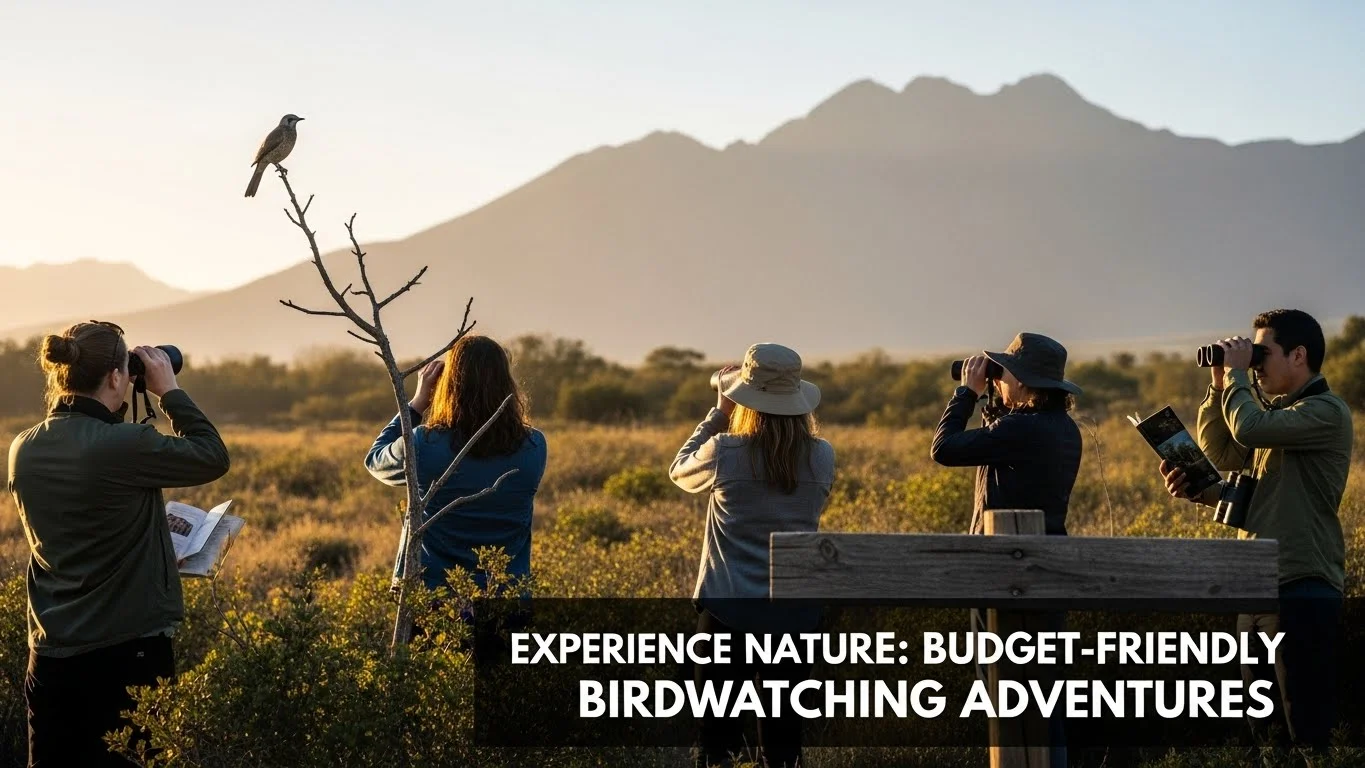
Birdwatching, or birding as many like to call it, is the act of observing and identifying birds in their natural habitats. I remember my first birdwatching experience; I was amazed at how much joy could come from simply sitting quietly and watching these magnificent creatures. It’s more than just spotting birds; it’s about connecting with nature, enjoying the outdoors, and often, it becomes a meditative practice. Birdwatching can be done anywhere, from your backyard to the most remote wilderness, and it brings a sense of calm and wonder.
The Benefits of Birdwatching
Engaging in birdwatching offers numerous benefits. For one, it encourages us to spend more time outdoors, which can significantly improve our mood and mental health. I’ve found that just a few hours in nature, observing birds flitting through the trees or soaring overhead, can wash away the stresses of daily life. Moreover, birdwatching is a fantastic way to learn about local ecosystems and the importance of conservation. By appreciating birds and their habitats, we become more aware of environmental issues and our role in protecting them. If you’re interested in combining your passion for birdwatching with travel, check out Discover Stunning Birdwatching Tours on a Budget.
Essential Gear for Birdwatching
You don’t need a lot of fancy equipment to start birdwatching, but a few essentials can enhance your experience. I recommend investing in a good pair of binoculars. When I first started, I used a basic pair, and I remember feeling like I was missing out on so much detail. A decent pair allows you to see birds up close and really appreciate their unique features. A field guide specific to your region is also incredibly helpful. I often keep mine handy on walks, allowing me to identify species as I spot them.
Other useful items include a notebook to jot down your findings and observations. I’ve enjoyed looking back at my notes and seeing how my skills have improved over the years. Comfortable clothing and sturdy shoes are also essential, especially if you plan to hike or walk long distances while searching for birds. Don’t forget a water bottle and snacks to keep your energy up during your adventures.
Best Locations for Budget-Friendly Birdwatching
National Parks
National parks are some of the best places for birdwatching, and many charge minimal entry fees. I’ve spent afternoons in parks like Yellowstone and Yosemite, where the diversity of birdlife is astounding. Each park has its unique species, and I always leave feeling enriched by the experience. The scenic views are just a bonus! I recommend checking the park’s website for guided birdwatching tours or events, which can be informative and fun.
State Parks
State parks offer a similar experience to national parks but often with fewer crowds and lower fees. I’ve discovered some hidden gems in my own state parks, where I could sit peacefully and observe birds in their natural habitats. Many state parks have designated birding trails or areas, making it easier to spot various species. These parks are often less commercialized, allowing for a more intimate experience with nature.
Wildlife Refuges
Wildlife refuges are specifically designed to protect animals and their habitats. They often provide excellent birdwatching opportunities, especially during migration seasons. I remember visiting a local refuge and was thrilled to see dozens of migratory birds. The serenity of these locations is something special, and you can often explore them at little to no cost. Bring your binoculars and a camera, as the sights can be breathtaking!
Local Nature Reserves
Local nature reserves can be perfect for quick birdwatching trips. These spots are usually free or have a minimal entry fee, and they often have trails and viewing platforms. I’ve found that even a short walk in a nearby reserve can yield surprising sightings. The best part is that they are usually just a short drive away, making them accessible for spontaneous birdwatching outings.
Urban Birdwatching Spots
Don’t underestimate urban environments for birdwatching! Many cities have parks, gardens, and riverbanks that attract various bird species. I’ve spotted everything from hawks to sparrows in my neighborhood park. Urban birdwatching can be incredibly rewarding, and it allows us to connect with nature even in the busiest settings. Plus, it’s a great way to appreciate the adaptability of birds in different environments.
When to Go Birdwatching
Seasonal Considerations
Choosing the right season for birdwatching can make all the difference in what you’ll see. I’ve learned that spring is particularly exciting, as many birds return from their migrations, eager to nest and raise their young. The vibrant colors and songs are truly a delight! Summer can be a great time too, as the fledglings start to explore their surroundings and are often easier to spot. However, fall is equally rewarding. It’s the season when migratory birds journey south, and I’ve found it fascinating to observe the different species passing through. Winter, while quieter, can also be a good time to see birds that thrive in colder climates. My backyard feeders become a hub of activity during the colder months, attracting woodpeckers, cardinals, and even some finches. Each season brings unique opportunities, so I recommend getting out there year-round!
Best Times of Day for Birdwatching
Timing is everything in birdwatching. I’ve discovered that early mornings are prime time. As the sun rises, birds begin to sing and are often more active, making it easier to spot them. This is when I’ve seen the most variety and heard the most beautiful songs. Late afternoons can also be fruitful, as birds are often feeding before settling down for the evening. Personally, I try to plan my outings around these times, as they enhance my chances of seeing different species. Plus, there’s something magical about being out in nature during these peaceful hours, with soft light filtering through the trees.
Migration Seasons to Watch For
Migration seasons are thrilling for any birdwatcher. I remember my first migration season; I was in awe of the sheer number of birds moving through my area. Spring migration typically peaks from March to May, and fall migration takes place between August and November. During these times, many species travel long distances, and I’ve been lucky enough to spot some rare birds that only pass through briefly. It’s like a natural spectacle that never fails to impress. Local birdwatching groups often have lists of species to look for during migration, which I’ve found to be incredibly helpful in planning my trips. Keep an eye out for birding festivals in your area as well; they often coincide with migration periods and can provide great opportunities to learn from experienced birders.
Birdwatching Techniques and Tips
How to Spot Birds
Spotting birds can sometimes feel like a game of hide-and-seek. I’ve realized that patience is key. I often find a quiet spot and sit still, allowing the birds to become accustomed to my presence. I’ve had the best luck observing birds when I blend into my surroundings; wearing neutral colors helps. Listening is just as important as seeing. I try to familiarize myself with common bird calls in my area, which greatly enhances my ability to find them. The flicker of wings or a rustle in the bushes can be your clue that something interesting is nearby. Sometimes, I even use the movement of other wildlife as a hint that birds are around. For instance, if squirrels are acting unusually cautious, I know to look up!
Using Binoculars Effectively
When I first started birdwatching, I struggled with my binoculars. I realized that using them effectively can really enhance the experience. A tip I learned is to first find the bird with my naked eye, then lift the binoculars to my eyes while keeping my focus on the bird. This makes tracking much easier. I also make sure to adjust the focus before heading out, so I’m ready to go as soon as I spot something. I remember one time, I was so excited about seeing a hawk that I nearly forgot to adjust my binoculars, and I ended up with a blurry view. It’s all about practice and getting comfortable with your gear, so don’t hesitate to experiment!
Bird Identification Techniques
Identifying birds can be one of the most rewarding aspects of birdwatching. I usually start by observing a bird’s size, shape, color, and markings. Having a field guide handy helps immensely; I’ve used apps too, and they can be super handy for quick references. I also take note of their behaviors, such as how they move, what they eat, and their calls. I love comparing my sightings with others online or at local birdwatching events, where sharing knowledge enriches the experience. Over time, I’ve built up a mental checklist of characteristics to help identify different species, which I find incredibly satisfying.
Keeping a Birdwatching Journal
Keeping a birdwatching journal has become one of my favorite activities. It allows me to reflect on my experiences and track my progress. I jot down the date, location, and species I’ve observed, along with any interesting behaviors or interactions. Sometimes, I’ll sketch what I see, which helps me remember details better. I’ve enjoyed looking back at my entries and seeing how my skills have evolved over time. It’s also a great way to share experiences with friends and family, as well as to inspire new birdwatchers. I recommend starting your own journal; it adds a personal touch to your birdwatching journey!
Budget Considerations for Birdwatching Adventures
Free Birdwatching Resources
One of the best parts about birdwatching is that there are many free resources available to help novices and experienced birders alike. I often turn to local libraries, which usually have a wealth of birding books and field guides available for checkout. I remember discovering a fantastic bird identification book at my library that really enhanced my experience. Additionally, many state and national parks offer free access to visitor centers, where you can find pamphlets and brochures about local bird species.
Online, I’ve found various websites that provide free resources, such as bird identification tips, migration patterns, and even local birdwatching events. I frequently visit sites like the Cornell Lab of Ornithology and the Audubon Society, which are rich with information. I also recommend checking out YouTube channels dedicated to birdwatching; they often provide visual guides that can make learning about different species much more engaging and fun!
Affordable Gear and Equipment
Getting started with birdwatching doesn’t have to be expensive. While I mentioned binoculars earlier, there are plenty of budget-friendly options that perform well for beginners. When I first started, I found a solid pair of binoculars for under $100, and they served me well for several years. I recommend checking out second-hand equipment, too. Many outdoor stores have rental programs or sell gently used items at reduced prices. You might be surprised at the quality of gear you can find!
Another essential item is a field guide. While printed versions can be pricey, I’ve discovered that many apps provide free or low-cost access to bird identification resources right on my phone. This way, I always have a guide with me without having to carry around a heavy book. Also, consider using a simple notebook to jot down your observations instead of buying a fancy birdwatching journal. I started with a regular notebook, and it worked just fine!
Cost-Effective Travel Tips
Traveling to different birdwatching locations can sometimes feel daunting from a budget perspective, but I’ve learned a few tricks to keep costs low. Carpooling with friends or fellow birdwatchers can cut down on gas expenses, and it’s a great way to share the experience. I often plan trips around free entry days at national and state parks, which can really help save money. I remember a fantastic trip to a national park where the entrance fee was waived for a holiday weekend—what a treat!
Camping can also be a budget-friendly option if you want to immerse yourself in nature. I’ve had some of my best birdwatching experiences while camping, as it allows you to wake up in the heart of nature, ready to spot birds. Many campgrounds are affordable and even offer discounted rates during the off-season. Just remember to plan ahead and book early if you’re headed to popular spots during peak seasons!
Lastly, I often pack my own food and drinks for day trips. Eating out can add up quickly, especially in touristy areas. I’ve found that bringing along simple snacks and a packed lunch not only saves money but also makes for a nice picnic while enjoying the sights and sounds of nature. Don’t forget to check out Top 7 Budget-Friendly Wildlife Tours You Can’t Miss for some travel inspiration!
Birdwatching Community and Resources
Joining Local Birdwatching Groups
Connecting with others who share my passion for birdwatching has been one of the most rewarding aspects of this hobby. I joined a local birdwatching group a few years ago, and it has opened up a whole new world for me. Not only did I meet fellow enthusiasts, but I also gained access to organized outings, educational workshops, and valuable resources about local birding hotspots.
Being part of a community helps me stay motivated, and I’ve learned so much from more experienced birders. I remember my first outing with the group; I was amazed at how much I picked up just from watching how others observed and identified birds. Plus, there’s something incredibly special about sharing the joy of spotting a new species with others who appreciate it just as much as I do.
Online Birdwatching Forums and Social Media
If you’re unable to find a local group or prefer a more flexible approach, online forums and social media can be fantastic alternatives. I’ve spent hours on platforms like Facebook, where various birdwatching groups allow members to share their sightings, ask for identification help, and exchange tips. It’s a great way to connect with people from all over the world, and I’ve often found inspiration in the stories and photos shared by others.
There are also specialized forums and websites dedicated to birdwatching, where discussions can range from bird behavior to conservation efforts. I find that engaging in these communities not only enhances my knowledge but also gives me a sense of belonging within the birdwatching world.
Birdwatching Apps and Guides
Technology has made birdwatching more accessible than ever. I’ve downloaded several birdwatching apps that allow me to identify species using photos and sounds. These apps often include features like location tracking, which helps me keep a record of what I’ve seen in different areas. Some apps even allow for community interaction, where users can share their sightings and experiences.
Field guide apps are particularly handy. They usually offer comprehensive databases with images, sounds, and information about each bird, which has been a game-changer for me when trying to identify new species on the spot. I encourage anyone interested in birdwatching to explore these resources; they can make the experience even more enjoyable and educational!
Frequently Asked Questions
What is birdwatching?
Birdwatching, or birding, is the act of observing and identifying birds in their natural habitats. It involves connecting with nature, enjoying the outdoors, and often becomes a meditative practice.
What are some benefits of birdwatching?
Engaging in birdwatching encourages spending more time outdoors, improving mood and mental health. It also helps learn about local ecosystems and conservation, enhancing awareness of environmental issues.
What essential gear do I need for birdwatching?
A good pair of binoculars, a field guide specific to your region, a notebook for observations, comfortable clothing, sturdy shoes, and snacks are essential for enhancing your birdwatching experience.
Where are the best budget-friendly locations for birdwatching?
National parks, state parks, wildlife refuges, local nature reserves, and urban environments are excellent budget-friendly locations for birdwatching, often with minimal or no entry fees.
What is the best time of year for birdwatching?
Spring is particularly exciting for birdwatching as many birds return to nest, but summer, fall, and even winter offer unique opportunities to observe different species.
What times of day are best for birdwatching?
Early mornings and late afternoons are generally the best times for birdwatching, as birds are more active and easier to spot during these hours.
How can I effectively spot birds?
Patience is key for spotting birds. Find a quiet spot, sit still, and blend into your surroundings. Listening for bird calls and observing other wildlife can also help indicate where birds may be present.
What are some techniques for bird identification?
To identify birds, observe their size, shape, color, and markings. Keep a field guide handy, take note of their behavior, and compare sightings with others to enrich the experience.
How can I keep a birdwatching journal?
A birdwatching journal allows for reflection and tracking progress. Jot down dates, locations, species observed, and any interesting behaviors, which can also help in sharing experiences with others.
What are some free resources for birdwatching?
Local libraries often have birding books and field guides. Online resources include websites like the Cornell Lab of Ornithology and the Audubon Society, which provide tips and information about local birdwatching events.