
Exploring spirituality through Islamic pilgrimages can be a rewarding experience, even on a budget. Join me as we uncover affordable ways to embrace this sacred journey and deepen our connection to faith. Read Interesting article: Essential Guide to Affordable Islamic Pilgrimages Worldwide
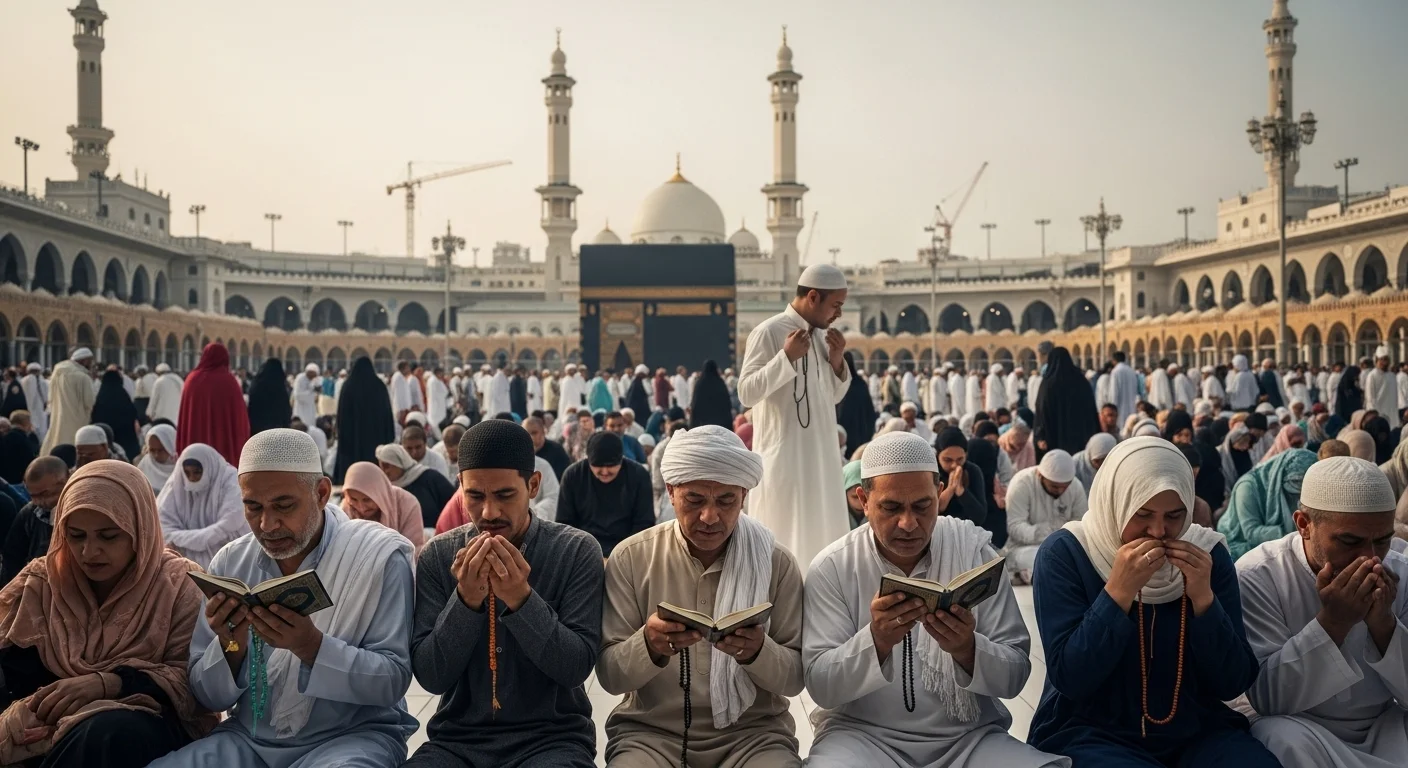
Understanding Islamic Pilgrimages
When I first learned about Islamic pilgrimages, I was amazed at how central they are to the faith. Every Muslim is encouraged to embark on these journeys, which hold profound spiritual significance. There are two main types of pilgrimages: Hajj and Umrah. Each has its unique elements, purpose, and impact on the lives of believers.
What is Hajj?
Hajj is one of the Five Pillars of Islam, which makes it obligatory for Muslims who are physically and financially able to perform it at least once in their lifetime. This pilgrimage takes place during specific dates in the Islamic month of Dhu al-Hijjah, drawing millions of Muslims from around the world to the holy city of Mecca in Saudi Arabia. I remember hearing stories about the grandeur of Hajj—the rituals, the overwhelming sense of community, and the deep spirituality that envelops the experience.
The rituals of Hajj include standing at Arafat, where pilgrims pray and seek forgiveness, and the Tawaf, which involves circling the Kaaba seven times. Each act holds significant meaning, allowing pilgrims to reflect on their faith and seek closeness to Allah. I’ve seen how Hajj can change lives, providing a sense of purpose and renewal.
What is Umrah?
Umrah, often called the “lesser pilgrimage,” is not obligatory but highly recommended for Muslims. It can be performed at any time of the year, making it a more flexible option for those who cannot participate in Hajj. I’ve learned that many people choose to perform Umrah as a spiritual journey to cleanse their hearts and minds.
Like Hajj, Umrah involves rituals such as Tawaf and Sa’i, which can be equally profound for those who undertake it. In my experience, the intimacy and personal reflection that come with Umrah can be incredibly moving, allowing for a deep connection to one’s faith without the enormous crowds typical of Hajj.
Significance of Pilgrimages in Islam
The significance of these pilgrimages goes beyond mere rituals; they embody the essence of Islamic teachings about unity, submission, and devotion. Each pilgrimage offers a unique opportunity for introspection and spiritual growth. I often reflect on how these journeys can ground us, connecting us with our history and with the global Muslim community.
Participating in Hajj or Umrah fosters a sense of belonging. When you stand shoulder to shoulder with fellow pilgrims from diverse backgrounds, the shared faith and purpose can be a powerful reminder of our collective identity as Muslims. I feel that this unity is one of the most beautiful aspects of the pilgrimage experience.
Additionally, these journeys serve as a reminder of humility and gratitude. The physical demands of walking long distances and engaging in rituals can be a challenge, but they also encourage us to appreciate our blessings and the comforts of daily life. I’ve found that pilgrims often return home with a renewed sense of purpose and a commitment to living out their faith more fully.
For many, the pilgrimage is a transformative experience that leaves lasting impressions. It’s a time to seek forgiveness, make heartfelt prayers, and reflect on personal goals and spiritual aspirations. I can only imagine how it must feel to complete such a profound journey. The stories I’ve heard from friends and family who have undertaken Hajj or Umrah resonate with a sense of accomplishment and deep emotional satisfaction.
As we explore budget-friendly options for these pilgrimages, it’s essential to remember that the significance of the experience doesn’t solely rely on the financial investment. The spiritual journey, the connections we make, and the personal growth we achieve are invaluable. I believe that with careful planning and research, anyone can embark on this life-changing journey without breaking the bank. Read Interesting article: Explore the Best Islamic Pilgrimage Destinations on a Budget
Budget-Friendly Pilgrimage Options
Affordable Hajj Packages
Embarking on Hajj can feel like a daunting task, especially when considering the costs involved. However, I’ve discovered that there are several affordable Hajj packages available that can make this sacred journey more accessible. Many travel agencies offer Hajj packages that include transportation, accommodation, and meals at varying price points. When I was researching my options, I found that the key was to book early. Many agencies provide early bird discounts, which can significantly lower the overall cost. I remember feeling relieved when I stumbled upon a package that fit my budget — it included shared accommodation and group transportation, which not only saved money but also created a sense of camaraderie with fellow pilgrims. Don’t hesitate to explore different travel agencies and compare their offerings. Some packages may include additional services, such as guided tours of historical sites, which can enrich the overall experience without adding too much to the cost. In my opinion, investing in a well-reviewed package can enhance your journey, allowing you to focus on your spiritual experience rather than the logistics.Cost-Effective Umrah Packages
Umrah, being a more flexible pilgrimage, also presents various budget-friendly options. I found that many agencies offer tailored Umrah packages that cater to different budgets. Some include basic accommodation and transport, while others might offer more luxurious stays. One thing I recommend is looking for packages that allow you to customize your experience. For instance, I chose a package that offered the option of upgrading my lodging at an additional cost, which allowed me to save money while still enjoying a comfortable stay. Additionally, traveling during non-peak seasons can lead to lower prices. I remember how much I saved by opting for a trip in the off-season; it allowed me to experience the sanctity of the pilgrimage with fewer crowds. If you’re planning Umrah, consider reaching out to local mosques or Islamic centers. They often have information on group bookings or can connect you with trusted travel agents who offer affordable packages.Local Pilgrimage Sites
While Hajj and Umrah are the most recognized pilgrimages, there are also local pilgrimage sites worth exploring, especially if you are on a tight budget or unable to travel to Saudi Arabia. I’ve realized that these sites can offer equally profound spiritual experiences. For example, visiting local mosques that are known for their historical significance or places where important events in Islamic history occurred can be an enriching experience. I remember visiting a beautifully preserved mosque in my city that was founded by early Muslim settlers. The ambiance and history made me feel connected to my faith in a deeply personal way. In addition to mosques, many countries have local shrines and sites dedicated to esteemed Islamic figures. Exploring these places not only saves money but also helps foster a deeper understanding of one’s faith. I’ve learned that sometimes the most meaningful spiritual experiences can be found right in our own backyards. Read Interesting article: Savor the Streets: Top Budget-Friendly Street Foods WorldwideTop Budget-Friendly Pilgrimage Destinations
Mecca: The Heart of Islamic Faith
Mecca, of course, is the ultimate destination for many Muslims. While the costs can be high, I’ve found ways to make the experience more affordable. Beyond the pilgrimage itself, there are numerous budget accommodations and eateries around the city. Staying slightly further away from the Kaaba can lead to significant savings, and with the availability of local transportation, getting to and from the holy sites becomes manageable. I remember walking through the streets of Mecca, taking in the sights and sounds, and it felt like a part of the pilgrimage in itself. There’s something special about immersing yourself in the city’s energy, which enhances the overall experience.Medina: The City of the Prophet
Medina holds its own charm and significance. The city is home to the Prophet’s Mosque, and many pilgrims choose to visit before or after Hajj. I found that Medina often provides a more relaxed atmosphere compared to the hustle and bustle of Mecca. While visiting, I suggest exploring affordable places to stay and eat. Many local restaurants offer delicious and budget-friendly meals. I remember sitting down with fellow pilgrims at a small diner, sharing stories and laughter over traditional Saudi dishes. It was a lovely way to connect with others while also enjoying the local culture.Local Shrines in Different Countries
I’ve also discovered that many countries have notable Islamic shrines and pilgrimage sites. For example, Turkey, Egypt, and Indonesia all offer rich histories and spiritual significance. Visiting local shrines not only fosters a sense of community but also allows for a more personal exploration of faith. Each site has its unique story and significance, which adds depth to the experience. I recall visiting a historic shrine in Turkey and being moved by the beauty and tranquility of the surroundings. It was an opportunity to reflect on my own spiritual journey in a different context, proving that pilgrimage can happen anywhere. As we continue our exploration of budgeting for spiritual journeys, I’m excited to delve deeper into planning your pilgrimage, including the best travel tips and considerations for health and safety.Planning Your Pilgrimage
Best Times to Undertake Pilgrimages
Choosing the right time to undertake a pilgrimage can greatly enhance the overall experience. I’ve discovered that both Hajj and Umrah have specific seasons that can impact everything from crowd sizes to weather conditions. For Hajj, it takes place during Dhu al-Hijjah, and because it’s obligatory for those who can afford it, the crowds can be overwhelming. However, I learned that planning to go during the early days of Hajj can sometimes offer slightly fewer crowds, allowing for a more personal experience. For Umrah, the flexibility is a blessing. I’ve noticed that traveling during the off-peak months, like after Ramadan or during the summer months when many people are busy with their own routines, provides a more serene atmosphere. I remember visiting in late spring and being able to enjoy the rituals with fewer people around. It felt intimate, and I was able to connect more deeply with my prayers and reflections.Travel Tips for Pilgrims
Planning a pilgrimage requires careful consideration, and I’ve learned a few travel tips that can make the journey smoother. First, I always recommend creating a checklist of essentials—this can include travel documents, prayer items, comfortable clothing, and any medications you might need. I once forgot my prayer rug on a trip, and while I managed, it taught me to be better prepared. Next, consider joining online groups or forums for pilgrims. These communities are a treasure trove of information, offering insights into the best travel itineraries, personal experiences, and even packing tips. I remember finding a group where members shared their stories and suggestions on how to navigate the busy streets of Mecca and Medina, making my experience much more enjoyable. Lastly, I can’t stress enough the importance of keeping an open mind and heart. Every pilgrimage is unique, and sometimes things don’t go as planned. I’ve learned to embrace the unexpected moments during my travels—they often lead to the most memorable experiences.Health and Safety Considerations
Taking care of your health while on pilgrimage should be a top priority. I’ve experienced firsthand how overwhelming the heat can be in Mecca, especially during the summer months. Staying hydrated is crucial, so I recommend carrying a water bottle and refilling it as needed. I found that drinking plenty of water not only kept me energized but also helped me focus on my spiritual practices without distraction. Furthermore, it’s wise to check in with your healthcare provider before embarking on the journey. I remember getting vaccinations and ensuring I had any necessary medications well in advance. This preparation gave me peace of mind, allowing me to focus on my spiritual goals rather than worrying about health issues. Safety is another important consideration. I always advise fellow pilgrims to keep an eye on their belongings, especially in crowded places. I once misplaced my phone in the hustle and bustle of a prayer session, which was a reminder to stay vigilant. Using a crossbody bag that I could easily access but also secure made a world of difference. I also recommend familiarizing yourself with emergency protocols in the area. Knowing where to go for help or how to contact local authorities can be reassuring, especially in an unfamiliar environment.Accommodation for Pilgrims
Budget Hotels in Mecca
Finding affordable accommodations in Mecca can be a challenge, but it’s definitely possible. I’ve learned that there are numerous budget hotels and guesthouses that provide basic amenities without breaking the bank. During my last pilgrimage, I stayed at a modest hotel a bit further from the Kaaba. While it was a bit of a walk, the lower price allowed me to allocate more funds towards experiences and meals. When searching for budget hotels, I recommend checking online travel sites and reading reviews from fellow pilgrims. I found that certain hotels offer special deals during peak pilgrimage seasons, which can significantly reduce costs. It’s also worthwhile to call the hotel directly to see if they have any unpublished rates or offers. Another tip is to book accommodations that provide shuttle services to the holy sites. This can save both time and money, making for a more convenient pilgrimage experience. I remember the relief of having a shuttle service; it made traveling to and from the sacred sites so much easier, allowing me to focus on my spiritual journey.Affordable Lodging in Medina
Just like in Mecca, Medina offers a variety of affordable lodging options. I’ve found that many hotels provide solid accommodations at reasonable prices, especially when booked in advance. Staying close to the Prophet’s Mosque can be ideal for pilgrims, but I also suggest considering places slightly further away for better rates. When I visited Medina, I stayed in a cozy hotel that offered free breakfast and a lovely view of the mosque. It was a peaceful place to unwind after a long day of prayers and exploration. Additionally, I recommend looking for family-run guesthouses, which can provide a more personal touch and often come with insider tips about the best local spots to visit.Hostels and Guesthouses Near Sacred Sites
Hostels and guesthouses can be great alternatives for budget-conscious pilgrims. I remember my experience in a hostel that was filled with fellow travelers from around the world. It not only saved me money but also allowed me to connect with people who shared similar spiritual goals. Many hostels are conveniently located near the sacred sites, making it easy to participate in prayers and rituals. I found that the communal atmosphere fostered a sense of unity and camaraderie among the guests. Sharing meals and stories with fellow pilgrims created a supportive environment that enhanced the overall experience. When looking for hostels, I recommend checking online booking platforms for reviews and ratings. I always pay attention to the cleanliness and safety of the establishment, as these are crucial factors for a comfortable stay. As we explore the transportation options available for pilgrims, I’m eager to dive into the various ways to navigate Mecca and Medina efficiently while keeping costs low.Frequently Asked Questions
What are the two main types of Islamic pilgrimages?
The two main types of Islamic pilgrimages are Hajj and Umrah. Hajj is obligatory for Muslims who are physically and financially able, while Umrah is highly recommended but not mandatory.
When does Hajj take place?
Hajj takes place during specific dates in the Islamic month of Dhu al-Hijjah, drawing millions of Muslims to the holy city of Mecca in Saudi Arabia.
What rituals are involved in Hajj?
The rituals of Hajj include standing at Arafat, where pilgrims pray and seek forgiveness, and the Tawaf, which involves circling the Kaaba seven times.
Is Umrah obligatory for Muslims?
No, Umrah is not obligatory but is highly recommended for Muslims and can be performed at any time of the year.
What are some budget-friendly options for Hajj?
Affordable Hajj packages are available through various travel agencies that include transportation, accommodation, and meals at varying price points. Booking early can also help secure discounts.
How can I find cost-effective Umrah packages?
Many agencies offer tailored Umrah packages that cater to different budgets. It’s recommended to look for customizable options and consider traveling during non-peak seasons for lower prices.
What are some local pilgrimage sites I can explore?
Local mosques with historical significance and shrines dedicated to esteemed Islamic figures can offer profound spiritual experiences, especially for those on a tight budget or unable to travel to Saudi Arabia.
What travel tips should I consider for my pilgrimage?
Creating a checklist of essentials, joining online groups for insights, and keeping an open mind are key travel tips that can enhance the pilgrimage experience.
How can I ensure my health and safety during the pilgrimage?
Stay hydrated, check in with a healthcare provider before the journey, keep an eye on belongings, and familiarize yourself with emergency protocols in the area to ensure health and safety during the pilgrimage.
What types of accommodations are available for pilgrims?
There are numerous budget hotels, guesthouses, hostels, and family-run accommodations available in Mecca and Medina that provide basic amenities at reasonable prices.