
Embarking on a spiritual journey through Hindu pilgrimages can be a transformative experience. It opens up a world of rich culture, deep-rooted traditions, and profound spirituality—all while being budget-friendly. Read Interesting article: Discover India’s Hidden Hindu Pilgrimages on a Budget
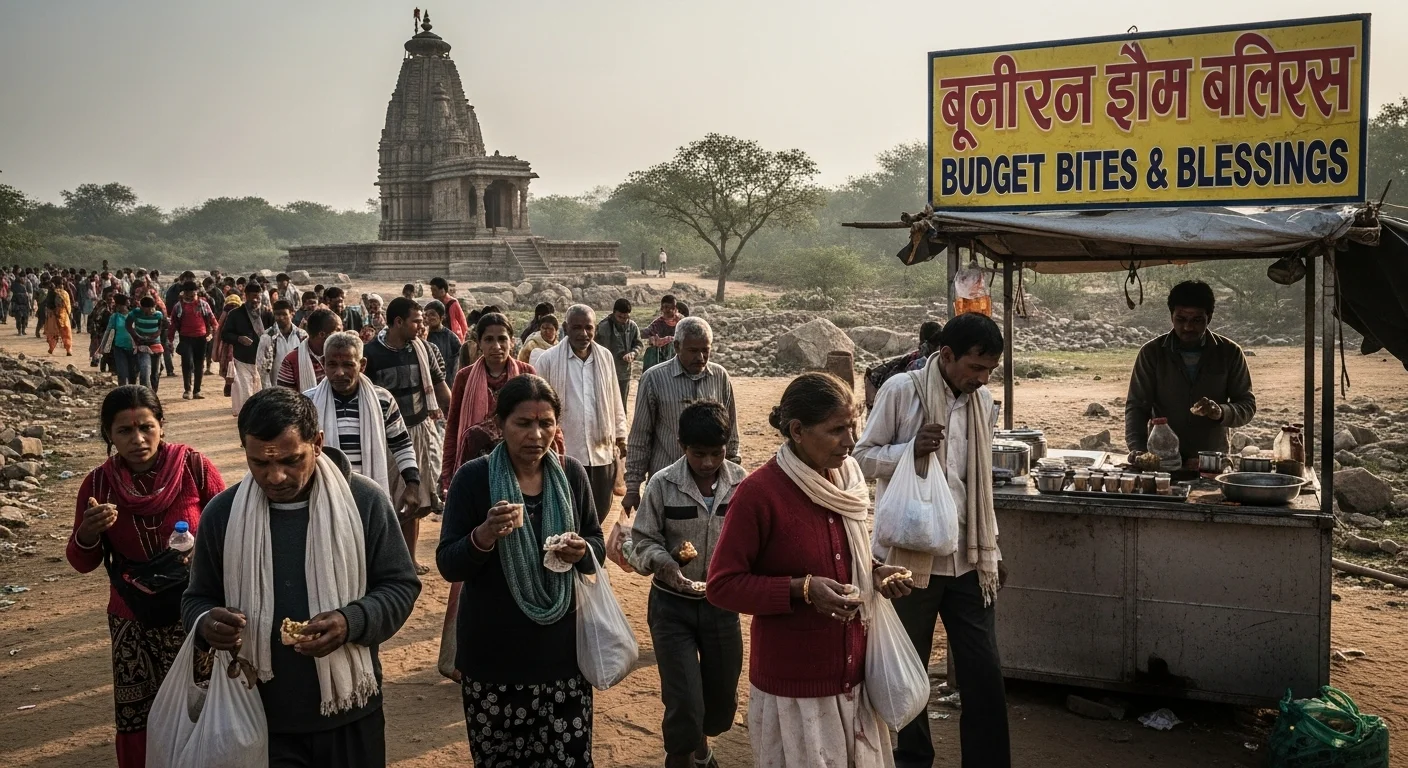
Understanding Hindu Pilgrimage
Definition of Pilgrimage in Hinduism
When I first started exploring Hinduism, I was curious about what a pilgrimage truly meant. In Hinduism, a pilgrimage, or “tirtha yatra,” involves traveling to sacred sites that hold spiritual significance. These places are believed to be imbued with the presence of deities or divine energy. Pilgrimages can vary in length and purpose, ranging from short visits to local temples to long journeys across the country to the holiest sites. I learned that for many Hindus, embarking on a pilgrimage is not just about the destination; it’s a way to cleanse the soul, seek blessings, and connect with their faith.
Significance of Pilgrimage in Spiritual Practice
For me, understanding the significance of pilgrimage opened my eyes to its deeper meaning. Pilgrimages allow individuals to step away from their daily lives and immerse themselves in spiritual practices. It’s a time for reflection, meditation, and devotion. I’ve met countless people on their journeys, and many shared how these experiences brought them closer to their faith and helped them find clarity in their lives. The act of traveling to these sacred places is often seen as a way to attain spiritual merit, purify oneself, and fulfill religious duties. I remember chatting with a fellow pilgrim who described their trip as a “soul-stirring adventure,” and I couldn’t agree more.
Common Pilgrimage Destinations in India
As I began to delve deeper into Hindu pilgrimages, I discovered some of the most prominent destinations that attract millions each year. Each place has its unique charm and significance, making them must-visit locations for any spiritual seeker. Here are a few that stood out to me:
- Varanasi: Known as the spiritual capital of India, Varanasi is famous for its ghats along the Ganges River. Watching the sunrise while witnessing the Ganga Aarti ceremony was one of the most moving experiences of my life.
- Rishikesh: Touted as the yoga capital of the world, Rishikesh offers tranquility and spiritual teachings amidst the beautiful backdrop of the Himalayas. I found myself captivated by the numerous ashrams and yoga retreats.
- Haridwar: This sacred city is considered a gateway to the gods. The Kumbh Mela held here is a major draw, where millions gather to take a holy dip in the Ganges.
- Amritsar: Home to the Golden Temple, it’s a beautiful symbol of peace and brotherhood. The community kitchen serving meals to thousands was an experience I will never forget.
- Kedarnath: Nestled in the mountains, this shrine dedicated to Lord Shiva is an arduous trek away but worth every step. I appreciated the serenity and spiritual energy surrounding the temple.
- Pushkar: Famous for its sacred lake, Pushkar is a great spot for those seeking to connect with spirituality in a relaxed environment.
These destinations not only offer spiritual enrichment but also a chance to immerse oneself in the vibrant culture and traditions of India. Each pilgrimage I’ve taken has allowed me to form a deeper connection with my spirituality.
It’s fascinating how these destinations resonate with people from all walks of life. Whether you’re seeking answers, blessings, or simply an escape from the chaos of everyday life, there’s something profoundly beautiful about visiting these sacred sites. I still remember my first pilgrimage experience; it was not just a journey to a place but a journey within myself. As I walked among the faithful, I felt a sense of belonging and purpose that I hadn’t experienced before.
In my experience, understanding the significance of these pilgrimages can enhance the overall journey. It’s about appreciating the culture, history, and spirituality that comes alive in these sacred spaces. As we continue to explore budget-friendly Hindu pilgrimages, we’ll uncover more about the best destinations to visit and how to make the most of our experiences without breaking the bank. Read Interesting article: Top 7 Budget-Friendly Hindu Pilgrimages to Explore
Top Budget-Friendly Hindu Pilgrimage Destinations
Varanasi: The Spiritual Capital
Varanasi holds a special place in my heart. It’s not just a city; it’s a living embodiment of spirituality. Walking through its narrow alleys filled with ancient temples and vibrant markets, I felt as if I was stepping back in time. The Ganges River, with its flowing waters, seems to cradle the city in its embrace. I remember staying at a modest guesthouse that overlooked the river, where I could wake up to the sound of temple bells and the sight of early morning rituals. For me, Varanasi is incredibly budget-friendly, offering affordable lodging and street food that’s bursting with flavor. Eating a simple plate of chaat while watching the locals perform their rituals was an experience I cherish deeply.
Rishikesh: The Yoga Capital
Rishikesh was another gem I stumbled upon during my explorations. Nestled in the foothills of the Himalayas, it felt like a sanctuary from the bustle of everyday life. I joined a few yoga classes that were surprisingly affordable, and the instructors were both knowledgeable and welcoming. The serene environment made it the perfect place for introspection and personal growth. I found peace sitting by the banks of the Ganges, where I could meditate while taking in the breathtaking views of the mountains. Plus, the local eateries served delicious vegetarian meals at such reasonable prices that I often treated myself to a second serving!
Haridwar: The Gateway to the Gods
Haridwar is often referred to as the gateway to the gods, and after my visit, I understood why. The energy in the air, especially during the Ganga Aarti, is palpable. I remember being part of a massive crowd, all chanting and singing together, which felt like an ocean of devotion. Accommodations here can be quite affordable, with many dharamshalas (pilgrim rest houses) that offer basic amenities at low rates. I enjoyed exploring the local market, where I could buy beautiful religious items and souvenirs to take back home without spending too much.
Amritsar: Home of the Golden Temple
Amritsar was a highlight of my journey, primarily because of the Golden Temple. The temple’s beauty is breathtaking, especially when it’s illuminated at night. I was fortunate enough to stay at a nearby guesthouse that was both economical and comfortable. One of the most heartwarming experiences was the community kitchen at the temple, known as the langar. It serves free meals to thousands of visitors daily, and I felt truly humbled to sit and share a meal with people from all walks of life. The atmosphere was incredibly welcoming, and I found solace in the simplicity and generosity of this practice.
Kedarnath: A Journey to the Divine
Kedarnath is a bit more challenging to access, but I can confidently say it’s worth every effort. The journey involves a trek that can be tough, but the stunning views of the mountains made it memorable. I chose to go in the off-peak season, which not only meant fewer crowds but also better deals on accommodations. When I reached the temple, the tranquility enveloped me. Standing in front of the shrine dedicated to Lord Shiva, I felt a sense of connection that is hard to describe. The experience of being there, surrounded by nature’s beauty, is something I will always treasure.
Pushkar: The Sacred Lake
Pushkar offered a peaceful retreat from my more intense pilgrimages. Known for its sacred lake, I found it a perfect place to relax and reflect. The town has a laid-back vibe, and I often wandered through the colorful streets, soaking in the culture. I discovered that Pushkar is also famous for its annual camel fair, which draws visitors from all over the world. I didn’t attend during the festival, but even in the quieter months, the local cafes served tasty food that didn’t strain my budget. I enjoyed sipping chai while chatting with friendly locals, who shared fascinating stories about the lake and its significance.
These destinations not only offer spiritual journeys but also allow us to experience the beauty of India’s culture while being mindful of our budgets. Each place has its unique charm, and I’ve found that with a little planning, it’s possible to create unforgettable memories without overspending. As I reflect on my travels, I realize that these sacred sites have been more than just destinations; they’ve been stepping stones on my path to understanding and connecting with my spirituality. Read Interesting article: Essential Guide to Affordable Hindu Pilgrimages in India
When to Visit: Best Times for Pilgrimage
Seasonal Considerations
As I planned my pilgrimages, one of the key factors I considered was the season. India’s climate varies greatly, and it can dramatically impact your experience. I learned that the best time for most pilgrimages is during the cooler months, from October to March. The weather during this period is generally pleasant, making it much more enjoyable to explore the sacred sites. I remember visiting Varanasi in December, and the crisp air added to the spiritual atmosphere. However, each destination has its own peak season, and it’s essential to research the specific site you plan to visit. For instance, Rishikesh comes alive during the yoga season, attracting many seekers and teachers alike.
Major Festivals and Their Impact on Visits
Experiencing local festivals can be the highlight of any pilgrimage. I remember coinciding my visit to Haridwar with the Kumbh Mela, one of the largest religious gatherings in the world. While it was bustling and crowded, the energy was electric. All around, there were celebrations, rituals, and a sense of community that was palpable. However, it’s important to note that during major festivals, accommodations can be scarce, and prices may rise. I found that planning ahead, booking in advance, and being flexible with my travel dates allowed me to enjoy these events without hassle. If you can, try to experience a festival that resonates with your journey; it adds a layer of depth and richness to your spiritual exploration.
Weather Conditions and Travel Tips
Weather can play a significant role in your pilgrimage experience. I’ve experienced the sweltering heat of summer in India, which can be challenging, especially in places like Varanasi and Pushkar. If you must travel during the summer months (April to June), I highly recommend staying hydrated and planning your sightseeing in the early mornings or late afternoons when temperatures are more bearable. During the monsoon season (July to September), some areas can become difficult to navigate due to heavy rains. I remember one rainy day in Rishikesh where the Ganges swelled and disrupted transportation, reminding me to always check the weather forecast ahead of time. It’s wise to pack accordingly, bringing layers for cooler evenings and quick-drying clothing for unexpected rain. Keeping a flexible itinerary can help you adapt to changing weather conditions.
Planning Your Budget Hindu Pilgrimage
Transportation Options: How to Get There
Getting to your pilgrimage destination can be an adventure in itself! I’ve tried a variety of transportation methods, each offering its unique charm. Trains are often the best option for budget travelers; they’re affordable and can provide a glimpse into daily life in India. I took an overnight train to Varanasi, sharing a compartment with friendly locals who were eager to share stories. Buses are another economical choice, and they can connect you to remote areas. However, I recommend checking the bus schedule ahead of time, as they can be less reliable. For shorter distances, rickshaws and app-based cabs are convenient and budget-friendly. I often found myself bargaining for the best fares, which became part of the fun! Just remember to stay patient and polite, as it’s all part of the experience.
Accommodation: Affordable Staying Options
Finding affordable accommodation is essential for budget-conscious pilgrims. When I first started traveling, I opted for dharamshalas, which are guesthouses specifically for pilgrims. They often offer simple rooms at minimal costs, and many have shared facilities. I appreciated the communal atmosphere and the chance to meet fellow travelers. Hostels are also becoming popular in pilgrimage cities, providing dormitory-style rooms that are both fun and cost-effective. I remember swapping stories with other backpackers over chai in a cozy hostel in Rishikesh. For those preferring more privacy, budget hotels are available, but I found that some of the best experiences came from staying in simpler accommodations. Don’t hesitate to check online reviews and book in advance during peak seasons!
Food on a Budget: Where to Eat
Food is a significant part of the pilgrimage experience, and I always sought out local eateries that offered delicious meals without breaking the bank. Street food is often a highlight for me; I’ve enjoyed everything from spicy chaat in Varanasi to fresh fruit salads in Rishikesh. I found that small, family-run restaurants typically have the most authentic flavors at reasonable prices. Don’t be afraid to ask locals for recommendations; they often lead you to hidden gems that are not in tourist guides. Additionally, many temples offer free meals or ‘langar,’ which is a communal dining experience. I remember the taste of the simple, wholesome food at the Golden Temple in Amritsar, where sharing a meal with strangers felt like a celebration of humanity. Eating like a local not only supports the community but also enriches your pilgrimage.
Entry Fees and Donations: What to Expect
While many temples and pilgrimage sites are free to enter, some may charge modest entry fees. I’ve encountered this in places like Kedarnath, where a small fee helps maintain the site. It’s always good to check beforehand and set aside a little extra for these costs. Additionally, donations are welcomed in many temples, and I learned that contributing can enhance your spiritual experience. I remember leaving a small offering at the Golden Temple, feeling a sense of connection to something greater than myself. It’s important to give what you can, but I’ve also found that your presence and intention matter just as much, if not more.
Must-See Temples and Spiritual Sites
Overview of Key Temples in Each Destination
As I ventured deeper into my pilgrimages, I discovered that each destination is home to temples and sites that are not only significant in Hinduism but also breathtakingly beautiful. In Varanasi, the Kashi Vishwanath Temple stood out to me with its intricate architecture and serene atmosphere. The devotion I witnessed there was palpable, as people queued to offer their prayers. In Rishikesh, the Parmarth Niketan Ashram caught my eye; its peaceful gardens and the Ganga Aarti ceremonies held every evening drew me in. The lavishly adorned Golden Temple in Amritsar didn’t just dazzle me with its beauty; it also radiated a sense of peace and community that was truly heartwarming.
During my trek to Kedarnath, the temple devoted to Lord Shiva amazed me with its rugged mountain backdrop, making the journey feel even more sacred. Pushkar’s Brahma Temple was another gem; standing by the sacred lake and witnessing pilgrims perform rituals left a lasting impression on me. Each temple was a testament to the rich tapestry of faith and devotion that permeates these sacred sites.
Unique Rituals and Practices at Each Site
Experiencing the rituals at these temples took my understanding of spirituality to another level. In Varanasi, I participated in the Ganga Aarti, a beautiful ceremony where lamps are floated on the river, symbolizing the surrender of worries to the divine. I was entranced by the chants, the flickering flames, and the collective energy of devotion. In Haridwar, the ritual of taking a holy dip in the Ganges during the Kumbh Mela was both exhilarating and humbling. The sheer number of people gathered for this spiritual act was awe-inspiring.
At the Golden Temple, I was fortunate enough to partake in the langar, the communal meal served to all visitors. Sharing food with strangers from various backgrounds truly exemplified the spirit of equality and togetherness in Sikhism. Each site had its unique practices, and witnessing them firsthand brought me closer to the essence of these spiritual traditions.
Local Guides and Pilgrimage Tours
To enrich my experience, I often relied on local guides who offered invaluable insights into the history and significance of the temples. I remember one particular guide in Rishikesh who spoke passionately about the philosophy behind yoga and meditation. He led us on a tour that included quiet spots by the river and lesser-known temples, which felt like hidden treasures. Joining group pilgrimage tours can also be a great way to meet fellow travelers and share experiences. I found that having a guide not only lent depth to my travels but also made navigating the sometimes overwhelming atmosphere of these bustling sites more manageable.
Safety and Travel Tips for Pilgrims
Health and Hygiene Considerations
Staying healthy while navigating these spiritual journeys is crucial. I always packed a small first-aid kit with essentials like band-aids, pain relievers, and any personal medications. I found it wise to drink only bottled or purified water to avoid any stomach issues, especially since the street food is tempting but can sometimes be a gamble. Carrying hand sanitizer and wet wipes also helped me feel more comfortable in crowded areas, allowing me to focus on my spiritual experience rather than my worries about hygiene.
Respecting Local Customs and Traditions
One of the most important lessons I learned was the need to respect local customs and traditions. Each temple had specific rules regarding dress codes and behavior. I always ensured to dress modestly, covering my shoulders and knees, particularly in sacred sites. Observing the respectful silence during rituals and ceremonies also helped me feel more connected to the spiritual atmosphere. I found that approaching locals with humility and asking for permission before taking photos was appreciated and often led to deeper interactions and insights.
Emergency Contacts and Resources
Having a list of emergency contacts can bring peace of mind while traveling. I kept a note of local emergency numbers, the nearest hospitals, and the addresses of my accommodations. In cities like Varanasi and Rishikesh, there are often tourist information centers that can assist with queries or unexpected situations. I also made sure to have a fully charged mobile phone and downloaded offline maps, which proved to be a lifesaver when exploring unfamiliar areas.
Experiencing Spirituality: Activities Beyond Pilgrimage
Participating in Local Festivals
Engaging in local festivals drastically enhanced my spiritual experience. I remember attending the Diwali festival in Rishikesh, where the entire city lit up with diyas and fireworks. The joy and sense of community during that time were palpable, and it felt like the perfect way to immerse myself in the local culture. Festivals often include rituals, music, and dances that allow you to connect with the essence of the place in a way that goes beyond typical sightseeing.
Yoga and Meditation Retreats
In Rishikesh, I took advantage of the numerous yoga and meditation retreats. These experiences were transformative, allowing me to delve deeper into my spiritual practice. The serene surroundings, combined with the guidance of experienced instructors, helped me find inner peace and develop a consistent practice that I continue to cherish today. I highly recommend trying a few classes or workshops to truly embrace the spiritual atmosphere of the destinations.
Volunteer Opportunities in Pilgrimage Cities
Volunteering in local communities can provide a unique perspective on your pilgrimage. I spent some time helping out at an orphanage in Varanasi, where my time and effort felt rewarding. Not only did I contribute to the community, but I also forged connections that enriched my journey. Many pilgrimage cities offer opportunities for travelers to give back, whether through teaching, helping with community projects, or participating in temple services. It’s a beautiful way to experience the culture while making a positive impact.
Final Thoughts
Reflecting on my journey through these sacred sites, I realize that each pilgrimage has been an opportunity for personal growth and spiritual exploration. From the bustling streets of Varanasi to the tranquil banks of the Ganges in Rishikesh, each experience has deepened my understanding of Hinduism and the profound connections we share as seekers of truth. I believe that anyone embarking on a pilgrimage can find their own path to enlightenment, discovering not just the beauty of these places, but also a richer understanding of themselves. Making these journeys budget-friendly is entirely possible, and I encourage everyone to consider a pilgrimage, regardless of their financial situation. It’s about the journey, the connections we make, and the lessons we learn along the way that truly count.
Frequently Asked Questions
What is the definition of pilgrimage in Hinduism?
A pilgrimage in Hinduism, or “tirtha yatra,” involves traveling to sacred sites that hold spiritual significance, believed to be imbued with the presence of deities or divine energy. It is a way for many Hindus to cleanse the soul, seek blessings, and connect with their faith.
Why are pilgrimages significant in spiritual practice?
Pilgrimages allow individuals to step away from daily life and immerse themselves in spiritual practices, reflection, meditation, and devotion. They are seen as opportunities to attain spiritual merit, purify oneself, and fulfill religious duties.
What are some common pilgrimage destinations in India?
Common pilgrimage destinations in India include Varanasi, Rishikesh, Haridwar, Amritsar, Kedarnath, and Pushkar, each offering unique spiritual experiences and cultural significance.
What makes Varanasi special for pilgrims?
Varanasi is known as the spiritual capital of India, famous for its ghats along the Ganges River. It offers affordable lodging, vibrant markets, and experiences like the Ganga Aarti ceremony, making it a deeply spiritual place for visitors.
How can I travel to pilgrimage destinations affordably?
Traveling by trains is often the best option for budget travelers as they are affordable. Buses are another economical choice, while rickshaws and app-based cabs can be used for shorter distances. It is advisable to check schedules and bargain for the best fares where possible.
What types of accommodation are available for budget travelers?
Budget travelers can find affordable accommodation in dharamshalas (pilgrim rest houses), hostels, and budget hotels. Dharamshalas often have communal atmospheres, while hostels provide dormitory-style rooms for cost-effective stays.
What should I consider when planning the timing of my pilgrimage?
The best time for most pilgrimages in India is during the cooler months, from October to March. Additionally, experiencing local festivals can enhance the pilgrimage experience, although it may lead to higher accommodation costs and crowded conditions.
How can I stay healthy during my pilgrimage?
To stay healthy, travelers should pack a small first-aid kit, drink only bottled or purified water, and carry hand sanitizer. Being mindful of hygiene, especially in crowded areas, can help maintain comfort during the journey.
What unique rituals can be experienced at pilgrimage sites?
Each pilgrimage site has unique rituals, such as the Ganga Aarti in Varanasi, taking a holy dip during Kumbh Mela in Haridwar, and participating in the community meal (langar) at the Golden Temple in Amritsar, which embody the spiritual traditions of the area.
How can volunteering enhance my pilgrimage experience?
Volunteering in local communities allows travelers to contribute positively while forging meaningful connections. Opportunities may include teaching, helping with community projects, or participating in temple services, enriching the overall pilgrimage experience.