
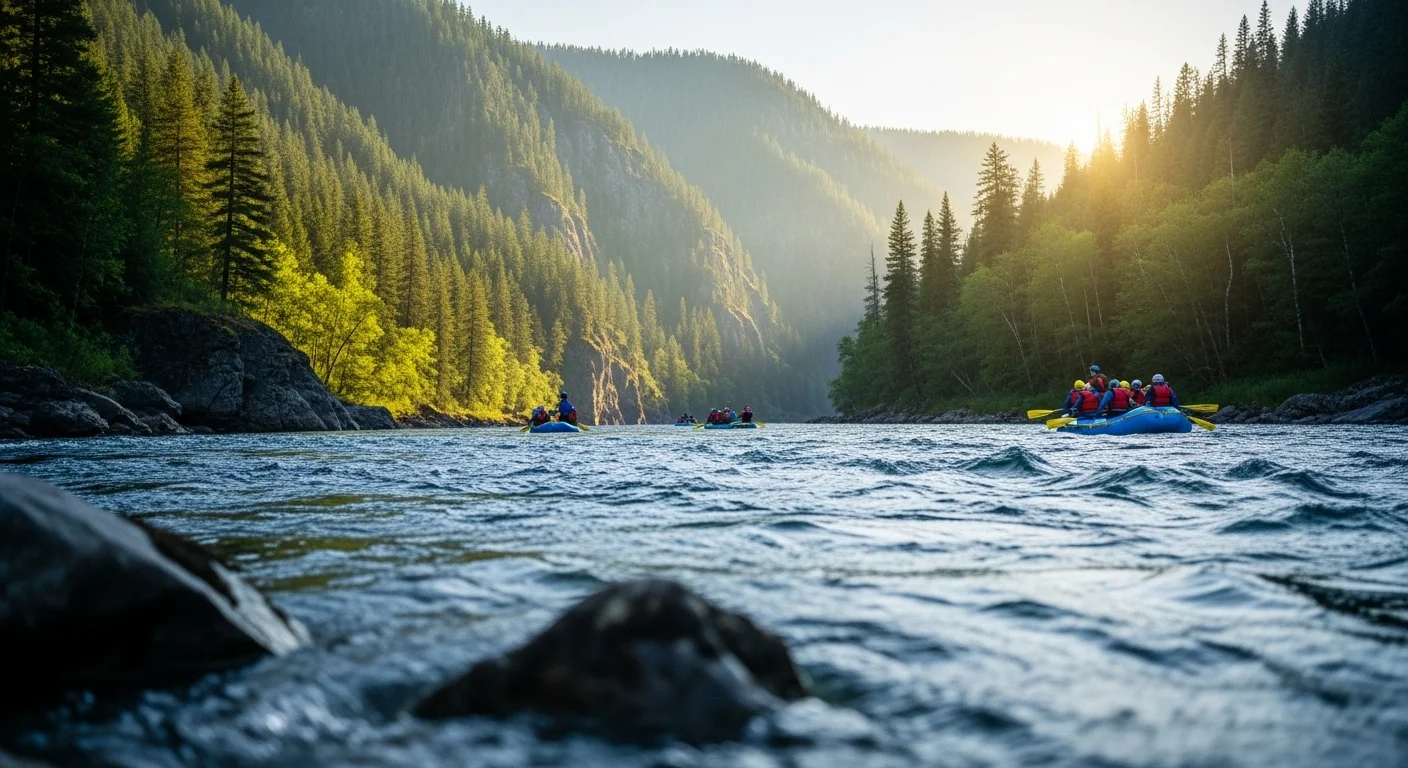
Imagine the rush of cold water splashing against your face as you navigate through stunning canyons and roaring rapids. White water rafting is an adventure that every backpacker should experience. Let’s dive into what makes this thrilling sport so special.
Understanding White Water Rafting
What is White Water Rafting?
White water rafting is an exhilarating outdoor activity that involves navigating through turbulent river waters in an inflatable raft. I remember my first rafting trip vividly; the excitement of paddling through the roaring rapids and the camaraderie with my fellow adventurers created an unforgettable experience. It combines teamwork, strategy, and a healthy dose of adrenaline, making it a perfect fit for backpackers seeking thrills. For those looking to save, check out the Ultimate Guide to Affordable White Water Rafting Adventures.
Rafting can be enjoyed by people of all skill levels, from beginners to seasoned pros. I’ve found that each trip offers something unique, whether it’s the stunning scenery, the challenge of the rapids, or the opportunity to connect with nature and others. The thrill of mastering the rapids is what keeps me coming back for more.
Types of Rapids: Class I to Class VI
Understanding the different classes of rapids is crucial for any rafting adventure. Rapids are categorized from Class I, which are gentle and easy for beginners, to Class VI, which are extremely dangerous and only suitable for expert paddlers. Here’s a quick breakdown:
- Class I: Easy, with small waves and few obstacles. Perfect for first-timers.
- Class II: Moderate rapids with larger waves, requiring some basic paddling skills.
- Class III: Intermediate rapids with more challenging waves and potential hazards. Good for adventurous beginners.
- Class IV: Advanced rapids that demand strong paddling and teamwork. Not for the faint of heart!
- Class V: Expert-level rapids with significant hazards and strong currents. A thrilling challenge!
- Class VI: Unrunnable and dangerous rapids. Only attempted by the most skilled rafters.
On my last trip, we tackled a Class IV river, and let me tell you, the adrenaline was pumping! The rush of navigating through those challenging waters was both terrifying and exhilarating, and I loved every second of it.
Essential Equipment for Rafting
Having the right equipment can make or break your white water rafting experience. I’ve learned this firsthand, especially after a trip where I skimped on gear. Here’s a checklist of essential items you shouldn’t forget:
- Raft: Your trusty vessel, usually provided by your rafting company. Ensure it’s suitable for the rapids you’ll be facing.
- Paddles: Most companies provide paddles, but I recommend checking their quality before heading out.
- Life Jacket: A must-have for safety. Make sure it fits snugly and is comfortable.
- Helmet: Protects your head from potential impacts with rocks or other obstacles.
- Wet Suit: Depending on the temperature, a wet suit can keep you warm and protected from the cold water.
- Footwear: Wear sturdy shoes that can get wet. I’ve found that water sandals or old sneakers work best.
- Dry Bags: Keep your belongings safe and dry during the adventure. Trust me, you’ll want to avoid soggy snacks!
When I first went rafting, I didn’t invest in a good life jacket. I quickly realized how crucial it was to feel secure in the water. Now, I never hit the river without my trusty gear.
Ultimately, white water rafting is an adventure that combines the thrill of nature with the joy of camaraderie. Whether you’re an experienced rafter or just starting out, there’s something about the roar of the river and the rush of navigating its currents that hooks you and keeps you coming back for more.
Top Destinations for White Water Rafting
Colorado River, Arizona
The Colorado River is often synonymous with white water rafting, and for good reason. Stretching through the breathtaking Grand Canyon, it offers a unique combination of stunning landscapes and exhilarating rapids. I remember the first time I laid eyes on the canyon walls; they were majestic and seemed to reach for the sky. The river features sections ranging from Class I to Class V, making it suitable for everyone from beginners to seasoned adventurers. One of my favorite moments was navigating through the famous Lava Falls, where the excitement surged as we plunged through the rapids. It was a rush I’ll never forget!
Salmon River, Idaho
If you’re looking for a blend of adventure and scenic beauty, the Salmon River in Idaho is a must-visit. Known as the “River of No Return,” it offers some of the best white water rafting experiences in the country. I had the chance to raft this river last summer, and the crystal-clear waters were like something out of a postcard. The Salmon River boasts a variety of rapids, with Class III to Class V sections, making it an excellent choice for those seeking both thrills and a chance to marvel at nature. Plus, the surrounding wilderness is perfect for spotting wildlife, which was a delightful bonus during our trip.
Ocoee River, Tennessee
The Ocoee River is another fantastic destination for white water rafting enthusiasts. Located in Tennessee, this river is famous for its fast-paced rapids and beautiful scenery. I still recall the laughter and cheers from my group as we navigated the intense Class III and Class IV rapids. The river hosts several annual events, including the Ocoee River Raft Race, which adds an exciting twist to the experience. What I loved most about the Ocoee was the way the lush, green forests hugged the banks, creating a serene backdrop for the exhilarating action on the water.
Rogue River, Oregon
The Rogue River in Oregon is a gem for those who love both adventure and the great outdoors. With its diverse range of rapids, from Class II to Class IV, it’s perfect for families and groups of friends. I remember my trip there vividly – the beauty of the surrounding landscape and the thrill of the rapids made it an unforgettable experience. The Rogue also offers opportunities for hiking and fishing along the way, which is great for those who want to explore more than just the water. A highlight for me was stopping at one of the riverside campsites to enjoy a hearty meal with my fellow rafters under the stars.
Futaleufu River, Chile
If you’re feeling adventurous and want to take your rafting experience international, the Futaleufu River in Chile should be on your radar. This river is famed for its stunning turquoise waters and challenging rapids, ranging from Class III to Class V. I had the chance to raft here last year, and it was like stepping into another world. The backdrop of the Andes mountains and the unique wildlife made the trip feel like a true expedition. Rafting on the Futaleufu was not just about the thrill; it was also about immersing myself in a completely different culture and environment. I can honestly say it was one of the best experiences of my life!
Best Times to Go White Water Rafting
Seasonal Considerations
Timing your rafting trip can significantly impact your experience. Generally, the best time for white water rafting is during the spring and early summer when snowmelt feeds the rivers, creating thrilling rapids. I’ve noticed that planning a trip around this time often brings the most challenging conditions, which is perfect for adrenaline junkies like myself. However, late summer and fall can also offer calmer waters, making it a great option for families or those looking to enjoy a more leisurely float.
Weather Impact on Rafting Conditions
The weather can change rapidly, and this influences river conditions greatly. I’ve experienced sunny days turn into sudden storms, which made the rapids more intense. It’s essential to check the weather forecast before heading out. I recommend keeping an eye on local conditions, as heavy rain can lead to increased water levels and, therefore, more challenging rapids. The thrill of rafting during changing weather can be exhilarating, but safety should always come first!
Local Festivals and Events
Attending local festivals or events can enhance your rafting experience. Many river communities celebrate their rivers with festivals featuring live music, food, and rafting competitions. I had the pleasure of attending a river festival during my rafting trip on the Ocoee, and it was a fantastic way to connect with locals and fellow adventurers. These events often provide additional activities such as guided tours, workshops, and even equipment rentals, making them a great addition to your rafting adventure. For more ideas on affordable destinations, check out the Top 10 Budget-Friendly White Water Rafting Destinations.
Planning Your Rafting Trip
How to Choose a Rafting Company
Choosing the right rafting company can make a huge difference in your experience. I remember when I first started out; I was overwhelmed by the options available. After some research and chatting with friends who had gone before me, I learned a few key things to look for. First, check if the company has good reviews and ratings. Websites like Yelp or TripAdvisor can be super helpful. I found that reading about other people’s experiences gave me a clearer picture of what to expect.
Another important aspect is safety. Make sure the company follows strict safety guidelines and has certified guides. I’ve rafted with companies that provide detailed briefings on what to expect and how to handle different scenarios on the river. This made me feel more at ease and ready for the adventure ahead. Don’t hesitate to ask questions when you contact them—it’s a great way to gauge their expertise and customer service!
Guided Tours vs. Self-Guided Adventures
When planning your trip, you’ll need to decide between a guided tour or a self-guided adventure. I’ve done both, and each has its perks. Guided tours are fantastic for beginners or those who want a hassle-free experience. The guides know the river like the back of their hand and can offer insights about local wildlife, history, and safety tips. I remember how much I enjoyed hearing stories from our guide while navigating the rapids—it really added depth to our journey.
On the other hand, self-guided adventures can be thrilling for more experienced rafters who want to take charge of their experience. However, it requires more planning. You’ll need to understand the river’s conditions, have the right gear, and be prepared for emergencies. I’ve learned that having a solid map and a good sense of the river’s layout can make this option exciting and rewarding.
Permits and Regulations
Before you hit the river, it’s crucial to understand the permits and regulations that might apply. Some popular rafting destinations require permits, especially during peak season. I remember when I attempted to paddle on a river that needed a permit, and it turned into a bit of a scramble to find an alternative route. Always check the local regulations before planning your trip. Websites for national parks or local rafting associations usually have the most up-to-date information.
Additionally, being aware of seasonal restrictions is essential. For example, certain rivers might have specific periods when they are open for rafting based on water levels or weather conditions. I’ve found that planning ahead and securing permits well in advance can save you a lot of stress later on. It allows you to focus on the fun parts—like packing and getting excited for the adventure ahead!
Backpacking Essentials for Rafting
What to Pack for a Rafting Trip
Packing for a rafting trip can be a bit of an art, and over the years, I’ve honed my list to ensure I’m well-prepared. First and foremost, you need to think about clothing. Quick-drying clothes are a must, as you’ll likely get wet. I usually wear moisture-wicking shirts and board shorts. A lightweight, waterproof jacket is also essential to protect against splashes and unexpected weather changes.
Don’t forget about personal items. A good pair of polarized sunglasses can protect your eyes from the sun and glare off the water. I lost a pair of shades on my second rafting trip, and I can’t tell you how much I regretted it! Also, packing a hat can shield your face from the sun. Lastly, be sure to carry a good sunscreen. I learned the hard way that sunburn can ruin a fantastic day on the water.
Food and Water Considerations
Staying fueled during a rafting trip is incredibly important. I’ve always packed high-energy snacks like trail mix, granola bars, and jerky. These bite-sized goodies are easy to munch on while paddling and provide a quick energy boost. If you’re camping overnight or planning a longer excursion, consider packing a portable stove or grill for hot meals. Cooking together by the river can be an enjoyable way to unwind after a day of adventure.
Water is another crucial element. I always bring a refillable water bottle or hydration pack. Staying hydrated while paddling is essential, and having easy access to water makes it more convenient. I remember feeling drained midway through a trip because I wasn’t drinking enough. Now, I make it a point to take sips regularly, even when I’m in the thick of it!
Safety Gear and First Aid Kits
No rafting adventure is complete without the proper safety gear. Aside from the essential life jacket and helmet, I always carry a first aid kit. I once had a minor scrape that turned into a nuisance because I didn’t have any supplies to clean it up. A well-stocked first aid kit should include band-aids, antiseptic wipes, and pain relievers. It’s better to be prepared and not need it than to find yourself wishing you had.
Additionally, having a whistle can be a lifesaver in emergencies. I’ve seen how quickly things can change on the river, and having a way to signal for help can provide peace of mind. Remember to check your gear before heading out; it’s a good habit that can prevent issues during your trip.
Safety Tips for White Water Rafting
Understanding Safety Briefings
Before hitting the water, safety briefings are crucial for a successful rafting trip. I can’t stress enough how much I’ve appreciated these sessions in the past. They provide valuable information about the river, the equipment, and what to expect while on the water. During my first briefing, I learned about how to paddle effectively, what to do in case someone falls overboard, and the importance of communicating with my fellow rafters. I remember feeling more confident after that initial briefing, knowing that I was prepared for whatever the river might throw my way.
Guides often use these sessions to emphasize safety protocols. They explain the significance of wearing your life jacket at all times and how to properly position yourself in the raft. I’ve learned that taking these briefings seriously can completely transform your experience, ensuring you stay safe while enjoying the thrills of the rapids.
Common Injuries and How to Prevent Them
Even though rafting is incredibly fun, it does come with risks. I’ve seen a few common injuries that can occur, such as scrapes, bruises, or even more serious falls. To prevent these, I’ve found that wearing appropriate gear is of utmost importance. A well-fitting life jacket and helmet can make all the difference. I remember one rafting trip where someone took a tumble and ended up with a nasty scrape. Thankfully, they had a helmet, which saved them from a more serious injury.
But beyond gear, being aware of your surroundings can help too. I recall my guide reminding us to always keep our eyes on the water and to communicate with each other. If you’re facing particularly tumultuous rapids, not panicking and sticking together as a team can prevent a lot of mishaps. I’ve learned that staying calm and focused can help you navigate tricky situations more effectively.
Hydration and Sun Protection
Staying hydrated while rafting is essential, yet it’s something I often forget in the excitement of the adventure. I always bring along a refillable water bottle; having easy access to water keeps me from feeling drained halfway through the day. One time, I didn’t drink enough water and ended up with a headache that really took away from the fun. Now, I make it a point to sip water regularly—I even set reminders for myself during long stretches of paddling!
Sun protection is another aspect that can’t be overlooked. The sun’s rays bounce off the water, making it easy to get sunburned even on cloudy days. I’ve learned to apply a good sunscreen before getting on the water, and I keep a small bottle in my dry bag for reapplication. A wide-brimmed hat and polarized sunglasses are also part of my essential rafting gear now. Protecting myself from the sun has made my rafting trips much more enjoyable!
Post-Rafting Activities
Camping and Lodging Options
After an exhilarating day on the water, finding a cozy place to unwind is important. I’ve had some amazing camping experiences right by the river, where we set up tents and shared stories around a campfire. There’s something magical about listening to the sound of the water while falling asleep under the stars. Many rafting companies offer camping packages that include meals and guided activities, which can enhance the whole experience. I remember my group bonding over shared meals and laughter, which made our adventure even more memorable.
If camping isn’t your style, there are plenty of lodging options nearby as well. I often look for local motels or lodges that cater to outdoor enthusiasts. Staying close to the river allows for quick access for early morning adventures or a leisurely float the next day. I’ve found that a good night’s sleep after a day of rafting can really make a difference in how much I enjoy the next day!
Local Attractions and Activities
Exploring the local area after rafting can add even more fun to the trip. I always try to check out local attractions, whether it’s hiking trails or scenic overlooks. For instance, near the Salmon River, I discovered some fantastic hiking paths that offered breathtaking views of the surrounding landscape. It was a great way to stretch my legs after the physical exertion of rafting.
Many regions also have cultural sites or historical landmarks worth visiting. I’ve enjoyed visiting local museums or historical towns where I could learn more about the area’s history. Incorporating these activities into my trip has enriched my overall experience and given me a deeper appreciation for the regions I visit.
Dining Recommendations
After a long day of adventure, finding a great place to eat is always a treat. I love exploring local dining options, especially those that offer hearty meals perfect for refueling after a day on the river. I’ve found that some of the best meals come from local diners or small restaurants that source ingredients from nearby farms. If you can, try asking locals for recommendations—they often know where to find hidden gems!
During a trip to the Ocoee River, my group dined at a small barbecue joint that served the most delicious pulled pork I’ve ever tasted. The atmosphere was friendly and welcoming, and it was the perfect way to cap off a day of rafting. I always leave room for dessert, too—there’s nothing like a sweet treat after a day filled with adventure!
Budgeting for Your Rafting Adventure
Average Costs: Rafting Tours and Rentals
When planning a rafting trip, budgeting is essential. The costs can vary widely depending on the location and the type of trip you choose. From my experience, guided tours typically range from $50 to $150 per person for a day trip, which often includes equipment and safety gear. I’ve found that splurging a little on a reputable company pays off in terms of safety and enjoyment.
If you’re considering a self-guided adventure, renting a raft can cost between $50 to $100 per day, plus any additional gear you might need. I recommend checking rental prices in advance, as they can fluctuate based on the season and demand. Planning ahead can help you stick to your budget while ensuring you have an amazing time on the water! For more budget-friendly tips, you can Plan Your Next Budget Whitewater Rafting Expedition Here!
Transportation Expenses
Transportation to your rafting destination should also be factored into your budget. Whether you’re driving or flying, I’ve learned it’s best to plan these logistics early. If you’re flying, consider renting a car to get to the river. I once booked a last-minute flight and ended up scrambling for transportation, which added unnecessary stress to my trip.
If you’re driving, factor in gas costs and any potential lodging along the way. I often enjoy making the journey part of the adventure, stopping at interesting sites or local eateries along the route. It’s a great way to explore the area before even hitting the water!
Saving Tips for Backpackers
As a backpacker, I’m always on the lookout for ways to save money. One of my go-to strategies is booking early to get the best rates on both tours and accommodations. Off-peak seasons can also offer significant savings—just be mindful of the river conditions during those times!
I’ve also found that joining a group can lead to discounts on tours and rentals. Sharing costs can make rafting adventures more affordable, and it’s a fantastic way to make memories with friends or fellow travelers. I remember a trip where we formed a group of six and managed to get a great deal on our guided tour, making the experience even sweeter!
Personal Experiences and Testimonials
Stories from Experienced Rafting Enthusiasts
Hearing stories from other rafting enthusiasts can inspire and motivate newcomers. I once met a couple during a rafting trip who shared their incredible journey of rafting in multiple countries. They told tales of navigating through the rapids of the Futaleufu River in Chile, emphasizing how each trip brought new challenges and unforgettable memories. Listening to their stories reminded me of the vast adventures that await us on the water.
Another time, I met a family who had just completed a multi-day rafting trip on the Colorado River. They spoke about how it strengthened their bond and provided them with a unique experience they would cherish forever. It was heartwarming to see how rafting can bring people together and create lasting connections.
Lessons Learned from Rafting Adventures
Every rafting trip teaches us something new. For me, it’s about embracing the unexpected. I remember a trip where we faced an unexpected storm, and instead of panicking, we adapted and made the most of it. We took shelter and ended up bonding with our guides over stories and laughter. That day taught me that sometimes the best memories come from the unplanned moments.
Another lesson I’ve learned is the importance of teamwork. Rafting is not just about navigating the water; it’s about working together with your group. I’ve seen how communication and collaboration can lead to a more enjoyable experience. On one trip, we faced a particularly challenging rapid, and by coordinating our paddling, we made it through as a unified team. It was such a rewarding feeling!
Final Thoughts
White water rafting is more than just an adventure; it’s a way to connect with nature, build relationships, and challenge yourself. Every trip I’ve taken has left me with unforgettable memories and lessons that extend beyond the river. Whether you’re navigating the roaring rapids of the Colorado River or enjoying the tranquil beauty of the Rogue River, there’s a world of excitement waiting for you. I hope this inspires you to grab your gear, gather your friends, and embark on your own rafting adventure. The thrill of the water and the joy of camaraderie will make it an experience you’ll treasure forever!
Frequently Asked Questions
What is white water rafting?
White water rafting is an exhilarating outdoor activity that involves navigating through turbulent river waters in an inflatable raft. It requires teamwork, strategy, and provides a healthy dose of adrenaline, making it a thrilling experience for backpackers of all skill levels.
What are the different classes of rapids?
Rapids are categorized from Class I to Class VI: Class I being easy and perfect for beginners, while Class VI are extremely dangerous and suitable only for expert paddlers. The classes range from gentle waves (Class I) to expert-level rapids with significant hazards (Class V) and unrunnable rapids (Class VI).
What essential equipment do I need for white water rafting?
Essential equipment for white water rafting includes a raft, paddles, a life jacket, a helmet, a wet suit, sturdy footwear, and dry bags to keep belongings safe and dry during the adventure.
Where are some top destinations for white water rafting?
Top destinations for white water rafting include the Colorado River in Arizona, the Salmon River in Idaho, the Ocoee River in Tennessee, the Rogue River in Oregon, and the Futaleufu River in Chile, each offering unique experiences and varying rapids.
When is the best time to go white water rafting?
The best time for white water rafting is generally during the spring and early summer when snowmelt feeds the rivers, creating thrilling rapids. Late summer and fall can also offer calmer waters for a more leisurely experience.
Should I choose a guided tour or a self-guided adventure?
Choosing between a guided tour and a self-guided adventure depends on your experience level. Guided tours are great for beginners and offer a hassle-free experience, while self-guided adventures can be thrilling for experienced rafters who want more control over their journey.
What should I pack for a rafting trip?
When packing for a rafting trip, consider quick-drying clothing, polarized sunglasses, a waterproof jacket, a hat, sunscreen, high-energy snacks, and a refillable water bottle. A first aid kit and safety gear are also crucial to ensure a safe experience.
What safety tips should I keep in mind while rafting?
Safety tips for rafting include attending safety briefings, wearing appropriate gear like life jackets and helmets, being aware of your surroundings, staying hydrated, and applying sunscreen to protect against sunburn while on the water.
What post-rafting activities can I enjoy?
Post-rafting activities can include camping near the river, exploring local attractions like hiking trails or cultural sites, and dining at local restaurants. These activities can enrich your overall experience after a day on the water.
How can I budget for my rafting adventure?
Budgeting for a rafting adventure involves considering costs for guided tours (typically $50 to $150 per person) or raft rentals, transportation expenses, and planning logistics early. Joining a group can also lead to discounts on tours and rentals.