
If you’re craving an adrenaline rush without breaking the bank, whitewater rafting is a thrilling adventure that fits the bill! Let’s dive into the world of rapids, splashes, and unforgettable experiences!
Understanding Whitewater Rafting
What is Whitewater Rafting?
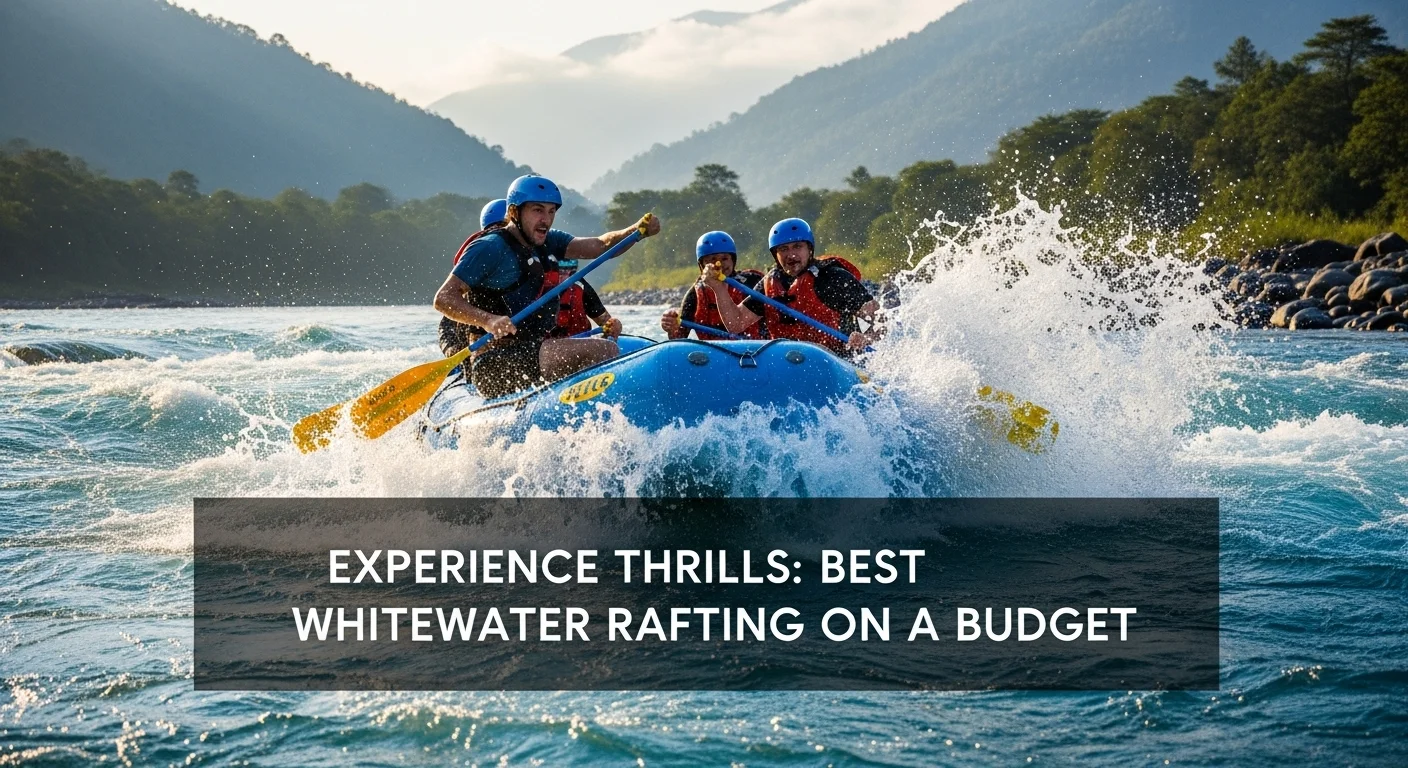
Whitewater rafting is one of those experiences that gets your heart racing and your spirit soaring. Essentially, it involves navigating through fast-moving water in an inflatable raft. I remember my first time; the anticipation was palpable as we geared up, listening to our guide’s instructions while the river’s roar filled the air. The moment we pushed off from the riverbank, I felt an exhilarating mix of fear and excitement. It’s not just about the thrills; it’s about teamwork, nature, and a sense of adventure. The goal is to paddle through different classes of rapids, which can range from calm waters to intense whitewater conditions. Read Interesting article: Top 7 Budget-Friendly Whitewater Rafting Trips
Types of Whitewater Rapids
Understanding the different types of rapids can help you choose the right adventure for your experience level. Rapids are classified from Class I to Class VI, based on their difficulty:
- Class I: These are easy, rippling waters. Great for families and beginners.
- Class II: Slightly more challenging with small waves and fewer obstacles.
- Class III: Moderate rapids requiring some maneuvering; perfect for those looking for a bit of excitement.
- Class IV: Advanced rapids with rough waters. This is where I found myself really leaning into the thrill!
- Class V: Expert level; only for the most experienced rafters. I don’t recommend this unless you’ve got some serious skills.
- Class VI: Unrunnable and extremely dangerous. Best left untouched.
On my rafting trips, I’ve experienced everything from mild Class II rapids to exhilarating Class IV adventures. Each classification offers something unique, and it’s crucial to pick the right level based on your comfort and experience.
Essential Gear for Rafting
When it comes to gear, safety and comfort should be your top priorities. I’ll never forget how much I appreciated the right equipment on my trips. Here’s what you’ll typically need:
- Personal Flotation Device (PFD): This is a must-have! It keeps you safe and buoyant in the water. I’ve had moments where I was thrown from the raft, and my PFD was a lifesaver.
- Helmet: Protecting your head is crucial, especially in rough waters. Trust me, you’ll thank yourself later.
- Paddle: You’ll need a sturdy paddle to navigate through the rapids effectively. I remember the blisters I got from a cheap paddle on my first trip!
- Clothing: Quick-drying clothes are best, along with water shoes. I learned the hard way that cotton can weigh you down!
- Dry Bag: Keeping your belongings dry is essential. I always pack my camera in a dry bag to capture those unforgettable moments.
Many rafting companies provide gear, but it’s good to check what’s included. I always bring my own helmet and PFD because I know they fit me perfectly, and I feel more secure that way.
As I reflect on my experiences, I realize that whitewater rafting has taught me so much more than just paddling techniques. It’s about embracing the unknown, trusting your team, and fully immersing yourself in nature. For anyone looking to experience the thrill without spending a fortune, whitewater rafting is an adventure worth considering! The memories I’ve made on the water are priceless, and I’m excited to share the best budget-friendly destinations with you next!
Top Budget-Friendly Whitewater Rafting Destinations
Colorado River, Arizona
The Colorado River is one of the most iconic places to go whitewater rafting, and I can see why. Nestled in the heart of the Grand Canyon, it offers breathtaking views and thrilling rapids. What I love most about rafting here is the blend of adventure and stunning scenery. The stretches of Class III and IV rapids provide excitement without being overly intimidating for those who aren’t seasoned pros. Plus, there are plenty of budget-friendly rafting companies that offer affordable packages, making it accessible for us thrill-seekers on a budget. Just make sure to plan well in advance; spots fill up fast!
Ocoee River, Tennessee
The Ocoee River is another fantastic destination that often surprises people. I remember my first trip there; the energy was electric! It’s known for its fast-paced rapids and is actually the site of the 1996 Olympic whitewater events. What’s great is that the river offers everything from Class II to Class IV rapids, catering to different skill levels. The best part? There are several budget-friendly outfitters around, so you can easily find a package that fits your wallet. Plus, the surrounding area has plenty of camping spots if you’re looking to save even more on accommodations. Read Interesting article: Ultimate Guide to Affordable Whitewater Rafting Adventures
Gauley River, West Virginia
If you’re looking for a mix of adrenaline and beautiful scenery, the Gauley River is a must-visit. I was fortunate enough to raft this river during the fall, and the colorful foliage was a stunning backdrop to the thrilling rapids. The Gauley is famous for its Class V rapids, particularly during the fall releases, but there are also milder sections suitable for beginners. There are many rafting companies that offer competitive rates, and some even have special deals during the off-season. No matter what time of year you visit, the Gauley is sure to provide an unforgettable experience.
Salmon River, Idaho
The Salmon River is one of my personal favorites. It’s beautiful and offers a variety of experiences, from calm stretches to wild rapids. I’ve rafted here a couple of times, and each trip felt like a new adventure. The river is a bit remote, but that’s part of its charm. It’s less crowded than some of the other options, and you can often find great deals with local outfitters. The Class III and IV rapids here are perfect for those seeking excitement without going overboard. I highly recommend spending a few days exploring the area; the natural beauty is simply breathtaking.
New River Gorge, West Virginia
Last but definitely not least is the New River Gorge. This place is a treasure trove for outdoor enthusiasts. The New River not only offers thrilling Class III and IV rapids but also boasts a stunning gorge that will leave you in awe. I remember floating down the river, surrounded by towering cliffs and lush forests, and I felt completely at peace amidst the chaos of the rapids. For budget-conscious adventurers, there are plenty of rafting companies with affordable packages, and the area has numerous camping and lodging options to suit any budget. It’s a great destination for families, couples, or friends looking to bond over a shared adventure.
With so many amazing places to choose from, it’s easy to see why whitewater rafting is such a popular adventure. Each destination offers its own unique charm and challenges, making it an exhilarating experience no matter where you go. Now that we’ve explored some great budget-friendly rafting spots, let’s dive into planning your trip!
Planning Your Whitewater Rafting Trip
When to Go Whitewater Rafting
Timing is everything when it comes to whitewater rafting. Based on my experiences, I’ve learned that the best time to go often depends on the river you choose and the type of experience you want. For many rivers, late spring through early summer is prime time. This is when snowmelt from the mountains creates the most thrilling rapids. I remember rafting on the Colorado River in May; the water was high and fast, and the excitement was palpable. However, if you’re looking for milder conditions, late summer and early fall might be better since the water levels drop, making for calmer experiences.
Be sure to check the seasonal conditions for your chosen destination. Some rivers have specific release schedules, especially if they’re dam-controlled. I’ve also found that weekdays tend to be less crowded than weekends, allowing for a more intimate adventure on the water.
Choosing the Right Rafting Company
Finding the right rafting company can make all the difference in your experience. I’ve tried several outfitters, and I always look for companies with good reviews and experienced guides. A skilled guide can turn an ordinary trip into an unforgettable adventure. They know the river’s ins and outs and can enhance your experience with their knowledge of local history and wildlife. I remember my guide on the Gauley River; not only did he keep us safe, but he also pointed out fascinating rock formations and told stories about the area’s history.
Don’t hesitate to ask questions when researching companies. Inquire about their safety protocols, equipment quality, and the expertise of their guides. Many companies offer free consultations or pre-trip orientations, which can help you feel more comfortable before hitting the water. I always appreciate it when a company takes the time to ensure everyone is prepared and excited for the journey ahead!
Understanding Pricing Packages
Whitewater rafting can fit a range of budgets, but it’s important to understand what you’re paying for. When I first started rafting, I was surprised by how variable the pricing could be. Some companies offer all-inclusive packages that cover everything from gear rental to meals, while others might charge separately for each item. I recommend reviewing what’s included in your package to avoid any surprises. For instance, I once signed up for a trip that didn’t include lunch, and I ended up buying a pricey sandwich at a nearby shop. Lesson learned!
Additionally, I’ve found that pricing can vary based on the day of the week, the season, and the length of the trip. Shorter half-day trips are generally cheaper than full-day excursions. If you’re on a tighter budget, consider looking for deals during the shoulder seasons when companies might offer discounts to fill seats.
Budget Tips for Whitewater Rafting
Finding Discounts and Deals
Who doesn’t love a good deal? I always keep an eye out for discounts on rafting trips, and I’ve discovered some great ways to save money. First, I recommend checking the websites of various rafting companies as well as tourism boards for promotions. Many companies offer discounts for first-time rafters, or if you book in advance. Don’t forget to search for discount codes or coupons on popular travel deal websites. I’ve saved quite a bit by taking a few minutes to look around online.
Another tip is to join mailing lists for rafting companies or adventure tourism sites. They often send out special offers to subscribers, and I’ve snagged some fantastic deals just by being on the right email list!
What to Bring to Save Money
When planning your rafting adventure, packing smart can help you save money. I’ve learned to bring my own snacks and water bottles to avoid higher prices at river stops. On my last trip to the Ocoee River, I packed a cooler with sandwiches, fruit, and drinks. Not only did we save money, but we also enjoyed a lovely picnic along the riverbank after our adventure!
Additionally, bringing your own gear can save you rental fees. If you already have a comfortable PFD, helmet, or paddle, using them can cut down on expenses. Just make sure they meet safety standards required by the rafting company.
Group Rates and Family Packages
If you’re planning to go with a group, consider asking about group rates. Many companies offer discounts for larger parties, and I’ve seen this turn a costly outing into an affordable adventure. When I went rafting with a group of friends, we saved a significant amount just by booking as a team. It made the experience even more enjoyable, knowing we were all in it together, and we had plenty of laughs along the way!
For families, some companies offer family packages that include discounts for children or special activities designed for younger rafters. I’ve seen families bond over thrilling rapids, and it’s a fantastic way to create lasting memories while keeping costs down.
Safety Considerations for Budget Rafting
Understanding the Risks
Whitewater rafting is undeniably thrilling, but it’s essential to acknowledge the risks involved. I’ve had my heart race not just from excitement but also from the knowledge that nature can be unpredictable. Drowning, injury from rocks or equipment, and hypothermia are real concerns that every rafter should take seriously. I remember a trip where the weather turned suddenly, and the river conditions changed dramatically. Thankfully, our guide was experienced and kept us safe, but it was a wake-up call about how vital it is to respect the water.
Before hitting the rapids, I always make sure to do a little research on the river we’ll be navigating. Reading up on past incidents and understanding the specific risks that come with certain locations can help prepare you mentally for the adventure. I believe that being informed is one of the best ways to stay safe.
Essential Safety Gear
Safety gear goes beyond just wearing a Personal Flotation Device (PFD) and a helmet. On my trips, I’ve learned to consider additional gear that can make a significant difference. For instance, wearing a wetsuit or splash jacket can keep you warm in colder waters. I vividly recall a chilly day on the Salmon River where my wetsuit made all the difference in comfort.
Another crucial item is footwear. I prefer water shoes that provide grip and protection while being quick-drying. Trust me, you don’t want to risk slipping on wet rocks! Also, make sure to bring a whistle; it’s a simple tool that can help you communicate in emergencies.
Choosing the Right Class of Rapids for Your Skill Level
Choosing the appropriate class of rapids is perhaps one of the most critical safety considerations. I’ve seen friends get overwhelmed by selecting a route that was too advanced. I always recommend starting with Class II or III rapids if you’re new to rafting. I remember my first Class III experience on the Ocoee River; it was thrilling but manageable, giving me the confidence I needed to tackle more challenging waters later on.
It’s also a good idea to communicate with your group about everyone’s comfort levels and skills. Open discussions can help ensure everyone feels secure and excited about the experience. If you’re unsure, don’t hesitate to ask your guide for recommendations based on your group’s abilities. They can provide valuable insights that make for a safe and enjoyable adventure!
Local Amenities and Services
Where to Stay Near Rafting Locations
Finding convenient accommodations near your rafting destination can enhance your trip. I love to scout for local lodges or campgrounds that offer a blend of comfort and budget-friendly pricing. For instance, near the New River Gorge, I discovered cozy cabins that were perfect for relaxing after a long day on the water. Not only do they provide a place to recharge, but they also allow you to soak in the beautiful surroundings.
Many rafting companies partner with nearby hotels or campgrounds to offer package deals, so it’s worth checking out! I’ve often booked a rafting trip that included a stay at a local inn, allowing for easy access to the river and the chance to meet fellow adventurers.
Dining Options for Budget Travelers
Eating can significantly impact your overall budget, especially on a rafting trip. I’ve found that local diners and cafes are often the best way to enjoy delicious meals without breaking the bank. For example, I once stumbled upon a small diner near the Gauley River that served hearty breakfasts for a steal! It’s a great way to fuel up before a day of adventure.
Don’t forget to check out food trucks or local markets. They can provide a unique taste of the area at a lower cost. Plus, if you’re camping or staying in a cabin, consider cooking some meals yourself. I’ve had memorable evenings grilling by the campfire after a long day on the river, sharing stories under the stars.
Transportation Tips to Rafting Destinations
Getting to your rafting destination can be part of the adventure! I prefer to drive when possible, as it allows for flexibility and the chance to explore along the way. If you’re flying, check for nearby rental car options. I’ve found that some rafting companies offer shuttle services from local airports, which can save you the hassle of finding transportation.
For those traveling in groups, consider carpooling to split fuel costs. It enhances the experience, allowing you to bond before even reaching the river. I love sharing the excitement with friends while hitting the road, reminiscing about past trips and dreaming about the adventures that await us!
What to Expect on Your Rafting Adventure
Typical Itinerary for a Rafting Trip
When I arrive at a rafting site, it’s always nice to have a clear itinerary. Most adventures start with a safety briefing where guides go over the plan for the day and important safety procedures. I appreciate how guides often take the time to explain what to expect, especially for first-timers.
After gearing up, we typically spend a few hours on the water, navigating various rapids. I enjoy the moments of calm between the excitement, where we can soak in the beauty around us. At some locations, we even stop for a lunch break on the shore, allowing us to connect and share stories while enjoying the scenery.
Post-Rafting Activities and Attractions
Once the rafting wraps up, I love exploring the local area. Many destinations offer hiking trails, scenic views, or even zip-lining adventures that can enhance your trip. After a day of thrills on the water, it’s nice to unwind with some nature walks or simply relax by a campfire, recounting the day’s escapades.
For instance, after a long day on the Colorado River, my friends and I decided to hike to a nearby viewpoint that offered stunning sunset views. That moment, watching the sun dip below the horizon, was a perfect way to end an exhilarating day.
River Etiquette and Guidelines
Respecting the river and fellow rafters is crucial for a safe and enjoyable experience. I’ve learned a few simple guidelines that help keep everyone safe and happy. Always follow your guide’s instructions, as they know the river best. If you encounter another group on the water, be courteous; allow them to pass and keep a safe distance. It’s all about maintaining harmony in the wild!
Additionally, I always carry out what I bring in. It’s a small way to show respect for nature and ensure future generations can enjoy the beauty of these rivers as we do. I feel a sense of responsibility to protect these precious landscapes, and I hope others do too.
Final Thoughts
Whitewater rafting has been one of the most rewarding experiences in my life. It’s more than just the thrill of navigating rapids; it’s about the connections we make with nature and each other. From planning the trip to sharing laughs on the water, every moment holds the potential for unforgettable memories. As we’ve explored together, there are countless ways to enjoy this adventure on a budget. With the right planning, safety awareness, and a spirit of adventure, I believe anyone can find joy in the rapids. So, whether you’re a seasoned rafter or considering your first trip, embrace the journey. Adventure awaits!
Frequently Asked Questions
What is whitewater rafting?
Whitewater rafting involves navigating through fast-moving water in an inflatable raft. It combines thrills, teamwork, and a sense of adventure as you paddle through various classes of rapids, ranging from calm waters to intense conditions.
What are the different classes of whitewater rapids?
Whitewater rapids are classified from Class I to Class VI based on difficulty: Class I is easy, Class II is slightly more challenging, Class III is moderate, Class IV is advanced, Class V is expert level, and Class VI is unrunnable and extremely dangerous.
What essential gear is needed for whitewater rafting?
Essential gear includes a Personal Flotation Device (PFD), helmet, paddle, quick-drying clothing, and a dry bag for your belongings. Many rafting companies provide gear, but it’s good to check what’s included and consider bringing your own for a better fit.
When is the best time to go whitewater rafting?
The best time to go whitewater rafting typically depends on the river and experience desired. Late spring through early summer is prime time due to snowmelt creating thrilling rapids, while late summer and early fall may offer milder conditions.
How do I choose the right rafting company?
When choosing a rafting company, look for good reviews and experienced guides. Inquire about their safety protocols, equipment quality, and the expertise of their guides to ensure a safe and enjoyable experience.
What are some budget-friendly whitewater rafting destinations?
Budget-friendly destinations include the Colorado River in Arizona, Ocoee River in Tennessee, Gauley River in West Virginia, Salmon River in Idaho, and New River Gorge in West Virginia. Each offers a mix of thrilling rapids and beautiful scenery at affordable prices.
What tips can help save money on rafting trips?
To save money, look for discounts on rafting company websites, bring your own snacks and water, and inquire about group rates or family packages. Joining mailing lists for companies can also provide special offers.
What safety considerations should I keep in mind when rafting?
Understanding the risks of whitewater rafting is crucial. It’s important to wear safety gear, choose the right class of rapids for your skill level, and research the specific risks associated with the river you’ll be navigating.
What can I expect on a typical rafting trip itinerary?
A typical rafting trip starts with a safety briefing, followed by several hours on the water navigating rapids, with possible breaks for lunch and enjoying the scenery. Guides often provide insights about the river and its surroundings.
How should I respect the river and other rafters during my trip?
Respecting the river and fellow rafters involves following your guide’s instructions, allowing other groups to pass, and carrying out what you bring in. This helps maintain harmony and protects the natural environment for future generations.