
Embarking on a safari adventure is thrilling, and capturing stunning wildlife photographs can enhance that experience. I’ve learned that with the right tips and techniques, we can turn fleeting moments into lasting memories. Read Interesting article: Essential Wildlife Photography Tips for Budget Safari Travelers
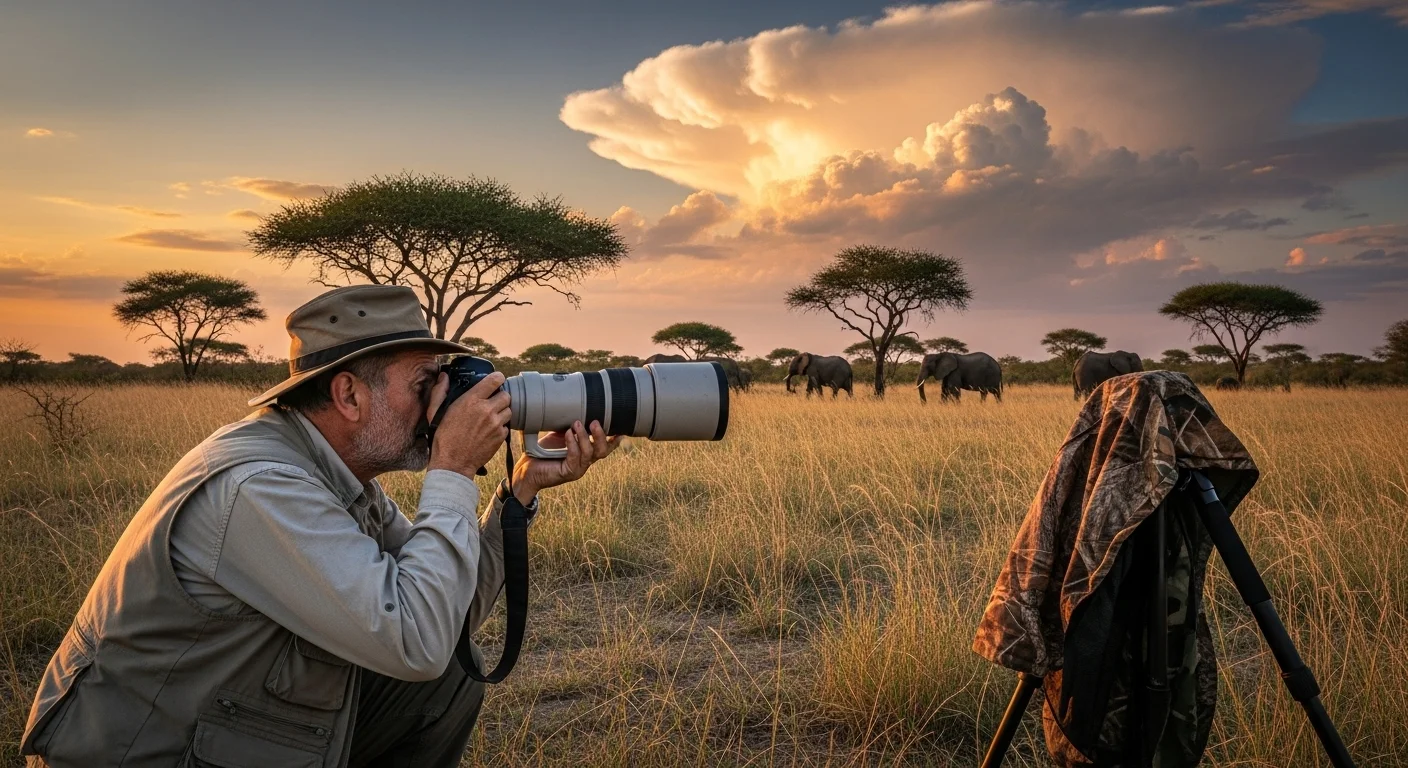
Understanding Wildlife Photography
The Art of Capturing Nature
Wildlife photography is more than just taking pictures of animals; it’s about telling a story through images. I remember my first safari, feeling overwhelmed by the beauty around me. I realized that each shot is an opportunity to share the essence of nature. We’re not just photographing animals; we’re capturing their behaviors, interactions, and the environment they inhabit. The art lies in observing and anticipating moments, which requires a keen eye and a deep appreciation for wildlife.
For me, engaging with the environment and understanding animal behavior is crucial. I’ve found that spending time watching animals before I take out my camera allows me to predict their movements. Whether it’s the graceful leap of a gazelle or the playful antics of a young elephant, knowing what to expect helps me capture those perfect shots. I also recommend studying the animals you want to photograph ahead of time. Understanding their habits and habitats can significantly enhance your ability to get that perfect shot.
Importance of Patience and Timing
One of the biggest lessons I’ve learned on my photography journeys is the value of patience. Wildlife photography often requires long hours of waiting for the right moment. I remember sitting quietly in a vehicle, watching a pride of lions rest under a tree. I had to remind myself that great shots don’t always happen instantly. Instead, they often come after long periods of observation, where you become part of the environment.
Timing also plays a critical role. I’ve discovered that early mornings and late afternoons provide the best light for photography, often referred to as the “golden hour.” During these times, the soft light enhances colors and textures, making images pop. I try to plan my safari trips to coincide with these times, as they yield the most stunning and dramatic photographs. The thrill of finally capturing that elusive shot after waiting patiently is unmatched. Read Interesting article: Capture the Wild: Top Wildlife Photography Tips for Safaris
Essential Gear for Wildlife Photography
Cameras: DSLR vs. Mirrorless
When it comes to gear, choosing the right camera can make a significant difference. I’ve used both DSLR and mirrorless cameras, and while both have their advantages, I personally prefer mirrorless for wildlife photography. They’re typically lighter and more compact, which is essential when you’re out all day. The silent shooting feature is another game-changer, allowing for discreet photography without startling the animals.
However, I also appreciate the robustness of DSLRs, especially when it comes to battery life and lens compatibility. In my experience, it’s best to choose a camera that you’re comfortable with and that suits your shooting style. Make sure to test it out before you head out on safari, so you’re familiar with its features and settings.
Lens Selection: Telephoto vs. Wide Angle
Lens selection is equally important in wildlife photography. I often reach for my telephoto lens, which allows me to capture animals from a distance without disturbing them. Telephoto lenses bring the subject closer and can create beautiful background blur, making the subject stand out. I remember one particular moment when I captured a cheetah poised for a hunt across the savannah, and the detail in the shot was breathtaking.
While telephoto lenses are essential, I also advise keeping a wide-angle lens in your bag for landscape shots. Including the environment in your photos can add context and depth to the story you want to tell. I’ve found that sometimes, the best shots combine both wildlife and their habitat, showcasing their surroundings.
Tripods and Stabilizers
A sturdy tripod or stabilizer is a must-have for wildlife photography, especially if you’re using heavier lenses. I can’t count how many times I’ve been grateful for my tripod when capturing images during low light. It helps reduce camera shake, ensuring sharp pictures. There are also monopods, which I find useful when I need to be more mobile while still keeping my camera steady. A little stability can go a long way in wildlife photography.
Accessories: Filters, Batteries, and Memory Cards
Don’t forget the accessories! I always pack extra batteries and memory cards, as you never know when you’ll encounter a once-in-a-lifetime shot. There’s nothing worse than running out of battery just as you’re about to photograph a lion on the hunt or a herd of elephants crossing a river. Additionally, using polarizing filters can help reduce glare and enhance colors, especially when shooting in bright light. These little tools have made a significant difference in the quality of my photos. Read Interesting article: Capture Stunning Wildlife: Essential Photography Tips
Choosing the Right Safari Destination
Top Safari Locations for Wildlife Photography
Choosing the right destination for your safari can make all the difference in your wildlife photography experience. I’ve been fortunate enough to explore a few iconic spots, and each one brought its unique charm and opportunities. For me, the Serengeti in Tanzania stands out as a top choice. The sheer diversity of wildlife, especially during the Great Migration, is breath-taking. Watching thousands of wildebeest and zebras cross the plains is a sight I’ll never forget, and it provided some of my most memorable photographs.
Another favorite of mine is Kruger National Park in South Africa. It’s one of the largest game reserves in Africa and offers a fantastic chance to see the Big Five. I remember a morning spent watching a pride of lions resting in the shade, and I was able to capture incredible close-up shots with my telephoto lens. The park is well maintained, and the roads make it accessible for self-drive safaris, which I found quite liberating.
If you’re looking for something less crowded, consider Botswana’s Okavango Delta. The combination of water and land ecosystems allows for unique wildlife interactions. I found that photographing animals from a mokoro (a traditional canoe) gave me a different perspective. The tranquility of gliding through the water while capturing images of elephants bathing was pure magic.
Seasonal Considerations for Wildlife Sightings
Understanding the seasons can significantly impact your safari experience. I’ve learned that timing my trips according to seasonal patterns can lead to more successful wildlife sightings. For instance, in East Africa, the dry season, usually from June to October, is ideal for spotting animals as they gather around water sources. I vividly recall visiting during this time and seeing a variety of animals congregated around a watering hole, which made for stunning photos.
On the flip side, the wet season, from November to May, can be great for birdwatching and capturing lush landscapes. I remember one trip during this season when the rains transformed the savannah into a vibrant tapestry of greens and colors. Although the wildlife may be more dispersed, the sheer beauty of the scenery made it worth it. Plus, baby animals are often born during this time, providing opportunities for heartwarming shots.
Additionally, different locations may have unique wildlife migration patterns. Researching these can help you plan your safari to coincide with peak activity periods. I once adjusted my plans to follow the migration of elephants in a specific area, and it turned out to be one of the highlights of my photography journey.
Planning Your Safari Photography Expedition
Time of Day: Best Lighting Conditions
Planning the timing of your safari is essential for capturing the best photographs. I’ve found that early mornings and late afternoons provide the most flattering light for wildlife photography. The soft golden hues during these hours can transform an ordinary scene into something extraordinary. I remember waking up at dawn, the air crisp and cool, and heading out to a waterhole, where I was met with the sight of elephants silhouetted against the rising sun. It was magical!
Midday light can be harsh and less forgiving, often leading to overexposed images or deep shadows. However, I’ve learned that this time can also be used creatively. Some photographers take advantage of the bright light to capture animals in their natural behavior, but for me, I prefer to take a break during the heat of the day and relax, waiting for the light to soften again.
Duration of Safari: Day Trips vs. Extended Tours
Deciding on the duration of your safari can also influence your photography adventure. I’ve experienced both day trips and extended tours, and each has its advantages. Day trips are great if you’re short on time and want a taste of wildlife photography. However, I found that extended tours allow for deeper immersion in the environment. Spending more time at a location lets you develop a bond with your surroundings and increases your chances of capturing unique moments.
On a multi-day safari, I’ve had the chance to revisit certain spots and observe animal behavior over time. One memorable experience was camping in the heart of the Serengeti for three nights. I was able to capture the changing light at different times of day and witness the dynamic interactions of wildlife, leading to some of my best shots. I recommend considering your photography goals when deciding how long to spend on a safari trip.
Techniques for Capturing Stunning Wildlife Images
Understanding Animal Behavior
To truly excel in wildlife photography, understanding animal behavior is vital. Each species has its unique traits, and I’ve found that by observing them closely, I can anticipate their movements. For instance, I noticed that certain birds would only take flight when they sensed danger, so I learned to be patient and wait for the perfect moment when they took off. This understanding has led to some stunning action shots that tell a compelling story.
Composition Techniques: Rule of Thirds and Leading Lines
Composition is another crucial element in wildlife photography. I often use the rule of thirds to create more dynamic images. By positioning my subjects off-center, I find that it draws the viewer’s eye and creates a more engaging photograph. Additionally, I love incorporating leading lines, whether they’re natural pathways or riverbanks, to guide the viewer’s gaze toward the subject. This technique has helped me create a sense of depth in my photos.
Utilizing Natural Light Effectively
Natural light is one of the most powerful tools in photography. I strive to work with the available light rather than against it. I’ve often experimented with backlighting, which can create a beautiful halo effect around animals and add a sense of drama to the image. I remember capturing a lion’s mane lit by the setting sun, and the result was simply stunning.
Focus and Depth of Field Settings
Getting the right focus and depth of field can make or break a wildlife shot. I usually set my camera to a wide aperture to create a shallow depth of field, which helps isolate the subject from the background. I’ve learned that having the background softly blurred enhances the focus on the animal, making the photo more impactful. In my experience, experimenting with different focus points can lead to surprising and beautiful results.
Ethics in Wildlife Photography
Respecting Animal Habitats
As I’ve delved deeper into wildlife photography, I’ve come to recognize the importance of ethics in our craft. Respecting animal habitats is paramount. I remember a time when I was photographing a herd of elephants. Instead of getting too close, I made a conscious decision to stay at a distance, allowing them to go about their natural behavior without feeling threatened. I believe that we have a responsibility to ensure that our presence doesn’t disrupt their lives. Each time we enter their world, we should be mindful of the impact we could have.
Understanding the ecosystems we’re photographing is also essential. Every animal plays a role in its habitat, and by respecting their space, we contribute to the preservation of these beautiful environments. I often remind myself that the goal of wildlife photography is not just to capture stunning images but also to promote awareness of wildlife conservation. By sharing these images, we can inspire others to appreciate and protect these magnificent creatures and their homes.
Minimizing Disturbance to Wildlife
Minimizing disturbance to wildlife has been a lesson learned through experience. I’ve seen many photographers rush into a scene, eager to get the shot, often overlooking the stress they might be causing. For me, the best moments come from being patient and allowing animals to feel at ease. I remember one afternoon in the Maasai Mara, where I sat quietly watching a mother cheetah and her cubs. Instead of intruding, I allowed them to approach me, and it resulted in some of my most cherished photographs. The interaction was authentic, and I truly felt like a part of their world.
One technique I’ve adopted is to observe from a distance before deciding to move in closer. I’ve found that this allows me to gauge the animal’s behavior and comfort level. If they seem agitated or curious, I’ll back off and wait until they are more settled. This approach not only benefits the animals but also enriches my photography by capturing genuine moments that unfold naturally.
Post-Processing Tips for Wildlife Photos
Editing Software: Lightroom vs. Photoshop
After a long day of shooting, the editing process is where I really get to enhance my wildlife photographs. I’ve tried various software, but I often find myself leaning towards Lightroom for my basic adjustments. It’s user-friendly and perfect for organizing my images. I can quickly adjust exposure, contrast, and color balance, giving my photos that extra pop. I remember the first time I enhanced a photo of a lion against a sunset; it felt like I was bringing the image to life.
Photoshop, on the other hand, is my go-to for more complex edits. I love using it to remove distractions or to fine-tune details in the image. For instance, I once had a stunning shot of a giraffe but noticed a branch that drew attention away from the subject. Using Photoshop, I was able to carefully remove it, allowing the giraffe to take center stage. Both programs have their strengths, and I’ve learned that a combination of both often yields the best results.
Enhancing Color and Contrast
Color and contrast can dramatically change the mood of a photograph. I’ve discovered that enhancing these elements can make a significant difference. When I edit, I often play with the saturation and vibrance settings. For example, I remember a moment capturing a vibrant flock of flamingos at sunrise. By slightly increasing the vibrancy, I was able to emphasize their brilliant pink hues against the soft pastel sky. It’s amazing how a little adjustment can transform an already beautiful shot into something breathtaking.
Contrast is also crucial in wildlife photography. It helps to define the subject and can add depth to the image. I often experiment with the contrast slider, ensuring that the details in the shadows and highlights are well balanced. I’ve found that too much contrast can sometimes lead to loss of detail, so I prefer subtle enhancements that maintain the natural feel of the photograph.
Crop and Resize for Impact
Cropping is a powerful tool I use to enhance the impact of my images. Sometimes, a photograph might include unnecessary elements that distract from the main subject. By cropping, I can narrow the focus and create a more effective composition. I recall a time when I shot a wide landscape of elephants. After reviewing the image, I decided to crop it to focus solely on a mother and her calf. The result was a much more intimate and engaging photograph.
Resizing images is also important, especially when preparing them for different platforms. I’ve learned to save high-resolution files for printing and lower-resolution versions for sharing online. Each platform has its specific requirements, and tailoring images to fit can make a significant impact on their presentation. I recommend always keeping the original files safe while experimenting with different formats.
Frequently Asked Questions
What is the importance of understanding animal behavior in wildlife photography?
Understanding animal behavior is crucial as it allows photographers to anticipate movements and capture genuine moments. By observing animals, photographers can predict actions that lead to stunning shots.
What are the best times of day for wildlife photography?
Early mornings and late afternoons, often referred to as the “golden hour,” provide the best lighting for wildlife photography. The soft light during these times enhances colors and textures in images.
What type of camera is recommended for wildlife photography?
Both DSLR and mirrorless cameras can be used for wildlife photography, but mirrorless cameras are often preferred due to their lighter weight and silent shooting features. It’s essential to choose a camera that suits your comfort and shooting style.
What lens should I use for wildlife photography?
Telephoto lenses are recommended for capturing animals from a distance without disturbing them, while wide-angle lenses can be useful for landscape shots that include the animal’s habitat. Having both types of lenses can enhance your photography.
Why is patience important in wildlife photography?
Patience is vital as wildlife photography often requires long periods of waiting to capture the right moment. Great shots typically come after extensive observation, allowing photographers to become part of the environment.
What are some essential accessories for wildlife photography?
Essential accessories include extra batteries and memory cards, polarizing filters to reduce glare, and a sturdy tripod or stabilizer to ensure sharp images, especially in low light conditions.
How does the season affect wildlife photography opportunities?
The season can significantly impact wildlife sightings; for example, the dry season in East Africa is ideal for spotting animals at water sources, while the wet season is great for birdwatching and capturing lush landscapes.
What techniques can enhance wildlife photography composition?
Using the rule of thirds to position subjects off-center creates dynamic images, while leading lines can guide the viewer’s gaze toward the subject. Both techniques add depth and interest to photographs.
What is the role of ethical considerations in wildlife photography?
Ethical considerations are essential to ensure that photographers respect animal habitats and minimize disturbance. Photographers should be mindful of their presence to avoid disrupting wildlife behavior and promote conservation awareness.
Which software is recommended for editing wildlife photographs?
Lightroom is recommended for basic adjustments due to its user-friendly interface, while Photoshop is ideal for more complex edits. A combination of both can yield the best results in enhancing wildlife photographs.