
Scuba diving opens up a world of adventure beneath the waves, and you don’t need to break the bank to experience it. Let’s dive into the essentials and discover some of the most affordable diving spots around the globe!
Understanding Scuba Diving: An Overview
What is Scuba Diving?
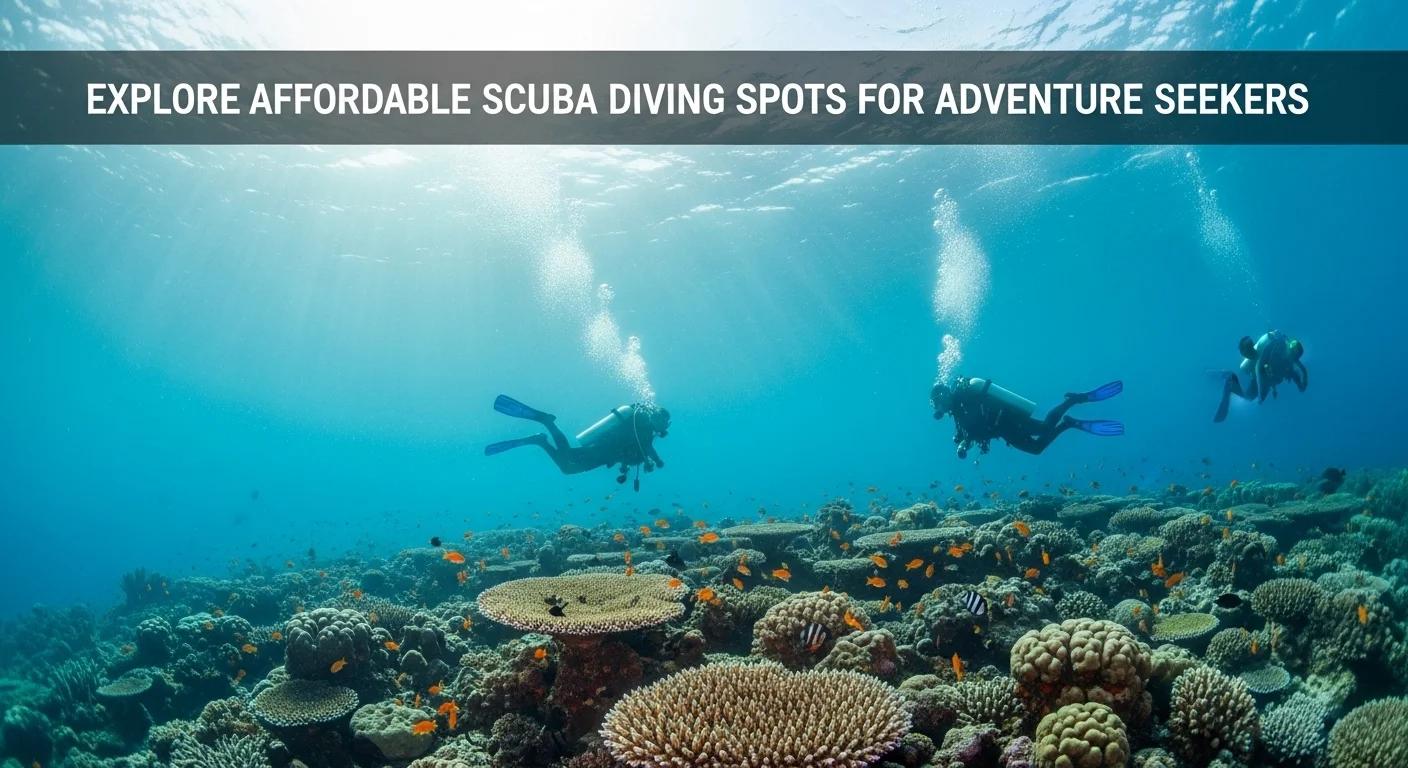
Scuba diving is an exhilarating activity that allows us to explore underwater ecosystems while breathing underwater using a self-contained underwater breathing apparatus (SCUBA). I remember my first dive vividly—it was like entering another world, filled with vibrant colors and life that I had only seen in documentaries. For those of us who are adventure seekers, scuba diving offers not only a chance to witness marine life up close but also the thrill of exploring mysterious underwater landscapes.
Essential Scuba Diving Equipment
Before we embark on our diving adventures, it’s important to know the gear that makes it all possible. Here’s a breakdown of the essential equipment you’ll need:
- Mask: This allows you to see underwater clearly. A good fit is crucial for comfort.
- Snorkel: Useful for surface swimming, it lets you breathe while floating on the water’s surface.
- Diving Suit: Depending on the water temperature, you might need a wetsuit or drysuit to keep warm.
- Regulator: This device delivers air from your tank, letting you breathe underwater.
- BCD (Buoyancy Control Device): This helps you manage your buoyancy, ensuring you can float or sink as needed.
- Tank: The air tank is your lifeline underwater, so make sure it’s always filled and in good condition.
When I started diving, I rented gear initially, which is a great way to test out different equipment before making a purchase. As I got more into diving, I invested in my own gear, and it made a world of difference in comfort and safety.
Basic Diving Techniques and Safety
Safety is paramount in scuba diving, and learning basic techniques is essential for a successful dive. Here are some key points to keep in mind:
- Equalizing: As you descend, the pressure increases. You’ll need to equalize your ears regularly to avoid discomfort.
- Buoyancy Control: Mastering your buoyancy is crucial. Practice adjusting your BCD to maintain a safe depth.
- Buddy System: Never dive alone! Always have a buddy and keep close track of each other.
- Safety Stops: When ascending, make safety stops to allow your body to eliminate nitrogen buildup. This can prevent decompression sickness.
From my experience, the best way to learn these techniques is through hands-on practice during training courses. I took a few classes, and they helped me feel much more confident when I finally dove into the ocean.
Now that we’ve covered the basics, I can’t wait to guide you through some of my favorite affordable scuba diving destinations. These spots are not only budget-friendly but also offer incredible underwater experiences that every adventure seeker will cherish. Let’s explore these stunning locations together and start planning our next dive trip! For more options, check out my list of Top 10 Budget-Friendly Scuba Diving Destinations Worldwide.
Top Affordable Scuba Diving Destinations Worldwide
1. Belize: The Great Blue Hole
Belize is famous for its stunning underwater landscapes, and the Great Blue Hole is a must-see for any diver. This giant marine sinkhole offers a unique dive experience where you can explore impressive stalactites and a variety of marine life. I remember hovering above the deep blue, marveling at the sheer size of it all. The visibility is excellent, and we often spotted sharks and colorful fish. Plus, the cost of diving in Belize is relatively low compared to other touristy spots, making it perfect for budget-conscious adventurers.
2. Thailand: Koh Tao
Koh Tao, often dubbed the “Turtle Island,” is another fantastic and affordable diving destination. The island is renowned for its crystal-clear waters and vibrant coral reefs. I spent a week there, and it was one of the best diving experiences of my life! The dive schools are plentiful, and many offer packages that include accommodation and training. I met so many friendly people while diving, and the atmosphere was incredibly welcoming. Whether you’re a beginner or an experienced diver, Koh Tao has something to offer for everyone.
3. Mexico: Cozumel and the Riviera Maya
Cozumel is known for its beautiful reefs and rich marine biodiversity. Diving here is a revelation! I remember my first dive in Cozumel, where the water was a brilliant shade of turquoise. The reefs are alive with colorful fish, and the underwater currents make for an exhilarating experience. The cost of diving in Cozumel is reasonable, especially if you book in advance. Plus, there are countless dive shops offering packages that suit all levels of divers. The Riviera Maya, with its cenotes and coastal reefs, is also a fantastic spot to explore.
4. Indonesia: Bali and Komodo National Park
Indonesia is a diver’s paradise, and Bali is just the tip of the iceberg. While Bali offers great dive sites, I highly recommend venturing out to Komodo National Park. The diving here is spectacular, with opportunities to see manta rays and vibrant coral gardens. I was blown away by the biodiversity! The cost of diving in Indonesia can be very affordable, especially with the various dive centers offering competitive prices. Plus, the local culture and stunning landscapes make it a destination that offers more than just underwater adventures.
5. The Philippines: El Nido and Cebu
The Philippines is home to some of the best diving spots in the world, and El Nido and Cebu stand out. El Nido has breathtaking scenery above and below the surface, with limestone cliffs and lush jungles framing the water. I found the underwater scenery equally captivating, teeming with life. Cebu, on the other hand, offers an array of dive sites, from wreck dives to vibrant reefs. The costs for diving packages in the Philippines are quite reasonable, making it an excellent choice for budget travelers.
6. Honduras: Utila and Roatan
Utila and Roatan are the two main islands in Honduras that attract divers from all over. Utila is particularly known for its laid-back vibe and affordable diving courses. When I visited, I noticed that many dive schools offer courses at a fraction of the cost you’d find elsewhere. Roatan, with its stunning barrier reef, provides incredible diving opportunities. I remember seeing an abundance of sea turtles and even dolphins during my dives! Both islands create a relaxed atmosphere where you can dive without breaking the bank.
7. Egypt: Red Sea Diving
The Red Sea in Egypt is renowned for its stunning coral reefs and diverse marine life. Places like Sharm El Sheikh and Dahab are popular among divers looking for budget-friendly options. I had the chance to dive in Dahab, and I was amazed by the thriving marine ecosystems. The water temperatures are warm year-round, and the visibility is often fantastic. Plus, diving in the Red Sea is surprisingly affordable, especially if you book with local operators. I loved every moment, from the vibrant reefs to the fascinating wreck dives.
8. Florida: Key Largo and the Florida Keys
The Florida Keys are famous for their beautiful diving spots, and Key Largo is a great place to start. The coral reefs are stunning, and I remember being surrounded by schools of fish during my dives. The underwater parks and marine sanctuaries ensure that you see plenty of wildlife. Diving here can be affordable, especially if you opt for package deals that include multiple dives. Plus, the proximity to the mainland makes it a convenient option for many divers. I often recommend it as a great starting point for those new to scuba diving!
When to Visit: Seasonal Insights
Best Times for Diving in Each Location
Timing can make a huge difference in our diving experiences. When I started planning my trips, I quickly realized that each destination has its peak diving seasons. Here’s what I’ve learned about the best times to dive in some of my favorite spots:
- Belize: The best time to dive in Belize is from April to June. During this period, the weather is warm, and visibility is at its peak, especially in the Great Blue Hole.
- Koh Tao, Thailand: I found that the ideal time to visit Koh Tao is from January to April, when the seas are calm and the visibility is superb. It’s also when the dive schools host many fun events!
- Cozumel, Mexico: The diving conditions are excellent from March to June. I’ve seen some of the clearest waters during these months, making it easier to spot marine life.
- Bali and Komodo National Park, Indonesia: The dry season from April to November offers the best conditions for diving. I remember diving in Komodo during this time, and it was simply breathtaking.
- El Nido and Cebu, Philippines: The dry season runs from November to May, making it the perfect window for diving adventures. I loved exploring the vibrant underwater life during my visits during these months!
- Utila and Roatan, Honduras: The best time to dive is between March and June, when the weather is pleasant, and the water is warm.
- Red Sea, Egypt: The best diving conditions can be found between March and May, as well as September to November. I had a fantastic time diving in Dahab during these months, enjoying the warm water and abundant marine life.
- Florida Keys, USA: The summer months from June to September are ideal for diving. I remember diving in Key Largo during this time and being surrounded by schools of tropical fish!
Weather Considerations and Water Conditions
Weather can really impact our diving experiences, and I’ve learned a few things about how different conditions can affect visibility and comfort. For instance, I’ve found that diving in tropical locations is generally best during the dry season. Rain can lead to reduced visibility and even rough seas, which can make diving less enjoyable.
When planning my trips, I always check the local weather forecasts. The water temperature is also an important factor. In places like Belize and Cozumel, the water is warm year-round, but I’ve dived in cooler waters in places like the Red Sea and needed a thicker wetsuit. It’s crucial to consider whether I’ll need a wetsuit based on the destination and time of year. I remember my first dive in cooler waters—I was unprepared and felt pretty chilly!
Another thing to keep in mind is the ocean currents. I’ve experienced dives with strong currents, which can be thrilling but also challenging. In locations like Bali, currents can vary greatly depending on the time of year, so knowing when to go can make a huge difference in our diving experience. Always ask local dive shops about the expected conditions to ensure we’re fully prepared.
Scuba Diving Costs: Budgeting for Your Adventure
Average Cost of Scuba Diving Trips
One of the first things I wondered about when diving for the first time was how much it would cost. From my experience, the average cost of scuba diving trips can vary widely depending on the destination and the type of diving we want to do. Here’s a quick breakdown:
- Daily Dive Trips: In popular destinations like Belize and Cozumel, expect to pay around $60 to $150 per dive. This usually includes the boat ride, guide, and sometimes equipment rental.
- Liveaboard Trips: For a more immersive experience, liveaboards can range from $300 to $2,000 for a week, depending on luxury and itinerary. I once did a liveaboard in Indonesia, and it was worth every penny for the breathtaking dives!
- Diving Courses: If you’re looking to get certified or take a course, expect to invest around $300 to $600, which often includes training materials and equipment rental.
While these prices might seem daunting, I’ve found that with a bit of planning, we can find great deals. Many dive shops offer package deals that can lower the overall costs, especially if we dive multiple times or take a course.
Equipment Rental vs. Purchasing Your Gear
When it comes to diving, one of the big decisions is whether to rent gear or invest in our own. I remember wrestling with this choice myself. Renting is a great way to start, especially for beginners. Most dive shops offer rental gear at reasonable prices, typically around $30 to $50 per day. This allows us to try different gear without committing to a purchase.
However, as I became more experienced, I decided to invest in my own equipment. I found that having my own gear not only improves comfort but also makes me feel more confident underwater. I recommend starting with the basics, like a mask and snorkel, before gradually adding other pieces like a wetsuit and BCD. While the initial investment can be high—think $1,000 or more for a full set—it pays off in the long run, especially if we dive frequently.
Tips for Saving Money on Diving Trips
Saving money while enjoying our diving adventures is always a plus! Over the years, I’ve discovered a few tips that helped make diving more affordable:
- Book in Advance: I’ve noticed that many dive shops offer discounts for early bookings. Planning ahead not only saves money but also secures spots during peak seasons.
- Look for Package Deals: Combining accommodation and diving in package deals can often lead to significant savings. I did this in Thailand, and it was a fantastic way to meet fellow divers!
- Join Dive Clubs: Many dive clubs offer discounts for members. I joined a local club, and it opened up opportunities for group dives at reduced rates.
- Travel Off-Peak: Diving during the shoulder season can lead to lower prices and fewer crowds. I’ve had some of my most memorable dives during these less busy times!
With a little creativity and planning, diving can be an enjoyable experience without stretching our budgets too thin. The underwater world is waiting for us, and I’m excited for all the adventures ahead!
Where to Stay: Accommodation Options
Budget-Friendly Hotels and Hostels
Finding the right place to stay can be just as important as choosing where to dive. I’ve stayed in various accommodations, from hostels to budget hotels, and I’ve learned that there are plenty of wallet-friendly options that don’t compromise comfort. In locations like Koh Tao, I found cozy hostels that not only offered affordable rates but also had vibrant atmospheres perfect for meeting other divers. In Belize, I discovered charming guesthouses near the coast, where I could relax after a long day of diving. Often, these budget-friendly places provide amenities like free Wi-Fi and breakfast, which can help save even more money during our trips.
Liveaboards: An Affordable Alternative
If you’re considering a diving trip that immerses you in the underwater world, a liveaboard might be the way to go. I’ve had the pleasure of experiencing liveaboard trips in places like Indonesia, and they were incredible! While the upfront cost can seem high, I found that it often includes meals, accommodations, and multiple dives each day. This can make the overall cost comparable to staying at a hotel while paying for separate dive trips. Plus, living on a boat means you can access more remote dive sites and enjoy the beauty of the ocean right from your doorstep. It’s a unique experience I highly recommend for divers looking to maximize their underwater adventures.
Choosing the Right Location for Your Stay
When selecting where to stay, I always consider proximity to dive shops and the dive sites themselves. Staying close to where I’d be diving saves time and often cuts down on transportation costs. In places like the Florida Keys, I found that being near the marina made it easy to get out on the water early in the morning. In contrast, I’ve also stayed further from the action, only to regret the long drives to the dive sites. Additionally, choosing a location with good dining options can enhance the experience—after a day of diving, indulging in local cuisine is one of my favorite parts of traveling!
Top Dive Schools and Operators
How to Choose a Reputable Dive School
Choosing the right dive school is crucial for a safe and enjoyable diving experience. I remember feeling overwhelmed by the options at first, but I found that doing a little research made a big difference. I look for schools that are well-reviewed and have experienced instructors. It’s also a good idea to check for certifications from organizations like PADI or SSI, which ensure that the school meets industry standards. One tip I learned is to visit the school beforehand if possible; the atmosphere and staff can say a lot about the quality of training you’ll receive.
Recommended Dive Operators in Each Destination
Each destination has its standout dive operators that I’ve come to trust over my diving journeys. In Cozumel, I had a fantastic experience with a local operator known for small group sizes, which made my dives feel more personalized. In Bali, I found an operator that not only focused on safety but also offered a great selection of dive sites. It’s worth asking fellow divers for recommendations or checking online forums for the latest updates on operators in your chosen destination.
Certifications and Courses Available for Beginners
If you’re just starting out, you’ll be happy to know that many dive schools offer beginner courses that are both affordable and comprehensive. I took my Open Water certification course in Thailand, and it was an incredible experience! These courses typically include both classroom training and practical dives, allowing you to build confidence before heading into deeper waters. Some schools even offer combo packages that include accommodation and additional dives after certification, which is a fantastic way to maximize your time underwater.
Local Culture and Attractions
Exploring Local Marine Life and Ecosystems
One of the joys of diving is not just the underwater experience but also the chance to learn about the local marine life. I’ve had the pleasure of diving in areas with unique ecosystems, like the coral gardens in the Philippines and the wrecks in Cozumel. Many dive operators offer guided tours that include insights into the biodiversity we encounter, which enriches the experience. I genuinely believe that understanding the marine life we see can foster a deeper appreciation for our oceans.
Land-Based Activities and Sightseeing
When I’m not diving, I love exploring the local culture and attractions. In Bali, I enjoyed visiting temples and relaxing at beautiful beaches, and in Belize, I explored ancient Mayan ruins. Many diving destinations also offer fantastic hiking, snorkeling, and wildlife encounters, so I always try to plan some land-based activities between dives. This way, I can experience more of the local flavor and create well-rounded adventures.
Sampling Local Cuisine: What to Eat
Food is another exciting part of traveling. After a dive, there’s nothing better than enjoying fresh local seafood. In Mexico, I indulged in some of the best fish tacos, while in Thailand, the street food was a highlight of my trip. I often ask locals for recommendations on where to eat; these hidden gems often serve the tastiest dishes! Trying local cuisine is a delightful way to immerse myself in the culture and end each diving day on a high note.
Safety Considerations for Scuba Diving
Health Precautions Before Diving
Before diving, it’s essential to take certain health precautions. I always make it a point to complete a medical questionnaire and consult with a dive professional if I have any concerns. Staying hydrated is another crucial aspect; I learned this the hard way after feeling fatigued during a dive. Proper nutrition and rest leading up to diving trips can significantly impact our performance and enjoyment.
Understanding Dive Tables and Safety Stops
Understanding dive tables is key to ensuring a safe diving experience. I remember the first time I studied them; it seemed overwhelming at first. However, they are invaluable for planning dives and ensuring we stay within safe limits. I also learned the importance of safety stops on ascents. Taking a few minutes at a certain depth allows nitrogen to safely dissipate, reducing the risk of decompression sickness.
Emergency Protocols and Insurance Recommendations
Having a plan for emergencies is vital. I always carry a safety buoy and let someone know my dive plan. Additionally, getting dive insurance is one of the best decisions I’ve made for peace of mind. It covers potential medical evacuation and other emergencies related to diving, which is essential for any serious diver. Knowing that I’m protected allows me to focus on the adventure ahead!
Tips for First-Time Divers
Preparing for Your First Dive
Your first dive is an unforgettable experience. I remember the mix of excitement and nervousness I felt! To prepare, I recommend familiarizing yourself with your gear and practicing basic skills in shallow water. This helped build my confidence before venturing deeper.
What to Expect During Your First Dive Experience
During the first dive, I was amazed by how different the underwater world looked. It’s not uncommon to feel a bit overwhelmed, but remember to take it slow. I found that focusing on my breathing and enjoying the scenery helped calm my nerves. Plus, having an experienced buddy can make all the difference in ensuring a safe and enjoyable experience.
Post-Dive Activities and Recovery
After diving, I like to take it easy. Relaxing on the beach or enjoying a post-dive meal is a great way to unwind. Hydration and good nutrition are key to recovery, as diving can be physically demanding. I’ve also found that sharing stories with fellow divers helps extend the fun and creates lasting memories.
Final Thoughts
Diving has truly enriched my life in ways I never anticipated. From exploring stunning underwater landscapes to meeting incredible people along the way, each dive has offered new adventures and lessons. I hope this guide inspires you to discover the beauty of scuba diving without worrying about your budget. Remember, the underwater world is waiting for you, and every dive is an opportunity to connect with nature in its purest form. I can’t wait to see where your diving adventures take you!
Read Interesting article: Responsible Safari Guide: Travel Smart and Protect Wildlife
Frequently Asked Questions
What is scuba diving?
Scuba diving is an exhilarating activity that allows individuals to explore underwater ecosystems while breathing underwater using a self-contained underwater breathing apparatus (SCUBA).
What essential equipment do I need for scuba diving?
Essential scuba diving equipment includes a mask, snorkel, diving suit, regulator, buoyancy control device (BCD), and an air tank.
What are some basic safety techniques in scuba diving?
Basic safety techniques in scuba diving include equalizing your ears as you descend, mastering buoyancy control, always diving with a buddy, and making safety stops when ascending to prevent decompression sickness.
What are some affordable scuba diving destinations worldwide?
Some affordable scuba diving destinations include Belize (Great Blue Hole), Thailand (Koh Tao), Mexico (Cozumel and Riviera Maya), Indonesia (Bali and Komodo National Park), the Philippines (El Nido and Cebu), Honduras (Utila and Roatan), Egypt (Red Sea), and Florida (Key Largo and the Florida Keys).
When is the best time to go scuba diving in these locations?
The best times for diving vary by location; for example, Belize is best from April to June, Koh Tao from January to April, Cozumel from March to June, and the Red Sea between March to May and September to November.
What is the average cost of scuba diving trips?
The average cost of scuba diving trips can vary widely, with daily dive trips costing around $60 to $150 per dive, liveaboard trips ranging from $300 to $2,000 for a week, and diving courses costing between $300 to $600.
Should I rent scuba diving equipment or buy my own?
Renting scuba diving equipment is a great way to start, especially for beginners, while investing in your own gear can offer improved comfort and confidence as you become more experienced.
What tips can help save money on scuba diving trips?
To save money on scuba diving trips, consider booking in advance for discounts, looking for package deals that combine accommodation and diving, joining dive clubs for member discounts, and traveling during off-peak seasons.
How can I choose a reputable dive school?
To choose a reputable dive school, look for well-reviewed schools with experienced instructors and check for certifications from organizations like PADI or SSI. Visiting the school beforehand can also help assess the quality of training.
What health precautions should I take before diving?
Before diving, complete a medical questionnaire, consult with a dive professional about any concerns, and ensure you stay hydrated, as well as maintain proper nutrition and rest leading up to your dives.
Read Interesting article: Explore Unique Wildlife Experiences on a Budget Safari