
Exploring ancient ruins is like stepping back in time, where history whispers tales of civilizations long gone. For those of us who love adventure and travel on a budget, the world is filled with breathtaking destinations just waiting to be discovered. Read Interesting article: Top Indigenous Art Destinations for Budget Travelers
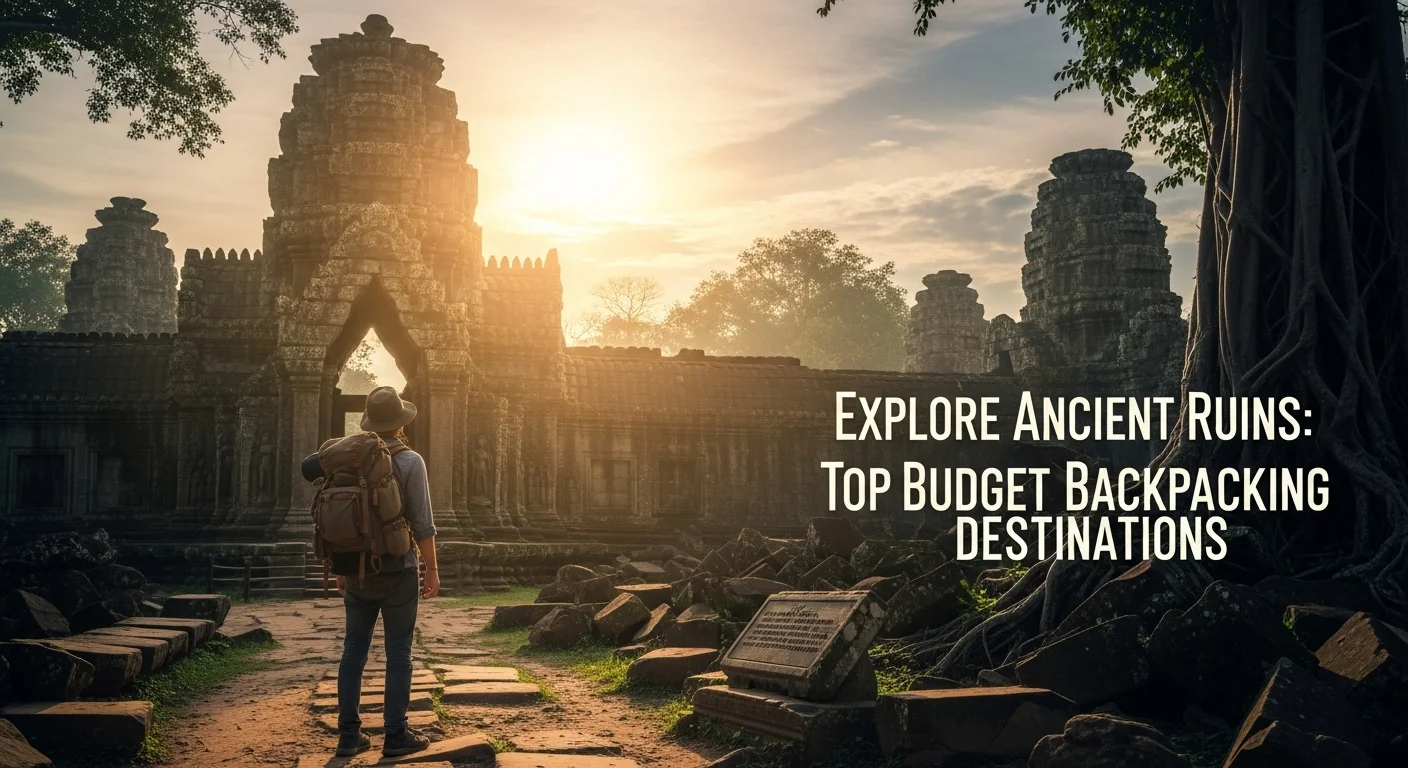
Understanding Ancient Ruins
What Are Ancient Ruins?
When we talk about ancient ruins, we’re referring to the remnants of civilizations that once thrived. These sites can be anything from grand architectural structures to simple remnants of daily life. I’ve always found that visiting these places feels like opening a book to a chapter filled with mystery and stories waiting to be unraveled. Each stone, each carving speaks to the ingenuity of those who came before us, and I often find myself imagining what life was like in those times.
Significance of Ancient Ruins in History
Ancient ruins are not just tourist attractions; they are vital pieces of our collective history. They allow us to connect with the past, to understand the evolution of cultures, technologies, and societies. I believe that every time I visit a ruin, I’m gaining insight into the human experience. For instance, seeing how people adapted to their environment, their architectural brilliance, and their art can change our perspective on modern life. It’s a humbling experience, one that I think encourages a deeper appreciation for the world around us. Read Interesting article: Budget Backpacking: Discover Traditional Indigenous Practices
Popular Types of Ancient Ruins
There’s a remarkable variety of ancient ruins around the globe, each with its unique charm and story. Some of my personal favorites include:
- Temples: Structures like Angkor Wat in Cambodia showcase incredible artistry and religious significance.
- Fortresses: Places such as Machu Picchu, perched high in the Andes, tell stories of strategic ingenuity.
- Theaters: Roman ruins like the Colosseum reveal the cultural significance of performance and entertainment in ancient societies.
- City Ruins: Sites like Teotihuacan in Mexico offer a glimpse into the daily lives of past civilizations.
Each type tells a different story, and I love getting lost in the history of these remarkable sites.
Top Budget Backpacking Destinations for Ancient Ruins
1. Machu Picchu, Peru
Overview of Machu Picchu
Machu Picchu is often referred to as the “Lost City of the Incas.” Nestled high in the Andes, it’s one of the most iconic ancient ruins in the world. I remember the first time I laid eyes on those stone terraces surrounded by misty mountains; it felt surreal. The intricate stonework and the breathtaking views left me in awe. It’s a place where the beauty of nature meets the brilliance of human design.
Best Time to Visit
In my experience, the best time to visit Machu Picchu is during the dry season, which runs from April to October. The weather is milder, making hikes more enjoyable. However, I’ve also found that visiting during the shoulder seasons (April-May and September-October) can help avoid the throngs of tourists while still offering decent weather.
Accommodation Options
There are various accommodation options, from hostels in Aguas Calientes to more luxurious hotels. I often opt for budget hostels where I can meet fellow travelers. Prices can range from $10 to $30 a night, depending on the season and amenities.
Top Attractions and Activities
While Machu Picchu is the main attraction, I recommend exploring the Inca Trail if you have the time. The hike is challenging but incredibly rewarding. Don’t forget to visit the Sun Gate for stunning sunrise views. Additionally, taking a guided tour can provide insight that enhances the experience significantly. I’ve seen so many travelers miss out by not delving into the rich history behind the ruins.
Local Cuisine and Dining
When it comes to food, I had some of the best meals in local eateries. Trying Peruvian cuisine is a must! I enjoyed dishes like Lomo Saltado and Ceviche, which really reflect the region’s rich culinary heritage. Street food is also an adventure worth exploring, and I often find it to be both delicious and budget-friendly.
Safety Tips
Safety is always a priority for travelers. I recommend keeping your belongings close, especially in crowded areas. It’s wise to stay hydrated, wear sunscreen, and be aware of altitude sickness, as Machu Picchu is quite high up. I made sure to take it slow and listen to my body during hikes.
Budget Breakdown
As for budgeting, here’s a rough breakdown of what an average backpacker might spend:
- Accommodation: $10 – $30 per night
- Food: $5 – $15 per day
- Entrance Fee: Approximately $50
- Transportation: $20 – $40 for trains or buses
With careful planning, you can experience Machu Picchu without breaking the bank.
2. Angkor Wat, Cambodia
Overview of Angkor Wat
Angkor Wat is the largest religious monument in the world and a stunning representation of Khmer architecture. I was mesmerized by the intricate carvings and vast temple complex that spans over 162 hectares. Walking through the ruins, I felt a sense of connection to a civilization that flourished centuries ago.
When to Visit Angkor Wat
The best time to visit Angkor Wat is during the cooler months of November to February. I found the weather to be much more pleasant for exploring the vast grounds, as it can get quite hot during the other months.
Where to Stay Near Angkor Wat
There are plenty of budget-friendly guesthouses in Siem Reap, the nearest town. I often look for places that offer free breakfast and have a good social atmosphere. Prices typically range from $5 to $20 per night.
Must-See Temples and Sites
While Angkor Wat is the highlight, don’t miss out on other temples like Ta Prohm, where giant trees intertwine with the ruins. I loved exploring the less crowded temples, as they often felt more magical and intimate.
Food and Local Markets
Siem Reap is known for its vibrant food scene. I enjoyed local dishes like Amok and Khmer BBQ. The night markets are a great place to sample street food and pick up souvenirs, and I always found something unique to bring home.
Safety and Health Tips
As with any travel, I recommend being cautious with your belongings and drinking bottled water. Staying aware of your surroundings can help you avoid any common travel mishaps.
Cost Estimates for Backpackers
Here’s a quick budget overview for Angkor Wat:
- Accommodation: $5 – $20 per night
- Food: $3 – $10 per day
- Temple Pass: Approximately $37 for a one-day pass
- Transportation: $5 for tuk-tuk rides around the temples
Angkor Wat is not just a destination; it’s a journey through time that won’t stretch your wallet too much.
3. Colosseum, Italy
Overview of the Colosseum
The Colosseum, or the Flavian Amphitheatre, is one of the most iconic symbols of Ancient Rome. I’ll never forget the first time I stood in front of its grand arches, feeling the weight of history wash over me. Built nearly 2,000 years ago, it was the largest amphitheater of its time, designed to hold tens of thousands of spectators for public spectacles, including gladiator contests and theatrical performances. Walking through its ancient corridors, I could almost hear the roars of the crowd and feel the energy that once filled this monumental space. It truly is a testament to Roman engineering and culture.
Best Times to Explore the Colosseum
From my experience, the best times to visit the Colosseum are early in the morning or later in the afternoon. Visiting in the off-peak hours means you can avoid the massive crowds, allowing you to soak in the atmosphere more fully. I also found that visiting during the shoulder seasons of spring and fall, especially in April and October, offers pleasant weather and fewer tourists. Plus, the light during sunrise and sunset creates stunning photo opportunities!
Budget Accommodation in Rome
Finding budget accommodation in Rome can be a bit of a challenge, but there are gems out there! I often look for hostels in the Trastevere area, which is vibrant and filled with character. Prices can range from $15 to $40 per night, depending on the season and facilities. I’ve met some amazing people in hostels, sharing travel stories and tips over a communal breakfast. If you prefer something quieter, guesthouses and B&Bs also offer affordable options.
Nearby Attractions
When visiting the Colosseum, take some time to explore the surrounding area. The Roman Forum and Palatine Hill are just a stone’s throw away, and I was fascinated by the ruins of ancient government buildings and temples. Strolling through these historic sites really gives you a sense of the grandeur of ancient Rome. I also recommend checking out the Capitoline Museums, where you can find a treasure trove of art and archaeological finds. Each site is steeped in history, and it feels like a journey through time.
Italian Street Food to Try
One of the highlights of any trip to Italy for me has always been the food. Near the Colosseum, I stumbled upon some fantastic street food options. I highly recommend trying a slice of traditional Roman pizza al taglio—it’s crispy and delicious. Also, don’t miss out on supplì, which are rice balls filled with cheese and deep-fried to perfection. It’s the perfect snack to keep your energy up while exploring the city!
Safety Considerations
Rome is generally safe, but like any major city, it’s wise to stay vigilant. I always keep my belongings close, especially in crowded areas like the Colosseum. It’s also important to be cautious of pickpockets. I found that wearing a money belt under my clothes gave me peace of mind. Also, be aware of your surroundings when exploring the bustling streets, especially at night.
Estimated Costs for Visiting
Here’s a rough budget breakdown for visiting the Colosseum and its surrounding areas:
- Accommodation: $15 – $40 per night
- Food: $10 – $30 per day
- Colosseum Entrance Fee: Approximately $18
- Guided Tour: Around $40 (optional but enriching)
With some planning, you can experience the awe of the Colosseum and the surrounding history without overspending. Read Interesting article: Budget-Friendly Secular Pilgrimages: Discover Unique Paths
4. Petra, Jordan
Overview of Petra
Petra is often called the “Rose City” because of the beautiful pink sandstone that makes up its structures. Arriving at the site for the first time, I was struck by the sheer beauty of the Siq, the narrow gorge that leads to the Treasury, Petra’s most famous monument. The sight of the Treasury emerging from the rock was nothing short of magical. It’s hard to believe that this ancient city, carved into the cliffs, was once a bustling trading hub. I felt a deep sense of connection to the Nabateans who once called this place home.
When to Visit Petra
The best time to visit Petra is during the spring (March to May) and fall (September to November). I found these months to be perfect because the weather is mild, making it easier to explore the vast site. Summer can be scorching, so I recommend avoiding the peak heat if you can. Visiting during the early morning or late afternoon also allows you to enjoy stunning views while avoiding the crowds.
Where to Stay in Petra
There are several budget-friendly accommodation options in Wadi Musa, the town nearest to Petra. I often look for hostels or guesthouses that provide a cozy atmosphere and easy access to the site. Prices typically range from $10 to $30 per night. Some places even offer free breakfast, which is a great way to start the day before heading out to explore.
Top Sights and Experiences
While the Treasury is a must-see, I encourage you to explore the entire archaeological park. Don’t miss the Monastery, which requires a hike but rewards you with breathtaking views. I also loved walking the royal tombs and the theater, imagining the lives of those who once walked these paths. For a unique experience, consider joining a guided tour; it adds depth to your understanding of Petra’s rich history.
Jordanian Cuisine and Street Food
Food in Jordan is a delight, and I was thrilled to try local dishes like Mansaf, a traditional lamb dish served with rice and yogurt. Street vendors in Wadi Musa offer delicious shawarma and falafel, perfect for a quick bite between explorations. I recommend visiting local restaurants to truly immerse yourself in the flavors of the region.
Safety Measures to Consider
Petra is generally safe for tourists, but it’s always good to take some precautions. I recommend staying hydrated, especially while hiking. The trails can be steep, so wear comfortable shoes and be mindful of your footing. It’s also wise to keep an eye on your belongings and use a reputable guide if you’re venturing into less-traveled areas.
Budgeting for Your Trip
Here’s a rough estimate of what a backpacker might expect to spend while visiting Petra:
- Accommodation: $10 – $30 per night
- Food: $5 – $15 per day
- Entrance Fee: Approximately $70 for a one-day ticket
- Transportation: $10 for local taxis or buses
With a little planning, experiencing the wonders of Petra can be both memorable and budget-friendly.
5. Teotihuacan, Mexico
Overview of Teotihuacan
Teotihuacan, often referred to as the “City of the Gods,” is one of the most significant and awe-inspiring ancient ruins I’ve ever visited. Located just outside Mexico City, this sprawling archaeological site was once a thriving metropolis, home to an estimated 100,000 people at its peak. I remember standing at the foot of the Pyramid of the Sun, feeling overwhelmed by the sheer size of it. The energy of the place is palpable, and I felt a deep connection to the ancient civilizations that once inhabited this land. The murals, temples, and structures all tell a story of a vibrant culture that flourished long before the arrival of the Spanish.
Optimal Visiting Times
The best time to visit Teotihuacan is during the cooler months, from November to March. I found the weather to be milder, which made walking around the site much more enjoyable. If possible, I recommend arriving early in the morning to avoid the crowds. The first rays of sunlight hitting the pyramids create a magical atmosphere, and exploring the ruins without the hustle and bustle of tourists is an experience I cherish.
Accommodation Options in Mexico City
Finding budget accommodation in Mexico City is relatively easy. During my visit, I discovered several hostels and guesthouses that offered comfortable stays at reasonable prices, ranging from $10 to $30 per night. I particularly enjoyed staying in the Roma or Condesa neighborhoods, which are not only affordable but also full of life, with plenty of cafes and restaurants nearby. It’s also a good idea to stay near public transport, as it makes getting to Teotihuacan straightforward and hassle-free.
Key Attractions at Teotihuacan
While the Pyramid of the Sun is the main attraction, the Pyramid of the Moon and the Avenue of the Dead are also must-sees. Climbing the Pyramid of the Sun was one of the highlights of my trip. The view from the top is absolutely breathtaking, offering a panoramic perspective of the entire site and the surrounding mountains. I also suggest taking your time to explore the Temple of the Feathered Serpent, or Quetzalcoatl, where the intricate carvings and the vibrant history truly come alive. Guided tours can be a great way to learn more about the fascinating history of this ancient city, as having an expert by your side can enrich your experience.
Mexican Food to Experience
No trip to Teotihuacan is complete without indulging in some delicious Mexican cuisine. During my visit, I made sure to try local specialties such as tacos al pastor and tamales from street vendors near the entrance. I also discovered a lovely restaurant that serves traditional Mexican dishes with a modern twist; it was a great spot to relax and reflect on the day’s adventures. I often found the food to be not only delicious but also budget-friendly, allowing me to savor the flavors of Mexico without stretching my wallet.
Safety and Travel Tips
Teotihuacan is generally safe for tourists, but it’s always wise to take precautions. I recommend going with a friend or group if possible, especially when exploring less crowded areas. Make sure to stay hydrated, wear comfortable shoes, and apply sunscreen, as the sun can be quite intense, especially when climbing the pyramids. I also found it helpful to carry a small backpack with snacks and water, as there are limited food options inside the site. Lastly, be mindful of your belongings and keep them close, as theft can occur in tourist-heavy areas.
Cost Overview
Here’s a rough budget estimate for visiting Teotihuacan:
- Accommodation: $10 – $30 per night
- Food: $5 – $15 per day
- Entrance Fee: Approximately $4 for a day pass
- Transportation: $10 for round-trip bus fare from Mexico City
With careful planning and a bit of budgeting, you can immerse yourself in the wonders of Teotihuacan without overspending. It’s an adventure that stays with you long after you leave, a reminder of the incredible history that shaped our world.
Planning Your Trip
How to Get to These Destinations
What to Pack for Backpacking to Ancient Ruins
Essential Travel Tips for Backpackers
Frequently Asked Questions
What are ancient ruins?
Ancient ruins refer to the remnants of civilizations that once thrived, which can include grand architectural structures and simple remnants of daily life. Visiting these places offers a glimpse into the history and ingenuity of past cultures.
Why are ancient ruins significant in history?
Ancient ruins are vital pieces of our collective history as they allow us to connect with the past and understand the evolution of cultures, technologies, and societies. They provide insight into the human experience and encourage a deeper appreciation for the world around us.
What are some popular types of ancient ruins?
Popular types of ancient ruins include temples (like Angkor Wat), fortresses (such as Machu Picchu), theaters (like the Colosseum), and city ruins (for example, Teotihuacan). Each type tells a different story about the civilization that created it.
What is the best time to visit Machu Picchu?
The best time to visit Machu Picchu is during the dry season, from April to October. Visiting during the shoulder seasons (April-May and September-October) can help avoid crowds while still enjoying decent weather.
What are the accommodation options near Angkor Wat?
There are many budget-friendly guesthouses in Siem Reap, with prices typically ranging from $5 to $20 per night. Many places offer free breakfast and a good social atmosphere for travelers.
What is the entrance fee for Petra?
The entrance fee for Petra is approximately $70 for a one-day ticket, allowing visitors to explore the vast archaeological site.
What safety tips should I consider when visiting the Colosseum?
When visiting the Colosseum, it’s wise to keep your belongings close, be cautious of pickpockets, and stay aware of your surroundings, especially in crowded areas.
What is the approximate cost for a backpacker visiting Teotihuacan?
A rough budget estimate for visiting Teotihuacan includes accommodation costs of $10 – $30 per night, food expenses of $5 – $15 per day, an entrance fee of approximately $4 for a day pass, and around $10 for round-trip bus fare from Mexico City.
What local cuisine should I try when visiting Machu Picchu?
While visiting Machu Picchu, trying local Peruvian dishes like Lomo Saltado and Ceviche is highly recommended. Street food is also a delicious and budget-friendly option.
How can I enhance my experience at ancient ruins?
To enhance your experience at ancient ruins, consider taking guided tours that provide insights into the history and significance of the sites. Exploring surrounding areas and engaging with local culture can also enrich your visit.