
Exploring Australia on a budget can be an adventure of a lifetime. With stunning landscapes and vibrant cities, this guide will help you make the most of your backpacking experience without breaking the bank. For tips on how to navigate cultural differences, check out Mastering Communication Styles When Backpacking Abroad.
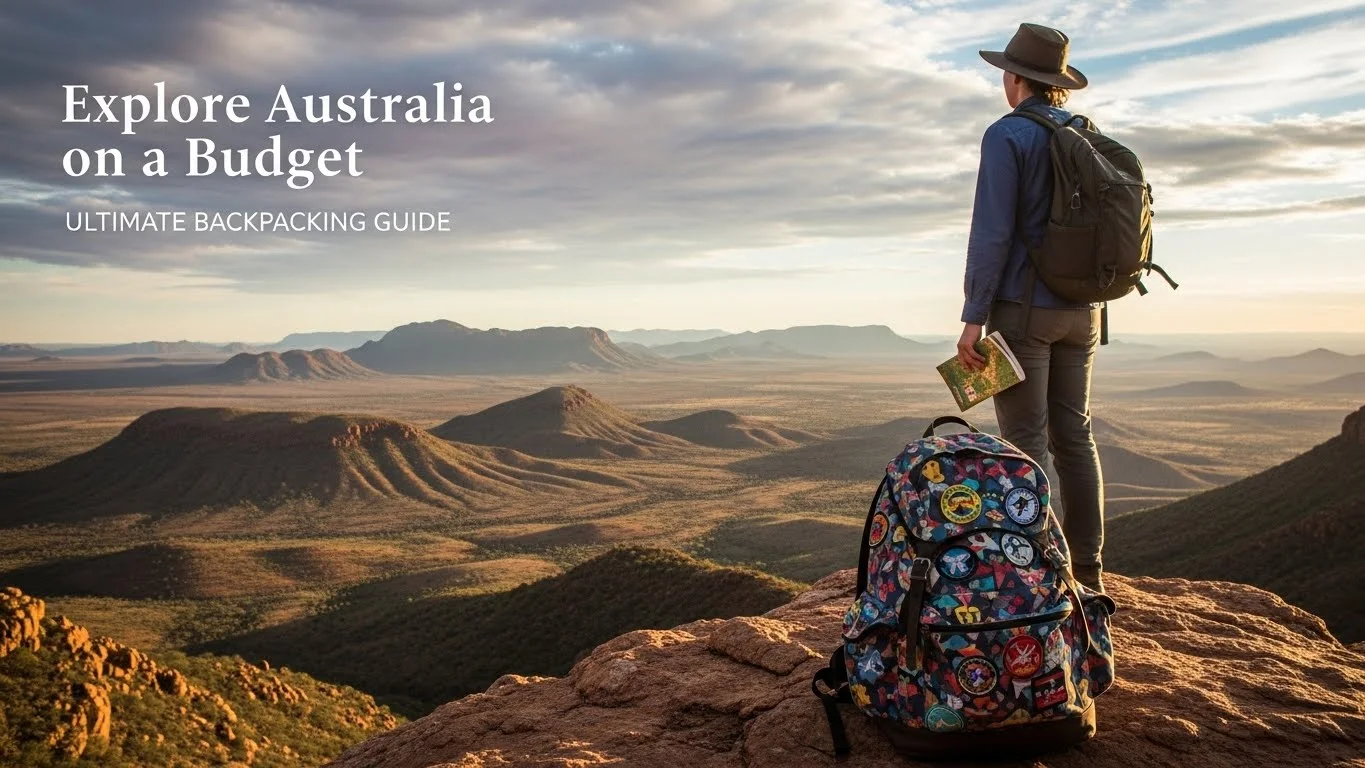
Overview of Backpacking in Australia
What is Backpacking?
Backpacking, for me, has always been about adventure and exploration. It’s the kind of travel where you pack your essentials in a backpack, hit the road, and immerse yourself in new cultures, foods, and environments. I love the freedom it offers—you can change your plans on a whim, meet fellow travelers, and discover hidden gems that you wouldn’t find in a guidebook. In Australia, backpacking has its unique flair, with a diverse range of landscapes from deserts to beaches and bustling cities to serene bushland.
Why Choose Australia for Backpacking?
When I first thought about backpacking in Australia, I was drawn by its natural beauty and vibrant culture. Australia is a land of contrasts, offering everything from the iconic Sydney Opera House to the stunning Great Barrier Reef. The locals, known for their friendly nature, create a warm atmosphere that makes it easy to connect with others. Plus, the country’s well-developed infrastructure means getting around is relatively straightforward, making it perfect for budget travelers like us. I discovered that with a little planning, I could explore everything from the rocky outback to lively coastal towns without spending a fortune.
Best Time to Visit Australia on a Budget
Seasons and Weather Considerations
Choosing the right time to visit Australia can make a big difference in your experience and budget. The country’s summer season runs from December to February, which brings warmer temperatures and school holidays. However, I found that spring (September to November) and autumn (March to May) are often the best times to visit, as the weather is still pleasant but the crowds are thinner. During these shoulder seasons, flights and accommodation can be cheaper, which is a huge bonus for anyone traveling on a budget.
Off-Peak vs. Peak Travel Seasons
Traveling during off-peak times is one of the best strategies I’ve learned for saving money. Peak travel seasons in Australia usually correspond with school holidays and major events. I’ve noticed that prices for accommodations and flights skyrocket during these times. By planning my trips outside of these peak periods, I was able to enjoy the sights without the hassle of large crowds and inflated prices. For example, visiting popular destinations like Sydney or the Great Barrier Reef in late autumn or early spring can mean better deals and a more enjoyable experience overall.
Festivals and Events to Consider
Australia hosts a variety of exciting festivals and events throughout the year, and attending these can also enhance your backpacking experience. I remember stumbling upon the Sydney Festival in January, where there were free concerts, art exhibitions, and performances happening all over the city. Similarly, the Melbourne International Comedy Festival in April is another fantastic event that attracts visitors from all over the world. Not only do these festivals provide amazing entertainment, but they often feature free or low-cost activities, which can be a perfect way to experience local culture while sticking to your budget.
Budget Travel Tips for Australia
How to Save on Flights
Finding affordable flights to Australia can be done with a little savvy. I always make it a point to compare prices on different travel websites and sign up for fare alerts; this way, I’m notified when prices drop. Traveling during the off-peak season can also help, as I’ve often found cheaper tickets if I’m flexible with my travel dates. Additionally, considering flights into major hubs like Sydney or Melbourne and then traveling domestically can save quite a bit of money.
Affordable Accommodation Options
Accommodation can be one of the biggest expenses while backpacking, but I’ve discovered plenty of budget-friendly options in Australia. Hostels are a great choice, as they offer not only affordable rates but also the chance to meet fellow travelers. I’ve stayed in several hostels that had kitchen facilities, allowing me to save money by cooking my meals. Camping is another fantastic option, especially if you’re exploring the great outdoors. National parks often have campgrounds at very low prices, and being surrounded by nature is a bonus I always cherish.
Transportation on a Budget
Getting around in Australia doesn’t have to hurt your wallet. I’ve found that using buses and trains is a cost-effective way to travel between cities. Greyhound buses offer various passes for unlimited travel over a certain number of days, which can be a great deal if you plan to cover a lot of ground. Additionally, I’ve tried car rentals for road trips with friends, which allowed us to explore off-the-beaten-path destinations at our own pace without spending too much on individual transportation. Domestic flights can also be a good option if you’re looking to cover long distances quickly. I always keep an eye out for deals through budget airlines, which can make traveling across the vast country more accessible.
Buses and Trains
Traveling by bus or train is one of my favorite ways to see Australia. I love the scenery along the way, and it’s often more affordable than flying. Train services like the Tilt Train in Queensland or the Indian Pacific can offer unique experiences, and I’ve enjoyed the journey as much as the destination.
Car Rentals and Road Trips
There’s something special about road tripping in Australia. I’ve rented a car multiple times, and it always leads to unexpected adventures. Whether it’s a trip along the Great Ocean Road or a drive through the Outback, having a car gives you the freedom to stop wherever you want and explore hidden spots.
Domestic Flights
For longer distances, I’ve sometimes opted for domestic flights. They can be a bit pricier, but with budget airlines, I’ve managed to snag some great deals. Just be sure to book early and keep an eye out for promotions.
Essential Backpacking Gear for Australia
Packing List for Australian Backpackers
Packing for a backpacking trip in Australia can feel overwhelming, but I’ve learned to keep it simple and practical. First, I always make a list before I start packing to ensure I don’t forget anything essential. My go-to items include lightweight clothing suitable for varying weather conditions, a good pair of walking shoes, and a reliable rain jacket. I also recommend a sturdy backpack that’s comfortable to carry, as you’ll be wearing it for long periods.
In Australia, the sun can be intense, so I can’t stress enough the importance of sun protection. A wide-brimmed hat, sunglasses, and sunscreen are must-haves. I also pack a refillable water bottle to stay hydrated, especially during hikes. Depending on your activities, a swimsuit is also a great addition since there are plenty of beautiful beaches and swimming spots to enjoy.
For technology, I bring a portable charger for my phone, as I rely on it for navigation and connecting with other travelers. A camera is also a good idea if you want to capture the stunning landscapes and memories along the way. And don’t forget a few basic toiletries and a first-aid kit; it’s always better to be prepared for minor scrapes or headaches.
Camping Gear and Essentials
If camping is on your agenda, I highly recommend investing in some quality gear. I’ve experienced the magic of sleeping under the stars in Australia, and it’s something I’ll never forget. A lightweight tent or hammock is essential for staying comfortable and protected from the elements. I also suggest a sleeping bag suitable for the season, as temperatures can drop at night, especially in the Outback.
In addition to the tent and sleeping bag, I always bring a portable stove and lightweight cookware. Cooking outdoors can be a fun part of the experience, and it saves money compared to eating out. Plus, nothing beats a hot meal after a long day of exploring! I also pack a compact cooler for keeping food fresh and snacks at hand.
Lastly, I recommend a headlamp or flashlight for navigating after dark. Most campsites have limited lighting, and it’s incredibly handy for late-night bathroom trips or cooking under the stars. With the right gear, camping can become one of the highlights of your trip.
Safety and Health Items to Bring
Staying safe and healthy while backpacking in Australia is crucial, and I’ve learned the hard way about what to take. First, I always pack a well-stocked first-aid kit with band-aids, antiseptic wipes, pain relievers, and any personal medications I might need. This kit has been a lifesaver on a few occasions, especially when I accidentally scraped my knee while hiking.
Another important item is insect repellent. I’ve had my fair share of mosquito bites, especially in warmer months, and a good repellent can make a big difference in comfort. It’s also wise to carry a small bottle of hand sanitizer, as you never know when you might need it while on the go.
If you have any specific health concerns or allergies, I recommend bringing along a note with essential information. This can help in case of emergencies when you might need medical assistance. Lastly, keep a copy of important documents, like your passport and travel insurance, both digitally and physically. Having these on hand has provided me peace of mind during my travels.
Top Budget Destinations in Australia
Sydney
Sydney is a must-visit when backpacking in Australia, and there are plenty of budget-friendly ways to explore this iconic city. I remember wandering through the Royal Botanic Garden, which is free to enter and offers stunning views of the Sydney Opera House and Harbour Bridge. Another favorite spot of mine was Bondi Beach, where I enjoyed the sun and the vibrant atmosphere without spending a dime.
Free Attractions and Activities
One of the best things I discovered in Sydney was the free walking tours. They offer a fantastic way to learn about the city’s history and culture while meeting other travelers. I also enjoyed taking walks along the coastal paths, like the Bondi to Coogee walk, which boasts breathtaking views of the ocean. Exploring the various markets, like The Rocks, is another budget-friendly option that allows you to soak in the local vibe without overspending.
Melbourne
Melbourne quickly became one of my favorite cities in Australia, especially for its vibrant arts scene and coffee culture. There’s something special about wandering through the many laneways filled with street art, quirky shops, and cozy cafés. One of the best parts? Many of these experiences are completely free!
Backpacker-Friendly Neighborhoods
Fitzroy and St Kilda are areas I loved exploring. They have a laid-back vibe and plenty of budget-friendly accommodation options. I often found myself in local parks or at the beach, soaking up the atmosphere without spending a lot. Plus, Melbourne has a fantastic public transport system, which made getting around easy and affordable.
Brisbane
Brisbane surprised me with its warm climate and friendly locals. I discovered that the South Bank Parklands is a beautiful place to relax, with its lush gardens and man-made beach. It’s a popular spot for locals and tourists alike, and best of all, it’s free to enjoy!
Outdoor and Free Events
Brisbane hosts many free events, especially during the warmer months. I stumbled upon outdoor movie nights and festivals that showcased local music and food. These events were not only a great way to experience the culture but also an opportunity to meet new friends.
Cairns and the Great Barrier Reef
Cairns is often referred to as the gateway to the Great Barrier Reef, and I couldn’t resist the allure of snorkeling in this breathtaking world. There are many affordable tour options that cater to backpackers, and I found that some companies offer discounts for larger groups.
Affordable Tours and Activities
In addition to the reef, I enjoyed exploring the nearby Daintree Rainforest, where I found budget tours that included guided walks and visits to beautiful waterfalls. Just being in such a unique ecosystem was worth every penny, and I was able to take in the stunning views without overspending. For more on budget-friendly dining experiences, check out Dining Etiquette Around the World: Tips for Budget Travelers.
Byron Bay
Byron Bay is a haven for backpackers, known for its laid-back vibe and stunning beaches. I loved the welcoming atmosphere, where everyone seemed to share a love for nature and adventure. There are plenty of budget accommodations, from hostels to campgrounds, making it easy to find a place to stay.
Budget-Friendly Accommodation
I found that staying in hostels in Byron Bay not only helped me save money but also allowed me to connect with fellow travelers. Many hostels organize social events and outings, which made it easy to meet others and share experiences. Plus, being close to the beach meant I could spend my days soaking up the sun without spending anything extra.
Local Food and Dining on a Budget
Street Food and Food Markets
One of the best parts of traveling is indulging in local cuisine, and I’ve found that street food and food markets in Australia offer a delicious and budget-friendly way to eat. I remember visiting the Queen Victoria Market in Melbourne, where the vibrancy of the stalls was as enticing as the food itself. I sampled fresh produce, gourmet cheeses, and even tasted some authentic Aussie meat pies—all at reasonable prices. Street food vendors often have unique offerings that reflect the local culture, and I loved trying items like kangaroo burgers or fresh fish tacos from food trucks scattered around cities like Sydney and Brisbane.
In my experience, markets often have not just food but also a lively atmosphere. I’ve wandered through them, soaking in the sights and sounds, and it’s a great way to interact with locals and fellow travelers. Plus, many of these markets have live music or events that add to the experience without costing anything extra. If you’re interested in culinary adventures, consider looking into Savor the World: Budget Culinary Journeys for Backpackers.
Affordable Restaurants and Cafés
If you’re looking for a sit-down meal, don’t overlook the small, local eateries and cafés. I’ve found that some of the best bites often come from family-run places rather than high-end restaurants. In cities like Melbourne, I discovered cozy cafés offering hearty breakfasts for under $10, which often included fresh coffee—a must-have for me.
Another tip that worked well for me was to seek out lunch specials. Many restaurants offer great deals during lunchtime, and I’ve enjoyed some of my favorite meals at a fraction of the dinner price. Additionally, look for places that cater to the backpacker crowd, as they often have meal deals or discounts to attract travelers.
Grocery Shopping Tips
For those days when I wanted to stretch my budget even further, grocery shopping became a go-to strategy. Picking up ingredients to prepare my meals not only saved money but also gave me a chance to experience local foods in a different way. I often visited supermarkets like Coles or Woolworths, where I could find affordable staples like pasta, rice, canned goods, and fresh produce.
I typically focused on buying items that could be used in multiple meals, such as veggies that I could toss into stir-fries or sandwiches. One of my favorite quick meals became a simple salad with fresh greens, avocado, and whatever protein I could find at a reasonable price. Eating in also allowed me to enjoy some downtime in my hostel or campsite, which was a welcomed break from constant exploring.
For snacks, I loved grabbing some local treats like Tim Tams or Anzac biscuits, which were not only delicious but also an essential part of experiencing Australian culture. Plus, keeping a few snacks on hand while traveling made long days more enjoyable without the temptation to splurge on expensive convenience foods.
Activities and Experiences Under $50
Outdoor Adventures (Hiking, Beaches)
Australia is a haven for outdoor lovers, and I’ve found that many of the best adventures don’t require a hefty budget. For instance, hikes like the Blue Mountains in New South Wales offer breathtaking views and can be enjoyed for free. I remember spending an entire day wandering through the trails, taking in scenic vistas, and even spotting some kangaroos along the way. The beauty of these natural sites is something I wouldn’t trade for any high-priced attraction.
Beaches are another fantastic way to spend a day without breaking the bank. I loved lounging on the golden sands of places like Byron Bay and Manly Beach. The best part? Swimming and sunbathing are completely free! Bringing along a picnic made for a perfect beach day, and I felt grateful for the beautiful surroundings and sunshine.
Free Cultural Experiences (Museums, Festivals)
I’ve also been amazed by how many cultural experiences are available for little to no cost. Many cities in Australia have free entry to museums and galleries on specific days or times. I took advantage of this in Melbourne, where the National Gallery of Victoria often has free exhibitions that showcase incredible local and international artists.
Additionally, keep an eye out for local festivals, markets, and events. I’ve had a fantastic time at street festivals that showcase music, art, and food, all while being completely free to attend. These events are perfect opportunities to immerse yourself in local culture and meet new people, all while keeping expenses low.
Wildlife Encounters and Nature Parks
No trip to Australia would be complete without experiencing its unique wildlife. I discovered that many national parks offer reasonably priced entry fees and are home to some of the country’s most iconic animals. Places like Kangaroo Island or the Daintree Rainforest have affordable admission, and I’ve seen kangaroos, koalas, and countless bird species in their natural habitats.
If you’re lucky, some wildlife parks offer discounted rates for students or backpackers, making it easier to connect with Australia’s incredible fauna without breaking the bank. I remember visiting a wildlife sanctuary in Queensland, where I not only got to see animals up close but also learned about their conservation efforts. Experiences like these have become some of my most cherished memories.
Frequently Asked Questions
What is backpacking in Australia?
Backpacking in Australia is about adventure and exploration, where travelers pack essentials in a backpack to immerse themselves in new cultures, foods, and environments. It offers the freedom to change plans, meet fellow travelers, and discover hidden gems.
Why should I choose Australia for backpacking?
Australia boasts natural beauty and vibrant culture, featuring iconic landmarks like the Sydney Opera House and the Great Barrier Reef. The friendly locals and well-developed infrastructure make it easy for budget travelers to explore diverse landscapes without overspending.
When is the best time to visit Australia on a budget?
The best times to visit Australia on a budget are during the shoulder seasons of spring (September to November) and autumn (March to May), when the weather is pleasant, crowds are thinner, and accommodations are often cheaper.
What are some budget travel tips for flights to Australia?
To save on flights, compare prices on different travel websites, sign up for fare alerts, travel during off-peak seasons, and consider flying into major hubs like Sydney or Melbourne before traveling domestically.
What affordable accommodation options are available while backpacking in Australia?
Budget-friendly accommodation options include hostels, which offer affordable rates and opportunities to meet fellow travelers, and camping in national parks, which can be very inexpensive and provides a chance to connect with nature.
How can I get around Australia on a budget?
Using buses and trains is cost-effective for traveling between cities, with services like Greyhound offering unlimited travel passes. Car rentals for road trips can also be economical when shared with friends, and budget airlines can provide affordable domestic flights for longer distances.
What essential gear should I pack for backpacking in Australia?
Essential packing items include lightweight clothing, good walking shoes, a rain jacket, sun protection (hat, sunglasses, sunscreen), a refillable water bottle, and a sturdy backpack. Additionally, a first-aid kit and basic toiletries are recommended.
What are some top budget destinations in Australia?
Top budget destinations include Sydney, with free attractions like the Royal Botanic Garden and Bondi Beach; Melbourne, known for its arts scene and affordable cafés; Brisbane, featuring the free South Bank Parklands; and Cairns, the gateway to the Great Barrier Reef.
How can I enjoy local food while traveling on a budget in Australia?
Enjoy local cuisine by exploring street food and food markets, dining at small, family-run eateries, and taking advantage of lunch specials. Grocery shopping for meal preparation can also save money and provide a chance to experience local foods.
What outdoor activities can I do in Australia for under $50?
Outdoor adventures include free hikes like those in the Blue Mountains and enjoying beaches such as Byron Bay. Many cities also offer free cultural experiences, including museums with free entry days and local festivals showcasing art and music.