
Exploring breathtaking seasonal landscapes doesn’t have to cost a fortune. With a little planning, we can discover stunning sights that fit any budget and create unforgettable memories in nature’s beauty. For tips on how to capture stunning seasonal landscapes on a budget, continue reading.
Understanding Seasonal Landscapes
What Are Seasonal Landscapes?
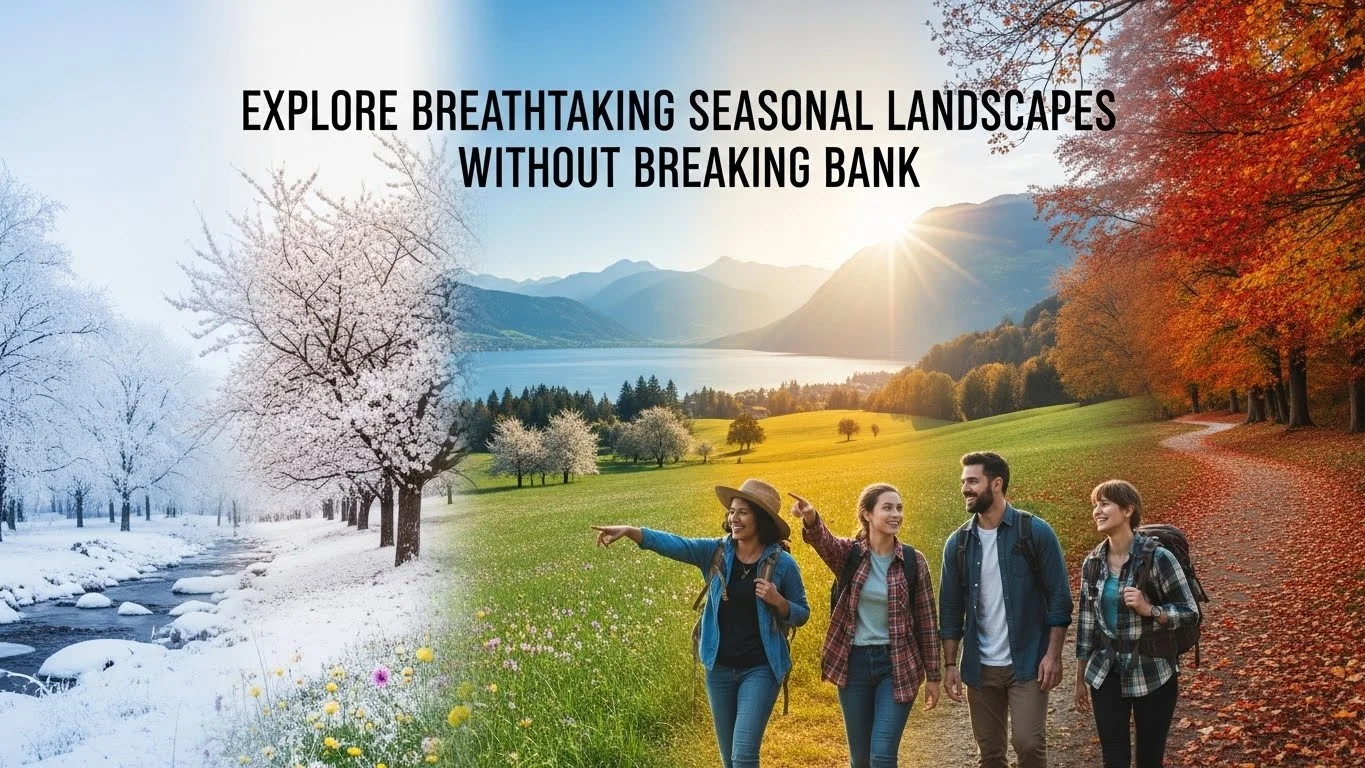
Seasonal landscapes are nature’s way of showcasing its beauty through the changing seasons. Each time of year transforms our surroundings, providing a unique and often breathtaking experience. I’ve always been fascinated by how the same location can look entirely different just a few months apart. For instance, I remember visiting a local park in spring, where cherry blossoms painted the area in delicate pink hues, only to return in autumn to see vibrant reds and golds carpeting the ground. Each season brings its own charm, inviting us to explore and appreciate the world around us.
The Beauty of Changing Seasons
There’s something magical about witnessing the shift of seasons. In winter, snow-covered landscapes create a serene and peaceful atmosphere, while summer brings lush greenery and blooming flowers. I feel that each season offers its own palette of colors and textures, making it a joy to photograph and experience firsthand. I recall my first hike in the fall; the crisp air and crunch of leaves underfoot were invigorating. It reminded me how nature’s cycles can affect our mood and well-being. I believe that immersing ourselves in these seasonal landscapes not only enriches our lives but also connects us to the Earth in profound ways.
Best Destinations for Seasonal Landscapes
Autumn Foliage: Top Spots in the U.S.
Autumn is my favorite season, especially for leaf peeping. The brilliant colors of fall foliage are a sight to behold. One of the most stunning places I’ve visited is New England, where the hills burst into a riot of reds, oranges, and yellows. Vermont and New Hampshire offer breathtaking views, and if you time your visit right, you can experience the peak colors without the crowds. I often recommend taking a scenic drive through the Kancamagus Highway in New Hampshire. The beauty of the trees reflecting on the lakes is something you won’t soon forget.
Another hidden gem is the Great Smoky Mountains National Park. I was pleasantly surprised to find that it’s not too expensive to visit. Camping or staying in nearby towns can keep costs down while allowing you to soak in the incredible scenery. Plus, the smoky mist that rolls through the mountains adds a touch of mystery to the vibrant colors. For those interested in backpacking, check out top tips for backpacking to seasonal landscape wonders.
Winter Wonderlands: Affordable Getaways
When winter rolls around, I often find myself daydreaming about snowy landscapes. There are so many budget-friendly destinations to enjoy the winter wonderland. I’ve discovered that places like the Adirondacks in New York or the Rocky Mountains in Colorado offer beautiful scenery at more affordable rates than the big-name ski resorts. Renting a cozy cabin can also be a great way to enjoy the winter without breaking the bank. I remember one trip where we built a snowman right outside our cabin and then relaxed by the fireplace with hot cocoa in hand. It was pure bliss!
Additionally, many national parks offer free entrance days in the winter, making it easy to explore without spending much. I highly recommend visiting these parks to witness the peaceful, snow-covered landscapes and maybe even some wildlife, like deer or birds, that are quite active in winter.
Spring Blooms: Budget-Friendly Locations
Spring is a time of renewal, and I’ve always found joy in watching nature come alive again. One of my favorite places to see spring blossoms is the National Cherry Blossom Festival in Washington, D.C. While the festival can get crowded, you don’t need to spend much to enjoy the beauty of the blossoms. I love strolling around the Tidal Basin, taking in the stunning sights while enjoying a picnic with friends.
If you’re looking for fields of flowers, consider heading to the Skagit Valley in Washington. The tulip festival there is an absolute delight, and it’s one of the most vibrant spring experiences I’ve had. Entrance fees are minimal, and the colorful fields are perfect for photography or simply enjoying nature. Plus, you can often find affordable accommodations in nearby towns. If you’re interested in wildlife photography, be sure to explore budget-friendly locations for wildlife photography.
Summer Escapes: Scenic Views Without the Cost
Summer is the season for adventure and exploration. I believe it’s one of the best times to hit the road and discover scenic landscapes. National and state parks are often less expensive than other vacation spots, and they offer incredible views. I personally love visiting the Pacific Northwest during summer. Places like Olympic National Park are filled with breathtaking coastlines, lush forests, and stunning mountain views.
Another great option is the Badlands in South Dakota. The rugged terrain and unique rock formations are unlike anything I’ve ever seen. The park often has low entrance fees, and the sunsets there are simply jaw-dropping. I recommend packing a picnic and enjoying dinner as the sun sets, painting the sky in hues of orange and pink. It’s moments like these that make summer unforgettable.
When to Visit: Timing Your Adventure
Seasonal Climate Patterns
Understanding the seasonal climate patterns where you’re planning to visit can significantly enhance your experience. I’ve learned that some areas can have drastic temperature changes that could catch you off guard. For example, while spring might feel warm and inviting in some places, it can still be quite chilly in the mornings and evenings. I remember a trip to the Pacific Northwest in early April; I was surprised by the cool breeze even though the daytime was bright and sunny. Dressing in layers became my go-to strategy, allowing me to adapt to the weather as it changed.
In summer, the heat can vary greatly depending on the region. I’ve found that while some places are sweltering, others can be surprisingly mild, especially in higher elevations. If you’re heading to the mountains, it’s always good to have a light jacket on hand. Likewise, during winter, I’ve seen areas that are typically snowy have mild spells that can melt snow quickly. Researching the climate trends can help you pack appropriately and fully enjoy the seasonal landscapes.
Peak vs. Off-Peak Travel Times
Timing your visit to avoid peak tourist seasons can lead to a more enjoyable and budget-friendly experience. I’ve discovered that visiting popular destinations just before or after the peak times can yield fewer crowds and better prices. For instance, I visited the Great Smoky Mountains in late September, just as the leaves were beginning to change. While others flocked there in full autumn swing, I enjoyed the early colors without the overwhelming crowds.
Similarly, traveling during shoulder seasons, which are the periods right before or after the peak season, often means you can find discounts on accommodation and activities. I remember taking a trip to the Adirondacks in late spring. The flowers were blooming, the weather was pleasant, and I found great deals on cabin rentals. Plus, the trails were less crowded, allowing me to soak in the tranquility of nature.
Local Events and Festivals to Experience
One of the best ways to immerse myself in the beauty of seasonal landscapes is by participating in local events and festivals. I’ve found that timing my visits to coincide with these happenings enhances the overall experience. For example, the Tulip Festival in Skagit Valley is a must-see if you’re around in April. The vibrant colors of the tulips are stunning, and the festival atmosphere adds an extra layer of joy.
During the fall, many locations host harvest festivals, where you can enjoy local produce, crafts, and sometimes even live music. I attended a harvest festival in a small town in Vermont a couple of years ago, and it was such a charming experience. The crisp autumn air, the smell of fresh apple cider, and the sight of pumpkins in all shapes and sizes made it unforgettable. If you can find local events that celebrate the changing seasons, I highly recommend incorporating them into your travel plans.
Budget-Friendly Travel Tips
Finding Affordable Accommodation
Finding a place to stay that won’t break the bank can sometimes be a challenge, but I’ve learned a few tricks along the way. I usually start by looking for local inns or bed-and-breakfasts instead of larger hotel chains. These places not only offer a cozy atmosphere but often come with a personal touch and insight into the local area. I remember staying at a charming bed-and-breakfast in the Smoky Mountains, where the owner shared fantastic tips on the best hiking trails.
Another option is to explore vacation rentals. Websites like Airbnb can provide affordable options, especially if you’re traveling with a group. Splitting the cost of a rental can often be cheaper than booking multiple hotel rooms. Plus, having access to a kitchen allows me to prepare some meals, which saves money in the long run. I’ve found that cooking a meal together with friends or family can also be a fun bonding experience.
Transport Options: How to Get There Cheaply
When it comes to getting to your chosen destination, I always look for the most cost-effective transportation options. Sometimes driving can be cheaper than flying, especially if I’m traveling with others and can share the gas expenses. I’ve enjoyed many road trips, where the journey became just as memorable as the destination itself. Plus, I love the flexibility of stopping at scenic viewpoints along the way.
If flying is necessary, I recommend booking flights well in advance. I usually set fare alerts through travel websites, which notify me when prices drop. Another tip is to consider flying into nearby airports, which may offer cheaper rates. Public transportation can also be a budget-friendly way to explore a new area. I often utilize buses or trains to reach my destination, providing an opportunity to relax and take in the passing scenery.
Eating on a Budget: Local Cuisine and Markets
One of the joys of traveling is trying local cuisine, but eating out can quickly add up. I’ve found that exploring local farmers’ markets is a fantastic way to enjoy fresh produce and sample regional specialties at affordable prices. I remember visiting a market in New Orleans and indulging in locally made beignets and fresh fruits, all while enjoying the vibrant atmosphere.
Another strategy I’ve adopted is to seek out small, family-owned eateries instead of touristy restaurants. These places often have delicious, homemade meals at lower prices. I discovered this while traveling through the Midwest; a small diner had the best homemade pie I’ve ever tasted, and it was a fraction of the cost compared to larger establishments. Plus, I love supporting local businesses while savoring authentic flavors.
Free Activities and Attractions
Finding free activities is a great way to experience the beauty of nature without spending much. I’ve often discovered that many local parks or natural reserves offer hiking trails, scenic overlooks, and picnic areas at no cost. I remember one trip where we stumbled upon a hidden waterfall on a hiking trail—an unexpected delight that was absolutely free!
Many towns also host free events throughout the year, such as outdoor concerts, art walks, or community festivals. I suggest checking local calendars or tourism websites for listings of free activities during your visit. These opportunities not only save money but also allow you to connect with the local culture and community, enriching your overall travel experience.
Capturing the Beauty: Photography Tips
Best Times of Day for Photos
When it comes to capturing those stunning seasonal landscapes, timing can make all the difference. I’ve learned that the best times for photography are usually during the golden hours—early morning and late afternoon. The soft, warm light during these times adds a magical touch to landscapes, enhancing colors and creating beautiful shadows. I remember waking up before sunrise during a fall trip to the Blue Ridge Parkway. As the sun began to rise, the mist lifted from the valleys, revealing a breathtaking tapestry of autumn hues. It was a moment I’ll never forget, and the photos turned out to be some of my favorites.
Midday can be challenging for photography due to harsh sunlight, which can wash out colors and create strong shadows. I try to avoid shooting during this time if I can, but if I do find myself out and about, I look for shaded areas or interesting compositions that can work with the light. Using natural elements like trees or rocks can create depth and interest in the images.
Essential Gear for Landscape Photography
Having the right gear can really elevate your photography game. I carry my DSLR camera when I’m on a serious photo mission, but I’ve also found that my smartphone can capture stunning images too. The key is knowing how to use the tools at your disposal. For landscape photography, a wide-angle lens is often recommended because it can capture more of the scene. I remember investing in a good quality lens for my camera, and it has opened up so many creative possibilities.
Tripods are another essential gear for landscape shots, especially during those golden hours or in low-light conditions. I’ve had times when I wished I had my tripod to stabilize the camera for long exposure shots of waterfalls or starry skies. Additionally, I always pack extra batteries and memory cards, as it’s easy to get lost in the beauty of a location and take far more photos than I planned!
Editing Tips to Enhance Your Shots
Once I’ve captured my photos, the editing process becomes a fun way to enhance their beauty. I often use editing software to adjust brightness, contrast, and saturation, aiming to bring out the vibrant colors I experienced in person. For me, it’s not about changing the photo entirely but rather enhancing it to match the beauty I felt while taking it. I remember going back to my photos from a spring trip to the tulip fields and being amazed at how a little editing made those colors pop even more.
I also enjoy experimenting with filters, but I try to use them sparingly. My goal is to keep the images as natural as possible. A little sharpening can help to bring out the details, especially in landscapes where textures matter. And don’t forget to crop! Sometimes, a simple crop can dramatically improve the composition, focusing the viewer’s attention on the most interesting parts of the shot.
Exploring Local Culture and Wildlife
Engaging with Local Communities
When I travel, I find that engaging with local communities enriches my experience immensely. I love to learn about the history, culture, and traditions of the areas I visit. In many cases, I’ve stumbled upon local events or gatherings that provide a glimpse into the community’s way of life. For instance, during my visit to a small town in Oregon, I came across a local art fair where artists showcased their work inspired by the surrounding landscapes. It was a wonderful opportunity to chat with them about their processes and what the natural beauty of their region meant to them.
Participating in community-led tours or workshops can also be incredibly rewarding. I remember joining a photography workshop in a national park led by a local photographer who shared invaluable insights about the best spots to capture the scenery. Not only did I improve my skills, but I also made new friends and learned about the area from a local perspective, which made the experience even more special.
Wildlife Watching Opportunities
Another aspect of exploring seasonal landscapes is the incredible wildlife that often accompanies these natural settings. I’ve had some unforgettable moments while wildlife watching. For example, I was fortunate enough to see elk roaming freely in the Rocky Mountains during the fall. Being able to observe animals in their natural habitat is a beautiful reminder of the connection we have to nature. I always carry binoculars and a zoom lens to capture these moments without disturbing the wildlife.
Many national parks have specific areas known for wildlife viewing, and I often check local guides or visitor centers for the best times and locations to spot various species. I’ve found that early mornings and late afternoons are particularly good times for wildlife activity. Just like with photography, patience is key—sometimes it takes a while to catch a glimpse of something special.
Respecting Nature and Environment
As much as I love exploring and capturing the beauty of seasonal landscapes, I believe it’s crucial to respect nature and the environment. I always follow the Leave No Trace principles, ensuring that I leave each place as I found it. This includes staying on marked trails, packing out everything I brought in, and minimizing noise pollution. I’ve noticed that when I take the time to respect the environment, it enhances my experience and allows me to connect more deeply with nature.
Additionally, I encourage others to learn about local conservation efforts. Many communities have initiatives aimed at protecting their unique natural landscapes and wildlife. I’ve participated in volunteer events where I helped clean up trails or plant native species. Not only does this benefit the environment, but it also fosters a sense of community and purpose during my travels.
Frequently Asked Questions
What are seasonal landscapes?
Seasonal landscapes are nature’s way of showcasing its beauty through the changing seasons, providing unique and often breathtaking experiences as our surroundings transform throughout the year.
What is the best time to visit for autumn foliage?
One of the best places to experience autumn foliage in the U.S. is New England, particularly Vermont and New Hampshire. Timing your visit to coincide with peak colors while avoiding crowds is recommended, especially along scenic drives like the Kancamagus Highway.
What are some budget-friendly winter getaway options?
The Adirondacks in New York and the Rocky Mountains in Colorado are great budget-friendly winter destinations. Renting a cozy cabin and visiting national parks on free entrance days can help keep costs down while enjoying beautiful snowy landscapes.
Which locations are recommended for experiencing spring blooms?
For spring blooms, the National Cherry Blossom Festival in Washington, D.C., and the Skagit Valley Tulip Festival in Washington are highly recommended. Both offer stunning sights with minimal entrance fees.
How can one avoid peak tourist crowds when traveling?
To avoid peak tourist crowds, consider visiting popular destinations just before or after peak times, or during shoulder seasons. This often leads to fewer crowds and better prices on accommodations and activities.
What are some tips for finding affordable accommodations?
Look for local inns or bed-and-breakfasts instead of larger hotel chains, and explore vacation rentals through platforms like Airbnb. Sharing rental costs with a group can also be more economical than booking multiple hotel rooms.
What transportation options are recommended for budget travel?
Driving can often be cheaper than flying, especially when sharing gas costs with others. If flying is necessary, book flights in advance and consider nearby airports for lower rates. Public transportation can also be a budget-friendly way to explore.
How can travelers enjoy local cuisine without overspending?
Exploring local farmers’ markets for fresh produce and sampling regional specialties can be affordable. Additionally, dining at small, family-owned eateries instead of touristy restaurants can provide delicious meals at lower prices.
What are some free activities to enjoy while exploring seasonal landscapes?
Many local parks and natural reserves offer free hiking trails, scenic overlooks, and picnic areas. Additionally, towns often host free events like outdoor concerts and community festivals, which provide cultural experiences without a cost.
What should be considered when capturing landscape photographs?
The best times for photography are during the golden hours—early morning and late afternoon. Essential gear includes a DSLR or smartphone, a wide-angle lens, and a tripod for stability, especially in low-light conditions.