
Wildlife photography is a thrilling adventure, but it doesn’t have to drain your wallet. Discovering budget-friendly locations can enhance both your skills and your portfolio without breaking the bank.
Understanding Wildlife Photography
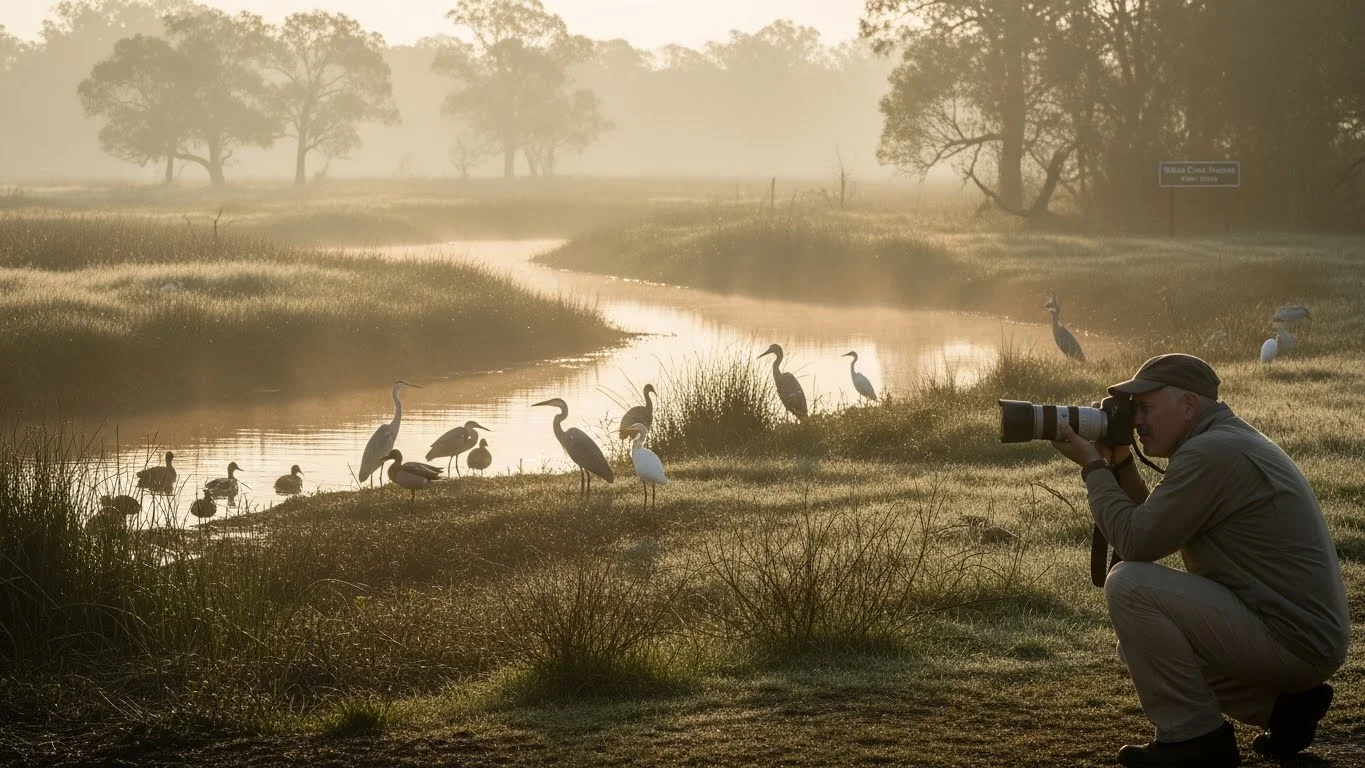
Wildlife photography is more than just pointing a camera at animals; it’s about capturing the essence of nature and the beauty of the creatures that inhabit it. I remember my first wildlife photography experience; I was overwhelmed by the excitement of spotting a deer in the early morning mist. The thrill of being in nature, waiting for the perfect moment, can be exhilarating. However, many budding photographers often feel that the cost of gear and travel can be prohibitive. This is where understanding budget-friendly locations comes into play.
The Importance of Budget-Friendly Photography Locations
Choosing budget-friendly photography locations can make a significant difference. Not only does it lower travel costs, but it also opens up opportunities to discover hidden gems that might be overlooked in more popular, pricier spots. I found that some of my best photographs were taken in local parks or less-known reserves, where the wildlife is abundant, and the crowds are minimal. This allows me to focus on my photography without distractions. Plus, being able to go back frequently to a nearby location helped me build my skills and refine my techniques over time.
Essential Gear for Wildlife Photography on a Budget
When it comes to wildlife photography, having the right gear can help you capture stunning images. However, you don’t have to spend a fortune. I learned early on that a good camera with a decent zoom lens can suffice. Here’s what I recommend for budget-friendly wildlife photography gear:
- Camera: Look for entry-level DSLRs or mirrorless cameras. Brands like Canon and Nikon often have affordable options.
- Lens: A lens with a focal length of 300mm or more is ideal for wildlife. You can often find used lenses in good condition.
- Tripod: A sturdy tripod can help with stability, especially in low-light conditions. There are budget-friendly options that work well.
- Editing Software: Invest in basic photo editing software. I started with free options like GIMP before moving to Adobe Lightroom, which was worth the investment for me.
Additionally, I’ve found that bringing along a rain cover for my gear can be a lifesaver. It allows me to shoot in various weather conditions without worrying about damaging my equipment. Keeping my gear lightweight and portable helped me venture to different locations without feeling burdened.
Top Budget-Friendly Locations for Wildlife Photography
Now that we’ve established how to prepare for wildlife photography on a budget, let’s explore some fantastic locations where you can get amazing shots without spending too much. One option is to consider budget-friendly wildlife photography tours that can lead you to some of the best spots.
National Parks
National parks are often the first places that come to mind for wildlife photography. While some parks can be expensive, many offer affordable options and incredible wildlife viewing opportunities. I’ve had unforgettable experiences in a couple of them.
Yellowstone National Park
Yellowstone is a paradise for wildlife photographers. From bison to bears, the diversity of animals is astounding. The park’s entry fee is reasonable, especially considering the vast landscapes and wildlife you’ll encounter. I remember spotting a herd of elk at dawn; the early morning light combined with the mist created magical conditions for photography. Visiting in the shoulder seasons can also mean fewer crowds and more opportunities to capture wildlife in action.
Everglades National Park
The Everglades is another incredible spot for wildlife photography. It’s home to unique species like alligators, manatees, and a variety of birds. The park offers affordable entry options, and I’ve found that kayaking through the mangroves can provide up-close encounters with wildlife. Just be sure to plan your trip according to the wet and dry seasons for the best experience.
State Parks
State parks often get overlooked, but they can be just as rich in wildlife and opportunities for photography. They tend to have lower entry fees and fewer visitors, which can be a big plus.
Point Reyes National Seashore
Located in California, Point Reyes is a hidden gem for wildlife photographers. With its coastal scenery and diverse habitats, I’ve captured stunning images of elephant seals and migratory birds. The park is very accessible, and entry fees are minimal. I recommend visiting during the migration seasons for the best wildlife sightings.
Chincoteague Island
Chincoteague Island in Virginia is famous for its wild ponies, but it’s also home to a rich variety of bird species, especially during migration. The park’s reasonable entry fees and scenic landscapes make it a delightful spot for photography. I had the chance to photograph a family of ponies against a stunning sunset backdrop, which remains one of my favorite shots.
As I explored these locations, I learned that being patient and observing wildlife behavior led to the most rewarding photographs. Budget-friendly doesn’t mean compromising on experience; in fact, it often enhances it. With the right approach, we can capture breathtaking wildlife moments without spending a fortune. Stay tuned for more exciting locations and tips on maximizing your budget for wildlife photography!
Top Budget-Friendly Locations for Wildlife Photography
Wildlife Reserves
Wildlife reserves can be one of the best-kept secrets for budget-conscious photographers. I’ve discovered that these places often provide incredible wildlife sightings without the hustle and bustle you find in national parks. The entry fees are typically lower, and the serenity of the surroundings can make for a perfect photography experience.
San Juan Islands
The San Juan Islands in Washington State are a treasure trove for wildlife photographers. I remember my trip there, captivated by the sight of orcas and sea lions. The best part? There are plenty of affordable options for boat tours that take you out to see these majestic animals up close. The islands also boast a variety of habitats, from lush forests to rocky shorelines, which means you can capture diverse wildlife in a single trip. I often found myself sitting quietly on the shoreline, waiting for the perfect moment to snap a shot of a playful otter. It’s an experience that stays with you long after the camera clicks.
Alligator River National Wildlife Refuge
This haven in North Carolina is a fantastic destination for those looking to photograph a range of wildlife, including black bears and migratory birds. The refuge is well-maintained and has minimal entry fees, making it a budget-friendly option. I was fortunate enough to capture a stunning image of a bear foraging for food during one of my visits. The trails are designed for easy access, allowing you to explore different areas without feeling overwhelmed. It’s important to remember, though, that with the thrill of wildlife comes the responsibility of being respectful. I always make sure to maintain a safe distance and keep noise to a minimum to avoid disturbing the creatures.
Factors to Consider When Choosing Locations
Wildlife Diversity
One aspect I consider when picking a photography location is wildlife diversity. Different areas are home to specific species, and I’ve learned that some locations boast a broader range of wildlife than others. For instance, visiting a wetlands area can expose you to a wealth of bird species, while a forest may offer opportunities to photograph deer, foxes, and various smaller creatures. I like to do some research beforehand, looking at what wildlife is typically present during my visit. This way, I can maximize my chances of getting those jaw-dropping shots.
Accessibility and Travel Costs
Accessibility is key in choosing a location. I’ve found that places that are easy to reach not only save time but also help keep costs down. For example, I try to look for reserves or parks that are within driving distance. This not only saves on airfare but also allows for spontaneous trips. I always check the route using apps to find the most cost-effective way to get there. A road trip can be a fun adventure, and I’ve enjoyed stopping at various spots along the way to capture unexpected wildlife moments!
Seasonality and Best Times to Visit
Understanding the seasonality of wildlife can be a game changer. I remember planning a trip to photograph migratory birds and being blown away by the sheer number of species I witnessed. Each season brings different opportunities; for instance, spring can be fantastic for newborn animals, while autumn often sees animals preparing for winter. I’ve learned that planning my visits during peak wildlife activity can enhance my photography experience significantly. I recommend keeping a wildlife calendar handy to track migrations and breeding seasons!
How to Maximize Your Budget
Finding Affordable Accommodations
When it comes to accommodations, I’ve found that there are plenty of budget-friendly options. Camping can be a wonderful way to immerse yourself in nature, and I often choose to camp when I visit national parks or reserves. Not only does it save money, but it also allows for those early morning and late evening shoots when the wildlife is most active. If camping isn’t your style, look for local motels or hostels that offer reasonable rates. I always check online platforms for discounts or last-minute deals to ensure I’m getting the best price.
Cost-Effective Transportation Options
Transportation can eat into a wildlife photography budget quickly. I’ve had great experiences using public transportation when visiting urban wildlife spots or even carpooling with fellow photographers. Sharing costs not only saves money but also allows for great conversations and shared tips! For me, renting a bike in some areas has also been a fantastic way to explore and photograph wildlife while keeping costs down.
Free vs. Paid Entry Fees
Finally, I’ve learned to balance my visits between free and paid locations. Many state parks and wildlife reserves have minimal or no entry fees, and I’ve discovered some hidden gems that are often less crowded. However, don’t shy away from paying for entry to places that offer unique wildlife experiences. Sometimes, the fee can provide access to areas that are prime photography spots. I often weigh what I can gain from a location against the entry cost before deciding where to go.
Photography Tips for Budget-Friendly Locations
Best Times of Day for Wildlife Photography
Timing can make all the difference in wildlife photography, and I’ve learned that the best times to shoot are often during the golden hours—early morning and late afternoon. During these times, the light is soft and warm, which helps to create that magical quality in photos. I recall a morning at a local wildlife reserve where I arrived just before dawn. As the sun rose, the mist lifted, revealing a family of deer grazing peacefully. The light was perfect, and I managed to capture some stunning shots that I still cherish today.
In my experience, many animals are also more active during these periods. For example, I’ve seen birds taking flight at dawn and mammals like foxes and rabbits coming out to forage. Whenever I plan a trip, I always make sure to be at my chosen location around these times to maximize my chances of seeing wildlife in action.
Techniques for Capturing Wildlife on a Budget
While having good gear is helpful, I’ve found that the techniques I use can often make a more significant impact on my photos. One technique that I rely on is being patient and remaining still. I remember sitting quietly for what felt like hours while waiting to photograph a rare bird. It was all worth it when the bird finally landed right in front of me! I’ve learned that animals are often more comfortable when they don’t sense human presence, so wearing neutral colors and blending into the surroundings can help.
Another technique I recommend is to focus on the eyes of the animal. I’ve discovered that sharp, clear eyes can make or break a wildlife photo. Whenever I shoot, I always aim to get the eyes in focus, as they convey emotion and connection to the viewer. If you can capture that special glint or expression, it often elevates the image from just a picture to something truly compelling.
Utilizing Natural Light to Enhance Photos
Natural light is my best friend in wildlife photography. I’ve experimented with different lighting conditions, and I’ve found that utilizing the natural light available can create stunning results without needing expensive lighting equipment. One of my favorite tricks is to position myself so that the light is coming from behind me, illuminating the subject beautifully. I remember one afternoon at a wildlife refuge when I managed to photograph a heron against the warm sunset glow. The colors were vibrant, and it transformed a simple shot into a breathtaking image.
Overcast days can also work to your advantage. The diffused light on cloudy days can help minimize harsh shadows and bring out the details in the fur or feathers of animals. I’ve often come home from cloudy days with some of my favorite shots, simply because the light was so flattering. Always keep an eye on the weather forecast and try to adapt your plans accordingly; sometimes, the best photos come from the most unexpected conditions!
Safety and Ethical Considerations
Staying Safe While Photographing Wildlife
While I love being close to nature and capturing wildlife, safety should always be a top priority. I’ve learned that it’s essential to be aware of my surroundings and to understand the wildlife behavior in the area I’m visiting. For example, I remember a time when I was photographing bears in a national park. I made sure to follow all park regulations, kept a safe distance, and always had an escape route planned. It’s crucial to respect wildlife and their space to ensure both my safety and theirs.
When venturing into the wild, I always carry a first-aid kit and make sure my phone is charged in case of emergencies. Additionally, I try to go with a buddy whenever possible. It’s not only safer, but it also allows for shared experiences and insights that can enhance our photography adventures.
Ethical Photography Practices
Ethics in wildlife photography is something I take very seriously. I believe it’s crucial to respect the animals and their habitats. I always maintain a safe distance and avoid using bait to attract wildlife for a shot. I’ve seen too many instances where photographers disturb animals, which can lead to stress or even abandonment of nests and young. To me, capturing the beauty of an animal in its natural behavior is far more rewarding than forcing a moment.
Additionally, I’m mindful of the environment. I always follow the principles of Leave No Trace, ensuring that I don’t disrupt habitats or leave trash behind. I think it’s our responsibility as photographers to protect the very nature we love to photograph. By practicing ethical photography, we can contribute to the conservation of wildlife and ensure that future generations can enjoy the same experiences we do.
Frequently Asked Questions
What is wildlife photography?
Wildlife photography is about capturing the essence of nature and the beauty of the creatures that inhabit it, rather than just pointing a camera at animals.
Why are budget-friendly photography locations important?
Choosing budget-friendly photography locations reduces travel costs and allows photographers to discover hidden gems that may be overlooked in more popular, pricier spots.
What essential gear is recommended for budget-friendly wildlife photography?
Recommended gear includes an entry-level DSLR or mirrorless camera, a lens with a focal length of 300mm or more, a sturdy tripod, and basic photo editing software.
What are some top budget-friendly locations for wildlife photography?
Some top locations include Yellowstone National Park, Everglades National Park, Point Reyes National Seashore, Chincoteague Island, the San Juan Islands, and Alligator River National Wildlife Refuge. For more options, consider checking budget wildlife photography tours.
What factors should be considered when choosing wildlife photography locations?
Considerations include wildlife diversity, accessibility and travel costs, and seasonality to determine the best times to visit for wildlife activity.
How can photographers maximize their budget for wildlife photography?
Photographers can find affordable accommodations, use cost-effective transportation options, and balance visits between free and paid entry locations.
What are the best times of day for wildlife photography?
The best times to shoot are during the golden hours—early morning and late afternoon—when the light is soft and warm, and many animals are more active.
What techniques can help capture wildlife photos on a budget?
Techniques include being patient and remaining still, focusing on the eyes of the animal, and utilizing natural light to enhance photos.
How can photographers ensure safety while photographing wildlife?
Photographers should be aware of their surroundings, understand wildlife behavior, maintain a safe distance, carry a first-aid kit, and ideally go with a buddy for added safety.
What are ethical considerations in wildlife photography?
Ethical considerations include respecting animals and their habitats, maintaining a safe distance, avoiding baiting wildlife for photos, and following the principles of Leave No Trace.