
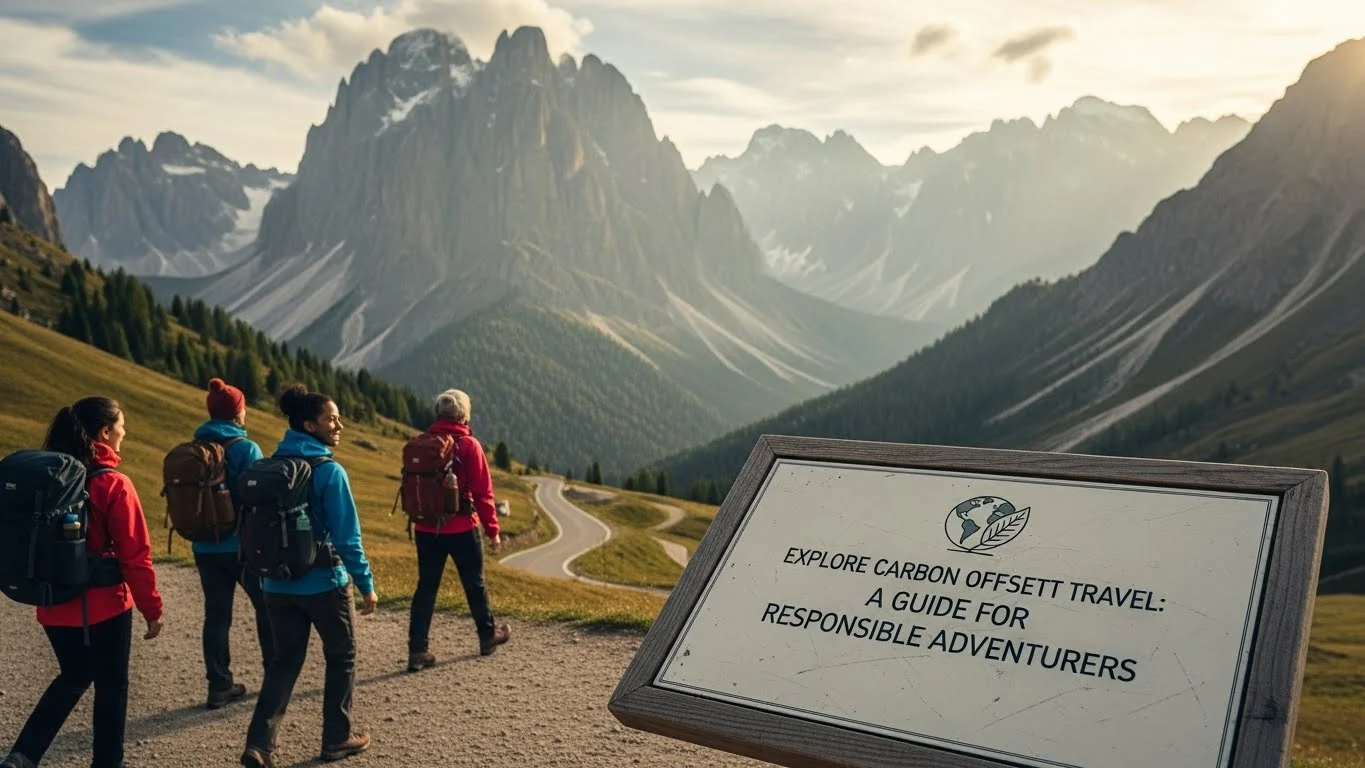
As we embark on our adventures, the impact of travel on our planet often weighs on my mind. Carbon offset travel offers a way to enjoy the journey while caring for the Earth. Let’s dive into this responsible travel opportunity together!
Understanding Carbon Offset Travel
What is Carbon Offset Travel?
Carbon offset travel is about balancing the carbon emissions generated by our travels with actions that reduce or remove an equivalent amount of carbon from the atmosphere. When I first heard about carbon offsetting, I was intrigued. It felt like a tangible way to take responsibility for my travel footprint. Essentially, every time we board a flight, drive a car, or even take a train, we emit carbon dioxide (CO2) into the environment. Carbon offsetting provides a means to counteract these emissions by investing in projects that either sequester carbon or prevent further emissions. Read Interesting article: Top Carbon Offset Travel Options for Eco-Conscious Backpackers
For instance, if I take a long-haul flight, I can calculate the carbon footprint of that journey and then purchase carbon credits. These credits often fund projects like reforestation, renewable energy investments, or methane capture from landfills. By doing this, I feel empowered to make my travel more sustainable and contribute positively to the planet.
The Importance of Sustainable Travel
Traveling sustainably is critical for several reasons. I’ve noticed that as the world becomes more interconnected, the environmental impact of our adventures grows. From over-tourism damaging delicate ecosystems to the carbon emissions from our modes of transportation, every trip leaves a mark. In my experience, choosing sustainable travel allows us to enjoy the beauty of our planet while minimizing harm.
Moreover, sustainable travel encourages responsible tourism practices. I believe that as travelers, we have the power to support local economies and cultures. By opting for carbon offset travel, we not only lessen our environmental impact but also promote a travel style that respects the communities we visit. This awareness has led me to seek out experiences that prioritize environmental and social responsibility, enriching my adventures even further.
How Carbon Offsetting Works
Understanding how carbon offsetting works is key to making informed choices. When I first started looking into it, I found it helpful to break down the process into simple steps. First, you calculate your carbon footprint based on your travel activities. This can include flights, car travel, or even accommodations. There are various online calculators that help you determine this, which I found incredibly useful.
Once you have a number, you can choose to purchase carbon offsets. Each offset typically represents a ton of CO2 that has been prevented from entering the atmosphere, thanks to your investment in green initiatives. I learned that many organizations work to ensure these projects are verified and produce real results. For instance, a project may plant trees that absorb CO2, or it might help implement solar energy solutions in communities that rely on fossil fuels.
As I explored further, I discovered the importance of selecting credible offset projects. Not all offsets are created equal, and I recommend doing a bit of research to ensure your investment leads to genuine environmental benefits. Learning about the specific projects I support makes me feel more connected to my choices and their impact. Read Interesting article: Offset Your Travel: Top Carbon Offset Programs for Backpackers
Why Choose Carbon Offset Travel?
Environmental Impact of Travel
The environmental impact of travel is substantial. With the rise of air travel and road trips, I’ve seen firsthand how quickly emissions can accumulate. I remember reading a statistic that flying can produce up to 285 grams of CO2 per passenger mile. This realization hit home for me, and it made me more conscious of my travel habits. I wanted to explore how I could mitigate my impact and travel guilt-free.
Benefits of Carbon Offsetting for Travelers
Choosing carbon offset travel comes with a multitude of benefits. For one, I feel a sense of responsibility and peace of mind knowing that my adventures are not contributing to climate change. It also aligns with my values as someone who cares about the environment. Additionally, there’s a growing community of like-minded travelers who share these beliefs, which has led to new friendships and connections. Read Interesting article: Travel Green: Best Carbon Offset Options for Eco-Conscious Travelers
Supporting Local Communities and Conservation Projects
One of the most rewarding aspects of carbon offset travel is supporting local communities and conservation initiatives. I’ve learned that many carbon offset projects are community-driven. This means that my contributions not only help reduce carbon but also provide jobs and improve local infrastructure. I remember visiting a community solar project in a developing country, where the smiles on the locals’ faces showed just how much this initiative meant to them. Knowing that my travel choices can uplift others is a powerful motivator for me to choose carbon offset travel.
How to Calculate Your Carbon Footprint
Factors Affecting Carbon Emissions
Understanding how to calculate my carbon footprint has been a game-changer for me. There are several factors that contribute to the emissions I generate while traveling. For instance, the mode of transport I choose plays a massive role. I’ve learned that air travel typically has a higher carbon footprint compared to other options, like trains or buses. I remember planning a trip and realizing that a direct flight to my destination would produce significantly more emissions than a scenic train ride through the countryside. It made me rethink my travel plans.
Other factors include the distance traveled, the number of passengers, and even the type of accommodations I choose. I’ve found that traveling solo in a car can be much less efficient than sharing the ride with friends. Additionally, my choice of lodging can also impact my footprint; staying at a sustainable hotel that employs eco-friendly practices can help offset some of the emissions generated during my trip. It’s fascinating to see how each decision I make can either increase or decrease my overall impact.
Tools and Calculators for Measuring Your Footprint
When I first started calculating my carbon footprint, I was overwhelmed by all the options out there. However, I found a few reliable tools and calculators that have made the process much easier. Websites like Carbon Footprint and the Global Footprint Network provide user-friendly calculators that allow me to input my travel details and get an estimate of my emissions.
I appreciate that many of these tools break down my carbon output into various categories, such as transportation, lodging, and activities. This breakdown helps me see which areas I should focus on to reduce my footprint. For example, during one trip, I realized that my accommodation had contributed more to my carbon emissions than I expected. Armed with this knowledge, I committed to seeking out more sustainable lodging options in future travels.
Understanding Emission Metrics
As I delved deeper into carbon offsetting, I realized that understanding emission metrics is crucial. Most calculators provide emissions in terms of CO2 equivalents, which can sometimes be confusing. I remember grappling with the numbers, trying to make sense of what they really meant for my travel choices. I found it helpful to think of emissions in relatable terms, like how many trees would need to be planted to offset my flight or how many miles I could drive in a fuel-efficient car.
By grasping these metrics, I could set realistic goals for reducing my carbon footprint. For instance, I started aiming to cut down my flying by opting for road trips or exploring local destinations. This shift not only benefitted the environment but also allowed me to discover hidden gems in my own backyard.
Choosing Carbon Offset Programs
Types of Carbon Offset Projects
Choosing the right carbon offset program can feel daunting, but I’ve found it’s essential to understand the different types of projects available. Each type plays a unique role in combating climate change, and knowing about them has helped me make informed decisions.
Renewable Energy Projects
One type of carbon offset project that resonates with me is renewable energy initiatives. I’ve learned that investing in solar, wind, or hydropower projects can significantly reduce greenhouse gas emissions. Supporting these projects means I’m helping communities transition away from fossil fuels while promoting sustainable energy sources. I find it inspiring to think that my travel choices can contribute to cleaner energy for future generations.
Reforestation and Afforestation Initiatives
Reforestation and afforestation initiatives are another area I’m passionate about. These projects aim to restore forests or create new ones, which helps sequester carbon dioxide from the atmosphere. I remember participating in a local tree-planting event, and seeing how quickly trees can grow and positively impact our environment was a powerful experience for me. Investing in such projects through carbon offsets allows me to support biodiversity and help combat deforestation on a larger scale.
Community-Based Projects
Community-based projects are particularly meaningful to me. These initiatives often focus on improving local living conditions while reducing carbon emissions. For instance, I learned about projects that provide clean cookstoves to families in developing countries. This not only reduces reliance on firewood, which leads to deforestation, but also improves air quality and health for those communities. Knowing my contributions support both environmental and social well-being is incredibly fulfilling.
How to Evaluate Carbon Offset Providers
As I began purchasing carbon offsets, I quickly realized the importance of evaluating providers. Not all programs are created equal, and I wanted to ensure my investment was genuinely making a difference. I look for transparency in how the offsets are calculated and what specific projects my funds will support. This has led me to choose organizations that provide clear information about their initiatives and regularly report on their effectiveness.
Certifications and Standards to Look For
Another critical aspect of choosing a carbon offset program is understanding the certifications and standards they adhere to. I often look for programs certified by reputable organizations like Verra or the Gold Standard. These certifications ensure that the projects meet rigorous criteria for measuring and verifying their carbon reductions. Knowing that my offsets are backed by credible standards gives me confidence that I’m making a real impact.
Practical Steps for Responsible Adventurers
Choosing Eco-Friendly Transportation
When it comes to traveling responsibly, I’ve learned that the choices I make in transportation play a significant role in my carbon footprint. One of my most eye-opening experiences was during a trip where I consciously opted for public transportation instead of renting a car. Not only did I save money, but I also significantly reduced my emissions. Taking buses or trains allowed me to interact with locals and experience the culture from a different perspective. I remember feeling a sense of camaraderie with fellow travelers as we navigated the local transit system together.
Another option I’ve explored is biking. Many cities offer bike-sharing programs that make it easy to get around while reducing my environmental impact. I vividly recall a day spent cycling through Amsterdam’s charming streets, surrounded by beautiful canals and historic architecture. It was not just a mode of transportation; it became a part of my adventure. I recommend checking out bike rental options or walking tours wherever I go, as they provide a more intimate experience of the destination.
Finding Sustainable Accommodations
Choosing where to stay has a profound impact on my travel footprint. I’ve made it a personal mission to seek out eco-friendly accommodations. Initially, I wasn’t sure where to begin, but I found that many hotels and lodges now prioritize sustainability, implementing practices like water conservation, waste reduction, and using renewable energy sources. I remember staying at a boutique hotel that sourced all its food from local farms and had a robust recycling program. It felt rewarding to know that my stay supported not just the environment but also local businesses.
To find these sustainable options, I often use websites like EcoBnB or Green Key, which list accommodations committed to eco-friendly practices. Reading reviews from fellow travelers about their experiences has also guided me towards the best options. I believe that these choices not only lessen my impact but also enhance my travel experience, allowing me to connect more deeply with the places I visit.
Engaging in Local Sustainable Practices
One of the most fulfilling aspects of carbon offset travel is engaging with local sustainable practices. I’ve discovered that many communities have their own unique ways of promoting environmental stewardship. During my travels, I’ve taken part in beach clean-ups, volunteered at community gardens, and even helped with reforestation efforts. Each of these experiences has made me feel like I was giving back, rather than simply taking from the places I visited.
I remember joining a group focused on coral reef restoration while in Thailand. Not only did I learn about the importance of marine ecosystems, but I also got the chance to contribute to a project that aimed at protecting the reefs from further damage. Engaging in these local initiatives has enriched my travels and fostered a sense of connection with the communities I visit. I believe that as travelers, we have a responsibility to leave a positive impact, and participating in local sustainable practices is a meaningful way to do that.
Top Destinations for Carbon Offset Travel
Eco-Conscious Cities to Visit
Copenhagen, Denmark
Copenhagen is often cited as one of the greenest cities in the world, and my visit there really opened my eyes to what sustainable urban living looks like. I was amazed by the extensive bike lanes, clean public transportation, and the city’s commitment to becoming carbon neutral by 2025. I spent hours biking around the city, visiting parks, and enjoying the vibrant atmosphere. Plus, I discovered a wealth of eco-friendly cafes and shops that made it easy to support local businesses.
Portland, Oregon
Portland is another city that has captured my heart with its commitment to sustainability. I was drawn to its local food scene, with many restaurants sourcing ingredients from nearby farms. The city’s emphasis on green spaces and public parks made my outdoor adventures even more enjoyable. I remember hiking in the nearby Columbia River Gorge, where I could appreciate the natural beauty while knowing that I was contributing to a city dedicated to preserving it.
Natural Wonders with Carbon Offset Opportunities
The Amazon Rainforest
Visiting the Amazon was a dream come true for me, but I also realized the importance of supporting conservation efforts while there. I participated in a sustainable tourism project that helps fund local initiatives aimed at protecting the rainforest. The experience was profound; I saw firsthand the beauty of the ecosystem and understood the threats it faces. Being part of a program that actively works towards conservation made my visit impactful and memorable.
National Parks in the USA
The national parks are a treasure trove of natural beauty, and I’ve made it a point to explore several during my travels. I’ve enjoyed hiking in places like Yosemite and Yellowstone, where the landscapes are breathtaking. Many of these parks have carbon offset programs in place to help mitigate the impact of tourism. For me, supporting these efforts while enjoying the great outdoors feels like the perfect blend of adventure and responsibility.
Frequently Asked Questions
What is Carbon Offset Travel?
Carbon offset travel is about balancing the carbon emissions generated by our travels with actions that reduce or remove an equivalent amount of carbon from the atmosphere. It involves investing in projects that sequester carbon or prevent further emissions, allowing travelers to counteract their carbon footprint.
Why is sustainable travel important?
Sustainable travel is critical as it minimizes the environmental impact of our adventures, supports local economies and cultures, and encourages responsible tourism practices. It allows travelers to enjoy the beauty of our planet while reducing harm to ecosystems and communities.
How does carbon offsetting work?
Carbon offsetting works by calculating your carbon footprint based on travel activities, such as flights and accommodations, and then purchasing carbon offsets. Each offset typically represents a ton of CO2 that has been prevented from entering the atmosphere through your investment in green initiatives.
What are some benefits of carbon offsetting for travelers?
Benefits of carbon offsetting for travelers include a sense of responsibility and peace of mind knowing their travel is not contributing to climate change, as well as the opportunity to connect with a community of like-minded travelers who share similar values.
What factors affect carbon emissions while traveling?
Factors affecting carbon emissions while traveling include the mode of transport chosen, the distance traveled, the number of passengers, and the type of accommodations. Air travel typically has a higher carbon footprint compared to trains or buses.
What tools can help measure your carbon footprint?
Reliable tools for measuring carbon footprints include websites like Carbon Footprint and the Global Footprint Network, which provide user-friendly calculators to estimate emissions based on travel details and break down carbon output into various categories.
What types of carbon offset projects are available?
Types of carbon offset projects include renewable energy initiatives, reforestation and afforestation initiatives, and community-based projects. Each type plays a unique role in combating climate change and can provide additional benefits to local communities.
How can travelers evaluate carbon offset providers?
Travelers can evaluate carbon offset providers by looking for transparency in how offsets are calculated and what specific projects their funds will support. Choosing organizations that provide clear information and regular reports on effectiveness is essential.
What are some eco-friendly transportation options for travelers?
Eco-friendly transportation options for travelers include using public transportation, biking, or walking. These choices not only reduce carbon footprints but also enhance the travel experience by allowing for closer interaction with local cultures.
Which destinations are recommended for carbon offset travel?
Recommended destinations for carbon offset travel include eco-conscious cities like Copenhagen and Portland, as well as natural wonders such as the Amazon Rainforest and national parks in the USA, which often have carbon offset programs in place to mitigate tourism impact.