
Imagine traveling to a new place and immersing yourself in the local culture while helping the community thrive. That’s the magic of community-based tourism (CBT), where adventure meets sustainability.
Understanding Community-Based Tourism (CBT)
Definition of Community-Based Tourism
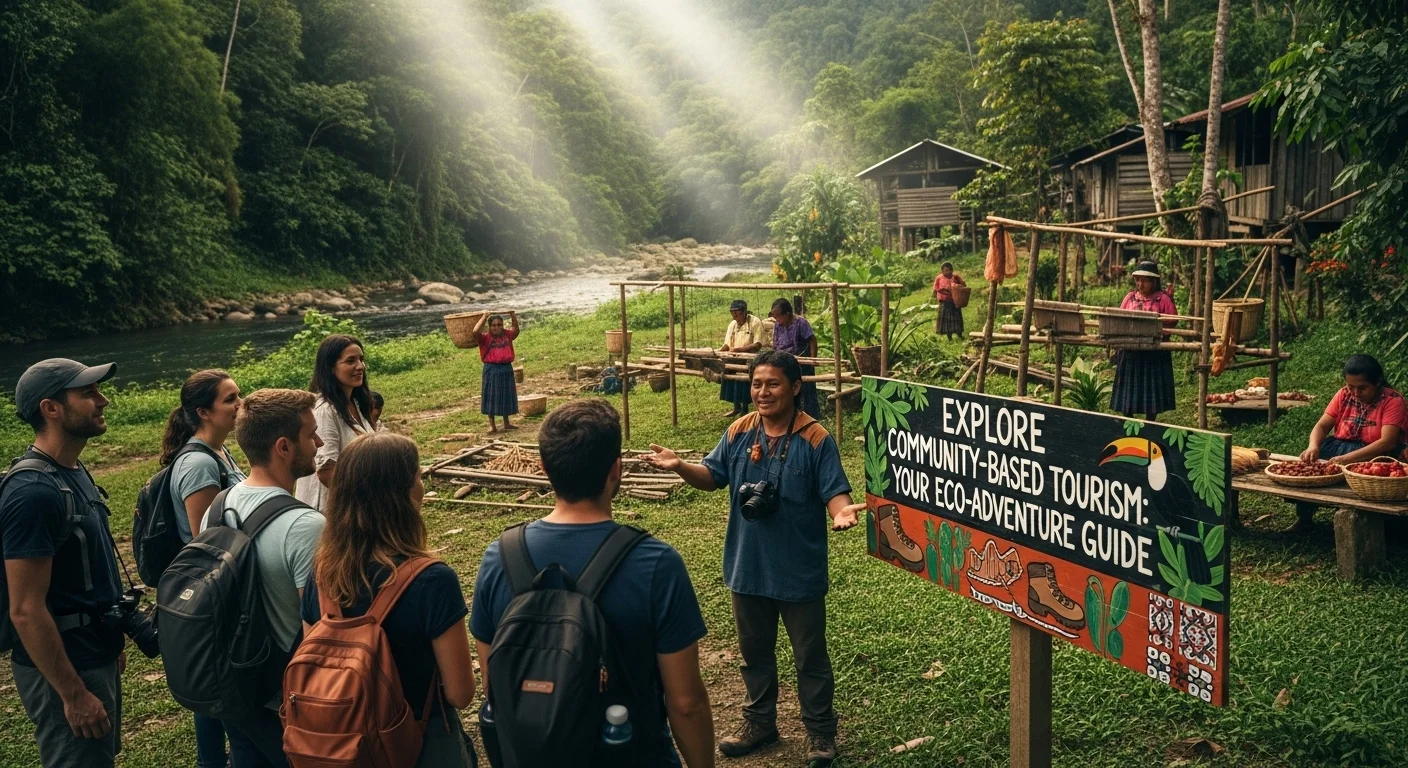
Community-Based Tourism is about more than just visiting a destination; it’s about connecting with the people and places that make it special. In my experience, CBT focuses on involving the local community in tourism efforts, allowing visitors to interact in meaningful ways. It emphasizes cultural exchange, social responsibility, and environmental sustainability. Instead of just being a passive observer, you become part of the community, learning their stories and traditions firsthand.
Benefits of Community-Based Tourism
When I first started exploring CBT, I quickly discovered that the benefits extend beyond just the traveler. Here are some reasons I believe community-based tourism is a win-win for everyone involved:
- Empowerment: CBT gives locals a voice in how tourism is conducted in their area, allowing them to preserve their culture and environment.
- Economic Support: By choosing CBT, we are supporting local businesses and ensuring that a significant portion of the money spent goes directly to the community.
- Environmental Conservation: Many CBT initiatives focus on sustainable practices, promoting the conservation of natural resources and wildlife.
- Authentic Experiences: Engaging directly with locals often leads to richer, more meaningful experiences compared to traditional tourist traps.
Differences Between CBT and Traditional Tourism
Reflecting on my travels, I’ve noticed distinct differences between community-based tourism and traditional tourism. Traditional tourism often prioritizes profit and mass appeal, leading to overcrowded landmarks and a loss of local culture. In contrast, CBT emphasizes smaller, more intimate experiences. Here are some key differences I’ve identified:
- Scale: Traditional tourism often involves large groups and commercial activities, while CBT focuses on smaller, community-driven initiatives.
- Interaction: In traditional tourism, interactions can feel superficial. With CBT, I found more opportunities for genuine connections with locals.
- Impact: Traditional tourism can lead to environmental degradation and cultural erosion. CBT, however, aims to minimize negative impacts and maximize benefits for the community.
Understanding these differences really changed the way I approach travel. It made me realize the power of my choices as a traveler and the positive influence I can have by opting for community-based experiences.
Why Choose Community-Based Tourism?
Eco-Friendly Practices
One of the main reasons I advocate for community-based tourism is its focus on eco-friendly practices. Many CBT projects emphasize sustainability, whether through minimizing waste, conserving water, or protecting local wildlife. I remember visiting a community in South America where they practiced permaculture and shared their knowledge on sustainable farming techniques. It was inspiring to see how they lived in harmony with nature, and it made me more conscious of my own environmental footprint. For those interested in eco-friendly stays, you might want to check out Top 10 Eco-Friendly Accommodations for Budget Backpackers.
Supporting Local Economies
Traveling with a purpose is something I truly believe in. By choosing community-based tourism, we directly support local economies. I’ve seen firsthand how local artisans thrive when tourists purchase handmade crafts or partake in cultural workshops. The funds raised go back into the community, helping to improve education, health care, and infrastructure. It’s a rewarding experience, knowing that your trip is making a difference.
Authentic Cultural Experiences
One of my favorite aspects of community-based tourism is the chance to engage in authentic cultural experiences. I recall a time when I participated in a local festival in a small village. The joy of dancing with the locals, sharing meals, and learning traditional crafts created memories that I cherish. These experiences allow us to break down barriers and truly understand the heart of a community. If you’re looking for affordable cultural adventures, I recommend checking out Engage with Communities: Affordable Cultural Adventures.
As I share my journey with community-based tourism, I hope it inspires you to consider this enriching form of travel. Whether you seek adventure, cultural immersion, or simply a break from the norm, CBT offers a path less traveled where we can connect, learn, and grow together with the communities we visit.
Top Destinations for Community-Based Tourism
South America
When I think about South America, I can’t help but recall the vibrant culture and stunning landscapes I encountered. Countries like Peru and Colombia are leading the way in community-based tourism. In Peru, I had the chance to visit a small village near Machu Picchu, where locals offered homestays and guided hikes. We learned about their customs, and I was fortunate enough to participate in a traditional weaving workshop. It was fascinating to see how they used natural dyes from local plants to create beautiful textiles.
Colombia also stands out with its eco-tourism initiatives. In the lush coffee region, I stayed on a coffee farm where I could see how coffee is cultivated and even picked some beans myself. This hands-on experience opened my eyes to the hard work behind every cup of coffee I enjoy.
Africa
Africa holds a special place in my heart, especially when it comes to community-based tourism. The Maasai Mara in Kenya is one of my favorite spots. Here, I learned about the Maasai people’s traditions and their efforts to preserve their culture amidst modern challenges. I participated in a village tour, where I watched traditional dances and even tried my hand at making beadwork. It felt incredible to contribute to their economy while gaining insight into their way of life.
Similarly, in South Africa, I discovered community-based programs aimed at wildlife conservation, like those in the Kruger National Park area. Staying in lodges run by local communities allowed me to engage in conservation efforts, such as tracking animals and learning about the ecosystem. Knowing that my visit helped fund educational initiatives for children in nearby villages made it all the more worthwhile. If you’re interested in unique wildlife experiences, consider looking into Explore Unique Wildlife Experiences on a Budget Safari.
Asia
Asia is bursting with opportunities for community-based tourism. I remember traveling to Thailand and spending time in a Northern village known for its elephant sanctuary. Here, I was able to volunteer and learn about elephant care and conservation. Seeing how these majestic animals are treated with respect and love was truly inspiring. The locals shared their knowledge about the cultural significance of elephants, and it made my experience all the more enriching.
In Vietnam, I visited a community in the Mekong Delta that focused on responsible tourism. The locals welcomed me into their homes for cooking classes where we prepared traditional dishes. I still think about that delicious pho and the stories shared over the dinner table. It’s experiences like these that create lasting memories and foster a deeper appreciation for different ways of life.
Europe
While Europe may be known for its landmarks, some hidden gems offer incredible community-based experiences. In Portugal, I found myself in a small fishing village where the community offered cooking classes featuring fresh seafood caught that morning. I remember sitting with the locals, sharing laughter and stories while learning how to prepare traditional dishes. The warmth and hospitality I experienced made me feel like part of their family.
In Scotland, I had the pleasure of staying at a community-run inn in the Highlands. The owners were incredibly passionate about preserving the local Gaelic culture. They organized storytelling nights where we gathered around a fire to hear tales of ancient folklore. It was a magical way to connect with the rich history and traditions of the region.
How to Plan Your Community-Based Eco-Adventure
Researching Community-Based Projects
Planning a community-based eco-adventure is so much fun, but it starts with research. I always dedicate time to look into various community projects. I recommend checking out websites that focus on responsible tourism to find authentic experiences. I often start by reading blogs or watching videos from travelers who have visited these communities. Their firsthand accounts give me a clearer picture of what to expect and how I can contribute positively to the community.
Choosing Sustainable Accommodations
When it comes to accommodations, I prefer to stay in places that prioritize sustainability. I look for lodges or homestays that are community-owned. This not only ensures that my stay supports local families but also often comes with the bonus of unique experiences, like cooking classes or guided hikes. I’ve found that these types of accommodations often have a close connection to the community, which enriches my travel experience enormously.
Connecting with Local Guides
Another essential part of planning is finding local guides. I’ve learned that having a guide from the community can truly enhance my experience. They can share stories, traditions, and insights that I would never discover on my own. I often reach out to community organizations or look for recommendations from fellow travelers. Connecting with local guides not only supports their livelihoods but also ensures that I get a more authentic and meaningful perspective on the culture and environment.
What to Expect from Community-Based Tourism Experiences
Participating in Local Traditions
One of the most beautiful aspects of community-based tourism is the opportunity to participate in local traditions firsthand. I remember visiting a small Indigenous community where I was invited to join their annual harvest festival. It was an incredible experience! I helped with the preparations, which included gathering local produce and decorating the gathering area with traditional crafts. While I was there, I also learned about the significance of the festival in their culture and the stories behind various rituals. It felt so rewarding to be part of something that mattered to them, and I left with a deeper understanding of their way of life.
Engaging in Conservation Efforts
Community-based tourism often emphasizes the importance of conservation, and I’ve had the chance to engage in several meaningful projects during my travels. For example, in Costa Rica, I volunteered with a group that was dedicated to protecting sea turtles. I spent nights on the beach helping monitor nesting sites and even participated in releasing hatchlings back into the ocean. This hands-on involvement not only made me more aware of the threats facing these incredible creatures, but it also connected me deeply with the local community, who were equally passionate about preserving their natural heritage. Seeing the positive impact of our efforts was truly inspiring and made my trip unforgettable.
Experiencing Local Cuisine
Food is such a crucial part of any culture, and through community-based tourism, I’ve been fortunate to dive into local cuisines that go beyond the typical restaurant fare. I recall cooking classes in a village in India, where I learned to make traditional dishes using recipes passed down through generations. The vibrant spices, fresh ingredients, and the stories behind each meal made the experience rich and memorable. Sharing those meals with the locals, sitting on the floor and enjoying the food together, felt like being part of their family. It’s an experience that not only satisfies your taste buds but also feeds your soul.
When to Visit: Timing Your Eco-Adventure
Seasonal Considerations
Timing your trip can significantly enhance your experience in community-based tourism. I’ve learned that each destination has its unique seasons that influence the local culture and activities. For instance, visiting Thailand during the rainy season offered me a different perspective on the lush landscapes, while also allowing me to participate in fewer crowds. However, I’ve also found that certain times of the year, like harvest seasons or festivals, can provide vibrant experiences rich in culture. It’s worth researching the best times to visit to align your trip with local events and natural beauty.
Local Festivals and Events
One of my favorite travel memories involves attending a local festival, which I try to plan during my visits when possible. For example, being part of the Holi festival in India was a colorful explosion of joy! The locals welcomed me with open arms, and I joined in the festivities, throwing colored powders and sharing laughter with everyone around me. It’s not just about the fun; it’s about understanding the significance of these events in their culture. Participating in such celebrations helps bridge cultural gaps and creates lasting memories that I cherish. Make sure to look up local festivals when planning your trip; you might just stumble upon a life-changing experience!
Safety and Responsible Travel Tips
Understanding Local Customs and Laws
As we venture into new places, it’s essential to respect local customs and laws. I’ve learned that understanding the cultural nuances can greatly enhance my travel experience. Before any trip, I take the time to read about the local etiquette—everything from dress codes to behavior in sacred spaces. For example, while visiting a temple in Bali, I was mindful of the dress code and customs related to spirituality, which allowed me to connect more authentically with the locals. This kind of preparation shows respect and often opens doors to more enriching interactions.
Staying Safe While Traveling
Safety is always a priority when I travel, and community-based tourism is no exception. I’ve found that staying aware of my surroundings and following local advice can go a long way. Checking in with community leaders or guides about safety tips can enhance my overall experience. Additionally, I always keep emergency contacts handy and stay connected with someone back home. Knowing I have a plan in place allows me to relax and fully immerse myself in the adventure.
Minimizing Your Environmental Impact
As travelers, we have a responsibility to minimize our environmental impact. I’ve made it a habit to be conscious of my actions, whether it’s reducing plastic use or supporting eco-friendly businesses. For instance, I always carry a reusable water bottle and shopping bag to avoid single-use plastics. Additionally, I seek out community initiatives that focus on sustainability, such as those that promote environmental education or conservation. It’s empowering to know that my choices contribute to preserving the beautiful places I visit for future generations.
Budgeting for Community-Based Tourism
Cost Considerations
Budgeting is an important aspect of planning any trip, and community-based tourism can often be more affordable than traditional travel options. I’ve discovered that many community projects offer reasonably priced accommodations and activities, which allows me to experience authentic culture without breaking the bank. Additionally, spending directly on local goods and services ensures that my money supports the community rather than large corporations. I always set a budget that allows for flexibility, which gives me the freedom to explore and enjoy unexpected opportunities.
Affordable Destinations
Some destinations are particularly known for their affordability when it comes to community-based tourism. I’ve had wonderful experiences in places like Nicaragua and Guatemala, where the cost of living is lower, yet the cultural richness is abundant. Staying in local homestays or participating in community workshops offers a unique experience that is often lighter on the wallet. I always recommend exploring less commercialized areas where the charm and authenticity are often unmatched.
Funding Local Initiatives
While budgeting, it’s also essential to consider how our spending can impact local initiatives. I’ve made it a point to allocate part of my budget to support community projects, whether through donations or participation in local programs. This not only enriches my travel experience but also directly benefits the communities I visit. For instance, I once funded a local education initiative by contributing to a community-run school during my stay. Knowing I was helping future generations while enjoying my travels was deeply fulfilling.
Resources for Community-Based Tourism
Websites and Organizations to Follow
If you’re interested in diving deeper into community-based tourism, I’ve found several organizations and websites that can guide you. Platforms like Responsible Travel and Community Tourism Network provide a wealth of information on various projects worldwide. These sites often feature listings of local initiatives, reviews from travelers, and tips on how to engage meaningfully with communities. I recommend checking these out to find inspiring projects that resonate with you.
Books and Guides on CBT
Reading up on community-based tourism has always enriched my understanding and appreciation for this travel style. I’ve come across books like “Responsible Travel: A Guide for Tourists” and “The Ethical Travel Guide” that offer insights into sustainable practices and ethical tourism. These resources not only educate but also inspire action, making them valuable additions to any traveler’s library.
Online Communities and Forums
Joining online communities and forums can also enhance your experience. I’ve participated in Facebook groups and forums dedicated to sustainable travel, where members share tips, experiences, and recommendations for community-based tourism. Engaging with like-minded travelers allows for a sharing of ideas and can lead to incredible opportunities. Plus, it’s comforting to know there’s a supportive community out there eager to share their insights!
Frequently Asked Questions
What is Community-Based Tourism (CBT)?
Community-Based Tourism is about connecting with the local community and immersing oneself in the culture while supporting sustainable practices. It emphasizes cultural exchange, social responsibility, and environmental sustainability, allowing visitors to engage meaningfully with the people and places they visit.
What are the benefits of Community-Based Tourism?
The benefits of Community-Based Tourism include empowerment of locals, economic support for local businesses, environmental conservation, and the opportunity to have authentic experiences that foster deeper connections with the community.
How does Community-Based Tourism differ from traditional tourism?
Community-Based Tourism focuses on smaller, community-driven initiatives and fosters genuine connections with locals, while traditional tourism often involves large groups, superficial interactions, and can lead to environmental degradation and cultural erosion.
Why should travelers choose Community-Based Tourism?
Travelers should choose Community-Based Tourism for its eco-friendly practices, support of local economies, and opportunities for authentic cultural experiences that enrich their journey and create meaningful connections.
What are some popular destinations for Community-Based Tourism?
Popular destinations for Community-Based Tourism include South America (like Peru and Colombia), Africa (notably Kenya and South Africa), Asia (such as Thailand and Vietnam), and Europe (including Portugal and Scotland).
How can travelers plan their Community-Based Eco-Adventure?
Travelers can plan their Community-Based Eco-Adventure by researching community projects, choosing sustainable accommodations, and connecting with local guides to enhance their experiences and support the local economy.
What experiences can travelers expect from Community-Based Tourism?
Travelers can expect to participate in local traditions, engage in conservation efforts, and experience local cuisine, which allows for rich cultural interactions and memorable moments.
What should travelers consider regarding the timing of their eco-adventure?
Travelers should consider seasonal influences on local culture and activities, such as harvest seasons or festivals, to enhance their experience and align their trip with significant local events.
What safety and responsible travel tips should travelers follow?
Travelers should understand local customs and laws, stay aware of their surroundings for safety, and minimize their environmental impact by being conscious of their actions and supporting eco-friendly initiatives.
How can travelers budget for Community-Based Tourism?
Travelers can budget for Community-Based Tourism by considering cost-effective options, allocating funds to support local initiatives, and exploring affordable destinations known for their community-based experiences.