
Wine pairing is more than just a meal choice; it’s an experience that can elevate both food and drink. Let’s embark on this journey to discover the basics and principles of wine pairing, along with some delightful flavors that await us. Read Interesting article: Cultural Dining Etiquette Tips for Budget Travelers Abroad
Understanding Wine Pairing Basics
When I first started exploring the world of wine, I was often overwhelmed by the sheer variety available and the idea of pairing it with food. But as I dove deeper, I discovered that understanding the basics of wine pairing could transform my dining experiences. It’s like unlocking a secret that enhances the flavors of both the wine and the dish. So, let’s break it down together!
The Science of Wine Pairing
The science behind wine pairing can initially seem complex, but at its core, it’s about balancing flavors and enhancing the dining experience. I learned that our taste buds interact with the compounds in wine and food, creating a sensory experience that can either harmonize or clash. For example, tannins in red wine can soften the richness of a fatty meat, while the acidity in white wine can cut through creamy dishes. This interplay is what makes wine pairing an art as well as a science.
One fascinating aspect I found was how different wines carry distinct aromatic compounds. When I paired a fruity Sauvignon Blanc with a fresh seafood dish, the citrus notes in the wine brightened the flavors of the shrimp. The science of wine pairing is all about understanding these elements and using them to create a complimentary experience for your palate. Read Interesting article: Mastering Cultural Dining Etiquette: A Backpacker’s Guide
Common Wine Types and Their Flavors
As I ventured further into wine pairing, I realized that familiarizing myself with common wine types and their flavors is crucial. Here are a few that I’ve come to know well:
- Cabernet Sauvignon: This bold red often features rich flavors of dark fruits like blackcurrant and plum, paired beautifully with grilled meats or hearty stews.
- Chardonnay: Whether oaked or unoaked, Chardonnay can range from buttery and creamy to crisp and mineral. I love it with roasted chicken or creamy pasta dishes.
- Pinot Noir: This lighter red wine is versatile; its delicate flavors of cherry and earthiness complement dishes like duck or mushroom risotto.
- Sauvignon Blanc: Known for its zesty acidity and herbal notes, it pairs wonderfully with salads and fresh seafood, creating a refreshing balance.
- Riesling: This aromatic white can be sweet or dry, and its fruity and floral flavors go hand-in-hand with spicy Asian cuisine.
By understanding these wine types, I’ve learned to anticipate which dishes will enhance my meal, making for a delightful dining experience.
Principles of Pairing Wine with Food
There are some guiding principles I’ve adopted over time that help make the pairing process easier. Here’s what works for me:
- Match the weight: Light wines go well with lighter dishes, while heavier wines complement richer meals. I’ve found that a light Pinot Grigio pairs perfectly with a delicate fish, while a robust Malbec stands up well to a hearty steak.
- Consider the sauce: Often, it’s the sauce or seasoning that influences the best wine choice. For instance, a creamy Alfredo sauce calls for a buttery Chardonnay, while a spicy tomato sauce might be better with a Chianti.
- Balance flavors: The goal is to create harmony between the food and the wine. Sweet wines can offset spicy dishes, while acidic wines can enhance dishes that are rich and fatty.
- Regional pairings: I’ve noticed that wines and foods from the same region often complement each other. For example, a bold Cabernet from Napa Valley pairs beautifully with a classic American barbecue.
By applying these principles, I’ve had some of the best meals of my life, and I’ve seen how wine can elevate a dish from ordinary to extraordinary. It’s all about experimentation, and with each dinner, I feel more confident in my choices.
As I reflect on my journey with wine pairing, I can’t help but feel excited about what lies ahead. There’s a whole world of flavors waiting to be explored, and I’m eager to dive deeper into the cultural dining experiences that wine can offer. Next, we’ll take a globetrotting adventure, discovering the unique wine and food pairings from different regions around the world. Read Interesting article: Cultural Street Food Experiences: A Backpacker’s Guide
Global Wine Regions and Their Signature Pairings
As I’ve explored wine pairing, I’ve come to appreciate how different cultures have their own unique approaches to food and wine. Each region brings its distinct flavors and traditions, creating a rich tapestry of wine pairing possibilities. Let’s take a journey through some of the most notable wine regions and their signature pairings. I think you’ll find it enlightening!
French Wine and Cuisine
France is often considered the epicenter of wine culture, and for good reason. The French have perfected the art of pairing wine with food over centuries. I remember my first trip to France, where I indulged in a classic pairing of a crisp Chablis with oysters. The minerality of the wine beautifully complemented the brininess of the seafood, creating a delightful balance.
In regions like Bordeaux, full-bodied reds like Merlot and Cabernet Sauvignon are often paired with rich dishes such as duck confit or lamb. I’ve learned that the French philosophy of “terroir” emphasizes the connection between the land, the grape, and the dish, making their pairings feel almost instinctive. Whether it’s enjoying a light rosé with a Provençal salad or a robust red with a hearty coq au vin, the possibilities are endless!
Italian Wine and Culinary Traditions
Italy is another stunning country when it comes to wine and food pairings. I’ve found that Italian cuisine often revolves around local ingredients and simple preparations, allowing the wine to shine. For example, a Tuscan Chianti pairs impeccably with a classic pasta dish like spaghetti alla marinara. The wine’s acidity cuts through the richness of the tomato sauce, making each bite more enjoyable.
In my experience, pairing regional wines with local dishes enhances the whole experience. I remember savoring a Barolo with a rich risotto in Piedmont, where the earthy flavors of the wine matched perfectly with the creamy rice. It’s fascinating how each region has its own traditions, and I feel like I’m discovering new flavors every time I dive into Italian wine culture.
Spanish Wine and Tapas Culture
Spain has a vibrant wine culture, and its tapas scene is a feast for the senses. The idea of enjoying small plates with a glass of wine is one of my favorite dining experiences. I vividly recall enjoying a glass of Rioja, a rich red wine, alongside a selection of jamón ibérico, olives, and patatas bravas. The interplay of flavors was delightful, and I found myself wanting to try every combination.
Spanish wines often reflect the regional diversity; for instance, I’ve enjoyed the fresh, fruity Albariño from Rías Baixas with seafood dishes, which highlights the coastal flavors beautifully. Pairing a dry sherry with fried calamari or a sweet Pedro Ximénez with desserts can turn any meal into a celebration. It’s all about sharing and enjoying good food and wine with friends, and that’s a philosophy I can get behind!
New World Wines: USA, Australia, and South America
When I think of New World wines, I think of bold flavors and innovative styles. In the USA, particularly in Napa Valley, I’ve experienced some fantastic pairings. A powerful Cabernet Sauvignon often complements grilled meats or BBQ ribs, making for a hearty and satisfying meal. I remember one evening at a winery where we enjoyed a fantastic meal that included a ribeye steak paired with a rich Zinfandel, and it was pure magic.
Australia has its own unique wine culture, with Shiraz being a standout. I once tried a spicy Shiraz with a smoky barbecue dish, and it was a match made in heaven. Meanwhile, in South America, I’ve learned that Malbec from Argentina pairs beautifully with grilled meats and empanadas. I feel that New World wines often embrace a bolder profile, and their pairings can be just as adventurous as the wines themselves.
Emerging Wine Regions and Unique Pairings
As I’ve continued my exploration, I’ve also discovered some emerging wine regions that offer exciting pairings. Countries like South Africa and Hungary are gaining recognition for their wines. For instance, I’ve enjoyed a Chenin Blanc from South Africa with spicy dishes, where the wine’s acidity balances the heat perfectly.
Hungary’s Tokaji, a sweet wine, can be a delightful companion to rich desserts or even savory dishes like foie gras. I find that these emerging regions often bring a sense of discovery to wine pairing, and I love sharing these new finds with friends who are also passionate about food and wine.
Exploring global wine regions has been a thrilling adventure for me. Each region tells its own story through the wine and the food, and I can’t wait to dive deeper into the specific experiences that await us in these amazing places. Next, let’s look at some of the top wine pairing experiences around the world that can truly elevate our understanding and enjoyment of these delightful combinations!
Top Wine Pairing Experiences Around the World
Wine and Dine in Bordeaux, France
When I think of Bordeaux, I can’t help but reminisce about my visit there. This region is a true paradise for wine lovers. The vineyards stretch as far as the eye can see, and the air is rich with the scent of grapes. I had the pleasure of dining at a quaint local bistro where they served a classic Bordeaux red with a dish of duck confit. The wine was robust and full of flavor, and it paired beautifully with the succulent meat. Each sip seemed to enhance the dish, making every bite more enjoyable.
What stood out to me during this experience was how the local cuisine is designed to highlight the characteristics of the wine. The richness of the duck was balanced perfectly by the tannins in the wine, creating a sophisticated culinary dance. I remember thinking that the harmony between the food and wine was not just a coincidence but a centuries-old tradition that the French hold dear. If you ever find yourself in Bordeaux, I highly recommend visiting a vineyard for a tasting and pairing session; it’s an experience that truly connects you to the land.
Exploring Tuscany’s Wine and Food Culture
Tuscany is another region that’s close to my heart, and I feel its charm every time I think about the rolling hills and sun-kissed vineyards. On one trip, I experienced a cooking class where we prepared traditional Italian dishes paired with local wines. I vividly remember a Chianti being served alongside a homemade pasta dish tossed in a rich tomato sauce. The acidity of the Chianti sliced through the sauce, making each forkful a delightful experience.
What I found particularly fascinating was how the locals talked about food and wine pairings as if they were part of their identity. They often emphasized the idea of “slow food,” which encourages savoring each bite and sip. This philosophy made me appreciate not just the flavors but the stories behind the meals. If you have the chance, taking a cooking class in Tuscany can be a fantastic way to learn about regional pairings while immersing yourself in the culture.
Spanish Tapas and Wine Pairings in Barcelona
Barcelona’s vibrant tapas culture is something I absolutely adore. One evening, I wandered into a bustling tapas bar, where the aroma of sizzling seafood and spices filled the air. I ordered a variety of small plates, including patatas bravas, gambas al ajillo, and a delightful selection of cured meats. To complement this feast, I chose a glass of Cava, a sparkling wine from the region. The bubbles and acidity in the Cava elevated the flavors of the dishes, making for a lively dining experience.
What I enjoyed most was the casual atmosphere of sharing plates, which encouraged experimenting with different pairings. I tried mixing and matching various wines with the dishes, and it felt like a playful adventure. In my opinion, the best way to explore wine pairings is through shared experiences, and tapas culture embodies that spirit perfectly. If you ever find yourself in Barcelona, don’t miss the chance to dive into the tapas scene paired with local wines!
California Wine Country: Napa Valley Experiences
Napa Valley holds a special place in my heart, and I’ve had some of my most memorable wine experiences there. I remember visiting a vineyard that offered a wine and food pairing tour, where each course was meticulously designed to complement the wine. One of my favorite pairings was a velvety Cabernet Sauvignon paired with a perfectly grilled filet mignon. The richness of the wine and the meat created a luxurious pairing that felt like a celebration of flavors.
What really struck me during this experience was the emphasis on local produce. The chef used seasonal ingredients that highlighted the unique terroir of Napa. It was a reminder of how important it is to consider not just the wine but the overall experience, including the sourcing of the food. If you’re a wine lover, Napa Valley is a must-visit destination that offers an array of culinary delights paired with exquisite wines.
Wine and Food Tours in South America
South America has recently emerged as a burgeoning wine destination, and I was eager to explore it. One of my most memorable experiences was in Mendoza, Argentina, where I joined a wine and food tour that showcased the region’s Malbec. I remember dining in a picturesque vineyard setting, where a multi-course meal featured local specialties, including empanadas and grilled meats, all perfectly paired with the bold Malbec.
The contrast between the wine and the food was incredible. The wine’s dark fruit notes and soft tannins complemented the richness of the grilled lamb beautifully. Throughout the meal, I felt a sense of camaraderie with the other guests as we shared our thoughts on the pairings. It was a reminder of how wine brings people together, and I still cherish that experience. If South America is on your travel list, I highly recommend exploring its wine regions; it’s a captivating journey that combines natural beauty with culinary excellence.
Wine Pairing Events and Festivals
Annual Wine and Food Festivals
One of the most exciting ways to deepen our appreciation for wine pairing is by attending annual wine and food festivals. I remember my first experience at a local wine festival, where I was surrounded by booths showcasing regional wines, gourmet food vendors, and live music. Each booth was an invitation to explore unique pairings. I discovered how different winemakers presented their wines alongside local specialties, and it was a thrilling way to taste and learn simultaneously.
At these festivals, I often find myself sampling wine from various regions, each offering a different flavor profile and pairing philosophy. For example, I tried a zesty Riesling paired with spicy Thai food, and it opened my eyes to how versatile wine can be when paired correctly. Festivals also encourage conversation with winemakers and chefs, allowing us to ask questions and gain insights directly from the experts. I feel these events not only celebrate wine but also foster a sense of community among enthusiasts and novices alike.
Local Wine Pairing Dinners and Tastings
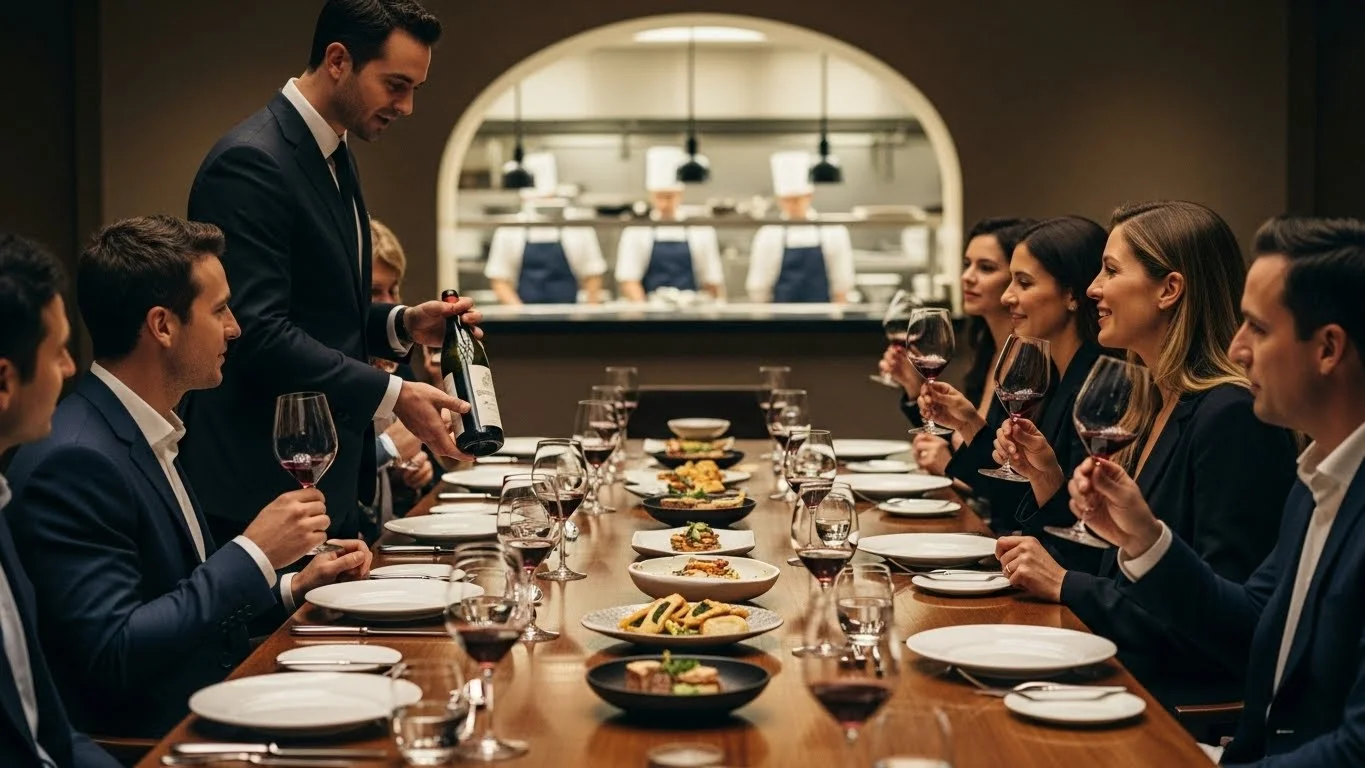
There’s something special about attending local wine pairing dinners. I’ve had the pleasure of dining at restaurants that host special events, where chefs create a multi-course meal specifically designed to complement a selection of wines. These dinners are often intimate, allowing for a deeper connection with the food and wine being served. I remember one particular dinner where each course was paired with a different varietal, and I was amazed at how the flavors evolved with each pairing.
During these dinners, the chefs often explain their thought process behind each pairing, which enhances my understanding of the flavors at play. I think the most memorable dish was a rich, savory lamb dish paired with an earthy red wine. The combination was nothing short of magical. If you’re looking to elevate your dining experience, I highly recommend seeking out local wine pairing dinners in your area. They’re a fantastic way to explore new wines and dishes while enjoying the company of fellow food and wine lovers.
Wine Pairing Workshops and Classes
One of the best ways to enhance our wine pairing skills is through workshops and classes. I’ve participated in several wine pairing workshops, where experts guide us through the process of selecting wines that complement various foods. These hands-on experiences are incredibly educational and fun! I remember a workshop where we learned about the importance of acidity and tannins in pairing, and we got to experiment with different combinations ourselves.
In these classes, I’ve found a supportive environment where everyone is encouraged to ask questions and share their experiences. It’s also a great opportunity to meet new friends who share a passion for wine. One of my favorite takeaways from a recent workshop was learning how to create a wine and cheese pairing menu, which has become a staple for my gatherings. If you’re serious about expanding your knowledge, I recommend looking for wine pairing classes in your city. They’re not only informative but also an enjoyable way to spend an evening.
Tips for Creating Your Own Wine Pairing Experience
Choosing the Right Wine for Your Meal
Creating your own wine pairing experience can be incredibly rewarding. The first step, in my opinion, is to choose the right wine for your meal. I find it helpful to think about the weight and flavor profile of the dish. For lighter fare, like fish or salads, I typically opt for white wines or light reds. For heartier meals, I lean towards full-bodied reds or rich whites. A simple guideline I follow is to match the intensity of the wine with the dish; that way, neither overpowers the other.
How to Host a Wine Pairing Dinner
If you’re considering hosting a wine pairing dinner, I recommend starting with a theme. Whether it’s a regional focus, a specific type of cuisine, or a certain grape varietal, having a theme can guide your selections and create a cohesive experience. I usually pick three to four courses, each with a carefully chosen wine. It’s also fun to provide guests with tasting notes or a brief explanation of why each wine was chosen, sparking conversation and engagement throughout the meal.
Common Mistakes to Avoid in Wine Pairing
Through my journey, I’ve learned that there are a few common mistakes to avoid when pairing wine with food. One is assuming that expensive wines are always better. The best pairing often comes down to personal preference rather than price. Another mistake is not considering the sauce or seasoning of a dish, which can significantly affect the overall flavor. Lastly, don’t be afraid to experiment! Wine pairing is as much about enjoyment and exploration as it is about rules. If something doesn’t work, just remember it’s part of the learning process.
Resources for Wine Pairing Enthusiasts
Books on Wine Pairing
As someone who loves to dive deeper into topics, I’ve found that reading books on wine pairing can be incredibly helpful. There are many great resources available that cover everything from the basics to advanced pairing techniques. Some of my favorites include “Wine Folly: The Essential Guide to Wine” and “What to Drink with What You Eat.” These books offer practical advice and interesting insights that have enriched my understanding of wine pairing.
Online Courses and Tutorials
If you prefer a more structured approach, online courses and tutorials can be a fantastic way to learn. I’ve taken a few classes through platforms like MasterClass and Coursera, where I could learn from experts at my own pace. These courses usually include videos, quizzes, and sometimes even live tastings that make the learning process engaging and interactive.
Wine Pairing Apps and Tools
In today’s digital age, there are also several apps and tools designed to help us with wine pairing. I’ve discovered apps like Vivino, which allows users to scan wine labels and see reviews and pairing suggestions from other users. There are also apps that provide personalized recommendations based on the food you plan to serve. These tools have become indispensable in my wine pairing journey, making it easier to discover new wines and share experiences with friends.
Final Thoughts
As I reflect on my journey through the world of wine pairing, I realize how much it has truly enriched my life. From discovering the science and art behind pairing to experiencing the delightful connections between food and wine across various cultures, I feel more connected to the gastronomic world. Wine pairing is not just about the drink or the dish; it’s about the memories we create and the stories we share around the table. I encourage you to explore your own wine pairing adventures, whether it’s through attending festivals, hosting dinners, or simply enjoying a meal with a glass of wine in your hand. Cheers to the wonderful world of wine and food pairing!
Frequently Asked Questions
What is wine pairing?
Wine pairing is the practice of matching wine with food to enhance the dining experience, creating a harmonious interplay of flavors between the two.
What are the basics of wine pairing?
The basics of wine pairing involve understanding how different wines interact with food, balancing flavors, and creating a complimentary experience for the palate.
What are some common wine types and their flavors?
Common wine types include Cabernet Sauvignon, Chardonnay, Pinot Noir, Sauvignon Blanc, and Riesling, each with unique flavor profiles that complement various dishes.
What principles should be considered when pairing wine with food?
Principles to consider include matching the weight of the wine with the dish, considering the sauce or seasoning, balancing flavors, and exploring regional pairings.
How can regional wines enhance the dining experience?
Regional wines often complement local dishes, enhancing the overall dining experience and showcasing the connection between the land, grape, and cuisine.
What are some top wine pairing experiences around the world?
Top experiences include dining in Bordeaux, taking cooking classes in Tuscany, enjoying tapas in Barcelona, and exploring Napa Valley’s wine and food pairings.
How can I create my own wine pairing experience at home?
To create your own wine pairing experience, choose the right wine for your meal based on weight and flavor, and consider hosting a themed dinner with selected pairings.
What common mistakes should I avoid in wine pairing?
Common mistakes include assuming expensive wines are always better, neglecting the influence of sauces or seasonings, and being afraid to experiment with pairings.
What resources are available for learning about wine pairing?
Resources for learning about wine pairing include books, online courses and tutorials, and wine pairing apps that provide recommendations and insights.
Why is wine pairing considered an art and a science?
Wine pairing is an art because it involves creativity and personal taste, while it is also a science due to the chemical interactions between wine and food that affect flavor perception.