
Backpacking can be more than just an adventure; it can be a way to connect with and preserve cultural heritage. By exploring different cultures, we contribute to their preservation while enriching our own experiences. For those interested in exploring sites of significance, check out Affordable Backpacking Adventures to Cultural Heritage Monuments.
Understanding Cultural Heritage
Definition of Cultural Heritage
Cultural heritage refers to the traditions, customs, values, and artifacts passed down through generations. It includes tangible elements like monuments, artworks, and buildings, as well as intangible aspects such as folklore, rituals, and traditional practices. I remember my first encounter with cultural heritage during a trip to a small village in Italy, where I witnessed a centuries-old festival that celebrated their local customs. It was a beautiful reminder of how culture shapes our identities and connects us to our past.
Importance of Cultural Heritage Preservation
Preserving cultural heritage is crucial for maintaining the identity of communities and nations. It fosters a sense of belonging and pride among people. Furthermore, it allows future generations to understand their history and the evolution of their culture. I’ve seen how communities thrive when they celebrate their heritage, creating a shared identity that strengthens social bonds. For me, participating in local traditions not only opens up a new world of experiences but also helps sustain the communities I visit.
Types of Cultural Heritage
Cultural heritage can be categorized into two main types: tangible and intangible. Tangible cultural heritage includes physical sites, artifacts, and objects, like ancient ruins, historic buildings, and traditional crafts. On the other hand, intangible cultural heritage encompasses practices, representations, and expressions rooted in a community’s cultural identity—think of music, dance, storytelling, and culinary traditions. I’ve had the pleasure of exploring both types during my travels. For instance, visiting the historic sites of Greece was awe-inspiring, while partaking in a cooking class in Thailand helped me appreciate their culinary heritage firsthand.
Backpacking for Cultural Preservation
What is Backpacking for Preservation?
Backpacking for cultural preservation involves exploring destinations with rich cultural significance while engaging in activities that support and promote local traditions. It’s about traveling mindfully, respecting the places we visit, and leaving a positive impact. I recall my experience backpacking through Peru, where I not only admired the stunning landscapes but also learned about the local communities. I sought out local artisans, participated in workshops, and even contributed to conservation efforts in the Sacred Valley. It was rewarding to know my travels helped sustain these vibrant cultures.
Benefits of Backpacking for Cultural Heritage
Backpacking for cultural preservation has numerous benefits—not just for the traveler but also for the communities we visit. For one, it encourages sustainable tourism, which helps protect cultural and environmental resources. I’ve seen local businesses thrive when travelers seek authentic experiences, supporting artisans and guides who rely on tourism for their livelihoods. Additionally, backpacking fosters cross-cultural understanding. Through personal interactions and shared experiences, we can break down stereotypes and build connections. I often find that the most meaningful moments during my travels come from conversations with locals, who share their stories and perspectives with me. If you’re looking for some practical advice, check out Backpacking Tips for Visiting Cultural Heritage Sites Cheaply.
Overall, embracing cultural heritage while backpacking enriches our journeys and creates lasting memories. It’s an opportunity to learn, grow, and contribute to the preservation of the world’s diverse cultures. I believe that by immersing ourselves in these experiences, we not only discover the beauty of different cultures but also help ensure that they endure for generations to come.
Planning Your Trip
Choosing Destinations with Rich Cultural Heritage
When it comes to planning a trip centered around cultural heritage, I always start with choosing the right destinations. Some places just resonate with rich traditions and vibrant histories, making them ideal for immersive cultural experiences. For instance, I remember my excitement when I decided to visit Marrakech in Morocco. The city’s bustling souks, stunning palaces, and intricate architecture reflected a blend of traditions that had been nurtured for centuries. I think what makes a destination truly memorable is its ability to offer genuine connections to its cultural roots. It’s important to seek out locations that are known for their cultural significance, whether it’s through UNESCO World Heritage sites or local folklore that tells stories of the land. In my experience, that’s where the magic happens!
Researching Local Cultures and Traditions
Once I’ve chosen a destination, I dive deep into researching its local cultures and traditions. This part of the planning process feels almost like a treasure hunt for me. I love browsing books, documentaries, and online articles to get a sense of the history and customs of the place I’m visiting. For example, before visiting Japan, I learned about the importance of the tea ceremony and the beauty of the cherry blossom festivals. This knowledge not only enriched my experience but also helped me appreciate the nuances of local customs. I recommend reaching out to travel forums or social media groups focused on cultural travel. The insights I’ve gathered from fellow travelers have often led me to hidden gems that I wouldn’t have found otherwise.
Understanding Cultural Sensitivity
Cultural sensitivity is another crucial aspect of planning a trip focused on heritage. I’ve noticed that being aware of local customs and practices can make a huge difference in how I’m perceived as a traveler. For instance, when I visited Bali, I learned about the significance of dress codes at temples. Understanding that certain areas required modest attire helped me show respect and connect better with the locals. I always make it a point to familiarize myself with the dos and don’ts of the culture I’m stepping into. It’s about more than just avoiding faux pas; it’s about showing genuine respect for the people and their way of life. From my experience, a little effort in understanding cultural sensitivity goes a long way in creating meaningful interactions.
Essential Gear for Cultural Backpacking
Backpack Essentials
Packing essentials for a cultural backpacking trip can sometimes feel overwhelming. I’ve learned the hard way that less is more when it comes to gear. My go-to backpack contains the basics like a sturdy, comfortable pack, lightweight clothing suitable for varying climates, and a good pair of walking shoes. But I also make sure to include a notebook for jotting down observations or experiences, as well as a reusable water bottle to stay hydrated while exploring. I’ve found that being prepared helps me to fully immerse myself in the culture rather than worrying about unnecessary items. You’d be surprised how much you can discover when you’re not weighed down by too much baggage!
Photography Equipment for Documenting Culture
For documenting my journey, I always bring along a reliable camera. I think capturing moments is one of the best ways to cherish memories and share cultural experiences with others. A good camera, whether it’s a DSLR or even a smartphone with a decent camera, helps me to tell the story of the places I visit. I remember taking photos during a traditional dance performance in Bali, where the vibrant colors and intricate details spoke volumes. I also recommend carrying a portable charger and extra memory cards—trust me, you don’t want to miss out on capturing something special because your battery died! For me, photography is not just about the images; it’s about preserving the essence of a culture, and I believe it encourages us to observe our surroundings more keenly.
Travel Apps for Cultural Insights
In this digital age, I’ve found that having the right travel apps can enhance my cultural backpacking experience significantly. Apps like Google Translate have been lifesavers when language barriers arise. I’ve had moments where a simple translation made all the difference in connecting with locals. Additionally, culture-specific apps provide insights into local customs, festivals, and events, helping me plan my itinerary around meaningful experiences. One app that I can’t recommend enough is Culture Trip, which highlights local hotspots and cultural attractions tailored to your interests. Utilizing technology not only makes traveling easier but also opens up a world of cultural understanding.
Top Backpacking Destinations for Cultural Heritage
South America: The Incan Trail
One of my most unforgettable trips was hiking the Incan Trail in Peru. This journey is steeped in history and surrounded by breathtaking landscapes. As we trekked through the Andes, I felt a deep connection to the ancient civilization that once inhabited this land. The trail leads to Machu Picchu, a UNESCO World Heritage site, which is a stunning testament to Incan engineering and culture. I remember standing at the Sun Gate, seeing the ancient citadel emerge from the mist—it was a moment that took my breath away. Along the trail, we met local Quechua people who shared their traditions and stories, enhancing our understanding of this vibrant culture. I believe that hiking the Incan Trail is more than just a physical challenge; it’s a journey into the heart of a remarkable heritage that continues to thrive today.
Africa: The Maasai Mara and Local Tribes
Traveling to Africa has always been a dream of mine, and visiting the Maasai Mara was a highlight of my cultural backpacking adventures. The Maasai people are known for their vibrant attire and rich traditions, and I was eager to learn about their way of life. I participated in a cultural village tour where I got to experience traditional dances, listen to stories about their customs, and even try my hand at their traditional crafts. This immersive experience allowed me to appreciate their deep connection to the land and wildlife. The breathtaking landscapes of the Maasai Mara, filled with diverse animals during the Great Migration, made the trip even more special. I feel that engaging with local tribes and their traditions not only enriches our travel experiences but also helps preserve their cultural heritage.
Asia: The Temples of Angkor Wat
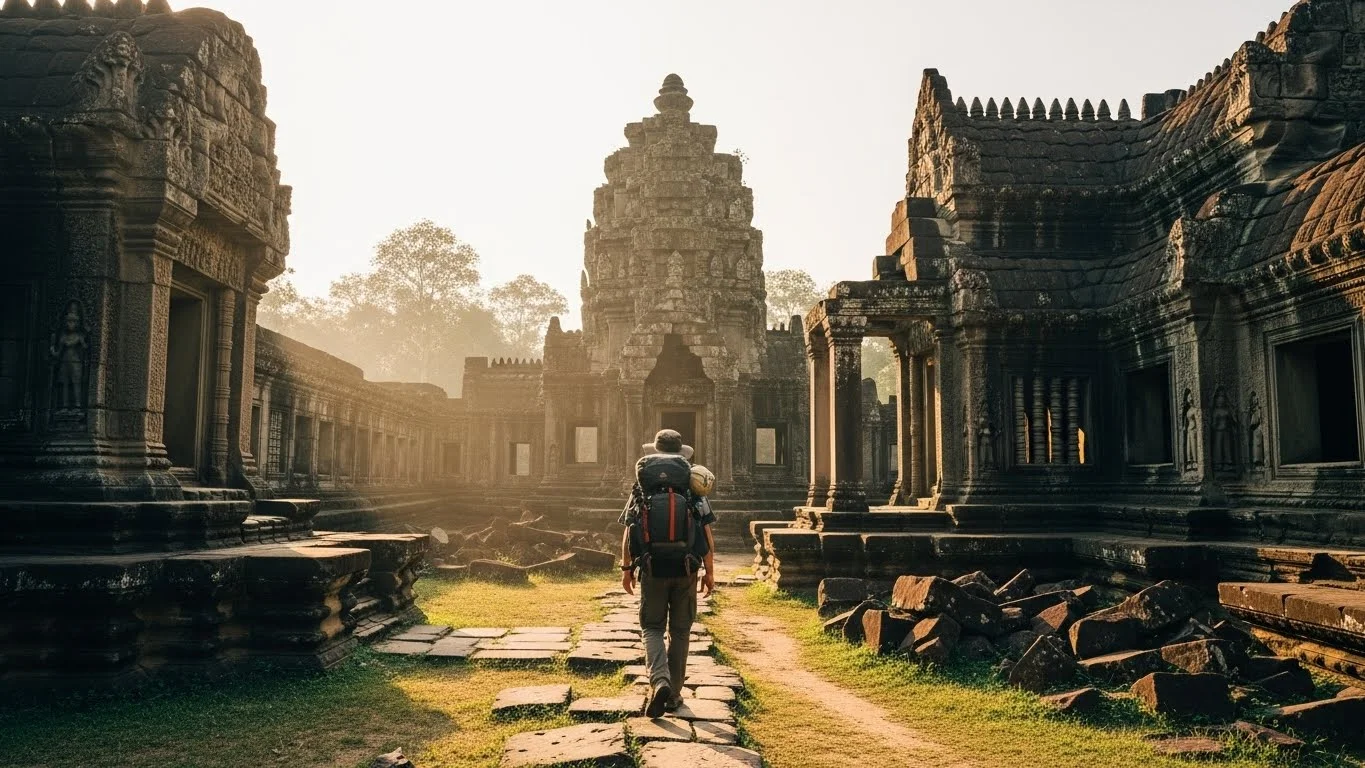
Visiting Angkor Wat in Cambodia was like stepping back in time. The intricate carvings and grand architecture tell stories of the Khmer Empire’s history and spirituality. I remember waking up early to catch the sunrise over the temple complex, which was an awe-inspiring sight. As I wandered through the ruins, I encountered monks who offered insights into their daily lives and the significance of the temples in their spiritual practices. I learned about their rituals and the importance of preserving this UNESCO World Heritage site. For me, Angkor Wat symbolizes the perfect blend of nature and culture, and experiencing it firsthand was a powerful reminder of the impact of cultural heritage on our understanding of history.
Europe: Historical Cities and UNESCO Sites
Europe is filled with historical cities and UNESCO World Heritage sites that showcase rich cultural heritage. One of my favorite places to visit was Florence, Italy. The art and architecture of the Renaissance period come alive in this stunning city. I spent hours exploring the Uffizi Gallery, where I marveled at works by Botticelli and Michelangelo. Walking through the cobblestone streets, I could feel the history surrounding me. I also made it a point to visit local artisans who continue to practice traditional crafts, like leather-making and jewelry design. Engaging with local artisans helped me appreciate the skills and passion that go into preserving these cultural practices. In my opinion, experiencing such historical cities allows us to connect with the past and understand the evolution of culture in a meaningful way. For those wanting to delve deeper, consider checking out Cultural Connections: Affordable Indigenous Eco-Tourism Trips.
Engaging with Local Cultures
Participating in Traditional Festivals
One of the most thrilling aspects of cultural backpacking is participating in local festivals. I remember being in Spain during La Tomatina, a famous tomato-throwing festival. The sheer joy and laughter of everyone participating created an incredible atmosphere. It was a unique way to experience the local culture, as people of all ages came together to celebrate this quirky tradition. Festivals often reflect the heart of a community, showcasing their history, values, and collective spirit. I believe that immersing ourselves in these celebrations offers a deeper understanding of a culture’s identity and creates unforgettable memories.
Learning Local Languages
Learning a few phrases of the local language can open up a whole new world during my travels. I’ve found that even simple greetings or polite phrases can break down barriers and lead to genuine interactions. When I visited France, I made an effort to learn basic French phrases, which was met with warm smiles from locals. This small gesture showed my respect for their culture and made my experience more enriching. In my opinion, taking the time to learn the local language not only enhances my travel experience but also fosters connections and builds friendships.
Volunteering Opportunities for Cultural Preservation
Volunteering while traveling is another fantastic way to engage with local cultures and contribute to their preservation. I had the chance to volunteer at a community project in Costa Rica, where we worked alongside locals to promote sustainable tourism practices. Not only did I learn more about their culture, but I also felt that my efforts helped support their community. I think volunteering can create a profound connection, allowing us to understand the challenges and joys of the local way of life. It’s a beautiful way to give back while enriching our own experiences.
Food and Local Cuisine
Traditional Dishes to Try
One of my favorite ways to immerse myself in a culture is through its food. I truly believe that every dish tells a story, reflecting the history and traditions of the people who create it. For instance, during my travels in India, I couldn’t resist trying the local curries, each with its unique blend of spices and flavors. I remember sitting in a small family-run restaurant where the owner shared the significance of each ingredient—how they were sourced, and how they represented the region’s agricultural practices. I think tasting traditional dishes not only satisfies our appetites but also allows us to savor the essence of a culture.
In Peru, I had the chance to try ceviche, a dish that embodies the country’s coastal heritage. The freshness of the fish, combined with citrus and herbs, was a culinary revelation. I learned that ceviche is often prepared with local ingredients, reflecting the region’s identity. I recommend seeking out local specialties wherever you go; they offer a delicious way to connect with the culture and its people. Food has a way of bringing us together, and sharing a meal can create bonds that transcend language barriers.
Cooking Workshops and Culinary Tours
Participating in cooking workshops can be a fantastic way to deepen your understanding of a culture. I remember taking a cooking class in Thailand, where I learned to make Pad Thai from scratch. The instructor not only taught us the recipe but also shared stories about the importance of each ingredient in Thai cuisine. I found it fascinating how the class emphasized balance and harmony in flavors, mirroring the values of Thai culture itself.
Through culinary tours, we can explore markets, learn about traditional cooking techniques, and even visit local farms. This hands-on experience offers insights that you just can’t get from a guidebook. I believe that cooking, like culture, is best experienced in person. These workshops create an opportunity to bond with locals and other travelers, sharing laughter and stories over a meal that you’ve all helped create.
Respecting Local Customs and Practices
Dress Codes and Modesty in Different Cultures
Respecting local customs extends to how we dress. I’ve learned that certain cultures have specific dress codes that reflect their values and traditions. For example, when visiting temples in Southeast Asia, I made sure to wear clothing that covered my shoulders and knees. This practice not only showed respect but also allowed me to engage more authentically with the spiritual environment.
Understanding the significance of modesty in different cultures has enriched my travels. I remember visiting a mosque in Turkey, where the dress code was strictly adhered to. I was provided with a shawl to cover my arms and head. This small act made me appreciate the beauty of the place more and helped me connect with the local community on a deeper level. I think taking the time to learn about appropriate dress codes is a simple but powerful way to show respect.
Photography Etiquette
Photography is often a key part of our travel experience, but it’s important to approach it with sensitivity. I’ve encountered situations where photography is discouraged or requires permission. For instance, while visiting a traditional market in Morocco, I was reminded to ask before snapping photos of people. I learned to be respectful, as some locals may feel uncomfortable being photographed. This awareness led to more meaningful interactions, as I had the chance to engage in conversations instead of just capturing images.
Being mindful of photography etiquette not only helps avoid misunderstandings but also enhances our travel experience. I often find that when I ask for permission, it opens the door to sharing stories and deeper connections. The memories I create through these conversations stay with me much longer than any photograph could.
Gift-Giving and Hospitality Norms
Gift-giving is another aspect of cultural respect that I’ve come to appreciate during my travels. In many cultures, presenting a small gift is a gesture of goodwill and gratitude. I remember arriving at a local family’s home in Japan and bringing a small box of sweets. The warmth of their welcome was amplified by this simple gesture. It’s a beautiful way to show appreciation and respect for the hospitality we receive.
Understanding the nuances of hospitality norms in different cultures can enrich our experiences. For instance, in some places, it’s customary to refuse an offer a few times before accepting. I’ve learned to pay attention to these practices, as they reflect the values and traditions of the people I meet. By embracing these customs, we not only honor the culture but also foster genuine connections that enhance our travel experience.
Environmental Considerations
Sustainable Backpacking Practices
As we explore the world’s cultures, it’s essential to be conscious of our environmental impact. I’ve found that adopting sustainable backpacking practices not only helps preserve the places I love to visit but also sets a positive example for others. Simple actions, like choosing eco-friendly accommodations or minimizing plastic use, can make a significant difference.
I remember hiking in Patagonia and being amazed by the pristine beauty of the landscapes. It made me realize how fragile these ecosystems are. Carrying reusable bags and water bottles, as well as sticking to marked trails, became my commitment to protecting the environment. I believe that every small effort counts and can contribute to the preservation of cultural and natural heritage.
Leave No Trace Principles
Following Leave No Trace principles is another way to ensure we respect the environments we explore. I strive to leave every place as I found it—whether it’s picking up litter or being careful not to disturb wildlife. These principles encourage us to think about our actions and their effects on the environment and local cultures.
During a camping trip in the Canadian Rockies, I made sure to adhere to these principles, which enhanced my appreciation for the beauty of nature. The experience taught me that being a responsible traveler is about enjoying our adventures while also being stewards of the places we visit. I believe that by practicing Leave No Trace, we can help protect the cultural and natural resources for future generations to enjoy.
Safety Tips for Cultural Backpackers
Staying Safe in Foreign Countries
Staying safe while backpacking is paramount. I’ve learned to be aware of my surroundings and trust my instincts. Before traveling to a new country, I always research local safety tips and customs. For instance, understanding local transportation systems and common scams has helped me navigate more confidently. I remember feeling more at ease during my travels in Southeast Asia after learning about local customs and potential risks.
Health Precautions When Traveling
Health is another aspect we shouldn’t overlook. I always pack a basic first aid kit and ensure I have any necessary vaccinations. I also research the availability of medical facilities at my destination. During my trip to Africa, I made sure to take malaria prophylaxis, which gave me peace of mind as I explored local communities.
Emergency Contacts and Resources
Having emergency contacts and resources readily available can make a significant difference in stressful situations. I keep a list of local emergency numbers, my embassy’s contact information, and even a few phrases in the local language for emergencies. I remember feeling reassured knowing I had this information during my travels. It’s all about being prepared so that we can focus on enjoying our adventures and engaging with the cultures around us.
Documenting Your Journey
Keeping a Travel Journal
Documenting my travels has always been a cherished part of my journey. I’ve kept travel journals where I write about my experiences, reflections, and the people I meet. I find that writing helps me process my adventures and solidifies my memories. As I flip through those pages, I can relive the emotions and connections I’ve made along the way. I highly recommend keeping a journal—it’s like having a time capsule of your travels!
Creating a Photo Blog or Vlog
In this digital age, sharing my experiences through a photo blog or vlog has become increasingly popular. I enjoy capturing the beauty of cultures and landscapes and sharing them with others. It’s a way to inspire others to explore and appreciate different cultures. I remember creating a short video of my travels in India, highlighting the vibrant colors and lively markets. Seeing the positive responses from friends and family motivated me to continue documenting my journeys.
Sharing Your Experiences for Awareness
Finally, sharing our experiences can raise awareness about cultural heritage and preservation. I believe that by telling our stories, we can inspire others to travel responsibly and appreciate the richness of different cultures. Whether it’s through social media, blogs, or community talks, every little effort counts. I have found that my stories have not only enriched my life but have also encouraged others to be more mindful travelers.
Final Thoughts
Traveling to explore and preserve cultural heritage is an enriching experience that goes beyond sightseeing. It’s about understanding the stories behind the places we visit and the people we meet. I’ve learned that backpacking offers us the unique opportunity to connect with the heart of a culture, whether through its food, traditions, or stories. Each journey leaves an imprint on our lives, teaching us the value of respect, understanding, and the importance of preserving cultural identities. I hope my experiences inspire others to embark on their own adventures, embracing the beauty of our world’s diverse cultures while contributing to their preservation.
Frequently Asked Questions
What is cultural heritage?
Cultural heritage refers to the traditions, customs, values, and artifacts passed down through generations. It includes both tangible elements like monuments and artworks, and intangible aspects such as folklore and traditional practices.
Why is preserving cultural heritage important?
Preserving cultural heritage is crucial for maintaining community and national identities, fostering a sense of belonging and pride, and allowing future generations to understand their history and cultural evolution.
What are the two main types of cultural heritage?
Cultural heritage can be categorized into two main types: tangible cultural heritage, which includes physical sites and artifacts, and intangible cultural heritage, which encompasses practices and expressions rooted in a community’s cultural identity.
What is backpacking for cultural preservation?
Backpacking for cultural preservation involves exploring destinations with significant cultural heritage while engaging in activities that support and promote local traditions, traveling mindfully, and leaving a positive impact on communities.
What are the benefits of backpacking for cultural heritage?
Backpacking for cultural preservation encourages sustainable tourism, helps support local businesses, fosters cross-cultural understanding, and creates meaningful connections through personal interactions with locals.
How can I choose destinations with rich cultural heritage?
Choosing the right destinations involves seeking locations known for their cultural significance, such as UNESCO World Heritage sites or places with vibrant local folklore that tell stories of the land.
Why is cultural sensitivity important when traveling?
Cultural sensitivity is crucial as it helps travelers show respect for local customs and practices, enhancing their interactions with locals and creating more meaningful travel experiences.
What are some essential gear items for cultural backpacking?
Essential gear for cultural backpacking includes a sturdy backpack, lightweight clothing, comfortable walking shoes, a notebook for observations, a reusable water bottle, and a reliable camera for documenting experiences.
How can I participate in local cultures while traveling?
Travelers can engage with local cultures by participating in traditional festivals, learning a few phrases of the local language, and seeking volunteering opportunities that promote cultural preservation.
What are some sustainable practices for backpacking?
Sustainable practices for backpacking include choosing eco-friendly accommodations, minimizing plastic use, following Leave No Trace principles, and being mindful of the environmental impact of your travels.