
Are you ready to embark on an adventure that goes beyond just hiking? Cultural treks offer the chance to connect with local communities and immerse yourself in their stories. Let’s dive into the world of cultural trekking and discover budget-friendly adventures waiting for you. If you’re also interested in desert treks, be sure to check out Top 5 Budget-Friendly Desert Treks for Adventurous Souls.
Understanding Cultural Treks
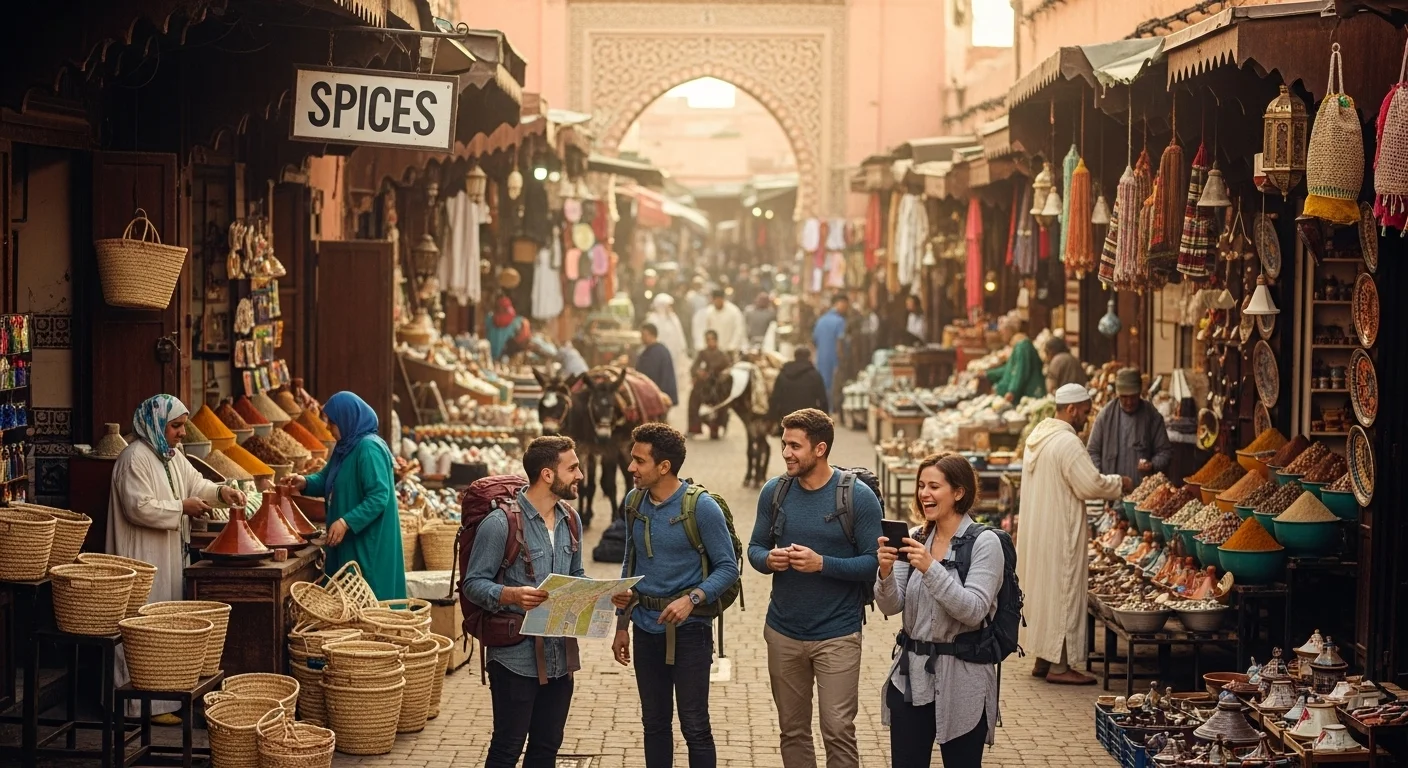
Cultural treks are more than just physical journeys; they are a way to experience the heart and soul of a region. I remember my first cultural trek through the lush valleys of Peru. It was not just about the stunning landscapes but also about the people I met and the traditions I encountered. These treks allow us to step into different cultures and see life through the eyes of locals. Whether it’s the music, art, or daily rituals, cultural treks provide a rich tapestry of experiences that traditional trekking often overlooks.
What is a Cultural Trek?
A cultural trek is an immersive travel experience that combines hiking with cultural exploration. It often involves walking through villages, meeting locals, and participating in community activities. I’ve found that these treks can take you through breathtaking scenery while allowing you to engage with the culture in a personal way. For example, when I trekked in Nepal, I not only enjoyed the majestic Himalayas but also learned about the Sherpa way of life and their connection to the mountains.
Benefits of Cultural Trekking
The benefits of cultural trekking extend far beyond just physical fitness. Here’s what I’ve discovered:
- Immersive Learning: You get to learn directly from locals about their customs, traditions, and history. I remember sharing stories with a local family in a small village, and it made my trek truly unforgettable.
- Personal Connections: Cultural treks often foster friendships with locals and fellow trekkers. I still keep in touch with friends I met during my trek in Morocco.
- Support Local Economies: By participating in these treks, you contribute to the local economy. I’ve seen firsthand how tourism can help communities thrive.
- Sustainable Travel: Many cultural treks focus on eco-friendly practices, ensuring that the beautiful places we love to explore remain pristine for future generations.
Differentiating Cultural Treks from Traditional Trekking
While traditional trekking often emphasizes the physical challenge of reaching a summit or traversing difficult terrain, cultural treks prioritize engagement with the local culture. For instance, on my traditional trek in the Andes, I was focused on the hike itself, but on my cultural trek through Vietnam, every step was an opportunity to interact with the vibrant communities along the way. We stopped to share a meal with a local family, and that connection made the experience so much richer. Cultural treks invite us to slow down, appreciate the journey, and learn from the people we meet.
In my opinion, the difference ultimately lies in the intention. Traditional trekking can be about the destination, while cultural trekking is about the journey and the connections we make. When I think back on my travels, it’s those moments of cultural exchange that stand out the most. Whether it’s sharing a meal, participating in a festival, or learning a craft, the memories created during a cultural trek are often the ones I cherish the most.
Top Budget-Friendly Cultural Trekking Destinations
When it comes to cultural trekking, I’ve found that some places just stand out for their rich heritage and breathtaking landscapes. Exploring these destinations on a budget can be quite rewarding, allowing us to connect with cultures while managing our expenses. Here are some of my favorite budget-friendly cultural trekking destinations that I think you should consider for your next adventure. If you’re looking for more budget ideas, check out Unforgettable Desert Treks: Budget Adventures Await You.
South America: The Inca Trail
The Inca Trail is one of the most iconic treks in the world, and for good reason. As I hiked along the ancient paths, I was surrounded by stunning mountain views and incredible archaeological sites. The trek culminates at Machu Picchu, which is a sight I’ll never forget. While some tours can be pricey, there are ways to budget effectively. I recommend booking with local companies rather than larger operators. They often offer competitive rates and a more authentic experience. Plus, camping along the trail gives you a chance to interact with fellow trekkers and share our experiences around the campfire.
Asia: The Himalayas
The Himalayas are not only a paradise for trekkers but also a cultural hub where diverse traditions come to life. I remember trekking through the Annapurna Circuit, where I encountered local villages, each with unique customs and flavors. While there are luxurious trekking options, I found that hosting in tea houses or local homestays can cut costs significantly while immersing you in the local culture. These experiences allow you to share meals with families, listen to their stories, and even join in on daily activities, making it a fulfilling journey.
Africa: The Maasai Mara
In Kenya, the Maasai Mara is a stunning destination for cultural trekking. I was lucky enough to participate in community-led treks that not only focused on the scenery but also on learning about Maasai traditions. These treks often include visits to local villages where you can interact with Maasai warriors and learn about their way of life. I found the costs to be quite reasonable, and the proceeds typically support community projects. This added layer of purpose made my trek feel even more special.
Europe: The Camino de Santiago
The Camino de Santiago offers a unique blend of history and culture as you walk toward the shrine of Saint James in Spain. I joined this pilgrimage a few years ago, and it was one of the most meaningful experiences of my life. Not only did I enjoy the beautiful landscapes, but the sense of community among fellow pilgrims was incredible. There are ample budget accommodations along the route, from albergues to camping spots. I felt grateful for the shared meals and stories with others who were also seeking something deeper on their journey.
North America: The Appalachian Trail
The Appalachian Trail stretches across the eastern United States, offering diverse landscapes and rich cultural experiences. I’ve trekked sections of it and found that each area has its own story to tell. Whether you’re in Virginia’s rolling hills or the rugged terrain of Maine, you can connect with local hikers and learn about the history of each region. Camping or staying in hostels is a great way to save money, and many towns along the trail are welcoming to hikers, providing opportunities to experience local culture firsthand.
These destinations have all provided me with unforgettable experiences, and I truly believe that cultural trekking allows us to learn about the world while also enjoying it. Each location offers its own unique flavor of culture, history, and community, making them perfect choices for your next budget-friendly adventure. For those interested in jungles, don’t miss Explore Exotic Jungles: Backpacking on a Budget.
Planning Your Cultural Trek
Planning a cultural trek can be just as exciting as the trek itself. From choosing the best time to visit to packing the right gear, each step is crucial in ensuring we have the adventure of a lifetime. I’ve learned that a little preparation goes a long way in making the journey smooth and enjoyable.
When to Go: Best Seasons for Trekking
Timing can make a significant difference in our trekking experience. I remember trekking in Nepal during the spring, when the rhododendrons were in full bloom. The colors were stunning, and the weather was perfect for hiking. Generally, the best seasons for trekking vary by region. In South America, for example, the dry season from May to September is ideal for the Inca Trail. Meanwhile, in the Himalayas, the pre-monsoon months of April and May offer clear skies and pleasant temperatures. I’ve found that researching the local climate can help us avoid unexpected weather conditions and ensure we see the landscapes at their best.
What to Pack: Essential Gear for Budget Treks
Choosing the right gear is another essential part of planning. I’ve learned from experience that packing light can make a huge difference. Here’s what I usually pack for my cultural treks:
- Comfortable Footwear: A good pair of hiking boots or shoes can keep our feet happy on long walks. I always break in my shoes before hitting the trails.
- Lightweight Backpack: A durable, lightweight backpack helps carry essentials without weighing me down.
- Clothing Layers: Weather can change quickly in mountainous areas, so I pack layers for warmth and protection. I like to bring moisture-wicking shirts and a waterproof jacket.
- Reusable Water Bottle: Staying hydrated is key, and I’ve found that carrying a reusable bottle is both eco-friendly and cost-effective.
- Basic First Aid Kit: A small kit with essentials like band-aids, antiseptic wipes, and pain relievers can be a lifesaver.
By keeping my packing list simple, I can focus more on the adventure and less on lugging heavy bags around.
Travel Insurance: Why It’s Necessary
I can’t stress enough how important travel insurance is when embarking on a cultural trek. I learned this the hard way when I twisted my ankle during a trek in the Andes. Thankfully, I had insurance that covered medical expenses and evacuation. It gave me peace of mind knowing that I was protected. When choosing travel insurance, I recommend looking for policies that cover trekking activities, as not all plans include this. Reading reviews and asking fellow travelers for recommendations can help us find the right fit.
Budgeting for Your Adventure
Once the planning is underway, creating a budget for our cultural trek becomes essential. I’ve found that a well-thought-out budget can help us enjoy the journey without breaking the bank.
Estimated Costs: Transportation, Accommodation, and Food
Understanding the costs involved can help us make informed decisions. For instance, in many parts of South America, public transportation is quite affordable, and I often prefer it to taxis or private transfers. When it comes to accommodation, I’ve had great experiences staying in hostels or local guesthouses that not only save money but also enhance the cultural experience. As for food, I love trying local dishes. Street food is often delicious and very budget-friendly. I remember savoring empanadas from a street vendor in Argentina—it was an unforgettable treat!
Tips for Saving Money on Cultural Treks
Over the years, I’ve picked up a few tips that help me save money while still having an enriching experience:
- Travel During Off-Peak Seasons: Prices for flights and accommodations can drop significantly outside of peak tourist times. This also means fewer crowds, allowing for more authentic interactions.
- Negotiate Prices: In many cultures, haggling is a common practice. During my travels in markets, I learned that a friendly negotiation can often lead to better deals.
- Group Travel: Joining a group can cut costs significantly when it comes to tours and accommodation. I’ve enjoyed the camaraderie and shared experiences with fellow travelers.
Free and Low-Cost Activities Along the Trek
Exploring local culture doesn’t always have to come with a price tag. I’ve discovered countless free or low-cost activities that enhance my experience. For instance, during my trek in the Appalachian Trail, I stumbled upon a local festival celebrating traditional music and dance. Participating in such events allows us to connect with the community in a meaningful way. I also recommend taking advantage of local parks or natural sites that often have no entry fees. Many areas also offer free walking tours led by locals, which provide great insight into their culture and history.
With a bit of planning and budgeting, we can create amazing memories while embarking on our cultural trekking adventures. Each step brings new experiences and connections that make the journey all the more special.
Experiencing Local Culture
Interacting with Local Communities
One of the most rewarding aspects of cultural trekking is the opportunity to interact with local communities. I can’t tell you how many memorable moments I’ve had just by being open to conversations with locals. During my trek in the Andes, I stopped in a small village where the children were playing soccer. I joined in, and before I knew it, I was part of their world—sharing laughs and stories. These spontaneous interactions often lead to friendships that transcend language barriers. I’ve learned that a smile and a genuine interest can open doors to experiences that guidebooks can’t provide.
It’s fascinating to hear the stories of the people who call these places home. I’ve sat with elders in various cultures, listening to their tales about their ancestors and how their traditions have evolved. I remember a man in Nepal sharing how the community worked together to build their school. Each story I’ve heard has added layers of understanding about their way of life, which has enriched my journey tenfold.
Traditional Foods to Try During Your Trek
Food is a significant part of cultural experiences, and I always make it a point to indulge in local cuisine during my treks. The flavors, ingredients, and cooking methods tell a story all their own. In Peru, I tasted ceviche that was so fresh it sparked a love for the dish that I still carry. In Morocco, I enjoyed tagine with locals, learning about the spice combinations that make the dish unique.
I’ve often tried to replicate these dishes at home, but nothing beats the authenticity of eating them in their country of origin. I think food not only nourishes our bodies but also connects us to the culture. I recommend asking locals for their favorite dishes or dining spots; they often know the hidden gems that tourists overlook. Food markets are another great place to experience the culinary culture firsthand while mingling with locals.
Cultural Etiquette: Do’s and Don’ts
Understanding cultural etiquette is essential for respectful interaction. I’ve learned a lot from my travels about what to do—and what not to do. In many cultures, greetings are vital. For instance, in Nepal, a simple “Namaste” with a slight bow shows respect. In contrast, while trekking in parts of Morocco, I learned that it’s polite to ask for permission before taking photos of people. These small gestures can go a long way in building rapport.
I’ve also noticed the importance of being mindful of local customs, especially regarding dress codes and behavior. When I trekked through rural regions, I made sure to dress modestly to honor local traditions. Observing and adapting to these customs not only helps us fit in but also shows our appreciation for the culture.
Safety Tips for Cultural Treks
Staying Safe in Remote Areas
Safety is always a priority when trekking, especially in remote areas. I remember when I was trekking in the Himalayas, I made it a point to stay on marked trails and always let someone know my plans for the day. Having a buddy system is also helpful. I’ve trekked with friends, and we always keep an eye on each other. Additionally, I found that carrying a whistle and having a first aid kit can be lifesavers in emergencies.
Health Precautions: Vaccinations and Medications
Before embarking on any trek, I always check with my doctor about necessary vaccinations and medications. For example, when I traveled to Southeast Asia, I was recommended to get vaccines for typhoid and hepatitis A. It might seem like a hassle, but these precautions are worth it for peace of mind. I also make sure to pack any regular medications I need, along with a few basics like pain relievers and diarrhea medications, just in case.
Emergency Contacts and Resources
It’s wise to have a list of emergency contacts and resources handy when trekking. I usually write down local emergency numbers, the nearest hospital, and my insurance information. During one trek, I found myself in a situation where I had to use this list, and it provided immense comfort in a stressful moment. Knowing how to reach help can make all the difference in ensuring a safe and enjoyable experience.
Eco-Friendly Trekking Practices
Leave No Trace Principles
As trekkers, we have a responsibility to protect the beautiful landscapes we explore. I’ve embraced Leave No Trace principles, ensuring that I pack out whatever I pack in. During my treks, I’ve seen the impact of litter on natural sites, and it always motivates me to be more conscious. I encourage everyone to carry a small trash bag and dispose of waste properly. It’s a simple act that contributes to preserving the environment for future trekkers.
Supporting Local Economies and Conservation Efforts
Participating in activities that support local economies and conservation efforts can enhance our trekking experience. I’ve taken part in community initiatives that focus on preserving local ecosystems, and I’ve felt a sense of fulfillment knowing I was making a positive impact. Whenever possible, I recommend choosing local guides and businesses, as this not only enriches our experience but also contributes directly to the communities we visit.
Resources for Cultural Trekkers
Guidebooks and Online Resources
Before setting out on my trekking adventures, I often rely on guidebooks and online resources for insights into local cultures and tips on what to expect. Websites like Lonely Planet and forums on Reddit can provide valuable information. I’ve found that reading up on local customs and recommendations helps prepare me for the journey ahead.
Local Guides and Tour Companies
Hiring local guides has been one of the best decisions I’ve made during my travels. They offer profound insights into the culture that I might not have discovered on my own. Plus, it supports their livelihood. I remember hiring a guide in Vietnam who shared stories that brought the history of the region to life, making my experience far more enriching.
Community Forums and Social Media Groups
Joining community forums and social media groups dedicated to trekking can be a great way to connect with fellow travelers. I’ve gained tips and advice from experienced trekkers that I wouldn’t have found elsewhere. Sharing experiences and learning from others can inspire and inform our next adventure.
Final Thoughts
Cultural trekking has transformed how I travel and experience the world. Each trek has been more than just a physical journey; it has allowed me to connect with remarkable people and their rich cultures. I believe that by embracing these experiences, we can create lasting memories and foster mutual understanding. As we lace up our hiking boots and step into different landscapes, let’s not forget to open our hearts and minds to the incredible stories that await us. Our adventures can inspire positive change, both within ourselves and in the communities we visit.
Frequently Asked Questions
What is a cultural trek?
A cultural trek is an immersive travel experience that combines hiking with cultural exploration. It often involves walking through villages, meeting locals, and participating in community activities while enjoying breathtaking scenery.
What are the benefits of cultural trekking?
The benefits of cultural trekking include immersive learning about local customs and traditions, forming personal connections with locals and fellow trekkers, supporting local economies, and engaging in sustainable travel practices.
How do cultural treks differ from traditional trekking?
Cultural treks prioritize engagement with local culture, while traditional trekking often focuses on the physical challenge of reaching a destination. Cultural treks invite participants to slow down and appreciate the journey and interactions with locals.
What are some budget-friendly cultural trekking destinations?
Some budget-friendly cultural trekking destinations include the Inca Trail in South America, the Himalayas, the Maasai Mara in Africa, the Camino de Santiago in Europe, and the Appalachian Trail in North America.
When is the best time to go trekking?
The best time to trek varies by region. For example, the dry season from May to September is ideal for the Inca Trail, while the pre-monsoon months of April and May are great for the Himalayas. Researching local climates helps ensure a pleasant experience.
What essential gear should I pack for a cultural trek?
Essential gear for a cultural trek includes comfortable footwear, a lightweight backpack, clothing layers for varying weather, a reusable water bottle, and a basic first aid kit.
Why is travel insurance important for trekking?
Travel insurance is important for trekking as it provides protection for medical expenses and emergencies. It is advisable to choose policies that specifically cover trekking activities.
How can I save money on cultural treks?
To save money on cultural treks, consider traveling during off-peak seasons, negotiating prices in local markets, and joining group travels to cut costs on tours and accommodations.
What are some cultural etiquette tips for interacting with locals?
Understanding cultural etiquette is essential; for example, greetings are important, and it’s polite to ask for permission before taking photos. Adapting to local customs, including dress codes, shows respect for the culture.
What practices support eco-friendly trekking?
Eco-friendly trekking practices include following Leave No Trace principles by packing out what you pack in, participating in community initiatives that conserve local ecosystems, and choosing local guides and businesses to enrich the experience and support local economies.