
Exploring Europe’s culinary festivals can be a delicious adventure without breaking the bank. Join me as we dive into the best festivals, savor local dishes, and share tips on how to enjoy these experiences on a budget. For those interested in broader culinary experiences, check out Savor the Journey: Best Budget Culinary Tours Worldwide.
Introduction to Culinary Festivals in Europe
What is a Culinary Festival?
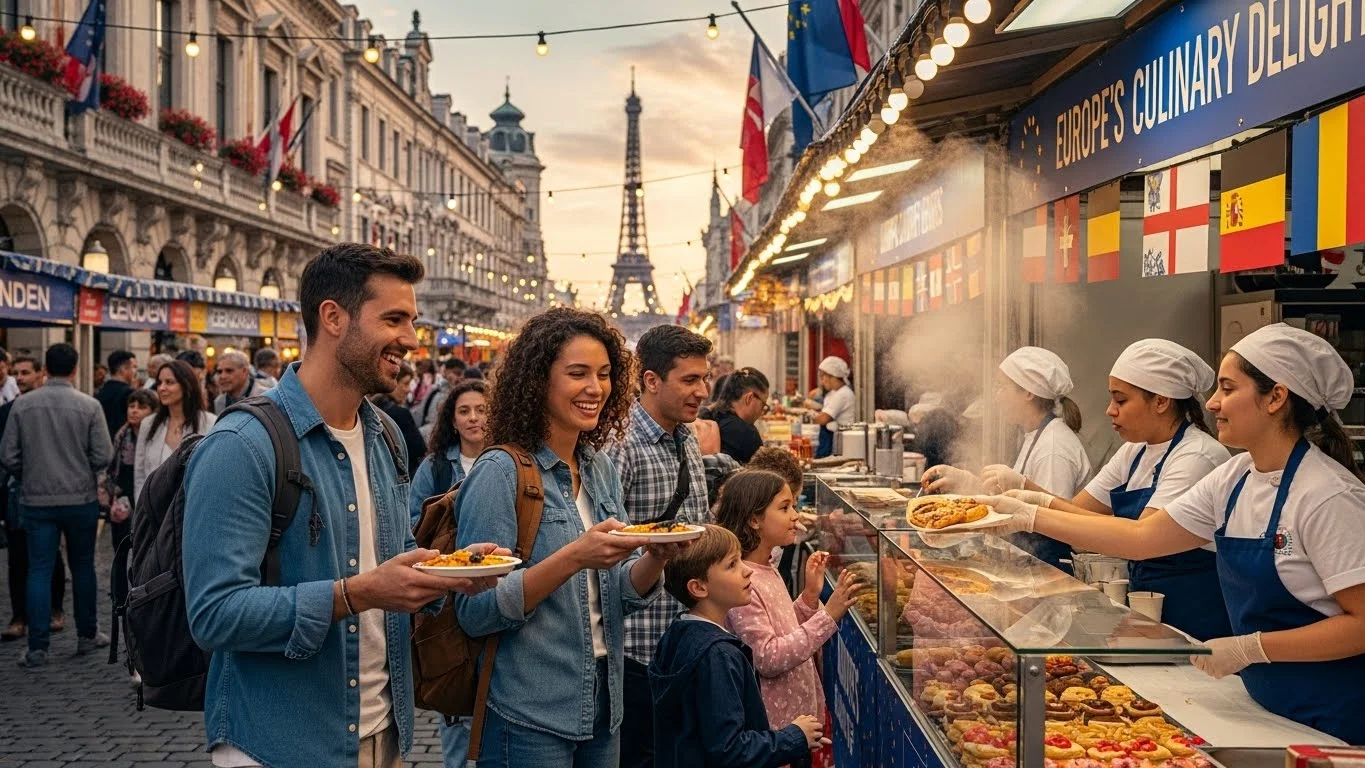
Culinary festivals are vibrant celebrations of food, where chefs, food lovers, and local producers come together to showcase their culinary talents and regional specialties. I’ve attended a few of these festivals, and the atmosphere is always electric, filled with the aroma of delicious dishes and the sounds of laughter and chatter. From cheese tastings to wine pairings, culinary festivals offer a fantastic way to experience the local culture through its cuisine. Each festival has its own unique theme and vibe, making every visit a new adventure.
Why Attend Culinary Festivals?
Attending a culinary festival goes beyond just tasting food; it’s a chance to connect with people who share a passion for gastronomy. I’ve met amazing chefs and food enthusiasts, and I’ve learned so much about different cuisines. Plus, festivals often feature cooking demonstrations, workshops, and even competitions, giving us insights into the culinary world that we might not get elsewhere. For me, these festivals are a feast for the senses, where I could not only eat but also learn new skills and discover ingredients I had never encountered before. If you’re curious to explore more food events, check out the Ultimate Guide to the World’s Most Delicious Food Festivals.
Top Culinary Festivals in Europe
1. La Fête de la Gastronomie, France
This festival celebrates French cuisine, and it’s a nationwide event that takes place in late September. I remember attending it in Paris, where the city was alive with activities ranging from street food stalls to fine dining experiences. Local chefs showcase their culinary skills while sharing their love for French gastronomy. I particularly enjoyed the tasting sessions that featured fresh, locally sourced ingredients. What’s great is that many events are free or have a small fee, making it budget-friendly.
2. Oktoberfest, Germany
While Oktoberfest is famous for its beer, it’s also a culinary paradise! Held in Munich from late September to the first weekend in October, I found myself indulging in traditional German dishes like pretzels, sausages, and pork knuckles. The festive atmosphere, with live music and friendly locals, adds to the experience. Even if you’re not a beer drinker, the food alone makes it worth a visit. Plus, many food stalls offer reasonably priced items, allowing us to enjoy a feast without spending a fortune.
3. San Sebastián Gastronomika, Spain
If you’re a fan of Basque cuisine, this festival should be on your radar. Held in October, it attracts chefs and foodies from around the world. I was amazed by the innovative dishes and the emphasis on local ingredients. The festival features cooking competitions and tastings, allowing us to sample dishes from renowned chefs. Although it can be a bit pricier than others, I found that attending some of the workshops provided excellent value for money, especially for aspiring cooks.
4. Taste of London, England
Taste of London is a food lover’s dream, showcasing the best dishes from top restaurants in the city. I attended this festival last summer, and it was an incredible experience. The vibrant atmosphere, coupled with live cooking demonstrations, made it unforgettable. While some dishes can be pricey, I recommend trying the sample portions, which are more affordable and allow you to taste a variety of cuisines. The event usually takes place in June, so it’s a great way to kick off the summer with good food and good company.
5. Truffle Festival, Italy
Italy’s truffle festivals celebrate one of the country’s most luxurious ingredients. I had the pleasure of visiting the truffle festival in Alba, held in October and November. It’s a magical experience to see truffle hunters showcasing their skills. From truffle-infused dishes to cooking classes, there’s so much to explore. The best part? Many local restaurants offer special menus during the festival, making it easier to enjoy gourmet dining without splurging too much.
6. Food and Wine Festival, Portugal
This festival takes place in the beautiful city of Lisbon each September. I was blown away by the variety of Portuguese wines and culinary traditions showcased. The festival features tastings, workshops, and celebrity chef appearances. While some events can be expensive, I found that many local vendors offered affordable tastings. Plus, the warm, welcoming vibe of Lisbon made the experience even more enjoyable.
7. The Big Feastival, United Kingdom
Held in the Cotswolds, The Big Feastival combines food, music, and family fun. I loved the range of street food options available, from gourmet burgers to artisanal ice creams. The festival takes place in late August, and while tickets can be a bit pricey, the variety of food options means you can eat well without overspending. Plus, the live music keeps the energy high throughout the weekend!
When to Visit Culinary Festivals
Seasonal Considerations
When planning my trips to culinary festivals, I’ve learned that the seasons can greatly affect the experience. For instance, spring and summer are typically bustling with outdoor festivals, where the weather is warm and the atmosphere is vibrant. I remember attending a few festivals in June, and the excitement was palpable as people gathered in parks and squares, sharing good food and even better company. Autumn, on the other hand, brings the harvest season, making it an ideal time for festivals focusing on fresh produce, wine, and hearty dishes. I found the fall festivals to be magical, with the changing leaves providing a stunning backdrop to the culinary delights on offer.
Festival Dates and Timelines
Timing can be crucial, as many festivals are annual events that take place on specific dates. I’ve missed out on some fantastic festivals simply because I didn’t check the dates in advance. For example, I planned a trip to Italy around the time of the Truffle Festival, only to realize I had booked my flight a week too late! I now make it a priority to create a festival calendar before my travels, noting down the specific dates and durations of events. Most festivals last a weekend, but some can span several weeks, allowing for plenty of opportunities to enjoy the local flavors. I recommend checking the official festival websites for the most accurate information and any special events happening during the festival period.
Budgeting for Culinary Festivals
Entry Fees and Ticket Pricing
Understanding the costs associated with culinary festivals can help us manage our budgets effectively. I’ve noticed that many festivals have free entry or charge a nominal fee, especially for general admission. However, some events, like cooking demos or exclusive tastings, often require tickets that can range from affordable to quite pricey. I’ve found it helpful to set a budget for entry fees before I go, so I can enjoy the festival without worrying about overspending. Another tip is to look for early bird discounts or group deals, which can make attending even more cost-effective.
Cost of Food and Beverages
Food prices at festivals can vary significantly. While some vendors offer small bites at reasonable prices, others might charge a premium for gourmet dishes. I learned the hard way during my first festival experience when I splurged on a fancy dish that wasn’t quite what I expected. Now, I usually stick to trying a few sample portions instead of full meals, which allows me to taste more dishes without breaking the bank. Plus, it’s a fun way to explore the festival! I also recommend keeping an eye out for drink specials or local wines that are often more affordable than international brands.
Accommodation Options
Finding budget-friendly accommodation is another important aspect of festival planning. I’ve stayed in everything from hostels to cozy bed-and-breakfasts, and each has its charm. Booking early often leads to better rates, especially during peak festival seasons. If I’m traveling to a festival in a popular city, I make sure to check options a few months in advance. Sometimes, I prefer to stay a little farther away from the festival site and take public transportation. This not only saves money but also gives me a chance to explore less touristy areas.
Transportation Costs
Getting to and from the festival can add to our overall expenses, so I always factor in transportation costs. I’ve taken everything from trains and buses to rideshares, depending on the festival location. I often look for public transport options, which are usually the most economical. Additionally, I make sure to check if the festival offers any shuttle services or has partnered with local transport companies for discounted fares. It’s a small detail that can really help stretch my budget further.
How to Save Money at Culinary Festivals
Early Bird Tickets and Discounts
One of the best ways I’ve learned to save money is by purchasing early bird tickets. Many festivals offer discounted rates for those who buy their tickets in advance. I remember getting a fantastic deal for a cooking workshop during a festival because I signed up early. It was a win-win because not only did I save money, but I also secured my spot at a popular event that could have easily sold out.
Group Deals and Packages
If you’re traveling with friends or family, consider looking for group deals. I’ve seen many festivals offer special packages for larger groups, which can significantly reduce costs. It’s a great way to enjoy the festival experience together while also saving some cash. During one festival, my friends and I pooled our resources to buy a group ticket for a workshop, and we had a blast learning to cook together!
Sample Tasting vs. Full Meals
Opting for sample tastings instead of full meals is another great strategy I’ve adopted. Most festivals have numerous food stalls offering small portions, which allow us to try various dishes without overindulging or spending too much. I remember feeling like a kid in a candy store, trying everything from artisanal cheeses to decadent desserts. It’s the perfect way to expand my palate and enjoy the wide variety of cuisines without feeling guilty about my budget.
Local Transportation Tips
Finally, navigating the local transportation system can save us a lot of money. I’ve made it a habit to research public transport options before arriving in a new city. Many places have affordable day passes that allow unlimited travel on buses and trains. This way, I can move around easily and at a low cost. I also try to walk whenever possible, as it often leads to unexpected discoveries and hidden gems along the way.
Local Food and Highlights at Each Festival
Signature Dishes to Try
One of the most exciting parts of attending culinary festivals is discovering the signature dishes unique to each region. I’ve found that every festival showcases local favorites that reflect the culture and traditions of the area. For example, at La Fête de la Gastronomie in France, I was delighted by the opportunity to taste coq au vin, a classic dish that truly embodies French cuisine. I remember savoring the rich flavors and knowing that each bite had a story behind it.
At Oktoberfest, I couldn’t resist indulging in the famous weisswurst, a traditional Bavarian sausage. The experience was amplified by the lively atmosphere, with everyone around me enjoying their pretzels and beer. It’s not just about the food; it’s about the shared joy of celebrating a culinary heritage. Similarly, at the Truffle Festival in Alba, I had the chance to try truffle risotto, which was unlike anything I had tasted before. The earthiness of the truffles paired perfectly with the creamy rice, making it a memorable dish.
Workshops and Demonstrations
Another highlight for me at these festivals are the workshops and cooking demonstrations. They offer a hands-on experience that enhances my appreciation for the culinary arts. At San Sebastián Gastronomika, I participated in a cooking class led by a Michelin-starred chef. I was amazed at how much I learned in just a few hours! The chef taught us to prepare pintxos, the Basque version of tapas, and it felt thrilling to create something so delicious myself.
During Taste of London, I attended a cheese-making workshop, which was not only informative but also a lot of fun. I had the chance to get my hands dirty, literally! I remember laughing with fellow participants as we tried to perfect our cheese balls. These workshops create a sense of community, and I often leave with new friends and a deeper understanding of the local cuisine.
Local Chefs and Influencers to Follow
At each festival, I’ve discovered local chefs and food influencers who share their passion for food through social media. Following them offers a glimpse into the culinary scene in that area and inspires me to try new recipes at home. For instance, at the Food and Wine Festival in Lisbon, I met a local chef known for her innovative take on traditional Portuguese dishes. She has a fantastic Instagram account where she shares behind-the-scenes looks at her cooking process and tips for using local ingredients.
Connecting with these culinary personalities adds a personal touch to my festival experience. I remember seeing a live demonstration by a chef who specializes in seafood paella at a festival in Valencia. Not only was the dish spectacular, but his enthusiasm was contagious. I decided to follow him online, and I’ve learned so much from his posts about selecting the freshest seafood and cooking techniques. It’s a wonderful way to keep the festival spirit alive long after the event is over. If you’re a fan of street food, you might also enjoy Street Food Markets: A Backpacker’s Guide to Culinary Delights.
Safety Tips for Festival Attendees
Health and Hygiene Considerations
When attending culinary festivals, I always keep health and hygiene in mind, especially considering the number of people gathered in one place. I remember my first festival where I was so excited to try everything that I forgot to wash my hands before sampling food. Now, I make it a point to carry hand sanitizer with me. It’s a simple measure but incredibly effective in keeping germs at bay.
Additionally, I’ve learned to be mindful of food safety practices. If I see food vendors following sanitary measures—like wearing gloves or serving food in clean containers—I feel more comfortable indulging in their offerings. I also try to stick to freshly prepared items rather than anything that looks like it’s been sitting out for too long. It’s always better to be cautious, especially when sampling street food.
Personal Safety and Security
While enjoying the atmosphere of culinary festivals, I pay attention to personal safety and security as well. I’ve found that large crowds can sometimes lead to pickpocketing, so I make sure to keep my belongings close. I usually wear a crossbody bag that I can keep in front of me, which helps me feel secure while I’m munching away on delicious bites.
It’s also wise to stay aware of my surroundings. If I’m at a festival that lasts late into the evening, I always plan my return to my accommodation in advance. I’ve used rideshare apps or public transportation to ensure I get back safely. It’s essential to enjoy the festivities while also taking the necessary precautions so that I can look back on the experience with nothing but fond memories.
Frequently Asked Questions
What is a culinary festival?
Culinary festivals are vibrant celebrations of food, where chefs, food lovers, and local producers come together to showcase their culinary talents and regional specialties. They feature various activities such as tastings, cooking demonstrations, and competitions, providing an immersive experience in local culture through cuisine.
Why should I attend culinary festivals?
Attending culinary festivals allows you to connect with people who share a passion for gastronomy, meet amazing chefs, and learn about different cuisines. They often include cooking demonstrations and workshops, offering insights into the culinary world that you might not get elsewhere.
What are some top culinary festivals in Europe?
Some top culinary festivals in Europe include La Fête de la Gastronomie in France, Oktoberfest in Germany, San Sebastián Gastronomika in Spain, Taste of London in England, the Truffle Festival in Italy, the Food and Wine Festival in Portugal, and The Big Feastival in the United Kingdom.
When is the best time to visit culinary festivals?
The best time to visit culinary festivals often depends on the season. Spring and summer are bustling with outdoor festivals, while autumn is ideal for harvest-themed festivals. It’s essential to check specific dates, as many festivals are annual events that occur on set dates.
How can I budget for attending culinary festivals?
To budget for culinary festivals, consider the entry fees and ticket pricing, which can vary. Many festivals offer free entry or nominal fees, while some events may be pricier. Additionally, keep an eye on food and beverage prices, accommodation options, and transportation costs to manage your overall budget effectively.
What are some money-saving tips for culinary festivals?
Some money-saving tips include purchasing early bird tickets for discounts, looking for group deals, opting for sample tastings instead of full meals, and researching local transportation options to save on travel costs.
What signature dishes should I try at culinary festivals?
Each festival showcases local favorites unique to the region. For example, at La Fête de la Gastronomie, try coq au vin; at Oktoberfest, indulge in weisswurst; and at the Truffle Festival in Alba, don’t miss the truffle risotto.
Are there workshops and demonstrations at culinary festivals?
Yes, many culinary festivals offer workshops and cooking demonstrations, providing hands-on experiences that enhance appreciation for culinary arts. Participants can learn from professional chefs and gain practical cooking skills.
What health and hygiene considerations should I keep in mind at festivals?
It’s important to maintain health and hygiene by washing hands or using hand sanitizer before sampling food. Pay attention to food safety practices of vendors, and prefer freshly prepared items over those that may have been sitting out for too long.
How can I ensure personal safety at culinary festivals?
To ensure personal safety, keep your belongings close, be aware of your surroundings, and plan your return to accommodations in advance, especially if the festival lasts late into the evening. Utilizing rideshare apps or public transportation can enhance safety.