
Exploring the world’s culinary heritage doesn’t have to break the bank. Join me as we delve into budget-friendly ways to experience these gastronomic treasures!
Understanding Gastronomic Heritage
Definition of Gastronomic Heritage
When I first encountered the term “gastronomic heritage,” I was intrigued. It refers to the traditional culinary practices, recipes, and ingredients that define a region’s culture and identity. Think of it as the food stories passed down from generation to generation, rich with history and flavor. From the artisan bread of France to the spicy salsas of Mexico, each dish tells a story of the people and places it comes from. It’s not just about eating; it’s about experiencing a culture through its flavors, techniques, and rituals. For me, every bite is a connection to the past, a way to travel through taste.
Importance of Culinary Traditions
Culinary traditions are vital for several reasons. They foster community, preserve local ingredients, and support sustainable practices. I remember visiting a small village in Italy, where the locals gathered to make pasta from scratch. This wasn’t just a cooking session; it was a celebration of their heritage. I felt the warmth and camaraderie as families shared recipes that had been handed down for generations. These traditions not only keep the culture alive but also create economic opportunities for local farmers and artisans. By embracing culinary heritage, we can appreciate the diversity of our world and the stories that unite us.
Top Gastronomic Heritage Sites Around the World
Italy: The Birthplace of Culinary Arts
Italy is often hailed as the birthplace of culinary arts, and I can see why. Each region boasts its own specialties, from the rich pasta dishes of Bologna to the fresh seafood of Sicily. I once wandered through the markets of Florence, where the air was filled with the aroma of truffle oil and fresh basil. It felt like stepping into a painting, with vibrant colors and bustling energy all around. One of my favorite experiences was participating in a cooking class in a rustic villa in Tuscany. Learning to make authentic Italian dishes while surrounded by breathtaking landscapes was truly unforgettable. Italy’s respect for ingredients and traditional cooking methods makes it a must-visit for anyone passionate about food.
France: A Culinary Wonderland
France has a reputation for culinary excellence, and my visits there confirmed this. Paris, with its bakeries and cafés, is a dream for any food lover. I remember sitting in a small café by the Seine, savoring a buttery croissant and a rich café au lait. Beyond Paris, the regions of Provence and Normandy offer their own unique flavors, from fragrant herbs to fresh seafood. One of the highlights of my travels was exploring the local markets in Nice. I discovered an array of cheeses, olives, and cured meats that made my taste buds dance. France’s dedication to culinary artistry makes it a fascinating destination for anyone looking to explore gastronomy.
Mexico: A Fusion of Flavors
Mexico is a vibrant tapestry of flavors, colors, and traditions. During my travels there, I was amazed by how each region contributes to the culinary landscape. From the street tacos in Mexico City to the rich mole sauces of Oaxaca, every dish has a story. I fondly recall visiting a local market and trying fresh tortillas made right in front of me. The experience was so much more than just eating; it was about engaging with the local culture. The warmth of the people and the passion for their food was palpable. Mexican food isn’t just something to enjoy; it’s a celebration of life itself.
Japan: A Taste of Tradition
Japan is a country where tradition and innovation blend seamlessly, especially in its cuisine. I had the chance to experience a kaiseki meal, which is a multi-course dining experience that showcases seasonal ingredients. Each dish was beautifully presented, and I could feel the care and thought behind every element. I also explored local izakayas, where I tried everything from sushi to ramen. The culture of food in Japan emphasizes respect for ingredients and the importance of presentation, which I found truly inspiring. It’s a culinary journey that invites you to savor each moment and appreciate the artistry involved.
Budget-Friendly Tips for Exploring Gastronomic Heritage Sites
Planning Your Trip: Off-Peak Seasons
One of the best pieces of advice I can share is to consider traveling during off-peak seasons. I’ve often found that planning my culinary adventures when fewer tourists are around not only saves money but also enhances the experience. Take Italy, for example; visiting in late autumn or early spring means I can enjoy local cuisine without the crowds. I remember strolling through the streets of Florence in November, enjoying the peaceful ambiance and being able to chat with shop owners who were more than happy to share their culinary insights. Plus, some restaurants offer seasonal discounts, making it easier to enjoy a gourmet meal without breaking the bank. Read Interesting article: Explore Global Culinary Delights at These Affordable Festivals
Finding Affordable Accommodations
Another way to keep costs down is by choosing budget-friendly accommodations. I’ve had great experiences staying in hostels, guesthouses, or even opting for home-sharing platforms like Airbnb. These options not only save money but also allow for a more authentic experience. I once rented a small apartment in Paris, which came with a tiny kitchen. It was delightful to shop at the local markets and prepare a simple meal with fresh baguettes and cheese. The atmosphere of living like a local made the experience so much richer. Plus, it’s often cheaper than staying in hotels, leaving more budget for culinary explorations. Read Interesting article: Top 10 Budget-Friendly Mountain Climbing Destinations
Local Transportation on a Budget
Getting around in a new city can be daunting, but there are usually budget-friendly options available. I’ve found that using public transportation, like buses or subways, can be a great way to save money while immersing myself in the local culture. For instance, during a trip to Tokyo, I relied on the subway system, which was efficient and affordable. I often discovered hidden gems in neighborhoods I wouldn’t have explored otherwise. Walking is another lovely option; it allows for spontaneous stops at food stalls or markets. There’s something special about wandering through a city and following my nose to the next great meal!
Dining on a Dime: Local Eateries vs. Fine Dining
When it comes to dining, I believe that some of the best experiences can be found in local eateries rather than high-end restaurants. I fondly recall a tiny taco stand in Mexico City where I tried some of the best tacos I’ve ever tasted—all for just a few bucks. Eating where the locals eat not only saves money but also offers a glimpse into everyday life. I encourage everyone to seek out markets, food trucks, and family-owned establishments. They often serve authentic dishes made with love, and the atmosphere is always vibrant. Plus, it’s a great way to connect with the community.
Must-Visit Affordable Gastronomic Experiences
Street Food Markets to Explore
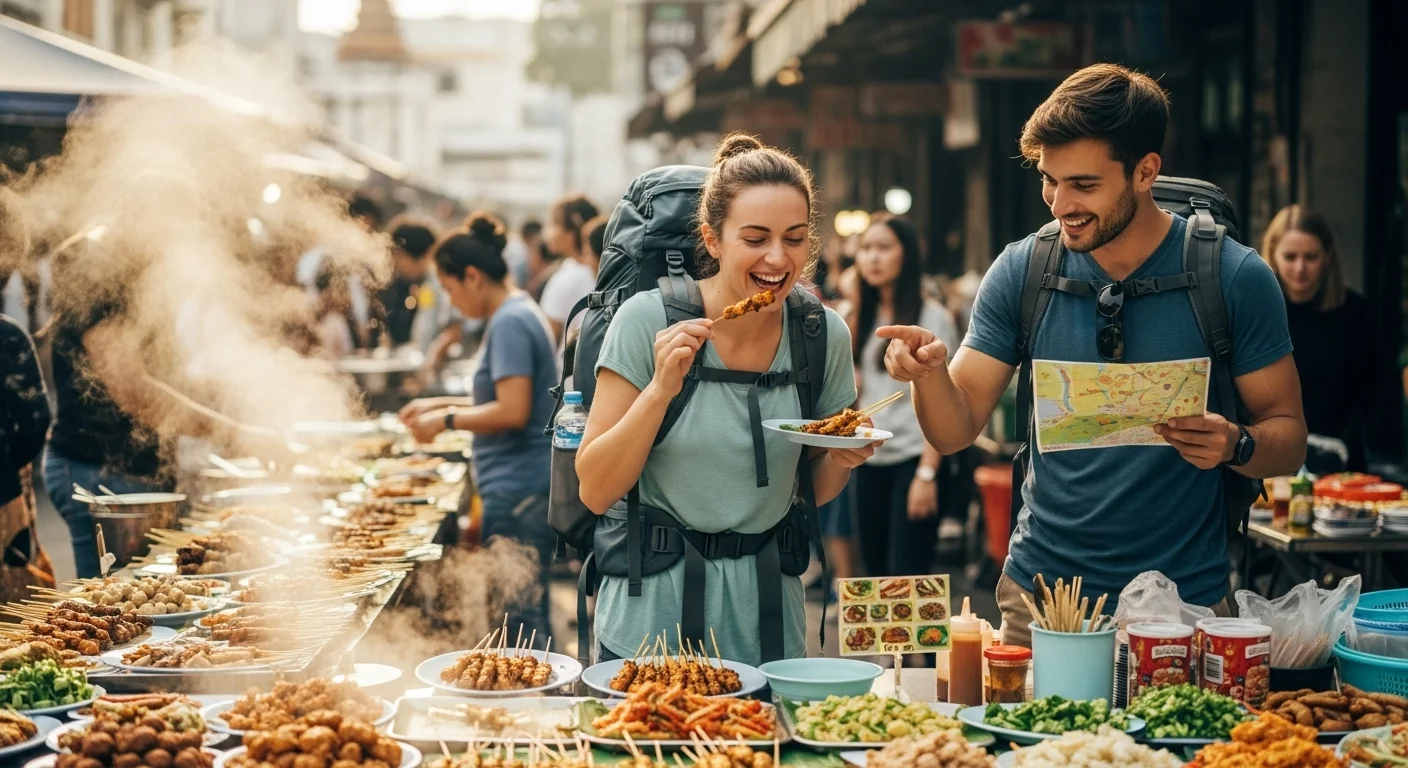
Street food markets are like culinary treasure troves, and they’re often budget-friendly! I’ve spent hours wandering through markets, sampling various dishes. In Bangkok, for example, the street food scene is lively and incredibly diverse. I remember my first taste of pad thai from a street vendor—delicious, fresh, and so affordable! These markets provide an opportunity to try a little bit of everything without spending too much. Plus, the atmosphere is electric, filled with the sounds and smells of cooking that make my heart race with excitement.
Food Festivals and Local Events
Attending food festivals can be another fantastic way to explore culinary heritage on a budget. I’ve had the pleasure of visiting local food festivals where I could taste various dishes and learn about the region’s culinary traditions. For example, the Taste of Chicago festival was a feast for the senses, with food stalls offering everything from deep-dish pizza to Italian beef sandwiches. These events often feature local chefs and artisans, who share their stories and passion for food. Plus, there’s typically no entry fee, making it a win-win for budget-conscious travelers! Read Interesting article: Capture the Wild: Top Wildlife Photography Tips for Safaris
Cooking Classes and Workshops
Participating in cooking classes is a wonderful way to immerse yourself in a culture while also being budget-savvy. I’ve taken a few classes around the world that were both fun and educational. In Thailand, I joined a cooking class that included a market tour to buy ingredients. It was an incredible experience to learn traditional recipes and cooking techniques directly from a local chef. Not only did I get to enjoy the meal we prepared, but I also came home with new recipes to try in my kitchen. It’s a fantastic way to ensure that memories of the culinary journey last long after the trip is over.
Where to Find Authentic Local Cuisine
Hidden Gems: Family-Owned Restaurants
Sometimes, the best meals come from family-owned restaurants that aren’t in the guidebooks. I’ve discovered some of my favorite dining spots simply by wandering around neighborhoods and following the locals. In Lisbon, I stumbled upon a small, family-run eatery where the owner greeted me like an old friend. The authenticity of the food was unmatched, and the prices were reasonable. I always make it a point to ask locals for their recommendations; they often know the best places to find delicious, homemade dishes that reflect the heart of the culture.
Community Food Tours
Joining a community food tour can be an enriching experience that doesn’t have to be pricey. I’ve been on several of these tours, where passionate locals guide you through their favorite food spots, often sharing stories and history along the way. In Barcelona, a food tour led me through bustling neighborhoods, sampling tapas while learning about the city’s culinary heritage. Plus, it’s a great way to meet other travelers who share a love for food. These tours often include tastings at hidden spots, allowing you to experience the local food scene in a way that feels intimate and authentic.
Essential Tips for Budget Travelers
How to Stay Within Your Budget
Sticking to a budget while indulging in culinary experiences can be a challenge, but I’ve learned a few tricks along the way. First, I always set a daily budget for meals and stick to it. This helps me prioritize where I want to splurge and where I can save. For instance, I might allocate more for a special dinner at a notable restaurant but opt for street food or local markets for lunch. I find that this balance allows me to experience both the luxury of fine dining and the authenticity of local fare.
Another tip is to keep an eye out for lunch specials or early bird menus. Many restaurants offer significantly reduced prices during off-peak hours. I remember wandering into a charming bistro in Barcelona just before noon, and I was delighted to find a three-course meal for a fraction of the dinner price. Eating where and when locals do often leads to the best deals and experiences.
Using Apps and Resources for Discounts
Technology has made it easier than ever to find budget-friendly dining options. I’ve come to rely on various apps that help me discover discounts, happy hours, and special deals. For example, using apps like Yelp or TripAdvisor not only helps me find highly-rated eateries but often highlights special promotions that I might not have noticed otherwise.
Additionally, I recommend checking out local food blogs or social media pages dedicated to the area you’re visiting. I’ve found great recommendations and insider tips this way. There’s something exciting about following local food influencers who share their favorite spots and discounts; it feels like having a friend in the city guiding me to the best culinary experiences.
What to Pack for a Culinary Adventure
Packing wisely for a culinary journey can really enhance the experience. I always make sure to bring a reusable water bottle, which helps save money and is better for the environment. Staying hydrated is key, especially when indulging in rich, flavorful dishes. I also pack a small notebook or a digital note app on my phone to jot down memorable meals and recipes that I want to recreate later. There’s something special about remembering the details of a meal, from the ingredients to the stories behind them.
Another essential for me is a portable phone charger. When I’m out exploring local markets or hidden gems, I want to document everything, and my phone is my camera, map, and guide all in one. Lastly, I always carry a small reusable tote bag. It’s perfect for carrying home local snacks or ingredients I pick up at markets, and it helps reduce plastic waste.
Safety and Health Considerations
Food Safety Tips While Traveling
Food safety is an essential aspect of traveling that I take seriously. While I love to try street food and local delicacies, I’ve learned a few guidelines to help me stay safe. For starters, I always choose vendors that have a bustling line of locals; this usually indicates that the food is fresh and safe to eat. I remember the vibrant street stalls in Bangkok, where the crowds were a good sign that the food was not only popular but also prepared with care.
Another tip is to ensure that food is cooked thoroughly and served hot. I often watch how food is prepared and stored. If there’s a lack of cleanliness or the food looks questionable, I simply move on. Your health is worth it! I also try to avoid tap water in places where sanitation is a concern, sticking to bottled water or drinks with sealed packaging.
Health Considerations for Dietary Restrictions
Traveling with dietary restrictions can be tricky, but I’ve found it’s manageable with a little planning. I always research local cuisine before I go. For example, I’m a vegetarian, so when I visited Italy, I looked up traditional vegetarian dishes ahead of time. I was delighted to discover that Italy is rich in plant-based options, from pasta primavera to margherita pizza. Knowing what to look for made my dining experiences enjoyable and stress-free.
I also recommend learning a few key phrases in the local language to communicate my dietary needs. Simple phrases like “I am vegetarian” or “No meat, please” can go a long way in ensuring a positive dining experience. Additionally, I carry a translation app on my phone, which has been a lifesaver in some situations. It’s great to have the ability to explain my dietary preferences clearly, ensuring that I can enjoy the local cuisine without any issues.
Making the Most of Your Culinary Journey
Engaging with Local Chefs and Artisans
One of the most rewarding aspects of my culinary travels has been the opportunity to connect with local chefs and artisans. I can’t tell you how many unforgettable meals I’ve had simply by striking up a conversation in a market or a small café. I remember chatting with a chef in a rustic Italian trattoria, who invited me into the kitchen to see how he made his famous sauce. That experience not only enriched my understanding of Italian cuisine but also created a personal connection to the food I was enjoying.
Whenever I can, I make it a point to attend local culinary events, such as cooking demonstrations or tastings, where I can learn directly from the experts. These interactions often lead to discovering hidden treasures and unique recipes that I might not have found otherwise. I believe that engaging with the people behind the food adds an incredible depth to the culinary journey.
Documenting Your Food Journey: Tips for Blogging
Lastly, documenting my culinary adventures has become a passion of mine. Whether through a blog, social media posts, or simply journaling, capturing these experiences helps me remember them vividly. I started by sharing my travels with friends and family, but as I continued, I realized I could reach a broader audience interested in food and travel. I recommend taking lots of photos, but also writing down my thoughts and feelings about each meal. It’s amazing how the flavors and memories come rushing back when I look at my notes later.
I also suggest being authentic in my writing. Sharing personal anecdotes and insights makes my content relatable and engaging. If I had a humorous mishap with a dish or a delightful interaction with a vendor, I include those details. Over time, I’ve built a community of fellow foodies who connect with my journey, and it’s a wonderful feeling to share this passion with others.
Frequently Asked Questions
What is gastronomic heritage?
Gastronomic heritage refers to the traditional culinary practices, recipes, and ingredients that define a region’s culture and identity. It encompasses the food stories passed down through generations, rich with history and flavor, and emphasizes experiencing a culture through its flavors, techniques, and rituals.
Why are culinary traditions important?
Culinary traditions are vital as they foster community, preserve local ingredients, and support sustainable practices. They keep cultures alive, create economic opportunities for local farmers and artisans, and allow us to appreciate the diversity of our world.
Which countries are highlighted for their culinary heritage?
The article highlights Italy, France, Mexico, and Japan as significant destinations for exploring culinary heritage, each offering unique flavors, dishes, and cooking traditions that reflect their respective cultures.
What are some budget-friendly tips for exploring culinary heritage sites?
Some budget-friendly tips include traveling during off-peak seasons to avoid crowds and find discounts, choosing affordable accommodations like hostels or home-sharing platforms, using public transportation to explore, and dining at local eateries instead of high-end restaurants.
What are some must-visit culinary experiences on a budget?
Must-visit culinary experiences include exploring street food markets, attending local food festivals, and participating in cooking classes or workshops, which offer immersive experiences into the local culinary culture at a lower cost.
How can travelers find authentic local cuisine?
Travelers can find authentic local cuisine by discovering hidden gems like family-owned restaurants, joining community food tours led by locals, and asking for recommendations from residents to ensure a genuine dining experience.
What should travelers consider when sticking to a budget?
Travelers should set a daily budget for meals, prioritize where to splurge and save, look for lunch specials or early bird menus, and use apps to find discounts and promotions at local eateries.
What should travelers pack for a culinary adventure?
Travelers should pack a reusable water bottle, a notebook or digital note app for jotting down memorable meals, a portable phone charger, and a small reusable tote bag for carrying local snacks or ingredients from markets.
What food safety tips should travelers keep in mind?
Travelers should choose vendors with a bustling line of locals, ensure food is cooked thoroughly and served hot, avoid questionable food preparation practices, and stick to bottled water in places where sanitation is a concern.
How can travelers engage with local chefs and artisans?
Travelers can engage with local chefs and artisans by striking up conversations in markets or cafes, attending local culinary events, and participating in cooking demonstrations or tastings to deepen their understanding of the local cuisine.