
Exploring heritage sites on a budget is an adventure I cherish. With the right tips and tricks, you can experience the beauty and history these treasures offer without breaking the bank. For more insights, you can explore local cultures through budget backpacking tips and tours.
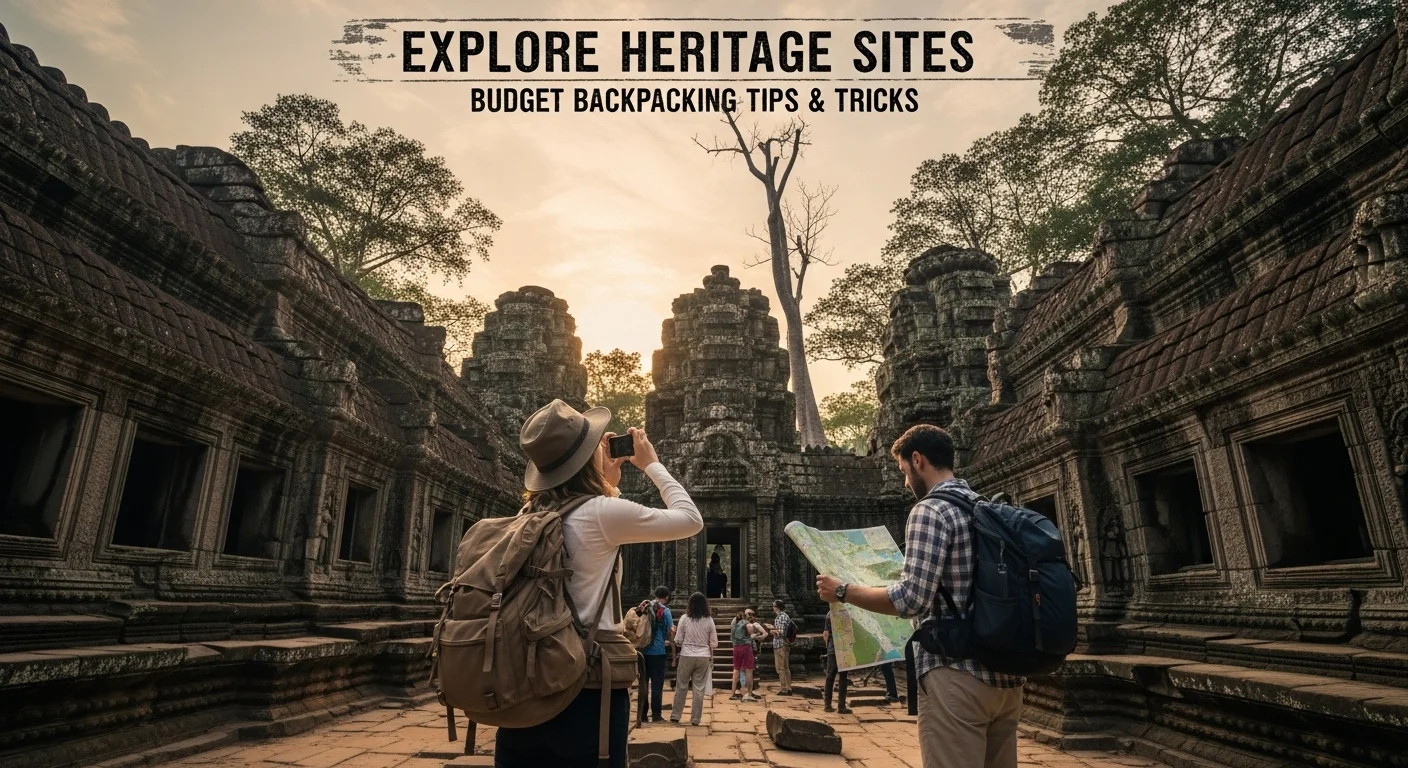
Understanding Heritage Sites
Definition and Importance of Heritage Sites
Heritage sites are the cultural and natural landmarks that tell the story of our world. They represent the history, art, and traditions of different civilizations and communities. For me, visiting a heritage site is like stepping back in time, feeling the echo of footsteps from the past. They are important not just for their aesthetic beauty but also because they provide insight into the values, beliefs, and struggles of those who came before us.
These sites are often protected by governments and international organizations to ensure their preservation for future generations. I believe it’s vital for us to appreciate and respect these sites, as they enrich our understanding of our planet’s diverse cultures and histories. When we explore these places, we connect with a shared human experience that transcends borders.
UNESCO World Heritage Sites Overview
UNESCO World Heritage Sites are some of the most recognized heritage sites globally. There are currently over 1,100 of them, ranging from ancient ruins to natural wonders. I remember my first encounter with a UNESCO site; it was the breathtaking Machu Picchu in Peru. The sheer beauty and historical significance left me in awe. I felt a connection to the Inca civilization that I had never experienced before.
These sites often receive greater protection and support, making them fantastic destinations for travelers. Visiting a UNESCO site means you’re not only witnessing something beautiful but also participating in the global effort to protect our heritage. I recommend checking the UNESCO list when planning your trips, as it can guide you toward some of the most incredible places on Earth. You can also connect and discover cultural tours that enhance your experience.
Types of Heritage Sites: Cultural, Natural, and Mixed
Heritage sites can be categorized into three main types: cultural, natural, and mixed. Cultural heritage sites showcase human accomplishments, like historic buildings, monuments, and archaeological sites. I’ve explored several cultural sites, and each one has its unique story. For instance, the ancient ruins of Pompeii in Italy left me fascinated with the lives of those who lived there before the eruption of Mount Vesuvius.
Natural heritage sites, on the other hand, highlight Earth’s extraordinary landscapes and ecosystems. These can include national parks, mountains, and unique geological formations. One of my favorite experiences was hiking in Yellowstone National Park, where I could marvel at the geothermal wonders and diverse wildlife. It reminded me how crucial it is to protect our natural environment.
Lastly, mixed heritage sites possess both cultural and natural significance. A prime example is the Great Wall of China, which is not only an architectural marvel but also spans some of the most beautiful landscapes in the country. When I visited, I was captivated by the intertwining of history and nature. Each type of heritage site offers something special, and I love the diversity in experiences they provide.
Planning Your Budget Backpacking Trip
Choosing the Right Destination
When planning a budget backpacking trip centered around heritage sites, selecting the right destination is crucial. I often start by considering which sites inspire me the most. Is it the ancient pyramids of Egypt or the stunning fjords of Norway? Making a list of must-see sites helps narrow down my options. I also look for destinations that have multiple heritage sites within a reasonable travel radius, which can save money and time.
Another tip is to consider lesser-known sites. While iconic locations are often bustling with tourists, off-the-beaten-path heritage sites can offer a more intimate experience. I discovered a charming medieval village in France that felt like a hidden gem. It was less crowded, and I could truly absorb the culture and history without feeling rushed by a sea of tourists.
Best Time to Visit Heritage Sites for Budget Travelers
Timing can significantly affect your travel budget. I’ve learned that visiting heritage sites during the shoulder seasons—spring and fall—can lead to lower prices and fewer crowds. For example, I visited the Alhambra in Spain in early April. The weather was perfect, and I could explore the stunning architecture without waiting in long lines.
Additionally, consider traveling during weekdays instead of weekends. Many people take short trips on weekends, so visiting on a Tuesday or Wednesday can enhance your experience. Not only will you encounter fewer tourists, but you may also find better deals on accommodations and entry fees.
Researching Entry Fees and Discounts
Before heading out, I always research entry fees for the heritage sites I plan to visit. Some sites offer free admission on certain days or discounted rates for students and seniors. I remember visiting the British Museum in London, which is free! It allowed me to soak in history without worrying about ticket prices. I’ve also found that many heritage sites have special family or group rates, which can be a fantastic way to save if you’re traveling with friends or family.
Additionally, look for city passes or tourist cards that provide access to multiple attractions at a reduced rate. When I traveled to Paris, I bought a Paris Pass that let me visit several museums and attractions for one price. It was not only economical but also made my itinerary more flexible. If you’re into hiking, check out some essential training tips for budget backpacking climbers.
Creating a Flexible Itinerary
Having a flexible itinerary can be one of the best strategies for budget backpacking. I prefer to outline a rough plan that includes my must-visit heritage sites but leaves room for spontaneity. Sometimes, I stumble upon local events or hidden gems that aren’t in any guidebook. When I backpacked through Italy, I discovered a small festival in a town near Florence that featured traditional music and local foods. It ended up being one of the highlights of my trip!
Flexibility also allows you to adapt to unforeseen circumstances, like weather changes or fatigue. If I notice that I’m too tired to visit a site on a particular day, I’ll swap it out for a relaxing afternoon at a local café instead. This approach has made my travels more enjoyable and less stressful, reminding me that the journey is just as important as the destination.
Budget Accommodation Options Near Heritage Sites
Hostels and Budget Hotels
Finding the right place to stay can make a world of difference when traveling on a budget. I’ve had great experiences staying in hostels and budget hotels near heritage sites. Hostels, in particular, offer a unique blend of affordability and social interaction. I love that they often have shared kitchens and common areas where I can meet fellow travelers. On my trip to Barcelona, I stayed in a cozy hostel just a short walk from the Gothic Quarter. It was a perfect base for exploring the rich history of the area.
Budget hotels are another fantastic option. They usually provide more privacy than hostels but at a fraction of the cost of luxury accommodations. I remember booking a budget hotel near the Colosseum in Rome. It was not only affordable but also put me right in the heart of the city’s historic charm. Always keep an eye out for deals on booking websites, as I’ve found last-minute discounts that make staying close to heritage sites much more feasible.
Couchsurfing and Homestays
If you’re looking for a more immersive experience, I highly recommend trying Couchsurfing or homestays. Couchsurfing connects travelers with locals who offer a spare room or even a couch for free. I’ve used this platform several times and have made some amazing friends along the way. One memorable experience was staying with a family in Istanbul, where they introduced me to traditional Turkish meals and local customs. It felt great to connect with the culture on a deeper level.
Homestays can also provide a wonderful experience. They usually involve staying with a family in their home, offering you a unique glimpse into their everyday lives. I remember staying in a homestay near the Angkor Wat complex in Cambodia. The family taught me about their traditions, and I even joined them in cooking a local dish. It’s these personal connections that create lasting memories during my travels.
Camping Near Heritage Sites
For those who love the outdoors, camping can be an exciting and economical choice. I’ve found that many heritage sites, especially national parks and natural heritage locations, have nearby campgrounds. Camping not only helps save money but also allows you to fully immerse yourself in nature. During my visit to the Grand Canyon, I camped right at the rim. Waking up to the breathtaking views was simply unforgettable.
Before setting out, I make sure to check if camping is allowed at the site I plan to visit. Some places require permits, while others may have designated camping areas. I also recommend packing light but smart. A good sleeping bag, compact cooking gear, and essential supplies can make your camping experience much more enjoyable. Plus, there’s something incredibly refreshing about cooking dinner under the stars after a day of exploration.
Transportation Tips for Budget Backpackers
Using Public Transportation
Getting around on a budget is all about leveraging public transportation. I’ve found that buses, trams, and subways can be both affordable and efficient when exploring heritage sites. For example, during my trip to Athens, the metro made it easy to access the Acropolis and other historical landmarks without the hassle of driving or parking. Plus, it’s a great way to see the city from a local’s perspective.
Many cities offer travel passes that allow unlimited travel within a certain period, which can be a great deal. I remember purchasing a transport pass in Paris that let me hop on and off the metro as I explored various museums and attractions. Whenever possible, I also try to check for discounts on public transport for students or youth, as they can save you a few extra bucks.
Walking and Biking Around Heritage Sites
Sometimes, the best way to explore is on foot or by bike. I’ve often found that walking allows me to discover hidden gems that I might have missed while using other modes of transport. For instance, in Florence, I strolled through cobblestone streets, soaking in the architecture and local life on my way to the Uffizi Gallery. The experience was enriching and provided a deeper connection to the city.
Biking is another fantastic option, especially in cities that are bike-friendly. I rented a bike in Amsterdam and had an absolute blast cycling through the city and visiting various heritage sites. It gave me the freedom to explore at my own pace and see more than I would have on foot or by public transport.
Carpooling and Ride-Sharing Options
If public transport doesn’t fit your needs or you’re heading to a more remote location, consider carpooling or using ride-sharing services. I’ve used apps like BlaBlaCar in Europe to find rideshare options when traveling between cities. It’s not only cost-effective but also a great way to meet new people. I’ll never forget carpooling with a local who shared fascinating stories about the heritage sites we were visiting.
Ride-sharing services can also be a good option for shorter distances. Whenever I needed to get from my hostel to a nearby heritage site, I’d often check for local services. Just be cautious and always share your ride details with someone else for safety. Being mindful of how I travel has made my adventures both exciting and budget-friendly.
Affordable Food and Dining Near Heritage Sites
Local Street Food and Markets
One of the joys of traveling is discovering local cuisine, and when I’m exploring heritage sites, I make it a point to seek out street food and local markets. Not only is it often budget-friendly, but it also gives me an authentic taste of the culture. I still remember my experience in Bangkok, where I stumbled upon a bustling street market near the Grand Palace. The fragrant aromas of pad Thai and mango sticky rice drew me in, and I enjoyed a delicious meal for just a few dollars.
Markets are fantastic places to explore. I enjoy wandering through stalls filled with fresh produce, handmade goods, and local delicacies. In my travels, I’ve found that many cities have specific food markets that showcase their best offerings. At the Mercato Centrale in Florence, I sampled various local cheeses and cured meats, all while soaking up the lively atmosphere. I recommend asking locals for their favorite spots; they often know hidden gems that tourists might overlook.
Budget-Friendly Restaurants and Cafés
While street food is a great option, I also love finding budget-friendly restaurants and cafés near heritage sites. I typically look for places that are popular with locals rather than tourists, as they often have more authentic dishes at better prices. During my visit to Lisbon, I discovered a small tavern just a few blocks from the Jerónimos Monastery where I enjoyed a hearty meal of bacalhau à brás (codfish) for a fraction of what I would have paid at a touristy restaurant.
Another tip is to check for lunch specials or set menus, which can be more economical than ordering à la carte. I’ve found that many restaurants offer great deals during lunchtime to attract workers. In Paris, I enjoyed a delightful three-course meal for a reasonable price at a small bistro near the Louvre. Dining at off-peak hours can also lead to more affordable options, so I often aim to eat earlier or later than the typical lunch or dinner rush.
Cooking Your Own Meals: Tips for Backpackers
If you’re staying in a hostel or homestay with kitchen facilities, cooking your own meals can be a fantastic way to save money. I’ve enjoyed many successful cooking sessions during my travels, and it feels rewarding to prepare my own food. Plus, it allows me to try local ingredients and recipes at my own pace. I remember making a simple pasta dish with fresh tomatoes and basil I bought at a market in Rome; it was not only delicious but also incredibly satisfying.
When cooking while backpacking, I recommend planning simple meals that require minimal ingredients. Think about dishes that are easy to prepare and don’t need a lot of cooking time. Stir-fries, salads, and pasta are always good options. I’ve often packed spices and condiments that don’t take up much space but can elevate my meals significantly. For instance, bringing a small bottle of olive oil or a spice mix can make a simple dish taste gourmet.
Also, consider meal prepping. If I know I’ll be visiting several heritage sites in a day, I’ll often prepare a picnic to take with me. I’ve enjoyed many scenic lunches in parks or near historic monuments while munching on sandwiches or salads I made myself. This not only saves money but also gives me a chance to savor my meals in beautiful settings.
Saving Money on Activities and Tours
Free and Low-Cost Activities at Heritage Sites
When exploring heritage sites, I’ve found that many offer free or low-cost activities that are just as enriching as paid tours. For instance, I often take advantage of free walking tours in cities, which not only provide interesting insights but also allow me to meet fellow travelers. During my trip to Prague, I joined a free walking tour of the Old Town and learned about the city’s history from a passionate guide. It was an engaging experience that didn’t cost me a dime.
Additionally, many heritage sites have specific days when entry is free or reduced. I make it a habit to check the official websites or local tourism boards to find out when these opportunities occur. For example, I visited the Acropolis Museum in Athens on a Sunday when admission was free; it felt like a hidden blessing. I encourage you to keep an eye out for such deals—they can open up a world of experiences without straining your budget.
Guided Tours vs. Self-Guided Tours
While guided tours can offer in-depth knowledge, I often weigh the costs against my budget and interest level. I’ve enjoyed self-guided tours using travel apps or downloaded guides that allow me to explore at my own pace. For example, I once downloaded an audio guide for the ruins of Pompeii, which let me wander through the site while learning about its history without the pressure of keeping up with a group. It also allowed me to spend more time at spots that particularly captivated me.
That said, some sites may benefit from a guided experience, especially if they have rich histories or complex narratives. In those cases, I look for group tours that are reasonably priced, or even smaller tour companies that are less commercialized. During a visit to the Tower of London, I joined a smaller group tour led by a Beefeater. It was an unforgettable experience, and the stories shared made the history come alive.
Discount Cards and Passes for Travelers
Many cities offer tourist discount cards that can provide significant savings on attractions, transportation, and dining. I’ve found these cards especially useful when I plan to visit multiple sites. For instance, during my time in Barcelona, I purchased the Barcelona Card, which allowed me free access to various museums and public transport. It saved me not just money but also time, as I could jump the lines at popular attractions.
Before purchasing any card, I research what’s included to ensure it matches my itinerary. Some cards offer deals on experiences like guided tours or local attractions, which can enhance my travel experience. I also recommend checking for student discounts or family passes, as many places offer tailored rates that can make a noticeable difference.
Frequently Asked Questions
What are heritage sites and why are they important?
Heritage sites are cultural and natural landmarks that tell the story of our world, representing the history, art, and traditions of different civilizations. They provide insight into the values and struggles of those who came before us and are protected to ensure their preservation for future generations.
What are UNESCO World Heritage Sites?
UNESCO World Heritage Sites are some of the most recognized heritage sites globally, with over 1,100 of them ranging from ancient ruins to natural wonders. These sites receive greater protection and support, making them excellent destinations for travelers.
What types of heritage sites exist?
Heritage sites can be categorized into three main types: cultural, natural, and mixed. Cultural sites showcase human accomplishments, natural sites highlight extraordinary landscapes and ecosystems, and mixed sites possess both cultural and natural significance.
How can I choose the right destination for a budget backpacking trip centered on heritage sites?
Start by considering which heritage sites inspire you the most and make a list of must-see locations. Look for destinations with multiple heritage sites within a reasonable travel radius and consider lesser-known sites for a more intimate experience.
When is the best time to visit heritage sites for budget travelers?
Visiting heritage sites during the shoulder seasons—spring and fall—can lead to lower prices and fewer crowds. Additionally, traveling during weekdays instead of weekends often provides better deals and a more enjoyable experience.
How can I save money on entry fees for heritage sites?
Research entry fees before your visit, as some sites offer free admission on certain days or discounts for students and seniors. Look for city passes or tourist cards that provide access to multiple attractions at a reduced rate.
What budget accommodation options are available near heritage sites?
Budget accommodation options include hostels, budget hotels, Couchsurfing, homestays, and camping. These options can provide affordability and unique experiences while allowing you to stay close to heritage sites.
What transportation tips can help budget backpackers?
Utilize public transportation like buses and subways, which are often affordable and efficient. Consider walking or biking to explore heritage sites, and look into carpooling or ride-sharing services for more remote locations.
What are some affordable food options near heritage sites?
Seek out local street food and markets for budget-friendly and authentic meals. Look for budget-friendly restaurants popular with locals, and consider cooking your own meals if you have kitchen facilities at your accommodation.
How can I save money on activities and tours at heritage sites?
Many heritage sites offer free or low-cost activities, such as free walking tours. Consider self-guided tours using travel apps or download guides, and look for tourist discount cards that provide savings on attractions and transportation.