
Exploring historical sites can be a thrilling solo adventure. Whether you’re wandering through ancient ruins or marveling at architectural wonders, each journey invites us to step back in time and embrace the stories of our past. For more tips on solo travel, check out the Ultimate Guide to Solo Adventure Travel Destinations.
Understanding Historical Sites
Definition of Historical Sites
When I think of historical sites, I picture places that have witnessed significant events or changes over time. These locations can range from ancient ruins and monuments to battlefields and preserved buildings. Essentially, a historical site is any place that carries value due to its past, often providing insight into the culture, heritage, and everyday lives of people who came before us. I remember visiting a small, lesser-known archaeological site in Greece, where ancient pottery shards lay scattered on the ground. Each piece told a story about daily life thousands of years ago, making the experience incredibly personal and intimate.
Importance of Historical Sites in Culture and Education
Exploring historical sites offers us more than just a glimpse into the past; it connects us to our shared history. These places serve as tangible reminders of our cultural heritage, allowing us to understand and appreciate the struggles and triumphs of those who came before us. I’ve always believed that history is best learned outside of a textbook. Walking through the ruins of Pompeii, for instance, I felt a deep sense of connection. The preserved remains of homes, streets, and even graffiti from ancient Romans brought their world to life in a way that words alone could never achieve.
Moreover, visiting historical sites can foster a sense of respect and appreciation for different cultures. I’ve witnessed how engaging with diverse histories can bridge gaps and promote understanding among people. When we travel to these locations, we’re not just spectators; we become part of a story that spans generations. I often find myself pondering what life was like in a site’s heyday. What dreams and aspirations did the people who lived there have? How did they overcome challenges? These reflections deepen my understanding of humanity as a whole.
Preparing for Your Solo Adventure
Researching Historical Sites
Before embarking on any trip, I believe that research is key. Understanding the history and significance of the sites I plan to visit enriches my experience. I usually start by reading travel blogs, watching documentaries, or browsing historical databases. For instance, I once spent hours researching the history of the Acropolis before my trip to Athens. Knowing about its architectural evolution and the myths surrounding it made my visit so much more meaningful. Additionally, I recommend checking out the Ultimate Guide to Budget Backpacking for Solo Adventurers for great budgeting tips.
Another helpful tip is to check if there are any guided tours available. I’ve found that joining a small group can enhance my understanding of complex histories. Plus, guides often share fascinating anecdotes that you won’t find in books. Websites like TripAdvisor or local tourism boards can provide insights into the best tours available, allowing me to compare options and find what suits my interests and budget.
Essential Gear for Solo Travelers
Traveling solo means being self-sufficient, so I always pack wisely. A reliable backpack is my go-to. It holds all my essentials, whether I’m exploring the ancient sites of Rome or the historical landscapes of Peru. I usually include a water bottle, snacks, and a portable charger for my phone. Good walking shoes are a must, as I’ve spent hours wandering cobblestone streets and uneven terrain. Trust me; the right footwear can make all the difference!
Additionally, I always carry a journal. There’s something magical about writing down my thoughts and experiences as I visit each site. It allows me to reflect on what I’ve learned and how it resonates with me. I’ve often flipped through these pages months later, reliving the excitement and wonder I felt during my travels.
Travel Insurance and Safety Precautions
As a solo traveler, safety is always on my mind. I can’t stress enough how important it is to invest in travel insurance. It offers peace of mind, especially when exploring unfamiliar places. I remember a trip to Egypt where my insurance came in handy after a minor mishap. Having that safety net allowed me to focus on enjoying my adventure without worrying excessively about potential risks.
Beyond insurance, I’ve learned to stay aware of my surroundings. At historical sites, it’s easy to get lost in the beauty and forget to pay attention. I always make a mental note of emergency contacts and local laws, which can differ significantly from what I’m used to. Researching the local customs not only keeps me safe but also helps me show respect to the cultures I’m immersing myself in. On one occasion, while visiting a sacred site, I was reminded to dress modestly. Being aware of cultural expectations made my experience all the more meaningful.
Traveling solo offers a unique opportunity to connect with history and culture on a personal level. By preparing thoughtfully, we can ensure that our adventures are enriching, safe, and memorable.
Top Historical Sites to Explore Alone
Ancient Wonders
The Colosseum, Rome
The Colosseum is a place that never fails to amaze me. When I first stepped through its ancient arches, I felt like I was transported back to a time when gladiators fought for their lives in front of roaring crowds. What struck me most was the sheer scale of the structure. Standing in the middle of that colossal arena, I could almost hear the echoes of history—the cheers, the drama, the excitement. I recommend taking a guided tour, as the insights provided by knowledgeable guides can enrich your visit tremendously. They share stories about the emperors, the engineering marvels of the time, and even the darker sides of entertainment in ancient Rome. Visiting the Colosseum alone allowed me to soak in every detail and reflect on the incredible history surrounding me.
The Great Wall, China
Walking along the Great Wall of China is an experience that feels almost surreal. I remember hiking a less-crowded section, where the wall snaked over the mountains, surrounded by breathtaking views. It’s hard to believe that something so monumental was built by hand over centuries. As I walked, I felt a deep sense of connection to the countless workers who toiled to create this architectural wonder. I took the time to pause, reflect, and take in the expansive landscape. When you’re alone on the Great Wall, every step becomes a meditative experience, allowing you to appreciate not only the beauty of the world around you but also the perseverance of the human spirit.
Medieval Marvels
Stonehenge, England
Stonehenge has always intrigued me. The first time I saw it, I was struck by its mystery and the questions it raises. How did they transport those massive stones? What did this site mean to the people who built it? Standing in that circle of ancient stones, I felt a strange sense of reverence. It’s a peaceful place, perfect for solo travelers looking for contemplation. I recommend visiting early in the morning or close to sunset when the crowds are thinner and the light is magical. I spent some time just sitting on the grass, letting my imagination wander through time, contemplating the rituals that may have taken place there.
Neuschwanstein Castle, Germany
This fairy tale castle nestled in the Bavarian Alps blew me away. When I arrived, the castle looked like something out of a storybook, perched dramatically against the backdrop of the mountains. I took the time to explore the interiors, which are just as enchanting as the outside. Each room tells a story of King Ludwig II’s vision and dreams. I found myself lost in the opulence and artistry, pondering the life of its creator. Solo exploration allowed me to linger in my favorite spots, like the ornate music room, without feeling rushed. The surrounding landscape is perfect for hiking, offering stunning views of the castle and the Alps.
Significant Civilizations
Machu Picchu, Peru
Machu Picchu was one of those places I had always dreamed of visiting, and it didn’t disappoint. The moment I stepped onto the site, I felt a connection to the Incan civilization that built this incredible city in the clouds. I opted for an early morning hike to catch the sunrise, and the sight of the sun illuminating the ruins was nothing short of magical. I remember sitting quietly, soaking in the atmosphere, and reflecting on the ingenuity of the Incans. Exploring Machu Picchu solo gave me the freedom to wander at my own pace, discover hidden paths, and connect with the history all around me.
Petra, Jordan
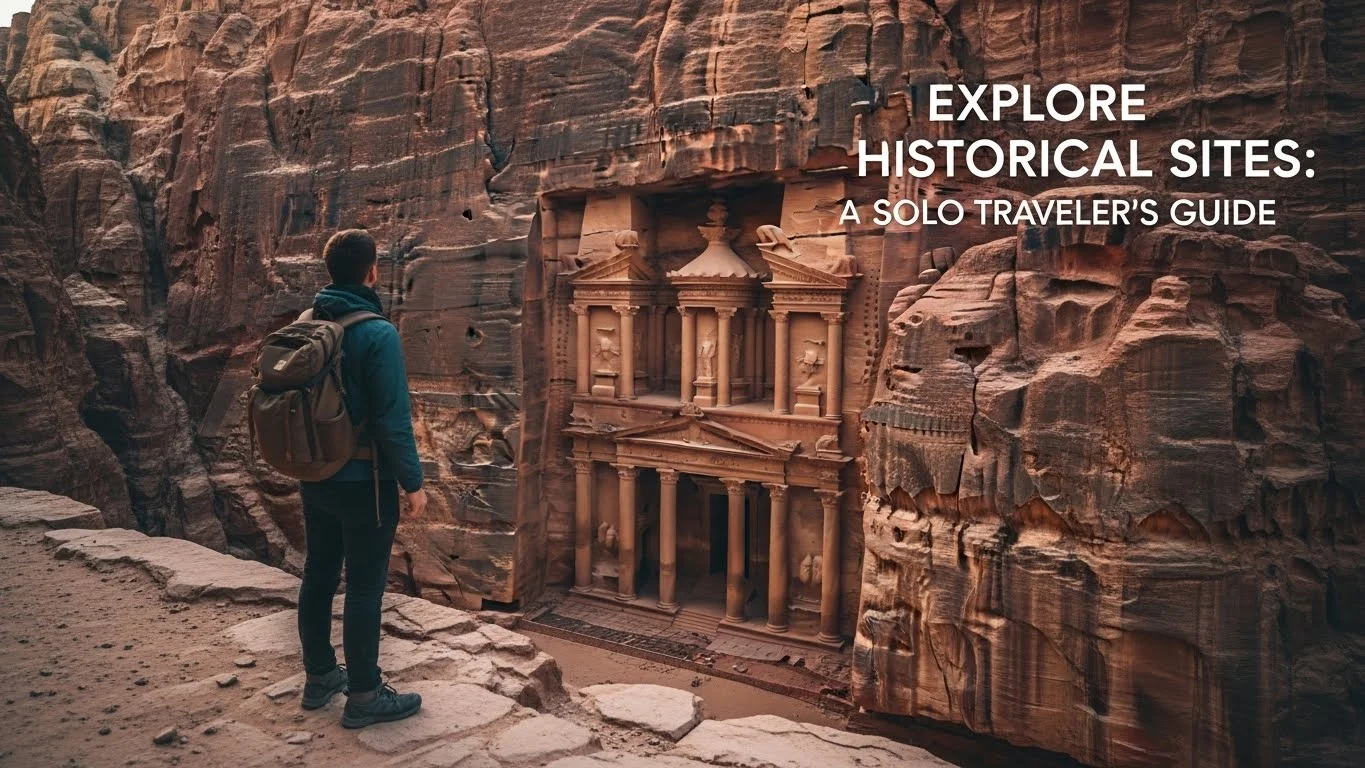
The first glimpse of Petra’s Treasury emerging from the sandstone cliffs is a moment I will never forget. It felt like stepping into a movie set. I spent hours exploring the ancient city—walking through the Siq, marveling at the intricate carvings, and imagining the vibrant life that once thrived there. Traveling alone allowed me to savor the experience without distraction. I found a quiet spot to reflect on the Nabateans, their trading routes, and the significance of Petra in history. I learned the importance of taking time to just be present in these magnificent sites, letting the stories and energies of the past wash over me.
Modern Historical Sites
The Berlin Wall, Germany
Visiting the Berlin Wall was a profound experience for me. Standing at the East Side Gallery, I was struck by the contrast between the vibrant murals and the somber history that the wall represents. I felt a deep sense of connection to the stories of those who lived through the division of Berlin. Taking my time to read the messages and appreciate the art, I reflected on themes of freedom and unity. Solo travel allowed me to process my thoughts and feelings fully, making it a deeply personal journey.
The 9/11 Memorial, USA
The 9/11 Memorial in New York City is another site that left a lasting impact on me. The immense reflecting pools set in the footprints of the Twin Towers evoke both sadness and resilience. Walking around the memorial, I took the time to read the names inscribed and reflect on the lives lost that day. I felt a sense of solidarity with other visitors who were also there to pay their respects. Exploring this site alone allowed me to connect with my emotions and the memories of that day on a deeper level. It serves as a powerful reminder of the importance of community, healing, and moving forward together.
When to Visit Historical Sites
Best Seasons for Solo Travelers
Timing can make all the difference when visiting historical sites. I’ve learned that the best seasons to explore often depend on the specific location and climate. For example, spring and fall are usually ideal for many destinations, as the weather tends to be mild, and crowds are often smaller compared to the summer months. I remember visiting the ruins of Angkor Wat in Cambodia during the dry season. The cooler temperatures made it much easier to wander around and soak in the beauty of the temples without the sweltering heat. Plus, the clear skies offered stunning photography opportunities!
In my experience, visiting during shoulder seasons—just before or after peak tourist times—can also lead to a more enriching experience. You can often explore sites at a leisurely pace, allowing for moments of reflection and connection with the history around you. Just make sure to check local calendars for any major holidays or festivals that could affect your visit. I once arrived at a historical site only to find it closed for a national holiday, so a little forethought goes a long way!
Local Festivals and Events
Attending local festivals or events can enhance your experience at historical sites. I’ve found that these celebrations often showcase the culture and traditions tied to a location’s history. For instance, I was lucky enough to stumble upon a reenactment of a medieval festival while visiting a castle in France. The atmosphere was electric, with traditional music, costumes, and local foods that brought the history to life in a way that a standard visit could not. I felt like I was part of the living history, rather than just an observer.
To find out about such events, I recommend checking local tourism websites or social media pages. Engaging with locals can also provide insights into unique happenings. I once chatted with a shopkeeper near a historical site who informed me about a festival that celebrated the area’s past, which I would have missed otherwise. These spontaneous discoveries can create lasting memories during your travels!
Weather Considerations
No one enjoys being caught in bad weather while exploring a historical site. I’ve learned to always check the forecast before my trips. For instance, I visited the ancient city of Petra in Jordan during the rainy season, and while it was beautiful, the paths became muddy and slippery, which made my exploration challenging. I ended up having to cut my day short due to the conditions. Now, I always pack accordingly based on the weather forecast, whether that means bringing an umbrella or wearing sturdy, waterproof shoes.
Additionally, I recommend keeping an eye out for seasonal weather patterns. Some destinations may be prone to extreme temperatures or storms during certain months. I’ve found that early mornings often provide the best weather and fewer crowds at outdoor sites, allowing me to enjoy the experience more fully. A little planning in advance can turn your visit into a more pleasant adventure!
Where to Stay Near Historical Sites
Hostels and Budget Accommodations
Finding the right place to stay is crucial when exploring historical sites, especially if you’re traveling solo. I’ve discovered that hostels often provide not only affordable lodging but also opportunities to meet fellow travelers. Many hostels offer tours or group activities, making it easier to connect with others while sharing stories about our adventures. I remember staying in a cozy hostel near the Acropolis in Athens, which allowed me to easily walk to the site each morning. The communal atmosphere made it feel less lonely, and I ended up making friends with other solo travelers who shared my passion for history.
In addition to hostels, I often look for budget accommodations like guesthouses or B&Bs. These places frequently have local charm that adds to the experience. I once stayed in a family-run guesthouse in Italy, where the owners shared stories about their town’s history over breakfast. It was like getting a personal tour, and I felt more connected to the culture as a result.
Hotels with Historical Significance
If you’re looking for something a bit more upscale, consider staying in a hotel that has historical significance. I find that these kinds of places often have rich stories and unique architecture that enhance the travel experience. For example, I splurged on a night at a historic hotel in Istanbul that formerly served as a palace. The luxurious atmosphere and glimpses of the past made my stay unforgettable. Plus, being able to explore the nearby historical sites was a bonus!
Tips for Choosing Safe Lodging
Safety is always a priority for me, especially when I’m traveling alone. I make it a habit to read reviews on various travel websites before booking accommodation. I pay particular attention to comments about safety, cleanliness, and hospitality. I remember once staying at a place that seemed cozy but had several reviews mentioning safety concerns. I quickly changed my plans to ensure a more secure experience.
When I arrive at my accommodation, I also trust my instincts. If something feels off, I won’t hesitate to ask for a different room or even find another place to stay. I find it helpful to let someone know where I am staying, too—whether it’s a friend back home or the hostel staff. This way, I feel more secure knowing someone is aware of my whereabouts. It’s all about creating a comfortable environment so that I can focus on enjoying my historical adventures!
Frequently Asked Questions
What are historical sites?
Historical sites are places that have witnessed significant events or changes over time, ranging from ancient ruins and monuments to battlefields and preserved buildings. They carry value due to their past and provide insight into the culture, heritage, and everyday lives of people who came before us.
Why are historical sites important in culture and education?
Exploring historical sites connects us to our shared history, serving as tangible reminders of our cultural heritage. They allow us to understand and appreciate the struggles and triumphs of those who came before us, fostering respect for different cultures and promoting understanding among people.
What should I research before visiting a historical site?
Before visiting a historical site, it’s important to research its history and significance. This can include reading travel blogs, watching documentaries, or checking historical databases. Guided tours can also enhance your understanding by providing insights and anecdotes that you may not find in books.
What essential gear should I pack for a solo trip to historical sites?
For a solo trip, pack a reliable backpack, a water bottle, snacks, a portable charger, and good walking shoes. Additionally, carrying a journal to write down your thoughts and experiences can enrich your travel experience.
Why is travel insurance important for solo travelers?
Travel insurance is important for solo travelers as it offers peace of mind and a safety net in case of emergencies. It allows travelers to focus on enjoying their adventure without worrying excessively about potential risks.
What are some recommended historical sites to explore alone?
Some recommended historical sites for solo exploration include The Colosseum in Rome, The Great Wall of China, Stonehenge in England, Neuschwanstein Castle in Germany, Machu Picchu in Peru, Petra in Jordan, The Berlin Wall in Germany, and The 9/11 Memorial in the USA.
When is the best time to visit historical sites?
The best time to visit historical sites often depends on the specific location and climate, with spring and fall typically being ideal due to mild weather and smaller crowds. Visiting during shoulder seasons can also provide a more enriching experience.
How can local festivals enhance the experience at historical sites?
Attending local festivals or events can enhance the experience at historical sites by showcasing the culture and traditions tied to a location’s history, creating a more immersive and memorable visit.
What types of accommodations are best for solo travelers near historical sites?
Hostels, budget accommodations like guesthouses or B&Bs, and hotels with historical significance are great options for solo travelers. Hostels offer affordable lodging and opportunities to meet fellow travelers, while guesthouses provide local charm and personal stories.
What safety tips should solo travelers consider when choosing lodging?
Solo travelers should read reviews about safety, cleanliness, and hospitality before booking accommodations. It’s also important to trust your instincts upon arrival and let someone know your whereabouts for added security.