
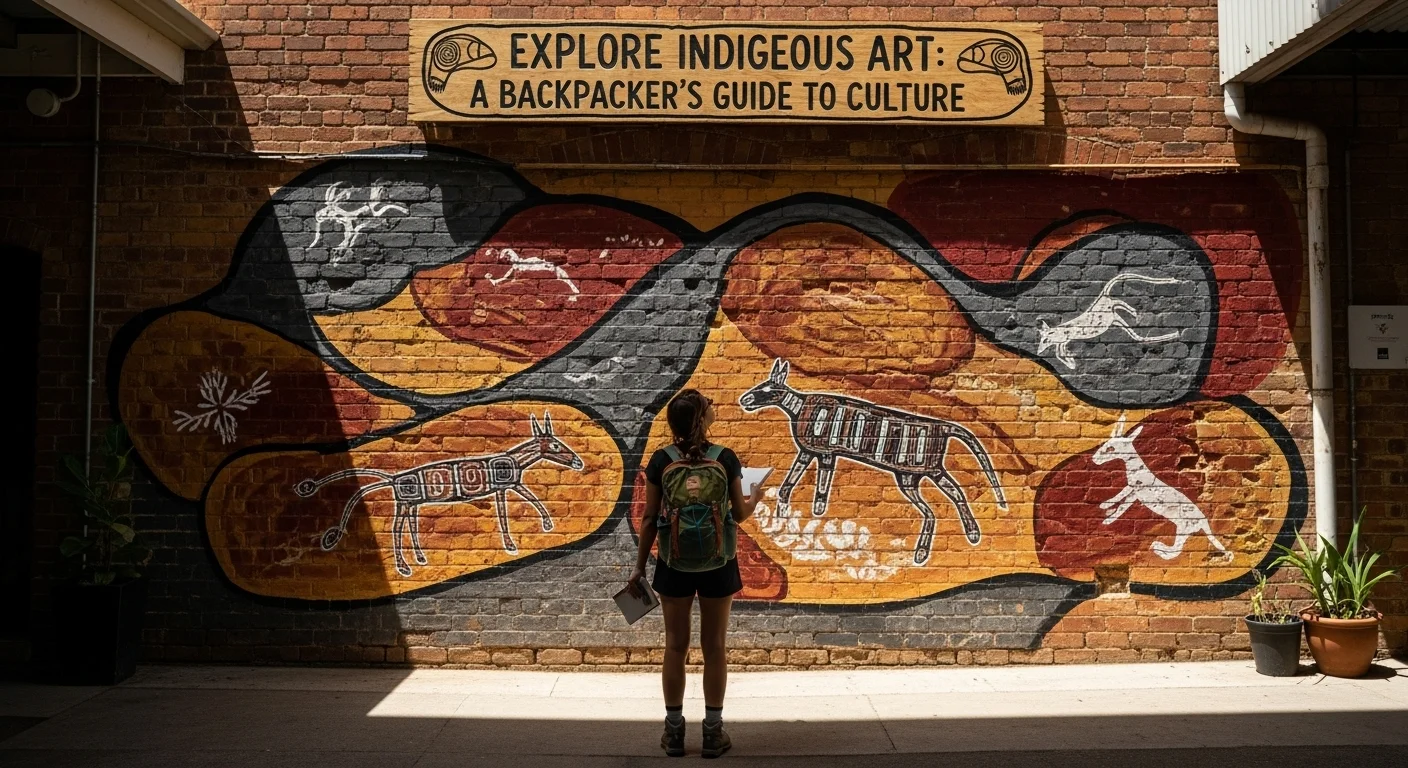
Indigenous art is a vibrant expression of culture and history, inviting us to explore the stories and traditions of diverse communities. As a backpacker, immersing yourself in this art form can enrich your travel experience immeasurably. Read Interesting article: Experience Authenticity: Indigenous Cultures and Their Practices
Understanding Indigenous Art
Definition and Significance
Indigenous art encompasses a wide range of artistic expressions created by native peoples around the world. It reflects their cultural identities, histories, and spiritual beliefs. I remember my first encounter with Indigenous art; I was captivated by the colors and stories woven into each piece. This art serves not only as a visual spectacle but also as a powerful medium for storytelling, preserving traditions and history that have been passed down through generations.
The significance of Indigenous art lies in its ability to convey deep connections to the land, ancestors, and community. For instance, I learned that many Indigenous artists use their work to comment on contemporary issues, such as environmental challenges and social justice. This art is a reflection of resilience and a means of advocating for the rights and recognition of their cultures. It’s essential for us to approach this art with respect and understanding, acknowledging the stories behind each creation.
Different Forms of Indigenous Art
When I began to explore Indigenous art, I was amazed by the diversity of its forms. Each region has its unique styles, techniques, and materials. From the intricate beadwork of Native American tribes to the dot paintings of Aboriginal Australians, every piece tells a story. I remember visiting an art gallery in the Southwest U.S., where I saw stunning pottery made by Pueblo artisans. It was not just about beauty; each swirl and color had significance, reflecting the artist’s cultural heritage.
In my travels, I encountered various forms of Indigenous art, including:
- Painting: Often using natural pigments, these works can be both traditional and contemporary, depicting everything from spiritual themes to everyday life.
- Sculpture and Carving: This includes everything from wooden masks to stone carvings that often illustrate historical legends or important figures.
- Textiles and Weaving: I’ve seen beautiful woven baskets and blankets that not only serve practical purposes but also showcase intricate designs that represent tribal symbols.
- Beadwork: This is a prominent form of expression in many Indigenous cultures, where beads are used to create jewelry, clothing, and ceremonial items.
Historical Context and Evolution
To truly appreciate Indigenous art, it’s crucial to understand its historical context. Many Indigenous cultures have faced colonization, which has significantly impacted their artistic expressions. I remember learning about the struggles of the Native American tribes in the U.S. and how their art evolved as a form of resistance against assimilation. Artists began using traditional techniques to revitalize their heritage while also blending contemporary styles, creating a unique fusion that resonates today.
Throughout the years, Indigenous art has evolved, often reflecting the changing world around it. For instance, during my travels in Australia, I saw how Aboriginal artists are now using modern materials and techniques while still honoring their traditional practices. This evolution is a testament to the resilience of Indigenous cultures and their ability to adapt while maintaining their identity.
Moreover, the global appreciation for Indigenous art has surged in recent years, leading to more recognition and opportunities for Indigenous artists. I’ve noticed how art exhibitions and festivals dedicated to showcasing Indigenous art have become increasingly popular, providing a platform for artists to share their stories with a broader audience. Read Interesting article: A Guide to Indigenous Traditional Practices While Traveling
In my experience, understanding the historical context of Indigenous art enhances our appreciation of its beauty and significance. It’s not merely art for art’s sake; it’s a living expression of culture, history, and identity. By engaging with this art form, we can promote greater awareness and respect for Indigenous communities and their rich cultural heritage.
Key Indigenous Art Regions to Explore
North America
North America is rich in Indigenous art, with each tribal community offering unique styles and stories. I remember walking through a Native American reservation in Arizona, where I was mesmerized by the vibrant pottery and intricate woven baskets. The art was not just for display; it was a part of daily life and held deep cultural significance. From the Navajo rugs that tell tales of their ancestors to the totem poles of the Pacific Northwest that honor nature and heritage, there’s so much to discover. For me, visiting these communities and seeing the artists at work provided a deeper understanding of their traditions and the meanings behind their art.
Australia
Australia boasts a rich tapestry of Indigenous art, especially from the Aboriginal and Torres Strait Islander peoples. I was fortunate enough to witness a traditional dot painting workshop in the Northern Territory, where local artists shared their techniques and stories. The use of natural pigments and symbols reflects their deep connection to the land. I found it fascinating how these artworks often depict Dreamtime stories, which are vital to their culture. Exploring galleries and outdoor installations, I felt the powerful energy of the land infused in every piece, making it a must-visit for anyone interested in Indigenous art.
New Zealand
In New Zealand, the Māori culture is vibrant and alive, especially in their art forms. I vividly recall visiting a marae (a Māori community center) and being welcomed with a traditional pōwhiri ceremony. The intricate carvings and tukutuku (woven panels) in their meeting houses told stories of their ancestors and significant events. I learned that each carving has its own meaning, often representing genealogies and tribal history. The Māori are also known for their weaving techniques, which are both functional and artistic. Exploring this region opened my eyes to the beauty of their heritage and the importance of their art in contemporary society.
South America
South America is home to numerous Indigenous cultures, each with distinct artistic styles. I was lucky to travel through Peru, where I encountered the stunning textiles of the Quechua people. The vibrant colors and patterns of their weavings symbolize their connection to nature and their ancestors. I also found the pottery and metalwork of the Aymara and other tribes to be exceptional, each piece telling a unique story of the Andes. Visiting local markets allowed me to interact with artisans directly, learning about their techniques and the cultural significance of their crafts. This experience not only deepened my appreciation for their art but also connected me to their vibrant communities.
Africa
Africa’s Indigenous art is incredibly diverse, reflecting the continent’s rich cultural heritage. I remember visiting a village in Ghana, where I saw artisans creating beautiful kente cloth—a traditional woven fabric with intricate patterns. Each design has a specific meaning, often representing proverbs or historical events. I also had the chance to explore the wood carvings of the Makonde people from Tanzania, which often depict human figures and stories from their folklore. The experience of learning about the significance behind each piece made me realize how deeply intertwined art is with identity and community in Africa. There’s a sense of pride and history in every artwork that captures the heart of the culture.
Top Indigenous Art Styles and Techniques
Painting
Painting is a significant medium in Indigenous art across various regions. In my travels, I discovered that many artists use nature as their canvas, employing traditional techniques. For instance, Aboriginal dot painting employs tiny dots of color to create intricate designs that carry significant meaning. I remember watching an artist work on a large canvas, each dot telling a part of a larger story that connected to their Dreamtime. In North America, I saw how Indigenous artists blend traditional motifs with contemporary styles, creating a dynamic expression that feels both modern and rooted in heritage.
Weaving and Textiles
Weaving is another prominent form of Indigenous art that I found particularly fascinating. The techniques vary widely, from the intricate basket weaving of the Native American tribes to the colorful textiles of the Andean regions. I had the chance to try my hand at weaving during a workshop with Indigenous artisans in Bolivia, and I was amazed at the skill required to create even simple patterns. Each piece often tells a story or holds cultural significance, making the art not just functional but also a means of preserving heritage. The tactile quality and vibrant colors of these textiles added a beautiful depth to the art experience.
Carving and Sculpture
Carving and sculpture are powerful forms of expression in Indigenous art. I’ve seen stunning wooden sculptures in various cultures, each piece telling its own story. In New Zealand, Māori carvings often adorn their meeting houses and canoes, representing ancestors and tribal histories. I remember feeling a sense of reverence as I stood before a large carved figure that had stood for generations. In Africa, the intricate masks and sculptures carry significant cultural symbolism, often used in ceremonies or rituals. Experiencing these artworks in their cultural context really highlighted the deep connection between art and identity.
Beadwork and Jewelry
Beadwork is a highlight of Indigenous art for many communities. I recall a visit to a market in South Africa, where I was surrounded by colorful beaded necklaces and bracelets created by local artisans. Each piece is meticulously crafted, often carrying personal or cultural stories. In the Native American tradition, beadwork is not only decorative but also serves as a form of storytelling, reflecting the artist’s identity and heritage. I found it fascinating how such a small element could convey such deep meaning and connection to one’s culture.
Storytelling through Art
Storytelling is at the heart of Indigenous art, weaving narratives into every piece. Whether through painting, carving, or textiles, each artwork is imbued with stories of ancestors, the land, and cultural traditions. I’ve often experienced this firsthand, as artists share the tales behind their creations, adding layers of meaning that go beyond what meets the eye. This aspect of Indigenous art resonates deeply with me, as it invites us to connect, reflect, and appreciate the rich histories and experiences of different cultures. Read Interesting article: Budget Backpacking: Discover Traditional Indigenous Practices
When to Visit: Festivals and Events
Annual Art Festivals
One of the best ways to immerse yourself in Indigenous art is by attending festivals that celebrate this vibrant culture. I’ve had the privilege of participating in several annual art festivals, and each experience has been unforgettable. For instance, the Santa Fe Indian Market in New Mexico is a highlight for many artists and art lovers. It’s the largest gathering of Native American artists in the world, showcasing a range of art forms from pottery to painting. Walking through the market, I felt the excitement in the air, with artists proudly presenting their work and sharing their stories with visitors. I recommend setting aside time to attend workshops and panel discussions, where you can learn directly from the artists.
Another festival that left a lasting impression on me is the Indigenous Peoples’ Day celebration in various cities across North America. These events often feature art exhibitions, performances, and cultural activities that highlight Indigenous contributions to society. Participating in such festivals not only deepens your understanding of Indigenous art but also connects you with the community in a meaningful way.
Local Market Days
Visiting local markets is another fantastic way to engage with Indigenous art. I remember stumbling upon a market in a small town in Canada, where local artisans displayed their handmade crafts. The energy of the market was contagious, and I found myself drawn to the vibrant beadwork, stunning textiles, and unique sculptures. Engaging with the artists directly allowed me to appreciate the stories and techniques behind their work. Many of these markets take place weekly or monthly, so it’s worth checking the local schedule when you’re traveling.
What I loved most was the sense of community at these markets. You could see families working together, passing down skills and traditions. It felt like a living museum, where art and culture were not just on display but actively practiced and celebrated. I encourage you to take your time at these markets, converse with the artisans, and perhaps even ask if you can watch them work. This interaction adds a personal touch to your experience and supports the local economy.
Special Exhibitions and Shows
Throughout the year, many galleries and cultural institutions host special exhibitions focused on Indigenous art. I recently attended an exhibition featuring contemporary Indigenous artists in a prominent gallery, and it was a transformative experience. The pieces on display challenged my perceptions and showcased the diverse voices within Indigenous communities. I was particularly struck by how these artists integrated traditional themes with modern techniques, creating works that felt both timeless and relevant.
These exhibitions often include artist talks and guided tours, which can enhance your understanding of the artwork. I found that listening to the artists discuss their inspirations and processes brought new layers of meaning to the pieces. It’s a wonderful opportunity to gain insights into their cultural backgrounds and the issues they address through their art. I recommend keeping an eye on local galleries and cultural centers for upcoming exhibitions, as they can provide a more profound connection to the art and its creators.
Where to Experience Indigenous Art
Museums and Galleries
Museums and galleries dedicated to Indigenous art are treasure troves of knowledge and inspiration. I’ve visited several museums that focus on Indigenous cultures, and each one offered a unique perspective on history and contemporary issues. The National Museum of the American Indian in Washington, D.C., is a standout for its vast collection of art and artifacts. I spent hours wandering through the exhibits, marveling at the diversity of cultures and the artistry on display. What struck me most was how the museum emphasized storytelling, allowing visitors to connect personally with the histories represented through art.
Another memorable experience was at the Auckland Art Gallery in New Zealand, which features a significant collection of Māori art. The exhibits are thoughtfully curated, showcasing both traditional and contemporary works. I remember being captivated by the way the gallery integrated Māori narratives into its presentations, enriching my understanding of the cultural significance of the pieces. If you’re traveling, I recommend researching museums and galleries in your destination to ensure you don’t miss out on these invaluable experiences.
Cultural Centers
Cultural centers often serve as a hub for Indigenous arts and education. I discovered a cultural center in a small community that offered workshops, performances, and art exhibitions. It was an incredible way to experience Indigenous culture firsthand. I participated in a pottery class led by a local artisan, who shared stories about the techniques and materials used in their work. The sense of connection I felt to the community was profound, and it highlighted how art is intertwined with daily life.
Visiting cultural centers also often leads to opportunities for deeper engagement. I’ve found that many of them host events like storytelling nights, traditional dance performances, and art shows. These events provide a platform for Indigenous voices and create a welcoming space for visitors to learn and appreciate the culture. Make sure to check out local calendars for any events happening during your visit.
Art Studios and Workshops
If you’re looking to get hands-on with Indigenous art, visiting art studios and participating in workshops is a fantastic option. I remember taking a carving workshop with a local Indigenous artist, who not only taught us techniques but also shared the cultural significance behind the motifs we were working on. It was an enriching experience to learn from someone who carries the traditions of their ancestors. I left with a newfound respect for the artistry involved and a piece I created that I still cherish today.
These workshops are often tailored for all skill levels, so don’t worry if you’re a beginner. What matters is the willingness to learn and engage with the culture. I highly recommend seeking out these opportunities; they create lasting memories and connections that can enhance your understanding of Indigenous art.
Outdoor Installations and Land Art
Outdoor installations and land art present a unique way to experience Indigenous art in its natural context. I encountered breathtaking examples during a hike in a national park that featured installations created by Indigenous artists. The pieces were designed to blend harmoniously with the landscape, often incorporating natural materials and reflecting the cultural significance of the land. Walking among these installations allowed me to appreciate the connection between art, nature, and Indigenous beliefs.
These outdoor experiences often spark conversations about environmental stewardship and cultural preservation. I felt a sense of responsibility to reflect on my own relationship with nature as I engaged with the art. Searching for outdoor installations or public art projects during your travels can lead to unexpected discoveries and a deeper appreciation for Indigenous perspectives on land and community.
Frequently Asked Questions
What is Indigenous art?
Indigenous art is a vibrant expression of culture and history created by native peoples around the world. It reflects their cultural identities, histories, and spiritual beliefs, serving as a powerful medium for storytelling and preserving traditions.
Why is Indigenous art significant?
The significance of Indigenous art lies in its ability to convey deep connections to the land, ancestors, and community. It often addresses contemporary issues such as environmental challenges and social justice, advocating for the rights and recognition of Indigenous cultures.
What are some forms of Indigenous art?
Indigenous art encompasses various forms, including painting, sculpture and carving, textiles and weaving, and beadwork. Each form showcases unique techniques and materials specific to different Indigenous cultures.
How has Indigenous art evolved over time?
Indigenous art has evolved in response to colonization and contemporary influences, with artists blending traditional techniques with modern styles. This evolution demonstrates the resilience of Indigenous cultures and their ability to adapt while maintaining their identity.
What regions are known for their Indigenous art?
Key regions known for Indigenous art include North America, Australia, New Zealand, South America, and Africa, each offering unique artistic styles and cultural narratives.
What role do festivals play in experiencing Indigenous art?
Festivals celebrate Indigenous art and culture, providing opportunities to engage with artists, attend workshops, and learn about the community’s contributions. Events like the Santa Fe Indian Market and Indigenous Peoples’ Day highlight the vibrancy of Indigenous art.
How can I personally engage with Indigenous art?
You can engage with Indigenous art by visiting local markets, attending art festivals, participating in workshops, and exploring cultural centers. These experiences allow for direct interaction with artists and a deeper understanding of their work.
What are some key techniques used in Indigenous art?
Key techniques in Indigenous art include painting—such as Aboriginal dot painting, weaving, carving, and beadwork. Each technique carries cultural significance and tells a story related to the artist’s heritage.
Where can I find Indigenous art exhibitions?
Indigenous art exhibitions can be found in museums, galleries, and cultural centers. These venues often host special exhibits, artist talks, and workshops that provide insights into Indigenous cultures and contemporary issues.
What is the importance of storytelling in Indigenous art?
Storytelling is central to Indigenous art, as it weaves narratives into each piece. Artists share stories of ancestors, the land, and cultural traditions, inviting viewers to connect and reflect on the rich histories represented in the artwork.