
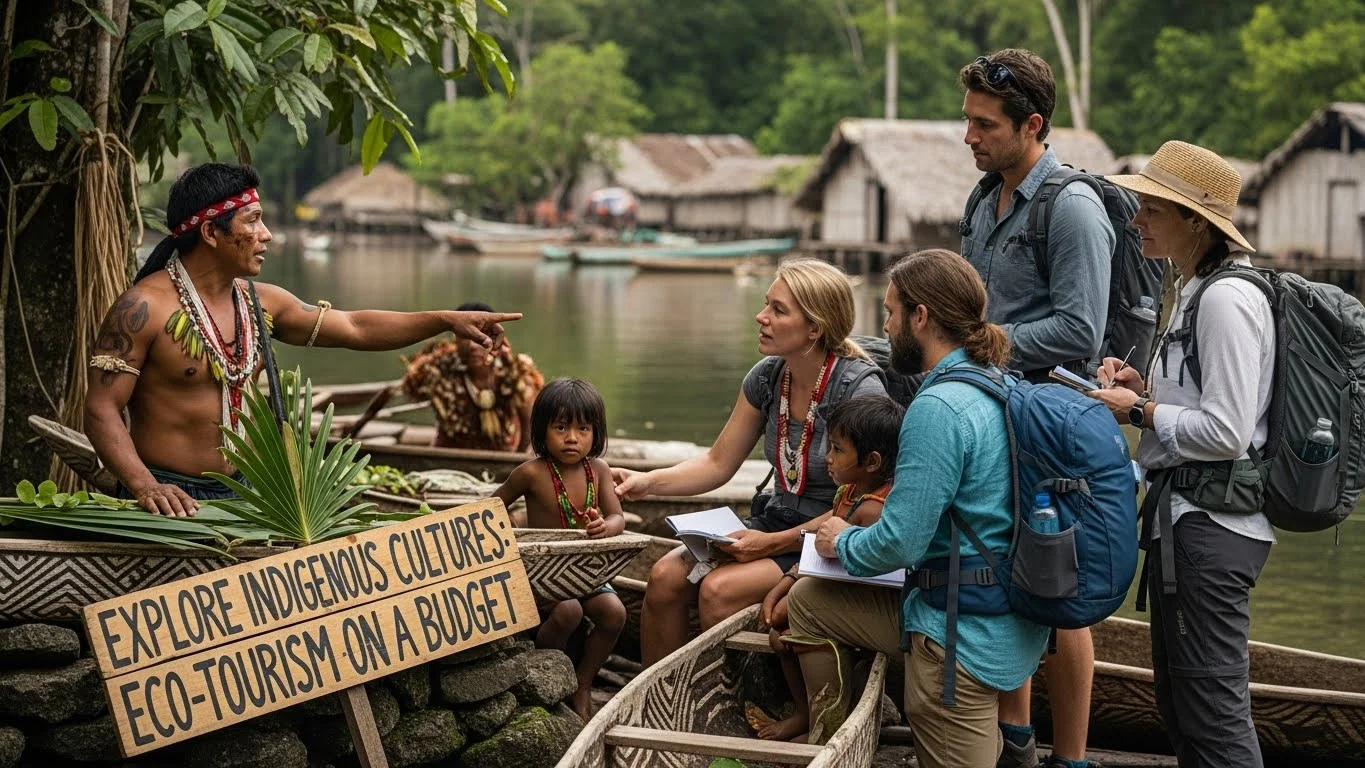
Exploring indigenous cultures through eco-tourism offers a unique window into the traditions and lifestyles of native communities while being kind to our planet. It’s not only affordable but also a rewarding adventure that connects us with nature and heritage. Eco-tourism plays a significant role in supporting wildlife conservation initiatives, making it a crucial aspect of modern travel.
Understanding Indigenous Cultures
Definition of Indigenous Cultures
Indigenous cultures are the unique social, cultural, and spiritual practices of the original inhabitants of a region. These cultures have been shaped by centuries of connection to their land, traditions, and languages. I’ve always been fascinated by how these communities maintain their identity and practices despite external influences. Each indigenous group has its own distinct culture, storytelling, art, and beliefs that are deeply rooted in their environment. This connection to land sustains them, offering a worldview that often emphasizes harmony with nature.
Importance of Preserving Indigenous Heritage
Preserving indigenous heritage is crucial not just for the communities themselves, but for humanity as a whole. I learned that indigenous peoples often hold ancient knowledge about sustainable living that can benefit our modern world. This knowledge includes everything from natural medicine to agricultural practices that promote biodiversity. When we support these cultures, we help protect their languages, traditions, and the ecosystems they depend on. I believe that by valuing and preserving this heritage, we can gain insights into alternative ways of living that honor both our planet and its diverse inhabitants. Supporting eco-tourism can be a significant way to aid in this preservation.
Common Misconceptions about Indigenous Peoples
As I started to explore indigenous cultures, I found that there are several misconceptions about these communities. One common myth is that all indigenous peoples are the same. In reality, there are hundreds of distinct groups worldwide, each with its own language, customs, and beliefs. Another misconception is that indigenous cultures are relics of the past, when in truth, they are dynamic and ever-evolving. Many indigenous communities actively engage with contemporary issues while maintaining their cultural identities. I have come to realize that understanding these nuances is essential in appreciating the richness of indigenous cultures and their contributions to our global society.
What is Eco-Tourism?
Definition and Key Principles of Eco-Tourism
Eco-tourism, in my experience, is about responsible travel to natural areas that conserves the environment and improves the welfare of local people. The key principles include minimizing impact, building environmental awareness, respecting local cultures, and supporting conservation efforts. I remember my first eco-tourism trip; it was refreshing to see how tourism could be done differently, with a focus on sustainability. Instead of just taking from the land, we learned how to give back and support the communities we visited.
Benefits of Eco-Tourism for Indigenous Communities
Eco-tourism can provide significant benefits to indigenous communities. Not only does it create jobs, but it also empowers these communities to manage their own resources and share their culture with visitors. I’ve seen firsthand how this can lead to improved infrastructure and services. For instance, when tourists visit, they often contribute to the local economy by purchasing crafts, foods, and services. This kind of engagement helps to sustain their traditions and allows community members to take pride in their heritage. It’s a win-win situation that fosters respect and understanding between cultures. Additionally, these initiatives help to protect wildlife and promote conservation efforts, making eco-tourism an essential part of the travel experience.
How Eco-Tourism Differs from Traditional Tourism
Traditional tourism often prioritizes profit over people and the environment, leading to over-commercialization and exploitation. In contrast, eco-tourism emphasizes sustainable practices and aims to benefit local communities. I’ve experienced both types of tourism, and the difference is stark. While traditional tourism felt rushed and impersonal, my eco-tourism trips were filled with meaningful interactions and deeper connections with the places I visited. I learned to appreciate the environment and the people who call it home, which made my travels far more fulfilling. Read Interesting article: Experience Eco-Tourism: Best Budget Nature Retreats Revealed
Budget-Friendly Eco-Tourism Destinations
North America
Indigenous-led Tours in Alaska
When I think about Alaska, my mind wanders to the stunning landscapes and rich indigenous cultures. There are several indigenous-led tours that offer an authentic experience while being budget-friendly. I remember joining a local guide from the Tlingit Nation who shared stories about his ancestors and their deep connection to the land. We explored the breathtaking fjords, learned about sustainable fishing practices, and even saw a traditional canoe being carved. It was an eye-opening experience that left me with a profound appreciation for the indigenous peoples of Alaska.
Native American Experiences in the Southwest
The Southwest region of the United States is home to diverse Native American tribes, each with its own unique heritage. I’ve enjoyed visiting places like the Navajo Nation, where I participated in traditional weaving workshops and explored the stunning landscapes of Monument Valley. These experiences are often reasonably priced and offer insights into the lives and traditions of the Navajo people. Supporting local artisans by purchasing handmade crafts not only gives me a special souvenir but also helps sustain their cultural practices.
South America
Amazon Rainforest Eco-Tours
Traveling to the Amazon is like stepping into another world. I remember my time in Peru, where I joined an eco-tour that focused on preserving the rainforest and learning from indigenous communities. We stayed in a lodge run by local tribes, and I was amazed by how they lived in harmony with the environment. The tours often include guided hikes, where we learned about medicinal plants and the importance of biodiversity. These experiences can be budget-friendly, especially if you book directly with local operators, cutting out middlemen.
Andean Community Visits in Peru
In the Andean region, I discovered the beauty of local communities that offer immersive eco-tourism experiences. I visited a cooperative where indigenous families showcase their agricultural practices, and we even participated in traditional farming methods. The warmth of the people and their commitment to their heritage made every moment special. Plus, the cost was quite reasonable, and the money goes directly to the families involved, which felt great knowing I was contributing to their livelihoods.
Australia and Oceania
Aboriginal Culture Tours in Australia
Australia is rich in Aboriginal culture, and I found several budget-friendly tours that were incredibly enlightening. One memorable experience was a guided walk through the Botanic Gardens led by an Aboriginal elder who shared his knowledge of bush tucker and traditional uses of plants. It was a delightful mix of nature and culture that I never expected. Many organizations offer affordable group rates or family discounts, so it’s worth looking into if you’re planning a trip down under.
Maori Cultural Experiences in New Zealand
In New Zealand, I was fortunate to partake in a Maori cultural encounter in Rotorua that was both budget-friendly and deeply enriching. The experience included traditional performances, storytelling, and even a hangi feast. I loved the sense of community and the emphasis on sharing their culture with visitors. These types of experiences are often quite affordable, especially when you book in advance or during off-peak seasons.
Africa
San Bushmen Experiences in Botswana
One of my most impactful experiences was visiting the San Bushmen in Botswana. I joined a budget eco-tour that allowed us to learn about their ancient way of life, including tracking animals and gathering edible plants. The pride they take in their traditions was inspiring. I appreciated that these tours are often small and intimate, allowing for genuine interactions with the community. It also felt rewarding to know that the fees went directly to the San people, helping to preserve their culture.
Maasai Mara Cultural Visits in Kenya
The Maasai Mara is another place where eco-tourism shines. I had the chance to visit a Maasai village, where I learned about their customs and daily life. This experience was very affordable, and it was heartwarming to see how the community welcomed us. We participated in traditional dances and even made beadwork alongside the women. The experience not only enriched my understanding of their culture but also supported the local economy.
Planning Your Eco-Tourism Trip
Frequently Asked Questions
What are indigenous cultures?
Indigenous cultures are the unique social, cultural, and spiritual practices of the original inhabitants of a region, shaped by centuries of connection to their land, traditions, and languages.
Why is preserving indigenous heritage important?
Preserving indigenous heritage is crucial for both the communities and humanity as it holds ancient knowledge about sustainable living, benefiting modern society in areas like natural medicine and biodiversity.
What are some common misconceptions about indigenous peoples?
One common misconception is that all indigenous peoples are the same, while in reality, there are hundreds of distinct groups with their own languages and customs. Another is that indigenous cultures are relics of the past, when they are actually dynamic and evolving.
What is eco-tourism?
Eco-tourism is responsible travel to natural areas that conserves the environment and improves the welfare of local people, focusing on minimizing impact, respecting local cultures, and supporting conservation efforts.
What benefits does eco-tourism provide to indigenous communities?
Eco-tourism creates jobs, empowers communities to manage their resources, and allows them to share their culture with visitors, leading to improved infrastructure and sustainable practices.
How does eco-tourism differ from traditional tourism?
Eco-tourism emphasizes sustainable practices and benefits local communities, while traditional tourism often prioritizes profit over people and the environment, leading to over-commercialization.
What are some budget-friendly eco-tourism destinations in North America?
In North America, budget-friendly eco-tourism options include indigenous-led tours in Alaska and Native American experiences in the Southwest, where visitors can engage with local cultures and traditions.
What eco-tourism experiences can be found in South America?
In South America, travelers can explore the Amazon rainforest through eco-tours that focus on sustainability and local indigenous communities, as well as participate in Andean community visits in Peru that showcase traditional agricultural practices.
What opportunities exist for eco-tourism in Australia and Oceania?
In Australia, budget-friendly Aboriginal culture tours offer insights into traditional practices, while in New Zealand, Maori cultural experiences provide enriching encounters with local customs and community engagement.
What eco-tourism experiences can tourists find in Africa?
In Africa, tourists can engage with the San Bushmen in Botswana through intimate eco-tours that showcase their traditional ways of life, and visit the Maasai Mara in Kenya for cultural visits that support local economies and provide meaningful connections.