
Italy is a dream destination for backpackers, offering stunning scenery, rich history, and delicious cuisine—all without breaking the bank. Join me as we explore how to experience Italy on a budget! Read Interesting article: Backpacking Italy: Essential Tips for Budget Travelers
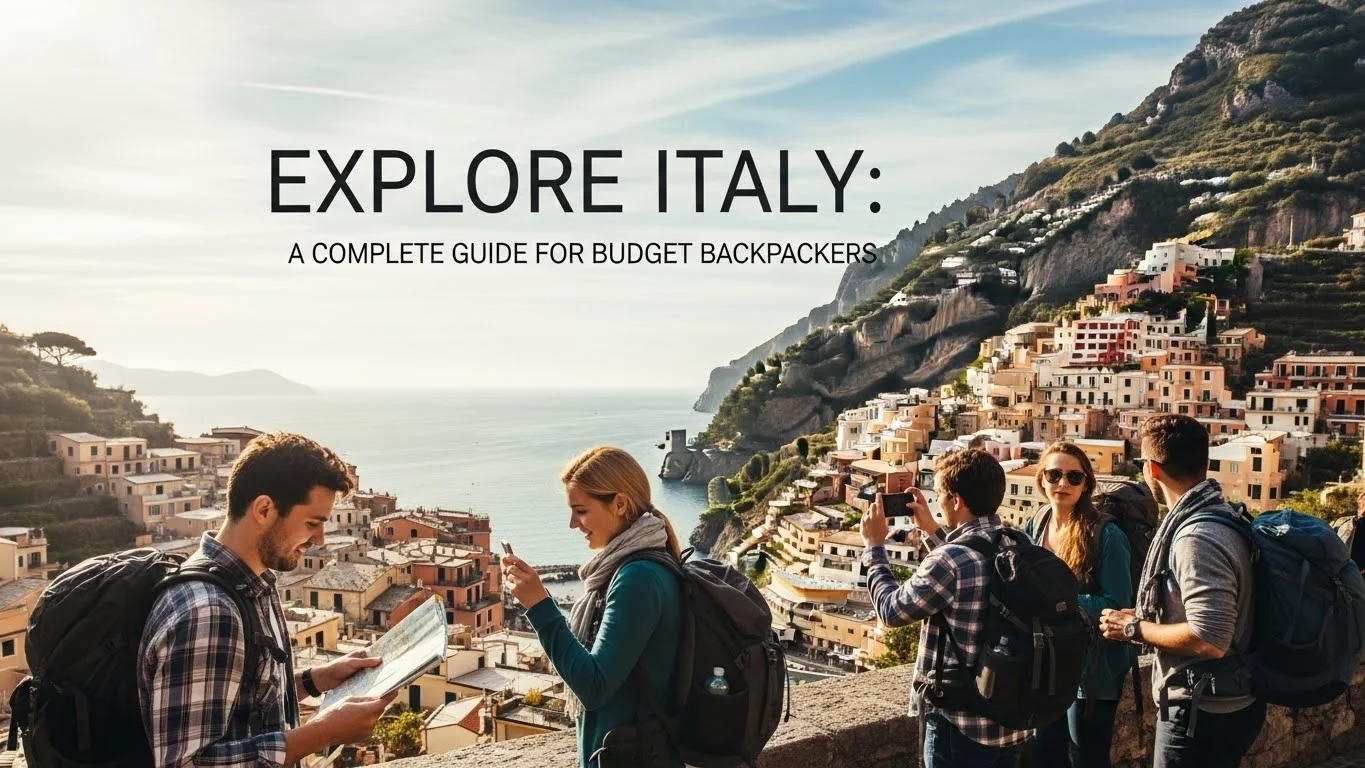
Overview of Backpacking in Italy
Why Choose Italy for Backpacking?
When I first thought about backpacking through Europe, Italy immediately topped my list. I felt drawn to its vibrant culture, diverse landscapes, and historical depths. From the bustling streets of Rome to the serene countryside of Tuscany, there’s something for every type of traveler. What truly sets Italy apart, in my opinion, is its ability to blend ancient traditions with modern life seamlessly. I remember wandering the cobblestone streets, savoring gelato, and discovering hidden gems that felt like they had been preserved through time.
Backpacking in Italy is not just about seeing famous landmarks. It’s about immersing yourself in a lifestyle where food is celebrated, art is cherished, and every corner has a story to tell. Italy’s rich history and diverse regions mean that each place offers a unique experience, making it perfect for backpackers who want to explore without the confines of a typical tourist route. Read Interesting article: Top 10 Budget-Friendly Destinations in Italy You Must Visit
Backpacking vs. Traditional Travel in Italy
Backpacking in Italy provides a different experience than traditional travel. When I traveled with a guided tour, I felt rushed, often missing out on the little details that make a trip memorable. Backpacking allowed me to take my time, soak in the atmosphere, and truly connect with locals. I learned that asking for recommendations led me to the best pizzerias and coffee shops, which I might have otherwise overlooked.
Traveling this way also means you can adjust your plans based on what you discover. If I found a street market or a local festival, I could change my itinerary on a whim. It’s this freedom that makes backpacking so appealing. I believe that embracing spontaneity can lead to some of the best travel stories!
When to Visit Italy
Best Seasons for Budget Travelers
Choosing the right time to visit Italy can significantly impact your budget. After traveling there in both the summer and spring, I can confidently say that the shoulder seasons—spring (April to June) and fall (September to October)—are ideal for budget backpackers. During these months, you’ll find fewer crowds, pleasant weather, and often better rates on accommodation and attractions.
I visited in September and found that the weather was still warm enough to enjoy outdoor activities without the summer heat. Plus, many accommodations offer discounts during the off-peak times, allowing for more savings!
Major Festivals and Events
If you enjoy local culture, consider timing your visit with one of Italy’s many festivals. Events like Venice Carnival or the Palio di Siena can be spectacular to witness, but they also attract large crowds and higher prices. I attended a smaller local festival in a town near Florence, which provided a genuine experience without the chaos. Participating in these local celebrations made me feel like I was a part of the community, and I recommend looking for such events during your travels.
Weather Considerations
Weather can also vary significantly across regions. I learned that the northern parts, like the Dolomites, can get cold and snowy during winter, while southern regions like Sicily enjoy milder temperatures. I found that bringing layers was essential, as temperatures could change throughout the day, especially in places like Rome, where the sun can be quite strong during the day, but evenings might be chilly.
Budget Travel Tips for Italy
How to Save on Accommodation
Finding budget accommodation is key for backpackers. I often used platforms like Hostelworld and Booking.com to find affordable hostels, which not only saved me money but also provided a chance to meet fellow travelers. Staying in dorms can be a fun way to connect and share stories. I’ve found that some hostels even offer free breakfasts or cooking classes, which are fantastic bonuses!
Affordable Transportation Options
Getting around Italy can be inexpensive if you plan wisely. I discovered that trains are often the best mode of transport between cities. The regional trains are not only affordable but also a great way to see the countryside. I also recommend booking train tickets in advance, as this can save you a substantial amount. For city travel, I often walked or used public transport options like buses and trams, which are much cheaper than taxis.
Money-Saving Tips on Food and Dining
Food is one of my favorite parts of traveling, and Italy did not disappoint! I learned that eating like a local can help you save money. I often opted for “trattorias” or small family-owned restaurants rather than touristy spots. Also, don’t shy away from street food! I had some of the best arancini and pizza from vendors that made eating on a budget a delicious affair. Remember, many Italians eat their main meal during lunch, so consider enjoying a hearty meal during that time when prices are typically lower.
Free or Low-Cost Attractions
Italy is filled with free or low-cost attractions. Many museums have free entry days, and I found that simply wandering through towns like Florence or Venice can be just as rewarding as visiting their famous sites. I spent hours just exploring local neighborhoods, soaking in the architecture and atmosphere. Parks and public squares are great for lounging and people-watching too. I recommend checking local tourism websites for free events happening during your visit! Read Interesting article: Discover Italy on a Budget: Ultimate Backpacker’s Guide
Where to Stay: Budget Accommodation Options
Hostels in Major Cities
When I think about budget accommodation in Italy, hostels immediately come to mind. They’re not just a place to sleep; they’re a hub of camaraderie and shared experiences. In cities like Rome, Florence, and Venice, I’ve found some fantastic hostels that offer not only affordable beds but also a vibrant atmosphere. Many of these hostels organize events like pub crawls or walking tours, making it easy to meet fellow travelers and share adventures.
For me, staying in hostels meant more than just saving money; it provided a chance to connect with people from all over the world. I remember one night in Florence where I joined a group of travelers for a rooftop barbecue hosted by the hostel. It was an unforgettable experience, filled with laughter, good food, and new friendships. I recommend looking for hostels that have good reviews on platforms like Hostelworld or Booking.com to ensure you have a great experience.
Couchsurfing and Homestays
If you’re looking for an even more immersive experience, consider Couchsurfing or homestays. This option not only saves money but also allows you to connect with locals in a way that traditional accommodations do not. I’ve had the pleasure of staying with hosts who shared their favorite local spots and even invited me to family dinners, which added a personal touch to my travels.
Couchsurfing can be a bit intimidating at first, but I found that most hosts are genuinely interested in sharing their culture and meeting new people. It’s essential to read reviews and profiles carefully to find the right match for your stay. I remember staying with a lovely family in Naples, who introduced me to homemade pasta and local traditions. That experience remains one of my fondest memories from my travels in Italy.
Camping and Alternative Lodging
For those who love the outdoors, camping can be a fantastic way to experience Italy’s natural beauty while staying on a budget. I camped near the Amalfi Coast one summer, and the views were absolutely breathtaking. There are many campsites around Italy, often located near beautiful beaches or scenic parks. They often provide basic amenities like showers and cooking facilities, making it a comfortable option for backpackers.
Additionally, alternative lodging options like guesthouses, agriturismos, or even small bed-and-breakfasts can be affordable. I found that agriturismos, which are working farms that offer lodging, provide not only a unique experience but also a taste of authentic Italian life. I stayed at one in Tuscany that served meals made from ingredients grown right on the property, which was an incredible experience. These types of accommodations often allow you to escape the tourist crowds and connect with the local way of life.
Top Destinations for Budget Backpackers
Rome: A Backpacker’s Paradise
Rome is often considered the heart of Italy, and for good reason. The city is a backpacker’s paradise filled with history, art, and culture. I was amazed at how many iconic sites I could explore for free, like the stunning Trevi Fountain and the expansive Roman Forum (which has free entry on the first Sunday of every month). Walking around the city, I felt like I was stepping back in time, surrounded by ancient ruins and beautiful architecture.
Public transport is also affordable, with metro and bus passes that allow easy access to various neighborhoods. Plus, I discovered that many neighborhoods, like Trastevere, are just as beautiful as the well-known attractions. Getting lost in those charming streets led me to some of the best food experiences, including local trattorias that offered hearty meals at reasonable prices.
Florence: Art and History on a Budget
Florence is a treasure trove of art and history, and I found that backpacking here was incredibly rewarding. The city is home to masterpieces from the Renaissance, and many museums offer discounted or free entry on certain days. I remember visiting the Uffizi Gallery during free admission hours and marveling at works by Michelangelo and Da Vinci without spending a dime!
The city is also small enough to explore on foot, which is my favorite way to discover hidden gems. I stumbled upon local artisan shops and quaint cafes that offered delicious pastries and coffee at a fraction of the price of touristy spots. One of my favorite memories is enjoying a gelato by the Ponte Vecchio, soaking in the atmosphere and watching the world go by.
Venice: Exploring the Canals Without Breaking the Bank
Venice is often seen as an expensive destination, but I learned that it’s possible to enjoy this magical city on a budget. Instead of splurging on gondola rides, I opted for walking along the canals and exploring the lesser-known neighborhoods, like Cannaregio and Dorsoduro. I found that wandering through the narrow streets led me to some truly enchanting sights, away from the crowded tourist areas.
I also discovered that there are several free walking tours available, which provide great insight into the city’s history without costing a penny. Plus, I recommend grabbing a sandwich or cicchetti (Venetian tapas) from a local bacaro instead of dining at a sit-down restaurant. It’s a tasty and affordable way to experience the local cuisine!
Naples: Affordable Eats and Cultural Riches
Naples is known for its vibrant street life and culinary delights, making it a fantastic stop for budget travelers. I was blown away by the incredible pizza—often touted as the best in the world—served at prices that made my wallet happy. Eating like a local is easy here; just grab a slice from a street vendor, and you’re set!
The city also provides a rich cultural experience with its historic sites, many of which are free to enter. I spent a day exploring the Naples National Archaeological Museum, which is filled with artifacts from Pompeii and Herculaneum, and I was amazed at the vast collection. Plus, the views from the hilltops overlooking the Bay of Naples are breathtaking and completely free!
Milano: Fashion and Finance for Less
While Milan is famous for being a fashion capital, it also has plenty to offer budget-conscious travelers. I found that many of the city’s museums and galleries have discounted entry fees, especially on certain days. The stunning Duomo di Milano is a must-see, and you can enjoy the view from the rooftop for a small fee.
In terms of food, I discovered that Milan has some great street food options, from panzerotti to gelato. I also recommend checking out local markets, where you can pick up fresh produce and ready-made meals at reasonable prices. The vibrant atmosphere of the Navigli district, with its canals and unique shops, is another highlight that I cherished without spending much.
Smaller Cities and Hidden Gems
Venturing beyond the major cities can lead to some of the best experiences. I remember discovering towns like Lucca and Matera, which offered stunning scenery, historical significance, and far fewer tourists. These smaller cities often have lower accommodation costs and authentic dining options. I found that I could indulge in local cuisine without worrying about inflated prices.
In my opinion, exploring Italy’s hidden gems can provide a richer and more personal experience. I encourage you to take the time to wander off the beaten path and discover the unique beauty that each region has to offer. Whether it’s a quaint village in the countryside or a coastal town with stunning views, there’s so much to see beyond the tourist hotspots.
Local Cuisine: Eating Well on a Budget
Street Food and Quick Bites
One of the best parts of my travels in Italy was discovering the incredible street food scene. Each region has its own specialties, and I found that trying these quick bites not only filled my stomach but also introduced me to authentic local flavors. For instance, in Naples, I indulged in a classic pizza slice from a street vendor, which was both delicious and affordable. I remember standing on the sidewalk, savoring the gooey mozzarella and fresh basil while soaking in the lively atmosphere around me.
In Rome, you can’t miss out on “supplì,” which are fried rice balls filled with mozzarella. They were a satisfying snack on the go! I also found that many cities have open-air markets where you can grab fresh produce, cheeses, and meats for a picnic. It’s a wonderful way to enjoy a meal while soaking in the sights and sounds of the local culture.
Budget-Friendly Restaurants
While street food is fantastic, sitting down at a local restaurant can be just as rewarding and budget-friendly. I learned to look for places that were bustling with locals, as that usually meant the food was both authentic and reasonably priced. I remember one evening in Florence, where I stumbled upon a small trattoria filled with locals enjoying their meals. I decided to give it a try, and I was rewarded with a simple yet flavorful pasta dish that quickly became one of my favorites.
Many of these family-run establishments offer “menu del giorno” (menu of the day), which is often a great deal for a full meal. I also found that eating “alla carta” (from the menu) rather than opting for tourist-centric set menus could save me a good chunk of change. Don’t hesitate to ask locals for their recommendations; it’s one of the best ways to discover hidden culinary gems!
Grocery Shopping Tips
If you really want to stretch your budget, grocery shopping is a fantastic option. I often visited local markets or supermarkets to pick up fresh ingredients for meals. This not only saved me money but also became a fun part of my experience. I enjoyed venturing into different markets, trying to learn a few Italian phrases to communicate with the vendors. One of my fondest memories was buying fresh tomatoes and basil to make a simple caprese salad in a hostel kitchen.
Look for grocery stores that have ready-made meals, which can be both delicious and affordable. In many cities, you can find pre-packaged pasta dishes, salads, or even pizzas that won’t break the bank. Plus, it’s a nice change of pace to prepare your own meals occasionally, especially if you’re traveling for an extended period.
Must-Try Dishes for Backpackers
There are so many iconic dishes to try while in Italy, and as a backpacker, I found that sampling local cuisine was an essential part of my journey. Here are a few must-try dishes that won’t hurt your wallet:
- Pizza Napoletana: This classic Neapolitan pizza, with its thin crust and fresh ingredients, is a must. You can find slices at reasonable prices all around Naples.
- Pasta Cacio e Pepe: Simple yet delicious, this Roman dish made with just cheese and pepper is a budget-friendly option found in many trattorias.
- Arancini: These fried rice balls are popular in Sicily and can often be found at street vendors or local eateries.
- Frittata: An Italian-style omelet that can be found in many cafes, perfect for breakfast or a light lunch.
- Gelato: I can’t talk about budget eating in Italy without mentioning gelato! Treat yourself to this creamy delight, and don’t forget to sample local flavors.
For me, discovering Italy through its food has been one of the most rewarding experiences of my travels. Eating well doesn’t have to be expensive, and with a little exploration and curiosity, you can enjoy the best the country has to offer without straining your budget. I encourage you to dive into the local cuisine and embrace the flavors of Italy!
Frequently Asked Questions
1. Why is Italy considered a great destination for backpackers?
Italy offers stunning scenery, rich history, and delicious cuisine, making it perfect for backpackers. It allows travelers to immerse themselves in a vibrant culture where food and art are celebrated, and every corner has a story to tell.
2. What are the best seasons for budget travelers to visit Italy?
The shoulder seasons of spring (April to June) and fall (September to October) are ideal for budget backpackers, as these months feature fewer crowds, pleasant weather, and often better rates on accommodations and attractions.
3. How can I save on accommodation while backpacking in Italy?
Backpackers can save on accommodation by using platforms like Hostelworld and Booking.com to find affordable hostels. Staying in dorms can also provide opportunities to meet fellow travelers, and some hostels offer free breakfasts or cooking classes.
4. What are some affordable transportation options in Italy?
Trains are often the best mode of transport between cities, as they are affordable and provide a scenic view of the countryside. Booking train tickets in advance can save money, and walking or using public transport within cities is cheaper than taxis.
5. How can I eat well on a budget in Italy?
Eating like a local at trattorias or opting for street food can help you save money. Many locals eat their main meal during lunch, which is typically cheaper, and exploring local markets for fresh produce is also a great way to enjoy affordable meals.
6. What are some must-try dishes for backpackers in Italy?
Must-try dishes include Pizza Napoletana, Pasta Cacio e Pepe, Arancini, Frittata, and Gelato. These iconic dishes are not only delicious but also budget-friendly options available throughout Italy.
7. What are some tips for finding free or low-cost attractions in Italy?
Many museums have free entry days, and simply wandering through towns can be rewarding. Parks and public squares are great for lounging and people-watching, and checking local tourism websites for free events can enhance your experience.
8. What are some budget accommodation options besides hostels?
In addition to hostels, budget accommodation options include Couchsurfing, homestays, camping, and alternative lodging like guesthouses or agriturismos, which offer unique experiences and are often affordable.
9. How can I enjoy Venice without breaking the bank?
Instead of splurging on gondola rides, walk along the canals and explore lesser-known neighborhoods. Free walking tours are available, and grabbing a sandwich or cicchetti from a local bacaro is a tasty and affordable way to experience the local cuisine.
10. What are some hidden gems in Italy worth exploring?
Smaller cities like Lucca and Matera offer stunning scenery and historical significance with fewer tourists. Exploring these hidden gems can provide a richer experience and lower accommodation costs, allowing you to indulge in local cuisine without inflated prices.