
Nature has an incredible way of captivating us, and eco-tourism allows us to explore its wonders while protecting the environment. If you’re a backpacker seeking adventure and sustainability, you’re in for a treat! Read Interesting article: Top 5 Eco-Tourism Experiences for Wildlife Lovers
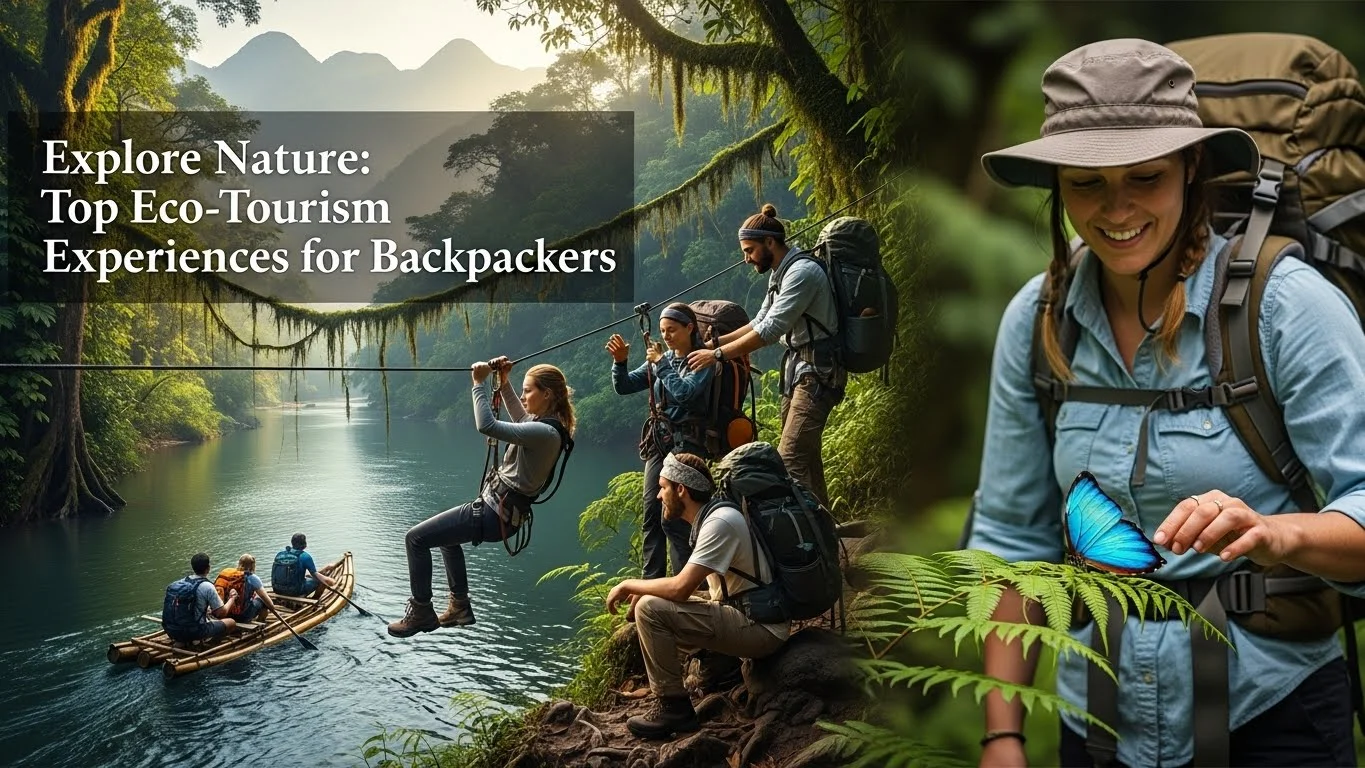
Understanding Eco-Tourism
Definition of Eco-Tourism
When I first heard the term “eco-tourism,” I was curious about what it really meant. Eco-tourism refers to responsible travel to natural areas that conserves the environment and improves the well-being of local people. It’s not just about enjoying nature; it’s about respecting it. I remember my first eco-trip in Costa Rica, where the focus was on sustainability and learning about the local ecosystem. It was eye-opening to see how tourism can be done differently—without harming the places we love to visit.
The Importance of Sustainable Travel
Sustainable travel is something I’ve become increasingly passionate about. I believe it’s crucial for future generations to experience the beauty of our planet. The importance of sustainable travel lies in its ability to minimize our ecological footprint while supporting the communities we visit. I’ve seen firsthand how local economies thrive when travelers choose eco-friendly practices, like staying at green lodges or participating in conservation efforts. It fosters a sense of connection between visitors and the environment, encouraging us to take care of it. Many travelers are now looking into how carbon offsetting programs are changing eco-tourism as a way to enhance their impact.
Benefits of Eco-Tourism for Backpackers
For backpackers like us, eco-tourism offers a unique blend of adventure and education. I’ve found that these experiences often lead to deeper connections with nature and local cultures. When I went backpacking through the Amazon, I didn’t just hike through the rainforest; I learned about the delicate balance of the ecosystem and the importance of preservation. The benefits of eco-tourism for backpackers include:
- Authentic Experiences: Engaging with local communities allowed me to learn their traditions and understand their challenges. It was enriching to share meals and stories with them.
- Personal Growth: Traveling sustainably pushed me out of my comfort zone. I learned new skills, like how to navigate without GPS and use local resources responsibly.
- Community Impact: Knowing that my travel choices positively affected the local economy made my trips feel more meaningful. I felt like I was giving back rather than just taking from the environment.
- Wildlife Conservation: Many eco-tourism experiences include opportunities to support wildlife conservation. I participated in a turtle rescue project in Mexico, which was a fantastic way to contribute to protecting endangered species.
Top Eco-Tourism Destinations for Backpackers
Amazon Rainforest, South America
The Amazon Rainforest is a paradise for eco-enthusiasts. I visited a lodge deep in the jungle, surrounded by lush greenery and the sounds of exotic wildlife. Exploring the Amazon taught me about biodiversity, and I had the chance to see creatures I had only read about. Guided tours focused on conservation and education, which made each hike feel purposeful. I felt like I was part of something bigger, contributing to the preservation of this vital ecosystem.
Patagonia, Chile and Argentina
Patagonia is often at the top of many backpackers’ lists, and for a good reason! The stunning landscapes of mountains, glaciers, and lakes are breathtaking. Hiking in Torres del Paine National Park allowed me to witness diverse wildlife and dramatic scenery. I was struck by the area’s commitment to conservation, with several initiatives aimed at preserving its natural beauty. Whether you’re trekking the W circuit or exploring the less-traveled routes, Patagonia offers unforgettable eco-adventures.
Galápagos Islands, Ecuador
The Galápagos Islands are a living laboratory of evolution, and visiting them was one of my all-time favorite trips. I remember snorkeling with sea lions and observing giant tortoises in their natural habitat. The local guides were incredibly knowledgeable about conservation efforts and the delicate balance of life within the islands. The experience encouraged me to reflect on how our actions impact nature and wildlife, making it a true eco-tourism gem.
Banff National Park, Canada
Banff National Park is a breathtaking destination for eco-tourists. The turquoise lakes and majestic mountains create a perfect backdrop for outdoor activities. I spent several days hiking through trails that emphasized Leave No Trace principles, which deepened my appreciation for nature. The local conservation programs are impressive, and I learned a lot about the efforts to protect the park’s unique ecosystems. Plus, the chance to spot wildlife like elk and bears made every hike an exhilarating experience!
New Zealand’s South Island
New Zealand’s South Island is a must-visit for any eco-conscious backpacker. I was amazed by the variety of landscapes, from fjords to mountains, all while prioritizing sustainability. I took part in eco-friendly tours that showcased the importance of preserving natural sites while also supporting local communities. The stunning scenery, coupled with practices aimed at protecting the environment, made my time there memorable. It’s a place that truly embodies the spirit of eco-tourism. Additionally, I learned about unlocking eco-tourism potential through carbon offsetting strategies that can enhance the sustainability of travel.
Unique Eco-Tourism Experiences
Wildlife Watching
One of the most thrilling aspects of eco-tourism is wildlife watching. There’s something magical about observing animals in their natural habitat. I’ve had some unforgettable moments, like watching a family of elephants in Thailand or spotting a majestic whale breach the surface in Alaska. These experiences remind us of the beauty and fragility of wildlife, and I believe they can inspire us to advocate for their protection.
Best Locations for Wildlife Tours
When choosing a destination for wildlife watching, I always look for places with rich biodiversity and conservation efforts. Here are a few of my favorite spots where I’ve experienced incredible wildlife encounters:
- Serengeti National Park, Tanzania: The Great Migration brings millions of wildebeests and zebras across the plains, creating an awe-inspiring spectacle.
- Yellowstone National Park, USA: Home to bison, elk, and grizzly bears, Yellowstone offers countless opportunities for wildlife viewing in a stunning landscape.
- Kruger National Park, South Africa: This park is renowned for its “Big Five” and offers guided safaris that prioritize conservation and responsible viewing.
- Monterey Bay, California: The coastal waters are perfect for spotting sea otters, dolphins, and migrating gray whales.
Responsible Wildlife Viewing Practices
From my experience, it’s essential to practice responsible wildlife viewing. Keeping a respectful distance is crucial; I’ve learned that getting too close can stress animals and disrupt their natural behavior. Using binoculars or a zoom lens can help us observe without intruding. Additionally, I always research local guidelines and follow the advice of my guides. They often have valuable insights on how to minimize our impact while still enjoying these incredible experiences.
Volunteering Opportunities
Volunteering during eco-travel has been one of the most rewarding aspects of my adventures. It allows me to give back to the communities and environments I love. I’ve participated in various projects, from coral reef restoration in Honduras to helping with wildlife rehabilitation in South Africa. Each experience deepened my connection to the local culture and environment.
Conservation Projects in Popular Destinations
There are numerous conservation projects that cater to volunteers. Here are a few I found particularly impactful:
- Sea Turtle Conservation in Costa Rica: I worked with a local team to protect nesting sites and educate visitors on the importance of sea turtle conservation.
- Wildlife Rehabilitation in Australia: After the bushfires, I volunteered at a sanctuary, caring for injured wildlife and helping to restore their habitats.
- Reforestation Projects in Madagascar: Planting trees and learning about sustainable agriculture allowed me to contribute to restoring vital ecosystems.
How to Get Involved
If you’re interested in volunteering, I recommend researching organizations that align with your values and interests. Websites like Volunteer Abroad or Workaway offer various projects worldwide. I found that reaching out directly to local NGOs can also yield unique opportunities that aren’t widely advertised.
Guided Nature Walks and Hikes
One of my favorite ways to immerse myself in nature is through guided walks and hikes. Local guides have a wealth of knowledge about the area’s flora and fauna, and their passion for conservation is contagious. I remember hiking with a guide in the Andes who shared stories about the indigenous plants and their uses, making the experience not only educational but also deeply personal.
Top Trails for Eco-Conscious Backpackers
Choosing trails that emphasize sustainability can enhance our eco-tourism experience. Here are some trails I recommend:
- The Inca Trail, Peru: This iconic trek isn’t just about breathtaking views; it also focuses on preserving the historical route while educating hikers about its cultural significance.
- Camino de Santiago, Spain: A pilgrimage route that promotes eco-friendly practices and supports local communities along the way.
- Appalachian Trail, USA: With numerous conservation initiatives, hiking this trail is a great way to connect with nature while supporting its preservation.
Finding Local Guides
To find local guides, I often check travel forums or platforms like Viator and GetYourGuide. I also ask for recommendations from fellow travelers. Having a guide who is passionate about their region can transform a simple hike into a profound journey of discovery.
Cultural Immersion and Community-Based Tourism
One of the most enriching aspects of eco-tourism is the opportunity for cultural immersion. Engaging with local communities provides a deeper understanding of their traditions, challenges, and lifestyle. I’ve enjoyed participating in traditional cooking classes where I learned not just about local dishes but also the stories behind them.
Engaging with Local Communities
When traveling, I try to seek out experiences that allow me to interact with locals. Staying in homestays or participating in community events has led to some of my most cherished memories. I’ve danced with locals during festivals in India and learned about sustainable farming practices in rural Thailand. These interactions foster mutual respect and understanding, making our travels more meaningful.
Supporting Local Economies
It’s important to think about how our travel choices can support local economies. I always aim to shop at local markets, eat at family-owned restaurants, and hire local guides. Knowing that my spending contributes directly to the community enhances my travels and helps preserve the culture and environment I admire.
Planning Your Eco-Tourism Adventure
When to Visit: Optimal Seasons for Eco-Tourism
Timing can make a huge difference in your eco-tourism experience. I’ve learned that visiting during the right season not only enhances your adventure but also positively impacts the environment. For instance, I remember planning my trip to the Amazon during the dry season; it made wildlife spotting much easier. Each destination has its own best time to visit based on weather patterns, wildlife activity, and local events. Here are a few tips I’ve gathered over the years:
- Research Climate Patterns: Understanding the climate of your destination can save you from unexpected weather challenges. For example, Patagonia is best visited from October to April when the weather is milder.
- Consider Wildlife Seasons: Some places have specific times for animal migrations and nesting. I was lucky enough to witness baby turtles hatching in Costa Rica during the right season, which was a truly magical experience.
- Avoid Peak Tourist Seasons: Traveling during off-peak times can lead to more authentic experiences with fewer crowds. I found that visiting the Galápagos in late spring provided a quieter, more intimate experience with nature.
How to Choose Eco-Friendly Accommodations
Finding a place to stay that aligns with eco-friendly principles can enhance your adventure. I always look for accommodations that prioritize sustainability and give back to the local community. Here are some tips I’ve gathered for choosing eco-friendly places:
Types of Eco-Lodges and Hostels
There’s a growing number of eco-lodges and hostels that cater to eco-conscious travelers. I’ve stayed in several that made my trips even more memorable:
- Eco-Lodges: These are often built using sustainable materials and practices. I remember staying at a lodge in Costa Rica that utilized solar energy and composting toilets, which felt like a perfect blend of comfort and responsibility.
- Community-Based Accommodations: Staying in homestays or community-run lodges allows travelers to directly support local families. I cherished my time living with a family in rural Thailand, learning their customs while enjoying home-cooked meals.
- Green Hostels: Many hostels now focus on sustainability, offering shared facilities and promoting eco-friendly practices. I found that these places not only provide budget-friendly accommodation but also foster a sense of community among travelers.
Certifications to Look For
It’s essential to verify that your chosen accommodation genuinely follows sustainable practices. Here are some certifications I recommend looking for:
- LEED Certification: This indicates the building meets strict energy and environmental design standards.
- Green Globe: This certification focuses on sustainable tourism and is awarded to properties that demonstrate a commitment to environmental practices.
- EarthCheck: A certification that evaluates the environmental impact of tourism operations and promotes sustainable practices.
Essential Packing List for Eco-Conscious Backpackers
Packing wisely is key to having a sustainable travel experience. Over the years, I’ve learned to pack with the environment in mind. Below are my essentials that help minimize my impact while maximizing my adventure:
Eco-Friendly Gear and Supplies
Choosing eco-friendly gear not only benefits the environment but can also enhance your experience. Here’s what I typically pack:
- Reusable Water Bottle: I never leave home without my stainless steel water bottle. It keeps my drinks cool and helps reduce plastic waste.
- Biodegradable Toiletries: I always opt for biodegradable soaps and shampoos. They’re gentle on the environment and often safer for local ecosystems.
- Organic Cotton or Bamboo Clothing: These materials are more sustainable than traditional fabrics. I’ve found that they’re often more breathable and comfortable on long hikes too.
Leave No Trace Principles
Practicing Leave No Trace principles has become second nature for me. It’s all about minimizing our impact on the environment while we enjoy it. Here’s what I’ve learned to keep in mind:
- Plan Ahead: I always research the areas I’ll visit to understand the local guidelines and regulations.
- Stay on Designated Trails: This helps protect native plants and landscapes. I’ve seen how foot traffic can erode trails and damage fragile ecosystems.
- Pack Out What You Pack In: This is a mantra I take seriously; I always carry out any trash, even if it’s not mine.
Budgeting for Your Eco-Tourism Trip
Average Costs for Eco-Tourism Experiences
Understanding the costs associated with eco-tourism is crucial for planning. I’ve discovered that while some eco-friendly experiences may seem more expensive upfront, they often provide immense value and support local economies. Here are some insights into what to expect:
- Accommodations: Eco-lodges and community stays can range from budget-friendly to luxury, depending on the location. I found that staying with locals often provided the most authentic experiences at lower costs.
- Activities: Engaging in guided tours or volunteering may have a fee, but they contribute to conservation efforts. I’ve paid for wildlife tours that directly support the protection of species.
- Transportation: Consider using public transport or biking instead of renting cars, which can be both eco-friendly and cost-effective.
Tips for Saving Money While Traveling Sustainably
Traveling sustainably doesn’t have to break the bank. Here are some strategies I’ve used to save money while still making eco-friendly choices:
- Travel Off-Peak: As mentioned earlier, traveling during off-peak times can lead to lower prices and fewer crowds.
- Seek Local Experiences: Participate in free community events or explore local markets where you can find affordable food and crafts.
- Volunteer Programs: Some programs offer free or low-cost accommodations in exchange for work, which I’ve found to be an incredible way to save money while giving back.
Grant and Scholarship Opportunities for Eco-Volunteers
Many organizations offer grants or scholarships to help cover the costs of eco-volunteering. I’ve found that researching these opportunities can provide significant financial relief. Websites like EcoVolunteer and Volunteer HQ often list available funding options, making it easier for travelers to participate in meaningful projects without the financial burden.
Frequently Asked Questions
What is eco-tourism?
Eco-tourism refers to responsible travel to natural areas that conserves the environment and improves the well-being of local people. It emphasizes respecting nature and learning about local ecosystems.
Why is sustainable travel important?
Sustainable travel is crucial for minimizing our ecological footprint while supporting the communities we visit. It allows future generations to experience the beauty of our planet while fostering a connection between visitors and the environment.
What are the benefits of eco-tourism for backpackers?
Eco-tourism offers backpackers authentic experiences, personal growth, community impact, and opportunities for wildlife conservation. It allows for deeper connections with nature and local cultures.
What are some top eco-tourism destinations for backpackers?
Some top eco-tourism destinations include the Amazon Rainforest in South America, Patagonia in Chile and Argentina, the Galápagos Islands in Ecuador, Banff National Park in Canada, and New Zealand’s South Island.
How can I participate in wildlife conservation during eco-tourism?
You can participate in wildlife conservation through eco-tourism experiences that offer opportunities to support conservation efforts, such as turtle rescue projects or wildlife rehabilitation initiatives.
What are some unique eco-tourism experiences?
Unique eco-tourism experiences include wildlife watching, guided nature walks, volunteering opportunities, and cultural immersion with local communities.
How can I find local guides for eco-tourism activities?
You can find local guides by checking travel forums, using platforms like Viator and GetYourGuide, or asking for recommendations from fellow travelers.
What should I consider when choosing eco-friendly accommodations?
When choosing eco-friendly accommodations, look for eco-lodges, community-based accommodations, and green hostels that prioritize sustainability and support local communities. Certifications like LEED and Green Globe can also indicate genuine sustainable practices.
What are some essential packing items for eco-conscious backpackers?
Essential packing items for eco-conscious backpackers include a reusable water bottle, biodegradable toiletries, and clothing made from organic cotton or bamboo to minimize environmental impact.
How can I budget for my eco-tourism trip?
To budget for your eco-tourism trip, consider the costs of accommodations, activities, and transportation. Traveling off-peak, seeking local experiences, and participating in volunteer programs can help reduce expenses.