
Christian pilgrimages offer a profound journey, connecting faith and adventure. Whether seeking spiritual growth or cultural exploration, these sacred routes can be both meaningful and affordable. Top 5 Christian Pilgrimages for Budget Backpackers provide great insights into how to embark on these journeys without overspending.
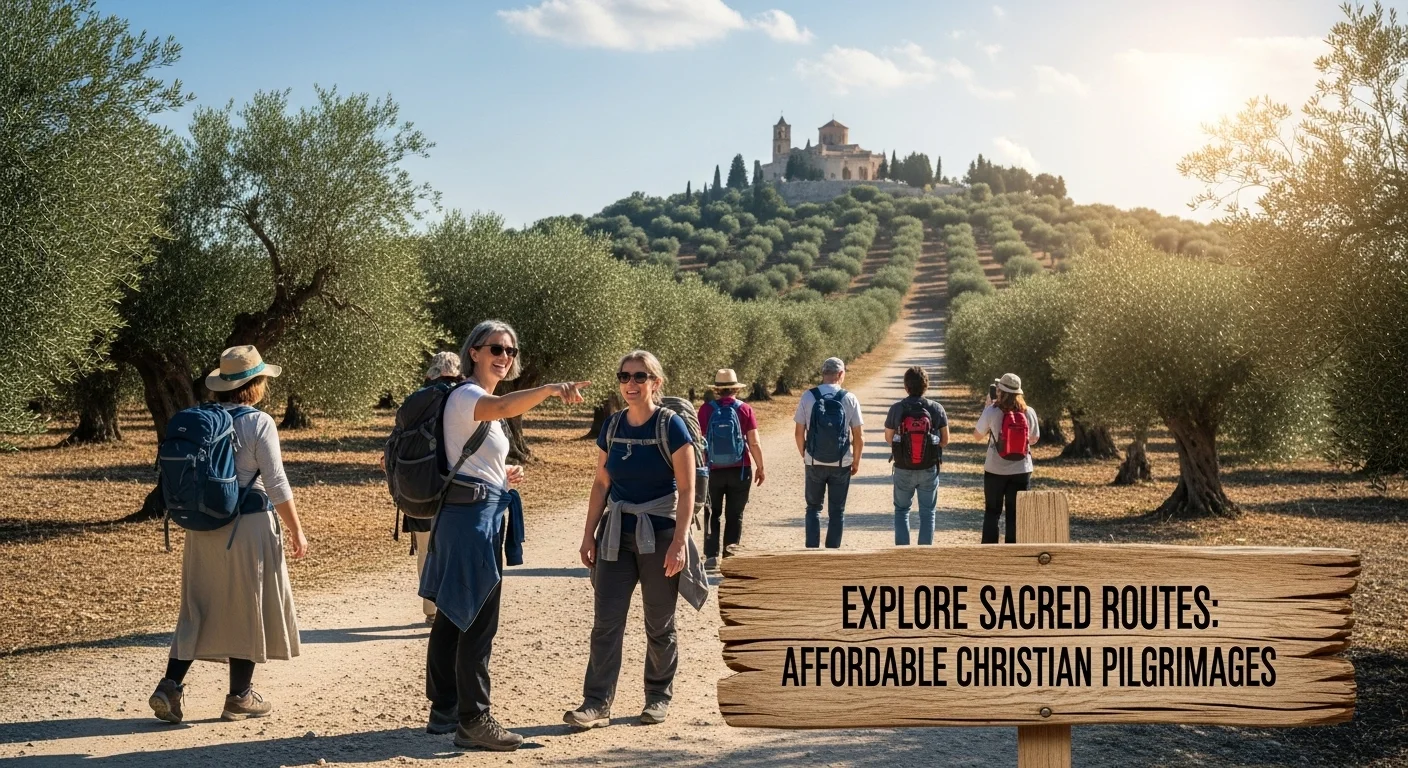
Overview of Christian Pilgrimages
Definition and Purpose of Pilgrimages
For me, a pilgrimage is more than just a trip; it’s a deeply personal journey that combines travel with spiritual reflection. Pilgrimages have historically been undertaken for various reasons: to seek healing, deepen one’s faith, or fulfill a religious obligation. The purpose can vary greatly from individual to individual, and I believe that each person’s journey is uniquely meaningful. Many people set out to find peace, connect with God, or simply step away from their daily routines to reflect on their lives. In essence, it’s about searching for something greater than ourselves.
Historical Significance of Christian Pilgrimages
When I look back on the history of Christian pilgrimages, I see a rich tapestry woven with stories of devotion and courage. The tradition can be traced back to the early days of Christianity, with pilgrims traveling to significant sites like Jerusalem, Rome, and Santiago de Compostela. These journeys were often fraught with challenges, yet they symbolized a deep commitment to faith. I remember reading about how early pilgrims faced dangers from bandits or harsh weather, yet their resolve was unwavering. This historical significance is a reminder of how faith can guide us through difficulties, a lesson that resonates even today.
Modern Trends in Pilgrimage Travel
In recent years, I’ve noticed a shift in how people approach pilgrimages. They are no longer just reserved for the devout; many travelers now embrace the journey for its cultural and personal growth aspects. Modern pilgrims often seek out experiences that blend spirituality with adventure, like hiking the Camino de Santiago or walking the Via Francigena. Social media plays a role too, as I’ve seen many share their experiences online, inspiring others to embark on their own journeys. I believe this trend has helped make pilgrimages more accessible and appealing to a broader audience. Nowadays, it’s not uncommon to see groups of friends or families choosing to walk these routes together, creating shared memories and deepening their bonds along the way. Cultural Immersion on a Budget: Top Community Tours can also enhance the experience.
Popular Christian Pilgrimage Routes
The Camino de Santiago
The Camino de Santiago, or the Way of St. James, is one of the most famous pilgrimage routes in the world. I remember the first time I heard about it; the stories of countless pilgrims walking across Spain really struck a chord with me. The journey can take various paths, but they all lead to the Cathedral of Santiago de Compostela, where it’s believed the remains of St. James are buried. What I find most fascinating is the community that develops along the route. Travelers from all backgrounds come together, sharing stories and experiences. I believe this sense of camaraderie adds another layer of richness to the journey.
The Via Francigena
Another route I find intriguing is the Via Francigena, which stretches from Canterbury in England to Rome. I’ve always loved the idea of connecting two significant religious centers. This route offers a blend of stunning landscapes, historical sites, and delicious food. Walking through Tuscany, for example, is a feast for the senses. I think that the diversity of experiences along the Via Francigena makes it a unique pilgrimage. It’s not just about the destination; it’s about the journey and what you encounter along the way.
The Holy Land Trails
Walking the Holy Land Trails is a profound experience that many choose for their pilgrimage. For me, the thought of walking in the footsteps of Christ is incredibly moving. This pilgrimage offers a unique opportunity to visit significant biblical sites like Jerusalem, Bethlehem, and Galilee. Each step taken in this sacred land feels like a connection to biblical history. The emotional weight of such a journey cannot be overstated. It’s a place where faith and history intersect, allowing pilgrims to reflect on their beliefs in a deeply impactful way.
The Way of St. Francis
The Way of St. Francis is another route that resonates with me. This pilgrimage runs through Italy, following the path of St. Francis of Assisi. The scenery is breathtaking, with lush hills and charming villages dotting the landscape. I find it inspiring to think about how St. Francis embraced simplicity and nature. Walking this route offers a chance to reflect on those values and perhaps rediscover what truly matters in life. It’s a journey of both physical and spiritual renewal, which I believe many people are seeking today.
The Canterbury Trail
The Canterbury Trail, rooted in the famous pilgrimage to Canterbury Cathedral, has always captured my imagination. It’s a route that not only offers spiritual enrichment but also a glimpse into medieval history. I love how this trek allows pilgrims to engage with both history and faith simultaneously. The journey to Canterbury is filled with beautiful countryside and interesting towns, making it a wonderful experience for anyone looking to combine their love of walking with a sense of purpose.
Affordability in Pilgrimage Travel
Budgeting for Your Pilgrimage
When I started planning my pilgrimage, one of my biggest concerns was the cost. I quickly realized that with some careful budgeting, I could embark on this journey without breaking the bank. I recommend starting with a clear budget that outlines all potential expenses, including travel, accommodation, food, and any entrance fees for sites you want to visit. I found it helpful to break down the costs into daily spending, which made it feel more manageable. Setting priorities also played a crucial role; I decided early on what experiences were most important to me, allowing me to allocate funds accordingly. For instance, I chose to spend a little more on local experiences and less on luxury accommodations, which turned out to enrich my journey in unexpected ways.
Cost-Effective Accommodation Options
Accommodation can significantly impact your overall pilgrimage budget. Personally, I sought out hostels, guesthouses, and even local monasteries along my route, which not only saved money but also added a unique flavor to my experience. Many hostels offer shared rooms, making it easy to meet fellow pilgrims, and some even provide communal kitchens where you can prepare your meals. I remember staying in a quaint guesthouse run by a lovely family who shared stories and local insights over breakfast. Additionally, depending on the route, there are often opportunities to camp or find pilgrim-specific lodgings that cater to budget travelers. This way, you can focus more on the journey and less on your wallet.
Affordable Transportation Choices
Getting to and from your pilgrimage route can also add to your expenses, but there are plenty of affordable options. When planning my trips, I found that buses and trains often offered the best deals. I like to book tickets in advance whenever possible, as this can save a good amount of money. For instance, taking a local bus to the starting point of my pilgrimage not only cut costs but also allowed me to interact with locals, enhancing my travel experience. Plus, many routes have convenient public transportation that can get you to scenic spots along the way without the need for a car. If you’re feeling adventurous, consider bike rentals or walking as part of the journey; after all, it’s all about embracing the experience!
Meals on a Budget
Food is one of life’s great pleasures, but it doesn’t have to be expensive. I learned that sampling local cuisine can be done affordably if you know where to look. Markets and street vendors often serve delicious, authentic meals at a fraction of the cost of sit-down restaurants. I remember discovering a small market in a quaint town along my route, where I indulged in fresh bread, local cheese, and fruits — all at incredibly reasonable prices. Plus, many towns feature “pilgrim menus” at local eateries that offer hearty meals at a fixed price, making it easy to plan for dining costs. I also suggest packing some snacks like nuts or energy bars for those long walking days; it’s a good way to keep your energy up without spending a lot.
Planning Your Pilgrimage
Choosing the Right Route for You
Choosing the right pilgrimage route can be exciting yet daunting, especially with so many options available. From my experience, it helps to reflect on what you’re hoping to achieve through your journey. Are you seeking solitude, community, or perhaps a scenic adventure? I’ve found that aligning your personal goals with a route can lead to a more fulfilling experience. For example, if you enjoy nature and solitude, the Way of St. Francis might resonate with you. But if you’re looking for camaraderie and shared stories, the Camino de Santiago is an excellent choice. I encourage you to research each route thoroughly, consider the terrain, the duration, and the cultural experiences that await you.
Timing Your Pilgrimage: Best Seasons to Visit
The timing of your pilgrimage can greatly influence your experience. I’ve encountered pilgrims during various seasons, and I can say that each has its pros and cons. Spring and early fall are often ideal, with mild weather and fewer crowds. I’ve walked during the fall, and the changing leaves added a beautiful backdrop to my journey. However, summer can be hot and crowded, especially on popular routes like the Camino. Take into account local festivals or events that might enrich your experience; I once stumbled upon a local harvest festival while on the Via Francigena, which created lasting memories. Ultimately, I recommend weighing your personal preferences for weather and company when deciding when to embark on your pilgrimage.
Essential Packing List for Pilgrims
Packing for a pilgrimage can feel overwhelming, but I’ve found that less is often more. I like to start with the essentials: sturdy walking shoes, breathable clothing, a reliable backpack, and a water bottle. I remember packing too much on my first journey, only to regret it as I trudged along the trail. I’ve learned to pack light by including multi-purpose items, like a lightweight jacket that works both as warmth and rain protection. Don’t forget a small first aid kit and some basic toiletries. I also recommend bringing a journal; writing down your thoughts and experiences can be incredibly rewarding. Each item in your pack should serve a purpose, making your journey more enjoyable and less cumbersome.
Health and Safety Considerations
As I prepared for my pilgrimage, I realized that health and safety are paramount. Staying hydrated and listening to my body were crucial aspects of my journey. I learned the hard way about the importance of wearing sunscreen and taking breaks when needed. Familiarizing myself with the route beforehand also added a layer of comfort. I remember having a small map, but I also downloaded offline maps just in case I lost service. It’s wise to research any health requirements or travel advisories for the areas you’ll be visiting. Most importantly, trust your instincts; if something doesn’t feel right, don’t hesitate to adjust your plans.
Spiritual Preparation for Pilgrimage
Setting Intentions and Goals
Before embarking on a pilgrimage, I’ve found that it’s essential to set clear intentions and goals. This practice has helped me gain focus and direction during my journeys. I remember taking the time to reflect on what I wanted to achieve; whether it was to seek clarity, heal from past wounds, or simply connect more deeply with my faith. I often write down my intentions in a journal, which serves as a touchstone throughout the pilgrimage. When I reflect on those goals during my journey, it helps me remain grounded and reminds me of the purpose behind my steps. I believe that having a clear intention can transform the experience into something profound and personal.
Resources for Spiritual Growth
Throughout my pilgrimages, I’ve discovered various resources that enhance spiritual growth. I often carry a small book of prayers or scripture verses that resonate with me. Having this in my backpack offers comfort during solitary moments on the trail. I also enjoy listening to podcasts or audiobooks focused on spirituality while I walk. This way, I can immerse myself in inspiring stories or teachings that encourage reflection. Additionally, I’ve found that engaging with local religious communities can provide enriching perspectives. Attending a mass or service in a foreign town can deepen my understanding of shared faith and traditions, bringing a sense of connection that transcends borders.
Connecting with Fellow Pilgrims
One of the most beautiful aspects of pilgrimage is the opportunity to connect with fellow travelers. I remember striking up conversations with others along the way, sharing our stories, and discussing our reasons for walking. Sometimes, these interactions would lead to profound friendships that lasted beyond the journey. I believe that these connections are not just coincidences; they are part of the pilgrimage experience. I encourage fellow pilgrims to be open to these encounters, as they can provide invaluable insights and support. Whether it’s sharing a meal, walking together for a stretch, or exchanging stories at a guesthouse, these moments of connection are truly special and add layers to our journeys.
Local Culture and Attractions Along the Routes
Historic Churches and Shrines
As I walked various pilgrimage routes, I was continually amazed by the historic churches and shrines that dotted the landscape. Each one tells a story, and visiting them has often felt like stepping back in time. I remember exploring a small chapel along the Camino de Santiago, where I lit a candle and took a moment to reflect. The serene atmosphere and beautiful art were incredibly moving. These sacred spaces serve not only as resting points but also as places of deep spiritual significance. I recommend taking the time to learn about each site’s history; it adds depth to the experience and allows us to appreciate the rich traditions woven into the fabric of these journeys.
Local Festivals and Events
Experiencing local festivals can be an unforgettable part of a pilgrimage. I stumbled upon a vibrant festival during my walk on the Via Francigena. The streets were filled with music, laughter, and delicious food. It felt like a celebration of life, and I was grateful to be part of it, even if just for a day. These events not only enrich your experience but also offer a glimpse into the local culture and traditions. I believe that participating in such festivities can create lasting memories and help pilgrims feel more connected to the communities they pass through.
Food and Local Cuisine to Experience
Food has a way of bringing people together, and on my pilgrimages, I’ve found that trying local cuisine is a delightful adventure in itself. I remember savoring hearty meals made with fresh, regional ingredients, which often felt like a reflection of the land and its people. Each meal became a chance to connect with local traditions; for example, I enjoyed homemade pasta in Italy and fresh seafood along the coast of Spain. I recommend asking locals for their favorite spots; sometimes, the best meals come from small, family-run establishments off the beaten path. Embracing the local flavors not only nourishes the body but also enriches the soul as you savor the experiences of the journey.
Testimonies and Experiences from Pilgrims
Inspirational Stories from Recent Pilgrims
Hearing the stories of other pilgrims often inspires me as I prepare for my own journeys. I remember sitting around a table with fellow travelers, sharing our reasons for undertaking such a meaningful path. One woman spoke of how her pilgrimage helped her heal from the loss of a loved one, while another shared how walking the Camino reconnected him with his faith after years of doubt. These testimonies serve as powerful reminders of the transformative nature of pilgrimage. I encourage anyone considering a pilgrimage to seek out these stories, whether through blogs, books, or conversations with fellow travelers. Each narrative adds to the understanding of what it means to embark on such a journey.
Lessons Learned on the Journey
Every pilgrimage, for me, has been an opportunity for personal growth and learning. I’ve gained insights that have shaped how I view life and my faith. One lesson that stands out is the importance of patience; some days the trail felt endless, and I learned to appreciate the journey rather than just the destination. I’ve also come to understand the value of community; sharing moments with fellow pilgrims often leads to deep conversations and reflections. I believe these lessons are universal, and they resonate with anyone willing to embark on their own pilgrimage. I encourage fellow travelers to stay open to the teachings that each journey brings, as they can lead to profound transformations in the heart and spirit.
Resources for Planning Your Pilgrimage
Books and Guides on Pilgrimage Routes
As I began planning my pilgrimages, I found that having the right resources made a world of difference. There are countless books and guides available that cater to various routes and experiences. I’ve often relied on these resources for practical tips, historical insights, and personal testimonies from fellow pilgrims. Some of my favorites include detailed route descriptions, maps, and recommendations for accommodation and food along the way. I recommend checking your local library or bookstore for these valuable guides; they can help create a clearer picture of what to expect on your journey.
Online Communities and Discussion Forums
In today’s digital age, connecting with fellow pilgrims has never been easier. I’ve discovered numerous online communities and forums where I can ask questions, share experiences, and gather advice from others who have walked similar paths. These platforms are invaluable, especially for first-time pilgrims. I often browse through discussions about gear, itineraries, and personal stories that provide insights into the pilgrimage experience. Joining these communities not only helps with planning but also fosters a sense of camaraderie as you prepare to embark on your journey.
Travel Agencies Specializing in Pilgrimages
For those who prefer a more guided approach, I understand that travel agencies specializing in pilgrimages can offer comprehensive packages. I’ve seen agencies that provide everything from transportation and accommodation to guided tours along the route. While I enjoy the freedom of planning my own journey, I can see the benefits of having a structured itinerary, especially for first-time pilgrims or those who may feel overwhelmed by the logistics. If you’re considering this option, I recommend researching reputable agencies that have good reviews and experience with the specific routes you’re interested in.
Frequently Asked Questions
What is the purpose of a Christian pilgrimage?
A Christian pilgrimage is a deeply personal journey that combines travel with spiritual reflection. It can serve various purposes, such as seeking healing, deepening one’s faith, or fulfilling a religious obligation, and is often about searching for something greater than ourselves.
What are some popular Christian pilgrimage routes?
Some popular Christian pilgrimage routes include the Camino de Santiago, the Via Francigena, the Holy Land Trails, the Way of St. Francis, and the Canterbury Trail. Each offers unique experiences and opportunities for spiritual growth.
How can I budget for my pilgrimage?
To budget for a pilgrimage, start with a clear budget that outlines all potential expenses, including travel, accommodation, food, and entrance fees. Breaking down costs into daily spending and setting priorities can make the budget feel more manageable.
What are some cost-effective accommodation options for pilgrims?
Cost-effective accommodation options include hostels, guesthouses, local monasteries, and even camping. Many hostels offer shared rooms and communal kitchens, which can enhance the experience by allowing you to meet fellow pilgrims.
What should I pack for my pilgrimage?
Essential items for packing include sturdy walking shoes, breathable clothing, a reliable backpack, a water bottle, and a small first aid kit. It’s also recommended to pack light and include multi-purpose items, as well as a journal for reflecting on your experiences.
When is the best time to undertake a pilgrimage?
The best times to undertake a pilgrimage are often in spring and early fall, when the weather is mild and crowds are fewer. However, each season has its pros and cons, so it’s important to consider personal preferences for weather and local events.
How can I connect with fellow pilgrims during my journey?
Connecting with fellow pilgrims can happen through shared experiences, conversations along the route, or communal meals. Being open to these interactions can lead to meaningful friendships and insights during your pilgrimage.
What role do local festivals play in the pilgrimage experience?
Local festivals can significantly enrich the pilgrimage experience by providing a glimpse into local culture and traditions. Participating in these events can create lasting memories and deepen the connection to the communities along the route.
What resources can help with spiritual growth during a pilgrimage?
Resources that can enhance spiritual growth include carrying a small book of prayers or scripture, listening to spirituality-focused podcasts or audiobooks, and engaging with local religious communities through services or events.
How can I prepare spiritually for my pilgrimage?
Setting clear intentions and goals before embarking on a pilgrimage can provide focus and direction. Reflecting on what you wish to achieve and possibly writing down these intentions in a journal can deepen the overall experience.