
South Africa is an incredible blend of vibrant cities, stunning landscapes, and rich cultural heritage. If you’re dreaming of exploring this captivating country on a budget, you’ve come to the right place! Read Interesting article: Backpacking Brazil: Essential Tips for Budget Travelers
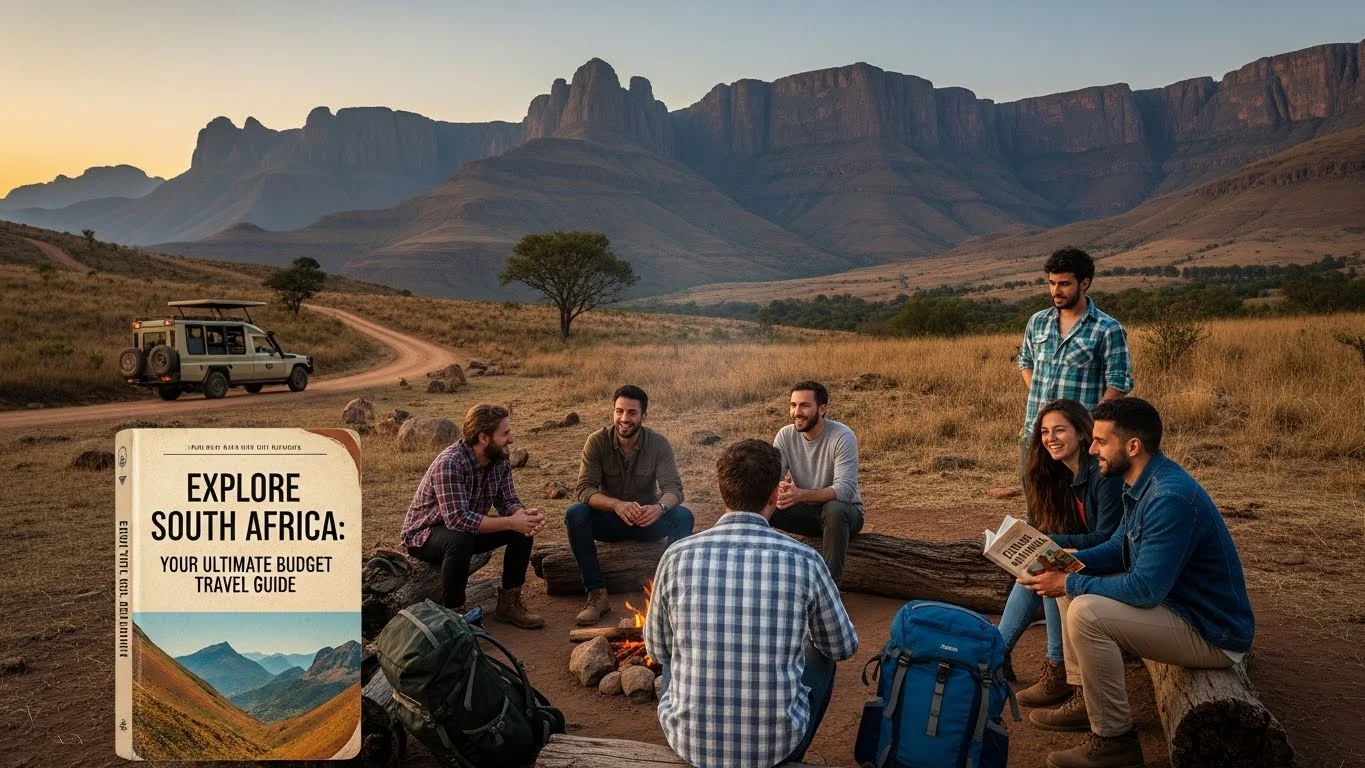
Overview of South Africa as a Travel Destination
South Africa has always held a special place in my heart. From the thrilling wildlife in its national parks to the breathtaking scenery along its coastlines, there’s something for everyone. The country’s geographical diversity is astounding, and I truly believe it’s one of the main reasons why so many travelers are drawn here.
Geographical Diversity
When I first arrived in South Africa, I was amazed by the various landscapes. The country boasts everything from arid deserts to lush forests and stunning coastlines. The iconic Table Mountain in Cape Town stands tall, offering panoramic views of the city and ocean. The Drakensberg Mountains, another gem, are perfect for hiking enthusiasts like myself. I remember trekking through these mountains, surrounded by breathtaking vistas that felt like I was in another world.
Then there’s the coastline! The Garden Route, with its dramatic cliffs and charming towns, is something I will never forget. I felt so alive driving along this route, with the ocean on one side and mountains on the other. Whether you’re into adventure sports, beach lounging, or just soaking in nature, South Africa has it all. Read Interesting article: Explore Brazil on a Budget: Ultimate Travel Guide 2023
Climate and Weather Patterns
Understanding the climate was essential for planning my trip. South Africa’s weather varies greatly across regions and seasons. For instance, the Western Cape has a Mediterranean climate, with wet winters and dry summers. I visited during the summer months (December to February), which was perfect for beach outings and exploring the vineyards in Stellenbosch.
On the other hand, if you’re heading to Kruger National Park, the best time is during the dry winter months (May to September). I experienced this firsthand; spotting wildlife was much easier when the vegetation was less dense. Just remember to pack accordingly, as the temperatures can swing from hot during the day to chilly at night.
Language and Culture
One of the most fascinating aspects of South Africa is its cultural diversity. With eleven official languages, it’s a melting pot of cultures, traditions, and stories. I found it so enriching to engage with locals and learn about their customs. English is widely spoken, which made it easy for me to connect with people and navigate through different areas.
During my travels, I made it a point to learn a few basic phrases in Zulu and Afrikaans. I believe this small effort went a long way in building rapport with the locals. South Africa’s culture is expressed through music, art, and dance, and participating in local festivals can be a fantastic way to immerse yourself. I remember attending a vibrant street festival in Cape Town, where the energy was infectious, and the food was delicious! Read Interesting article: Explore Local Cuisine: A Backpacker’s Guide to Budget Meals
When to Visit South Africa
Timing your visit can greatly affect your experience, especially if you’re on a budget. I learned that some seasons offer unique opportunities for wildlife sightings while others are ideal for enjoying outdoor activities.
Best Time for Wildlife Viewing
If you’re looking to spot the Big Five, the dry winter months are your best bet. I visited Kruger National Park in July, and it was incredible. The animals congregate around watering holes, making it easier to spot them. Plus, the cooler weather was perfect for long days of game viewing.
Seasonal Events and Festivals
South Africa is alive with festivals throughout the year. From the Cape Town International Jazz Festival in March to the Durban International Film Festival in July, there’s always something happening. I planned my trip around a food festival in Johannesburg, which was a highlight of my journey. Trying local dishes while enjoying live music was an unforgettable experience!
Traveling During Off-Peak Seasons
Traveling during the off-peak season can really save you money. I visited in September, just before the summer rush, and found that accommodation prices were significantly lower. Plus, there were fewer crowds at popular tourist spots, which allowed for a more relaxed experience. If you’re flexible with your travel dates, I highly recommend considering this option!
Getting to South Africa
Major International Airports
Getting to South Africa is relatively straightforward, thanks to its major international airports. When I planned my trip, I flew into OR Tambo International Airport in Johannesburg, which is the busiest airport in Africa. I found it to be well-organized and easy to navigate. Another popular entry point is Cape Town International Airport, which is equally modern and connects to various destinations worldwide. If you’re heading to Durban, King Shaka International Airport will be your go-to. Each airport is well-equipped with amenities, which made my arrival smooth and stress-free.
Flight Costs and Budget Airlines
Flight costs can vary significantly depending on when you book. I remember booking my flight about three months in advance, and it saved me quite a bit. I also discovered that several budget airlines operate within South Africa, making it easier to travel between cities after arriving. For instance, I used FlySafair and Kulula for domestic flights, which were affordable and reliable. I recommend keeping an eye on flight comparison websites and setting up alerts to snag the best deals, especially if you’re flexible with your travel dates.
Visa Requirements and Entry Regulations
Visa requirements can vary based on your nationality. I was fortunate that as a U.S. citizen, I didn’t need a visa for stays up to 90 days. However, it’s essential to check the latest entry regulations before your trip. I remember being relieved to have all my travel documents in order before boarding my flight. Ensure your passport is valid for at least six months after your intended departure, and keep an eye on any health regulations, such as vaccinations for yellow fever if you’re coming from certain countries. Doing this homework made my entry into South Africa seamless.
Budget Accommodation Options
Hostels and Guesthouses
For travelers on a budget, hostels and guesthouses are fantastic options. I loved staying at a cozy hostel in Cape Town, where I met fellow travelers from around the world. The atmosphere was friendly, and I enjoyed sharing stories over breakfast. Guesthouses often provide a more local experience, and I found one in Johannesburg that felt like home. They often include breakfast, which saved me some money and made it easier to get an early start exploring.
Camping and Eco-Lodges
If you’re an outdoor enthusiast, camping can be one of the most budget-friendly and memorable ways to experience South Africa. I tried camping at Kruger National Park, and it was one of my favorite experiences. Falling asleep to the sounds of nature and waking up to the sunrise over the bush was magical. Eco-lodges are another great option, blending comfort with sustainability. They often have lower rates compared to hotels and provide a unique way to connect with nature.
Affordable Hotels in Major Cities
If you prefer hotels, don’t worry! I searched for affordable options and found several in major cities that were budget-friendly yet comfortable. Websites like Booking.com and Airbnb helped me compare prices and find deals. I stayed at a nice hotel in Durban that gave me easy access to the beach without breaking the bank. Many hotels offer discounts for longer stays, which can help you save even more.
Transportation in South Africa
Public Transport Systems
Getting around South Africa can be a breeze if you know your options. I used public transport quite a bit, especially in cities like Cape Town and Johannesburg. The MyCiTi bus system in Cape Town is efficient and safe, and I found it easy to navigate. I also used the Gautrain in Johannesburg, which connects the airport to the city center and is a great way to avoid traffic. While public transport is a cost-effective choice, do keep an eye on your belongings.
Car Rentals and Road Trips
Renting a car was one of the best decisions I made during my trip. South Africa is incredibly scenic, and I wanted to explore at my own pace. I found that car rental prices were reasonable, especially if you book in advance. Driving along the Garden Route was a highlight; I stopped at various viewpoints and hidden gems along the way. Just remember to drive on the left side of the road, and be cautious of wildlife crossing roads in rural areas!
Ride-Sharing and Local Taxis
If you’re not keen on public transport or renting a car, ride-sharing services like Uber are widely available in major cities. I relied on Uber during my stay in Johannesburg, and it was convenient and affordable. Local taxis are also an option, but I found it best to use rideshare apps for safety and ease. Just make sure to confirm your driver’s details before getting in.
Top Attractions to Visit on a Budget
Kruger National Park
Visiting Kruger National Park was one of the highlights of my trip, and I found it to be incredibly budget-friendly. One of the best parts is that you can self-drive through the park, which allows you to have a unique experience without the cost of a guided tour. I remember waking up early to catch the sunrise and setting off in my rental car. The thrill of spotting lions, elephants, and rhinos in their natural habitat was unforgettable. The park has several rest camps where you can stay at reasonable rates and enjoy the sounds of nature at night.
Cape Town’s Table Mountain
Table Mountain is another must-see that won’t break the bank. I opted for the hike up instead of taking the cable car, which saved me some money and offered a workout! The views from the top were absolutely worth it. I felt a sense of accomplishment reaching the summit, and I spent hours taking in the stunning panoramas. If hiking isn’t your thing, the cable car is a fantastic option too, and you can enjoy the view on the way up. Plus, if you go later in the day, the lines are often shorter.
Durban’s Beaches and Promenade
Durban’s beachfront is a lively spot that offers fun without much expense. I loved strolling along the Golden Mile, soaking in the sun and the vibrant atmosphere. The beaches are beautiful, and there’s no cost to enjoy the sandy shores. I also discovered that many beachside restaurants offer affordable meals, and some even have happy hour deals. I remember grabbing a quick bite and watching surfers catching waves—pure bliss!
The Garden Route
The Garden Route is renowned for its breathtaking scenery, and I found it to be one of the most beautiful drives I’ve ever experienced. While renting a car is essential for exploring this area, I discovered plenty of free or low-cost attractions along the way. Places like Knysna and Plettenberg Bay offer stunning beaches, nature reserves, and hiking trails that are either free or have minimal entrance fees. I particularly enjoyed walking through the Knysna Forest, feeling completely immersed in nature.
Historical Sites in Johannesburg
Johannesburg is rich in history, and many of its attractions are affordable or even free. I visited the Apartheid Museum, which, while it had a small entrance fee, was worth every cent. It provided such a deep insight into South Africa’s history. I also wandered through Soweto, where I found a vibrant community filled with stories and culture. The Nelson Mandela House is another site that’s worth visiting, and the cost of admission is quite low. I felt it was essential to understand the history of this incredible nation while being conscious of my budget.
Local Food and Dining on a Budget
Street Food Delights
One of my favorite ways to experience South Africa was through its street food. I remember diving into the bustling markets in cities like Cape Town and Johannesburg, trying local delicacies. Bunny chow, a hollowed-out loaf filled with curry, became an instant favorite. I also enjoyed boerewors rolls, which are affordable and packed with flavor. I found that eating street food not only saved money but also allowed me to connect with local vendors and learn about their culture.
Local Eateries and Cafés
If you’re looking for a sit-down meal without the high price tag, local eateries and cafés are the way to go. I discovered many hidden gems that served hearty portions at reasonable prices. One of my favorite spots was a small café in Johannesburg that offered traditional dishes like pap and chakalaka. The ambiance was cozy, and I loved chatting with the friendly staff. I think seeking out these local places can lead to some of the best meals and experiences.
Traditional South African Dishes
Sampling traditional South African cuisine is a must-do, and many dishes can be found at budget-friendly prices. I made it a goal to try as many local dishes as possible. From potjies (a stew) to braai (barbecue), I delighted in the flavors that reflect the country’s diverse heritage. I recommend looking for restaurants that specialize in these traditional foods, as many offer “daily specials” at a lower cost. Eating like a local not only fills your stomach but also enriches your travel experience.
Free and Low-Cost Activities
Hiking Trails and Nature Reserves
South Africa is a haven for hikers, and countless trails are waiting to be explored. I enjoyed several hikes that were free of charge, like the trails in the Drakensberg Mountains and various nature reserves. Each hike offered stunning views and a chance to connect with nature. The feeling of accomplishment after reaching the top made the effort worthwhile. I think hiking is one of the best ways to appreciate the beauty of the country, and it really doesn’t have to cost a dime.
Cultural Experiences and Community Tours
Immersing myself in local culture was a highlight of my trip, and many cultural experiences are affordable. I joined a community tour in a township, where I learned about the history and daily lives of the residents. The tour was reasonably priced, and the money went directly to the local community. I felt a deep connection to the people and their stories, which I believe enriched my understanding of South Africa.
Beaches and Parks
South Africa’s beaches and parks are often free or have minimal entrance fees. I spent many days lounging on the beaches, swimming, and soaking up the sun. I also found several public parks in cities like Pretoria, which provided a peaceful retreat from the hustle and bustle. Whether it was enjoying a picnic or taking a leisurely walk, these moments were some of the most relaxing parts of my trip.
Safety Tips for Budget Travelers
General Safety Precautions
Traveling is all about adventure, but safety is key, especially when you’re on a budget. I learned a few essential precautions that I’d like to share. First, always stay aware of your surroundings. I remember walking through busy markets and feeling the vibrant energy, but I also kept my belongings close. Using a cross-body bag helped me feel secure. It’s also wise to avoid displaying valuables like expensive cameras or jewelry. Blending in with the locals made my experience richer and safer.
Areas to Avoid
While many parts of South Africa are welcoming, there are areas where caution is necessary. During my stay, I made sure to research neighborhoods before venturing out, especially at night. I found that some areas of Johannesburg and Cape Town have higher crime rates; however, I learned that there’s safety in numbers. Traveling with friends or joining group tours often provided a sense of security. It’s essential to trust your instincts—if something feels off, don’t hesitate to leave the area.
Health Tips and Vaccinations
Staying healthy while traveling is crucial. I made it a point to visit my doctor before my trip to discuss any necessary vaccinations. For South Africa, I received the recommended shots, which included hepatitis A and typhoid. I also packed a small first-aid kit with essentials like band-aids and pain relievers. Staying hydrated was key during my adventures, especially under the sun. I remember carrying a refillable water bottle, which not only saved money but also helped reduce plastic waste.
Managing Your Budget
Daily Expense Estimates
Keeping track of daily expenses can help you stay on budget. I found that my daily costs in South Africa varied based on activities and locations. On average, I spent about $50 to $70 a day, which included accommodation, meals, and transportation. I kept a travel journal to log my spending, which helped me see where I could cut back if needed. For instance, I noticed that I could save by eating street food instead of dining in restaurants every day.
Saving on Transportation and Meals
To stretch my budget, I made smart choices regarding transportation and meals. I took advantage of public transport whenever possible. For instance, using the MyCiTi bus system in Cape Town saved me a lot compared to taxi fares. I also sought out local eateries for meals; I found that not only were they cheaper, but the food was often more authentic and delicious. I remember one evening enjoying a hearty meal for under $10—definitely a win!
Finding Discounts and Deals
Before traveling, I scoured the internet for deals and discounts. I discovered websites that offered special rates for attractions, and I often used mobile apps to look for flash sales on accommodations. One day, I scored a last-minute deal at a beautiful guesthouse in the heart of Stellenbosch! Additionally, joining local tourism boards’ mailing lists often provided me with exclusive offers. It’s worth doing a little research to maximize your budget.
Travel Insurance and Health Considerations
Importance of Travel Insurance
Travel insurance might seem like an additional expense, but I learned firsthand how invaluable it can be. Before my trip, I opted for coverage that included health emergencies, trip cancellations, and lost belongings. It gave me peace of mind knowing that I was protected against unforeseen circumstances. I remember a fellow traveler who fell ill and was grateful for their insurance when they needed medical care. It’s a small investment for a much more enjoyable experience.
Health Care Facilities in South Africa
Accessing healthcare in South Africa is generally straightforward, with various clinics and hospitals available in major cities. During my travels, I had to visit a pharmacy for a minor ailment, and I found the staff to be helpful and knowledgeable. I also made sure to have the contact information for my travel insurance provider on hand, just in case. Familiarizing myself with local health facilities beforehand made me feel more secure during my adventure.
Emergency Contacts and Services
Before departing, I compiled a list of emergency contacts, including local police, medical services, and my country’s embassy. I kept this information in my phone and also printed a copy to carry with me. This simple step proved invaluable; during my stay, I witnessed a minor incident and was glad to know the local emergency numbers. It’s always better to be prepared!
Final Thoughts
Exploring South Africa on a budget is entirely possible and incredibly rewarding. From the stunning landscapes to the vibrant culture, every moment spent in this beautiful country can be both affordable and unforgettable. I’ve shared my experiences and tips to help you plan your own adventure while keeping costs low. Remember to stay safe, embrace local customs, and immerse yourself in the rich heritage that South Africa has to offer. With careful planning and an open heart, I believe you’ll create lasting memories just as I did. Happy travels!
Frequently Asked Questions
What are some of the main attractions to visit in South Africa on a budget?
Some budget-friendly attractions include Kruger National Park, Table Mountain in Cape Town, Durban’s beaches and promenade, and the scenic Garden Route. These sites offer incredible experiences without breaking the bank.
When is the best time to visit South Africa for wildlife viewing?
The best time for wildlife viewing is during the dry winter months from May to September, particularly in Kruger National Park, where animals congregate around watering holes, making them easier to spot.
What types of budget accommodations are available in South Africa?
Budget accommodations in South Africa include hostels, guesthouses, camping, eco-lodges, and affordable hotels in major cities. These options provide various experiences while keeping costs low.
How can I save money on food while traveling in South Africa?
You can save money on food by trying street food, dining at local eateries and cafés, and sampling traditional South African dishes that are often available at lower prices. Eating like a local is not only economical but also enriching.
What are the climate and weather patterns like in South Africa?
South Africa’s climate varies greatly across regions. The Western Cape has a Mediterranean climate with wet winters and dry summers, while other areas might experience different weather patterns. It’s essential to check the climate for your specific destination before traveling.
What is the best way to get around South Africa?
Getting around South Africa can be done via public transport systems like the MyCiTi bus in Cape Town and the Gautrain in Johannesburg. Renting a car is also popular for exploring scenic routes, while ride-sharing services like Uber are available in major cities.
Are there any safety tips I should be aware of while traveling in South Africa?
General safety precautions include staying aware of your surroundings, avoiding displaying valuables, and researching neighborhoods before venturing out. Traveling in groups can also enhance safety.
What are some free or low-cost activities to enjoy in South Africa?
Free or low-cost activities include hiking trails in the Drakensberg Mountains, visiting beaches and parks, and participating in community tours to immerse yourself in local culture.
What should I know about visa requirements for visiting South Africa?
Visa requirements vary based on nationality. For instance, U.S. citizens do not need a visa for stays up to 90 days. It’s essential to check the latest entry regulations prior to traveling.
Why is travel insurance important when visiting South Africa?
Travel insurance is important as it provides coverage for health emergencies, trip cancellations, and lost belongings, offering peace of mind and protection against unforeseen circumstances during your travels.