
Underwater photography can be a mesmerizing adventure, capturing the beauty of marine life while exploring stunning ocean depths. For those of us on a budget, there are incredible spots around the world where we can dive in without breaking the bank. Check out Top 7 Budget-Friendly Destinations for Underwater Photography for more insights.
Understanding Underwater Photography
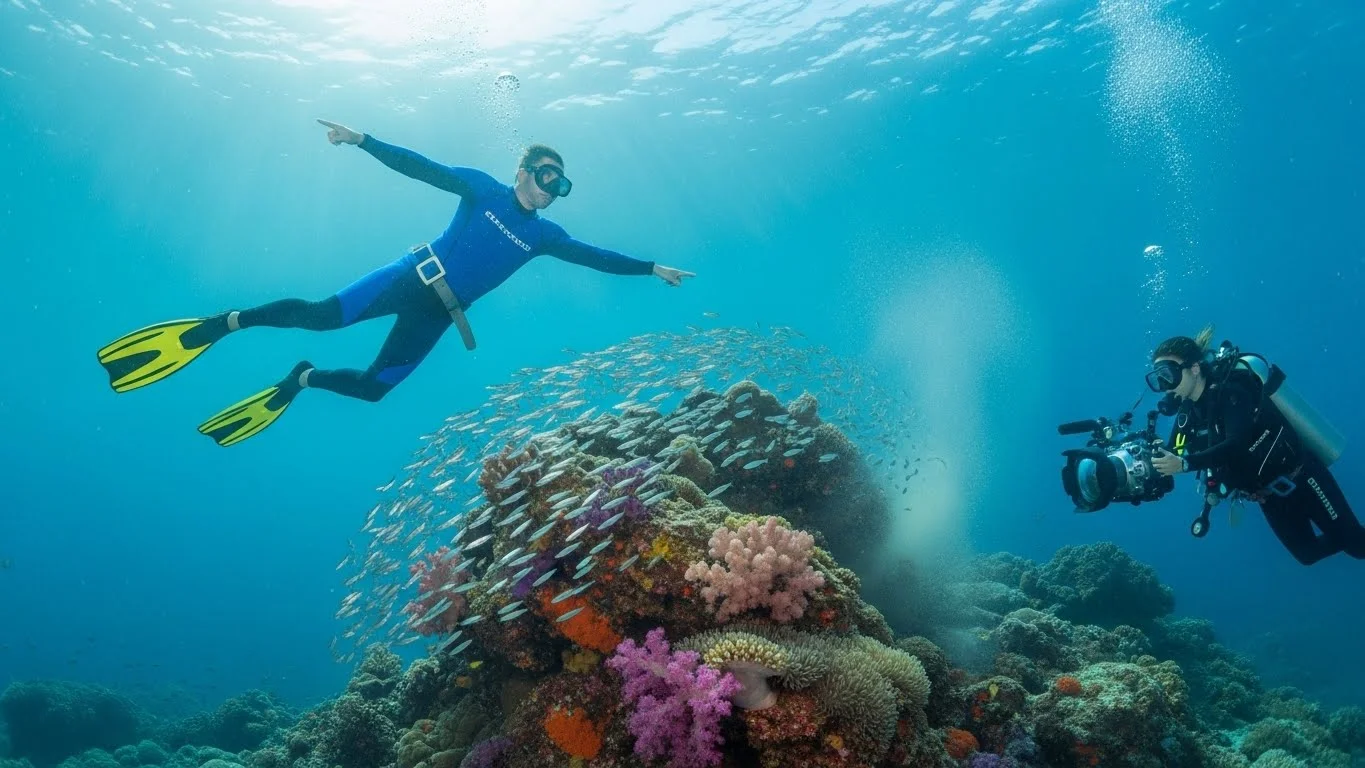
The Basics of Underwater Photography
Getting started with underwater photography can feel a bit overwhelming, but I believe it’s more accessible than many think. I remember my first dive with a camera; I was nervous yet excited. The key is to understand that underwater photography is not just about the camera but also about the environment. The water acts as a filter, altering colors and light. I learned that red hues fade quickly underwater, making it essential to use filters or external lights to bring those colors back to life in my photos.
When you’re underwater, everything moves differently. The water can create a layer of distortion, so I found that being patient and steady is crucial. You need to take your time to compose the shot and get the angle just right. Whether you’re shooting wide-angle scenes or close-ups of fish, learning to control your buoyancy will help keep your camera stable and your subjects in focus. I’ve learned that practicing buoyancy control while diving makes a world of difference in my photography.
Essential Equipment for Beginners
Starting with underwater photography doesn’t mean you need to invest in the most expensive gear. I began my journey with a basic DSLR camera, a good underwater housing, and a few essential accessories. If you’re on a budget, here are some items I recommend:
- Camera: A DSLR or mirrorless camera is great, but even a good point-and-shoot camera can work with the right underwater housing.
- Underwater Housing: Make sure to invest in a durable housing that fits your camera. I found a used one that saved me quite a bit.
- Wide-Angle Lens: This will help capture the expansive beauty of underwater scenes. I started with a basic lens before upgrading.
- Lighting: If you can, add a strobe or video light. I learned the hard way that natural light only goes so far in bringing out colors.
- Accessories: Don’t forget about a good float strap and a macro lens for close-up shots of smaller creatures!
While it might seem like a lot, I started small and gradually added to my gear. I found that focusing on mastering my current equipment was just as important as any new addition.
Top Budget-Friendly Underwater Photography Locations
1. Florida Keys, USA
Best Dive Sites for Photography
The Florida Keys is one of my favorite places to dive and snap photos. With its warm waters and diverse marine life, it’s a paradise for underwater photographers. Places like John Pennekamp Coral Reef State Park and the famous Spiegel Grove wreck provide stunning backdrops. I remember my first dive at the Molasses Reef; the coral formations were breathtaking, and I captured some of my best shots there.
Cost-Effective Accommodation Options
Finding a place to stay in the Keys doesn’t have to be expensive. I often opt for local motels or campgrounds, which can be much cheaper than luxury resorts. If you’re willing to camp, the Biscayne National Park offers beautiful spots right by the water. I also discovered some great Airbnb options that cater to divers, often providing discounts for extended stays.
2. Cozumel, Mexico
Unique Marine Life to Capture
Cozumel is another gem for underwater photography. The coral reefs here are alive with color, and the chance to capture sea turtles, vibrant fish, and even the occasional shark is thrilling. I was lucky enough to dive at the Palancar Reef, where I experienced a diverse marine ecosystem. The clarity of the water made it easy to capture stunning shots.
Affordable Dive Shops and Tours
There are numerous budget-friendly dive shops in Cozumel. I found that booking my dives directly with local operators instead of through my hotel saved me quite a bit. Many shops offer packages that include multiple dives at discounted rates. Plus, they often have knowledgeable guides who can help you find the best spots for photography. For more tips on capturing those moments, check out Unlock the Secrets to Capturing Stunning Underwater Moments.
3. Bonaire, Caribbean
Shore Diving versus Boat Diving
Bonaire is known for its excellent shore diving, which is a fantastic way to save money while getting great underwater shots. I spent a week there, diving right from the beach with only my camera and gear. The convenience of shore diving meant I could explore at my own pace without the added costs of boat trips.
Budget-Friendly Stay Recommendations
Accommodations in Bonaire range from budget guesthouses to more upscale resorts. I stayed at a friendly dive lodge that offered affordable rates, and they even had a dive shop on-site. It made my life easier since I could rent gear and get tips on the best local dive sites right from my doorstep!
4. Great Barrier Reef, Australia
Best Times to Visit for Photography
The Great Barrier Reef is undeniably a dream destination for underwater photographers. I learned that the best time to visit is during the Australian winter (June to October) when the weather is cooler and the water visibility is at its peak. I remember diving during this season and being in awe of the vibrant corals and marine life.
Affordable Liveaboards and Day Trips
While some tours can be pricey, I found that booking a liveaboard trip can actually save money in the long run. I enjoyed my experience on a budget liveaboard, which allowed me to dive multiple sites in a few days. Day trips are also available, and by researching beforehand, I found some great deals that included meals and gear rental.
5. Azores, Portugal
Stunning Natural Landscapes
The Azores offer a unique underwater experience. I was blown away by the underwater landscapes and the chance to photograph species not found anywhere else. The water can be chilly, but the stunning visibility and diverse marine life make it worth it.
Cost-Effective Local Guides
Local dive shops in the Azores often provide guided tours at reasonable prices. I connected with a small, family-run operation that offered personalized tours. They were knowledgeable and helped me find the best spots to capture everything from dolphins to fascinating rock formations.
Planning Your Underwater Photography Trip
When is the Best Time to Visit?
Planning the timing of your underwater photography trip can make a significant difference in what you capture. From my experience, the best months vary depending on the location. For instance, in the Florida Keys, I found that summer months offer warm waters and vibrant marine life, but I also learned that winter can provide clearer visibility. Meanwhile, in Cozumel, I noticed the best visibility and calm waters between March and June. It’s all about doing your homework! I often check dive forums and local weather reports to get insights on marine conditions before I book my trip.
In the Great Barrier Reef, visiting during the Australian winter, as I mentioned earlier, can lead to stunning shots. However, I also learned that visiting in spring, particularly around October, can provide a unique opportunity to capture the coral spawning phenomenon. I recommend reaching out to local dive shops in advance to find out what events might be happening during your visit. Each season has its unique charm, and planning around that can bring your underwater photography to life.
How to Choose the Right Equipment on a Budget
Choosing the right equipment doesn’t have to cost a fortune. I remember feeling overwhelmed by the choices available, but I realized that it’s about finding what suits your needs. For me, starting with a budget-friendly camera system was essential. I initially used a compact camera with a housing, which was lightweight and easy to handle. As I progressed, I gradually upgraded, always keeping my budget in mind.
One of the biggest lessons I learned was the importance of investing in a good underwater housing. I found that spending a little more on a high-quality housing can protect my gear and ensure I get the best shots possible. I also recommend looking for second-hand equipment. Many divers upgrade their gear frequently, and I’ve snagged some fantastic deals on used lenses and lighting systems.
When it comes to accessories, consider purchasing a red filter for your camera instead of investing in expensive lighting right away. In many cases, I found that natural light combined with a red filter helped me achieve some vibrant colors without breaking the bank. I also suggest focusing on basic editing software to enhance your photos after your dives. Learning how to edit can really bring your underwater photography to the next level! For additional tips, check out Top Tips for Photographing Marine Life Underwater Like a Pro.
Cost-Saving Tips for Travel and Accommodation
Travel costs can add up quickly if you’re not careful, but I’ve discovered several strategies to save money. First, I always try to book flights in advance. I’ve found that being flexible with travel dates can lead to significant savings as well. Sometimes, flying mid-week or during off-peak times can cut costs dramatically.
For accommodations, I love exploring hostels or budget hotels that cater to divers. During my trip to Bonaire, I found a charming guesthouse that not only offered great rates but also provided a communal kitchen. This allowed me to cook some meals, saving both money and giving me more time to bond with fellow divers. I often check platforms like Airbnb or local dive forums for recommendations on affordable lodging with dive packages.
Additionally, I learned that joining a dive club can lead to discounted rates on trips and accommodations. After joining a local dive group, I discovered many members were willing to share their travel tips and recommendations. It’s a win-win: you get to connect with fellow diving enthusiasts and save money at the same time!
Techniques for Stunning Underwater Photography
Using Natural Light Effectively
One of the most exciting aspects of underwater photography is the way natural light interacts with water. I’ve learned that shooting in the early morning or late afternoon often provides the best lighting conditions. The golden hours not only illuminate the water beautifully, but they also create stunning reflections and shadows. I’ve gotten some of my favorite shots during those times!
However, I’ve also experienced challenges while relying solely on natural light, especially in deeper waters. In these cases, I found that using a strobe or video light could help illuminate my subjects and bring out vivid colors. I recommend experimenting with different lighting techniques to see what works best for your style. It’s all about finding that perfect balance between natural and artificial light to create captivating images.
Composition Tips for Underwater Shots
Composition can make or break an underwater photograph. I learned early on that following the rule of thirds can help create balanced, engaging images. Placing your main subject off-center can add depth and interest to your shots. I often take my time to observe my surroundings before snapping pictures, ensuring that I’m capturing the scene in the best way possible.
Don’t be afraid to get creative with angles and perspectives. I’ve found that shooting from below or above my subject can provide unique viewpoints. Focusing on the lines and shapes created by marine life or coral formations can also lead to striking compositions. I think of every dive as an opportunity to tell a story, and I try to capture that narrative in my photographs.
Editing and Enhancing Your Photos
Editing my underwater photos has become one of my favorite steps in the process. I’ve found that even minor adjustments can dramatically enhance the quality of my images. Simple edits like adjusting contrast, saturation, and sharpness can really make colors pop. I started with basic editing software, which was user-friendly and perfect for beginners.
With time, I ventured into more advanced programs, but I always keep in mind that less is often more. I aim to maintain the natural beauty of the underwater world while enhancing my photos. I’ve discovered that sometimes just correcting the color can bring back the vibrancy that the water tends to wash away. Don’t shy away from experimenting with different editing techniques to find your style!
Safety Considerations for Underwater Photography
Essential Safety Gear
When diving for underwater photography, safety should always be a top priority. I’ve learned that having the right safety gear can make a significant difference in having a trouble-free experience. First and foremost, investing in a reliable dive computer was essential for me. This tool helps monitor my depth and time underwater, ensuring I stay within safe limits. I remember feeling much more relaxed knowing I had this information at my fingertips.
Another important item is a buoyancy control device (BCD). This piece of equipment allows me to adjust my buoyancy easily, which is vital when trying to hover near a subject for that perfect shot. I also recommend a dive knife; while it might seem a bit extreme, I’ve heard stories of divers needing to cut themselves free from entanglements. Having a knife can offer peace of mind.
Additionally, I always carry a surface marker buoy (SMB). This becomes especially useful when diving in busy areas or strong currents, as it signals my presence to boats above. I also make sure to wear a wetsuit or drysuit appropriate to the water temperature. Not only does it provide thermal protection, but it also offers some buoyancy assistance when I’m diving.
Diving Certifications and Training
Before I embarked on my underwater photography journey, I realized the importance of having proper diving certifications. I took the time to enroll in a PADI Open Water Diver course, which provided me with essential skills and knowledge about diving safety. During the course, I learned how to handle potential issues underwater, like equalizing pressure and responding to emergencies.
Once I became comfortable with the basics, I pursued further certifications, including Advanced Open Water Diver and Specialty courses focused on underwater photography. These additional classes not only improved my skills but also gave me the confidence to explore more challenging dive sites. I recommend that anyone serious about underwater photography consider investing in similar training. It opens up opportunities to dive in various conditions and enhances your overall experience.
Understanding Marine Life Interactions
Another aspect of safety that I believe is crucial in underwater photography is understanding marine life interactions. I’ve had some incredible encounters with creatures like sea turtles and dolphins, but I also learned that respect for marine life is paramount. Before my dives, I researched the local species to know which ones to approach carefully and which ones to admire from a distance.
For instance, I remember my first encounter with a curious moray eel. Initially, I was eager to get close for a photo, but I quickly realized that these eels can be surprisingly defensive. Instead of rushing in, I took a step back, observing its behavior before attempting to photograph it. This not only kept me safe but also allowed me to capture more natural, candid shots.
It’s also essential to be aware of your surroundings and avoid touching or disturbing coral and other marine habitats. I have come across divers who unintentionally damaged coral while trying to get the perfect angle for a shot. This taught me the importance of maintaining a respectful distance and being conscious of my movements. Being a responsible photographer means protecting the underwater environment while creating beautiful images.
Incorporating these safety considerations into my underwater photography adventures has made every dive not only enjoyable but also enriching. By prioritizing safety gear, training, and respecting marine life, we can all have memorable and responsible underwater experiences that we cherish forever.
Sharing and Showcasing Your Work
Best Platforms for Displaying Underwater Photography
Once I started capturing stunning underwater images, I wanted to share them with the world. I discovered that there are various platforms available to showcase my work, each with its unique advantages. Social media is a popular choice, and I’ve found that Instagram is particularly effective for visual storytelling. By using relevant hashtags, I’ve connected with fellow photographers and divers, creating a community that inspires me to keep improving my skills.
Another platform I recommend is Flickr. It allows for high-quality uploads and provides a space for photographers to receive feedback from peers. I appreciate how I can join groups dedicated to underwater photography, where members share tips and critiques. This sense of community has been invaluable in my growth as a photographer.
For those looking to take a more professional route, creating a personal website or portfolio can be a great move. I’ve enjoyed the process of building my site, where I can curate my best work and share my experiences. It also serves as a platform for potential clients or collaborators to see my style and reach out for inquiries. Plus, it’s a great way to document my journey over the years.
Networking with Other Photographers
Networking with other underwater photographers has been one of the most rewarding aspects of my journey. I’ve attended workshops and dive expos, where I met talented individuals who were eager to share their knowledge and experiences. It was inspiring to hear their stories and learn techniques that had worked for them in similar conditions.
Another fantastic opportunity I stumbled upon was joining online forums and local diving clubs. These platforms allow for discussions on gear, dive sites, and photography techniques. I’ve benefited from the collective wisdom of experienced divers who generously share their insights. Connecting with others in the field not only provides support but also opens doors to collaborative projects and opportunities that I might not have encountered otherwise.
Entering Photography Contests and Exhibitions
Participating in photography contests has been a thrilling way to showcase my work and gain exposure. I remember entering my first contest and the excitement that came with submitting my images. Winning or being featured in these contests can significantly boost confidence and visibility. I found that many contests focus on different themes, which allows for creativity and experimentation in my photography.
Exhibiting my work in local galleries or community events has also been rewarding. I enjoyed curating a collection of my best underwater photographs and sharing my passion with others. The feedback and appreciation from viewers were uplifting and motivated me to continue pursuing my underwater photography journey.
Sharing and showcasing my work has become an essential part of my experience as an underwater photographer. Each platform, connection, and opportunity has enriched my journey, and I look forward to continuing to grow and learn through these shared experiences.
Frequently Asked Questions
What are the basics of underwater photography?
Underwater photography is about more than just the camera; it’s also about understanding the underwater environment. The water acts as a filter, altering colors and light, which means that red hues fade quickly. Patience and steady buoyancy control are essential to compose shots effectively.
What equipment do I need to start underwater photography on a budget?
You can start with a basic DSLR or mirrorless camera, underwater housing, a wide-angle lens, and some lighting options like a strobe or video light. Accessories like a float strap and a macro lens for close-ups can also be beneficial without breaking the bank.
What are some budget-friendly locations for underwater photography?
Top budget-friendly locations include the Florida Keys in the USA, Cozumel in Mexico, Bonaire in the Caribbean, the Great Barrier Reef in Australia, and the Azores in Portugal. Each location offers unique marine life and diving experiences at affordable rates.
When is the best time to visit for underwater photography?
The timing varies by location. For instance, the Florida Keys are great in summer, while Cozumel offers the best visibility between March and June. The Great Barrier Reef is best visited during the Australian winter (June to October) for optimal conditions.
How can I save money on travel and accommodation for underwater photography trips?
Booking flights in advance, being flexible with travel dates, and exploring budget accommodations like hostels or guesthouses can save money. Using platforms like Airbnb and joining dive clubs for discounts can also be effective strategies.
What composition techniques should I use for underwater shots?
Following the rule of thirds can help create balanced images. Getting creative with angles and perspectives, and focusing on the lines and shapes of marine life can lead to striking compositions. Taking your time to observe the surroundings before shooting is also crucial.
What safety gear is essential for underwater photography?
Essential safety gear includes a reliable dive computer, a buoyancy control device (BCD), a dive knife, and a surface marker buoy (SMB). Wearing an appropriate wetsuit or drysuit is also important for thermal protection and buoyancy assistance.
Why is diving certification important for underwater photography?
Having proper diving certifications provides essential skills and knowledge about diving safety. Certifications like PADI Open Water Diver and specialized courses in underwater photography enhance your confidence and ability to explore various dive sites safely.
How can I showcase my underwater photography work?
You can showcase your work on social media platforms like Instagram and Flickr, where you can connect with other photographers. Creating a personal website or portfolio is also a great way to document your journey and attract potential clients.
What are the benefits of networking with other underwater photographers?
Networking allows for knowledge sharing, collaboration, and gaining insights into photography techniques and dive sites. Attending workshops, joining online forums, and participating in local diving clubs can provide valuable connections and opportunities in the field.