
Are you ready to explore the serene beauty of Buddhist pilgrimage sites without breaking the bank? Join me on this journey as we uncover the best destinations that offer spiritual enrichment and awe-inspiring sights—all while being budget-friendly! Read Interesting article: Top Budget-Friendly Buddhist Pilgrimages You Must Experience
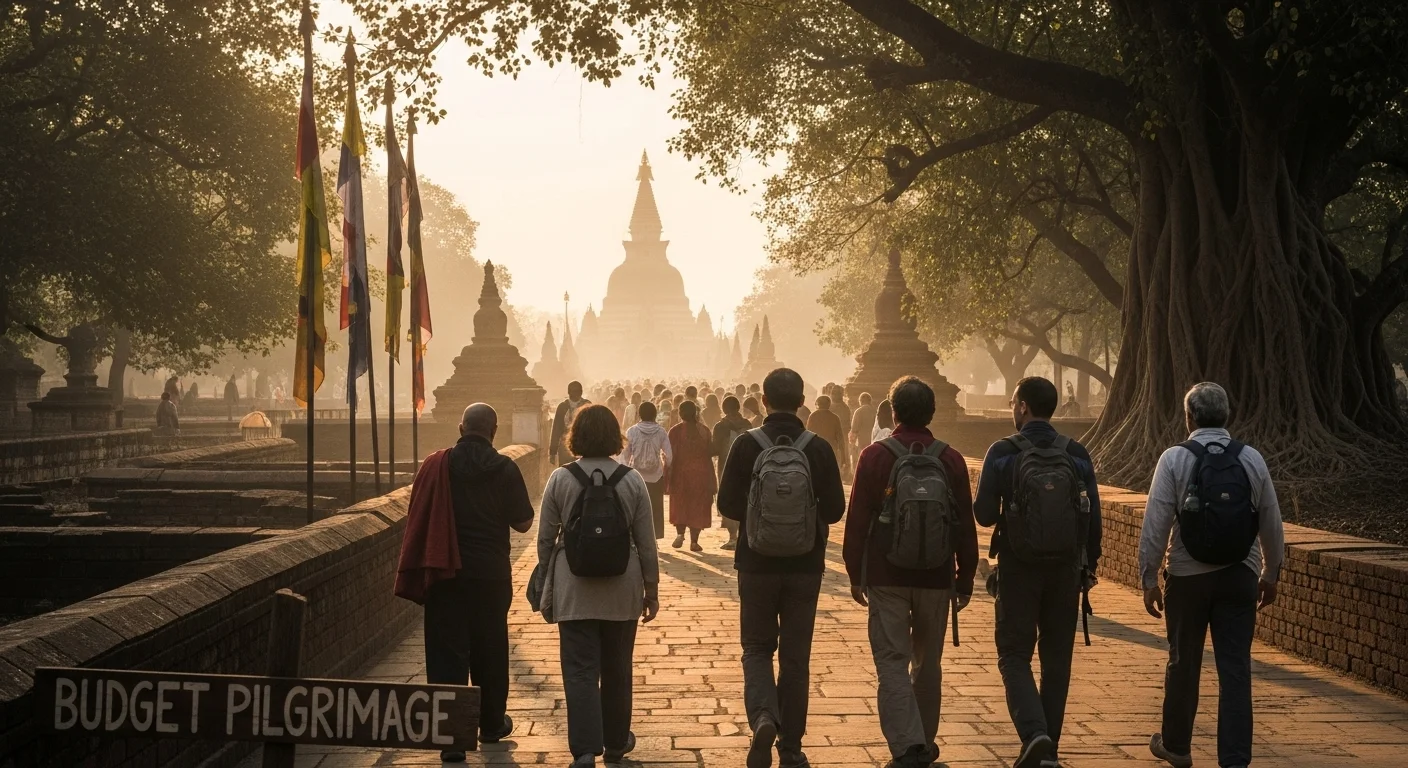
Overview of Buddhist Pilgrimage Destinations
What is a Buddhist Pilgrimage?
A Buddhist pilgrimage is a journey undertaken by followers of Buddhism to sacred sites that hold significant religious importance. These sites often mark historical events in the life of the Buddha, such as places of birth, enlightenment, and death. For me, this journey is not just about visiting a location; it’s about immersing myself in the spiritual essence that these places embody. As I walked through these hallowed grounds, I felt a deep connection to the teachings of the Buddha and a sense of peace that is hard to find in our busy lives.
Importance of Pilgrimage in Buddhism
Pilgrimage plays a crucial role in the Buddhist faith. It is seen as a way to deepen one’s understanding of the Dharma and cultivate mindfulness. As I learned more about the Buddha’s life and teachings at these sacred sites, I felt a transformation within myself. Pilgrimage allows us to disconnect from our daily routines and focus on our spiritual growth. It’s a chance to reflect, meditate, and seek enlightenment. The path may not always be easy, but the experiences gained along the way are invaluable. Read Interesting article: Essential Gear for Budget Mountain Trekking Adventures
Top Budget-Friendly Buddhist Pilgrimage Locations
Lumbini, Nepal
Lumbini is known as the birthplace of Siddhartha Gautama, who became the Buddha. Visiting this UNESCO World Heritage Site was a dream come true for me. The peaceful gardens, ancient ruins, and the sacred pond where Buddha’s mother gave birth create an atmosphere of tranquility. The best part? Lumbini is incredibly affordable. You can stay in budget guesthouses and enjoy simple meals at local eateries. I recommend exploring the Maya Devi Temple and taking a stroll through the serene grounds, soaking in the spiritual energy.
Bodh Gaya, India
Bodh Gaya is where the Buddha attained enlightenment under the Bodhi tree, making it one of the most significant pilgrimage sites in the world. I remember sitting under the tree, reflecting on its immense history. The Mahabodhi Temple is a must-visit, and there are various affordable accommodations nearby. Street vendors offer delicious and inexpensive local dishes, and I found it easy to connect with fellow travelers who were also on their spiritual journey.
Sarnath, India
Just a short distance from Varanasi, Sarnath is where the Buddha delivered his first sermon. The Dhamek Stupa and the Ashoka Pillar are truly awe-inspiring. I was amazed at how much history and spirituality could be found in this small area. I found budget-friendly guesthouses in the vicinity, making it easy to extend my stay and soak in the atmosphere. I loved attending the evening meditation sessions offered by local monks, which were both enriching and affordable.
Kushinagar, India
Kushinagar is where the Buddha passed away, and visiting this site felt profound. The Parinirvana Stupa and the reclining Buddha statue left a lasting impression on me. Like other pilgrimage destinations in India, Kushinagar offers affordable lodging options, from simple hotels to guesthouses. It’s also a great place to engage with local monks and learn more about Buddhist practices. I enjoyed a few quiet moments meditating in the peaceful surroundings, which was a highlight of my trip.
Mount Koya, Japan
Mount Koya is a bit different from the other sites but equally fascinating. It is the center of Shingon Buddhism and home to over 100 temples. I stayed in a temple lodging, which was an incredible experience. Not only did I enjoy traditional vegetarian meals, but I also had the chance to join in morning prayers. The peaceful atmosphere of Mount Koya is something I’ll never forget. While it may seem expensive at first glance, the unique experience is well worth it.
Shwedagon Pagoda, Myanmar
The Shwedagon Pagoda in Yangon is one of the most sacred sites in Myanmar. The golden stupa gleams in the sunlight, and the surrounding area buzzes with activity. I found it easy to explore the pagoda and surrounding temples without spending much. Local street food vendors offer delicious snacks at low prices, allowing me to enjoy authentic flavors while keeping my budget in check. The experience of mingling with local devotees added a special touch to my visit.
Wat Pho, Thailand
Wat Pho in Bangkok is famous for its massive reclining Buddha statue. This temple is not just a tourist destination; it’s a place of learning and healing. I took part in a traditional Thai massage class offered at the temple, which was both affordable and enlightening. Staying in nearby budget accommodations made it easy to explore the temple and the surrounding area without overspending. I found the vibrant atmosphere of Bangkok to be invigorating and inspiring. Read Interesting article: Experience Local Culture: Best Music and Dance Workshops
When to Visit: Best Times for Pilgrimage
Seasonal Considerations
Timing your pilgrimage can greatly enhance your experience. I’ve found that visiting during the cooler months not only makes for a more comfortable journey but also allows for clearer skies and stunning views at some of these sacred sites. For instance, many destinations in India, like Bodh Gaya and Sarnath, are best visited from October to March, when the weather is pleasant and the tourist crowds are manageable. During my visit to Lumbini, I was there in November, and it felt like the perfect time; the gardens were in bloom, and the weather was just right for wandering through the peaceful grounds.
In Japan, I recommend visiting Mount Koya during the spring or fall for the vibrant cherry blossoms or autumn leaves. It’s truly a sight to behold when nature enhances the spiritual ambiance of the temples. I remember my first glimpse of cherry blossoms there, and it felt like nature was celebrating the serene beauty of the place. However, be cautious during the summer months, as the humidity can be quite overwhelming.
Festivals and Events to Attend
Attending local festivals can enrich your pilgrimage experience immensely. For example, in Bodh Gaya, the Buddha Jayanti festival, which celebrates the birth of the Buddha, is held in April or May. I experienced firsthand the joy and devotion of the local people during this festival, as they gathered for prayers and rituals. The atmosphere was electric, filled with chanting and colorful decorations, making my visit even more special. It was wonderful to see how the community came together to honor their spiritual heritage.
In Thailand, the Visakha Bucha Day, usually in May, is another significant event. It commemorates the birth, enlightenment, and death of the Buddha. During this time, I joined local devotees in ceremonies at Wat Pho, and it was an unforgettable experience to witness how faith brings people together. The energy was palpable, and I felt a deeper connection to the teachings of Buddhism as I participated in the celebrations.
Each of these events provides an opportunity to engage with local customs and traditions, enhancing your understanding of the Buddhist culture. So, if you can, try to align your visit with these festivals to make your pilgrimage even more memorable.
How to Travel: Transportation Tips
Getting to Key Destinations
Traveling to these incredible pilgrimage sites can seem daunting, but I’ve learned that it’s often easier than it looks. For major destinations like Bodh Gaya and Sarnath, I found that flying into nearby cities (like Varanasi for Sarnath) was the most efficient way to start my journey. From there, local buses or taxis can take you to your destination. I remember feeling a bit overwhelmed at first, but once I figured out the local transport options, it became a breeze.
In Nepal, if you’re heading to Lumbini, I recommend taking a bus from either Kathmandu or Pokhara. The scenery along the way is breathtaking, and it gives you a glimpse of the beautiful landscapes of Nepal. I took that bus ride myself and enjoyed chatting with fellow travelers who were also on a spiritual journey. It was a fantastic way to share stories and connect with others.
Local Transportation Options
Once you arrive at your pilgrimage destination, getting around is usually quite simple. In places like Bodh Gaya and Sarnath, I found that walking is the best way to absorb the surroundings and truly connect with the sites. Many of the important places are within walking distance of each other, and strolling through the streets allows you to soak in the local culture.
For longer distances, I found that hiring a local tuk-tuk or rickshaw can be an affordable and fun option. The drivers often act as informal tour guides, sharing insights about the area. I had an amazing ride in a tuk-tuk in Kushinagar, where my driver pointed out historical landmarks and shared fascinating stories about the region’s significance.
In Japan, public transportation like trains and buses is exceptionally reliable. I used the Japan Rail Pass to travel to Mount Koya, which made my journey seamless and stress-free. As I traveled, I appreciated how the trains themselves seemed to be part of the experience—efficient, clean, and incredibly punctual. It’s a reflection of the culture’s attention to detail and respect for time.
Where to Stay: Budget Accommodation Options
Hostels and Guesthouses
Finding budget accommodations can be part of the adventure. I’ve stayed in various hostels and guesthouses, and they often provide a great sense of community. In Bodh Gaya, I discovered a cozy guesthouse where I met other pilgrims from around the world. Sharing meals and stories with fellow travelers created a warm atmosphere, and I felt less alone on my journey.
Many guesthouses offer basic amenities and comfortable beds at affordable rates. I noticed that staying in these places not only saved me money but also allowed me to connect with like-minded individuals who were exploring their spirituality. The shared experiences and conversations often extended late into the night, creating bonds that made my travels even richer.
Monastic Stays
For an even more immersive experience, consider spending a night or two in a monastic stay. This option is available in places like Mount Koya, where I stayed in a temple lodging. It was a unique experience that allowed me to participate in daily rituals and enjoy traditional vegetarian meals. I loved waking up to the sound of morning prayers, which set a peaceful tone for the day.
Staying in monastic accommodations can be a spiritual retreat within your pilgrimage. It often comes with simple yet nourishing meals and an opportunity to meditate alongside monks. For anyone looking to deepen their experience, I highly recommend considering this option.
Budget Hotels
If hostels or monastic stays aren’t your style, budget hotels are plentiful in these pilgrimage areas. I’ve found that these hotels can provide a little more privacy while still being easy on the wallet. In places like Sarnath, I stayed at a budget hotel that was clean and comfortable, with friendly staff who were eager to help with any questions I had.
When booking accommodations, I often check online platforms for reviews and recommendations. This way, I can find places that suit my preferences and budget. It’s also a good idea to book in advance, especially during peak pilgrimage seasons, to ensure you secure a good spot without breaking the bank.
Local Food: Affordable Dining Options
Street Food Recommendations
One of the joys of traveling, especially on a pilgrimage, is experiencing local food culture. I’ve always believed that food is a gateway to understanding a place and its people. Street food is often the most affordable and authentic way to enjoy local cuisine, and during my travels, I discovered some delightful options. In Bodh Gaya, I couldn’t resist the samosas and kachoris from street vendors. They were crispy, spicy, and incredibly cheap! I remember sitting on a small stool, chatting with locals while savoring these snacks, and it felt like a true immersion into the culture.
In Thailand, the street food scene is vibrant. At Wat Pho, I found a couple of food stalls offering delicious pad thai and mango sticky rice. Eating at these stalls not only kept my budget intact, but it also allowed me to mingle with locals and other travelers. The flavors are intense, and I learned to appreciate the balance of sweet, sour, and spicy that Thai food is known for. Plus, I loved how easy it was to grab a quick bite before heading to my next spiritual exploration.
In Myanmar, I discovered the famous tea leaf salad, or lahpet, while wandering around the Shwedagon Pagoda. It was refreshing and packed with flavor, and best of all, it was incredibly inexpensive. Eating from local vendors became a highlight of my trip, as it allowed me to taste the essence of the places I visited. I found that trying street food created memorable moments that I can still recall fondly.
Local Restaurants and Cafés
If you’re looking for a sit-down meal, local restaurants and cafés provide a cozy atmosphere and delicious dishes without straining your budget. In Lumbini, I found a small family-run restaurant where I enjoyed simple yet flavorful dal bhat (lentil soup with rice). The owners were warm and welcoming, and they shared stories of their lives in Lumbini. Sharing meals with locals can be enriching, as it often leads to interesting conversations about culture and spirituality.
In Sarnath, I stumbled upon a café that served Tibetan cuisine. I tried momos (steamed dumplings) and thukpa (noodle soup), and both were comforting and satisfying. The café was filled with travelers, creating a friendly atmosphere where everyone seemed to share their experiences. I found that these types of restaurants often cater to pilgrims and travelers, offering not just food but also a sense of community.
In Japan, I discovered that many temples have their own dining facilities where you can experience shojin ryori, or Buddhist vegetarian cuisine. At Mount Koya, I had the chance to enjoy this traditional meal, which was beautifully presented and included a variety of seasonal vegetables, tofu, and rice. It was a tranquil dining experience that complemented the spiritual ambiance of the site. I felt nourished in both body and spirit, and it was a reminder of the connection between food and mindfulness.
Each of these dining experiences not only filled my stomach but also enriched my journey. Eating local food is a wonderful way to support small businesses and connect with the culture. I highly recommend trying out street food and local eateries as you embark on your pilgrimage, as these meals often leave lasting memories that go beyond just satisfying hunger.
Safety Tips for Pilgrims
Health and Safety Precautions
As I traveled through various pilgrimage sites, I always made it a priority to stay aware of health and safety. One of the first things I learned was the importance of staying hydrated, especially in warmer climates. I made it a point to carry a refillable water bottle and drink plenty of fluids throughout my day. In places like India and Nepal, I opted for bottled water to avoid any potential stomach issues.
When sampling street food, I followed a simple rule: I only ate at stalls that were busy with locals. If the food looked fresh and the place was bustling, I felt more confident about its safety. I also steered clear of raw foods that might have been washed in contaminated water. Trusting my instincts and being mindful about what I ate helped me enjoy my culinary adventures without any health scares.
Traveling solo or as a part of a group, I always kept my belongings close. I used a crossbody bag to carry my essentials, and I made sure to keep my phone and wallet secure. In crowded places, like the markets near the temples, I found that being vigilant about my surroundings was crucial. It’s easy to get caught up in the beauty around us, but a little awareness can go a long way.
Cultural Sensitivity and Etiquette
As I visited different Buddhist sites, I quickly learned the importance of respecting local customs and traditions. Before entering temples, I made it a habit to remove my shoes and dress modestly. I remember feeling a deep sense of respect for the sacredness of these spaces, and I appreciated how dressing appropriately helped me connect with the spiritual environment.
In some locations, I noticed that it was customary to bow slightly when greeting monks or in response to their blessings. These gestures of respect felt natural, and it was heartwarming to see the warmth and kindness that came from such simple acts. I also learned to avoid touching sacred objects or taking photographs in restricted areas, as this could be seen as disrespectful.
Engaging with locals and fellow pilgrims with an open heart and mind created a sense of camaraderie. I found that sharing stories and experiences fostered connections that transcended language and culture. Being aware of cultural differences and showing appreciation for the traditions I encountered made my pilgrimage even more meaningful.
Frequently Asked Questions
What is a Buddhist pilgrimage?
A Buddhist pilgrimage is a journey undertaken by followers of Buddhism to sacred sites that hold significant religious importance, marking historical events in the life of the Buddha, such as places of birth, enlightenment, and death.
Why is pilgrimage important in Buddhism?
Pilgrimage is crucial in Buddhism as it deepens one’s understanding of the Dharma and cultivates mindfulness, allowing individuals to disconnect from daily routines and focus on spiritual growth through reflection and meditation.
What are some budget-friendly Buddhist pilgrimage destinations?
Some budget-friendly pilgrimage destinations include Lumbini (Nepal), Bodh Gaya (India), Sarnath (India), Kushinagar (India), Mount Koya (Japan), Shwedagon Pagoda (Myanmar), and Wat Pho (Thailand).
When is the best time to visit Buddhist pilgrimage sites?
The best times to visit are generally during cooler months, such as October to March in India, and during spring or fall for Mount Koya in Japan to enjoy cherry blossoms or autumn leaves.
What local festivals can enhance the pilgrimage experience?
Local festivals such as the Buddha Jayanti in Bodh Gaya (April/May) and Visakha Bucha Day in Thailand (May) can greatly enrich the pilgrimage experience with communal prayers and celebrations.
How can travelers get to key pilgrimage destinations?
Travelers can efficiently reach key pilgrimage sites by flying into nearby cities and using local buses or taxis. For example, flying into Varanasi for Sarnath is a popular choice.
What are some accommodation options for budget travelers?
Budget travelers can choose from hostels, guesthouses, monastic stays, and budget hotels, which offer various amenities and opportunities to connect with fellow pilgrims.
What are some affordable food options while on pilgrimage?
Street food is often the most affordable and authentic option, with delicious local dishes available from vendors. Local restaurants and cafés also offer cozy atmospheres and satisfying meals without straining the budget.
What safety tips should pilgrims keep in mind?
Pilgrims should stay hydrated, eat from busy food stalls, keep belongings secure, and remain aware of their surroundings to ensure a safe experience while traveling.
What cultural sensitivities should pilgrims be aware of?
Pilgrims should respect local customs by dressing modestly, removing shoes before entering temples, and being mindful of gestures such as bowing to monks or avoiding touching sacred objects.