
Desert trekking offers a unique adventure filled with stunning landscapes and unforgettable experiences. Let’s dive into the world of desert treks that won’t drain your wallet, allowing you to explore the beauty of arid terrains without breaking the bank. For more inspiration, check out our Top 5 Budget-Friendly Desert Treks for Adventurous Souls.
Understanding Desert Treks
What is a Desert Trek?
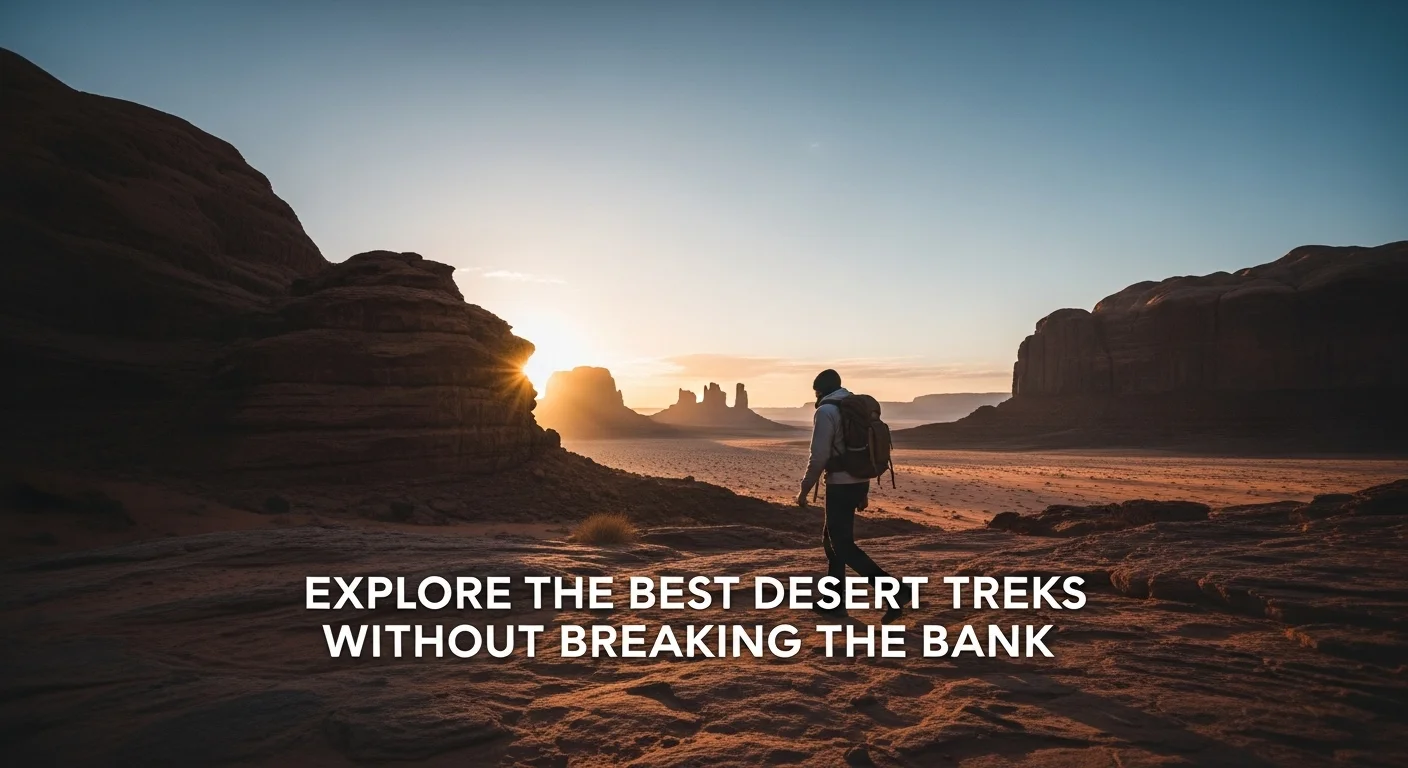
When I think of a desert trek, I picture vast, open spaces, vibrant sunsets, and the thrill of exploring a landscape that feels both alien and familiar. A desert trek is essentially a journey through these arid regions, often involving hiking, camping, or simply wandering through the unique terrains. These treks can range from a few hours to multi-day adventures, giving us the flexibility to choose what suits our schedule and skill level. The beauty of a desert trek lies in its simplicity; it often requires minimal gear, yet offers a wealth of experiences that are hard to find elsewhere.
Benefits of Trekking in Desert Landscapes
I’ve always found that trekking in the desert has its own magic. The first benefit that comes to mind is the tranquility of the environment. The vastness of the desert can make you feel small in the best possible way, allowing for a deep connection with nature. The silence is profound, interrupted only by the whispers of the wind or the rustling of sand.
Another benefit is the unique wildlife and plant life you can encounter. I remember stumbling upon a resilient cactus flowering against the harsh backdrop of the desert. It reminded me of how life can thrive in the most unexpected places. Additionally, the weather is often dry and predictable, making it easier to plan your trek without worrying about sudden downpours.
For those of us who enjoy photography, deserts provide incredible lighting conditions and stunning vistas that change dramatically throughout the day. Sunrise and sunset casts a magical glow over the landscapes, making every moment feel like a postcard. I’ve spent countless evenings setting up my camera just to catch that perfect shot as the sun dipped below the horizon.
Lastly, trekking in the desert offers a chance to disconnect from our hectic lives. It’s an opportunity to escape the noise, clear our minds, and reconnect with ourselves. When I trekked through the vast expanses of the Atacama Desert, I found clarity and peace that I hadn’t felt in a long time.
Top Budget-Friendly Desert Trekking Destinations
Joshua Tree National Park, California
Joshua Tree National Park is a gem that I always recommend to fellow adventurers looking for budget-friendly options. The park’s iconic Joshua trees and stunning rock formations create an otherworldly landscape that is perfect for exploration. The best part? Entrance fees are reasonable, and there are plenty of camping options available, which keeps costs down. I remember my first visit there; I spent hours hiking through Hidden Valley and marveling at the unique rock formations. It felt like I was on another planet!
Death Valley National Park, California
Many people think of Death Valley as an inhospitable place, but I found it to be one of the most fascinating locations I’ve ever trekked. It boasts some of the lowest points in North America and has a unique ecosystem. The vastness of the landscape can be overwhelming, yet it’s incredibly beautiful. Camping in Death Valley is affordable, and the stargazing opportunities at night are worth every penny. I can still recall lying on my back under a blanket of stars, feeling utterly awed by the universe.
Big Bend National Park, Texas
Big Bend National Park is one of those places that can take your breath away. The rugged mountains, the winding Rio Grande, and the diverse wildlife make it an ideal spot for trekking on a budget. I spent a few days there and loved that the park offers a variety of trails catering to all experience levels. The camping facilities are well-maintained, and the views from the Chisos Mountains are absolutely unforgettable. I remember feeling on top of the world as I hiked up to the Emory Peak—what a rewarding experience!
Desert National Park, Rajasthan, India
For those considering international travel, the Desert National Park in Rajasthan, India, should be on your radar. The stark beauty of the sand dunes, combined with the rich culture of the area, creates a unique trekking experience. While it’s a bit farther from home, the affordability of food and lodging in India can make this trip quite budget-friendly. I was enchanted by the sight of local wildlife, such as chinkara and desert foxes, and the sunset over the golden dunes is something I will cherish forever.
Wadi Rum, Jordan
Wadi Rum, with its majestic sandstone mountains and vast desert landscapes, feels like stepping into a scene from a movie. It’s a popular spot for trekkers, and for good reason. I found that many local guides offer affordable package deals, which can include meals and camping gear. Having a local guide also enriched my experience, as they shared stories about the Bedouin culture and the history of the region. The experience of sitting around a campfire under the stars in Wadi Rum is something I’ll never forget.
Atacama Desert, Chile
The Atacama Desert is often called the driest place on Earth, and trekking there is an adventure unlike any other. The landscapes are diverse, from salt flats to volcanic craters. While some tours can be pricey, I discovered that there are numerous ways to explore on a budget. I opted for DIY treks and found that the scenery was incredibly rewarding. Watching the sunrise at Valle de la Luna was a highlight of my trip, and the vibrant colors of the landscape were stunning. I would recommend bringing plenty of water and snacks to keep costs down while you explore.
Read Interesting article: Unforgettable Desert Treks: Budget Adventures Await You
Planning Your Desert Trek
When to Visit: Best Seasons for Desert Treks
Choosing the right time to visit the desert can make or break your trek. From my experience, the best seasons usually depend on the specific desert you’re exploring. In many places, like Joshua Tree and Death Valley, spring and fall are ideal. The temperatures are milder, making hikes more enjoyable. I remember my spring trek in Joshua Tree; the wildflowers were blooming, adding splashes of color to the otherwise arid landscape. Summer can be brutally hot, especially in Death Valley, where temperatures can soar above 120°F. That’s not the kind of heat I want to be trekking in!
If you’re considering a trek in the Atacama Desert, the best time is between April and October. It’s cooler, and you’re less likely to encounter the strong winds that can whip through the region. I discovered that the nights can get quite chilly, so layering is key. Similarly, for Wadi Rum, visiting in the cooler months, from November to March, makes for a far more pleasant experience. I’ve trekked during both the hot and cool seasons, and trust me, the latter is much more enjoyable.
Essential Gear for Budget Trekking
When it comes to packing for a desert trek, I’ve learned that less is often more—especially if you’re trying to keep costs low. My first piece of advice is to invest in a good pair of hiking boots. Comfort is key, and a solid pair can make long treks so much easier. I still remember the blisters I got on my first trek when I didn’t prioritize proper footwear!
Hydration is also crucial. I recommend carrying a refillable water bottle or a hydration pack to keep yourself hydrated without the added expense of buying bottled water. Alongside water, I usually pack some trail mix or energy bars for quick snacks. They’re lightweight, nutritious, and easy to eat on the go.
Depending on the season, you’ll also want to pack layers. In the desert, temperatures can swing from scorching during the day to freezing at night. I’ve had nights where I was bundled in my sleeping bag, wishing I had brought an extra layer. A lightweight, waterproof jacket is another item I never leave behind, just in case the weather takes an unexpected turn.
Lastly, don’t forget your sun protection: sunscreen, a wide-brimmed hat, and sunglasses are must-haves. I’ve learned that even on cloudy days, the sun can be surprisingly strong, and protecting my skin has become a priority on my treks.
How to Stay Safe in the Desert
Safety is paramount when trekking in the desert. I’ve encountered my fair share of unexpected situations, and I always remind myself of a few key rules. First, never embark on a trek alone—if possible, go with a buddy. In my experience, having someone else along not only makes for a more enjoyable time but also provides support in case of emergencies.
Knowing the terrain is also important. I’ve gotten lost a couple of times, but having a map or GPS on hand can save a lot of headaches. It’s also wise to familiarize yourself with the area’s wildlife. Understanding which animals are harmless and which to avoid is a lesson I learned the hard way after coming too close to a rattlesnake during a trek!
Another crucial safety tip is to be mindful of the signs of dehydration. I always gauge how I’m feeling; if I’m getting dizzy or overly fatigued, that’s my cue to take a break, hydrate, and cool down. I’ve learned that pacing myself is essential in the desert’s heat. And if you’re trekking during the day, plan your route around the sun; starting early in the morning or later in the afternoon helps avoid the harsh midday sun.
Finding Affordable Accommodations
Campsites vs. Hotels: Cost Comparison
When it comes to accommodations, I’ve found that camping is often the most budget-friendly option, especially in desert areas where campgrounds are plentiful. I love the experience of sleeping under the stars, and campsites can vary from basic to more developed ones with facilities. For instance, in places like Big Bend, I found campgrounds that were well-maintained and offered stunning views. The cost is usually minimal compared to hotels, and I appreciate the chance to immerse myself in nature.
However, if camping isn’t your thing, there are budget hotels and motels nearby many desert destinations. I’ve sometimes opted for these for the sake of comfort, especially after a long day of trekking. While they can be pricier than camping, I usually look for deals or off-season rates to bring the costs down. I remember finding a cozy motel near Death Valley that offered a great discount during the fall, making it a perfect pit stop after exploring the park.
Hostels and Budget Lodging Options
If you’re traveling solo or looking to meet other trekkers, hostels can be a fantastic option. I’ve stayed in some lovely hostels near desert parks that not only offered affordable rates but also connected me with fellow adventurers. They often have communal kitchens, which can save money on meals. I’ve enjoyed cooking up a storm with new friends while sharing stories of our travels.
Additionally, sites like Airbnb can yield some unique lodging options, from desert cabins to glamping tents, making it easy to find something that fits your budget and adventure style. I once stayed in an amazing tent that came with all the comforts of home but still allowed me to feel close to nature. It was a perfect blend of comfort and adventure.
Camping Permits and Regulations
Before setting up camp, it’s crucial to check the regulations for camping in the area you’re planning to visit. Some parks require a camping permit, while others have specific guidelines about where you can set up your tent. I remember my first trip to a national park where I overlooked this detail and ended up scrambling to find a site. Always check ahead of time to avoid unnecessary stress.
Additionally, be sure to follow Leave No Trace principles. I’ve made it a habit to leave my camping spot cleaner than I found it. Not only does it help protect the environment, but it also ensures future trekkers can enjoy the beauty of the desert just as we did. It’s a small effort with a big impact!
Local Guides and Tour Options
Choosing Local Guides for Trekking
One of the best decisions I’ve made during my desert adventures has been to hire local guides. These knowledgeable individuals can enhance your experience in ways you might not expect. I remember trekking in Wadi Rum and being guided by a local Bedouin. He shared fascinating stories about the desert’s history and culture that transformed my understanding of the landscape. Having a local guide not only supports the community but also gives us insights into the flora, fauna, and hidden gems of the area. I think it’s a win-win situation—allowing us to learn while giving back to the locals who know the land best.
Affordable Group Tours vs. Solo Trekking
When planning my desert treks, I’ve often faced the dilemma of choosing between group tours and going solo. Group tours can be a great way to meet other adventurers and often come with added benefits like meals and organized itineraries. I once joined a group tour in the Atacama Desert, which allowed me to visit multiple sites that I wouldn’t have managed on my own, all while keeping costs down through shared expenses. However, I’ve also cherished my solo treks, where I could set my own pace and take detours to explore hidden wonders. In my opinion, it really depends on your personality and what kind of experience you seek.
DIY Trekking: Maps and Resources
If you’re the adventurous type, DIY trekking can be an incredibly rewarding option. I’ve found that many desert areas have well-marked trails and resources available online to help you plan your route. For instance, I used apps like AllTrails to find trails that matched my skill level and interests. A physical map can also be invaluable, especially in remote areas where cell service might be spotty. I remember navigating through Big Bend using a combination of a downloaded map and my trusty compass, which felt like a real adventure in itself! It’s empowering to chart your own path, and with the right resources, it’s entirely feasible.
What to Expect on a Desert Trek
Typical Terrain and Weather Conditions
As I’ve trekked through various deserts, I’ve learned that each one has its own unique terrain and weather patterns. For example, the sandy dunes of the Sahara are vastly different from the rocky landscapes of Death Valley. I vividly recall my trek in Joshua Tree, where I navigated through boulders and unique rock formations. It’s crucial to prepare for varying conditions. I’ve experienced everything from scorching sun to chilly nights, so dressing in layers has become my go-to strategy. Understanding the typical weather for the specific desert you’re visiting will help you pack appropriately and adjust your plans if necessary.
Wildlife Encounters and Plant Life
One of the most delightful surprises during my desert treks has been the wildlife encounters. While deserts may seem barren at first glance, they are teeming with life. I’ve spotted everything from lizards basking on rocks to majestic birds soaring overhead. I remember hiking through the Atacama and coming across a group of flamingos feeding in a salt flat—such a stunning sight! The plant life is equally fascinating; I’ve learned to appreciate the resilience of desert flora, like cacti and hardy shrubs. They tell a story of survival that resonates deeply with me.
Photography Tips for Desert Landscapes
As an avid photographer, the desert landscapes have always captivated me. Capturing the vastness and beauty of these terrains requires some specific techniques. I’ve found that shooting during the golden hours—just after sunrise and just before sunset—yields the most dramatic lighting. The way the sun casts shadows across the dunes or illuminates the rocky formations can truly make a photo pop. I recommend using a polarizing filter to enhance the colors and contrast, especially in bright daylight. And don’t forget to take plenty of candid shots; the spontaneous moments often tell the best stories of our adventures!
Budgeting for Your Desert Trek
Cost Breakdown: Transportation, Food, and Activities
Budgeting for a desert trek can seem daunting at first, but I’ve learned that it’s all about breaking down the costs. Transportation is usually my biggest expense, especially if I’m flying to a distant desert destination. I’ve found that booking flights well in advance can save a lot of money. Once at my destination, I prefer renting a car or joining group shuttles to split costs with fellow trekkers. Food is another area where I like to save—packing snacks and cooking my own meals when camping can keep expenses low. Lastly, some activities, like guided tours or entrance fees to national parks, should be factored into your budget. I usually set aside a portion of my budget for unexpected adventures that might pop up along the way!
How to Save Money on Food and Supplies
Eating well while staying on a budget is totally possible! I often pack non-perishable foods like trail mix, granola bars, and instant oatmeal. These items are lightweight, nutritious, and easy to prepare, especially when camping. I also recommend shopping at local markets for fresh produce when you arrive at your destination. I remember finding a delightful farmer’s market near Big Bend, where I stocked up on fruits and vegetables, making my meals feel special without breaking the bank. Bringing a portable stove can also help; cooking your own meals is not only cost-effective but also a fun experience!
Travel Insurance: Is it Necessary?
Travel insurance is something I never overlook when planning a trip, especially for outdoor adventures like trekking in the desert. I’ve heard stories of unexpected accidents or gear malfunctions that could easily ruin a trip, and having insurance can offer peace of mind. It’s an additional expense, but I think of it as a safety net. I usually opt for a policy that covers medical emergencies and trip cancellations, ensuring I’m protected in case things go sideways. After all, a little preparation can go a long way in making our adventures worry-free!
Frequently Asked Questions
What is a desert trek?
A desert trek is essentially a journey through arid regions, often involving hiking, camping, or wandering through unique terrains. These treks can vary in duration from a few hours to multi-day adventures, offering a flexible experience that requires minimal gear.
What are the benefits of trekking in desert landscapes?
Trekking in the desert provides tranquility, unique wildlife and plant life encounters, predictable weather, incredible photography opportunities, and a chance to disconnect from everyday life. The vastness of the desert allows for a deep connection with nature and personal clarity.
Which budget-friendly desert trekking destinations are recommended?
Some recommended budget-friendly desert trekking destinations include Joshua Tree National Park, Death Valley National Park, Big Bend National Park, Desert National Park in Rajasthan, Wadi Rum in Jordan, and the Atacama Desert in Chile. For more options, refer to our article on Top 10 Budget-Friendly Mountain Trekking Destinations.
When is the best time to visit desert areas for trekking?
The best seasons to visit deserts like Joshua Tree and Death Valley are typically spring and fall when temperatures are milder. For the Atacama Desert, the ideal time is between April and October, while Wadi Rum is best visited from November to March.
What essential gear should I pack for a budget desert trek?
Essential gear for a budget desert trek includes a good pair of hiking boots, a refillable water bottle or hydration pack, trail mix or energy bars, layers of clothing for temperature changes, a lightweight waterproof jacket, and sun protection like sunscreen, a hat, and sunglasses.
What safety measures should I take while trekking in the desert?
Safety measures include not trekking alone, knowing the terrain, being aware of local wildlife, monitoring for signs of dehydration, and planning routes that avoid the harsh midday sun. Having a map or GPS is also crucial to avoid getting lost.
How do camping and hotels compare in terms of cost for desert accommodations?
Camping is often the most budget-friendly option in desert areas, providing a chance to immerse in nature. While budget hotels and motels are available, they tend to be pricier than camping. Look for deals or off-season rates to reduce costs.
Are there advantages to hiring local guides for desert trekking?
Hiring local guides can enhance your trekking experience by providing valuable insights into the culture, history, flora, and fauna of the area. It also supports the local community, making it a beneficial choice for both trekkers and locals.
What should I consider when budgeting for a desert trek?
When budgeting for a desert trek, consider transportation costs, food expenses, and activity fees. Packing snacks and cooking your own meals can help save money. Additionally, setting aside a portion of your budget for unexpected adventures is wise.
Is travel insurance necessary for desert trekking?
Travel insurance is recommended for outdoor adventures like desert trekking as it offers peace of mind against unexpected accidents or gear malfunctions. A policy covering medical emergencies and trip cancellations is advisable for adequate protection.