
Ready to embark on a colorful journey through the world’s most vibrant cultural festivals? As photographers, we have the chance to capture stories filled with life, tradition, and emotion. Let’s dive into why these festivals are a treasure trove for our lenses.
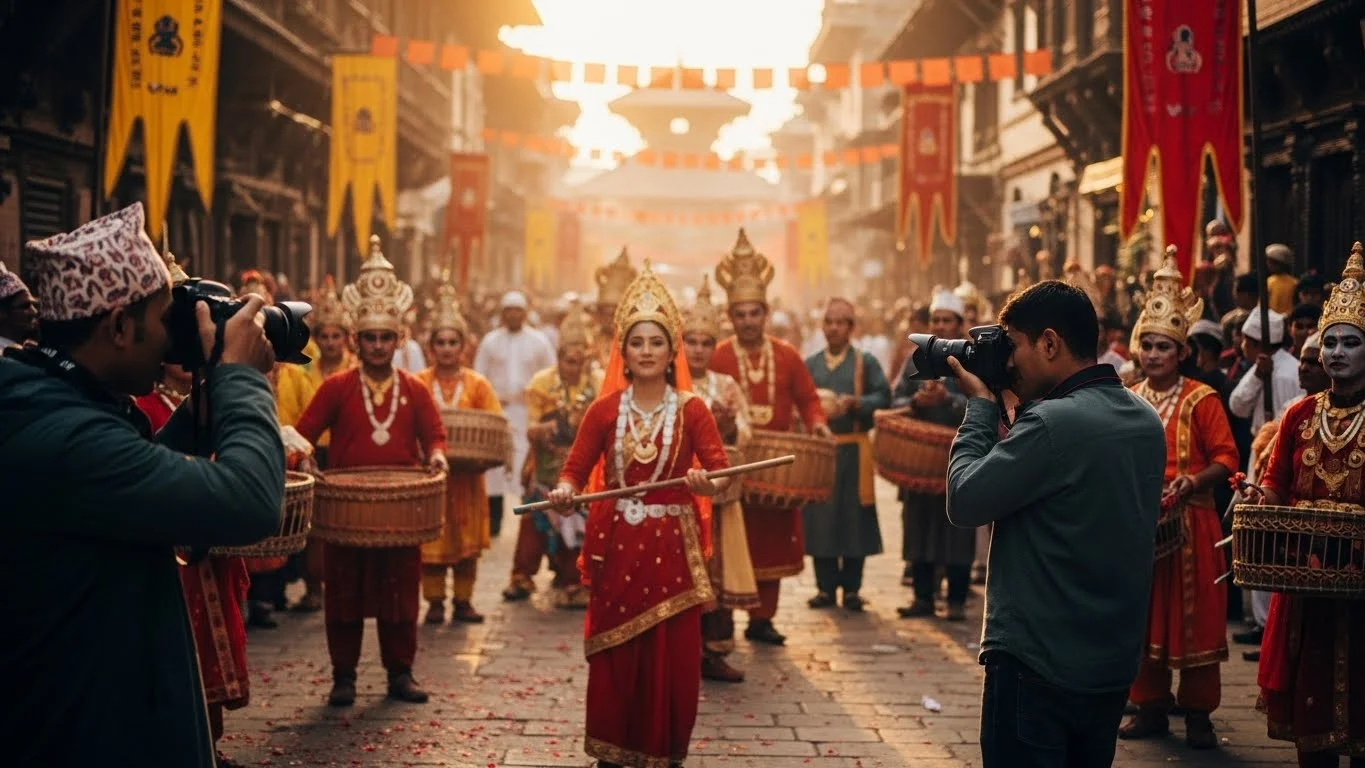
Understanding Cultural Festivals: A Photographer’s Perspective
Definition of Cultural Festivals
Cultural festivals can be defined as celebrations that showcase the unique traditions, customs, and art forms of a community or nation. These events often feature music, dance, food, and rituals that reflect the cultural heritage of a place. I remember attending my first cultural festival and being immediately swept away by the colors, sounds, and energy. It felt like stepping into a living tapestry of human expression. Each festival has its flavor, inviting us to explore and document its essence through photography.
Importance of Cultural Festivals in Photography
For photographers, cultural festivals are more than just events—they are opportunities to connect with diverse communities and capture humanity in all its forms. These festivals help us tell stories that resonate beyond borders. I’ve found that photographing festivals allows me to engage with people and their traditions on a deeper level. Whether it’s the joy of a dancer or the solemnity of a ritual, every moment holds potential for striking images that convey emotions and narratives.
Unique Photography Opportunities at Festivals
The unique nature of cultural festivals offers countless photography opportunities. From the intricate details of costumes and decorations to the spontaneous moments of joy and celebration, there’s a wealth of content waiting to be captured. I’ve had some of my most memorable photography experiences at these events. For instance, I once found myself in the middle of a vibrant parade, surrounded by dancers adorned in elaborate costumes, their smiles radiating joy. Those fleeting moments are what make festival photography exhilarating.
Moreover, festivals often take place in stunning locations, providing beautiful backdrops for our images. A bustling market in India during Diwali, or the serene temples of Kyoto during Gion Matsuri, are just a few examples of how the setting enhances our photography. Each location tells its own story, and as photographers, we get to weave our narratives through the images we capture.
Lighting is another aspect that makes festival photography so dynamic. Festivals usually occur at different times of the day, and each time brings its own unique lighting conditions. From the golden hour glow just before sunset to the vibrant neon lights at night, each scenario offers a different challenge. I’ve learned to embrace these conditions, adapting my techniques to capture the essence of the moment. For instance, using natural light effectively can create a magical atmosphere in your photos, while low light conditions at night can lead to stunning, dramatic images with the right settings.
What I find truly fascinating about cultural festivals is the sense of community they foster. People come together to celebrate, share, and experience something greater than themselves. As a photographer, I believe it’s our responsibility to honor that spirit. We must capture not just the visuals but also the emotions and connections that make these events special. I strive to document candid moments, where people express joy, laughter, or even quiet contemplation, which can evoke powerful feelings in those who view the images later.
In my experience, having a plan can be incredibly helpful when photographing cultural festivals. Researching ahead of time about the festival’s significance, its rituals, and the best vantage points for capturing the action can dramatically improve the results. However, I’ve also learned that remaining flexible and open to unexpected moments can lead to some of the best shots of all. Festivals are alive and ever-changing, and sometimes the most stunning images come from spontaneous experiences that we didn’t plan for. I often find myself wandering through the crowd, waiting for the right moment to capture the essence of the festival unfolding around me.
Read Interesting article: Essential Gear for Capturing Cultural Festivals on a Budget
Ultimately, cultural festivals are a playground for photographers. They not only provide us with the chance to hone our skills but also allow us to immerse ourselves in new cultures and traditions. Each festival we attend becomes a chapter in our storytelling journey, filled with lessons, friendships, and unforgettable memories. As we prepare to explore the best cultural festivals around the world, let’s keep in mind that we are not just observers but participants in a larger narrative of human expression.
Top Cultural Festivals Around the World for Photographers
Carnival in Rio de Janeiro, Brazil
Carnival in Rio de Janeiro is arguably one of the most famous cultural festivals in the world, and for good reason! The energy is palpable, and the colors are nothing short of breathtaking. I had the chance to experience it firsthand, and I still remember the sound of samba music echoing through the streets, the vibrant costumes, and the sheer joy of the crowd. As photographers, we are in a prime position to capture the essence of this exhilarating event.
Photography Tips for Capturing the Vibrant Atmosphere
When it comes to photographing Carnival, timing is everything. The parades are a feast for the eyes, but they move quickly, so being prepared is key. I recommend using a fast shutter speed to freeze the dancers in motion, as they twirl and sway through the streets. Also, consider shooting in burst mode; this way, you won’t miss those spontaneous moments of joy and excitement. Wide-angle lenses can help capture the grand scale of the events and the enthusiastic crowds surrounding them.
Key Moments to Photograph
Keep an eye out for the lively street parties, known as blocos, where locals and tourists alike dance together. The faces of the performers, their intricate costumes, and the crowd’s reactions make for incredible portraits. I often found that some of my best shots were the unplanned moments—the laughter, the surprises, and the interactions between strangers celebrating together. These candid captures tell a story that resonates with viewers long after the festival is over.
Diwali Festival in India
Diwali, the Festival of Lights, is another stunning opportunity for photographers. The sights and sounds of this festival evoke a sense of warmth and community. I remember being captivated by the glow of oil lamps and the vibrant rangoli designs that adorned many doorsteps. It’s a beautiful reminder of the importance of light in our lives, both literally and metaphorically.
Best Locations for Capturing the Festivities
In India, every city celebrates Diwali in its own unique way. I found that places like Varanasi, with its historic ghats, offer a magical backdrop for capturing the festivities. Jaipur, known for its colorful architecture, also comes alive with lights and decorations. I recommend exploring local neighborhoods where families celebrate together; these intimate settings often reveal the heart of the festival.
Lighting Techniques for Night Photography
Since Diwali is primarily a night festival, mastering low-light photography is crucial. A tripod is an essential tool for stabilizing your shots, especially when capturing the intricate details of diyas and fireworks. I also experimented with longer exposures, which allowed the lights to blur beautifully, creating a dreamy effect. Don’t forget to adjust your ISO settings to avoid too much noise in your images; I’ve found that a balance between ISO, aperture, and shutter speed can yield stunning night shots.
Oktoberfest in Munich, Germany
Oktoberfest is not just about beer; it’s a celebration of Bavarian culture that offers a plethora of photographic opportunities. The lively atmosphere, traditional attire, and festive decorations are a photographer’s dream. I remember feeling a sense of camaraderie each time I captured someone raising their stein, laughing with friends, and enjoying the festivities.
Best Times for Candid Shots
The best time for capturing candid shots is during the afternoon when the crowds are in full swing. I’ve found that if you wait for people to relax a bit, you can catch authentic moments of joy. Additionally, the golden hour just before sunset adds a warm glow to your images, making them even more inviting. Don’t shy away from approaching people and asking if you can take their picture; many are delighted to share their experience.
Capturing the Essence of Bavarian Culture
The traditional Bavarian attire, like lederhosen and dirndls, is essential to capture. I suggest focusing on the details, from the embroidery to the vibrant colors. In my experience, photographing people engaged in traditional dances, singing, or simply enjoying their food can beautifully convey the spirit of Oktoberfest. I often found myself immersed in conversations with locals, which led to some of my favorite portraits.
Holi Festival in India
Holi, the Festival of Colors, is another lively event that offers incredible opportunities for photography. The joy of throwing colored powders and the spirit of togetherness create an atmosphere that’s hard to forget. I remember the exhilaration I felt when I got caught up in the festivities, covered in colors myself!
Tips for Protecting Your Gear
One major consideration while photographing Holi is protecting your gear from the colored powders. I always recommend using a camera bag with a rain cover or a protective sleeve for your camera. A lens hood can also help keep the powders off the lens. I learned the hard way when some bright pink powder got into my camera; now, I bring along a few microfiber cloths to clean my lenses quickly.
Best Practices for Action Shots
Capturing the action during Holi can be challenging due to the fast-paced environment. To get those vibrant action shots, I often use a fast shutter speed and focus on the joyful expressions of people as they play. I found that getting low to the ground can provide a unique perspective and make the images feel more immersive. And, of course, don’t forget to embrace the chaos and have fun with it; sometimes the best shots come when you’re not taking yourself too seriously!
La Tomatina in Buñol, Spain
La Tomatina is one of the wildest festivals I’ve ever attended. The sheer fun of hurling tomatoes at each other makes for epic photos. I remember the excitement as everyone prepared for the tomato fight, and the vibrant red splashes created a canvas of chaos.
Strategies for Action Photography
When it comes to action photography during La Tomatina, anticipation is key. I recommend positioning yourself at a high vantage point to capture the full scope of the event. A zoom lens can help you get close-up shots without getting caught in the fray. I found that shooting in burst mode allows you to capture the perfect moments of tomato-splattered faces and laughter.
Unique Angles for Memorable Shots
Experimenting with different angles can help make your images stand out. I often crouched down to shoot through the crowd, giving a sense of depth to my photos. Capturing the aftermath of the event, like the expressions of joy and laughter, can also tell a compelling story of the day. After all, the fun doesn’t stop when the tomatoes do!
The Running of the Bulls in Pamplona, Spain
The Running of the Bulls is an adrenaline-pumping event that gives photographers a mix of excitement and challenge. The thrill of capturing the moment when the bulls charge down the streets is something I’ve never experienced anywhere else.
Safety Tips for Photographers
Your safety comes first! I always advise fellow photographers to choose their spots wisely and be aware of the surroundings. Stay behind barriers and keep a safe distance while still being able to capture the action. I also recommend that you wear sturdy shoes and be prepared to move quickly if needed. The key is to balance the urge to capture the moment with staying safe.
Best Locations for Spectacular Shots
Finding the right location is crucial for getting those breathtaking shots. I’ve found that areas at the corners of the streets tend to offer dynamic views of the bulls and runners. A wide-angle lens can help capture the drama of the scene, showcasing the excitement of both the bulls and the spectators. Remember to stay alert and keep your camera ready; the action unfolds quickly!
Chinese New Year Celebrations
Chinese New Year is a magnificent festival filled with rich traditions and cultural significance. I’ve had the chance to witness the vibrant parades, dancing dragons, and intricate lantern displays, all of which are a treat for any photographer.
Capturing Traditions and Performances
During this festive time, I recommend focusing on the details that represent the culture—like the intricate decorations and traditional performances. I loved capturing the expressions on people’s faces during lion dances and the excitement of children receiving red envelopes. It’s a moment of joy that translates beautifully into photographs.
Best Cities for Photography
While many cities celebrate Chinese New Year, I found San Francisco and New York City to be particularly stunning. The parades in these cities are grand, with countless opportunities for striking photographs. I suggest scouting locations ahead of time to find the best spots to capture the action and atmosphere.
Gion Matsuri in Kyoto, Japan
The Gion Matsuri is one of Japan’s most famous festivals, and it provides a glimpse into the country’s rich traditions. I felt honored to witness the stunning floats and beautiful traditional attire during my visit.
Traditional Attire and Processions
Make sure to capture the elaborate kimonos worn by participants; the colors and details are simply mesmerizing. I found that focusing on the expressions of those in traditional attire can create some powerful images that showcase the spirit of the festival. The processions are slow-paced, allowing for ample opportunities to capture the movement and essence of the event.
Best Times for Street Photography
Street photography during Gion Matsuri is best done during the daytime, especially when the floats are paraded through the streets. The sunlight highlights the vibrant colors, making for stunning shots. I enjoyed finding quiet moments amidst the bustling crowds, where I could capture interactions and genuine emotions. This festival is as much about the people as it is about the floats, so don’t forget to tell their story through your lens.
When to Visit: Timing Your Travel for Festivals
Understanding Festival Calendars
One of the most exciting aspects of cultural festivals is knowing the right time to visit. Each festival has its own calendar, often tied to local traditions, religious events, or historical dates. I remember when I began planning my travels specifically around these festivals. I quickly realized that understanding the festival calendars was crucial for making the most of my photography experiences. Many festivals occur at the same time each year, but some can vary, so doing a bit of research can really pay off.
For instance, I learned that the dates for Diwali shift slightly each year based on the lunar calendar, making it essential to check the specific dates before planning my trip. I found various online resources and local tourism websites that provided up-to-date information about these events, which made my planning process much smoother.
Also, keep in mind that some festivals, like Carnival in Brazil, can last for several days, offering photographers multiple opportunities to capture different aspects of the celebrations. I found that by visiting during the buildup to the festival, I could also capture the preparations, which often tell a beautiful prelude to the main event.
Best Months for Cultural Festivals Worldwide
In my journey, I discovered that certain months are more popular for cultural festivals across different regions. For example, the months of February and March are bustling with festivals in many parts of the world, from Carnival in Brazil to Holi in India. I remember planning a trip that spanned across these months and felt lucky to experience such a variety of celebrations all in one go.
Summer months, particularly June through August, tend to have numerous outdoor festivals. I found that places like Europe come alive with fairs, street performances, and music festivals during this time. The vibrant atmosphere is infectious, and the long daylight hours provide excellent lighting conditions for photography.
Another important point is that fall can be a fantastic time to visit places like Japan, where festivals like Gion Matsuri offer breathtaking views against the backdrop of autumn foliage. I made it a point to visit Kyoto in October, and the blend of cultural richness and natural beauty made for unforgettable photographs.
Weather Considerations for Outdoor Photography
Weather can play a significant role in your festival photography experience. I’ve learned to always check the weather forecast before heading out to a festival. Some festivals take place in the rain, which can create dramatic and moody images, while others might be spoiled by unfavorable conditions. For instance, attending the La Tomatina festival in Spain was an exhilarating experience, but I was also grateful for the sunny weather that day, which made the colors pop even more in my photos.
In colder climates, such as during the Winter Carnival in Quebec, Canada, knowing how to dress appropriately is key. I remember layering up to stay warm while still being able to move freely for photography. Cold weather can also lead to unique photo opportunities, like capturing people wrapped in vibrant scarves or enjoying hot drinks, which can add warmth to your images.
For festivals that occur during hot summer months, staying hydrated and taking breaks is vital. I found that carrying a small water bottle and finding shade when needed helped me maintain my energy levels for shooting throughout the day. This way, I could focus on capturing the joyful expressions of festival-goers without feeling drained.
Preparing for Festival Photography
Essential Photography Gear for Festivals
When it comes to festival photography, having the right gear can make a world of difference. Over the years, I’ve learned what to pack for these vibrant events to ensure I’m ready for anything. A lightweight, portable camera is often my go-to choice. I remember using my mirrorless camera at a busy street festival, which allowed me to maneuver easily through crowds without feeling weighed down.
Bringing extra batteries and memory cards is also a must. I’ve had moments when I was caught off guard by how many shots I wanted to take, especially during a particularly exciting festival. I always keep a few spare batteries and cards handy, just in case. A good camera bag that allows easy access to my gear is crucial too. I learned the hard way when I fumbled around trying to grab my camera in the middle of a parade!
Camera Recommendations
For festivals, I often recommend cameras with great low-light performance, as many events take place in less-than-ideal lighting conditions. I have found DSLRs and mirrorless cameras with larger sensors typically yield better results. A camera with a fast autofocus system is also helpful when capturing fast-moving subjects, like dancers or parade floats. I remember how my camera’s autofocus made capturing those dynamic moments so much easier.
Lens Selection for Different Scenarios
Lens selection is another key factor in festival photography. I usually pack a versatile zoom lens that covers a range of focal lengths, allowing me to adapt to different situations. I found that a 24-70mm f/2.8 lens is perfect for capturing both wide scenes and close-up details. When photographing crowds, having a wider aperture can help create beautiful bokeh, isolating subjects against the vibrant background. A prime lens with a fast aperture can also work wonders in low-light settings, like during nighttime celebrations.
Frequently Asked Questions
What are cultural festivals?
Cultural festivals are celebrations that showcase the unique traditions, customs, and art forms of a community or nation. They often feature music, dance, food, and rituals that reflect the cultural heritage of a place.
Why are cultural festivals important for photographers?
Cultural festivals provide photographers with opportunities to connect with diverse communities and capture humanity in all its forms. They allow photographers to tell stories that resonate beyond borders and engage with people and their traditions on a deeper level.
What unique photography opportunities are available at cultural festivals?
Cultural festivals offer countless photography opportunities, including intricate details of costumes, spontaneous moments of joy and celebration, and stunning locations that serve as beautiful backdrops for images.
How can photographers adapt to different lighting conditions at festivals?
Photographers can adapt to different lighting conditions by embracing the unique scenarios that festivals present. They can use natural light effectively, adjust their camera settings for low light conditions, and experiment with techniques such as longer exposures to capture the essence of the moment.
What are some tips for photographing the Carnival in Rio de Janeiro?
For Carnival, it is recommended to use a fast shutter speed to freeze the dancers in motion, shoot in burst mode, and consider using wide-angle lenses to capture the grand scale of the events and enthusiastic crowds.
What should photographers consider when capturing Diwali in India?
Photographers should master low-light photography techniques, use a tripod for stability, experiment with longer exposures, and adjust ISO settings to avoid noise in images. Key locations include Varanasi and Jaipur for their unique celebrations.
What are some best practices for photographing Holi?
To protect gear from colored powders, photographers should use a camera bag with a rain cover, a lens hood, and microfiber cloths for cleaning. Fast shutter speeds and getting low to the ground can help capture vibrant action shots during the festival.
How can photographers effectively capture the essence of Oktoberfest?
Photographers should focus on the details of traditional Bavarian attire, capture candid moments during the afternoon, and approach people for portraits. The golden hour just before sunset can enhance the warmth of the images.
What safety tips should photographers keep in mind during the Running of the Bulls?
Photographers should choose their spots wisely, stay behind barriers, wear sturdy shoes, and be prepared to move quickly. Balancing the urge to capture the moment with safety is crucial.
How can photographers prepare for festival photography?
Essential preparation includes bringing a lightweight, portable camera, extra batteries and memory cards, and a good camera bag for easy access. Selecting cameras with great low-light performance and versatile lenses can significantly improve photography results at festivals.
Read Interesting article: Top 10 Festivals to Photograph: A Backpacker’s Guide
Read Interesting article: Capture the Spirit: Festivals Photography Tips for Travelers