
Exploring the world through traditional dance forms is like embarking on a vibrant journey filled with culture, history, and emotion. Each dance tells a story, celebrating the unique identity of its people. To deepen your understanding, uncover the magic of traditional cultural celebrations that highlight these art forms.
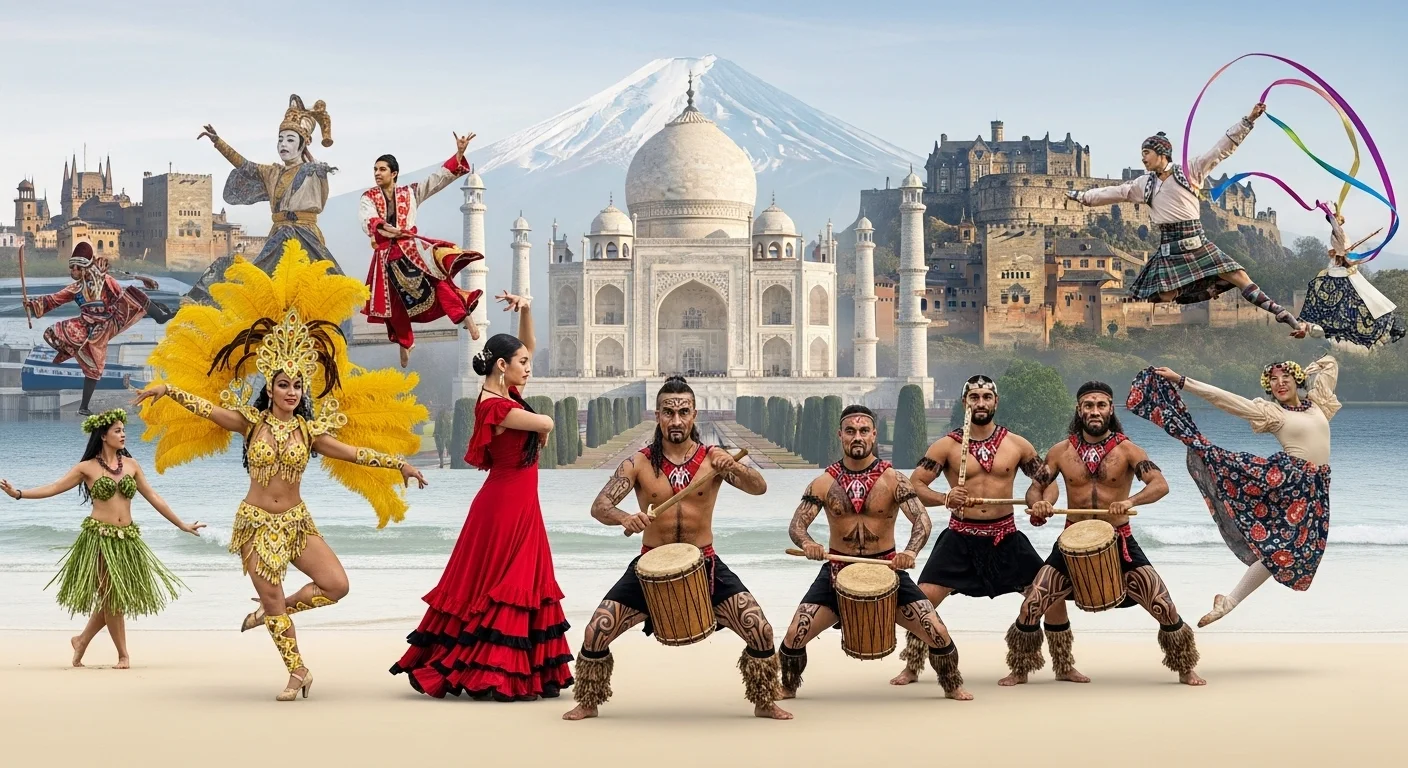
Understanding Traditional Dance Forms
Definition and Significance of Traditional Dance
When I think about traditional dance, I picture a colorful tapestry woven from the threads of culture, history, and identity. Traditional dance forms are not just about movement; they carry deep meanings and reflect the customs, values, and beliefs of a community. For me, experiencing traditional dance is like stepping into a living history book, where every step and gesture tells a story. These dances serve various purposes: they can be a means of expression, a way to celebrate important life events, a medium for storytelling, or even a spiritual practice.
History and Evolution of Dance Across Cultures
Diving into the history of traditional dance is like uncovering hidden gems from the past. Each culture has its unique evolution, often influenced by geography, politics, and social changes. For instance, I learned that many traditional dances began as rituals, performed to connect with the divine or to mark significant milestones in life. Over time, these dances have transformed, adapting to modern influences while still holding onto their roots.
Take ballet, for example. It originated in the Italian Renaissance courts, evolving into the structured art form we know today. Similarly, I’ve seen how traditional dances from Africa have merged with contemporary styles, creating new forms while maintaining their original essence. It’s fascinating to witness how traditional dances not only preserve history but also adapt to the ever-changing world we live in.
One of my favorite aspects of exploring dance history is discovering how different cultures have borrowed from one another. For instance, the fusion of traditional African rhythms with jazz in the United States created an entirely new dance form that still honors its origins. This interplay of cultures illustrates the beauty of dance as a universal language, capable of transcending borders and time.
As I delved deeper into this topic, I found that traditional dances often serve as a reflection of a community’s struggles and triumphs. They encapsulate the spirit of a people, illustrating their resilience, joy, and hopes for the future. I remember attending a dance performance that depicted the history of a community’s fight for identity and recognition. The movements were powerful, and I felt a deep connection to the dancers’ stories, even though we came from different backgrounds.
There’s also a profound sense of pride that comes with traditional dances. Many communities invest time and effort in preserving their unique styles, passing them down through generations. I’ve seen families come together to teach their children the dances of their ancestors, ensuring that these cherished traditions continue to thrive. It’s a beautiful reminder that we are all connected by the threads of human experience, no matter where we come from.
As globalization continues to shape our world, I believe it’s essential to appreciate and understand traditional dance forms. They are not merely an art form but rather a celebration of cultural heritage. Engaging with these dances allows us to honor the past while looking towards the future. I often find myself reflecting on how learning about these traditions enriches my understanding of humanity as a whole.
In many ways, traditional dances serve as a bridge, connecting us to our past while inviting us to engage with the present. They remind us of our shared stories, struggles, and victories, making them an invaluable part of our global tapestry. As I explore various traditional dance forms, I feel grateful for the opportunity to witness the beauty and diversity of human expression.
Popular Traditional Dance Forms Around the World
Bharatanatyam (India)
Bharatanatyam was one of the first dance forms I became truly fascinated with. Originating from Tamil Nadu, this classical dance is a beautiful blend of expressive hand gestures, intricate footwork, and vibrant costumes. I remember watching a performance and being completely mesmerized by the dancer’s ability to convey emotions through movements. Each pose tells a story, often drawn from Hindu mythology. The rhythm, combined with the expressive facial expressions, creates a captivating experience. I felt as if I was transported to another world, one filled with ancient tales and deep cultural significance.
Flamenco (Spain)
Flamenco is another dance form that resonates with me. When I think of Flamenco, the fiery passion and dramatic movements come to mind. Originating in the Andalusian region of Spain, this dance is characterized by its rhythmic foot stamping, hand clapping, and intricate guitar melodies. I had the chance to attend a Flamenco show, and the energy in the room was electric. The dancers, dressed in colorful, flowing outfits, expressed raw emotions through every step. I learned that Flamenco is not just a style of dance; it’s a way for performers to connect with their heritage and express their individual stories. I could feel the history and heartache behind each performance, which made it all the more powerful.
Hula (Hawaii)
Hula is another traditional dance form that I cherish. This dance from Hawaii is a celebration of life, nature, and spirituality. I was lucky enough to participate in a Hula workshop, where I learned that every movement has a meaning tied to the stories of the islands. The gentle swaying and flowing movements felt like a conversation with the ocean breeze. Hula is often accompanied by chants or songs that narrate historical events or express feelings of love and gratitude. It’s an intimate connection between the dancer and their environment, and I felt deeply connected to the land and its culture during my experience.
Irish Dance (Ireland)
Irish dance has a special place in my heart, especially after attending a traditional Irish dance show. The rapid footwork and precise movements amazed me. The dancers, often clad in colorful dresses, performed intricate steps that created a rhythm almost like a heartbeat. I was struck by how the dance embodies the spirit of celebration and community. I learned that Irish dance has evolved over the years, from its roots in traditional folk dances to the captivating performances we see today, like those in “Riverdance.” It’s a beautiful reminder of how dance can bring people together to celebrate their heritage.
Balinese Dance (Indonesia)
When I think of Balinese dance, I envision vibrant costumes and elaborate makeup. Originating from Indonesia, this dance is rich in storytelling and spirituality. I had the privilege of witnessing a Balinese performance, which told the story of ancient myths and legends. The dancers’ precise movements and facial expressions conveyed emotions that words simply couldn’t capture. The intricate choreography, combined with the haunting music, created a mesmerizing atmosphere. It was clear to me that Balinese dance is not just entertainment; it’s a spiritual practice that reflects the culture’s deep reverence for their ancestors and the divine.
Native American Dance (North America)
Native American dance holds a profound significance within various tribes and communities across North America. I’ve had the opportunity to observe some of these dances during cultural festivals. These performances often serve as a means of honoring traditions, celebrating harvests, or marking important life events. The movements are often symbolic, telling stories of creation, battles, and nature. I felt a strong sense of community and belonging while watching these dancers, as they expressed their connection to their ancestors and the earth. It’s a beautiful reminder of the resilience and rich heritage of Native American cultures.
Kathak (India)
Kathak is another Indian classical dance that I find enchanting. This dance form has its roots in storytelling and is known for its intricate footwork and graceful movements. When I first encountered Kathak, I was captivated by the way the dancer spun in circles, creating a beautiful blur of color and energy. Each performance is often accompanied by live music, which enhances the narrative being told. I learned that the dance can convey various emotions, from joy to sorrow, and it often reflects the dancer’s personal interpretation of the stories being shared. Experiencing Kathak feels like witnessing poetry in motion.
Traditional African Dances
Lastly, traditional African dances are incredibly diverse, with each region offering its unique styles and rhythms. I remember attending a celebration where different tribes showcased their dances. The vibrant beats of drums filled the air, and I was immediately drawn to the infectious energy of the performers. These dances are often tied to community events such as weddings, harvest festivals, or rites of passage. Each movement tells a story, celebrating life and expressing cultural values. It was inspiring to see how dance serves as a vital means of preserving history and fostering community bonds in African cultures.
Cultural Context of Traditional Dances
Role of Dance in Cultural Identity
The role of dance in shaping cultural identity is something I’ve come to appreciate deeply. It’s fascinating to see how every dance form acts as a cultural marker, helping people feel connected to their roots. For me, attending various dance performances has been eye-opening. I’ve noticed how dancers often wear traditional attire that reflects their heritage, and the music played often resonates with the history of their people. These visual and auditory elements create a strong sense of belonging and pride.
In many ways, dance becomes a way to express who we are. I remember a moment at a local cultural festival where a group of dancers performed a traditional dance from their homeland. The energy in the room shifted as everyone watched in awe. It reminded me that dance is more than just art; it’s a celebration of identity, a way for communities to assert their uniqueness in a world that can sometimes feel homogenized. When I see people of different backgrounds coming together to participate in these dances, it reinforces my belief that we all share a universal desire to belong.
Dance as a Storytelling Medium
Dancing as a form of storytelling is something that truly resonates with me. Each step, each movement holds a narrative, connecting us to the past. I’ve been fortunate to witness many performances where dancers shared tales of love, conflict, and triumph through their movements. For instance, I attended a performance of a traditional Maori dance, known as the haka. It was powerful to see how the dancers told stories of their ancestors, their struggles, and their victories through rhythmic chanting and dynamic movements. The energy in the room was palpable, and I felt a deep sense of respect for the rich history that each performance encapsulated.
Storytelling through dance transcends language barriers. I remember watching a contemporary dance piece that incorporated elements of traditional dance from various cultures. Even though I couldn’t understand the language, I could feel the emotions and the stories being conveyed through the movements. This experience made me realize that dance has a unique ability to communicate complex ideas and feelings in a way that words sometimes cannot. It’s a beautiful testament to the power of human expression.
Rituals and Celebrations Involving Dance
Rituals and celebrations often intertwine with dance, creating an atmosphere filled with meaning and joy. I’ve had the privilege of participating in various cultural ceremonies where dance played a central role. One of my most memorable experiences was at a wedding where traditional dances were performed to honor both families. The joy and togetherness felt during those moments were palpable, as everyone joined in, celebrating love and unity through dance.
I also discovered that many traditional dances are performed during significant life events, such as births, coming-of-age ceremonies, and harvest festivals. I attended a harvest celebration where local farmers showcased their traditional dance to give thanks for a bountiful crop. The whole community participated, dancing to the rhythm of drums and clapping hands, creating a vibrant and festive atmosphere. It was a powerful reminder of how dance can strengthen community bonds and provide a sense of continuity in the face of change.
Additionally, I’ve seen how dance is often used in religious and spiritual rituals. For example, during a visit to a Native American powwow, I was captivated by the dancers who performed traditional dances to honor their ancestors and express gratitude to the earth. The spiritual connection was evident, and I felt fortunate to witness such a sacred moment. These rituals highlight the importance of dance not just as a form of entertainment but as a vital part of cultural expression and spiritual life.
In my experience, traditional dances are more than just performances; they are cultural narratives passed down through generations. They allow us to connect with our history, celebrate our present, and hope for our future. By participating in or simply observing these dances, I feel a sense of unity with diverse cultures, reminding me that despite our differences, we share similar values and aspirations. This understanding enriches my own cultural perspective and fosters a deeper appreciation for the world around us.
Learning and Experiencing Traditional Dances
Where to Take Traditional Dance Classes
One of the most rewarding experiences I’ve had was enrolling in traditional dance classes. It opened up a whole new world for me. I remember my first Bharatanatyam class, where I was introduced to the intricate hand gestures (mudras) and footwork that define the dance. The studio was filled with the sound of rhythmic beats, and I felt a surge of excitement as I learned each movement.
Whether you’re interested in Flamenco, Hula, or Irish dance, there are often local dance schools or cultural centers that offer classes. I recommend looking for classes that are run by experienced instructors who have deep connections to the dance’s cultural roots. In my case, learning from a teacher who shared stories about the dance’s history made the experience much richer. Online platforms also offer various classes, which can be a great starting point if you’re unable to find local options. You can even explore backpacking adventures that discover traditional music & dance for more immersive experiences.
Festivals Celebrating Traditional Dances
Attending festivals that celebrate traditional dances is another incredible way to immerse yourself in the culture. I’ve been fortunate enough to attend events like the annual Native American powwow, where dancers from various tribes come together to showcase their rich heritage through elaborate performances. The atmosphere was electric, filled with vibrant costumes, traditional music, and a palpable sense of community.
Festivals like these not only showcase the beauty of traditional dances but also allow us to connect with the people who keep these traditions alive. I remember feeling a deep sense of appreciation for the dedication it takes to maintain these cultural expressions. There are also international festivals that focus on traditional dance forms from around the world, providing a platform for sharing and learning. It’s fascinating to witness how different cultures celebrate their uniqueness through dance. Additionally, consider participating in unforgettable experiences like traditional music and dance tours to get a firsthand view of these art forms.
Online Resources and Tutorials for Learning Dance
In today’s digital age, we are lucky to have access to a wealth of online resources for learning traditional dances. I’ve discovered countless YouTube channels and websites dedicated to teaching various dance forms. From step-by-step tutorials to full-length performances, these resources have allowed me to practice at my own pace. I particularly enjoyed the online classes that offered live interactions with instructors, making it feel like I was part of a virtual community.
Moreover, many cultural organizations offer online workshops that delve into the history and significance of each dance form while providing practical lessons. Exploring these resources has not only enhanced my skills but also deepened my understanding of the cultural context behind each dance. It’s amazing how technology can bridge the gap between cultures and create opportunities for learning.
The Influence of Traditional Dance on Contemporary Arts
Fusion of Traditional and Modern Dance Styles
One aspect of traditional dance that I find truly exciting is its influence on contemporary arts. I’ve seen how traditional movements and styles have been blended with modern dance forms, creating something entirely new. This fusion keeps the essence of the original dance while also making it accessible to a broader audience. For instance, I attended a contemporary performance where the choreography incorporated elements of Kathak and hip-hop. The combination was thrilling, and it sparked my curiosity about how traditional forms can evolve.
Impact on Music and Performance Arts
Traditional dance also significantly impacts music and other performance arts. I’ve noticed how musicians often draw inspiration from traditional rhythms and melodies, infusing them into modern compositions. This cross-pollination creates a beautiful tapestry of sound and movement that resonates with audiences. I remember attending a concert where the live band played traditional African beats while dancers performed alongside them. The synergy between the music and dance was captivating, and it highlighted how these art forms can complement each other.
Preservation of Traditional Dance in Modern Society
As we navigate through modern society, the preservation of traditional dance forms becomes increasingly important. I feel that it’s our responsibility to keep these cultural expressions alive, ensuring that future generations can experience and appreciate them. Efforts are being made worldwide to document and teach these dances, often through community programs and educational initiatives. I’ve seen how local communities come together to share their dance traditions with youth, fostering a sense of pride and connection to their heritage.
Challenges Facing Traditional Dance Forms Today
Globalization and Its Effects on Traditional Dance
Globalization has undoubtedly brought people closer, but it has also presented challenges to traditional dance forms. I’ve noticed that as cultures blend, some traditional dances risk being diluted or overshadowed by more dominant forms. This loss can be disheartening, as each dance carries the unique essence of its community. I believe it’s essential for us to actively support and promote cultural diversity to ensure that these invaluable traditions continue to thrive.
Efforts to Preserve Traditional Dance
Fortunately, many organizations and individuals are dedicated to preserving traditional dance forms. I’ve encountered numerous initiatives aimed at documenting dance traditions through film, workshops, and community events. These efforts not only keep the dances alive but also create spaces for dialogue and exchange between different cultures. I often feel inspired by the passion of those involved in these preservation efforts, reminding me of the power of art to bring people together.
Changing Audience Perceptions and Interests
As audience preferences evolve, traditional dance forms face the challenge of remaining relevant. I’ve seen how younger generations often gravitate towards contemporary styles, which can sometimes overshadow traditional practices. This shift highlights the need for creative approaches to engage audiences with the beauty and significance of traditional dance. When I watch performances that weave together the old and the new, I feel a renewed sense of excitement about these art forms.
Final Thoughts
Reflecting on my journey through the world of traditional dance, I feel a profound appreciation for the rich tapestry of stories and emotions that these art forms embody. Each dance not only celebrates cultural heritage but also serves as a bridge connecting us all. Whether through learning, observing, or participating, I encourage everyone to explore traditional dances. They have the power to inspire, educate, and unite us in ways that are truly special. The future of traditional dance lies in our hands, and by cherishing and supporting these forms, we can ensure that they continue to flourish for generations to come.
Frequently Asked Questions
What is the significance of traditional dance forms?
Traditional dance forms carry deep meanings and reflect the customs, values, and beliefs of a community. They serve various purposes, including expression, celebration of life events, storytelling, and spiritual practices.
How have traditional dances evolved over time?
Traditional dances have transformed over time, often influenced by geography, politics, and social changes. Many started as rituals and have adapted to modern influences while maintaining their roots.
Can you give examples of popular traditional dance forms?
Some popular traditional dance forms include Bharatanatyam from India, Flamenco from Spain, Hula from Hawaii, Irish Dance from Ireland, Balinese Dance from Indonesia, Native American Dance, and Kathak from India.
What role does dance play in cultural identity?
Dance acts as a cultural marker, helping people feel connected to their roots. It expresses who we are and celebrates our uniqueness, reinforcing a sense of belonging within communities.
How does dance serve as a storytelling medium?
Each movement in dance holds a narrative that connects us to the past. Dance can convey complex ideas and emotions, transcending language barriers and communicating stories of love, conflict, and triumph.
What types of rituals and celebrations involve traditional dance?
Traditional dances are often performed during significant life events such as births, coming-of-age ceremonies, weddings, and harvest festivals, serving to strengthen community bonds and cultural expressions.
Where can someone take traditional dance classes?
Traditional dance classes can often be found at local dance schools or cultural centers. Online platforms also offer various classes, making it easier to learn different dance forms from home.
How can festivals enhance the experience of traditional dances?
Festivals celebrating traditional dances bring together performers from various cultures, showcasing their heritage and creating a vibrant community atmosphere. They allow attendees to connect with the cultural significance of the dances.
What challenges do traditional dance forms face today?
Challenges include the dilution of traditional dances due to globalization, changing audience preferences, and the need to remain relevant to younger generations who may favor contemporary styles.
What efforts are being made to preserve traditional dance forms?
Many organizations and individuals are dedicated to preserving traditional dance through documentation, workshops, and community events, fostering dialogue and exchange between cultures to keep these art forms alive.