
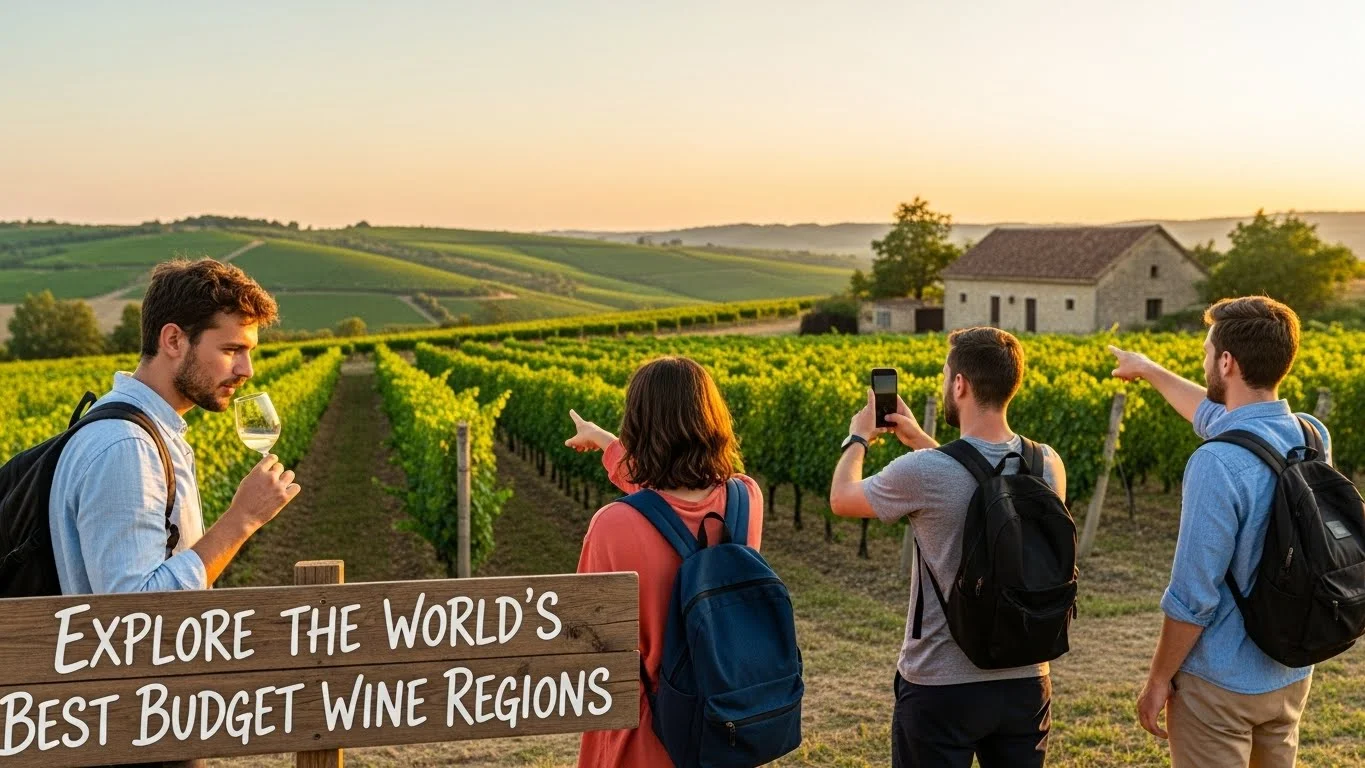
Traveling to wine regions doesn’t have to break the bank. From stunning landscapes to delicious wines, exploring budget-friendly wine regions can be an unforgettable experience without the hefty price tag. Read Interesting article: Your Guide to Budget Wine Regions Around the Globe
Introduction to Budget Wine Regions
Understanding Budget Wine Regions
When I first started exploring wine regions, I was surprised to discover that you don’t need to have a fat wallet to enjoy quality wines and beautiful scenery. Budget wine regions are spots around the world where the local viticulture thrives, but the prices remain affordable. I’ve traveled to several of these regions, and they offer everything from charming towns to breathtaking vineyards, all while being easy on the wallet. The best part? You can savor exquisite wines without feeling guilty about overspending. If you’re interested in learning more about affordable wine travel, check out Wine Travel on a Budget: Discover Affordable Regions.
Why Travel to Wine Regions?
Traveling to wine regions is more than just about tasting wine; it’s about immersing yourself in a culture that revolves around tradition, craftsmanship, and community. I remember my first visit to a vineyard. It wasn’t just about sampling the wine but learning about the process that goes into making it, from grape to glass. The hospitality of local vintners made it even more memorable. Plus, there’s nothing quite like enjoying a glass of wine while surrounded by rolling hills and picturesque landscapes. For me, those moments are what life is all about.
Top Budget Wine Regions Around the World
1. Mendoza, Argentina
Overview of Mendoza
Mendoza is often regarded as the heart of Argentinian wine production, and for good reason. The region is famous for its Malbec wines, and the landscape is dotted with impressive vineyards set against the backdrop of the Andes mountains. I was blown away by the stunning views and the warm hospitality of the locals. What’s great is that many wineries offer free or low-cost tastings, making it easy to explore without spending a fortune.
Best Time to Visit
The best time to visit Mendoza is during the harvest season, which runs from March to April. I went in April, and the atmosphere was electric. There were festivals celebrating the harvest, and the vineyards were bursting with vibrant colors. It’s a time when you can really feel the energy of the region.
Local Wineries to Explore
There are numerous wineries to explore in Mendoza, but a few stand out. Bodega Catena Zapata is a must-visit for its iconic architecture and excellent Malbec. I also loved visiting Bodega Salentein, where the art gallery adds an extra layer to the experience. Many wineries offer guided tours, and I recommend booking a few in advance to ensure you don’t miss out.
Dining Options and Local Cuisine
Mendoza is not just about wine; the food scene is equally impressive. I enjoyed several meals at local parillas (steakhouses) where I savored delicious grilled meats paired perfectly with Malbec. Don’t miss trying the empanadas—they’re a local favorite! Many wineries also have restaurants on-site, making it easy to enjoy a meal with a view.
Accommodation Recommendations
For accommodations, there are plenty of budget-friendly options, including hostels and boutique hotels. I found a charming guesthouse that offered reasonable rates and a lovely garden where I could relax after a day of wine tasting. Staying in the city center is convenient as it gives you easy access to shops and restaurants.
2. Douro Valley, Portugal
Overview of Douro Valley
The Douro Valley is famous for its terraced vineyards and stunning river views. Portugal is often overlooked when it comes to wine travel, but I discovered that the region offers some of the best value for money. The local wines, particularly Port, are exceptional, and the scenery is simply breathtaking. I spent days wandering through vineyards and soaking in the beauty of this UNESCO World Heritage site.
Best Time to Visit
Visiting between September and October is ideal, as the grape harvest is in full swing. I experienced the excitement of the harvest firsthand, and it was fascinating to see the locals working together to collect the grapes. The weather is also perfect during this time, making it great for outdoor activities.
Local Wineries to Explore
Some wineries that I recommend include Quinta do Crasto and Quinta do Vallado. Both offer tours and tastings, and I found their prices to be very reasonable. The views from these estates are stunning, and the staff is incredibly knowledgeable and passionate about their wines.
Dining Options and Local Cuisine
In the Douro Valley, the food is just as memorable as the wine. I enjoyed traditional Portuguese dishes in quaint restaurants, such as bacalhau (codfish) and local cheeses. Many eateries offer set menus, which are not only budget-friendly but also allow you to sample a variety of local flavors.
Accommodation Recommendations
For lodging, look for guesthouses or small hotels that offer stunning views of the valley. I stayed at a family-run guesthouse that was affordable and felt like home. The owners were incredibly friendly and even prepared a delicious breakfast with local ingredients.
3. Tuscany, Italy
Overview of Tuscany
Tuscany is synonymous with beautiful landscapes, art, and wine. I’ve always dreamed of wandering through the rolling hills of Chianti, and when I finally did, it exceeded all my expectations. The region is known for its Sangiovese wines, and the rustic charm of the villages is simply enchanting.
Best Time to Visit
Spring (April to June) and early autumn (September to October) are the best times to visit. I found the weather to be perfect for outdoor activities, and the vineyards were bustling with activity. Plus, the scenery is absolutely gorgeous during these seasons.
Local Wineries to Explore
Some wineries that stood out for me were Castello di Ama and Badia a Coltibuono. They both offer amazing tours, tastings, and breathtaking views of the vineyards. Many places have affordable tasting options, and I loved learning about the wine-making process directly from the winemakers.
Dining Options and Local Cuisine
Tuscany is a food lover’s paradise. I feasted on ribollita (a traditional Tuscan soup) and pici (handmade pasta) at local trattorias. Dining in Tuscany can be quite affordable if you stick to family-run places, and I always found the atmosphere to be warm and inviting.
Accommodation Recommendations
For accommodations, I recommend looking for agriturismos, which are farm stays that offer a unique experience. I stayed at one that was budget-friendly and provided meals made from fresh ingredients grown on-site. It truly felt like an authentic Tuscan experience.
4. Valle de Guadalupe, Mexico
Overview of Valle de Guadalupe
If you’re looking for a hidden gem, Valle de Guadalupe is it! Nestled in Baja California, this region is gaining recognition for its innovative wines and stunning landscapes. I was amazed by how vibrant and diverse the wine scene was, especially for such a budget-friendly destination.
Best Time to Visit
The best time to visit is during the harvest season in late summer (August to October). I loved the festive atmosphere during this time, with many wineries hosting events and tastings.
Local Wineries to Explore
Some of my favorite wineries in Valle de Guadalupe include Monte Xanic and Casa de Piedra. Both offer great tastings at affordable prices, and the staff are incredibly welcoming. I had the chance to meet some of the winemakers, which added a personal touch to my experience.
Dining Options and Local Cuisine
The culinary scene in Valle de Guadalupe is worth exploring. I indulged in farm-to-table dining experiences, where fresh ingredients are the star of the show. Many wineries also have excellent restaurants, and I found that dining options were surprisingly affordable.
Accommodation Recommendations
For accommodation, there are many boutique hotels and rustic lodges that won’t break the bank. I stayed at a cozy hotel that offered stunning views of the vineyards and was just a stone’s throw away from some fantastic wineries.
5. Stellenbosch, South Africa
Overview of Stellenbosch
Stellenbosch is one of South Africa’s most famous wine regions, known for its beautiful scenery and excellent wines. I was captivated by the charming town and the warm atmosphere of the wineries. The region is especially famous for its Cabernet Sauvignon and Shiraz, and it was a delight to explore.
Best Time to Visit
Visiting during the harvest season from February to April is ideal. The vineyards are bustling with activity, and I enjoyed the vibrant energy in the air. The weather is also perfect for outdoor activities during this time.
Local Wineries to Explore
Some wineries I loved visiting included Spier and Tokara. Both offered affordable tasting experiences, and the views from their estates were breathtaking. I appreciated the knowledge and passion the staff shared about their wines.
Dining Options and Local Cuisine
The dining scene in Stellenbosch is fantastic, with many restaurants offering dishes that pair beautifully with local wines. I enjoyed traditional South African dishes like bobotie and biltong, often at reasonable prices. There are also many casual eateries where you can grab a quick bite.
Accommodation Recommendations
For accommodations, I found several guesthouses and budget hotels that provided great value. Staying in the heart of Stellenbosch made exploring the area easy and enjoyable, and I loved being surrounded by the stunning landscape.
Budget Tips for Wine Region Travelers
Transportation Options in Wine Regions
Getting around wine regions can be an adventure in itself, and I’ve learned a few things about transportation that can save you money. Renting a car is often the best option, especially in regions where public transport is limited. I remember driving through the scenic roads of Tuscany, stopping at vineyards along the way. It gave me the freedom to explore at my own pace. However, if you’re looking for budget-friendly alternatives, consider using local buses or rideshare services. In places like Mendoza, there are also wine tours that include transportation, which can be a great way to meet fellow wine enthusiasts while keeping costs manageable.
Best Practices for Wine Tasting on a Budget
Wine tasting doesn’t have to be expensive. I’ve found many wineries offer complimentary tastings or charge a minimal fee. When planning my visits, I always check online for any special events or tastings that might be happening. Some places even have happy hours! I also try to sample wines that are less known but still delicious, as they often come at a lower price point. In addition, consider sharing tastings with friends; this way, you can try more varieties without breaking the bank. I remember sharing a tasting flight in Stellenbosch, and it turned out to be one of the highlights of my trip.
Finding Affordable Accommodations
Finding the right place to stay can make all the difference in your travel budget. I’ve had amazing experiences at bed-and-breakfasts, guesthouses, and agriturismos that offered both comfort and charm without the high price tag. Websites like Airbnb can be helpful, too, especially for locating unique stays at reasonable rates. When I was in Douro Valley, I stumbled upon a quaint guesthouse that served breakfast made from local ingredients. Not only did it save me money, but I also got to enjoy a more authentic experience. Always look for reviews to ensure you’re getting the best value for your money.
Local Markets and Affordable Dining
One of my favorite ways to save money while enjoying the local cuisine is by visiting farmers’ markets or local food stalls. I love wandering through markets in places like Mendoza, where you can find fresh produce, cheeses, and even local wines at great prices. Cooking a meal with local ingredients can be a memorable experience, too. On a trip to Valle de Guadalupe, my friends and I bought fresh ingredients and had a little cook-off at our rental, which ended up being one of the highlights of our trip. If dining out, I recommend seeking out family-run restaurants, where you can often find delicious meals at lower prices than the touristy spots. For more tips on budget dining, check out Budget-Friendly Wine Regions: Sip and Save on Travel.
Activities Beyond Wine Tasting
Cultural Experiences in Wine Regions
Wine regions are not just about bottles and tastings; they’re rich in culture and history. I’ve always made it a point to explore local museums, art galleries, and historical sites during my wine travels. For instance, in Tuscany, I visited the stunning medieval town of San Gimignano, known for its towers and beautiful artwork. Learning about the local culture adds depth to your travel experience. Many regions also host festivals celebrating their wine and food, which can be an excellent opportunity to immerse yourself in local traditions.
Outdoor Activities and Nature Exploration
Nature lovers will find plenty of outdoor activities to enjoy in wine regions. I’ve hiked through the breathtaking landscapes of the Douro Valley and found that many vineyards offer trails that let you soak in the stunning views. Biking is another great option; in places like Mendoza, you can rent a bike and ride from one vineyard to another while marveling at the scenery. I once took a leisurely bike ride through the vineyards in Valle de Guadalupe, stopping for tastings and picnicking along the way. It was a fantastic way to experience the area while keeping active.
Festivals and Events in Wine Regions
Keep an eye out for festivals and events when planning your trip. They often provide unique experiences that highlight the local culture and wine. I remember attending the harvest festival in Mendoza, where I could participate in grape stomping and enjoy local music and food. Each region has its own celebrations, from wine harvests to food festivals, and they can be a lot of fun while giving you a taste of local life. These gatherings often feature local wines at discounted prices, making it a win-win for budget travelers.
Safety and Travel Considerations
Travel Safety Tips
Traveling to wine regions can be a fantastic adventure, but like any trip, safety is a top priority. I’ve learned a few tips over the years that can help keep your journey smooth. First and foremost, always keep an eye on your belongings, especially in crowded areas like markets and festivals. I remember visiting a bustling vineyard during a festival and being mindful of my bag as I mingled with other attendees. It’s also wise to familiarize yourself with local emergency numbers and the location of nearby hospitals or clinics, just in case. Another tip is to stay sober if you’re planning to drive; it’s essential to enjoy wine responsibly and make arrangements for transportation if you’ve had a few tastings. Many regions offer safe, organized tours that include transport, allowing you to relax and enjoy without worrying about driving back.
Health Considerations
Staying healthy while traveling is crucial, especially in wine regions where walking and exploring are part of the experience. I always make sure to stay hydrated, particularly in warmer climates like Mendoza and Valle de Guadalupe, where the sun can be intense. I often carry a reusable water bottle to fill up at local fountains or restaurants. Additionally, it’s a good idea to check if any vaccinations are recommended for the region you are visiting. I found it helpful to have a basic first-aid kit on hand, packed with essentials like band-aids, pain relievers, and any personal medications. If you have dietary restrictions, don’t hesitate to communicate those when dining or tasting; the locals are generally accommodating and want to ensure you have a great experience.
Local Etiquette and Customs
Understanding local etiquette can enhance your experience and help you connect with the culture. For instance, in many wine regions, greetings and polite conversation are valued. I’ve noticed that a simple “thank you” in the local language can go a long way. In Argentina, for example, saying “gracias” when leaving a winery made me feel more connected to the locals. Additionally, when visiting wineries, it’s common to ask questions about their wines, and I’ve found that showing genuine interest is appreciated. Many regions also have their own customs regarding meals—like sharing food or making toasts—which can vary. I remember raising a glass and saying “Salute!” in Italy, which felt like a warm invitation to join in the local tradition. Being respectful and open-minded about these practices not only enhances your experience but also builds rapport with the friendly locals you meet along the way.
Frequently Asked Questions
What are budget wine regions?
Budget wine regions are areas around the world where local viticulture thrives, offering quality wines and beautiful scenery at affordable prices. They allow travelers to enjoy exquisite wines without overspending.
Why should I travel to wine regions?
Traveling to wine regions provides an immersive experience in culture, tradition, and craftsmanship. It’s about more than just tasting wine; it’s about learning the process of winemaking and enjoying the hospitality of local vintners amidst stunning landscapes.
What are some top budget wine regions around the world?
Some top budget wine regions include Mendoza in Argentina, Douro Valley in Portugal, Tuscany in Italy, Valle de Guadalupe in Mexico, and Stellenbosch in South Africa.
When is the best time to visit Mendoza, Argentina?
The best time to visit Mendoza is during the harvest season, which runs from March to April. This period features vibrant festivals and a lively atmosphere in the vineyards.
What local wines is Douro Valley known for?
Douro Valley is renowned for its exceptional Port wines and offers breathtaking views of terraced vineyards along the river.
What type of dining options are available in Tuscany?
Tuscany offers a variety of dining options, including traditional dishes at local trattorias. Meals can be affordable, especially when dining at family-run establishments.
What are some recommended wineries to visit in Valle de Guadalupe?
Recommended wineries in Valle de Guadalupe include Monte Xanic and Casa de Piedra, both of which offer affordable tastings and a welcoming atmosphere.
How can I save money while wine tasting?
To save money while wine tasting, look for wineries that offer complimentary tastings or minimal fees, share tastings with friends, and check for special events or happy hours that might be available.
What safety tips should I keep in mind while traveling to wine regions?
When traveling to wine regions, keep an eye on your belongings, familiarize yourself with local emergency numbers, and stay sober if you plan to drive. Consider joining organized tours that include transportation for safe enjoyment.
What local customs should I be aware of when visiting wineries?
It’s important to greet locals politely, show genuine interest in their wines by asking questions, and be respectful of local customs regarding meals and toasts. Simple gestures, like saying “thank you” in the local language, can enhance your experience.