
Traveling is not just about seeing new places; it’s about experiencing the culture that makes each destination unique. For me, exploring traditional crafts has always been a thrilling way to connect deeply with the places I visit. Discover Local Crafts: Your Guide to Cultural Treasures can provide insights into how to find these experiences.
Understanding Traditional Crafts
Definition and Importance of Traditional Crafts
When I think about traditional crafts, I envision the hands of artisans working tirelessly to create something beautiful and meaningful. Traditional crafts encompass techniques and skills passed down through generations, often reflecting the history, beliefs, and values of a culture. They include everything from textiles and pottery to woodworking and metalwork. For me, these crafts are not just products; they are stories waiting to be told, a tangible connection to the past and the communities that keep these traditions alive.
Understanding traditional crafts is essential because it helps us appreciate the artistry and effort involved in their creation. Each piece often tells a story, providing insights into the culture, environment, and daily life of the people who make them. I believe that by supporting traditional crafts, we not only keep these age-old techniques alive but also help sustain the livelihoods of artisans around the world. A Guide to Indigenous Traditional Practices While Traveling can offer valuable perspectives on this topic.
Historical Significance in Different Cultures
As I traveled through various countries, I learned that traditional crafts often hold deep historical significance. For instance, in India, the intricate designs seen in textiles and pottery can be traced back thousands of years. Each pattern holds meaning, often reflecting local folklore or the natural environment. I recall visiting a small village in Rajasthan where artisans proudly showcased their block-printing skills. Their dedication to preserving this ancient art form was inspiring and truly made me appreciate how crafts can encapsulate history.
Similarly, in Japan, the craftsmanship found in ceramics and woodworking is rooted in centuries of tradition. I remember standing in awe as I watched a woodworker create a beautiful piece of furniture using techniques that have remained unchanged for generations. Each strike of his chisel seemed to echo history; it was like witnessing a living museum. This made me realize that traditional crafts are not just about aesthetic appeal; they are vital links to cultural heritage, telling us who we are and where we come from.
Top Destinations for Traditional Crafts
Asia
India: Textile Weaving and Pottery
India is a treasure trove of traditional crafts. The sheer diversity in textiles, from the vibrant saris of Gujarat to the intricate tapestries of Kashmir, is overwhelming. I had the chance to visit a weaving workshop where artisans demonstrated the art of handloom weaving. It was fascinating to see how they transformed threads into stunning fabrics, each piece a labor of love. Similarly, the pottery in India, especially in places like Jaipur, showcases beautiful designs that reflect the region’s rich cultural heritage. I remember coming home with a beautiful hand-painted pot that still holds a special place in my heart.
Japan: Ceramics and Woodworking
Japan’s dedication to craftsmanship is remarkable. I was particularly struck by the beauty of Japanese ceramics, which combine form and function seamlessly. During my travels, I joined a pottery class in a small town in Kyoto. It was a rewarding experience to learn from a master potter who emphasized the importance of mindfulness in crafting. The woodwork, especially in temples and traditional homes, exhibits an extraordinary level of detail. Visiting these sites made me appreciate the patience and precision that goes into creating each wooden structure.
Africa
Morocco: Leather Goods and Rugs
Morocco is another destination rich in traditional crafts. The leather goods, particularly from Fez, are world-renowned. I wandered through the bustling souks, where the scent of leather and spices filled the air. It was fascinating to see artisans handcrafting bags and shoes, each piece telling a story of its own. The rugs, often woven by Berber women, also caught my eye with their vibrant colors and patterns. I ended up purchasing a handmade rug that now adorns my living room, reminding me of my adventures in Morocco.
Kenya: Beadwork and Sculpture
In Kenya, traditional crafts also tell powerful stories. I experienced the vibrant beadwork of the Maasai people, where each necklace and bracelet carries cultural significance. Participating in a bead-making workshop was one of my favorite experiences. I learned not only about the craft but also about the stories behind the colors and patterns. Sculpture is another major craft in Kenya, with many artists creating stunning pieces from wood and stone. I remember meeting an artist who shared his passion for using scrap materials to create art that speaks to environmental issues. It was a humbling and educational experience.
Europe
Italy: Glassblowing and Leathercraft
Italy is synonymous with craftsmanship, especially in glassblowing and leathercraft. Visiting Murano, the heart of glassblowing, was like stepping into a fairy tale. I watched artisans transform molten glass into delicate pieces of art right before my eyes. I remember how excited I was to learn that I could try my hand at glassblowing during a workshop. The skill required was astounding! Leathercraft in Florence is another must-see; the bags and wallets are so beautifully made that it’s hard not to want to buy one of everything.
Scandinavia: Knitting and Wood Carving
Scandinavia offers a cozy charm through its traditional crafts. Knitting is a beloved pastime, and I found myself enchanted by the beautiful patterns and colors in the knitted garments. I attended a knitting festival in Sweden where I met local artisans who shared their techniques and stories. Wood carving is another impressive craft in this region, with intricate designs found in everything from furniture to kitchen utensils. I took a wood carving class in Norway, where I learned to create a simple spoon. Not only was it fun, but it also gave me a deeper appreciation for the skill involved in this traditional craft.
Types of Traditional Crafts
Textiles and Weaving Techniques
Textiles have always fascinated me, particularly the way each culture interprets color, pattern, and texture. In my travels, I’ve discovered that weaving techniques can vary dramatically from one region to another. For instance, when I visited Guatemala, I was captivated by the backstrap weaving technique used by indigenous women. They would sit on the ground, using their feet to tension the loom, creating vibrant patterns that told their personal and cultural stories. It made me appreciate the time and effort behind every piece of cloth, especially since I tried my hand at weaving, and let me tell you, it’s far from easy! Each thread seemed to weave together not just fabric but also the threads of history and identity.
Similarly, I had the chance to explore the silk weaving techniques in Thailand. Watching artisans create intricate patterns with their hands, I realized that textiles are not merely functional; they are a reflection of the culture’s artistry and creativity. The final products, whether they are beautiful sarongs or elegant silk scarves, become a wearable piece of history.
Pottery and Ceramics
Pottery is another traditional craft that has captured my heart. I remember visiting a pottery village in Portugal, where I watched artisans shape clay into beautiful pieces. Each pot, bowl, or tile was crafted with care, often adorned with the region’s distinctive patterns and colors. I was fortunate enough to participate in a pottery class there, and I learned the basics of molding clay, which was both therapeutic and rewarding. That experience deepened my respect for potters everywhere; I never realized how much skill was involved in creating something that looks simple but requires immense precision.
The ceramics I’ve encountered in different countries often tell a story unique to their origins. For instance, the Mexican Talavera pottery, with its bright colors and intricate designs, reflects the fusion of indigenous and Spanish influences. I even brought back a few pieces that now decorate my home, each one sparking a memory of my time spent in those vibrant markets.
Woodcraft and Carpentry
Woodcraft is another fascinating realm of traditional crafts. I’ve always been drawn to the natural beauty of wood, and in places like Scandinavia, I found an impressive heritage of woodcarving. I remember visiting a small workshop in Sweden, where a craftsman demonstrated how to transform a simple block of wood into a beautiful, functional piece of art. The way he meticulously carved each detail reinforced my belief that woodworking is an art form that requires not just skill but also a deep understanding of the material.
In Japan, the tradition of wooden architecture left me in awe. I stepped into a historical temple and marveled at the intricate joinery techniques that allow wooden structures to stand strong against earthquakes. It was a powerful reminder of how traditional crafts can blend functionality with beauty, showcasing the deep connection people have with their environment and resources.
Metalwork and Jewelry Making
Metalwork and jewelry making are crafts that resonate with many cultures, often serving as symbols of identity and status. I had the opportunity to visit a silver-smithing workshop in Mexico, where artisans create stunning pieces by hand. The process was mesmerizing; I watched as they melted silver and skillfully shaped it into intricate designs. Participating in a jewelry-making workshop allowed me to create a simple silver ring, and now, every time I wear it, I remember the warmth and creativity of the artisan who guided me.
In India, I was enchanted by the beautiful filigree work, especially in the coastal state of Orissa. The delicate patterns crafted from thin threads of silver and gold felt like wearing a piece of art. These traditions not only produce beautiful jewelry but also preserve techniques that have been passed down through generations. I often find myself drawn to these pieces, not just for their beauty but for the stories they carry.
Handmade Paper and Bookbinding
Handmade paper is a craft that I discovered during my travels in Nepal. I visited a small workshop where artisans produced paper from the bark of the Lokta plant. The process fascinated me; the artisans would beat the bark, creating a slurry, which they then formed into sheets. I even got to try my hand at making my own paper, which was a fun and messy experience! This craft not only produces beautiful paper but also supports sustainable practices and local economies.
Bookbinding is another craft that has captured my attention. I remember visiting a charming little shop in Florence, where I learned about the art of bookbinding. The smell of leather and ink was intoxicating, and I marveled at how skilled artisans could turn simple materials into beautiful, lasting works of art. The books they created, often adorned with intricate covers and hand-painted designs, made me realize that traditional crafts can also preserve knowledge and storytelling.
Connecting with Local Artisans
Finding Workshops and Studios
One of my favorite parts of traveling is discovering workshops and studios where artisans create their masterpieces. It’s like stepping into a different world, one filled with passion and creativity. Whenever I arrive in a new city or village, I make it a point to ask locals about any nearby craft workshops. Often, they can point me to hidden gems that aren’t featured in tourist guides. I remember walking down a narrow alley in a small town in Portugal when I stumbled upon a pottery studio. The moment I entered, I was welcomed by the warm, earthy smell of clay. I spoke with the potter, who invited me to join a class. It was a spontaneous decision that turned into one of the highlights of my trip!
Online platforms like Airbnb Experiences and local tourism websites are also great resources for finding workshops. I’ve signed up for everything from weaving classes in Peru to metalworking sessions in Greece. These experiences not only allow me to learn about the craft but also provide an opportunity to interact with artisans, hear their stories, and understand their techniques. It’s an intimate and rewarding way to connect with the culture of a place. Discover Authentic Indigenous Crafts on a Budget Trip can help you find these experiences without overspending.
Participating in Craft Fairs and Festivals
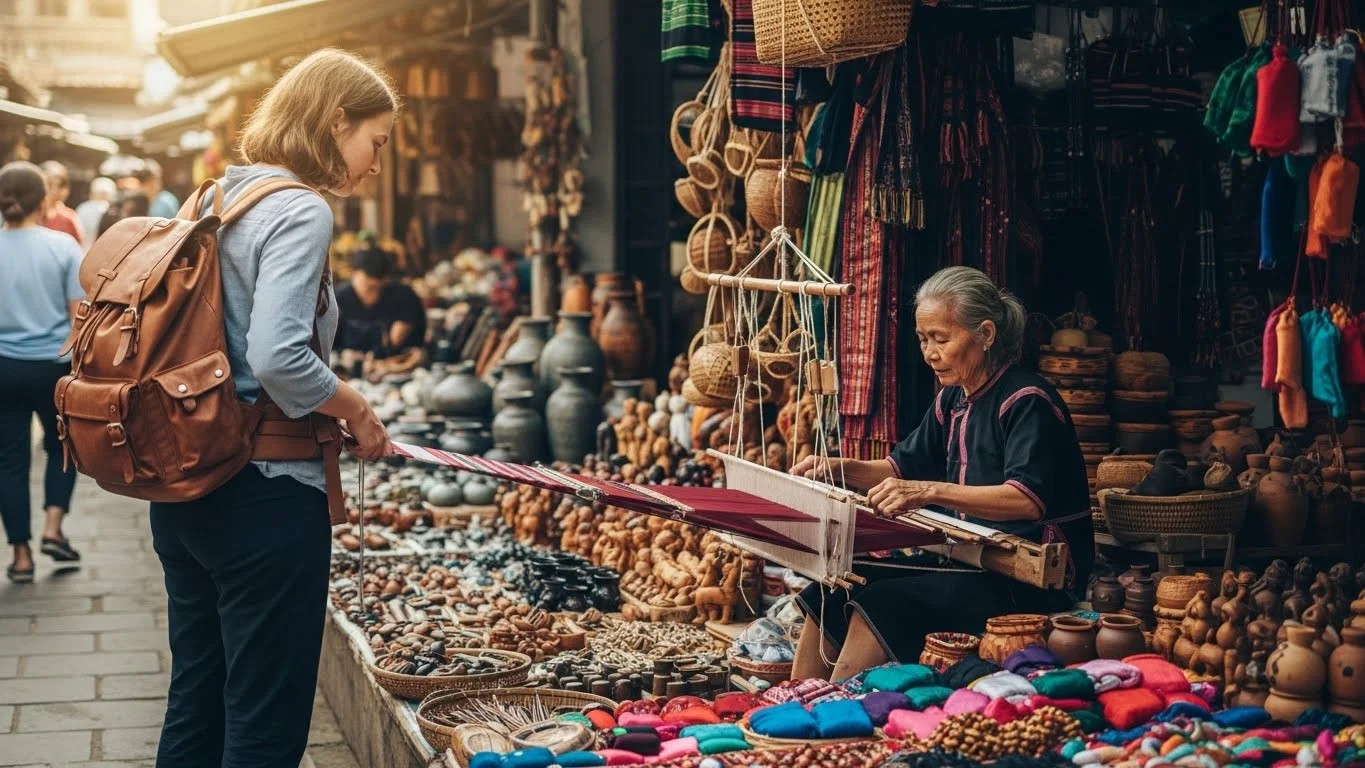
Craft fairs and festivals are fantastic places to immerse myself in traditional crafts. I’ve attended numerous festivals around the world, where I’ve seen artisans showcase their skills and sell their creations. For example, I attended a textile fair in India, where I was blown away by the variety of fabrics, colors, and techniques on display. The atmosphere was buzzing with energy, and I felt a sense of community among the artisans and visitors alike.
These events often feature live demonstrations, allowing me to observe craftsmen at work and ask questions. I remember watching a weaver create a stunning piece of fabric right before my eyes at a festival in Guatemala. The chance to participate in workshops held alongside these fairs made it even more special. I’ve left with not only unique souvenirs but also new skills and memories that I cherish. Plus, it feels great to support local artisans directly!
Understanding the Artisan’s Perspective
To truly appreciate traditional crafts, I believe it’s essential to understand the artisan’s perspective. Each craft has its own set of challenges, inspirations, and stories. When I take the time to chat with artisans, I often find out how their work reflects their culture and personal experiences. For instance, I met a woodcarver in Indonesia who shared how the local mythology influenced his designs. Listening to his passion made me see his creations in a whole new light.
Moreover, understanding their struggles, such as competition from mass-produced goods, makes me more mindful about the crafts I purchase. I’ve learned that many artisans face difficulties in sustaining their craft as modernity encroaches on traditional methods. By choosing to buy directly from them, I’m not just acquiring a beautiful piece; I’m supporting their livelihood and the preservation of their craft. It feels incredibly rewarding to know that my purchases contribute to keeping their rich traditions alive.
Experiencing Traditional Crafts as a Backpacker
Preparing for Your Cultural Journey
As I set out on my adventures, I’ve found that preparation can enhance my experience with traditional crafts. I always research the local crafts of the regions I plan to visit. Knowing what to expect helps me appreciate the artistry involved and makes my interactions with artisans more meaningful. For example, before heading to Morocco, I read about the significance of leather and rug weaving in their culture. This knowledge allowed me to ask informed questions and engage more deeply with the artisans I met.
Additionally, I make sure to pack essentials that allow me to participate in craft workshops. A small sketchbook and some art supplies have always come in handy. I love to jot down notes or sketch designs that inspire me during my travels. It also serves as a wonderful keepsake of my experiences.
Budget-Friendly Craft Experiences
Traveling on a budget doesn’t mean I have to miss out on amazing craft experiences. Many local artisans offer affordable workshops, and I’ve found that participating in these can often be cheaper than traditional tours. I recall a delightful pottery workshop I joined in Mexico that cost less than a typical sightseeing tour. Not only did I learn how to create my own piece of art, but I also got to take it home as a unique souvenir that holds sentimental value.
Sometimes, simply visiting local markets can feel like experiencing a craft workshop. I’ve spent hours wandering through markets, watching artisans at work, and picking up tips along the way. It’s a great way to support local businesses and enjoy authentic craft culture without breaking the bank.
Safety Tips While Exploring Craft Markets
While exploring craft markets, I always prioritize safety. I’ve learned a few tips along the way that help me navigate these vibrant environments confidently. First, I try to stay aware of my surroundings. Markets can be bustling and crowded, so keeping my belongings secure is essential. I use a crossbody bag that I can easily access while keeping it close to me.
It’s also a good idea to travel with a buddy whenever possible. Not only is it more fun to explore together, but having someone with me adds an extra layer of safety. I remember wandering through a night market in Thailand with a friend, and we both felt much more at ease discussing prices and engaging with vendors together. Plus, we could share our experiences and make memories that we cherish.
Respecting Local Cultures and Traditions
Respect is key when engaging with traditional crafts. Each culture has its own customs and practices, and I strive to be mindful of these while I travel. Before visiting a workshop or market, I often read up on local etiquette to ensure I’m not inadvertently offending anyone. For example, I learned that in some countries, bargaining is a common practice, while in others, it’s considered disrespectful. Understanding these nuances allows me to engage with artisans in a way that is both respectful and enriching.
Moreover, I always take the time to thank artisans for sharing their craft with me. A simple gesture of gratitude can go a long way in building rapport and showing appreciation for their hard work. When I express my genuine interest in their craft, I often discover even richer stories and insights that enhance my experience.
Frequently Asked Questions
What are traditional crafts and why are they important?
Traditional crafts are techniques and skills passed down through generations, reflecting the history, beliefs, and values of a culture. They include various forms such as textiles, pottery, woodworking, and metalwork. Understanding these crafts helps us appreciate the artistry involved and sustain the livelihoods of artisans.
Can you give examples of traditional crafts in India?
India is known for its vibrant textiles, such as the saris of Gujarat and tapestries of Kashmir, as well as its intricate pottery, particularly in Jaipur. The craftsmanship in these areas reflects the country’s rich cultural heritage.
What traditional crafts can be found in Japan?
Japan is renowned for its ceramics and woodworking. The ceramics combine form and function, while the woodworking exhibits a high level of detail, particularly in traditional temples and homes, showcasing techniques that have been preserved over centuries.
What types of traditional crafts are prominent in Morocco?
Morocco is famous for its leather goods, especially from Fez, and vibrant rugs woven by Berber women. These crafts are deeply embedded in the local culture and often tell unique stories through their designs.
How does one find workshops or studios for traditional crafts while traveling?
Travelers can discover workshops by asking locals for recommendations or using online platforms like Airbnb Experiences. These workshops provide opportunities to learn directly from artisans and understand their craft.
What are some budget-friendly ways to experience traditional crafts?
Travelers can participate in affordable workshops offered by local artisans or visit craft markets where they can observe artisans at work. These experiences often provide a deeper connection to the culture without significant costs.
What should travelers know about safety while exploring craft markets?
When visiting craft markets, it’s important to stay aware of surroundings and keep belongings secure. Traveling with a buddy can enhance safety and make the experience more enjoyable.
How can travelers show respect for local cultures when engaging with traditional crafts?
Travelers should learn about local customs and etiquette before visiting workshops or markets to avoid offending anyone. Expressing gratitude to artisans for sharing their craft can also foster a respectful relationship.
What is the significance of understanding the artisan’s perspective?
Understanding the artisan’s perspective allows travelers to appreciate the challenges and inspirations behind their work, fostering a deeper connection to the craft and supporting the preservation of traditional techniques.
How do traditional crafts reflect cultural heritage?
Traditional crafts often encapsulate history and identity, telling stories that connect people to their past. Each piece created reflects the culture, environment, and daily life of the artisans, serving as a link to their heritage.