
Carbon offsetting is transforming eco-tourism, offering us a way to travel responsibly while mitigating our environmental impact. Let’s dive into what carbon offsetting really means and how it can change the way we explore our planet. Read Interesting article: How Carbon Offsetting Boosts Eco-Tourism: A Complete Guide
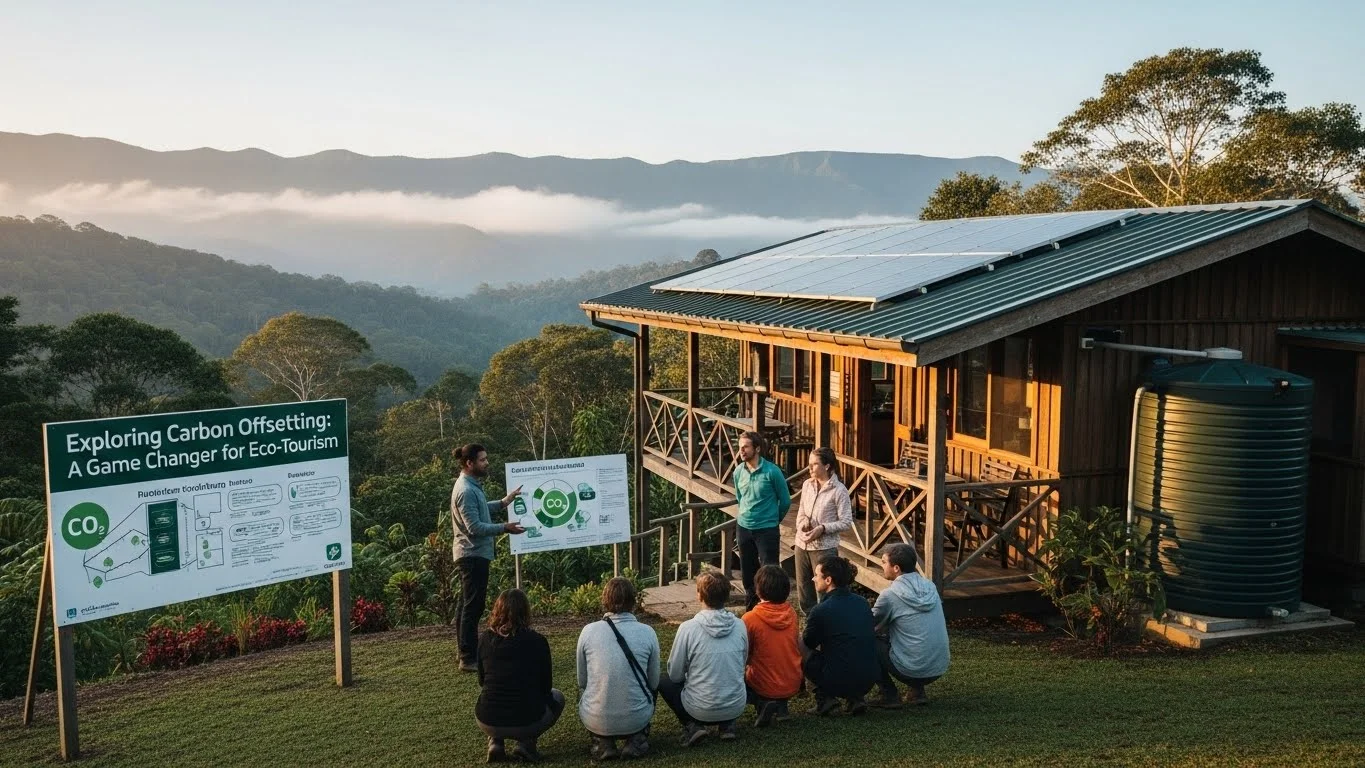
Understanding Carbon Offsetting
Definition of Carbon Offsetting
When I first heard about carbon offsetting, I wasn’t quite sure what it meant. Simply put, carbon offsetting is a way to compensate for the greenhouse gas emissions that our activities, particularly travel, produce. It involves investing in projects that reduce or capture carbon dioxide elsewhere, effectively “offsetting” our own carbon footprint. Imagine planting trees, supporting renewable energy projects, or helping communities implement sustainable farming practices. Each of these initiatives can absorb carbon, helping to balance out the emissions we generate.
How Carbon Offsetting Works
Understanding how carbon offsetting works has been an enlightening journey for me. The process usually begins with calculating the amount of carbon emissions we produce from activities like flying, driving, or even just heating our homes. Once we have that number, we can purchase carbon credits, each representing a reduction of one metric ton of carbon dioxide. These credits support various projects worldwide that are designed to lower greenhouse gas levels. I’ve found that many companies today offer these offsets at the point of sale when booking flights or accommodations, making it easier than ever for us to contribute to environmental sustainability. Read Interesting article: Top Carbon Offset Travel Options for Eco-Conscious Backpackers
Types of Carbon Offsetting Projects
There’s a world of diverse projects dedicated to carbon offsetting, and exploring them has opened my eyes to the incredible work being done globally. Here are several types of projects that I find particularly fascinating:
- Reforestation and Afforestation: These projects focus on planting trees to absorb carbon dioxide from the atmosphere. Not only do they help with carbon capture, but they also restore habitats.
- Renewable Energy: Investing in wind, solar, and hydroelectric power projects reduce our reliance on fossil fuels. I’ve come to appreciate how these initiatives not only cut emissions but also provide clean energy to communities.
- Energy Efficiency: Programs that help businesses and households reduce energy consumption. I’ve seen firsthand how simple changes can lead to substantial savings and lower emissions.
- Agricultural Practices: Supporting sustainable farming techniques can significantly reduce carbon emissions. Projects that promote organic farming, for example, enhance soil health and reduce the need for chemical fertilizers.
The Importance of Carbon Offsetting in Eco-Tourism
Impact of Travel on Carbon Emissions
Traveling is one of my favorite pastimes, but I’ve learned that it comes with a hefty carbon price. Flights, road trips, and even hotel stays contribute to significant carbon emissions. According to estimates, aviation alone accounts for about 2-3% of global carbon emissions. Every time I step onto a plane, I can’t help but think about my environmental impact. This realization pushed me to seek ways to make my travels more responsible. Understanding this impact is vital for all of us who want to enjoy the beauty of our planet without harming it.
Role of Eco-Tourism in Sustainable Travel
Eco-tourism has become a beacon of hope for sustainable travel, focusing on responsible travel practices that conserve the environment and improve the well-being of local communities. I’ve experienced eco-tourism firsthand, from staying in eco-friendly lodges to participating in wildlife conservation projects. These experiences not only broaden my perspective but also help me connect with nature in a responsible way. Eco-tourism encourages us to tread lightly and respect the places we visit, which is crucial in our current climate crisis.
Benefits of Carbon Offsetting for the Environment
Offsetting carbon emissions has numerous benefits for our environment. By investing in carbon offset projects, we contribute to a healthier planet. I’ve seen how funding reforestation efforts can restore ecosystems, prevent soil erosion, and promote biodiversity. Additionally, supporting renewable energy projects reduces our dependence on fossil fuels, leading to cleaner air and a more sustainable future. It’s empowering to know that even small contributions can lead to significant environmental improvements. Read Interesting article: Top Carbon Neutral Resorts for Budget Travelers in 2023
How to Offset Your Carbon Footprint While Traveling
Calculating Your Carbon Footprint
One of the first steps I took toward responsible travel was learning how to calculate my carbon footprint. I remember feeling overwhelmed at first, but it turned out to be quite straightforward. Various online tools can help you estimate emissions based on your travel habits, including the distance traveled, mode of transportation, and the number of travelers. For example, I found that taking a long-haul flight can generate a significant amount of carbon emissions compared to a short road trip. I was surprised to see just how much impact my travel choices had on the environment. By understanding my carbon footprint, I could make more informed decisions that align with my eco-conscious goals.
Choosing Reliable Carbon Offsetting Programs
Once I had a rough idea of my carbon footprint, the next step was to find reliable carbon offsetting programs. This part can be tricky, as not all programs are created equal. I’ve come to realize that it’s essential to look for initiatives with transparent practices and verifiable results. I often check if they are certified by reputable organizations, such as the Verified Carbon Standard (VCS) or the Gold Standard. These certifications ensure that the projects are legitimate and that the carbon reductions are real and measurable. I remember feeling a sense of relief when I finally found programs that resonated with my values, knowing my contributions would genuinely make a difference.
Steps to Offset Carbon Emissions During Travel
Offsetting carbon emissions during travel is something I’ve learned to incorporate into my routine. Here are the steps I suggest based on my own experience:
- Calculate Your Emissions: Before booking a flight or planning a trip, use carbon calculators to get an estimate of your emissions.
- Choose Offsetting Options: When booking flights or accommodations, look for options that offer carbon offsetting. Some airlines and travel companies provide a simple checkbox to add offsets at checkout.
- Research Projects: Take a moment to investigate the specific projects your offsets will support. Whether it’s reforestation or renewable energy, knowing where your money goes can deepen your connection to the cause.
- Track Your Contributions: Keep a record of your offsets and the projects you support. This made my travels feel more meaningful and gave me a sense of accountability.
- Spread the Word: Share your carbon offsetting journey with friends and family! I’ve found that encouraging others to think about their carbon footprint can spark meaningful conversations and inspire change.
By following these steps, I feel like I am actively participating in the efforts to combat climate change, even while I indulge my passion for travel.
Case Studies: Successful Carbon Offsetting Initiatives in Eco-Tourism
Carbon Neutral Airlines
It’s encouraging to see airlines stepping up their game in terms of sustainability. I recently learned about airlines that have committed to becoming carbon neutral. For instance, some airlines are investing in sustainable aviation fuel and carbon offsetting programs that support reforestation and renewable energy. I was intrigued by how one airline, for example, calculated its emissions and invested in carbon credits that go toward projects like wind farms. It felt reassuring to know that I could enjoy my travel experience while supporting an industry that’s taking responsibility for its environmental impact.
Eco-Resorts Committed to Sustainability
Staying at eco-resorts has become one of my favorite ways to travel sustainably. These places don’t just offer a beautiful getaway; they often have impressive sustainability practices in place. I remember visiting a resort that used solar panels for energy and composting toilets to reduce waste. They also worked with local communities to protect surrounding ecosystems. Many eco-resorts offer carbon offsetting options for guests, allowing us to contribute to local conservation efforts. Knowing that my stay positively impacted the environment made my vacation even more enjoyable.
Community-Based Carbon Offsetting Projects
Community-based projects have a special place in my heart. I’ve seen how these initiatives empower local populations while effectively offsetting carbon. For instance, I encountered a community in South America where locals were trained to plant trees and restore their natural habitat. Not only did this help absorb carbon, but it also provided jobs and improved the community’s economy. Participating in such projects during my travels has been incredibly rewarding, as it allows me to connect with the local culture while making a tangible difference.
Challenges and Criticisms of Carbon Offsetting
Effectiveness of Offsetting Programs
As I’ve delved deeper into the world of carbon offsetting, I’ve noticed that not everyone is convinced of its effectiveness. It’s a valid concern, and one that I grappled with myself. The idea that you can simply pay to offset your carbon emissions can sometimes feel too simplistic, as if it allows us to buy our way out of the responsibility to reduce our actual emissions. I’ve read various studies that question whether the projects funded by carbon credits truly deliver the promised reductions. Some projects may take years or even decades to show significant results, while others might not be as effective as anticipated. This made me realize how important it is to continue questioning and learning about the offsetting programs I choose to support. By seeking evidence of their impact, I can feel more confident about making informed decisions on where to invest my money.
Greenwashing Concerns
Another challenge I’ve encountered is the issue of greenwashing. This term refers to the practice where companies present themselves as more environmentally friendly than they really are. It’s disheartening to think that some businesses might use carbon offsetting as a marketing tool rather than a genuine commitment to sustainability. I’ve seen companies tout their carbon offset programs without providing clear information on how they work or the actual environmental benefits they deliver. This realization made me more vigilant about researching the companies I choose to engage with when it comes to travel. I recommend looking for transparency and accountability in their offset initiatives. If a company can’t back up its claims with solid evidence, I think it’s a red flag.
Balancing Offsetting with Reducing Emissions
I’ve come to understand that while carbon offsetting is a valuable tool, it shouldn’t be viewed as a complete solution to our environmental challenges. It’s crucial to balance offsetting with genuine efforts to reduce our emissions in the first place. I know that the more we can cut down on our travel-related emissions — whether by opting for trains over planes or choosing to travel closer to home — the better. I’ve tried to make conscious choices in my travels, such as combining trips to minimize flights or using public transportation instead of renting a car. I believe that offsetting should be a part of a broader strategy for eco-conscious living, not a replacement for it. Embracing this holistic approach has made my travel experiences more fulfilling, knowing I am actively contributing to a sustainable future.
Future Trends in Carbon Offsetting and Eco-Tourism
Technological Innovations in Carbon Offsetting
As I look towards the future of carbon offsetting, I can’t help but feel excited about the potential of technological innovations. I’ve seen how advancements in technology can enhance the accuracy of carbon calculations and improve the effectiveness of offsetting projects. For instance, satellite technology is now being employed to monitor reforestation efforts and ensure that trees are actually being planted and thriving. I’ve come across apps that allow travelers to track their carbon emissions in real-time, making it easier for us to make informed decisions. It feels empowering to know that technology can help bridge the gap between our travel habits and our environmental commitments.
Increased Consumer Awareness and Demand
Consumer awareness is on the rise, and I’ve noticed a shift in how people are approaching travel. More of us are becoming conscious of our carbon footprints and are actively seeking out eco-friendly options. I often find myself discussing sustainable travel with friends and family, and I’m encouraged to see that these conversations are becoming more common. This growing demand for greener travel options is prompting companies to step up their game when it comes to sustainability. I’ve experienced firsthand how businesses are now more likely to incorporate carbon offsetting into their services or adopt sustainable practices. It gives me hope that our collective efforts can drive significant change in the travel industry.
Government Policies and Support for Carbon Offsetting
Finally, government policies play a crucial role in shaping the future of carbon offsetting and eco-tourism. I’ve learned that supportive regulations can create an environment where sustainable practices thrive. For instance, some governments are offering incentives for airlines and businesses to invest in carbon offsetting projects or adopt renewable energy sources. I’ve seen countries implement carbon pricing systems that encourage companies to reduce their emissions. This type of support can make a big difference, not only in fostering sustainable practices but also in raising awareness about the importance of reducing our carbon footprints. I hope to see more policies emerge that promote eco-tourism and carbon offsetting initiatives, making them more accessible and effective for everyone.
How Travelers Can Contribute to Carbon Offsetting
Supporting Local Conservation Efforts
As I continue my travels, I’ve become increasingly aware of the importance of supporting local conservation efforts. Each destination has its own unique ecosystems and wildlife that need protection. I’ve made it a habit to seek out projects or organizations that focus on conserving local habitats and species. For example, I once volunteered with a marine conservation group while visiting a coastal area, helping to protect nesting sea turtles. This experience not only allowed me to contribute to the local environment but also deepened my understanding of the ecosystem’s fragility. I believe that supporting these efforts can create a positive impact on the communities we visit and promote a more sustainable tourism model.
Engaging in Responsible Travel Practices
Engaging in responsible travel practices has become a priority for me. Simple actions, like minimizing waste, using refillable water bottles, and respecting wildlife, can make a significant difference. I’ve learned to be mindful of my consumption patterns while traveling, opting for local products and services that benefit the communities I visit. These choices not only reduce my carbon footprint but also foster a sense of connection to the places I explore. I encourage fellow travelers to embrace these practices, as they can lead to a more enriching and sustainable travel experience.
Educating Others About Carbon Offsetting
Lastly, I believe that sharing knowledge about carbon offsetting and sustainable travel is essential. I’ve made it a point to talk about my experiences with friends and family, raising awareness about the importance of reducing our carbon footprints. I often share articles, resources, and personal stories that highlight the impact of travel on the environment. This way, I hope to inspire others to think critically about their travel choices and consider carbon offsetting as part of their journey. We can all play a part in spreading the word and encouraging more responsible travel practices, helping to build a community committed to protecting our planet.
Frequently Asked Questions
What is carbon offsetting?
Carbon offsetting is a way to compensate for greenhouse gas emissions produced by activities like travel. It involves investing in projects that reduce or capture carbon dioxide elsewhere, such as planting trees or supporting renewable energy projects.
How does carbon offsetting work?
The process begins with calculating carbon emissions from activities like flying or driving. After determining the emissions, individuals can purchase carbon credits that represent a reduction of one metric ton of carbon dioxide, supporting various global projects designed to lower greenhouse gas levels.
What types of projects are involved in carbon offsetting?
Types of carbon offsetting projects include reforestation and afforestation, renewable energy initiatives, energy efficiency programs, and sustainable agricultural practices that reduce carbon emissions and enhance environmental health.
Why is carbon offsetting important in eco-tourism?
Carbon offsetting is crucial in eco-tourism as it helps mitigate the significant carbon emissions associated with travel. It promotes responsible travel practices that conserve the environment and support local communities, allowing travelers to enjoy the beauty of the planet without harming it.
What are the benefits of carbon offsetting for the environment?
Offsetting carbon emissions contributes to a healthier planet by restoring ecosystems, preventing soil erosion, promoting biodiversity, and reducing dependence on fossil fuels, leading to cleaner air and a sustainable future.
How can travelers calculate their carbon footprint?
Travelers can calculate their carbon footprint using various online tools that estimate emissions based on travel habits, including distance traveled, mode of transportation, and the number of travelers involved in the trip.
What should travelers consider when choosing carbon offsetting programs?
Travelers should look for reliable carbon offsetting programs with transparent practices and verifiable results, preferably certified by reputable organizations like the Verified Carbon Standard (VCS) or the Gold Standard.
What steps can travelers take to offset carbon emissions during travel?
Travelers can offset carbon emissions by calculating their emissions, choosing offsetting options when booking travel, researching the projects supported by their offsets, tracking their contributions, and sharing their carbon offsetting journey with others.
What challenges exist in carbon offsetting?
Challenges in carbon offsetting include concerns about the effectiveness of offsetting programs, the risk of greenwashing by companies, and the need to balance offsetting with actual reductions in emissions through conscious travel choices.
How can travelers support local conservation efforts while traveling?
Travelers can support local conservation efforts by seeking out projects that focus on protecting local ecosystems and wildlife, engaging in responsible travel practices, and educating others about the importance of carbon offsetting and sustainable travel.