
Urban landscapes are full of life, energy, and stories waiting to be captured. With just a little creativity and a keen eye, we can explore these captivating scenes without breaking the bank. For those looking to enhance their skills, check out our article on Top Tips for Budget Urban Landscape Photography.
Understanding Urban Landscape Photography
What is Urban Landscape Photography?
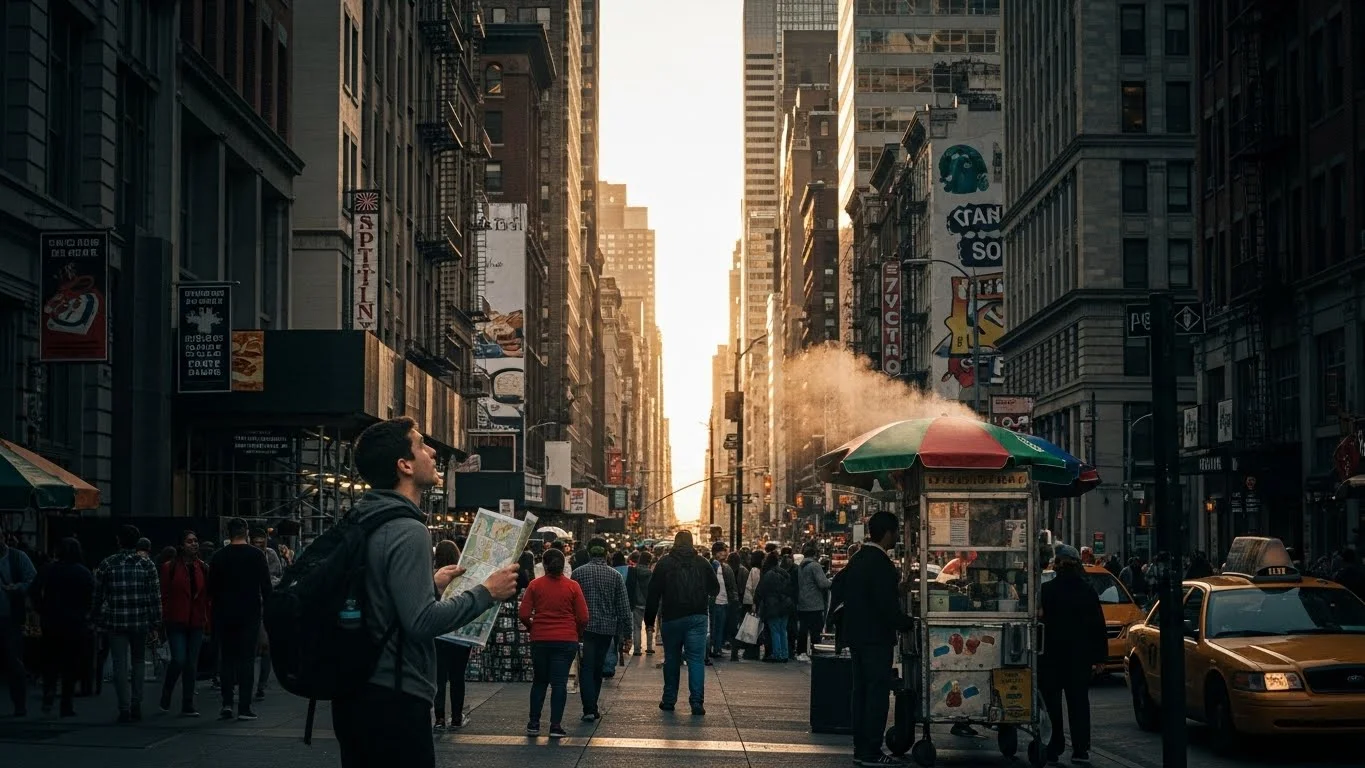
Urban landscape photography is a genre that focuses on capturing the beauty and essence of cities. It goes beyond just taking pictures of buildings or streets; it’s about telling a story through the lens. I remember my first attempt at this type of photography when I wandered around my city, amazed at how a mundane street could turn into a canvas of colors, shapes, and textures. The way the sunlight hit the glass of skyscrapers, or how shadows danced along the pavement, really opened my eyes to the art of urban scenes. It’s about finding beauty in the hustle and bustle of city life, in the simple moments where architecture meets humanity.
Importance of Budget-Friendly Photography
I believe that you don’t need to splurge on expensive gear to create stunning urban photographs. Many of us are on a budget, and that’s completely okay! In my experience, some of my best shots were taken with a basic camera or even my smartphone. Budget-friendly photography encourages creativity and resourcefulness. It pushes us to explore unique angles, find interesting compositions, and use natural light to our advantage. I once spent an entire day in my local park using just my phone, and the results surprised me. Not only did I save money, but I also discovered a new passion for capturing everyday moments. This journey taught me that the best tools we have are our eyes and our imagination. If you’re interested in more tips, be sure to read Capture Stunning Urban Landscapes on a Budget.
Essential Gear for Budget Urban Photography
Camera Options for Every Budget
When it comes to urban landscape photography, having the right camera can make a difference, but it doesn’t have to be expensive. I’ve seen incredible shots taken with entry-level DSLRs and mirrorless cameras. If you’re just starting out, I recommend looking for used models; you can find great deals online or in local camera shops. Many of my friends have had success with compact point-and-shoot cameras too. They are lightweight and easy to carry around, making them perfect for spontaneous city adventures. I’ve even used my smartphone to capture stunning images that I later edited into impressive pieces. The key is to find a camera that feels comfortable for you and suits your style.
Best Lenses for Urban Landscapes
Lens choice can significantly impact your photography. Wide-angle lenses are great for capturing expansive cityscapes, while prime lenses can help you focus on specific details or architecture. I remember my first time using a 35mm lens. It felt like I could finally get up close and personal with the buildings I was photographing. On a budget, consider getting a versatile zoom lens that covers multiple focal lengths. This way, you can capture everything from sweeping city views to tighter architectural shots without constantly changing lenses. I found that a good 18-55mm lens worked wonders in various urban settings, giving me flexibility while keeping costs low.
Affordable Accessories: Tripods, Filters, and More
While you can capture great urban landscapes without fancy accessories, a few budget-friendly tools can enhance your shots. A tripod is essential for low-light photography, especially during the golden hour or at night when the city lights come alive. I picked up a lightweight tripod for under $50, and it has been a game-changer for my nighttime shots. Filters can also help; a circular polarizer can reduce glare and enhance colors, giving your images that extra pop. I found some affordable options online that do the job just right without breaking my bank. Don’t overlook the importance of a good camera bag either; it protects your gear and makes it easier to carry around during your urban explorations.
Understanding urban landscape photography is just the first step in our journey. As we explore gear options, we’ll find that capturing beautiful city scenes can be both accessible and rewarding. In the next sections, we’ll dive deeper into the top cities for budget-friendly urban shots and the best times to capture those breathtaking landscapes. Stay tuned as we discover how to make the most of our urban photography adventures on a budget!
Top Cities for Budget-Friendly Urban Landscape Shots
New York City: Iconic Skylines and Street Scenes
New York City has always held a special place in my heart. The energy is palpable, and the diversity of sights is breathtaking. I remember standing on the Brooklyn Bridge, the skyline silhouetted against a fiery sunset, my camera in hand, ready to capture the moment. This city offers so many opportunities for budget-friendly photography. Walking through neighborhoods like Williamsburg or Harlem, you’ll find street art that tells stories of the community. Plus, public parks like Central Park provide stunning views and unique angles of the city’s architecture without costing a dime. I often recommend visiting iconic spots like Times Square early in the morning when the crowds are sparse; you can capture the essence of the city without anyone else in your frame.
Chicago: Architectural Wonders and Lakefront Views
Chicago is a photographer’s dream with its stunning mix of historic and modern architecture. I still recall my first visit to Millennium Park, where the reflective surface of the Cloud Gate sculpture captured the skyline in such a unique way. The city’s waterfront along Lake Michigan also offers breathtaking views of the skyline. I found that taking a stroll along the lakefront, especially at sunrise or sunset, can yield some truly spectacular shots. The best part? Many of these locations are free to access. I love how each neighborhood, from Lincoln Park to the West Loop, has its own character and charm, making it easy to fill an entire day with photography without spending a lot.
San Francisco: Golden Gate and Urban Vistas
San Francisco is a city that feels like a postcard come to life. The Golden Gate Bridge is undoubtedly a must-see, and standing on the Marin Headlands gives you an unparalleled view. I remember hiking up there, the cool breeze and stunning vistas made every step worth it. Beyond the bridge, neighborhoods like the Mission District are vibrant and colorful, filled with murals that reflect the local culture. I’ve spent countless hours wandering the streets, camera in hand, discovering hidden gems like the Painted Ladies at Alamo Square. The city’s unique hills and architecture provide an endless playground for urban photography without the need to spend much at all.
Lisbon: Colorful Streets and Unique Perspectives
Lisbon is often described as one of Europe’s most photogenic cities, and I couldn’t agree more. The colorful tiles that adorn the buildings and the winding streets create a visual feast. I had the chance to explore the Alfama district, where the narrow streets and charming alleys make for incredible compositions. I remember climbing up to the Miradouro de Santa Catarina for sweeping views of the city and the Tagus River; it was a breathtaking moment. Lisbon’s trams also add a unique element to the urban landscape. I’ve found that capturing the movement of people and trams amidst the city’s backdrop brings my photos to life. Best of all, Lisbon is generally budget-friendly in terms of food and accommodations, making it perfect for photographers looking to stretch their dollars.
Berlin: Urban Art and Historic Landscapes
Berlin is a city rich in history and culture, and it has a unique vibe that draws you in. I’ve spent hours exploring the East Side Gallery, a section of the Berlin Wall covered in vibrant murals that reflect the city’s spirit. This artistic expression is a fantastic subject for urban landscape photography. I also recommend visiting places like the Brandenburg Gate and the Reichstag building, where history and modern architecture collide. Berlin’s parks, like Tiergarten, provide beautiful green spaces amidst the urban landscape, perfect for capturing contrasting elements in one frame. The city’s public transportation makes it easy to hop around and find new perspectives without breaking the bank.
Exploring these cities has taught me that urban landscape photography thrives in diverse environments. Each city offers its own unique charm and character, making it possible to create stunning images while sticking to a budget. As we continue our journey, let’s look at the best times to capture these incredible urban landscapes, because timing can truly make all the difference in our photography adventures!
Best Times to Capture Urban Landscapes
Golden Hour: Why Timing Matters
When I first started urban landscape photography, I quickly learned that timing is everything. The golden hour, just after sunrise and before sunset, offers a magical quality of light that can transform an ordinary scene into something extraordinary. I remember one evening in Chicago, where the sun dipped low, casting a warm glow over the skyline. The colors of the buildings came alive, and the reflections on the water were breathtaking. This time of day not only enhances colors but also softens shadows, creating a more inviting atmosphere in your photos. I highly recommend planning your shoots around this golden hour; it’s genuinely a game changer for urban photography.
Seasonal Changes and Their Impact on Photography
Each season brings a unique flavor to urban landscapes, and I’ve found that embracing these changes can lead to some fantastic shots. For instance, spring offers vibrant blooms and fresh greenery, perfect for capturing parks and streets bursting with life. I remember wandering through Washington, D.C., during cherry blossom season, where the delicate pink flowers framed the city’s iconic monuments beautifully. In contrast, winter transforms cities into magical wonderlands, especially when snow blankets the streets. I had an unforgettable experience photographing New York City during a light snowfall; the soft white layer made the busy streets feel serene. Each season tells its own story, so I encourage you to explore your city throughout the year to capture its evolving character.
Weather Conditions: Making the Most of Gloomy Days
Many photographers shy away from gray, overcast days, but I’ve discovered that these conditions can provide unique opportunities for urban photography. Cloudy skies create a soft, diffused light that’s perfect for capturing details without harsh contrasts. I recall a rainy day in Seattle, where the wet pavement reflected the city lights and created a moody atmosphere. I experimented with different angles and compositions, and some of my favorite shots emerged from that dreary weather. Embracing gloomy days can lead to creative breakthroughs; after all, every weather condition has its charm. So, grab your camera and head out, don’t let the weather deter you from capturing the beauty of urban life.
Techniques for Capturing Stunning Urban Shots
Composition Tips for Urban Landscapes
Composition can make or break a photograph, and I’ve learned a few tricks that really help me create dynamic urban landscapes. First, I always try to apply the rule of thirds. By positioning key elements along the gridlines or at the intersections, I find that my photos feel more balanced and engaging. Another technique I love is leading lines; they draw the viewer’s eye into the image. Whether it’s a winding street or the lines of a building, these elements guide the viewer through the scene. I also play with framing by using nearby objects, like trees or doorways, to create a natural frame around my subject. It’s amazing how these simple adjustments can elevate an image and tell a more compelling story.
Using Natural Light to Your Advantage
Natural light is one of my favorite tools when it comes to urban photography. I often look for interesting shadows and highlights that can add depth and texture to my shots. During my adventures, I’ve found that shooting during different times of the day can yield vastly different results. For instance, mid-morning light can create sharp shadows that emphasize architectural details, while late afternoon light casts a warm glow that brings a sense of warmth and life to the scene. I always pay attention to how light interacts with the environment; it can drastically change the mood of the photograph. Experimenting with different lighting conditions has been one of the best ways to grow as a photographer.
Incorporating People and Movement in Shots
Urban landscapes are alive with energy, and capturing people in the scene can add a whole new dimension to your photographs. I remember visiting Times Square and being captivated by the bustling crowd. Including people in my shots not only adds scale but also tells a story about the space. I’ve found that using a fast shutter speed allows me to freeze moments of movement, making the scene feel more dynamic. Alternatively, I sometimes use a slower shutter speed to capture motion blur, like the hustle and bustle of pedestrians or cars, giving my images a sense of life and energy. Embracing the movement around us can transform a static scene into a vibrant portrayal of urban life.
Editing Your Urban Landscape Photos on a Budget
Free and Affordable Editing Software Options
Editing is an essential part of my photography process, and I’ve found some fantastic free and affordable editing software that make it easy to enhance my urban shots. For starters, I love using Lightroom; it offers a free mobile app that’s perfect for quick edits on the go. I’ve also experimented with Snapseed, which has powerful features for a free app. Both of these options let me adjust exposure, contrast, and color balance, helping me bring out the best in my images without spending a dime. Investing in a low-cost editing app can be worthwhile too, like Adobe Photoshop Elements, which offers a one-time purchase instead of a subscription. It’s incredible what a little editing can do to elevate a photo!
Basic Editing Techniques to Enhance Images
Once I have my editing software, I focus on a few key techniques to enhance my urban landscape photos. Cropping is often the first step; it helps to improve composition and eliminate distractions. I also adjust the exposure to ensure the image is well-lit and balanced, as sometimes our cameras don’t capture the scene perfectly. Playing with contrast and saturation can bring out the colors of the city, making the image pop. I remember my experience editing a photo from San Francisco, where I emphasized the bright colors of the murals with a slight boost in saturation. These minor adjustments can transform a good photo into a great one and are essential in my editing workflow.
Presets and Filters: Cost-Effective Tools for Improvement
Using presets and filters can save time and give a cohesive look to my urban photography. I’ve found several free presets online that match my style, making it easy to apply a unique touch to my photos. They can help create a specific mood or aesthetic that enhances the urban landscape’s vibe. I’ve also experimented with Instagram filters when sharing my work; they can provide a quick way to enhance images before posting. While I love using presets, I always make sure to adjust them to fit each photo since no two images are the same. This approach allows me to maintain my individuality while benefiting from the efficiency that presets offer.
Frequently Asked Questions
What is urban landscape photography?
Urban landscape photography is a genre that focuses on capturing the beauty and essence of cities. It tells a story through the lens, finding beauty in the hustle and bustle of city life and in the moments where architecture meets humanity.
Do I need expensive gear for urban photography?
No, you don’t need to splurge on expensive gear to create stunning urban photographs. Many great shots can be taken with a basic camera or even a smartphone, encouraging creativity and resourcefulness.
What camera options are best for budget urban photography?
Entry-level DSLRs, mirrorless cameras, compact point-and-shoot cameras, and smartphones are all excellent options for budget urban photography. It’s recommended to look for used models to save money.
What type of lens is best for urban landscapes?
Wide-angle lenses are great for capturing expansive cityscapes, while prime lenses can help focus on specific details. A versatile zoom lens is also recommended for capturing a range of shots without changing lenses frequently.
What are some affordable accessories for urban photography?
Affordable accessories that can enhance your shots include a lightweight tripod for low-light photography, filters like circular polarizers to reduce glare, and a good camera bag to protect your gear.
Which cities are recommended for budget-friendly urban photography?
Recommended cities include New York City for its iconic skylines, Chicago for its architectural wonders, San Francisco for its stunning vistas, Lisbon for its colorful streets, and Berlin for its urban art and historic landscapes.
What is the golden hour and why is it important?
The golden hour is the time just after sunrise and before sunset when the light is soft and warm, enhancing colors and creating inviting atmospheres in photographs. It’s considered a prime time for urban photography.
How can seasonal changes impact urban landscape photography?
Each season brings unique flavors to urban landscapes, with spring offering vibrant blooms, summer providing lush greenery, autumn showcasing colorful foliage, and winter transforming cities into magical wonderlands, all of which can lead to fantastic shots.
What composition tips are useful for urban landscape photography?
Helpful composition tips include applying the rule of thirds, using leading lines to draw the viewer’s eye, and framing subjects with nearby objects to create a compelling image.
What are some basic editing techniques to enhance urban landscape photos?
Basic editing techniques include cropping for improved composition, adjusting exposure for balanced lighting, and playing with contrast and saturation to enhance colors and make the image pop.