
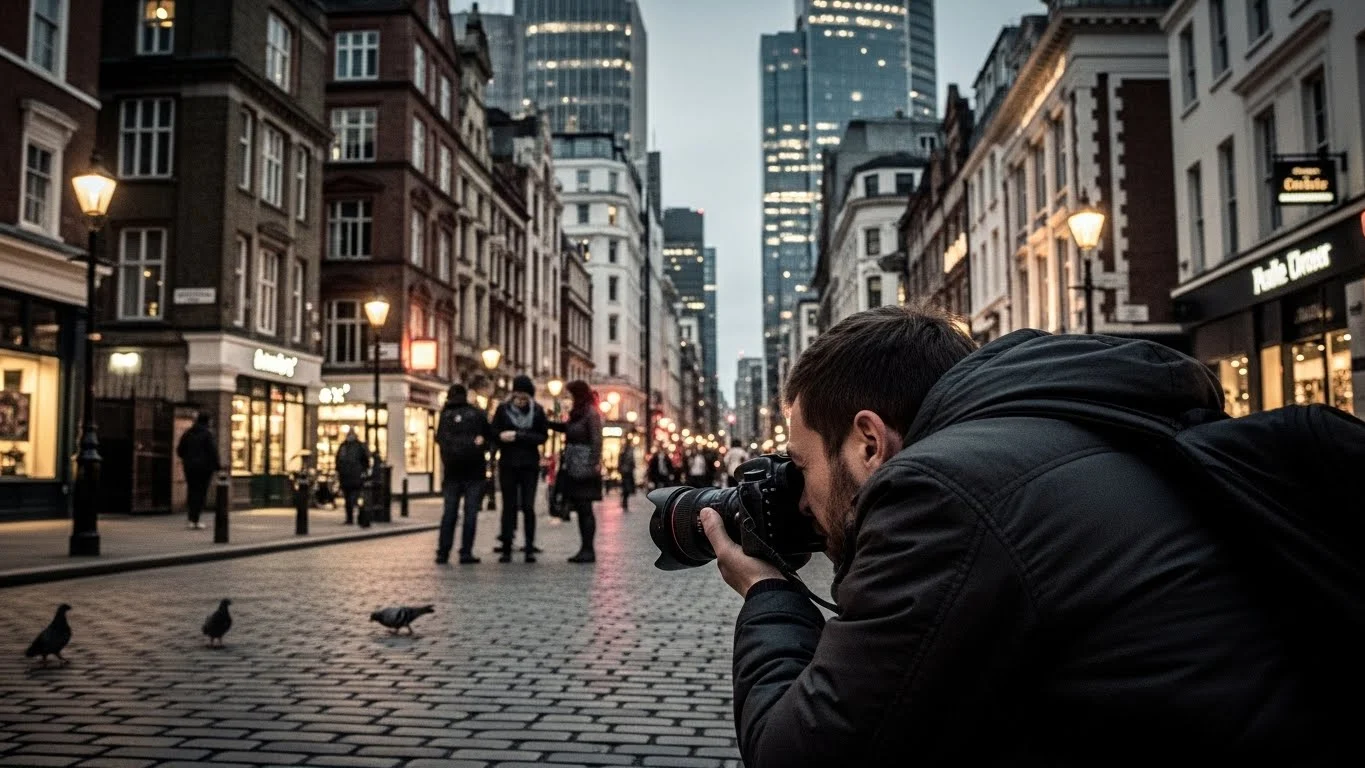
Urban photography fascinates me. Capturing the essence of city life, with all its hustle and bustle, is both a challenge and a joy. Let’s dive into the world of candid urban photography, where we can share incredible moments without breaking the bank. Read Interesting article: Capture Candid Moments: Urban Photography Tips for Travelers
Understanding Candid Urban Photography
Definition of Candid Photography
When I think of candid photography, I picture spontaneous moments captured in their rawest form. It’s all about being in the right place at the right time, snapping images without any posed setups. This style reflects genuine emotions and actions, creating a connection between the subject and the viewer. Candid shots in urban settings can tell stories that resonate with our daily lives, making them powerful tools for expression.
Importance of Urban Photography
Urban photography holds a special place in my heart. Cities are living, breathing entities filled with stories waiting to be told. Each street corner, park, and café holds unique experiences that shape the culture and vibe of the area. By documenting these moments, we preserve a piece of that city’s history. Whether it’s a bustling market or a quiet alley, urban photography captures the pulse of city life, revealing the beauty and chaos that coexist.
Benefits of Candid Shots in City Environments
One of the most enjoyable aspects of candid photography for me is its ability to highlight authenticity. In a city, people are often engrossed in their lives, unaware of the camera’s presence. This leads to genuine expressions and interactions that reveal their true selves. I’ve found that candid shots often evoke stronger emotions than posed portraits. There’s a certain magic in capturing a fleeting smile or a moment of contemplation that makes the viewer stop and think.
Moreover, candid photography allows us to embrace the unpredictability of urban life. Each shot is unique, influenced by the environment and the people within it. This spontaneity keeps my creativity flowing, as I never know what I might find around the next corner. It’s a reminder that beauty exists in everyday moments, and I love sharing that discovery with others.
While some might think that capturing candid moments requires fancy equipment, I’ve learned that the essence lies more in the photographer’s eye than in the camera itself. The more we practice, the better we become at noticing those fleeting moments that tell a story. And that’s what makes urban photography accessible to everyone, regardless of their budget. Read Interesting article: 10 Tips for Stunning Urban Cityscape Photography
Choosing the Right Equipment on a Budget
Essential Camera Types for Urban Photography
When I first started exploring urban photography, I was overwhelmed by the choices of cameras available. I quickly realized that you don’t need the latest model to create stunning images. Many photographers swear by DSLRs for their versatility, but I found mirrorless cameras to be lightweight and perfect for candid shots. They’re easy to carry around, allowing me to blend into the urban environment without drawing too much attention.
If you’re just starting out, don’t overlook compact cameras or even point-and-shoots. They’re surprisingly effective for capturing spontaneous moments without the bulk of larger gear. I’ve even seen fantastic results from older models, proving that sometimes, it’s not about having the fanciest equipment but rather knowing how to use what you have.
Affordable Lenses and Accessories
While the camera body is important, lenses play a crucial role in the quality of your shots. I’ve found that a versatile zoom lens, which covers a range of focal lengths, is a great investment for urban photography. A lens with a wide aperture can also help you capture stunning low-light shots as evening falls over the city. If you’re on a tight budget, consider browsing second-hand options or less-known brands that still offer quality performance.
Accessories like a sturdy strap can make carrying your camera more comfortable during long days of shooting. A simple lens hood can also help reduce glare on sunny days, allowing you to take clear shots without breaking the bank.
Smartphone Photography: Pros and Cons
Let’s not forget about smartphones! I often grab my phone for quick, candid shots when I don’t want to lug around a camera. The convenience of having a camera in my pocket is unbeatable. Modern smartphones come equipped with impressive cameras and editing apps, making it easy to capture and enhance shots on the go. However, the downside is that it can be harder to achieve that depth of field and professional look that a dedicated camera can offer.
Utilizing Free Editing Software
Once you’ve captured your urban adventures, it’s time to enhance your images. Editing can transform a good shot into a great one. I’ve found several free editing software options that are user-friendly and effective. Programs like GIMP and online tools like Pixlr can help you adjust lighting, color, and composition without costing a dime. I remember the thrill I felt the first time I edited a photo to make it pop—it’s a game-changer for any photographer.
In my experience, mastering these basic editing techniques is just as important as taking the shot. It helps bring your vision to life, allowing you to share your unique perspective of the urban landscape. Whether it’s brightening a gloomy day or enhancing the hustle and bustle of a crowded street, the right editing can elevate your work significantly. Read Interesting article: Capture the City: Urban Night Photography Tips for Travelers
Best Urban Locations for Candid Photography
Iconic Landmarks and Their Surroundings
When I think of iconic landmarks, I often remember my first visit to a famous city where I had my camera ready to capture the essence of that place. Landmarks like the Eiffel Tower in Paris or Times Square in New York City are magnets for both tourists and locals. I’ve found that these spots not only provide stunning backdrops but also become stages for daily life. People from all walks of life converge here, creating a tapestry of stories waiting to be told.
While shooting at these landmarks, I’ve learned it’s essential to look beyond the obvious. The surroundings can be just as captivating as the landmark itself. I remember standing at the base of a monument, watching a street performer draw a crowd, while a group of tourists snapped selfies. Those moments are where candid photography thrives—capturing the intersection of human experience and iconic architecture. I recommend spending some time in these areas to find unique angles and candid opportunities that are often overlooked.
Local Markets and Street Fairs
Local markets and street fairs are some of my favorite places to immerse myself in a city’s culture. The bustling environment is a feast for the eyes, filled with vibrant colors, unique stalls, and the sounds of bartering and laughter. I remember wandering through a farmer’s market, enchanted by the array of fresh produce and handmade crafts. Each stall was brimming with life, and I found myself snapping candid shots of vendors interacting with customers, capturing the spirit of community.
What I love most about markets is the genuine interactions that unfold. People let their guard down, and you can often capture those unguarded moments of joy or curiosity. It’s the perfect setting for practicing your candid skills. I’d suggest bringing your camera along next time you visit a local market or fair; you might be surprised at the stories waiting to be documented.
Parks and Public Spaces
Parks are another treasure trove for candid photography. They often serve as a refuge from the urban grind, and I’ve seen how they transform into vibrant meeting spots. Whether it’s children playing, couples relaxing, or friends enjoying a picnic, parks are full of life. I remember one sunny afternoon at a city park, where I was captivated by the sight of a child chasing bubbles. That moment was fleeting, but I managed to capture the joy on their face, which is one of my all-time favorite shots.
Public spaces, like plazas or squares, can also be great for candid shots. I’ve often found that people are more relaxed in these areas, making it easier to capture genuine moments. Just be patient and observe the flow of people. Sometimes, the best shots come when you least expect them, so keep your camera ready.
Hidden Gems: Off-the-Beaten-Path Spots
Sometimes, the most rewarding experiences come from venturing off the main tourist paths. I’ve discovered hidden gems—small alleyways, quiet neighborhoods, or obscure art installations—that offer a different perspective on urban life. I remember stumbling upon a vibrant mural in a forgotten area of my city. The colors were alive, and as I began to shoot, I noticed a local artist putting the finishing touches on their work. Capturing that moment felt special—it was a slice of life that many might overlook.
Exploring these lesser-known spots allows us to find authenticity in urban photography. I encourage you to wander and get lost; you might just find a scene that tells a powerful story or captures the soul of the city. Bring your camera along and see what unfolds. Each hidden corner could be a new adventure, rich with candid moments waiting to be captured.
Mastering Techniques for Candid Shots
Understanding Lighting and Time of Day
One of the biggest lessons I’ve learned in urban photography is the importance of lighting. The way light interacts with subjects can dramatically affect the mood and quality of my shots. Early mornings or late afternoons, often referred to as the golden hour, provide soft, warm light that enhances the beauty of any scene. I remember wandering through a city park at sunrise, where the soft light made everything look magical. It was a perfect moment to capture children playing and joggers making their way through the dew-kissed grass.
Conversely, I’ve also enjoyed photographing during the blue hour—just after sunset—when the sky turns a deep blue, and city lights begin to twinkle. This time adds a certain vibrancy to my photos, especially in urban settings filled with neon signs and illuminated buildings. I often seek out locations where I can catch both natural and artificial light interacting, creating a striking contrast that draws the viewer in.
Composition Techniques for Urban Scenes
Composition is another crucial aspect I’ve worked hard to master. I’ve found that following the rule of thirds can often help create balanced and engaging images. By positioning my subjects off-center, I can draw the viewer’s eye into the frame. I remember a time when I captured a street musician playing on a busy corner. By placing him in one third of the frame and leaving space for the bustling crowd in the background, the shot told a richer story about the urban environment.
I also enjoy experimenting with leading lines, which can guide the viewer’s eye through the photograph. Streets, railings, and architectural elements can create pathways that pull the viewer into the scene. Sometimes, I look for patterns or repetition in urban structures that can add depth and interest to my shots. This kind of exploration has often resulted in unexpected and compelling compositions.
Utilizing Natural Framing in Cityscapes
Natural framing has become one of my favorite techniques in urban photography. I often look for elements like archways, windows, or tree branches that can frame my subject. This technique not only draws attention to the focal point but also adds context to the image. I remember capturing a moment where a couple shared a laugh beneath a beautiful archway in a historical part of town. The arch provided a perfect frame that emphasized their joyful interaction against the backdrop of the bustling street.
In crowded city scenes, I find that using nearby objects to frame my subject can isolate them from the chaos, emphasizing their emotions or actions. This subtle technique can elevate a simple candid shot into something more artful and meaningful.
Capturing Movement and Emotion
Urban life is full of movement, and learning to capture that has been an exciting journey. I’ve found that using a slightly slower shutter speed can help convey motion, whether it’s the blur of a cyclist speeding by or a crowd flowing through a busy square. I remember experimenting with this technique at a street festival, where the vibrant energy was palpable. By allowing for some motion blur, I was able to create a sense of liveliness that static images simply couldn’t convey.
Moreover, capturing genuine emotions is what makes candid photography truly special. I always keep an eye out for moments that reflect a range of feelings—joy, surprise, contemplation. I once caught a father lifting his child high into the air while waiting for a bus, and that moment of pure joy was encapsulated perfectly in that fleeting shot. It’s these emotions that connect the viewer to the image, making them feel part of the story being told.
Practicing these techniques has helped me grow as a photographer, and I encourage others to experiment with them as well. Whether you’re wandering downtown or exploring a new neighborhood, keep your camera ready and be open to capturing the candid moments that make urban life so rich and vibrant.
Engaging with Your Subjects
Building Confidence to Photograph Strangers
One of the biggest hurdles I faced in urban photography was building the confidence to photograph strangers. I remember my first attempts felt a bit awkward, like I was intruding on someone’s personal moment. To overcome this, I started by practicing in busy places where people were less likely to notice me. I found that blending into the crowd made it easier to capture candid shots without feeling self-conscious. It’s all about finding that sweet spot where you feel comfortable while still observing the world around you.
As I gained experience, I learned to embrace the spontaneity of candid moments. I often remind myself that everyone is wrapped up in their lives, and my camera is just a tool to document those stories. If you’re feeling shy, try starting with smaller scenes, like capturing a friend laughing or people enjoying their coffee at a nearby café. With time, you’ll find your rhythm and develop the ability to observe without feeling intrusive.
Respecting Privacy and Ethical Considerations
With great power comes great responsibility, or so they say! This rings true in candid photography, especially in urban settings. I’ve had my fair share of moments where I had to pause and consider the ethics of capturing someone’s image without their consent. I believe it’s crucial to respect people’s privacy, so I always try to be mindful of my surroundings. If someone seems uncomfortable or notices me taking their photo, I’ll often give them a smile or a nod, showing that I’m simply documenting life as it unfolds.
In some cases, I’ve even approached individuals who caught my eye and asked if I could take their portrait. This approach not only respects their privacy but often leads to beautiful connections. I remember chatting with an elderly man who was busking on the street, and after sharing a few words, he welcomed me to capture him in his element. That candid moment turned out to be one of my favorites because it felt genuine and built on mutual respect.
Tips for Approaching People for Portraits
If you decide to take a more direct approach for portraits, I’ve learned a few tips that can make the experience smoother. First, always approach with a friendly demeanor. A warm smile and open body language can go a long way in making someone feel comfortable. I tend to start with a compliment or a simple question about what they’re doing. This often breaks the ice and opens up a conversation.
It’s also helpful to explain why you’re interested in photographing them. People appreciate transparency, and knowing that their story is valued makes them more likely to say yes. I remember approaching a street artist who was passionately painting a mural. I told him how much I admired his work and asked if I could capture a few shots of him in action. Not only did he agree, but he also shared his creative process, enriching the experience for both of us.
Editing Your Urban Photography on a Budget
Basic Editing Techniques for Candid Photography
Once I’ve captured my urban moments, editing becomes a crucial part of the process. I’ve found that even simple adjustments can elevate a candid shot from good to great. Basic techniques like cropping, straightening, and adjusting exposure can make a noticeable difference. I remember a shot I took on a cloudy day that felt a bit dull. After brightening it and adjusting the contrast, the photo transformed into a vibrant representation of the city.
Color Correction and Enhancing Details
Color correction is another area where I’ve learned to pay attention. I often adjust the white balance to give my images a more natural feel. If I notice colors aren’t popping as they should, I’ll increase the saturation just a tad. I experienced this with a photo of a bustling market; the colors were muted, but with a bit of enhancement, the vibrancy of the fruits and people came to life. It’s almost like breathing new energy into the image!
Creating a Consistent Style Across Your Work
As I’ve developed my editing skills, I’ve also focused on creating a consistent style. This helps my work feel cohesive when shared together. I typically choose a specific color palette and stick with it across my urban shots. I remember experimenting with different filters and effects, but ultimately found that subtlety worked best for me. It’s about enhancing my vision without overwhelming the image. I encourage you to explore different styles until you find one that resonates with your unique perspective.
Sharing and Showcasing Your Work
Choosing the Right Platforms for Sharing
Sharing my work has been one of the most rewarding aspects of my journey in urban photography. I’ve explored various platforms like Instagram, where visual storytelling thrives, and I’ve found that engaging with my audience on these channels can lead to meaningful connections. I remember my first post of a candid shot—seeing likes and comments come in felt like validation for the moments I had captured.
Building an Online Portfolio on a Budget
Creating an online portfolio has also helped me showcase my work professionally. I started with free website builders, which made it easy to organize my images and share my story. I recommend choosing a layout that highlights your best work while also allowing for personal touches. It’s a great way to reflect on how far you’ve come in your photography journey.
Engaging with the Photography Community
Engaging with the photography community has opened doors I never expected. Joining online forums, local meetups, and workshops has allowed me to learn from others and share my experiences. I remember attending a local photography walk where we all exchanged tips and captured candid moments together. It was not only inspiring but also a fantastic way to build friendships and connections with like-minded individuals.
Tips for Budget-Friendly Urban Photography Trips
Finding Affordable Accommodations
When planning urban photography trips, I’ve learned that finding affordable accommodations can make a big difference. I often check platforms like Airbnb for unique stays or even hostels that offer budget-friendly options. It’s a fun way to immerse myself in a new city while keeping costs down. I remember staying in a cozy little apartment that gave me easy access to local attractions, making my photography adventures even more enjoyable.
Using Public Transportation for Exploration
Using public transportation is another tip that has saved me both time and money. I love hopping on buses or trains to explore different neighborhoods, as it often leads to unexpected discoveries. I remember riding the subway in New York City, where I captured some of my favorite candid shots of daily commuters lost in their thoughts. It’s all about embracing the journey and being open to what unfolds along the way.
Planning Your Trip Around Free Events and Festivals
Lastly, planning trips around free events or festivals is a fantastic way to maximize your photography opportunities. I’ve stumbled upon street fairs, art walks, and cultural festivals that provide vibrant scenes to capture. These events not only allow me to photograph people enjoying life but also connect me to the heart of the city’s culture. It’s a win-win for both my wallet and my creativity!
Learning from the Masters: Influential Urban Photographers
Notable Candid Urban Photographers to Follow
As I’ve grown in my photography journey, I’ve found inspiration in the work of renowned urban photographers. Following their work on platforms like Instagram has been incredibly motivating. I’m consistently amazed by how they capture the essence of city life, revealing stories that resonate with me. Some of my favorites include Henri Cartier-Bresson for his iconic street photography and Vivian Maier, whose candid moments reflect her unique perspective on urban life.
Analyzing Their Techniques and Styles
While exploring these photographers, I often analyze their techniques and styles. Observing how they frame their subjects, utilize light, and evoke emotion has provided invaluable lessons. I remember studying a series of street portraits that captured raw emotion, and it inspired me to pay closer attention to the people I photograph. It’s a reminder to always look for those genuine moments that tell a story.
Books and Resources for Further Learning
For anyone looking to deepen their understanding of urban photography, I recommend exploring photography books and online resources. I’ve found great value in reading books like “Street Photography: The Art of Capturing the Everyday” and diving into online courses that focus on candid photography. These resources provide insights, techniques, and inspiration to help elevate your craft.
Final Thoughts
Urban photography has been a journey filled with discovery, creativity, and connection. It’s taught me to see the world through a different lens, appreciating the stories that unfold in everyday moments. I’ve learned that engaging with my subjects, respecting their space, and capturing the spontaneity of life can create powerful images that resonate with others. Whether you’re just starting or have been capturing urban life for a while, I encourage you to embrace your unique perspective and continue exploring this vibrant art form. Every city has its stories waiting to be told, and with your camera in hand, you can document them beautifully.
Frequently Asked Questions
“`htmlWhat is candid urban photography?
Candid urban photography is the art of capturing spontaneous moments in their rawest form, without posed setups. It reflects genuine emotions and actions, allowing the photographer to tell stories that resonate with daily life in urban environments.
Why is urban photography important?
Urban photography is important because it preserves the history and culture of cities. By documenting moments in various settings like street corners, parks, and cafés, photographers capture the essence and vibrancy of city life, revealing the beauty and chaos that coexist.
What are the benefits of capturing candid shots in urban environments?
Candid shots in urban environments highlight authenticity and often evoke stronger emotions than posed portraits. They allow photographers to embrace the unpredictability of urban life, capturing unique moments influenced by the environment and people around them.
What camera types are recommended for urban photography on a budget?
For budget-friendly urban photography, mirrorless cameras are recommended for their lightweight nature, while compact cameras and point-and-shoots are also effective for capturing spontaneous moments without the bulk of larger gear.
What editing software can I use for urban photography?
Free editing software options such as GIMP and online tools like Pixlr are user-friendly and effective for enhancing urban photography. Basic editing techniques can significantly transform images without incurring costs.
What are some ideal locations for candid urban photography?
Ideal locations for candid urban photography include iconic landmarks, local markets, parks, public spaces, and hidden gems off the beaten path. Each setting offers unique opportunities to capture genuine moments and the essence of urban life.
How can I build confidence to photograph strangers?
Building confidence to photograph strangers can be achieved by practicing in busy places where you feel less conspicuous. Observing the world around you and starting with smaller scenes can help you develop comfort and ease in capturing candid moments.
What ethical considerations should be kept in mind while photographing people?
Photographers should respect individuals’ privacy and be mindful of their surroundings. If someone seems uncomfortable, it’s important to acknowledge their feelings and, when appropriate, ask for permission to capture their image to build a connection.
What tips can help when approaching people for portraits?
When approaching people for portraits, maintain a friendly demeanor, start with a compliment or question, and explain your interest in photographing them. Transparency about your intentions can make individuals more comfortable and willing to participate.
What are some budget-friendly tips for urban photography trips?
To keep costs down during urban photography trips, consider finding affordable accommodations through platforms like Airbnb, using public transportation for exploration, and planning your trip around free events and festivals that provide vibrant scenes to capture.
“`