
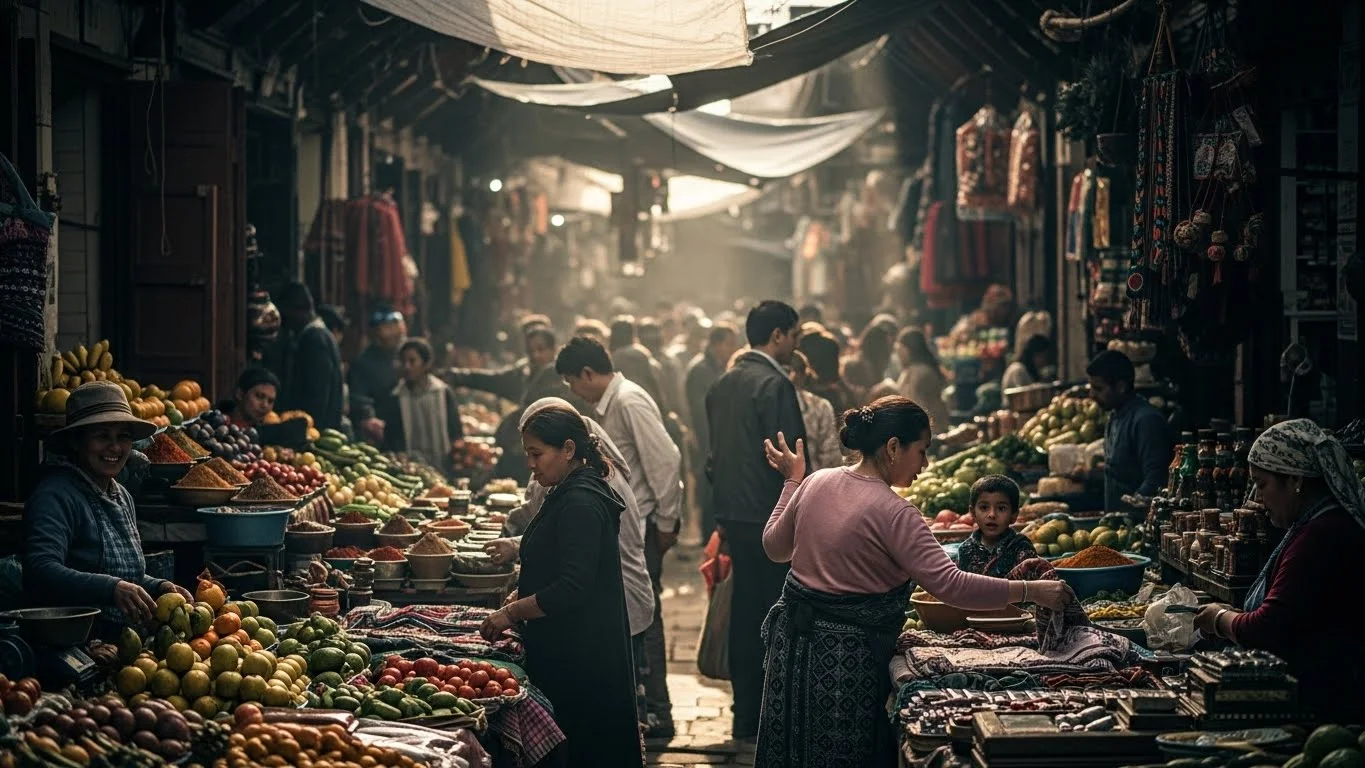
Street photography in local markets offers a vibrant glimpse into everyday life, culture, and community. It’s where stories unfold, and emotions run deep, making it a fascinating subject for any photographer. Read Interesting article: Top Tips for Budget Street Photography in Iconic Cities
The Importance of Street Photography in Local Markets
When I think about street photography, local markets immediately come to mind. They are bustling with energy and filled with colors, sounds, and smells that tell the story of a place. These markets serve as a microcosm of the larger culture, offering insights into the everyday lives of the people who inhabit them. For me, capturing street photography in these settings is not just about taking pictures; it’s about documenting the essence of a community and experiencing life through its vibrant lens.
Capturing Everyday Life
Walking through a local market, I often feel like I’ve stepped into a living canvas. Vendors are selling fresh produce, handmade crafts, and delicious street food. There’s a rhythm to it all—people haggling over prices, children laughing, and smells wafting from food stalls. I love the challenge of capturing these fleeting moments. One of my favorite experiences was at a farmer’s market, where I watched a grandmother teach her grandchild how to pick the ripest tomatoes. I snapped a candid shot just as the child reached out, eyes wide with wonder. That image is now one of my most treasured photographs.
Everyday interactions in these markets reflect the heart of a community. I believe that when we focus on these small moments, we reveal the larger narrative of human experience. It’s these candid shots that often resonate with viewers, drawing them into the scene and evoking their own memories of similar experiences. Street photography in markets allows us to capture the authenticity of life that might otherwise go unnoticed.
Documenting Cultural Heritage
Markets are often deeply rooted in cultural traditions. They reveal the history and heritage of the community through the products sold and the ways people engage with one another. When I visited a local craft market in a small town, I was struck by how the artisans proudly displayed their handmade goods, each piece telling a story of its own. I remember talking to a potter who had inherited his craft from generations before him. As he shared his story, I took photos of him working on a new piece, his hands covered in clay, fully immersed in his art.
Through street photography, we can document these cultural practices that define a community. Festivals, traditional foods, and local craftsmanship are all elements that come alive in market settings. By capturing these moments, we preserve the essence of cultural heritage, showcasing what makes each market unique and vibrant. It’s essential for future generations to see these snapshots of life as they represent the values and traditions that shape our world. Read Interesting article: Capture the World: A Guide to Street Photography Abroad
Showcasing Local Commerce
Local markets are also hubs of commerce, where small businesses and individual entrepreneurs thrive. I’ve noticed how each vendor brings their unique flair to the table, whether it’s through their special recipes, handmade goods, or personal stories. Capturing the spirit of local commerce is vital; it not only supports the vendors but also highlights the economic fabric of the community. I remember one afternoon at a bustling night market, where I met a woman selling homemade jams. She was so passionate about her products and shared how each recipe was a family secret passed down through generations. I took a shot of her, surrounded by her colorful jars, and that photograph encapsulated her passion and dedication.
Local markets often reflect the economic landscape and can be a lifeline for many families. By photographing these vendors and their goods, I feel I’m helping to promote their stories and businesses. Each image serves as a testament to their hard work and creativity, and I hope it encourages others to support local commerce. It’s more than just a transaction; it’s about building a community around shared experiences and cultural pride.
In my experience, street photography in local markets has been a way to connect with others while also exploring the diverse cultures that exist within our world. These markets are not just places to shop; they are vibrant communities where life unfolds in real-time, and every photograph tells a story waiting to be discovered. I encourage anyone interested in photography to grab their camera and start exploring the local markets. You never know what moments you might capture or what stories you might uncover.
Essential Equipment for Street Photography
When it comes to street photography, especially in local markets, having the right equipment can make all the difference. I’ve learned that it’s not about having the most expensive gear, but rather about using what works best for you and the style you want to capture. Over the years, I’ve experimented with various setups, and I want to share what I’ve found to be essential for capturing those vibrant moments in markets.
Camera Types: DSLRs vs. Mirrorless
Choosing between a DSLR and a mirrorless camera often comes down to personal preference. I started with a DSLR because I enjoyed the robust feel and the optical viewfinder. However, I later switched to a mirrorless camera and found it to be a game-changer for street photography. The compact size and lighter weight made it much easier to carry around while navigating crowded market aisles.
Mirrorless cameras also offer silent shooting modes, which can be invaluable when you want to capture candid moments without drawing attention to yourself. I remember being at a busy street market, and I was able to shoot without the click of a shutter disturbing the atmosphere. This allowed me to blend in more and capture genuine interactions among vendors and customers.
Lens Selection: Prime vs. Zoom
Lens choice plays a significant role in how you frame your shots. I’ve found that prime lenses, with their fixed focal lengths, often provide sharper images and better low-light performance. For street photography in markets, a 35mm or 50mm lens can be ideal for capturing the action up close without being intrusive. I have a 50mm lens that has become my go-to for those intimate vendor portraits that tell a story.
On the other hand, zoom lenses offer versatility, allowing you to quickly adjust your framing without having to move around too much. When exploring larger markets, I often use a zoom lens to capture both wide shots of the entire scene and tight shots of interesting details. It’s all about finding what works best for the environment and your shooting style.
Accessories: Tripods, Filters, and More
While I prefer to shoot handheld for most street photography, I’ve learned that having a tripod can be helpful in certain situations, especially during low-light conditions or when I want to capture long exposures. I once used a small, portable tripod at a night market to stabilize my camera for a shot of colorful lights reflecting off the wet pavement. The results were stunning and added a whole new dimension to my portfolio.
Filters can also enhance your images. I often use a polarizing filter to reduce glare and enhance colors when shooting food stalls or vibrant produce. This can make a significant difference in how the colors pop in my photos. Additionally, I carry spare batteries and memory cards, as I’ve had more than a few moments where I was caught off guard when my battery died or my card filled up unexpectedly.
Ultimately, the best equipment is what allows you to feel comfortable and creative in the moment. I’ve realized that it’s not about the brand or the price tag, but about how you connect with your subjects and the stories you want to tell through your lens. Read Interesting article: The Ultimate Guide to Street Photography on a Budget
Techniques for Effective Street Photography
Once you have your gear ready, the next step is mastering the techniques that will elevate your street photography skills. Through trial and error, I’ve picked up a few tricks that have truly helped me capture the essence of local markets more effectively.
Understanding Lighting Conditions
Lighting can make or break a photo, and understanding how to use it to your advantage is key. In markets, you’ll encounter a variety of lighting situations; from harsh midday sun to the soft, diffused light during golden hour. I’ve learned to always keep an eye on how light interacts with my subjects. For example, I remember a time in an open-air market where the sunlight filtered through colorful awnings, creating a beautiful play of shadows and light. I quickly adjusted my position to capture that magic.
Composition Tips for Market Scenes
Composition is another crucial element. I often think about the rule of thirds when framing my shots. Placing the main subject off-center can add interest and draw the viewer’s eye into the scene. I also enjoy experimenting with leading lines—like rows of stalls or the movement of people—to guide the viewer’s gaze through the photograph. It adds depth and context to the story I’m telling.
Using Color and Textures
Markets are a feast for the eyes, filled with vibrant colors and unique textures. I’ve found that emphasizing these elements can create striking images. For instance, when I photograph fruits and vegetables, I focus on the rich colors and the textures of the skin. Capturing the roughness of a rustic basket or the sheen of fresh produce can make a simple shot feel dynamic. I encourage you to explore the textures in your surroundings, as they often tell a story of their own.
As I continue to practice and refine my techniques, I’ve come to appreciate the beauty of spontaneity in street photography. Each market visit is a new adventure, filled with opportunities to learn and grow. I hope these tips inspire you to dive deeper into your street photography journey.
Best Local Markets for Street Photography
Famous Markets Around the World
As I’ve traveled, I’ve encountered some iconic markets that are a photographer’s dream. One of my favorites is the Grand Bazaar in Istanbul, Turkey. The moment you step inside, you’re enveloped by a whirlwind of colors, from vibrant textiles to intricate pottery. The atmosphere is electric, with the sounds of merchants calling out their wares and the tantalizing aromas of spices wafting through the air. I remember spending hours there, capturing everything from the intricate details of a handwoven rug to the cheerful faces of vendors. Each photograph I took felt like a story waiting to be told.
Another remarkable market is La Boqueria in Barcelona, Spain. This bustling food market is a feast for the senses. I found myself captivated by the sheer variety of fresh produce, seafood, and local delicacies. The sheer energy of the market made it easy to capture dynamic shots. I particularly enjoyed photographing the colorful stalls and the expressions of people savoring their meals. I believe that markets like La Boqueria are essential because they not only showcase local culinary delights but also bring people together, creating a vibrant tapestry of community life.
Hidden Gems: Lesser-Known Markets
While famous markets are incredible, I’ve also discovered that some of the best experiences come from visiting lesser-known markets. For instance, I stumbled upon a small weekend market in a quiet village during a road trip. It was a modest setup, with local farmers and artisans selling their goods. I was able to chat with several vendors, capturing their stories and the essence of their crafts. One vendor, a local cheesemaker, shared her passion for traditional methods, and I was fortunate to capture her as she sliced a wheel of cheese, the sunlight glinting off the sharp knife.
This experience reinforced my belief that hidden markets often provide a more intimate glimpse into local life. The vendors are usually more willing to share their stories, and you can immerse yourself in the culture without the overwhelming crowds often found in larger markets. I encourage fellow photographers to seek out these hidden gems; you might uncover unique stories and vibrant scenes that you wouldn’t find in the more touristy spots.
Seasonal Markets and Festivals
Seasonal markets and festivals can also be fantastic opportunities for street photography. I recall visiting a pumpkin festival in a small town in the fall. The market was alive with families, children running around, and vendors showcasing everything from handcrafted goods to seasonal treats. The vibrant colors of the pumpkins, combined with the golden fall foliage, created a picturesque setting that was hard to resist. I took many photos of families picking pumpkins, laughter echoing through the air, and local artisans demonstrating their crafts.
Each seasonal market has its own charm and character, reflecting the culture and traditions of the area. I’ve also experienced holiday markets, where twinkling lights and festive decorations transform ordinary streets into a magical scene. Capturing the warmth and joy of these events is always rewarding. These markets not only offer beautiful photography subjects but also provide a chance to engage with the community and soak up local traditions.
Cultural Insights Gained Through Market Photography
Food and Culinary Traditions
Through my experiences in markets, I’ve gained a deeper appreciation for food and culinary traditions. Each market tells a story about the local cuisine and the ingredients that define it. I remember photographing a food stall in a vibrant Asian market where a chef was preparing traditional dumplings. The dexterity in his hands as he rolled out the dough and filled it with a savory mixture was mesmerizing. Capturing that process not only highlighted the skill involved but also showcased the love and care that goes into making these dishes.
Food is often a central part of cultural identity, and markets offer a window into how communities celebrate their culinary heritage. I’ve noticed how vendors proudly share their recipes and cooking techniques, passing down traditions from generation to generation. I believe that photographing these moments helps preserve the rich tapestry of culinary culture and allows others to appreciate the diversity of flavors that exist around the world.
Local Artisans and Crafts
Markets are also a showcase for local artisans and their crafts. I’ve met talented individuals who create stunning handmade products, from jewelry to textiles to pottery. One memorable encounter was with a glassblower at a craft market. Watching him transform molten glass into beautiful pieces was captivating. I took several photos of his process, capturing the glowing glass and his focused expression as he shaped each item. It was a reminder of the hard work and creativity that goes into handmade goods.
These artisans often have unique stories that add depth to their crafts. I feel that by documenting their work, I’m not only promoting their artistry but also preserving the stories behind the creations. Each photograph becomes a way of honoring their skills and the cultural significance of their crafts.
Community Interactions and Social Dynamics
Perhaps one of the most rewarding aspects of street photography in local markets is witnessing community interactions and social dynamics. I’ve seen friends gathering to share meals, families shopping together, and strangers connecting over shared interests. These interactions reflect the heart of a community. I often find myself capturing candid moments of laughter, conversations, and spontaneous connections that highlight the warmth of human experience.
The beauty of street photography is that it goes beyond merely documenting a scene; it captures the essence of relationships and social fabric. I believe that these images can evoke empathy and understanding, allowing viewers to feel connected to a world that may be different from their own. Each photograph is a snapshot of life, offering a glimpse into the diverse ways people connect, celebrate, and thrive within their communities.
Frequently Asked Questions
What is the significance of street photography in local markets?
Street photography in local markets provides a vibrant glimpse into everyday life, culture, and community. It captures the essence of a community, highlighting interactions and stories that unfold in these bustling environments.
How can local markets help document cultural heritage?
Local markets are often deeply rooted in cultural traditions and reveal the history and heritage of the community through the products sold and the ways people interact. Capturing these moments helps preserve cultural practices for future generations.
What types of cameras are recommended for street photography in markets?
Both DSLR and mirrorless cameras can be effective for street photography. Mirrorless cameras are particularly advantageous due to their compact size and silent shooting modes, making them easier to use in crowded market settings.
What lens types are ideal for capturing street photography in markets?
Prime lenses, such as 35mm or 50mm, are ideal for capturing intimate vendor portraits and sharp images. Zoom lenses offer versatility for framing shots quickly in larger markets.
What accessories are beneficial for street photography?
While handheld shooting is preferred, tripods can be useful in low-light situations. Filters, such as polarizing filters, enhance colors and reduce glare, while spare batteries and memory cards are essential to avoid interruptions during shooting.
What are some composition tips for photographing market scenes?
Using the rule of thirds can create more interesting shots, and leading lines can guide the viewer’s gaze through the photograph. Emphasizing color and textures in the market adds depth and visual interest to the images.
Can you name some famous markets that are great for photography?
Iconic markets such as the Grand Bazaar in Istanbul and La Boqueria in Barcelona are excellent for photography due to their vibrant colors, diverse products, and dynamic atmosphere.
What are the benefits of visiting lesser-known markets for photography?
Lesser-known markets often provide a more intimate glimpse into local life, allowing photographers to engage with vendors and capture unique stories without the overwhelming crowds of larger, touristy markets.
How do seasonal markets and festivals enhance street photography opportunities?
Seasonal markets and festivals offer unique charm and character, reflecting local culture and traditions. They provide dynamic subjects that capture the warmth and joy of community interactions during special events.
What insights can be gained from photographing food and local artisans in markets?
Photographing food and local artisans provides a deeper appreciation for culinary traditions and craftsmanship. It helps preserve stories of cultural identity and highlights the creativity and hard work involved in handmade goods.