
Exploring indigenous cultures is a journey into the heart of our shared human heritage. From ancient traditions to vibrant communities today, heritage sites offer a unique glimpse into their rich histories. Read Interesting article: Experience Authenticity: Indigenous Cultures and Their Practices
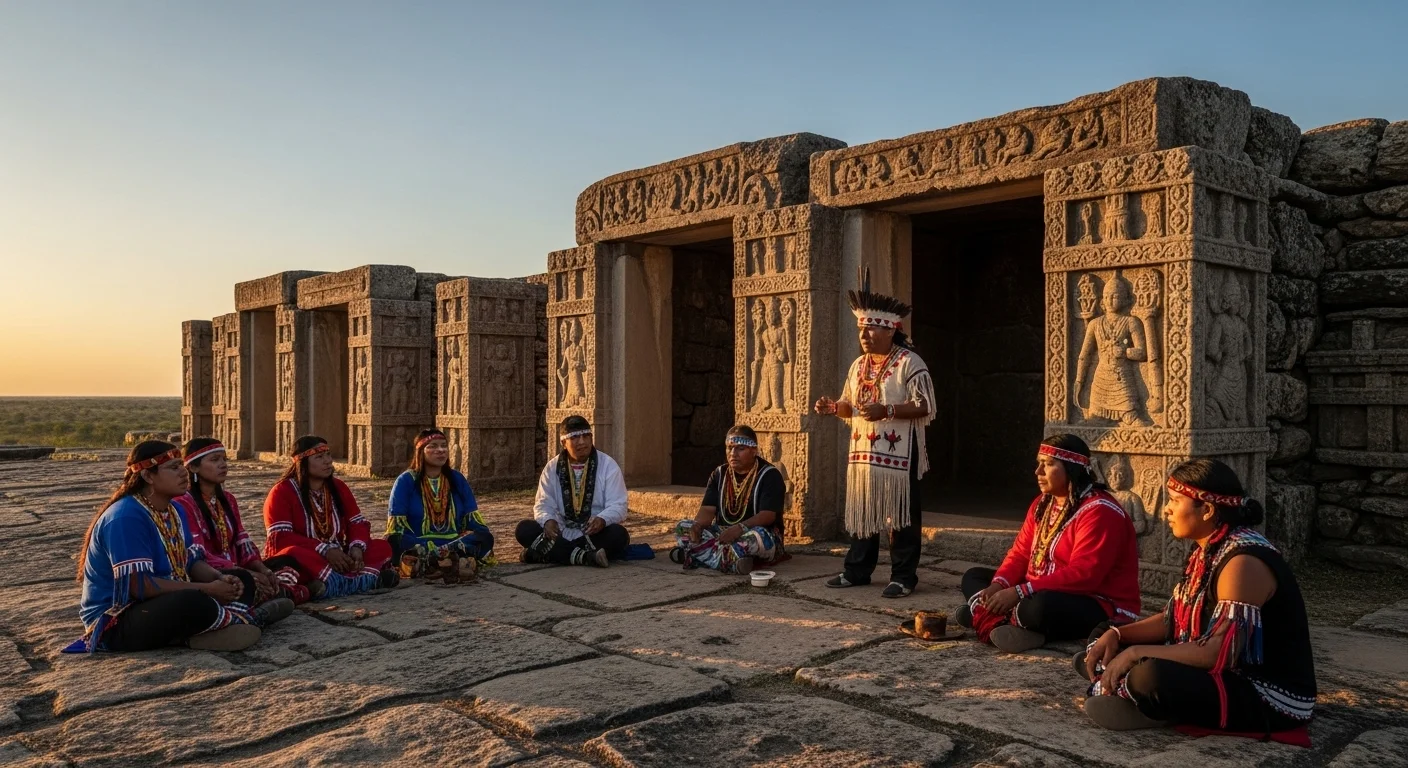
Understanding Indigenous Cultures
Definition of Indigenous Peoples
Indigenous peoples are those who have historical ties to a particular region and maintain unique cultural practices, languages, and spiritual beliefs that are distinct from the dominant societies surrounding them. I’ve always found it fascinating how these communities carry their ancestral wisdom while adapting to modern challenges. They often have a deep connection to their land, viewing it not just as a resource but as a living entity that holds their history and identity. In my journey of exploration, I’ve come to appreciate the diversity among indigenous cultures worldwide, each showcasing unique traditions and ways of life that have thrived for centuries.
Importance of Cultural Heritage
Cultural heritage is essential for indigenous peoples as it defines their identities and connections to their ancestors. It includes traditions, languages, art, music, and rituals that have been passed down through generations. For many indigenous communities, these elements are not just historical markers; they are vital to their daily lives and spiritual practices. I remember visiting a local festival where the indigenous people shared their traditional dances and songs. The pride in their eyes revealed how these practices help them maintain their cultural identity and foster community bonds. Engaging with such rich heritage allows us to learn from their experiences and wisdom, making us reflect on our own place in the world. Read Interesting article: Explore Indigenous Cultures: Traditional Practices Uncovered
Current Challenges Faced by Indigenous Communities
Despite their resilience, indigenous communities face numerous challenges today, including land dispossession, cultural assimilation, and environmental degradation. I’ve read about cases where their ancestral lands have been exploited for commercial purposes, often leading to conflicts and loss of cultural heritage. It’s heartbreaking to see how globalization and modernization can threaten their way of life. During my travels, I’ve met many indigenous activists dedicated to protecting their rights and preserving their cultural heritage. Their struggles remind me of the importance of advocacy and support for these communities. We must listen to their voices and help raise awareness about the unique challenges they face.
Overview of Heritage Sites
What are Heritage Sites?
Heritage sites are locations recognized for their cultural, historical, or natural significance. These sites serve as reminders of humanity’s past and are often places where indigenous cultures have thrived. One of my favorite experiences was exploring a heritage site, where I felt the weight of history and the stories embedded in the landscape. Each stone, pathway, and structure told a tale of the people who once inhabited those spaces. Heritage sites are crucial in preserving and showcasing the diversity of human experiences across different cultures.
Criteria for UNESCO World Heritage Status
UNESCO recognizes heritage sites that meet specific criteria, including outstanding universal value, integrity, and authenticity. A site must showcase remarkable cultural or natural significance to be considered for this status. I find it incredible how these criteria ensure that only the most deserving places are honored, helping to protect them for future generations. During my travels, I’ve visited several UNESCO World Heritage sites and marveled at their preservation efforts, which allow us to appreciate and learn from our shared history.
Significance of Heritage Sites in Indigenous Cultures
Heritage sites play a vital role in indigenous cultures as they are often tied to their spiritual beliefs and historical narratives. They serve as places of connection to the ancestors and the natural world. I experienced this deeply during a visit to a sacred site where the local community performed rituals that had been practiced for centuries. It was a powerful reminder of the importance of these sites in maintaining cultural continuity. Beyond their historical importance, heritage sites also contribute to the local economy through tourism, providing indigenous communities with opportunities to share their stories and traditions while fostering respect and understanding among visitors. Read Interesting article: Backpacking Through Indigenous Cultures: A Traveler’s Guide
Must-See Indigenous Heritage Sites
North America
Chaco Culture National Historical Park
Chaco Culture National Historical Park in New Mexico is one of the most astonishing places I’ve visited. This site, once a major center for Ancestral Puebloan culture, is filled with impressive ruins that date back over a thousand years. Walking through the remnants of multi-story buildings and observing the complex system of roads that connected this site to others across the region, I felt a deep sense of history. The park is also a UNESCO World Heritage site, celebrated for its significant architectural innovations and its role in the cultural exchanges of ancient Pueblo peoples. I remember standing in the Great House, looking up at the sky, and imagining the vibrant community that once thrived there, engaging in trade, ceremonies, and cultural practices that are still echoed in the traditions of their descendants today.
Taos Pueblo
Another gem in North America is Taos Pueblo in New Mexico, a living heritage site that has been continuously inhabited for over a thousand years. The adobe dwellings are striking, built from the earth itself. I had the chance to join a guided tour, where the local Pueblo members shared their stories, traditions, and the constant challenges they face in maintaining their way of life amidst modern pressures. It was enlightening to see how the community continues to uphold their customs, from traditional dances to pottery making. I felt honored to witness their resilience and the love they have for their land and culture.
South America
Macchu Picchu
Traveling to South America, Macchu Picchu in Peru stands out as an iconic representation of Incan civilization. Perched high in the Andes Mountains, this ancient citadel left me in awe. The terraced fields, intricate stonework, and the surrounding mist-covered peaks create an ethereal experience. I joined a guided hike along the Inca Trail, where our guide shared insights into Incan agricultural practices and spiritual beliefs. It was amazing to walk in the footsteps of those who built this remarkable site, feeling their connection to the earth and the cosmos. Macchu Picchu is not just a tourist destination; it’s a profound reminder of human ingenuity and the importance of honoring our ancestors.
Tiwanaku
Another historical site that captures my interest is Tiwanaku, located near Lake Titicaca. This ancient city is believed to be one of the most significant pre-Columbian archaeological sites in South America. As I wandered through the massive stone structures, including the famous Gateway of the Sun, I marveled at the engineering skills of the Tiwanaku people. The site is rich in cosmological significance, and I learned about their advanced agricultural techniques that enabled them to thrive in such a challenging environment. The local Aymara people still honor their heritage and celebrate their connection to this ancient civilization, which I found incredibly inspiring.
Australia
Uluru-Kata Tjuta National Park
In Australia, Uluru-Kata Tjuta National Park is a must-see for anyone interested in indigenous heritage. The sacred rock of Uluru holds deep cultural significance for the Anangu people, the traditional custodians of the land. I remember the first time I saw Uluru at sunrise; the colors shifting from deep reds to vibrant oranges left me speechless. The Anangu people have a rich oral tradition, and I appreciated how they share their stories with visitors, emphasizing the importance of caring for the land. It’s essential to approach such sites with respect, understanding that they are not just landmarks but living places of cultural importance.
Great Barrier Reef Indigenous Sites
Also in Australia, the Great Barrier Reef is home to a variety of indigenous sites that highlight the connection of Aboriginal and Torres Strait Islander peoples to the ocean. I had the opportunity to take part in a tour led by local indigenous guides who shared their knowledge of traditional fishing practices and the reef’s ecological significance. Their deep respect for the marine environment was evident, and I learned how they have stewarded these waters for thousands of years. It was a profound experience to witness their cultural practices intertwined with the natural beauty of the reef.
Asia
Indigenous Sites in the Philippines
In the Philippines, indigenous sites offer a glimpse into the diverse cultures of the archipelago. One of my most memorable experiences was visiting the Banaue Rice Terraces, often referred to as the “Eighth Wonder of the World.” These terraces are not just stunning to behold; they represent the ingenuity of the Ifugao people in sustainable agriculture. I met local farmers who taught me about their traditional rice-growing methods, intricately tied to their cultural identity. It was a humbling experience to see how they cultivated not only rice but also their ancestral traditions, all while facing the challenges of modernization.
Bhutan’s Sacred Sites
Bhutan is another country rich in indigenous culture, with sacred sites like the Paro Taktsang, or Tiger’s Nest Monastery, perched dramatically on a cliffside. The journey to reach it is both physically demanding and spiritually fulfilling. As I hiked up the mountain, I reflected on the deep sense of spirituality that permeates Bhutanese culture. The intricate wall paintings and sacred relics within the monastery tell stories of Buddhism’s influence and the country’s commitment to preserving its cultural heritage. I felt a sense of peace and connection to something much larger than myself during my visit.
Africa
Great Zimbabwe
In Africa, Great Zimbabwe is a fascinating site that showcases the engineering prowess of the Shona people. As I explored the stone ruins, I was struck by the sophistication of the architecture and the social structures that once thrived there. The site, which served as a royal palace and trading center, reveals much about the dynamics of power and trade in ancient times. I learned from local guides about the cultural practices that continue to influence communities in the region today, further enriching my understanding of the rich heritage that exists in Africa.
Rock Art Sites in the Sahara
The Rock Art Sites in the Sahara are another incredible testament to human history. Visiting these ancient petroglyphs, which depict scenes of hunting and daily life from thousands of years ago, was like stepping back in time. I was amazed at how these artworks communicate stories about the lives of the people who once inhabited this vast desert. I felt a deep connection to our shared human experience, realizing that despite the passage of time, the essence of storytelling remains integral to all cultures.
Europe
Stone Circles of Orkney
In Europe, the Stone Circles of Orkney in Scotland are a captivating glimpse into Neolithic culture. Standing among these ancient stones, I could almost feel the energy of the rituals that took place thousands of years ago. The layout of the stones and the nearby burial mounds suggest a sophisticated understanding of astronomy and community life. I was struck by the respect the local community has for these sites, ensuring their preservation while continuing to explore the stories and meanings behind them.
Saami Cultural Sites in Scandinavia
Lastly, the Saami cultural sites in Scandinavia showcase the rich heritage of the indigenous people of the region. I visited a reindeer herding community where I learned about their traditional ways of life, including their deep connection to the land and animals. The Saami’s vibrant craftwork, music, and festivals highlight their unique identity and resilience. It was inspiring to witness how they adapt to modern challenges while remaining true to their cultural roots.
Visiting Indigenous Heritage Sites
When to Visit
Timing can greatly enhance your experience when visiting indigenous heritage sites. I’ve learned that many communities have specific seasons or festivals that celebrate their culture, which can offer visitors a unique glimpse into their traditions. For example, I visited Taos Pueblo during their annual feast day, and the energy was electric. The dances, music, and communal meals created a vibrant atmosphere that I will never forget. I recommend checking the local calendars or websites ahead of time. This way, you can plan your visit to coincide with cultural events or important ceremonies, making the experience even more enriching and eye-opening.
Respectful Tourism Practices
Engaging with indigenous cultures comes with a responsibility to be respectful and aware of their customs and traditions. One thing I always keep in mind is to ask before taking photographs, especially during ceremonies or sacred sites. I remember feeling a little awkward at first, but most community members appreciate the respect for their privacy and significance of their traditions. It’s also important to educate myself about the cultural protocols of the area I’m visiting. I’ve often found that listening and observing first can lead to deeper connections and a more meaningful experience. Being mindful of the environment and following any guidelines set by the community is crucial in showing respect for their land and culture.
Local Guides and Tours
Using local guides is one of the best ways to learn about indigenous cultures while supporting the community. I’ve taken many guided tours led by indigenous people, and each time, I left with a greater appreciation for their heritage. For instance, in Uluru-Kata Tjuta National Park, I joined a tour where an Anangu guide shared stories about their relationship with the land. Their perspective transformed how I viewed Uluru from just a beautiful rock formation to a living, breathing part of their culture and spirituality. I highly recommend seeking out those who are from the community, as they can provide insights that you won’t find in guidebooks, enriching your understanding of their history and ongoing traditions.
What to Expect During Your Visit
When visiting indigenous heritage sites, it’s essential to approach each experience with an open heart and mind. I’ve found that many places invite visitors to participate in cultural activities, like traditional craft-making or storytelling sessions. These interactions can be incredibly rewarding, as they allow for a personal connection with the culture. However, it’s also important to be prepared for moments of reflection or silence, especially in sacred sites. I remember standing in awe at Machu Picchu, feeling the weight of history around me. In those moments, I realized that visiting these sites is about more than just sightseeing; it’s about honoring the lives and stories of those who came before us.
Supporting Indigenous Communities
How to Contribute to Preservation Efforts
Supporting indigenous communities can take many forms, and I’ve found that even small actions can make a big difference. One of the most effective ways is to contribute to preservation efforts by donating to local organizations focused on protecting their cultural heritage and land rights. I’ve engaged with several grassroots initiatives that work tirelessly to ensure that indigenous voices are heard and respected. Attending fundraisers or awareness events can also be a great way to learn more and show your support. It feels good knowing that my contributions help sustain the rich cultural tapestries that are often at risk.
Engaging with Local Indigenous Businesses
Shopping at local indigenous businesses is another impactful way to support these communities. During my travels, I’ve made it a point to buy handmade crafts, jewelry, and art directly from indigenous artists. Not only does this provide them with a fair income, but it also allows me to take a piece of their culture home with me. I remember purchasing a beautifully crafted pottery piece from a Taos Pueblo artist, knowing that my purchase directly supported their craft and livelihood. By choosing to engage in ethical tourism practices, we can help foster economic growth while celebrating their artistry and traditions.
Educational Opportunities and Workshops
Participating in workshops or educational programs led by indigenous communities is one of the most fulfilling ways to learn and engage. I’ve had the privilege of attending workshops on traditional weaving and storytelling, which deepened my understanding of their cultural significance. These experiences are often interactive, allowing for a hands-on approach to learning. I found that connecting with local elders during these sessions was incredibly powerful; their stories and wisdom left a lasting impression on me. Exploring educational opportunities not only enriches our understanding but also helps ensure that these vital traditions continue to thrive.
Resources for Further Exploration
Books on Indigenous Cultures
There are countless books that explore the richness of indigenous cultures. I’ve read several that have opened my eyes to the complexities and beauties of different communities. One of my favorites is “Braiding Sweetgrass” by Robin Wall Kimmerer. It combines indigenous wisdom with scientific teachings, creating a beautiful narrative on our relationship with the Earth. I encourage you to explore literature that dives deep into the histories, philosophies, and contemporary issues faced by indigenous peoples; you’ll find a wealth of knowledge and perspective.
Documentaries and Films
Documentaries and films can also be a powerful medium for understanding indigenous cultures. I’ve watched several films that highlight their stories and struggles, like “Rumble: The Indians Who Rocked the World,” which celebrates the contributions of indigenous musicians. These films not only entertain but also educate viewers on the rich histories and current realities of indigenous peoples. I recommend looking for documentaries that feature indigenous voices, as they provide authentic insights into their lives and cultures.
Online Platforms and Organizations
There are numerous online platforms and organizations dedicated to indigenous rights and cultural preservation. Websites like the National Museum of the American Indian and Indigenous Peoples’ Journal of Law, Culture & Resistance offer resources and articles that deepen our understanding of these communities. Following social media accounts of indigenous activists and organizations can also keep you informed about their ongoing struggles and achievements. Engaging with these resources can inspire us to take action and support indigenous communities in meaningful ways.
Frequently Asked Questions
What are indigenous peoples?
Indigenous peoples are those who have historical ties to a particular region and maintain unique cultural practices, languages, and spiritual beliefs that are distinct from the dominant societies surrounding them.
Why is cultural heritage important for indigenous communities?
Cultural heritage defines the identities and connections of indigenous peoples to their ancestors, including traditions, languages, art, music, and rituals that are vital to their daily lives and spiritual practices.
What challenges do indigenous communities face today?
Indigenous communities face challenges such as land dispossession, cultural assimilation, and environmental degradation, often exacerbated by globalization and modernization.
What defines a heritage site?
Heritage sites are locations recognized for their cultural, historical, or natural significance, serving as reminders of humanity’s past and showcasing where indigenous cultures have thrived.
What criteria does a site need to meet to be recognized as a UNESCO World Heritage site?
A site must demonstrate outstanding universal value, integrity, and authenticity, showcasing remarkable cultural or natural significance to be considered for UNESCO World Heritage status.
How do heritage sites relate to indigenous cultures?
Heritage sites are often tied to the spiritual beliefs and historical narratives of indigenous cultures, serving as places of connection to ancestors and the natural world, while also contributing to local economies through tourism.
What are some notable indigenous heritage sites in North America?
Notable indigenous heritage sites in North America include Chaco Culture National Historical Park and Taos Pueblo, both in New Mexico, which showcase significant cultural and historical importance.
What respectful tourism practices should visitors follow at indigenous heritage sites?
Visitors should ask for permission before taking photographs, educate themselves about the area’s cultural protocols, and be mindful of the environment and community guidelines to show respect for indigenous cultures.
How can individuals support indigenous communities?
Individuals can support indigenous communities by contributing to preservation efforts, engaging with local indigenous businesses, and participating in workshops or educational programs led by indigenous people.
What resources are available for further exploration of indigenous cultures?
Resources for further exploration include books on indigenous cultures, documentaries and films that highlight their stories, and online platforms and organizations dedicated to indigenous rights and cultural preservation.