
Hitchhiking can be an exciting and budget-friendly way to travel, but safety is paramount. Let’s dive into some essential tips and insights to help you make the most of your adventure on the road. Read Interesting article: Top 10 Affordable Transportation Options for Budget Travelers
Understanding Hitchhiking
What is Hitchhiking?
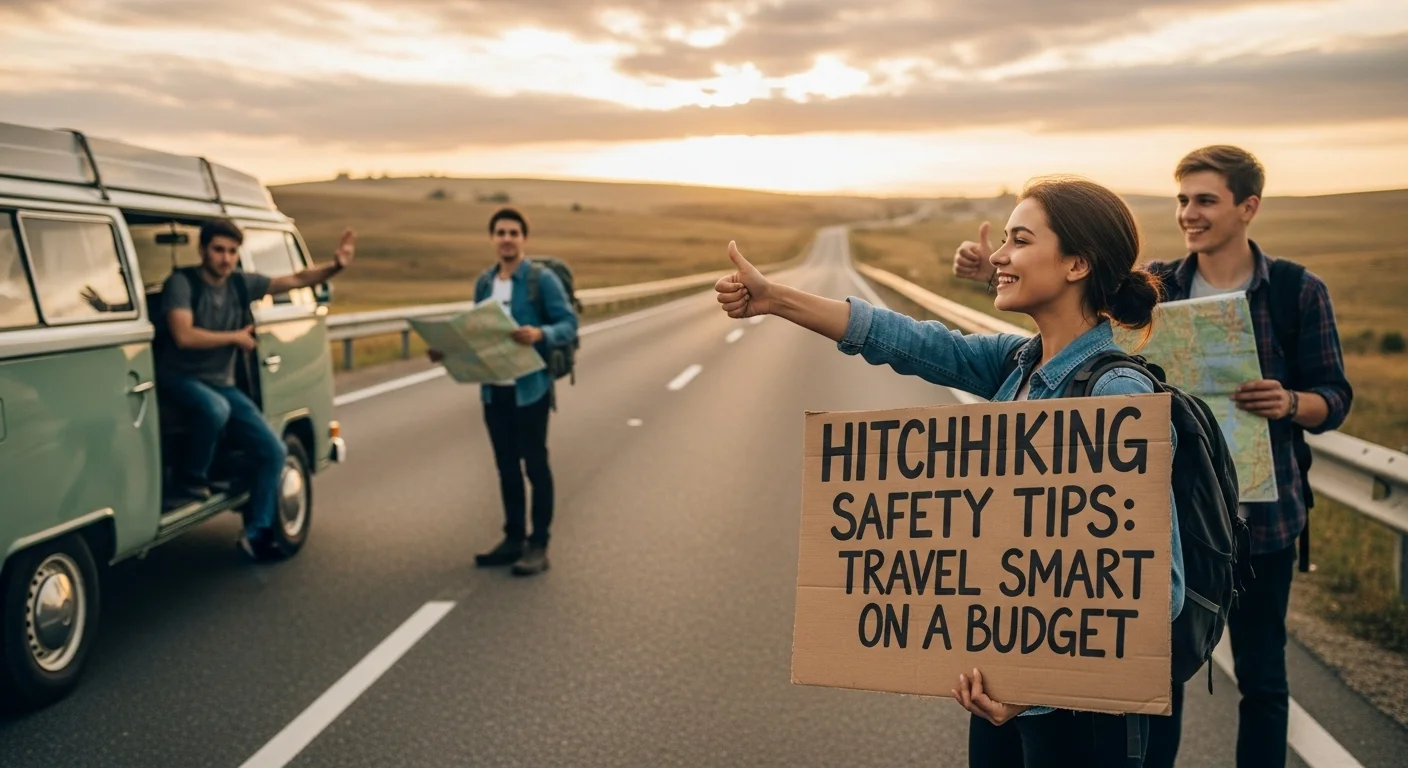
Hitchhiking is, at its core, a method of traveling where individuals solicit rides from passing vehicles, typically by standing at the roadside with a sign or simply by raising their thumb. I remember my first experience—standing on a lonely highway with a mix of excitement and apprehension, waiting for someone to pull over. It felt like a leap of faith, but it also opened up a world of unexpected adventures. This form of travel isn’t just about the destinations; it’s about the stories you gather along the way, the people you meet, and the freedom that comes with it.
History and Evolution of Hitchhiking
The history of hitchhiking dates back to the early 20th century. Initially, it was a common practice as cars became more accessible. I’ve learned that during the Great Depression, people often relied on hitchhiking to find work or reconnect with family. Over the decades, the practice has evolved; the spontaneity of it has been both romanticized and criticized. For many, it symbolizes adventure and a break from the norm. I find it fascinating how hitchhiking reflects societal changes—what was once a common travel method has become less prevalent, yet it still holds a certain allure for those looking to explore the world off the beaten path.
Why People Choose to Hitchhike
There are countless reasons why people, including myself, decide to hitchhike. It’s often about budget constraints, as it can be a free way to travel. However, for many of us, it’s about the thrill of meeting new people and sharing stories. I once met a retired couple who told me tales of their travels across Europe, and it made me realize how hitchhiking creates connections that go beyond just a ride. Some people hitchhike to embrace spontaneity, stepping out of their comfort zones and inviting the unexpected. From my experience, hitchhiking teaches you to be flexible and open to change, as the journey can take you to places you never anticipated. Read Interesting article: 10 Essential Backpacking Tips for Budget Travelers
Preparing for Your Hitchhiking Journey
Choosing the Right Destination
When planning a hitchhiking trip, I’ve found that selecting the right destination is critical. Some places are more hitchhiker-friendly than others. For example, rural areas with fewer public transportation options often have drivers who are more willing to stop and help. I remember choosing a scenic route through national parks, where the views were breathtaking, and the locals were eager to share their favorite spots. Researching potential destinations helps you identify areas where hitchhiking is more successful, making your journey smoother and more enjoyable.
Researching Hitchhiking Laws and Regulations
Before I hit the road, I always make sure to familiarize myself with the hitchhiking laws in the areas I’m visiting. Some states or countries have specific regulations that can affect your experience. I once mistakenly stood on a highway where hitchhiking was illegal, and I had to scramble to find a safer spot. Knowing the local laws not only keeps you safe but also shows respect for the communities you’re passing through. I recommend checking online resources or even local travel blogs to get the most updated information.
Essential Gear and Supplies
Packing the right gear can significantly enhance your hitchhiking experience. From my travels, I’ve learned that having a sturdy backpack, a water bottle, and snacks is essential. I can’t tell you how many times I’ve been grateful for a granola bar when waiting for a ride. A good map or a GPS app on your phone can help you navigate and find good hitchhiking spots. Additionally, I always bring a small first aid kit; it’s a comforting thought to have if something goes wrong. It’s these little things that make all the difference in feeling prepared and secure on the road.
Budgeting for Your Trip
Even though hitchhiking is a low-cost travel option, I’ve found that it’s important to have a budget in place. Consider potential expenses like food, accommodation, and any activities you might want to do along the way. I often set aside a small amount for emergencies or unexpected costs. It’s a good feeling to have a little cushion, even while traveling on a budget. Plus, it can help you enjoy your adventure without the stress of financial limitations. Planning ahead, I’ve been able to make the most of my journeys while still keeping my wallet happy.
Safety Tips for Hitchhiking
Choosing Safe Locations to Hitchhike
Finding the right spot to hitchhike can make a world of difference in both your safety and success. I’ve learned to look for locations that are visible to drivers, like gas stations, rest areas, or busy intersections. These places tend to have more traffic, increasing your chances of getting a ride. I remember a time when I stood on a rural road with no shoulder; it felt risky and I quickly moved to a nearby gas station. Not only did I feel safer, but I also got a ride within minutes. It’s all about being strategic and aware of your surroundings, so always choose a location where cars can pull over easily without causing a hazard.
How to Spot a Safe Ride
When a car finally pulls over, I know it’s crucial to assess if it’s a safe option before jumping in. I typically look at the driver’s demeanor—are they friendly and approachable? I try to gauge their intentions by asking simple questions before getting in, like where they’re headed and what they do for a living. I remember one occasion when a driver offered me a ride, but something about their body language felt off. I politely declined and waited for another opportunity. Trusting my gut has often led me to make better choices on the road. It’s all about feeling comfortable and at ease with the person who’s offering you a lift.
Trusting Your Instincts
Trusting my instincts has been one of the most important lessons I’ve learned while hitchhiking. There have been times when I’ve felt that something wasn’t quite right about a situation, and I followed that intuition. For instance, once I got a ride from a guy who seemed overly eager to chat about personal topics. I ended up asking him to drop me off sooner than planned because I felt uncomfortable. It’s essential to listen to that little voice inside you. If a situation feels off, it’s totally okay to say no. Your safety should always come first, and no ride is worth compromising that.
Communicating Effectively with Drivers
Effective communication can really enhance your hitchhiking experience. I’ve found that being friendly yet clear about my destination helps establish a rapport with drivers. When I meet someone new, I often share a little about my journey—where I’m coming from and where I hope to go. This not only builds a connection but can also make them feel more comfortable giving me a ride. I remember one driver was so intrigued by my plans that we ended up swapping travel stories for the entire ride. It turned a simple lift into a memorable conversation. Plus, being polite and grateful goes a long way; I always make sure to thank my drivers and leave them with a positive impression.
Traveling with a Buddy vs. Solo Hitchhiking
Deciding whether to hitchhike alone or with a buddy can depend on your comfort level and experience. Personally, I enjoy solo trips because they allow for spontaneity and self-discovery. However, I’ve also hitchhiked with friends, and I must say, it adds a layer of safety and camaraderie that can be comforting. I remember one trip where my friend and I hitched together; we felt more confident because we could watch each other’s backs. It’s nice to have someone to share the experience with, especially when things get a little daunting. Ultimately, it’s about what feels right for you. If you’re new to hitchhiking, I recommend starting with a buddy—it can make the experience less intimidating and more enjoyable.
Best Practices While Hitchhiking
Creating a Catchy Sign
A well-made sign can be a game changer when hitchhiking. I’ve experimented with different styles over the years, and I’ve found that simple, clear messages work best. When I was hitching to a music festival, I crafted a bright sign that read “FESTIVAL BOUND” with a smiley face. It caught drivers’ attention and led to a ride within minutes! I recommend using large letters and bright colors. If you can, add a little personal flair—it could spark curiosity and make people more willing to stop. Remember, your sign is a way to communicate your destination and your vibe, so have fun with it!
Choosing Appropriate Clothing
The way you present yourself can influence whether drivers stop for you. I try to dress in comfortable, clean clothes that make me look approachable. I’ve noticed that wearing bright colors or fun patterns often helps catch the eye of passing vehicles. Additionally, I find that wearing layers can be beneficial since you never know what the weather will be like on the road. I remember one chilly morning wearing a bright hoodie, and it made me feel more visible and inviting. Being mindful of your clothing can help you create a positive first impression, which is key in hitchhiking.
Maintaining a Positive Attitude
Staying upbeat and positive has helped me immensely during my hitchhiking journeys. I know that not every ride will be quick, and there will be times when I’m waiting longer than expected. I try to keep my spirits high by listening to music, people-watching, or chatting with other travelers. I remember a particularly long wait one time, but I made a game out of it, counting the different types of vehicles that passed by. Keeping a positive mindset can not only improve your experience but also make you more appealing to drivers. A smile can be contagious, and I believe it invites good energy into the journey.
Using Technology to Your Advantage
In our tech-driven world, I’ve found that using apps and maps can significantly enhance my hitchhiking experience. I often use navigation apps to check traffic patterns and find hotspot areas for hitchhiking. Social media also has its perks; I’ve connected with fellow travelers who share tips and ride opportunities. I remember once using a travel app to connect with a group of hitchhikers heading the same way as me. It turned a solo journey into a shared adventure. Embracing technology can help you stay informed and connected, making your travels smoother and more enjoyable. Read Interesting article: How to Trek Mountains on a Budget: Tips & Tricks
Emergency Preparedness
What to Do if You Feel Unsafe
Feeling safe while hitchhiking is essential, and there have been moments when I’ve sensed that things weren’t quite right. In those situations, I’ve learned to have a game plan. First and foremost, trust your gut. If a ride feels off or if the driver makes you uncomfortable, don’t hesitate to politely decline. I remember one particular ride where the driver was overly chatty about personal matters—it just didn’t sit right with me. I kindly asked them to let me out at the next gas station. Having an exit strategy can make all the difference. It’s okay to prioritize your comfort and safety over a ride.
Additionally, I always keep a backup plan in mind. This might mean knowing the location of nearby bus stops or having the contact number of a friend who can pick me up if needed. I even carry a small personal alarm that I can activate if I feel threatened. It’s not just about relying on others for safety; having tools and strategies in place gives me peace of mind as I navigate the open road.
Keeping Important Contacts Handy
Staying connected is crucial while hitchhiking. I make it a habit to have a list of important contacts saved on my phone, including friends and family who know my general itinerary. Before I start my trip, I let someone know where I’m heading and check in with them regularly. It’s a good way to ensure someone is aware of my journey, which adds an extra layer of safety.
In addition to keeping contacts in my phone, I’ve also written down emergency phone numbers on a piece of paper, just in case my phone dies or gets lost. I keep this in my wallet or a secure pocket. It’s a simple practice, but I’ve found it incredibly reassuring to know that I can easily reach out for help if needed.
Basic First Aid Tips for Travelers
Accidents can happen, and being prepared is key. I always carry a small first aid kit in my backpack. I’ve learned that having basic supplies like adhesive bandages, antiseptic wipes, pain relievers, and gauze can be incredibly useful. There was one time I got a blister while walking along a long stretch of road, and I was so glad I had band-aids on hand.
Beyond just packing a kit, I recommend knowing a few basic first aid skills. Simple things like how to clean a wound, how to treat a burn, or how to respond to an allergic reaction can come in handy. I took a basic first aid course a few years ago, and it’s given me the confidence to handle minor injuries on the road. Plus, knowing these skills can make you feel more empowered, allowing you to focus on enjoying your journey rather than worrying about what could go wrong.
Finding Community and Support
Online Forums and Hitchhiking Groups
Connecting with others who share your passion for hitchhiking can be incredibly rewarding. I’ve discovered numerous online forums and social media groups dedicated to hitchhiking. These platforms are filled with tips, personal stories, and even ride-sharing opportunities. I remember joining a Facebook group where members shared their experiences, including the best spots to hitch in different countries.
Being part of a community not only provides useful information but also makes the journey feel less lonely. I’ve connected with fellow hitchhikers who have become friends over time. We’ve met up in person, shared rides, and created lasting memories together. It’s comforting to know that there’s a supportive network out there, ready to welcome you into the fold.
Connecting with Other Travelers
While hitchhiking, I’ve found that striking up conversations with fellow travelers can lead to great connections. Whether it’s someone at a rest stop or another hitchhiker waiting for a ride, we all share a common bond. I remember meeting a backpacker at a gas station who was on a similar journey. We ended up sharing tips and even hitching a few rides together. It felt like an adventure in itself!
Engaging with other travelers can also provide insights into different cultures and perspectives. I’ve learned so much just by sharing stories about our experiences on the road. These interactions not only enrich the journey but also remind us that we’re part of a larger community of explorers.
Sharing Your Experiences and Learning from Others
Documenting my hitchhiking adventures has become one of my favorite pastimes. I often jot down notes in a travel journal or share my experiences on social media. I’ve found that sharing my stories not only helps me remember the little details but also inspires others to explore hitchhiking themselves. I’ve had friends reach out to me after seeing my posts, curious about how to start their own journeys.
Encouraging others to share their experiences is equally important. I often ask fellow hitchhikers about their favorite stories or any lessons learned along the way. It’s amazing how much knowledge is out there, and sharing these insights creates a sense of camaraderie. We’re all in this together, and by exchanging our stories, we can inspire and support one another as we navigate the beautiful and unpredictable world of hitchhiking.
Frequently Asked Questions
What is hitchhiking?
Hitchhiking is a method of traveling where individuals solicit rides from passing vehicles, typically by standing at the roadside with a sign or by raising their thumb. It’s about the stories gathered along the way and the people met during the journey.
Why do people choose to hitchhike?
People choose to hitchhike for various reasons, including budget constraints as it can be a free way to travel, the thrill of meeting new people, and the desire for spontaneity. It often leads to unexpected adventures and meaningful connections.
What should I consider when choosing a destination for hitchhiking?
When planning a hitchhiking trip, it’s important to select a hitchhiker-friendly destination. Rural areas with fewer public transportation options often have drivers who are more willing to stop, making your journey smoother.
Are there laws and regulations I need to know before hitchhiking?
Yes, it’s essential to familiarize yourself with the hitchhiking laws in the areas you are visiting, as some states or countries have specific regulations that can affect your experience.
What essential gear should I bring while hitchhiking?
Essential gear for hitchhiking includes a sturdy backpack, a water bottle, snacks, a good map or GPS app, and a small first aid kit. These items can significantly enhance your experience and ensure you feel prepared and secure.
How can I choose safe locations to hitchhike?
To choose safe locations for hitchhiking, look for visible spots like gas stations, rest areas, or busy intersections where cars can pull over easily. These places tend to have more traffic, increasing your chances of getting a ride.
What should I do if I feel unsafe while hitchhiking?
If you feel unsafe, it’s important to trust your instincts and politely decline a ride if something feels off. Having an exit strategy, such as knowing nearby bus stops and carrying a personal alarm, can also enhance your safety.
Can I hitchhike alone, or is it safer to travel with a buddy?
Hitchhiking can be done both alone or with a buddy. Traveling with a friend can add a layer of safety and camaraderie, while solo trips allow for spontaneity and self-discovery. It’s recommended for beginners to start hitchhiking with a buddy.
How can I effectively communicate with drivers while hitchhiking?
Effective communication involves being friendly and clear about your destination. Sharing a little about your journey can help establish a rapport with drivers and make them feel more comfortable giving you a ride.
How can technology enhance my hitchhiking experience?
Using technology such as navigation apps to check traffic patterns, and connecting with fellow travelers through social media can significantly enhance your hitchhiking experience, making your travels smoother and more enjoyable.