Web Analytics

Recent Posts

Savor the Streets: Ultimate Guide to Global Street Food

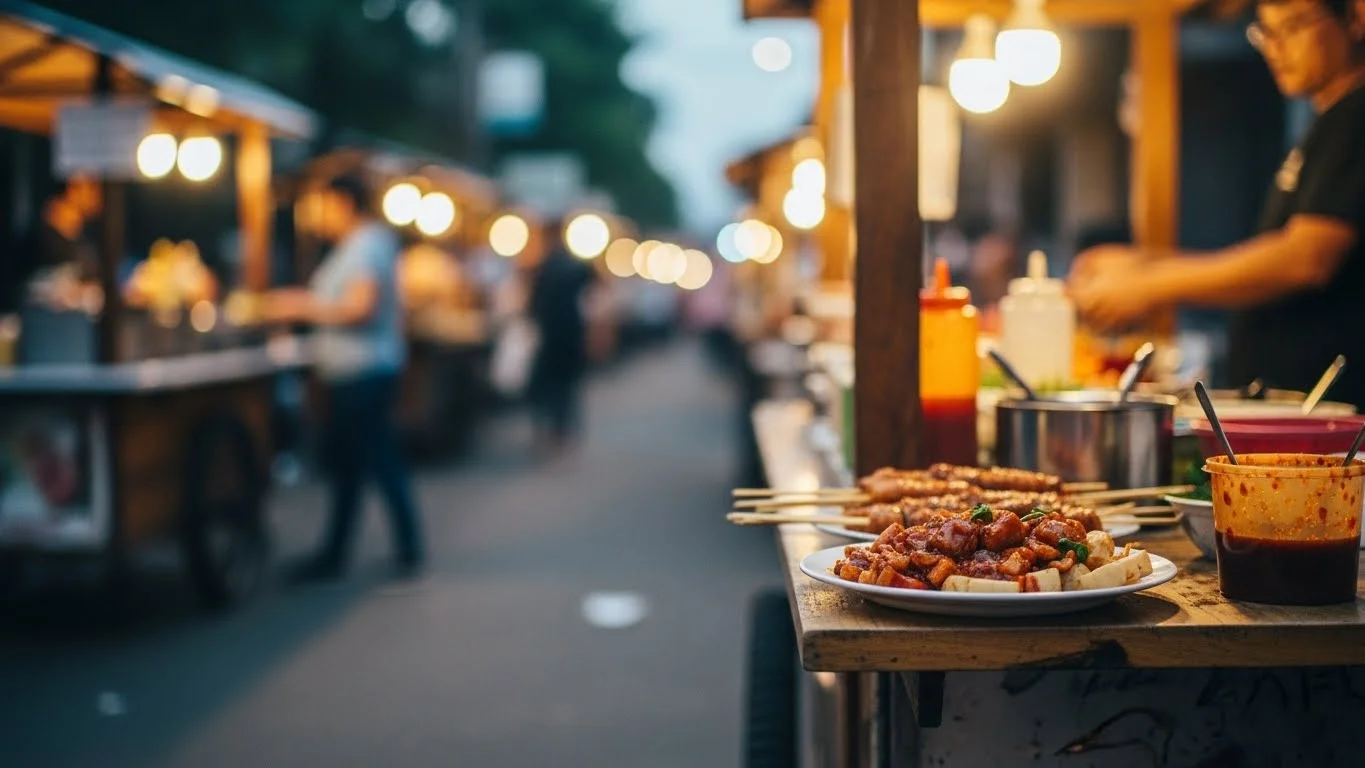
Street food is a delicious journey waiting to be explored. From bustling markets to vibrant street corners, every bite tells a story of culture, tradition, and adventure. Let’s dive into the world of global street food together! Read Interesting article: Delicious and Affordable: Global Street Food You Can’t Miss
Savor the Streets: Ultimate Guide to Global Street Food

Understanding Global Street Food Culture

As I began my culinary journey exploring various countries, one thing stood out to me: the incredible world of street food. It’s more than just a meal; it’s a window into the heart of a culture. I realized that street food represents the essence of a place, shaped by its history, its people, and its traditions. Whether it’s the sizzling sounds of a hot grill or the sweet aroma of pastries wafting through the air, street food captures the spirit of community and creativity. Street food defines culture in a way that few other culinary experiences can.

The History of Street Food

Street food has a rich history that dates back centuries. I remember reading about ancient Rome, where vendors sold bread, cheese, and wine on the streets. Fast forward to the 19th century, and street carts became a staple in cities around the world, catering to laborers and travelers. I found it fascinating to think about how street food has evolved over time, adapting to local tastes and ingredients. It’s a reflection of society itself, showcasing how people eat on the go, often in response to their environment.

In many cultures, street food began as a practical solution for those who needed quick, affordable meals. I’ve seen firsthand how it’s often the preferred choice for locals, who seek out their favorite vendors for authentic flavors. The stories behind these dishes can be as captivating as the flavors themselves, often passed down through generations. For me, trying street food is not just about the taste; it’s about experiencing history and tradition with every bite. Read Interesting article: Exploring Unique Street Foods: A Global Taste Adventure

Street Food vs. Restaurant Dining

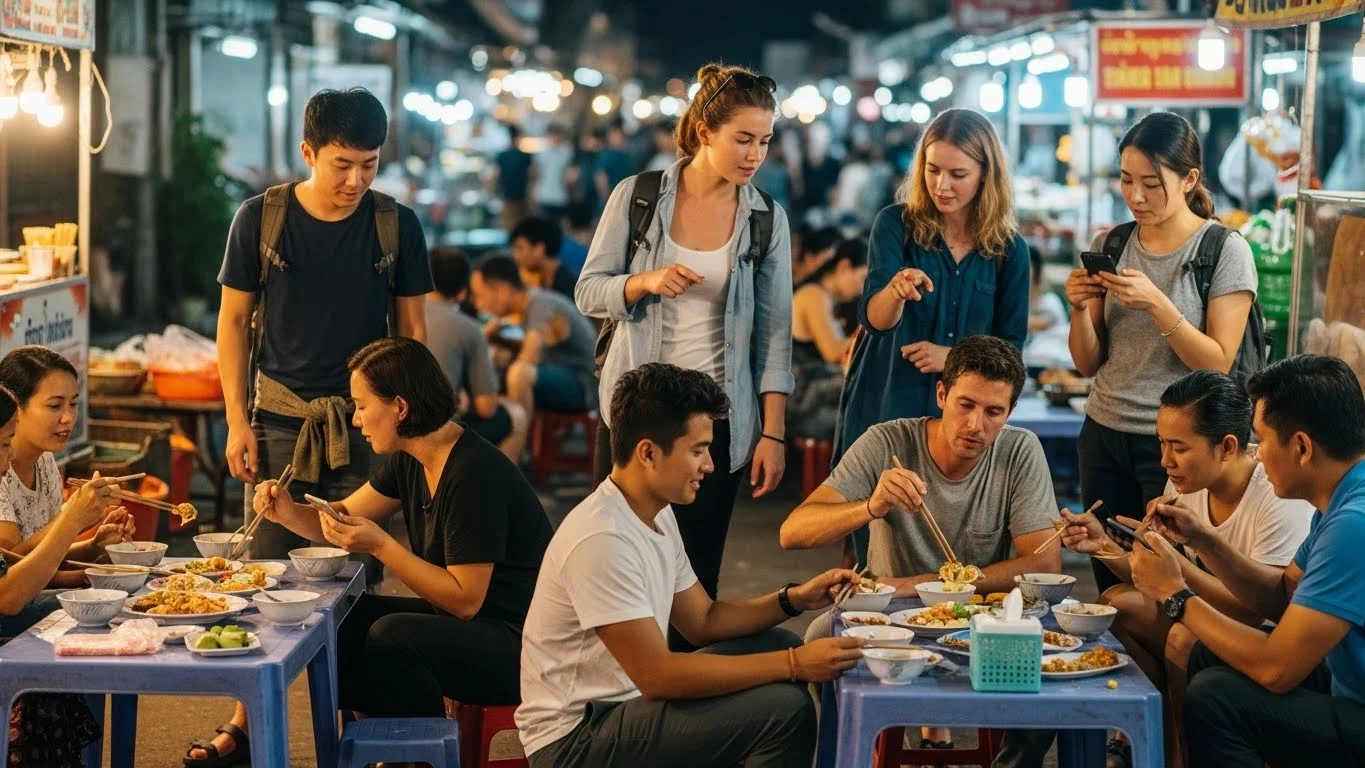
One of the most striking differences between street food and restaurant dining is the atmosphere. When I visit a street food market, there’s an energy that’s hard to replicate in a sit-down restaurant. People gather, laugh, and share their meals, creating a communal experience that feels warm and inviting. I’ve always appreciated how street food allows you to eat with your hands, often sharing plates with friends or family. This shared experience fosters a sense of togetherness that I find truly special.

While restaurants focus on presentation and ambiance, street food is all about flavor and convenience. I’ve had delicious meals served from a simple cart, where the chef prepares everything right in front of you. The freshness of the ingredients and the speed at which they’re made add to the excitement. It’s a more personal experience, where you can chat with the vendor, learn about their recipes, and even get tips on how to enjoy the food best.

The Role of Street Food in Local Economies

Street food is not just a tasty treat; it plays a significant role in local economies. From my observations, vendors often source their ingredients from local farmers and markets, supporting their communities. In many countries, street food is a way for individuals to earn a living, often with low startup costs compared to traditional restaurants. I’ve chatted with vendors who shared stories of how their families have been in the street food business for generations, passing down recipes and techniques while helping to sustain their livelihoods.

Moreover, street food attracts tourists, which can be a boon for local economies. I’ve noticed that travelers often seek out street food as a way to experience authentic cuisine. This influx of visitors can help create jobs and promote local culture. From my experience, some of the best culinary adventures happen when you step off the beaten path and explore street food stalls instead of typical tourist spots.

In my travels, I’ve learned that every bite of street food is a piece of a larger story. It’s an experience that connects us to the people, culture, and history of a place. I believe that by savoring street food, we’re not just enjoying a meal; we’re also participating in a global conversation about food, culture, and community. Whether it’s a spicy taco in Mexico City or a steaming bowl of pho in Hanoi, each dish is an invitation to explore and connect with the world around us.

Top Street Food Destinations Around the World

Asia

Bangkok, Thailand

When I think of street food in Asia, Bangkok always comes to mind. The vibrant street life and the tantalizing scents that fill the air are simply unforgettable. Walking through the bustling streets, I’ve found that every corner offers something new and exciting. The bustling markets, with their colorful stalls lined with fresh ingredients, create an atmosphere that invites you to explore. I remember one evening, drawn in by the sizzling sound of a grill, I decided to try pad Thai from a street vendor. The combination of sweet, sour, and savory flavors was nothing short of magical.

Must-Try Dishes: Pad Thai, Som Tum

Pad Thai is a must-try for anyone visiting Bangkok. It’s not just a dish; it’s an experience. Watching the vendor toss the noodles skillfully in the wok made me appreciate the art behind it. Som Tum, or green papaya salad, is another personal favorite. The crunchiness of the papaya combined with the heat from chilies creates a refreshing dish that pairs perfectly with the local sticky rice. I can still taste the burst of flavors from the lime and fish sauce, and I often find myself trying to replicate it back home.

Hanoi, Vietnam

Hanoi offers a unique street food adventure that I’ll never forget. The blend of flavors and the aromatic herbs used in Vietnamese cuisine are truly remarkable. As I wandered through the Old Quarter, it felt like stepping into a food lover’s paradise, with vendors calling out and enticing passersby with their culinary delights. I remember my first bowl of pho; the rich broth, tender beef, and fresh herbs made it a comforting meal that warmed me to the core.

Must-Try Dishes: Pho, Banh Mi

Pho is a dish that I believe everyone should try at least once. The depth of flavor in the broth, which simmers for hours, is something that cannot be replicated. It’s a hearty meal that’s perfect any time of day. Banh Mi, the Vietnamese sandwich, is another highlight. The crispy baguette filled with savory meats, pickled vegetables, and fresh cilantro is a delightful explosion of textures and flavors. It’s a small taste of Vietnam that fits perfectly in your hand, making it easy to enjoy while exploring the vibrant streets.

Europe

Barcelona, Spain

Moving to Europe, Barcelona’s street food scene offers a unique blend of traditional and modern flavors. I recall my first visit to the bustling La Boqueria market, where the vibrant colors and fresh produce caught my eye. The lively atmosphere made it impossible not to dive into the local eats. I couldn’t resist trying tapas, which perfectly encapsulates the communal spirit of Spanish dining.

Must-Try Dishes: Tapas, Churros

Tapas are more than just food; they’re a way to socialize. I enjoyed sharing plates with friends, sampling everything from patatas bravas to succulent chorizo. Each bite brings something new, and I loved how it encouraged conversation. And don’t forget the churros! Dipping the warm, sugary pastry into rich chocolate sauce was pure bliss. It’s a treat that I found myself craving long after returning home.

Istanbul, Turkey

Istanbul is another destination where street food is an integral part of the culture. The city’s vibrant streets are filled with the aroma of spices and grilled meats. I remember wandering through the markets, captivated by the hustle and bustle, and trying different dishes from the vendors. The experience felt like a feast for the senses.

Must-Try Dishes: Simit, Kebab

Simit, a sesame-crusted bread, is a simple yet delicious snack that I found delightful to nibble on while exploring. And then there’s kebab, which can be found in countless variations. I had the chance to enjoy a doner kebab, and it was one of the best meals I had during my travels. The juicy meat wrapped in fresh bread, served with a side of tangy salad, left me wanting more.

North America

Mexico City, Mexico

In North America, Mexico City stands out for its incredible street food offerings. The vibrant street life and the aroma of cooking tacos filled the air, beckoning me to join in on the fun. I remember my first taco al pastor; the marinated pork, grilled to perfection, topped with fresh pineapple and cilantro, was pure joy in a tortilla.

Must-Try Dishes: Tacos, Elote

Tacos are a must-try, with endless variations available. Each vendor has their secret recipe, and I loved the thrill of sampling different styles. Elote, or grilled corn on the cob, is another favorite of mine. Topped with creamy mayonnaise, cheese, and chili powder, it’s a flavorful treat that I often reminisce about. Every bite felt like a celebration of Mexican flavors.

New York City, USA

New York City is another iconic destination where street food thrives. The sheer diversity of food options is astonishing. I remember my first experience at a food cart; it felt like stepping into a culinary melting pot. Hot dogs and pretzels are staples, but I was eager to try the wide array of international cuisines available.

Must-Try Dishes: Hot Dogs, Pretzels

The classic NYC hot dog is a rite of passage. I loved how it’s served simply with mustard and sauerkraut; it feels quintessentially New York. Pretzels, with their soft, chewy texture, were another favorite snack of mine while walking through Central Park. The joy of munching on one while taking in the city sights is an experience I cherish.

Africa

Marrakech, Morocco

Traveling to Africa, Marrakech offers an extraordinary street food experience. The bustling souks and night markets are alive with activity, and the aroma of spices fills the air. I recall the excitement of trying various dishes from food stalls, each one more enticing than the last.

Must-Try Dishes: Tagine, Harira

Tagine is a dish that I found myself drawn to. The slow-cooked stews, rich with spices and tender meats, are served in beautiful clay pots. Every spoonful is a warm hug of flavor. Harira, a traditional soup, is another dish that warmed my heart. It’s often enjoyed during Ramadan, but I loved it any time of year. The mix of lentils, chickpeas, and spices made for a hearty meal that I craved often during my travels.

Johannesburg, South Africa

Johannesburg also boasts a vibrant street food scene. I remember exploring the neighborhoods and tasting local delights. The friendly atmosphere and the variety of food options made it easy to sample different flavors.

Must-Try Dishes: Bunny Chow, Boerewors

Bunny chow, a hollowed-out loaf of bread filled with curry, was a highlight for me. The combination of bread and flavorful curry is a match made in heaven. And then there’s boerewors, a traditional sausage that I found incredibly satisfying. Grilled to perfection, it’s often served with chutney, making it a flavorful delight that I still crave.

Oceania

Melbourne, Australia

Lastly, Melbourne’s street food scene is a delightful mix of cultures. I remember visiting the various food markets, where I was treated to an array of global cuisines. The city’s coffee culture is also something I cherished; grabbing a coffee and a bite from a street vendor became part of my routine.

Must-Try Dishes: Meat Pies, Dim Sims

Meat pies are a classic Aussie dish that I couldn’t resist. The flaky pastry and savory filling made for a comforting meal. Dim sims, a nod to the Asian influence in Melbourne, were another favorite snack. These steamed dumplings offered a burst of flavor that I found irresistible. I still dream about the delightful experiences I had while indulging in Melbourne’s diverse street food scene.

Essential Street Food Dishes to Try Globally

Asia

Popular Dishes and Ingredients

I think it’s safe to say that Asia is a treasure trove of street food delights. From the spicy curries of India to the savory dumplings of China, there’s a dish for every palate. One of my favorite experiences was discovering how diverse street food can be within just one country. For example, in Thailand, I found that each region has its own specialties, reflecting the local ingredients and flavors. I remember trying som tam in the north, a green papaya salad that was both spicy and refreshing, and then indulging in the rich, coconut-based curries of the south.

In Vietnam, I was captivated by the fresh herbs and spices that make up many street dishes. I experienced the difference between the northern and southern versions of pho, with the latter being sweeter and loaded with fresh herbs. I learned that the key ingredients often include rice noodles, various proteins, and a flavorful broth, all coming together in a harmonious blend. Each bite felt like a celebration of the country’s culinary heritage.

Europe

Popular Dishes and Ingredients

Europe’s street food scene is a delightful mix of tradition and innovation. I remember standing at a food truck in London, enjoying a gourmet version of fish and chips that took the classic dish to new heights. The crispy batter and the perfectly cooked fish were a wonderful reminder of how even familiar dishes can surprise you. I’ve also experienced the joy of grabbing a crepe from a street vendor in Paris, filled with sweet Nutella or savory cheese and ham, which was perfect for a quick snack while wandering the city.

Another highlight for me was in Germany, where I discovered currywurst, a delicious sausage smothered in a tangy curry sauce. The vendors often serve it with a side of fries, and I remember how satisfying it was to eat it with my hands while standing at a bustling market. Each European city has its own specialties, and I believe trying them is like tasting a piece of local history.

North America

Popular Dishes and Ingredients

North America offers an incredible variety of street food that reflects its multicultural heritage. I found myself drawn to the vibrant taco trucks in Los Angeles, where each vendor has their own twist on traditional recipes. The flavors of the carne asada tacos were unreal—juicy, flavorful, and topped with fresh cilantro and onions. I remember how these simple ingredients came together to create a dish that was bursting with flavor.

In addition to tacos, I was thrilled to try the diverse food trucks in cities like Portland, where the options range from Korean BBQ to gourmet grilled cheese sandwiches. The creativity of the chefs really shines through, and I loved how each meal felt like a unique culinary adventure. I believe that sampling street food in North America is a way to celebrate the melting pot of cultures that makes the continent so special.

Africa

Popular Dishes and Ingredients

Africa’s street food scene is rich with vibrant flavors and textures. I was amazed by the variety of dishes I encountered, like the grilled meats known as sosaties in South Africa or the spicy fish sold by street vendors in Dakar. One dish that captured my heart was biltong, a type of cured meat that I found myself snacking on constantly during my travels. The blend of spices used in the curing process is what makes it so addictive.

Another highlight was trying injera in Ethiopia, a sourdough flatbread served with various stews. I remember feeling a sense of community as I shared a platter with locals, using the injera to scoop up the delicious, spicy dishes. It was a meal that brought people together, and I will never forget the warmth I felt during that dining experience.

Oceania

Popular Dishes and Ingredients

Oceania is home to some unique street food offerings that I found delightful. In New Zealand, for instance, I indulged in a classic hangi—a traditional Māori dish where meat and vegetables are slow-cooked in an underground oven. The smoky flavor and tender textures made it a memorable meal, and I loved how it connected me to the local culture.

In Australia, I was often tempted by the scent of sausage rolls wafting through the air. These flaky pastries filled with seasoned meat are a beloved snack, and I remember how satisfying it felt to enjoy one while lounging at a park. Dim sims are another favorite of mine, showcasing the influence of Asian cuisine in the region. These little dumplings, steamed or fried, pack a punch of flavor and are perfect for sharing with friends.

Frequently Asked Questions

What is street food?

Street food is a delicious meal option found in bustling markets and vibrant street corners, representing the culture, tradition, and creativity of a place.

How has street food evolved over time?

Street food has a rich history dating back centuries, beginning in ancient Rome and evolving through the 19th century with the introduction of street carts. It adapts to local tastes and ingredients, reflecting societal changes and the need for quick, affordable meals.

What are some key differences between street food and restaurant dining?

The atmosphere of street food markets is energetic and communal, encouraging shared experiences, while restaurants focus on presentation and ambiance. Street food emphasizes flavor and convenience, often allowing for direct interaction with the vendors.

How does street food contribute to local economies?

Street food plays a significant role in local economies by sourcing ingredients from local farmers, providing low-cost startup opportunities for vendors, and attracting tourists seeking authentic culinary experiences.

What are some must-try street food dishes in Bangkok?

In Bangkok, must-try street food dishes include Pad Thai, known for its sweet, sour, and savory flavors, and Som Tum, a refreshing green papaya salad that pairs well with sticky rice.

What are the signature street food dishes in Hanoi?

In Hanoi, you should try Pho, a flavorful broth with noodles and tender beef, and Banh Mi, a Vietnamese sandwich filled with savory meats and fresh vegetables.

What street food dishes are popular in Barcelona?

Barcelona’s street food scene features Tapas, which encourages social dining, and Churros, a sweet pastry often enjoyed with chocolate sauce.

Which street food dishes are iconic in Mexico City?

In Mexico City, Tacos, especially the taco al pastor, and Elote, grilled corn topped with toppings, are iconic street food dishes to try.

What are some notable street food experiences in Marrakech?

Marrakech offers dishes like Tagine, slow-cooked stews served in clay pots, and Harira, a hearty soup made with lentils and chickpeas, often enjoyed during Ramadan.

What street food options can be found in Melbourne?

In Melbourne, popular street food options include Meat Pies, a classic Aussie dish, and Dim Sims, influenced by Asian cuisine, offering delicious steamed dumplings.
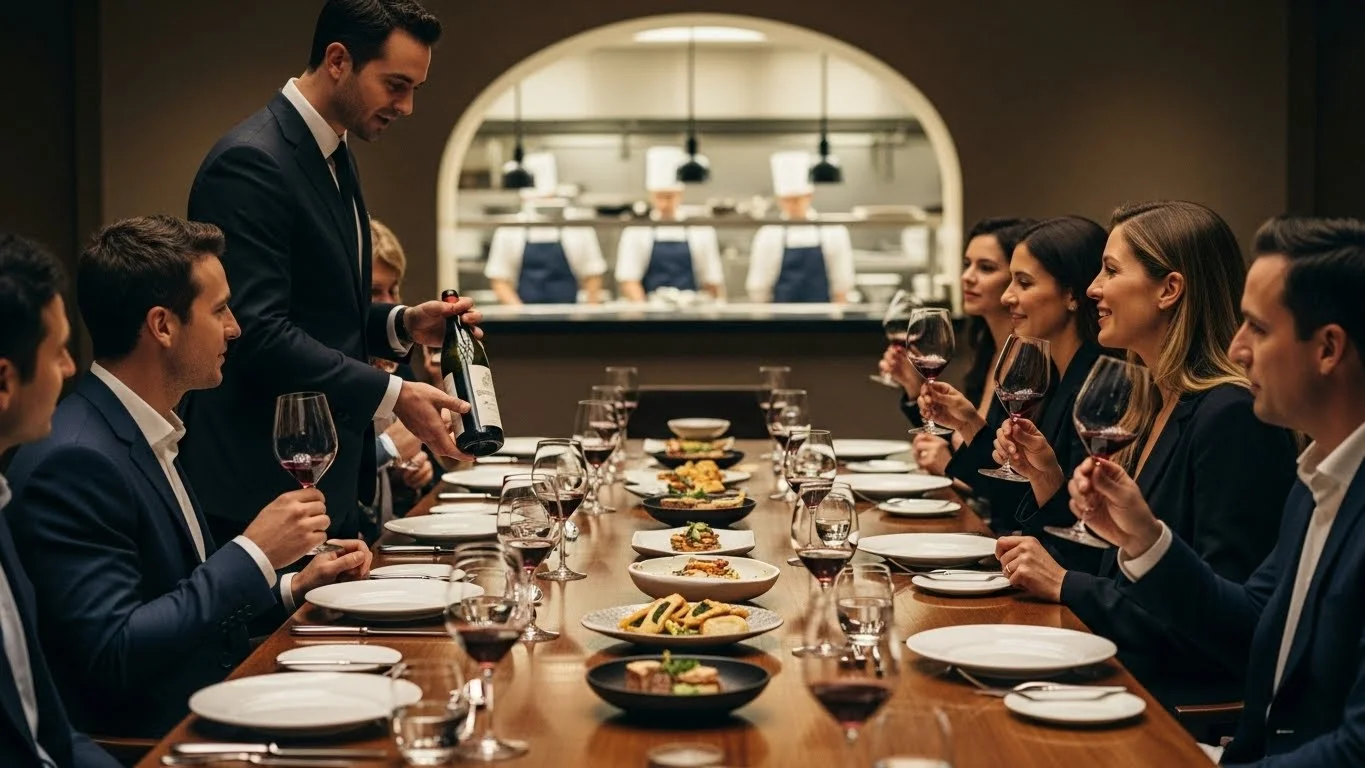
Backpacking Guide: Affordable Wine and Food Experiences

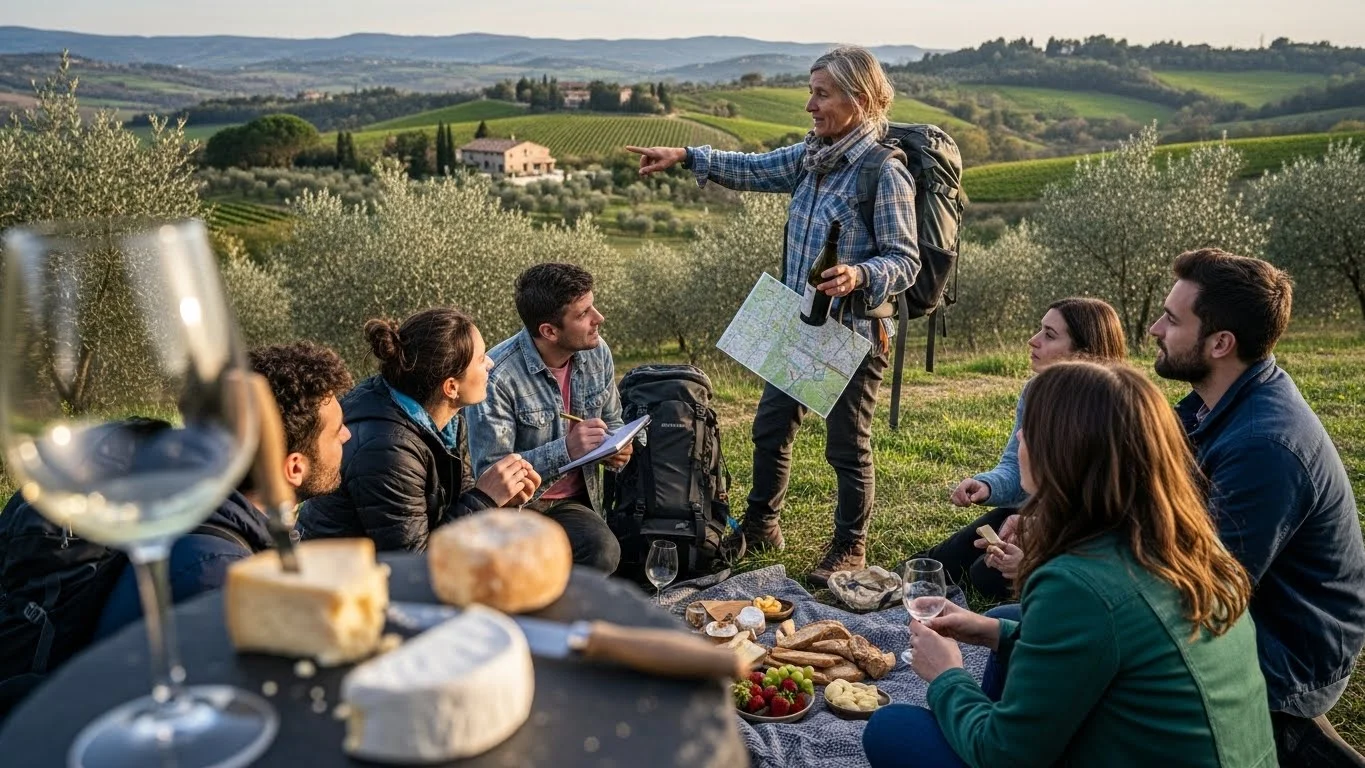
Who says you need a fortune to enjoy exquisite wine and culinary delights? Backpacking offers a thrilling way to explore affordable wine and food experiences around the globe. For more insights, check out our article on Top 10 Affordable Wine and Dine Experiences for Backpackers.

Backpacking Guide: Affordable Wine and Food Experiences

Overview of Backpacking and Culinary Experiences

What is Backpacking?

Backpacking, for me, is more than just a way to travel; it’s a liberating experience that allows us to connect with the world around us. It’s about packing light, hitting the road, and immersing ourselves in new cultures and landscapes. When I first started backpacking, I was amazed at how easily I could navigate through different countries using just a map and a sense of adventure. The thrill of discovering hidden gems, from quaint villages to bustling markets, made every trip unforgettable. Whether it’s hiking through mountains or wandering along city streets, backpacking encourages spontaneity and exploration.

The Appeal of Wine and Food Experiences

There’s something truly special about tasting local wines and dishes that reflect the culture of the place I am visiting. I remember my first trip to a vineyard in California; it was like stepping into a postcard. The rolling hills, the sun-drenched grapes, and the warm hospitality of the staff made for an experience I cherish. Wine and food experiences add a rich layer to our travels, turning simple meals into cherished memories. I’ve learned that indulging in local cuisine not only satisfies our taste buds but also deepens our understanding of a region’s history and traditions.

Exploring culinary delights on a budget is achievable. Whether through wine tastings or street food markets, I’ve found that affordable options abound. Taking part in food and wine experiences while backpacking allows us to enjoy the richness of different cultures without breaking the bank. From my experience, these adventures can be both enriching and delicious, making each trip a feast for the senses. For more ideas, see our guide on Unforgettable Wine and Food Pairings on a Budget.

Top Affordable Wine Regions to Explore

California Wine Country

California’s Wine Country, especially regions like Napa Valley and Sonoma, is often celebrated for its world-class wines. But it doesn’t have to be expensive! I’ve discovered that many wineries offer complimentary tastings or affordable tours. Some lesser-known vineyards provide a more intimate experience without the hefty price tag. I remember stumbling upon a small family-owned vineyard where the owner passionately shared stories about his wines, and those moments felt more special than any high-end tasting I had attended. Be sure to check for special events like harvest festivals, which often feature tastings at a fraction of the usual cost.

Oregon’s Willamette Valley

Oregon’s Willamette Valley is another hidden gem. Known for its Pinot Noir, the valley boasts stunning landscapes and a friendly atmosphere. On my visit, I was welcomed by winemakers who were eager to share their craft. Many wineries have picnic areas, so I packed a simple lunch and enjoyed it with a glass of wine overlooking the vineyards. In my opinion, this was a perfect way to soak in the beauty of the area while keeping my expenses low. Plus, the community often hosts events where you can taste multiple wines from various producers, making it a budget-friendly way to experience the region.

South Africa’s Stellenbosch

If you’re looking for a wine region with breathtaking views and rich history, Stellenbosch in South Africa should be on your list. I was initially drawn by the stunning mountains surrounding the vineyards. What I found was a treasure trove of wine experiences that cater to all budgets. Many wineries offer affordable tastings and even food pairings, and I remember enjoying a delightful wine and cheese pairing for under $10. The warm friendliness of the locals made my experience even more enjoyable, and I loved learning about their unique wine-making techniques.

Italy’s Tuscany Region

Tuscany is synonymous with fine wine and delicious food. While some may think it’s out of reach, I’ve found that exploring the smaller towns can lead to affordable yet incredible culinary experiences. Visiting local markets in towns like Montepulciano or Montalcino, where I could sample local cheeses and cured meats, was a highlight of my trip. Additionally, many wineries offer tastings paired with homemade local dishes at reasonable prices. The charm of Tuscany is in its simplicity, and indulging in a rustic meal while sipping Chianti can be one of the most memorable experiences of your travels.

Spain’s La Rioja

La Rioja is a must-visit for wine lovers on a budget. Known for its rich reds, this region offers an array of affordable wine experiences. During my visit, I discovered that many wineries offer free tours and tastings, especially in the smaller towns. I was pleasantly surprised by how welcoming everyone was. I jumped into a local food festival that was happening, where I could taste traditional tapas paired with local wines, all without spending a fortune. The vibrant culture and delicious offerings made my time in La Rioja not only affordable but also incredibly enjoyable.

Budget-Friendly Food Experiences

Street Food Markets

One of my favorite parts of traveling is diving into local street food markets. There’s just something magical about wandering through stalls filled with sizzling dishes and delicious aromas. I remember my trip to Bangkok, where the street food scene was vibrant and alive. I tried everything from Pad Thai to mango sticky rice for just a few dollars. These markets not only offer an array of flavors but also give us a chance to mingle with locals and other travelers alike. I’ve learned that street food is often where you can find the best and most authentic dishes, all while sticking to a budget. Just be sure to choose busy stalls, as they are likely to have fresher ingredients and a quicker turnover.

Local Restaurants and Bistros

While street food is fantastic, I also love exploring local restaurants and bistros, especially those that are off the beaten path. I found that these places often reflect the true culinary heart of the area. During my travels in Lisbon, I stumbled upon a tiny bistro run by a family who served traditional Portuguese dishes. The prices were incredibly reasonable, and the food was made with love. Sitting at a small table, surrounded by locals enjoying their meals, made for an authentic experience. I always recommend asking locals for their favorite dining spots; they often know the best hidden gems that offer great food without the touristy price tag.

Cooking Classes on a Budget

Another option I discovered is taking cooking classes while traveling. It might sound counterintuitive for budget-conscious travelers, but I’ve found many affordable classes that not only teach you how to cook local dishes but also include market visits. I remember taking a class in Florence, where we started our day at a local market, selecting fresh ingredients, and then heading back to a cozy kitchen to learn how to prepare a traditional pasta dish. The experience was not only fun and educational, but it also provided a delicious meal at the end that I wouldn’t have experienced otherwise. Plus, I left with recipes that I could recreate back home, keeping my travel memories alive through food.

Wine and Food Pairing Events

Wine and food pairing events can often feel exclusive, but I’ve found many affordable options. Some wineries or local restaurants host these events, where you can enjoy a meal paired with specially selected wines. I remember attending a pairing dinner in Mendoza, Argentina, where the price was surprisingly reasonable, and the food was exceptional. It was fascinating to learn how each dish complemented the wine, enhancing both flavors. Look for smaller venues or local organizations that run such events, as they tend to be more intimate and budget-friendly. In my experience, these events not only celebrate the local cuisine and wines but also create an enjoyable atmosphere for meeting fellow travelers. You can explore more about such events in our article on Top 10 Affordable Culinary Festivals to Experience Worldwide.

When to Visit for Best Experiences

Seasonal Considerations for Wine Tasting

Timing is everything when it comes to wine tasting. I’ve learned that visiting during the harvest season, typically from September to October in many regions, can be a thrilling experience. The energy is palpable, and many wineries offer special tours and tastings during this time. I remember visiting Napa Valley during the harvest, and the excitement of seeing grapes being picked was unforgettable. However, shoulder seasons, like spring and fall, often provide a perfect balance of pleasant weather and fewer crowds. This means more personalized attention from staff, which can enhance your tasting experience without the hustle and bustle of peak tourist times.

Food Festivals Around the World

Food festivals are another fantastic way to dive into local culture and cuisine. From my experience, attending a food festival is like getting a crash course in a region’s culinary traditions. I once visited a cheese festival in France that brought together local dairymen and cheesemakers. I had the chance to taste varieties I’d never even heard of, all while chatting with passionate locals. Many regions hold annual food festivals that celebrate their unique flavors and dishes. I recommend checking local tourism websites ahead of your trip to see if any festivals coincide with your travel dates. These events are often free to enter, and food is available at various price points, making them an ideal way to sample a variety of dishes without breaking the bank.

Planning Your Backpacking Trip

Budgeting for Wine and Food Experiences

Budgeting is crucial for any backpacking trip, especially when it comes to indulging in wine and food experiences. I usually set aside a specific amount for these activities before I travel, which helps me to prioritize what I want to do. I’ve found it helpful to research costs ahead of time, looking up average prices for tastings, meals, and classes. Additionally, I tend to keep an eye out for any special deals or packages offered by wineries and restaurants, as they can provide significant savings. Also, consider using apps that offer discounts or loyalty programs; they can help stretch your budget further while allowing you to enjoy a variety of experiences.

Choosing Accommodations: Hostels vs. Guesthouses

Choosing the right place to stay can greatly impact your budget and overall experience. I’ve stayed in both hostels and guesthouses, and each has its pros and cons. Hostels often have shared kitchens, which allow us to prepare some of our meals and save money. On the other hand, guesthouses can provide a more homey atmosphere and sometimes include breakfast, which is a nice bonus. I typically look for places that are centrally located, making it easier to explore local dining options without needing to rely heavily on transportation. I think the key is to choose accommodations that not only fit our budget but also enhance our travel experiences.

Transportation Options in Wine Regions

Getting around wine regions can be a bit tricky, but I have found several options that work well. Renting a bicycle is one of my favorite ways to explore smaller wine regions. It’s eco-friendly, gives us the freedom to stop wherever we want, and allows us to connect with the surroundings more intimately. In places like Bordeaux, I’ve pedaled from vineyard to vineyard, enjoying the scenery while working off some of the calories from all the delicious food and wine! Alternatively, many regions offer public transport or shuttle services between wineries, which can be both convenient and cost-effective. I always recommend doing a bit of research on local transportation options to find what works best for your itinerary.

Safety Tips for Backpackers

Staying Safe While Wine Tasting

Safety is always on my mind while exploring new places, especially when indulging in wine tastings. I remember one trip where I got a little too carried away with the delightful flavors and ended up feeling a bit tipsy. From my experience, it’s crucial to pace yourself and know your limits. I usually set a personal guideline of tasting just a couple of wines at each stop and drinking plenty of water in between. This helps me stay hydrated and enjoy the entire experience without feeling overwhelmed.

Another tip I learned the hard way is to always have a designated driver or use public transportation when exploring wine regions. Many wineries offer shuttle services or partner with local transport companies, which take the stress out of navigating after a few tastings. I remember feeling relieved knowing I could relax and enjoy my wine without worrying about getting back safely. It’s essential to prioritize safety not just for yourself but also for fellow travelers on the road.

Lastly, I always keep my belongings secure while at tastings or events. I’ve seen people leave purses and bags unattended while they chat or take photos, which can be risky. I prefer to carry a small, secure backpack or a crossbody bag that I can keep close. This way, I can focus on enjoying the experience rather than worrying about losing my valuables.

Food Safety in Local Markets

When it comes to food, especially street food or local markets, I’ve learned to be a bit cautious. While I love diving into new culinary experiences, I also want to ensure that what I’m eating is safe. I usually follow a few simple rules. First, I always look for stalls that are busy and bustling with locals. If a place is popular among the locals, it’s a good sign that the food is fresh and delicious. I remember coming across a small taco stand in Mexico City that had a long line. The tacos were not only mouthwatering, but I also felt confident in the freshness of the ingredients.

Next, I try to avoid foods that have been sitting out for too long or that look a bit questionable. If it doesn’t seem right to me, I move on. I also pay attention to how vendors handle their food. Cleanliness is key, and I feel more comfortable eating from places where the vendors wear gloves and keep their stations tidy.

Lastly, I’ve found that sticking to cooked foods is often a safer bet. Dishes like grilled meats or hot, freshly made pastries are generally more reliable than raw items. During my travels in Southeast Asia, I discovered a delightful dish called banh mi, a Vietnamese sandwich filled with meats and fresh veggies. I always made sure the ingredients were freshly prepared right in front of me, which added to my peace of mind while enjoying this tasty treat.

Essential Packing List for Backpacking

Travel Gear for Food and Wine Enthusiasts

For those of us who love food and wine, packing the right gear can make a world of difference. I always pack a reusable water bottle to stay hydrated and reduce waste. It’s easy to refill at most places, and it saves money. I also bring a lightweight backpack that’s easy to carry around during tastings and strolls through markets. Having a bag that can hold my essentials while keeping my hands free is a game-changer.

When it comes to food, I’ve found that bringing along a portable utensil set is incredibly handy. Whether it’s for enjoying a picnic at a vineyard or sampling street food, having my own fork and knife makes me feel more prepared. Additionally, I like to pack a small cloth bag for any snacks or goodies I might want to bring back home. It’s a great way to keep things organized and avoid plastic bags.

Lastly, I always include a travel journal. Not only is it a perfect way to capture my thoughts and experiences, but it also allows me to jot down tasting notes for the wines I try. This has become a cherished keepsake from my adventures, and I often enjoy looking back at my notes to remember the flavors and pairings I discovered. Plus, it can help me recreate those memories by trying to find similar wines back home.

Recommended Accessories for Tasting Tours

In addition to my basic gear, I have a few favorite accessories that enhance my wine tasting experiences. A good quality corkscrew is essential for those impromptu picnics or wine bottle purchases at local markets. I learned the hard way when I bought a bottle of wine in Italy but had no way to open it. Having my own corkscrew has saved me from that awkward moment many times since then!

Another accessory I recommend is a wine preservation system. If you’re like me and enjoy taking home a bottle or two, it’s helpful to have a way to keep that wine fresh for later. I once brought home a fantastic bottle from a small vineyard, and I wished I had a way to preserve it longer than just a couple of days. Investing in a small vacuum pump or similar gadget has allowed me to savor my wine purchases for weeks after my travels.

Lastly, a good camera or smartphone is a must! Capturing those picturesque vineyard views, delicious meals, and even the fun moments at markets enhances my memories. I’ve found that taking photos while traveling allows me to relive those experiences and share them with friends and family. Plus, who doesn’t love a good food and wine photo to inspire future adventures?

Frequently Asked Questions

What is backpacking?

Backpacking is a way to travel that involves packing light and immersing oneself in new cultures and landscapes. It encourages spontaneity and exploration, allowing travelers to discover hidden gems and connect with the world around them.

How can one enjoy wine and food experiences on a budget?

Affordable wine and food experiences can be found through wine tastings, street food markets, and local dining options. Many wineries offer complimentary tastings or affordable tours, and local street food markets provide delicious options without breaking the bank.

What are some recommended affordable wine regions to explore?

Some top affordable wine regions include California’s Wine Country, Oregon’s Willamette Valley, South Africa’s Stellenbosch, Italy’s Tuscany Region, and Spain’s La Rioja. Each region offers unique wine experiences that cater to budget-conscious travelers.

What are the benefits of attending food festivals while traveling?

Food festivals provide an excellent opportunity to dive into local culture and cuisine, offering a chance to taste a variety of dishes and learn about culinary traditions. Many festivals are free to enter, making them a budget-friendly way to experience local flavors.

What safety tips should backpackers keep in mind while wine tasting?

Backpackers should pace themselves, know their limits, and stay hydrated while wine tasting. It’s important to have a designated driver or use public transportation when exploring wine regions and to keep belongings secure during tastings or events.

How can travelers ensure food safety while eating at local markets?

To ensure food safety, travelers should choose busy stalls frequented by locals, avoid food that has been sitting out for too long, and pay attention to vendors’ cleanliness. Sticking to cooked foods is also a safer choice.

What should backpackers pack for food and wine experiences?

Backpackers should pack a reusable water bottle, a lightweight backpack, a portable utensil set, a small cloth bag for snacks, and a travel journal to capture tasting notes and experiences.

What accessories can enhance wine tasting experiences?

Useful accessories for wine tasting include a good quality corkscrew, a wine preservation system for bottles taken home, and a camera or smartphone to capture memorable moments and picturesque views.

When is the best time to visit wine regions for tastings?

The best time to visit wine regions for tastings is during the harvest season, typically from September to October, or during shoulder seasons like spring and fall, which offer pleasant weather and fewer crowds.

How can one budget for wine and food experiences during a backpacking trip?

Travelers can budget for wine and food experiences by setting aside a specific amount before traveling, researching average costs for tastings and meals, and looking for special deals or discounts offered by wineries and restaurants.

Explore Cultural Dining: Top Wine Pairing Experiences

Wine pairing is more than just a meal choice; it’s an experience that can elevate both food and drink. Let’s embark on this journey to discover the basics and principles of wine pairing, along with some delightful flavors that await us. Read Interesting article: Cultural Dining Etiquette Tips for Budget Travelers Abroad

Explore Cultural Dining: Top Wine Pairing Experiences

Understanding Wine Pairing Basics

When I first started exploring the world of wine, I was often overwhelmed by the sheer variety available and the idea of pairing it with food. But as I dove deeper, I discovered that understanding the basics of wine pairing could transform my dining experiences. It’s like unlocking a secret that enhances the flavors of both the wine and the dish. So, let’s break it down together!

The Science of Wine Pairing

The science behind wine pairing can initially seem complex, but at its core, it’s about balancing flavors and enhancing the dining experience. I learned that our taste buds interact with the compounds in wine and food, creating a sensory experience that can either harmonize or clash. For example, tannins in red wine can soften the richness of a fatty meat, while the acidity in white wine can cut through creamy dishes. This interplay is what makes wine pairing an art as well as a science.

One fascinating aspect I found was how different wines carry distinct aromatic compounds. When I paired a fruity Sauvignon Blanc with a fresh seafood dish, the citrus notes in the wine brightened the flavors of the shrimp. The science of wine pairing is all about understanding these elements and using them to create a complimentary experience for your palate. Read Interesting article: Mastering Cultural Dining Etiquette: A Backpacker’s Guide

Common Wine Types and Their Flavors

As I ventured further into wine pairing, I realized that familiarizing myself with common wine types and their flavors is crucial. Here are a few that I’ve come to know well:

  • Cabernet Sauvignon: This bold red often features rich flavors of dark fruits like blackcurrant and plum, paired beautifully with grilled meats or hearty stews.
  • Chardonnay: Whether oaked or unoaked, Chardonnay can range from buttery and creamy to crisp and mineral. I love it with roasted chicken or creamy pasta dishes.
  • Pinot Noir: This lighter red wine is versatile; its delicate flavors of cherry and earthiness complement dishes like duck or mushroom risotto.
  • Sauvignon Blanc: Known for its zesty acidity and herbal notes, it pairs wonderfully with salads and fresh seafood, creating a refreshing balance.
  • Riesling: This aromatic white can be sweet or dry, and its fruity and floral flavors go hand-in-hand with spicy Asian cuisine.

By understanding these wine types, I’ve learned to anticipate which dishes will enhance my meal, making for a delightful dining experience.

Principles of Pairing Wine with Food

There are some guiding principles I’ve adopted over time that help make the pairing process easier. Here’s what works for me:

  • Match the weight: Light wines go well with lighter dishes, while heavier wines complement richer meals. I’ve found that a light Pinot Grigio pairs perfectly with a delicate fish, while a robust Malbec stands up well to a hearty steak.
  • Consider the sauce: Often, it’s the sauce or seasoning that influences the best wine choice. For instance, a creamy Alfredo sauce calls for a buttery Chardonnay, while a spicy tomato sauce might be better with a Chianti.
  • Balance flavors: The goal is to create harmony between the food and the wine. Sweet wines can offset spicy dishes, while acidic wines can enhance dishes that are rich and fatty.
  • Regional pairings: I’ve noticed that wines and foods from the same region often complement each other. For example, a bold Cabernet from Napa Valley pairs beautifully with a classic American barbecue.

By applying these principles, I’ve had some of the best meals of my life, and I’ve seen how wine can elevate a dish from ordinary to extraordinary. It’s all about experimentation, and with each dinner, I feel more confident in my choices.

As I reflect on my journey with wine pairing, I can’t help but feel excited about what lies ahead. There’s a whole world of flavors waiting to be explored, and I’m eager to dive deeper into the cultural dining experiences that wine can offer. Next, we’ll take a globetrotting adventure, discovering the unique wine and food pairings from different regions around the world. Read Interesting article: Cultural Street Food Experiences: A Backpacker’s Guide

Global Wine Regions and Their Signature Pairings

As I’ve explored wine pairing, I’ve come to appreciate how different cultures have their own unique approaches to food and wine. Each region brings its distinct flavors and traditions, creating a rich tapestry of wine pairing possibilities. Let’s take a journey through some of the most notable wine regions and their signature pairings. I think you’ll find it enlightening!

French Wine and Cuisine

France is often considered the epicenter of wine culture, and for good reason. The French have perfected the art of pairing wine with food over centuries. I remember my first trip to France, where I indulged in a classic pairing of a crisp Chablis with oysters. The minerality of the wine beautifully complemented the brininess of the seafood, creating a delightful balance.

In regions like Bordeaux, full-bodied reds like Merlot and Cabernet Sauvignon are often paired with rich dishes such as duck confit or lamb. I’ve learned that the French philosophy of “terroir” emphasizes the connection between the land, the grape, and the dish, making their pairings feel almost instinctive. Whether it’s enjoying a light rosé with a Provençal salad or a robust red with a hearty coq au vin, the possibilities are endless!

Italian Wine and Culinary Traditions

Italy is another stunning country when it comes to wine and food pairings. I’ve found that Italian cuisine often revolves around local ingredients and simple preparations, allowing the wine to shine. For example, a Tuscan Chianti pairs impeccably with a classic pasta dish like spaghetti alla marinara. The wine’s acidity cuts through the richness of the tomato sauce, making each bite more enjoyable.

In my experience, pairing regional wines with local dishes enhances the whole experience. I remember savoring a Barolo with a rich risotto in Piedmont, where the earthy flavors of the wine matched perfectly with the creamy rice. It’s fascinating how each region has its own traditions, and I feel like I’m discovering new flavors every time I dive into Italian wine culture.

Spanish Wine and Tapas Culture

Spain has a vibrant wine culture, and its tapas scene is a feast for the senses. The idea of enjoying small plates with a glass of wine is one of my favorite dining experiences. I vividly recall enjoying a glass of Rioja, a rich red wine, alongside a selection of jamón ibérico, olives, and patatas bravas. The interplay of flavors was delightful, and I found myself wanting to try every combination.

Spanish wines often reflect the regional diversity; for instance, I’ve enjoyed the fresh, fruity Albariño from Rías Baixas with seafood dishes, which highlights the coastal flavors beautifully. Pairing a dry sherry with fried calamari or a sweet Pedro Ximénez with desserts can turn any meal into a celebration. It’s all about sharing and enjoying good food and wine with friends, and that’s a philosophy I can get behind!

New World Wines: USA, Australia, and South America

When I think of New World wines, I think of bold flavors and innovative styles. In the USA, particularly in Napa Valley, I’ve experienced some fantastic pairings. A powerful Cabernet Sauvignon often complements grilled meats or BBQ ribs, making for a hearty and satisfying meal. I remember one evening at a winery where we enjoyed a fantastic meal that included a ribeye steak paired with a rich Zinfandel, and it was pure magic.

Australia has its own unique wine culture, with Shiraz being a standout. I once tried a spicy Shiraz with a smoky barbecue dish, and it was a match made in heaven. Meanwhile, in South America, I’ve learned that Malbec from Argentina pairs beautifully with grilled meats and empanadas. I feel that New World wines often embrace a bolder profile, and their pairings can be just as adventurous as the wines themselves.

Emerging Wine Regions and Unique Pairings

As I’ve continued my exploration, I’ve also discovered some emerging wine regions that offer exciting pairings. Countries like South Africa and Hungary are gaining recognition for their wines. For instance, I’ve enjoyed a Chenin Blanc from South Africa with spicy dishes, where the wine’s acidity balances the heat perfectly.

Hungary’s Tokaji, a sweet wine, can be a delightful companion to rich desserts or even savory dishes like foie gras. I find that these emerging regions often bring a sense of discovery to wine pairing, and I love sharing these new finds with friends who are also passionate about food and wine.

Exploring global wine regions has been a thrilling adventure for me. Each region tells its own story through the wine and the food, and I can’t wait to dive deeper into the specific experiences that await us in these amazing places. Next, let’s look at some of the top wine pairing experiences around the world that can truly elevate our understanding and enjoyment of these delightful combinations!

Top Wine Pairing Experiences Around the World

Wine and Dine in Bordeaux, France

When I think of Bordeaux, I can’t help but reminisce about my visit there. This region is a true paradise for wine lovers. The vineyards stretch as far as the eye can see, and the air is rich with the scent of grapes. I had the pleasure of dining at a quaint local bistro where they served a classic Bordeaux red with a dish of duck confit. The wine was robust and full of flavor, and it paired beautifully with the succulent meat. Each sip seemed to enhance the dish, making every bite more enjoyable.

What stood out to me during this experience was how the local cuisine is designed to highlight the characteristics of the wine. The richness of the duck was balanced perfectly by the tannins in the wine, creating a sophisticated culinary dance. I remember thinking that the harmony between the food and wine was not just a coincidence but a centuries-old tradition that the French hold dear. If you ever find yourself in Bordeaux, I highly recommend visiting a vineyard for a tasting and pairing session; it’s an experience that truly connects you to the land.

Exploring Tuscany’s Wine and Food Culture

Tuscany is another region that’s close to my heart, and I feel its charm every time I think about the rolling hills and sun-kissed vineyards. On one trip, I experienced a cooking class where we prepared traditional Italian dishes paired with local wines. I vividly remember a Chianti being served alongside a homemade pasta dish tossed in a rich tomato sauce. The acidity of the Chianti sliced through the sauce, making each forkful a delightful experience.

What I found particularly fascinating was how the locals talked about food and wine pairings as if they were part of their identity. They often emphasized the idea of “slow food,” which encourages savoring each bite and sip. This philosophy made me appreciate not just the flavors but the stories behind the meals. If you have the chance, taking a cooking class in Tuscany can be a fantastic way to learn about regional pairings while immersing yourself in the culture.

Spanish Tapas and Wine Pairings in Barcelona

Barcelona’s vibrant tapas culture is something I absolutely adore. One evening, I wandered into a bustling tapas bar, where the aroma of sizzling seafood and spices filled the air. I ordered a variety of small plates, including patatas bravas, gambas al ajillo, and a delightful selection of cured meats. To complement this feast, I chose a glass of Cava, a sparkling wine from the region. The bubbles and acidity in the Cava elevated the flavors of the dishes, making for a lively dining experience.

What I enjoyed most was the casual atmosphere of sharing plates, which encouraged experimenting with different pairings. I tried mixing and matching various wines with the dishes, and it felt like a playful adventure. In my opinion, the best way to explore wine pairings is through shared experiences, and tapas culture embodies that spirit perfectly. If you ever find yourself in Barcelona, don’t miss the chance to dive into the tapas scene paired with local wines!

California Wine Country: Napa Valley Experiences

Napa Valley holds a special place in my heart, and I’ve had some of my most memorable wine experiences there. I remember visiting a vineyard that offered a wine and food pairing tour, where each course was meticulously designed to complement the wine. One of my favorite pairings was a velvety Cabernet Sauvignon paired with a perfectly grilled filet mignon. The richness of the wine and the meat created a luxurious pairing that felt like a celebration of flavors.

What really struck me during this experience was the emphasis on local produce. The chef used seasonal ingredients that highlighted the unique terroir of Napa. It was a reminder of how important it is to consider not just the wine but the overall experience, including the sourcing of the food. If you’re a wine lover, Napa Valley is a must-visit destination that offers an array of culinary delights paired with exquisite wines.

Wine and Food Tours in South America

South America has recently emerged as a burgeoning wine destination, and I was eager to explore it. One of my most memorable experiences was in Mendoza, Argentina, where I joined a wine and food tour that showcased the region’s Malbec. I remember dining in a picturesque vineyard setting, where a multi-course meal featured local specialties, including empanadas and grilled meats, all perfectly paired with the bold Malbec.

The contrast between the wine and the food was incredible. The wine’s dark fruit notes and soft tannins complemented the richness of the grilled lamb beautifully. Throughout the meal, I felt a sense of camaraderie with the other guests as we shared our thoughts on the pairings. It was a reminder of how wine brings people together, and I still cherish that experience. If South America is on your travel list, I highly recommend exploring its wine regions; it’s a captivating journey that combines natural beauty with culinary excellence.

Wine Pairing Events and Festivals

Annual Wine and Food Festivals

One of the most exciting ways to deepen our appreciation for wine pairing is by attending annual wine and food festivals. I remember my first experience at a local wine festival, where I was surrounded by booths showcasing regional wines, gourmet food vendors, and live music. Each booth was an invitation to explore unique pairings. I discovered how different winemakers presented their wines alongside local specialties, and it was a thrilling way to taste and learn simultaneously.

At these festivals, I often find myself sampling wine from various regions, each offering a different flavor profile and pairing philosophy. For example, I tried a zesty Riesling paired with spicy Thai food, and it opened my eyes to how versatile wine can be when paired correctly. Festivals also encourage conversation with winemakers and chefs, allowing us to ask questions and gain insights directly from the experts. I feel these events not only celebrate wine but also foster a sense of community among enthusiasts and novices alike.

Local Wine Pairing Dinners and Tastings

There’s something special about attending local wine pairing dinners. I’ve had the pleasure of dining at restaurants that host special events, where chefs create a multi-course meal specifically designed to complement a selection of wines. These dinners are often intimate, allowing for a deeper connection with the food and wine being served. I remember one particular dinner where each course was paired with a different varietal, and I was amazed at how the flavors evolved with each pairing.

During these dinners, the chefs often explain their thought process behind each pairing, which enhances my understanding of the flavors at play. I think the most memorable dish was a rich, savory lamb dish paired with an earthy red wine. The combination was nothing short of magical. If you’re looking to elevate your dining experience, I highly recommend seeking out local wine pairing dinners in your area. They’re a fantastic way to explore new wines and dishes while enjoying the company of fellow food and wine lovers.

Wine Pairing Workshops and Classes

One of the best ways to enhance our wine pairing skills is through workshops and classes. I’ve participated in several wine pairing workshops, where experts guide us through the process of selecting wines that complement various foods. These hands-on experiences are incredibly educational and fun! I remember a workshop where we learned about the importance of acidity and tannins in pairing, and we got to experiment with different combinations ourselves.

In these classes, I’ve found a supportive environment where everyone is encouraged to ask questions and share their experiences. It’s also a great opportunity to meet new friends who share a passion for wine. One of my favorite takeaways from a recent workshop was learning how to create a wine and cheese pairing menu, which has become a staple for my gatherings. If you’re serious about expanding your knowledge, I recommend looking for wine pairing classes in your city. They’re not only informative but also an enjoyable way to spend an evening.

Tips for Creating Your Own Wine Pairing Experience

Choosing the Right Wine for Your Meal

Creating your own wine pairing experience can be incredibly rewarding. The first step, in my opinion, is to choose the right wine for your meal. I find it helpful to think about the weight and flavor profile of the dish. For lighter fare, like fish or salads, I typically opt for white wines or light reds. For heartier meals, I lean towards full-bodied reds or rich whites. A simple guideline I follow is to match the intensity of the wine with the dish; that way, neither overpowers the other.

How to Host a Wine Pairing Dinner

If you’re considering hosting a wine pairing dinner, I recommend starting with a theme. Whether it’s a regional focus, a specific type of cuisine, or a certain grape varietal, having a theme can guide your selections and create a cohesive experience. I usually pick three to four courses, each with a carefully chosen wine. It’s also fun to provide guests with tasting notes or a brief explanation of why each wine was chosen, sparking conversation and engagement throughout the meal.

Common Mistakes to Avoid in Wine Pairing

Through my journey, I’ve learned that there are a few common mistakes to avoid when pairing wine with food. One is assuming that expensive wines are always better. The best pairing often comes down to personal preference rather than price. Another mistake is not considering the sauce or seasoning of a dish, which can significantly affect the overall flavor. Lastly, don’t be afraid to experiment! Wine pairing is as much about enjoyment and exploration as it is about rules. If something doesn’t work, just remember it’s part of the learning process.

Resources for Wine Pairing Enthusiasts

Books on Wine Pairing

As someone who loves to dive deeper into topics, I’ve found that reading books on wine pairing can be incredibly helpful. There are many great resources available that cover everything from the basics to advanced pairing techniques. Some of my favorites include “Wine Folly: The Essential Guide to Wine” and “What to Drink with What You Eat.” These books offer practical advice and interesting insights that have enriched my understanding of wine pairing.

Online Courses and Tutorials

If you prefer a more structured approach, online courses and tutorials can be a fantastic way to learn. I’ve taken a few classes through platforms like MasterClass and Coursera, where I could learn from experts at my own pace. These courses usually include videos, quizzes, and sometimes even live tastings that make the learning process engaging and interactive.

Wine Pairing Apps and Tools

In today’s digital age, there are also several apps and tools designed to help us with wine pairing. I’ve discovered apps like Vivino, which allows users to scan wine labels and see reviews and pairing suggestions from other users. There are also apps that provide personalized recommendations based on the food you plan to serve. These tools have become indispensable in my wine pairing journey, making it easier to discover new wines and share experiences with friends.

Final Thoughts

As I reflect on my journey through the world of wine pairing, I realize how much it has truly enriched my life. From discovering the science and art behind pairing to experiencing the delightful connections between food and wine across various cultures, I feel more connected to the gastronomic world. Wine pairing is not just about the drink or the dish; it’s about the memories we create and the stories we share around the table. I encourage you to explore your own wine pairing adventures, whether it’s through attending festivals, hosting dinners, or simply enjoying a meal with a glass of wine in your hand. Cheers to the wonderful world of wine and food pairing!

Frequently Asked Questions

What is wine pairing?

Wine pairing is the practice of matching wine with food to enhance the dining experience, creating a harmonious interplay of flavors between the two.

What are the basics of wine pairing?

The basics of wine pairing involve understanding how different wines interact with food, balancing flavors, and creating a complimentary experience for the palate.

What are some common wine types and their flavors?

Common wine types include Cabernet Sauvignon, Chardonnay, Pinot Noir, Sauvignon Blanc, and Riesling, each with unique flavor profiles that complement various dishes.

What principles should be considered when pairing wine with food?

Principles to consider include matching the weight of the wine with the dish, considering the sauce or seasoning, balancing flavors, and exploring regional pairings.

How can regional wines enhance the dining experience?

Regional wines often complement local dishes, enhancing the overall dining experience and showcasing the connection between the land, grape, and cuisine.

What are some top wine pairing experiences around the world?

Top experiences include dining in Bordeaux, taking cooking classes in Tuscany, enjoying tapas in Barcelona, and exploring Napa Valley’s wine and food pairings.

How can I create my own wine pairing experience at home?

To create your own wine pairing experience, choose the right wine for your meal based on weight and flavor, and consider hosting a themed dinner with selected pairings.

What common mistakes should I avoid in wine pairing?

Common mistakes include assuming expensive wines are always better, neglecting the influence of sauces or seasonings, and being afraid to experiment with pairings.

What resources are available for learning about wine pairing?

Resources for learning about wine pairing include books, online courses and tutorials, and wine pairing apps that provide recommendations and insights.

Why is wine pairing considered an art and a science?

Wine pairing is an art because it involves creativity and personal taste, while it is also a science due to the chemical interactions between wine and food that affect flavor perception.

Unforgettable Wine and Food Pairings on a Budget

Exploring the world of wine and food pairings doesn’t have to drain your wallet. With a bit of creativity and knowledge, we can enjoy unforgettable meals without the hefty price tag. Additionally, if you’re interested in food culture, check out the Top 5 Seafood Festivals in Australia You Can’t Miss for some inspiration!

Unforgettable Wine and Food Pairings on a Budget

Understanding Wine and Food Pairings

When I first started exploring the art of wine and food pairings, I was completely overwhelmed. The sheer number of options and the depth of wine knowledge seemed daunting. But over time, I discovered that understanding the basics can make your dining experiences much more enjoyable, and it doesn’t have to be expensive! Let’s dive into the essentials of wine pairing, and I’ll share some insights that turned my own experience around.

The Basics of Wine Pairing

At its core, wine pairing is about balancing flavors. I learned that certain wines complement specific foods, enhancing the overall dining experience. The general rule of thumb is that white wines often go well with lighter dishes like seafood and chicken, while red wines pair nicely with heavier fare such as red meats and rich sauces. But there’s so much more to it than that! I’ve found that experimenting with different combinations can lead to delightful surprises.

For example, I remember trying a light, crisp Sauvignon Blanc with a spicy Thai curry. Initially, I was skeptical, thinking that the bold flavors of the curry might overpower the wine. But to my surprise, the acidity of the Sauvignon Blanc cut through the heat perfectly, creating a harmonious blend of flavors. It was a revelation! It taught me that the best pairings often come from a willingness to explore beyond traditional rules.

The Importance of Flavor Profiles

Understanding flavor profiles is a game-changer in wine and food pairings. Each variety of wine has its own unique characteristics—think about the fruitiness of a Riesling or the earthiness of a Pinot Noir. Foods also have flavor profiles that can range from sweet and salty to savory and umami. When I started paying attention to these profiles, I noticed that matching similar flavors often led to a more satisfying meal.

For instance, I once paired a fruity Chianti with a mushroom risotto. The earthy notes in the risotto complemented the wine beautifully, enhancing its flavor. I realized that when both the food and wine share certain characteristics, they can create a much richer tasting experience. So, don’t hesitate to mix and match; trust your instincts, and you might just find your new favorite pairing!

Pairing Wine with Different Cuisines

Another fascinating aspect of wine pairing lies in the diversity of world cuisines. Different cultures have their own pairings, and I’ve enjoyed discovering these through my culinary adventures. Italian wines, for example, are often designed to complement Italian dishes. I remember savoring a Barolo with a hearty lasagna, and it felt like a match made in heaven. The acidity of the wine cut through the richness of the cheese and meat, elevating the entire meal.

As I delved deeper into Asian cuisines, I found that sweeter wines like Gewürztraminer pair wonderfully with spicy dishes. The sweetness balances out the heat, making the meal so much more enjoyable. I had a memorable evening with friends over Indian food, where a chilled Riesling worked wonders alongside spicy butter chicken. It was a simple yet effective pairing that made the experience unforgettable.

On the other hand, I also learned that certain wines can overpower delicate dishes. When I paired a bold Cabernet Sauvignon with a light fish dish, it just didn’t work. It was a humbling reminder that balance is key. The more I experimented, the more I understood the nuances of how different cuisines interact with wine, which has only fueled my passion for discovering new pairings.

In my experience, the best way to understand wine and food pairings is to taste and experiment. Next time you’re planning a meal, think about the flavors at play, and don’t hesitate to try something new. It’s all about finding what works for you and your palate. Happy pairing!

Budget-Friendly Wine Options

Finding great wine doesn’t mean we have to spend a fortune. Over the years, I’ve discovered some fantastic budget-friendly options that don’t compromise on quality. Let’s explore how we can enjoy remarkable wines without breaking the bank. I’ve learned that with a bit of knowledge, we can make our wine selections as enjoyable as the meals we pair them with.

Best Affordable Wine Regions

One of the best ways to save money on wine is to explore lesser-known regions. I remember my own journey of discovery began with regions that offered incredible value. For instance, wines from countries like Portugal and Chile have surprised me time and again with their quality and price. The Douro Valley in Portugal produces stunning reds that often come at a fraction of the price of their more famous counterparts. I once bought a bottle of Douro red for under $15, and it turned out to be one of the best decisions I made that month!

Similarly, the wine regions of South America, particularly Argentina and Chile, offer exceptional value. I’ve found that many Malbecs from Argentina not only deliver on flavor but also won’t leave a dent in my wallet. When I paired a nice Malbec with a homemade steak dinner, it felt indulgent without the high cost. Exploring these regions has opened up a world of affordable yet delicious options that I can’t recommend enough. If you’re interested in more global flavors, consider checking out the Top 7 Cultural Food Festivals in South America You Can’t Miss!

Top Budget Wine Brands

Over the years, I’ve come across several brands that consistently offer great quality at a low price. For me, finding a trusted brand can turn a daunting shopping trip into a delightful experience. Brands like Bogle Vineyards and Columbia Crest have become staples in my wine pantry. Their wines are not only accessible in price but also deliver on taste, which is a win-win in my book.

I also have a soft spot for wines from the “Two Buck Chuck” line at Trader Joe’s. While it might seem too good to be true, I’ve had some delightful experiences with their selections. A friend introduced me to their Cabernet Sauvignon, and I was genuinely impressed by the smoothness and depth of flavor. It’s amazing how many hidden gems are out there if we just take the time to explore a bit!

How to Choose Quality Wine on a Budget

Choosing quality wine on a budget can feel overwhelming, but I’ve learned a few tricks along the way that have helped me tremendously. First, I always check the vintage year. Some years produce better wines than others, and typically, a good vintage can indicate quality, even at a lower price point. For instance, I’ve noticed that 2016 was a fantastic year for many wines from California, and I’ve been able to find some excellent options from that vintage at reasonable prices.

Another tip I can share is to pay attention to wine ratings. While I don’t let ratings dictate my choices, they can be a helpful guide. I once stumbled upon a bottle that had received a high score from a trusted wine critic, and for under $20, it turned out to be a fantastic find that elevated my dinner party.

Finally, don’t be afraid to ask for recommendations at your local wine shop. The staff often have extensive knowledge and can guide you toward budget-friendly options that are both delicious and enjoyable. I remember a time when I walked into a shop looking for something new and the clerk pointed me to a beautiful Pinot Grigio that became a staple at my gatherings. They love sharing their passion for wine, and their insights can lead us to some amazing discoveries!

Delicious Food Pairings for Every Palate

Now that we’ve explored some budget-friendly wine options, let’s dive into delicious food pairings that won’t break the bank. I believe that enjoying great food and wine is all about balance and creativity, and there are plenty of affordable options out there to satisfy every palate.

Classic Pairings That Won’t Break the Bank

There are classic pairings that stand the test of time, and I’ve found they can be incredibly satisfying without costing a fortune.

White Wine Pairings

Chardonnay and Grilled Chicken

Grilled chicken is a staple in my kitchen, and pairing it with a lightly oaked Chardonnay has become one of my go-to meals. The buttery notes of the wine complement the grill’s smokiness beautifully. I remember a summer evening where I marinated the chicken with herbs and spices, and the Chardonnay made every bite feel special.

Sauvignon Blanc and Goat Cheese Salad

Another favorite is Sauvignon Blanc with a fresh goat cheese salad. The crispness of the wine pairs perfectly with the tangy cheese, making it a refreshing option. I once made a simple salad with mixed greens, walnuts, and a light vinaigrette, and the combination with the wine was nothing short of delightful!

Red Wine Pairings

Merlot and Beef Tacos

For red wine lovers, I highly recommend pairing Merlot with beef tacos. The fruitiness of the Merlot complements the savory spices in the tacos, creating a delicious balance. I had a taco night with friends, and this pairing was a hit! Everyone was surprised at how well the flavors matched.

Pinot Noir and Mushroom Risotto

As mentioned earlier, Pinot Noir is another excellent choice for mushroom risotto. The earthiness of the mushrooms enhances the wine’s character, making for a cozy meal. It’s a dish that I often whip up when I want something comforting but elegant.

Rosé and Summer Salads

Rosé with Caprese Salad

When summer rolls around, I can’t help but enjoy a crisp Rosé with a Caprese salad. The lightness of the wine and the freshness of the tomatoes and mozzarella pair beautifully together. It’s a go-to dish for picnics, and I love how it brings out the best flavors of the season!

Rosé with Grilled Shrimp

Additionally, pairing Rosé with grilled shrimp is another delightful option. The subtle sweetness of the shrimp complements the wine perfectly, creating a refreshing dish that’s ideal for warm evenings. I remember a lovely summer barbecue where this pairing made everyone smile.

Ultimately, these pairings show that we can enjoy wonderful meals and wines without spending a fortune. By being curious and willing to experiment, we can find combinations that truly resonate with our tastes and bring joy to our dining experiences.

Creative Pairings for Special Occasions

Wine and Dessert Pairings

When it comes to special occasions, I love the idea of ending a meal with a delightful dessert paired beautifully with wine. It can elevate an already memorable evening into something truly magical. I’ve experimented with different combinations, and I’d like to share a couple of my favorite pairings that never fail to impress.

Sweet Wines with Chocolate

One pairing that I absolutely adore is sweet wine with chocolate desserts. I once hosted a small gathering where I served a rich chocolate mousse alongside a luscious Sauternes. The sweetness of the wine complemented the deep, intense flavor of the chocolate perfectly. It was an indulgence that everyone raved about! I learned that the key is to match the sweetness level of the wine with that of the dessert. For me, the experience was a reminder of how chocolate and wine can create a beautiful balance, leaving guests wanting more.

Port with Cheese Plates

Another classic pairing I’ve enjoyed is Port wine with a selection of cheeses. A good friend of mine introduced me to this combination, and I was amazed at how well they complemented each other. I remember setting out a cheese platter with sharp cheddar, creamy blue cheese, and nutty gouda. The sweetness of the Port balanced the saltiness of the cheeses, creating a harmonious blend of flavors. This pairing is perfect for those cozy evenings when you want to savor good company and delicious bites. It’s a simple yet elegant way to elevate any gathering.

Regional Pairings to Explore

Exploring regional pairings has also added an exciting dimension to my wine and food adventures. I love how different cultures have their own unique combinations that showcase local ingredients and flavors.

Italian Wine and Pasta Dishes

Italian cuisine holds a special place in my heart, and I’ve found that certain wines pair beautifully with classic pasta dishes. For instance, a Chianti with a hearty spaghetti Bolognese is a match made in heaven. The acidity in the wine cuts through the richness of the meat sauce, enhancing the overall experience. I remember a dinner party where I made a homemade marinara sauce from fresh tomatoes, and we enjoyed it with a bottle of Chianti. The flavors melded together perfectly, and it felt like a true Italian feast!

Spanish Wine and Tapas

On the other hand, I’ve also had fantastic experiences pairing Spanish wines with tapas. I recall an evening filled with laughter and good food where I served a vibrant Garnacha alongside a platter of patatas bravas, chorizo, and olives. The fruity notes of the Garnacha complemented the savory spices in the tapas, creating a delightful balance. It was a celebration of flavors that perfectly captured the spirit of Spanish dining. I’ve learned that sharing small plates and wine with friends can create a warm and inviting atmosphere, making everyone feel connected.

These creative pairings reveal how wine and food can come together to create memorable experiences. Whether it’s a simple dessert or a regional dish, the right combination can enhance our culinary adventures and make special occasions even more enjoyable. Each time I explore new pairings, I’m reminded that the world of wine is vast and full of possibilities, inviting us to be adventurous and curious in our choices.

Tips for Hosting a Wine and Food Pairing Party on a Budget

How to Build a Budget-Friendly Wine List

When it comes to hosting a wine and food pairing party, I’ve found that creating a budget-friendly wine list can be both fun and rewarding. The key is to focus on variety without going overboard on cost. I usually start by selecting a few different types of wines that pair well with the dishes I’m serving. For example, if I’m planning a casual gathering with friends, I might choose a white, a red, and a sparkling wine. This way, everyone has something to enjoy, and it keeps the selection interesting.

One of my go-to strategies is to choose wines from lesser-known regions, as I mentioned earlier. Not only do they tend to be more affordable, but they also offer unique flavors that can surprise and delight my guests. I also make sure to include a couple of wines that I’ve had good experiences with in the past. Familiarity helps me feel confident when recommending them to my friends.

Easy Recipes for Pairing Dishes

Now, let’s talk about the food! I love creating simple yet delicious recipes that complement the chosen wines without demanding too much time or effort. One of my favorite crowd-pleasers is a charcuterie board. It allows guests to nibble on various meats, cheeses, and fruits while sipping their wine. I remember one evening where I paired a lovely Pinot Grigio with a board featuring prosciutto, aged cheddar, and figs, and it was a hit!

Another easy recipe is a pasta dish that can be adapted to match the wine. For instance, if I’m serving a Chianti, I often whip up a spaghetti with marinara sauce. The acidity of the sauce pairs wonderfully with the wine, making it a comforting choice that never fails to impress. It’s all about keeping things simple yet tasty, which allows us to enjoy the company of our friends without feeling overwhelmed in the kitchen.

Setting the Right Atmosphere

The atmosphere can make a huge difference in the overall experience of a wine and food pairing party. I like to set a warm and inviting space, often using soft lighting and some light background music to create a cozy vibe. I also find that having a few candles lit adds a nice touch and makes everything feel more special.

Another tip I can share is to prepare some fun labels or cards for each wine, detailing the name, region, and what dish it pairs with. This not only adds a personal touch but also sparks conversations among guests, as they can share their thoughts on the pairings. I remember one party where we all took turns guessing the tasting notes, and it led to engaging discussions about our favorite wines. It was a delightful way to bring everyone together!

Common Mistakes to Avoid in Wine Pairing

Overthinking Pairings

One of the biggest mistakes I’ve made (and I see others do it too) is overthinking wine pairings. I used to stress about finding the “perfect” match, worrying that I’d ruin the meal. But I’ve learned that sometimes, it’s better to go with what you enjoy rather than overanalyze every detail. Wine pairing should be about enjoyment, not pressure. Trust your taste buds!

Ignoring Personal Preferences

Another common pitfall is ignoring personal preferences. I’ve had moments where I’d try to impress guests with fancy wines, only to realize that no one actually liked them. Instead, I’ve found it’s essential to consider what people enjoy. If I know a friend loves sweet wines, I’ll plan for that, even if it’s not my personal favorite. It’s all about creating a shared experience.

Choosing Wine Based on Price Alone

Finally, I’ve learned that choosing wine based solely on price can lead to disappointment. While it’s great to find a budget-friendly option, the quality and taste should always come first. I’ve had some incredible wines at low prices, and I’ve also had some expensive bottles that didn’t live up to the hype. So, my advice is to taste and explore, and don’t let price dictate your choices.

Resources for Further Exploration

Books on Wine and Food Pairing

If you’re eager to learn more about wine and food pairings, I highly recommend diving into some well-reviewed books. I’ve found a few gems that have expanded my understanding and appreciation of the subject. Some of my favorites include “Wine Folly: The Essential Guide to Wine” and “What to Drink with What You Eat.” These books provide excellent insights into the theory of pairing, as well as practical tips for every home cook.

Online Courses and Tutorials

In the age of the internet, there’s a wealth of knowledge available online. I’ve taken several courses on platforms like Udemy and Coursera that helped demystify wine pairing. They often offer interactive elements, which made it easy and enjoyable to learn. Plus, I love how I can do it at my own pace!

Wine Tasting Events and Workshops

Lastly, attending local wine tasting events or workshops can be a super fun way to deepen your knowledge. I remember the excitement of my first wine tasting—it was such a great way to interact with experts and fellow wine lovers. Plus, it’s a fantastic opportunity to try new wines without committing to a full bottle. These experiences not only enhance your palate but also connect you with others who share your interest in wine. Don’t forget to check out Your Guide to North America’s Wine and Cheese Festivals for more exciting events!

Final Thoughts

Exploring the world of wine and food pairings can truly be a joyous adventure. It’s about discovering flavors, experimenting with combinations, and enjoying the process without the burden of high costs. I’ve realized that every sip and bite can tell a story or create a memory, especially when shared with friends and family. Embrace the journey, be curious, and remember that there are no hard and fast rules—just what works for you and your taste buds. Cheers to delicious meals and delightful wines that don’t have to come with a hefty price tag!

Frequently Asked Questions

What is the main principle behind wine and food pairings?

The main principle behind wine and food pairings is balancing flavors. Certain wines complement specific foods, enhancing the overall dining experience.

Which types of food typically pair well with white wines?

White wines often go well with lighter dishes such as seafood and chicken.

Can you give an example of a surprising wine pairing?

One surprising wine pairing is a light, crisp Sauvignon Blanc with spicy Thai curry. The acidity of the Sauvignon Blanc cuts through the heat of the curry, creating a harmonious blend of flavors.

What role do flavor profiles play in wine pairing?

Flavor profiles are crucial in wine pairing as matching similar flavors between the wine and food can lead to a more satisfying meal. For example, a fruity Chianti pairs beautifully with mushroom risotto due to the earthy notes in both.

What are some budget-friendly wine regions to explore?

Lesser-known regions like Portugal and Chile offer incredible value for quality wines. The Douro Valley in Portugal and wine regions in Argentina are particularly recommended for budget-friendly options.

Which wine brands are known for their affordability and quality?

Brands like Bogle Vineyards and Columbia Crest are known for offering great quality at a low price. The “Two Buck Chuck” line at Trader Joe’s also provides delightful options.

What are some classic food and wine pairings that are budget-friendly?

Some classic budget-friendly pairings include Chardonnay with grilled chicken, Sauvignon Blanc with goat cheese salad, Merlot with beef tacos, and Pinot Noir with mushroom risotto.

How can I create a budget-friendly wine list for a party?

To create a budget-friendly wine list, choose a variety of wines from lesser-known regions and include a few familiar options that you’ve enjoyed before. This keeps the selection interesting without overspending.

What is a common mistake to avoid in wine pairing?

A common mistake is overthinking pairings. Wine pairing should be enjoyable, so it’s better to go with what you like rather than stressing about finding the “perfect” match.

What resources can help further explore wine and food pairings?

Books like “Wine Folly: The Essential Guide to Wine” and online courses on platforms like Udemy and Coursera are excellent resources. Additionally, attending local wine tasting events and workshops can enhance your knowledge and experience.

Cultural Dining Etiquette Tips for Budget Travelers Abroad

Traveling is one of my favorite ways to expand my horizons, especially through food. Understanding cultural dining etiquette becomes essential when exploring new places on a budget. It can enhance our experiences and even save us from awkward moments! For more insights, check out Mastering Cultural Dining Etiquette: A Backpacker’s Guide.

Cultural Dining Etiquette Tips for Budget Travelers Abroad

Understanding Cultural Dining Etiquette

The Importance of Dining Etiquette Abroad

When I first traveled abroad, I quickly realized that dining etiquette varies greatly from one culture to another. For some, it’s all about the food, but for others, the manner in which you eat is just as important. I remember a particular trip to Italy where I accidentally committed a faux pas by asking for cheese on my seafood pasta. The look on the server’s face reminded me that food traditions are often tied to a culture’s history and pride. Understanding these customs not only helps avoid embarrassing moments but also shows respect for the local culture.

Dining etiquette can also enhance our travel experience. I’ve found that when I adhere to local customs, I often receive warmer service and even some insider tips from locals. Whether it’s knowing when to start eating, how to use utensils, or the importance of toasting, these customs can open doors to deeper connections with the people I meet. I believe that every meal is an opportunity to immerse ourselves in the culture we are visiting. To further explore these customs, I recommend reading Navigate Dining Etiquette: Cultural Tips for Budget Backpackers.

How Cultural Norms Affect Dining

Every culture has its own set of dining norms that reflect its values and traditions. For instance, in many Asian countries, it’s customary to share dishes, which I learned while dining in Thailand. We all sat around a table, and each dish was shared family-style. It was such a communal experience! On the other hand, in many Western cultures, it’s common to order individual meals. I’ve noticed that understanding these differences can significantly impact how we interact with the locals and enjoy our meals.

Another example is the way we greet before a meal. In some cultures, saying a prayer or expressing gratitude before eating is expected. I remember visiting a family in Turkey, where they invited me to join their meal and shared a short prayer before digging in. It made me feel included and respected. In many cases, these norms may seem small, but they carry a lot of significance in the context of that culture.

Additionally, the seating arrangement can also hold meaning. In some cultures, the guest of honor sits at a specific place at the table, and it’s considered disrespectful to ignore this custom. I learned this the hard way when I accidentally took a seat that was reserved for the host’s father during a dinner in Spain. The subtle communications that happen around the dining table can be quite telling about the culture, and it’s worth doing a little research before your travels.

As I continued to travel, I became more observant of how others interacted during meals. I noticed that people often gauge the atmosphere of the dining experience before proceeding. This taught me the importance of adapting to the environment, whether that means engaging in light conversation or simply enjoying the food in a quieter setting. Dining is not just about eating; it’s about connection, and I believe that understanding these cultural nuances can make our experiences much richer.

Incorporating these insights into my travels has made a world of difference. Now, I take the time to learn about the dining customs of each country I visit, and it has not only improved my interactions but has also helped me develop a deeper appreciation for the local culture. So, if you find yourself traveling soon, remember that every meal is an opportunity to connect, learn, and grow.

In the next section, we’ll dive into some budget-friendly dining strategies that can help us enjoy local flavors without breaking the bank. Eating well while traveling doesn’t have to be expensive, and I’ve got tips that can help stretch those dollars while still indulging in culinary delights.

Budget-Friendly Dining Strategies

Finding Local Eateries and Street Food

One of the best parts about traveling is discovering local eateries and street food. I remember wandering the vibrant streets of Bangkok, where the aroma of grilled meats and stir-fried noodles filled the air. Instead of heading to tourist spots, I ventured into small alleyways, where local vendors served up delicious meals at a fraction of the cost. It was here that I found my favorite dish, Pad Krapow, a stir-fry dish with basil and chili that left my taste buds dancing.

Eating at local eateries not only saves money but also provides a more authentic experience. I’ve often found that these spots are where the locals gather, and that’s always a good sign! Plus, the conversations I had with the owners or other patrons often led to discovering hidden gems in the city. I recommend asking locals for their favorite places to eat—it’s a great way to connect and learn about the culture through food.

Street food is another fantastic option. While some might be hesitant about hygiene, I’ve learned that many street vendors take great pride in their food. Seeing a bustling line of locals waiting to get their meal is usually a good indicator of quality. I’ve tried everything from tacos in Mexico City to crepes in Paris, and each bite was a delightful experience. Just remember to look for freshness—if it’s busy and the food is being prepared right in front of you, you’re likely in for a treat!

Using Dining Apps and Websites

In this age of technology, I’ve found that using dining apps and websites can be incredibly helpful while traveling on a budget. Apps like Yelp, TripAdvisor, and Google Maps can guide you to restaurants that fit your budget and taste preferences. I remember using Yelp in Barcelona, where I discovered a tapas bar that offered incredible deals during happy hour. With just a few swipes, I was able to find a spot that not only fit my wallet but also had rave reviews from locals and travelers alike.

Moreover, many apps allow you to filter by cuisine, price range, and user ratings, which has saved me countless hours of searching. I also appreciate how some applications have sections for special deals or discounts, which can be a game-changer when you’re trying to make your travel budget stretch. While I love trying new things, I also want to ensure I’m getting the best value for my money.

Another valuable resource is food blogs focused on budget-friendly dining. I’ve come across many bloggers who share their experiences and tips, often highlighting lesser-known eateries that might not appear on mainstream apps. I recommend following a few blogs or social media accounts dedicated to the food culture of the places you plan to visit. It adds another layer of excitement to your culinary adventure! For more tips, check out Essential Dining Etiquette Tips for Cultural Travel Adventures.

Understanding Menu Pricing and Tipping Practices

As I traveled more, I quickly learned that understanding menu pricing and tipping practices is crucial for managing my dining budget. Prices can vary significantly depending on the region, and knowing what to expect can save you from any surprises. For instance, in some countries, the listed price may not include tax or service charges, while in others, tipping is an integral part of the dining experience.

In many European countries, like France and Italy, service is typically included in the bill, but it’s still common to leave a small tip for excellent service. I remember dining in Paris and being unsure about how much to leave. After some observation, I decided to leave a few coins as a token of appreciation, which felt right. On the flip side, in countries like the United States, a tip of 15-20% is often expected, which I had to keep in mind when budgeting for meals.

Before traveling, I suggest doing a little research on the tipping customs of your destination. Some cultures might even consider tipping rude! Understanding these nuances not only helps us budget better but also shows respect for the local customs.

In my experience, being aware of these dining strategies has transformed my culinary adventures. I’ve learned that enjoying local flavors doesn’t have to be an expensive endeavor. With a little effort, we can indulge in authentic dining experiences while keeping our budget in check. Next, we’ll explore dining etiquette by region, diving into what to expect in terms of customs and practices around the world.

Dining Etiquette by Region

Asia

Chopsticks Usage in China

When I first attempted to use chopsticks in China, I realized it was not just a skill but also a way to show respect for the culture. Holding them the right way and mastering the art of picking up food took some practice! I remember my embarrassment when I first dropped a piece of sushi on the table. Luckily, the locals were friendly and amused rather than judgmental. I learned that it’s important to never stick chopsticks upright in a bowl of rice, as it resembles incense at funerals—a complete no-no. Instead, resting them neatly on the provided holder or across your bowl shows an understanding of local customs.

Dining Customs in Japan

Japan was another eye-opening experience for me. One of the first things I noticed was how the Japanese people take their dining rituals seriously. From bowing before meals to saying “Itadakimasu” as a form of thanks, these gestures added a beautiful layer to the dining experience. I remember sitting in a cozy izakaya, trying to remember all the etiquette rules. For example, it’s considered rude to point your chopsticks or stick them into your food. Instead, resting them on the side of your plate is the way to go. I was fascinated by how these small practices showed gratitude and respect for the meal and the chef. It made every bite feel more meaningful.

Africa

Sharing Food in Ethiopia

When I visited Ethiopia, I was introduced to the traditional way of eating called ‘Gursha,’ which involves sharing food directly from a communal plate. I remember feeling a bit hesitant at first, but once I joined in, it was an incredible bonding experience. The injera, a sourdough flatbread, served as both the plate and utensil. I learned to tear off pieces and scoop up the delicious stews. This practice reflects the deep sense of community in Ethiopian culture, and I felt honored to be included. I realized it’s about more than just sharing food; it’s about sharing stories and forging connections.

Dining Etiquette in Morocco

Moroccan dining customs were equally enriching. When I was invited to a traditional meal, I was amazed by the beautiful presentation of the food, especially the tagines. I learned that it’s customary to eat with your right hand only, as the left hand is considered unclean. I remember awkwardly trying to navigate this rule while enjoying a delicious lamb tagine. The host’s laughter and encouragement made me feel at ease, and I found joy in mastering this custom. At the end of the meal, it’s also polite to thank your host with a few kind words in Arabic, which I tried to memorize—and trust me, it was worth the effort!

Europe

Table Manners in France

Dining in France is an art form, and experiencing it firsthand was a dream come true for me. I learned that meals are meant to be savored, not rushed. I remember sitting at a café in Paris, where I was instructed to keep my hands on the table (but not my elbows!). I found the practice of using a knife and fork for nearly everything fascinating, even for foods we might eat with our hands back home. Plus, if you’re dining with locals, it’s common to wait for everyone to be served before starting to eat. I truly appreciated how these customs made the meal feel like a shared experience, rich with conversation and connection.

Understanding Tapas Culture in Spain

In Spain, I discovered the delightful world of tapas—small dishes meant for sharing. The first time I stepped into a tapas bar, I was overwhelmed by the aroma and variety. I learned that it’s polite to order a few dishes and share them among the group rather than ordering individual meals. One memorable evening, I shared a table with locals who patiently taught me how to properly enjoy each dish. They emphasized that it’s common to leave some food on your plate as a compliment to the chef, which took me by surprise! Embracing this culture of sharing really made me feel like I was part of something bigger.

Latin America

Dining Etiquette in Mexico

In Mexico, dining etiquette has its unique charm. I found that meals are often lively events, with lots of conversation and laughter. One lesson I quickly learned was to never start eating until the host says “buen provecho,” which is akin to saying “enjoy your meal.” I remember one evening at a local family gathering, where the warmth and hospitality made me feel right at home. I also appreciated the emphasis on finishing everything on my plate, as it shows appreciation for the cook’s effort. It’s all about connection and joy!

Understanding Asado Culture in Argentina

Experiencing an asado in Argentina was one of the highlights of my travels. This traditional barbecue is more than just a meal; it’s a social gathering. I remember being invited to a friend’s family asado, where I was taught the art of grilling meats over an open flame. What struck me was the importance of honoring time and patience in this practice. I learned that it’s common to start the gathering in the late afternoon and span into the evening, allowing everyone to enjoy each other’s company. Sharing a glass of Malbec while savoring perfectly grilled meats was a memory I’ll treasure forever.

Middle East

Dining Customs in Turkey

Dining in Turkey was an experience filled with warmth and generosity. I recall being invited to a family meal where I was greeted with a spread of various dishes. It’s customary to offer food to your guests multiple times, and I discovered that refusing can be seen as impolite. I felt like I was being treated like family! Also noteworthy was the way we shared bread, with everyone taking from the same basket. This communal aspect made me feel connected to the culture and the people.

Etiquette in Persian Cuisine

My experience with Persian cuisine was equally delightful. When dining in Iran, I learned that meals often start with a prayer or a moment of gratitude. I was captivated by the beauty of the table setting, known as the “sofreh,” which often includes a variety of dishes to share. I found the practice of serving guests first to be a lovely gesture of hospitality, and I felt honored each time I was offered food. The importance of tea in Persian culture also stood out; it’s a symbol of friendship and hospitality, and I loved sharing countless cups with new friends.

Frequently Asked Questions

What is the importance of dining etiquette when traveling abroad?

Dining etiquette varies greatly from culture to culture, and understanding these customs can help avoid embarrassing moments and show respect for local traditions. It can also enhance travel experiences by fostering warmer interactions with locals.

How do cultural norms affect dining experiences?

Cultural norms influence how meals are shared and enjoyed. For example, in many Asian cultures, it is customary to share dishes, while in Western cultures, ordering individual meals is more common. Understanding these differences can enrich interactions with locals.

What should I know about greeting before a meal in different cultures?

In some cultures, it is customary to express gratitude or say a prayer before eating. These gestures can foster a sense of inclusion and respect among diners.

What is ‘Gursha’ in Ethiopian dining culture?

‘Gursha’ is a tradition in Ethiopian dining where food is shared directly from a communal plate, reflecting community and connection among diners.

What are some budget-friendly dining strategies for travelers?

Travelers can save money by seeking out local eateries and street food, which often provide authentic experiences at lower costs. Using dining apps and websites can also help find budget-friendly options.

How should I approach tipping in different countries?

Tipping practices vary by region; in some countries, service is included in the bill while in others, a tip is expected. Researching local customs before traveling can prevent misunderstandings and show respect for the culture.

What dining etiquette should be observed in France?

In France, meals are meant to be savored, and it is customary to keep hands on the table (but not elbows) and to wait for everyone to be served before starting to eat.

What are some key aspects of tapas culture in Spain?

In Spain, tapas are small dishes meant for sharing. It is polite to order several dishes to share among the group, and leaving some food on your plate can be seen as a compliment to the chef.

What is the significance of saying ‘buen provecho’ in Mexico?

In Mexico, it is customary to wait for the host to say ‘buen provecho’ before starting to eat, which emphasizes appreciation for the meal and the cook’s efforts.

What dining customs should be noted in Turkey?

In Turkey, it is customary to offer food to guests multiple times, and refusing food can be seen as impolite. Sharing bread from the same basket is also a common practice, fostering a sense of community.

Mastering Cultural Dining Etiquette: A Backpacker’s Guide

Traveling opens doors to new experiences, and dining is one of the most enriching. Mastering cultural dining etiquette can enhance our adventures, making meals memorable and respectful. Read Interesting article: Navigate Dining Etiquette: Cultural Tips for Budget Backpackers

Mastering Cultural Dining Etiquette: A Backpacker's Guide

Understanding Cultural Dining Etiquette

Definition of Dining Etiquette

Dining etiquette refers to the accepted behavior and practices surrounding meals. It encompasses everything from how to use utensils to what to say when you’re offered food. I remember my first trip abroad, stepping into a local restaurant and feeling completely lost amidst unfamiliar customs. I realized that understanding dining etiquette can make all the difference in how we connect with people and cultures. It’s like speaking a language; when we know the rules, we can engage more fully.

The Importance of Cultural Sensitivity

Cultural sensitivity in dining is crucial. Every culture has unique norms and values tied to food and eating habits. I learned this the hard way when I unknowingly committed a faux pas while dining in Thailand. I had no idea that pointing with my feet was considered disrespectful—something I discovered only after my host’s shocked expression! This experience taught me that being aware of cultural differences is not just about following rules; it’s about showing respect and appreciation for the traditions of others. When we take the time to learn these customs, we open ourselves up to richer interactions and deeper connections with locals.

General Dining Etiquette Tips for Travelers

Dress Code Considerations

When traveling, dressing appropriately for meals can be a challenge. I’ve found that what’s acceptable varies widely. For instance, in some Asian countries, casual attire may be frowned upon in more formal settings, while in parts of Europe, you might be expected to dress stylishly, even for lunch. I always recommend researching the dining culture of your destination before you go. Packing a versatile outfit or two can save you from feeling underdressed or out of place. It’s about respecting the local customs, which can lead to better service and a more enjoyable experience. Read Interesting article: Essential Dining Etiquette Tips for Cultural Travel Adventures

Timing: When to Eat

Timing can be just as important as attire. Each culture has its own meal schedule, and knowing when to eat can impact your dining experience. For instance, in Spain, it’s common to have dinner around 9 or 10 PM, while in many countries, breakfast is often served early, around 7 or 8 AM. I learned this the hard way when I arrived at a restaurant in Spain at 6 PM, only to find it closed until the evening rush. I recommend adjusting your eating schedule to align with local customs. This not only helps you fit in but also allows you to enjoy the authentic dining experience that locals cherish.

Table Manners Across Cultures

Table manners can vary significantly. For example, in some cultures, it’s polite to finish everything on your plate, while in others, leaving a bit of food is a sign that you are satisfied. I remember dining in Italy, where my host encouraged me to leave some pasta on my plate to show appreciation for the meal. However, in Japan, slurping noodles is a compliment to the chef. It’s fascinating how small gestures can carry such different meanings. I encourage fellow travelers to observe others at the table and follow their lead. This attentiveness can help avoid misunderstandings and enrich your experience.

Using Utensils: A Guide

Using utensils correctly can be a tricky subject. In some cultures, like in the U.S., forks and knives are standard, but in Japan, chopsticks are preferred. I once made the mistake of using my fork to eat sushi, and my friends were quick to correct me. Additionally, understanding how to hold utensils is also important; for instance, in many Asian cultures, it’s considered impolite to stick chopsticks upright in rice. I recommend practicing with the local utensils before diving into a meal. It shows respect for the culture and can make your dining experience more enjoyable.

Dining Etiquette by Region

European Dining Etiquette

Traveling through Europe is like stepping into a patchwork of cultures, each with its own dining etiquette. I remember my first meal in France, where every aspect of dining felt like an art form. The French take their meals seriously, often spending hours at the table enjoying good food and conversation. I was amazed to see that even the simplest café meal came with a side of etiquette. A polite “bonjour” as you enter, along with using “s’il vous plaît” and “merci,” can make a world of difference in how you’re treated. It’s a reminder that dining is as much about the experience as it is about the food itself.

France: The Art of Fine Dining

In France, fine dining is characterized by several distinct customs. For instance, I learned that the bread is often placed directly on the table rather than on the plate—a subtle but important detail. It’s also customary to keep your hands on the table (but not your elbows) while dining. I found myself enchanted with the multi-course meals and the way each dish is savored. If you’re invited to a French home, bringing a small gift, such as wine or flowers, is appreciated. It’s all about showing gratitude for the invitation and respecting the host’s effort.

Italy: Family and Tradition

Italy has a warm, familial approach to dining. When I dined in Italy, I was struck by how meals often became communal events, with dishes shared among guests. I learned that it’s polite to wait for the host to start the meal before digging in. It’s also important to appreciate every bite by complimenting the food. Italians are passionate about their cuisine, and expressing gratitude for a well-prepared meal is a must. Additionally, I discovered that it’s not customary to ask for modifications to dishes—what you see is what you get, and that’s part of the experience!

Asian Dining Etiquette

Asian cultures offer a fascinating array of dining practices, each steeped in history and respect. I remember feeling a bit anxious before my first meal in Japan, knowing that the customs could be quite different from what I was used to.

Japan: Respect and Rituals

In Japan, mealtime rituals are deeply rooted in respect. I quickly learned that it’s polite to say “itadakimasu” before starting a meal, expressing gratitude for the food. Using chopsticks properly is also essential; for instance, never stick them upright in a bowl of rice, as this mimics a funeral rite. I found that slurping noodles is considered a compliment, which was a delightful surprise for me. Dining in Japan is not just about the food; it’s about the experience, the presentation, and the respect for the ingredients.

China: Hierarchy and Sharing

Dining in China is often a communal affair, with an emphasis on sharing dishes. I remember my first experience with a lazy Susan, a rotating tray that made sharing easier and more interactive. I learned that the host typically serves everyone, and it’s polite to wait for them to start before you dig in. Also, toasting before a meal is common, and I found that it’s important to make sure your glass is lower than that of the elder as a sign of respect. The variety of flavors and textures in Chinese cuisine is remarkable, and I loved how each dish had a story behind it.

Middle Eastern Dining Etiquette

Middle Eastern dining is all about hospitality and sharing. I once attended a dinner in Morocco, and the experience was unforgettable. Guests are treated with the utmost respect, and food is presented beautifully. It’s customary to eat with your hands, which was a fun and unique experience for me. I found it fascinating how everyone shares from the same platter, making the meal feel intimate. Saying “bismillah” before eating is a way to express gratitude, and it’s essential to finish everything on your plate to show appreciation for the meal.

Latin American Dining Etiquette

In Latin America, family and festivity play a significant role in dining etiquette. I encountered this firsthand during a vibrant family dinner in Mexico. Meals often stretch into long, lively gatherings filled with laughter and conversation. I learned that arriving a bit late is often the norm; it’s seen as part of the enjoyment of the event. When dining, it’s customary to compliment the host on the food, and sharing stories over the meal is highly encouraged. The warmth and sense of community during meals in Latin America made me feel right at home. Read Interesting article: Cultural Street Food Experiences: A Backpacker’s Guide

Common Dining Scenarios and How to Handle Them

Invitations to Local Homes

Receiving an invitation to a local home can be one of the most rewarding parts of traveling. I’ll never forget the warmth I felt when a family I met in Peru invited me over for dinner. However, I quickly learned that knowing how to behave in someone’s home is crucial. It’s often customary to bring a small gift, like dessert or a bottle of wine, as a token of appreciation. In my case, I opted for a local delicacy, which made my hosts smile.

Once at the dinner table, I discovered that I needed to wait for the host to start the meal. I was a bit eager to dig in, but I held back. I realized this was a way to show respect and gratitude. And remember, if there’s a dish you’re not familiar with, don’t hesitate to ask about it. I once tried a unique soup that I had never seen before, and asking about the ingredients led to a delightful conversation about local cuisine.

Dining Out: Choosing Restaurants

Choosing where to eat can often feel overwhelming, especially in countries known for their culinary scenes. When I was in Thailand, I found myself standing in front of a sea of street food stalls, each more tempting than the last. A local friend advised me to look for places that were busy with locals, as this is usually a good sign of quality. I took his advice and ended up enjoying some of the best Pad Thai I’ve ever had!

Additionally, I learned that reading reviews can be helpful, but personal recommendations are like gold. I’ve discovered some hidden gems thanks to locals who were excited to share their favorites. Don’t be afraid to ask around; it often leads to a more authentic dining experience.

Business Meals: Navigating Formalities

Business meals can sometimes feel daunting, especially when they take place in a different culture. I remember attending a business dinner in Germany, where the etiquette was more formal than I was used to. I learned quickly that punctuality was a sign of respect; being late would have been a huge faux pas. I also noticed that toasting before meals is common, and it’s essential to maintain eye contact while clinking glasses—something I initially overlooked!

In many cultures, it’s polite for the host to order for everyone, which was a surprise to me during my first official dinner in Japan. I felt a bit out of my depth, but I observed my colleagues and followed their lead. I learned that it’s also respectful to wait for everyone to be served before starting to eat. These small gestures can create a positive impression and foster good relationships.

Street Food Etiquette

Street food is often one of the most exciting parts of a trip, but knowing how to enjoy it properly can elevate the experience. During my travels in Vietnam, I found myself at a bustling street market filled with enticing aromas. I quickly learned the importance of cleanliness—wiping down surfaces and choosing busy stalls usually ensured fresher food. I was hesitant at first, but I soon embraced the thrill of eating while standing at a small table with locals, sharing laughter and stories.

When it comes to ordering, it’s common in many places to point at what you want if there’s a language barrier. I did this a few times, and it led to some delicious surprises! Just remember to be patient and respectful of the vendors; they often work hard to serve you quickly.

Cultural Food Practices to Be Aware Of

Dietary Restrictions and Food Taboos

When traveling, it’s vital to be aware of dietary restrictions that may exist in different cultures. I learned this firsthand during a trip to India when I was offered a dish containing beef. I had no idea that cows are considered sacred in Hindu culture, and my host was quite accommodating when I politely declined. Since then, I’ve made it a point to research local dietary customs before eating out.

Being mindful of food taboos is also crucial. For example, in some Middle Eastern countries, it’s considered inappropriate to eat in public during the day during Ramadan. I found it respectful to adjust my eating habits and be discreet. By understanding these practices, we can show respect and appreciation for local customs while enjoying our culinary adventures.

Traditional Foods to Try in Different Cultures

Every culture has its culinary treasures, and part of the joy of traveling is discovering them. I remember being introduced to paella in Spain, a vibrant dish that beautifully represented the region. Each bite told a story of local ingredients and traditions. I often recommend asking locals what their favorite traditional dish is; it’s a surefire way to experience the true essence of the cuisine.

In Ethiopia, I was fortunate enough to eat injera, a sourdough flatbread that serves as both a plate and utensil. It was such a unique experience to tear pieces of the bread and use them to scoop up flavorful stews. I found that embracing these traditional foods not only satisfied my hunger but also deepened my appreciation for the culture.

Engaging with Locals Over Meals

How to Start Conversations

One of the most delightful aspects of traveling is the opportunity to connect with locals, especially over a meal. I remember sitting at a small café in Greece, and I felt a bit shy about striking up a conversation. But I decided to ask my server about a particular dish on the menu. That simple question opened the floodgates to a wonderful discussion about local ingredients and the history behind the meal. I learned that asking questions about food not only shows your interest but also creates a bond with the person sharing the meal with you.

In my experience, starting conversations can be as easy as complimenting the food or asking for recommendations. I’ve found that people love to share their favorite dishes or stories about their culinary traditions. When I visited a street market in Mexico, I asked a vendor about the salsa he was serving with tacos. This led to him giving me a mini-lesson on the different types of peppers and how they’re used in traditional Mexican cooking. Engaging in these conversations makes dining an interactive experience and adds depth to my travels.

Understanding Local Dining Customs

Every culture has its unique dining customs, and taking the time to understand these practices can enhance our experiences. I once attended a traditional tea ceremony in China, where I learned that the way tea is served and consumed carries significant meaning. I found it fascinating how the host poured tea with such grace and respect. Following their lead, I made sure to hold my cup with both hands as a sign of appreciation.

In many cultures, it’s common to wait for the elder or the host to start the meal before anyone else begins eating. I experienced this in a family gathering in Indonesia, where I was taught to wait until the oldest person at the table said “selamat makan,” meaning “enjoy your meal.” This understanding brought a sense of respect and unity to the gathering. Paying attention to these nuances not only shows respect but also helps you blend in seamlessly with local dining customs.

Resources for Learning Cultural Dining Etiquette

Books and Guides

For those of us eager to learn more about dining etiquette around the world, there are some fantastic resources available. One of my favorites is “The Etiquette Advantage in Business” by June D. K. K. M. L. K. L. K. K. It covers a variety of cultural practices that can be essential in both personal and professional settings. Additionally, travel books often include sections dedicated to dining etiquette, which I find quite helpful before embarking on a journey. I remember flipping through a guidebook on Asian countries before my trip to Japan, and it made me feel much more prepared for the cultural nuances I would encounter.

Online Courses and Workshops

In our digital age, we have access to a wealth of online courses and workshops focused on cultural etiquette. Websites like Coursera and Udemy offer courses tailored to specific cultures, which I found incredibly beneficial. I took an online course about Japanese dining etiquette before my trip, and it made a noticeable difference. I felt confident and respectful throughout my dining experiences, and I was able to immerse myself in the culture with greater ease.

Travel Blogs and Forums

Another great way to learn about dining etiquette is through travel blogs and forums. I often browse these platforms, looking for firsthand accounts from travelers who have navigated dining in different cultures. I remember reading a blog post about dining in India where the writer described how to eat with your hands properly. This insight prepared me for my experience and made me feel more comfortable. Engaging with online communities can provide tips and tricks that you won’t find in traditional guidebooks, making it an invaluable resource for any traveler.

Final Thoughts

Dining while traveling can be a transformative experience, opening doors to cultural understanding and connection. By embracing local customs, engaging with locals, and being mindful of dining etiquette, we can deepen our appreciation for the places we visit. I’ve found that each meal offers a unique opportunity to learn and grow, and those moments often become my fondest memories. So, the next time you sit down for a meal in a new country, remember to savor not just the food, but the entire experience that comes with it. Let’s continue to explore, learn, and enjoy the rich tapestry of global dining habits together.

Frequently Asked Questions

What is dining etiquette?

Dining etiquette refers to the accepted behavior and practices surrounding meals, including how to use utensils and what to say when offered food. It helps enhance our connections with different cultures.

Why is cultural sensitivity important in dining?

Cultural sensitivity is crucial in dining as every culture has unique norms and values related to food and eating habits. Understanding these customs demonstrates respect and appreciation for the traditions of others, leading to richer interactions.

What should I consider about dress codes when dining abroad?

Dress codes can vary widely by culture; for example, casual attire may be inappropriate in formal settings in some Asian countries, while stylish dress is expected in parts of Europe. Researching the dining culture of your destination can help ensure you dress appropriately.

How does timing affect dining experiences in different cultures?

Each culture has its own meal schedule, which can impact your dining experience. For instance, in Spain, dinner is typically served around 9 or 10 PM, and adjusting your eating schedule to align with local customs can enhance your experience.

What are some common table manners to be aware of?

Table manners can differ significantly across cultures. For example, in some cultures, finishing your plate is polite, while in others, leaving food indicates satisfaction. Observing others at the table can help you follow appropriate etiquette.

What utensils are commonly used in different cultures?

Using utensils correctly varies by culture; for instance, forks and knives are standard in the U.S., while chopsticks are preferred in Japan. It is also important to know the proper way to hold and use these utensils to show respect for local customs.

What is the dining etiquette in France?

In France, dining is considered an art form, and it includes customs like placing bread directly on the table and keeping hands on the table (but not elbows). A polite “bonjour” and using phrases like “s’il vous plaît” and “merci” can enhance your dining experience.

How is dining etiquette observed in Japan?

In Japan, it is polite to say “itadakimasu” before meals, and using chopsticks properly is essential. For instance, sticking chopsticks upright in rice is considered disrespectful, and slurping noodles is seen as a compliment to the chef.

What should I do if invited to a local’s home for dinner?

When invited to a local’s home, it is customary to bring a small gift, such as dessert or wine, as a token of appreciation. Additionally, waiting for the host to start the meal before eating shows respect and gratitude.

How can I engage with locals over meals when traveling?

Starting conversations with locals can enhance your dining experience. Asking about dishes or complimenting the food can lead to meaningful discussions and connections, enriching your understanding of local culinary traditions.