
Community-based eco-tourism is more than just a travel trend; it’s a powerful way to connect with local cultures while promoting sustainability. I’ve seen firsthand how these initiatives uplift communities and preserve their unique identities. Read Interesting article: Discover Community-Based Eco-Tourism: Travel with Impact
Understanding Community-Based Eco-Tourism
Definition of Community-Based Eco-Tourism
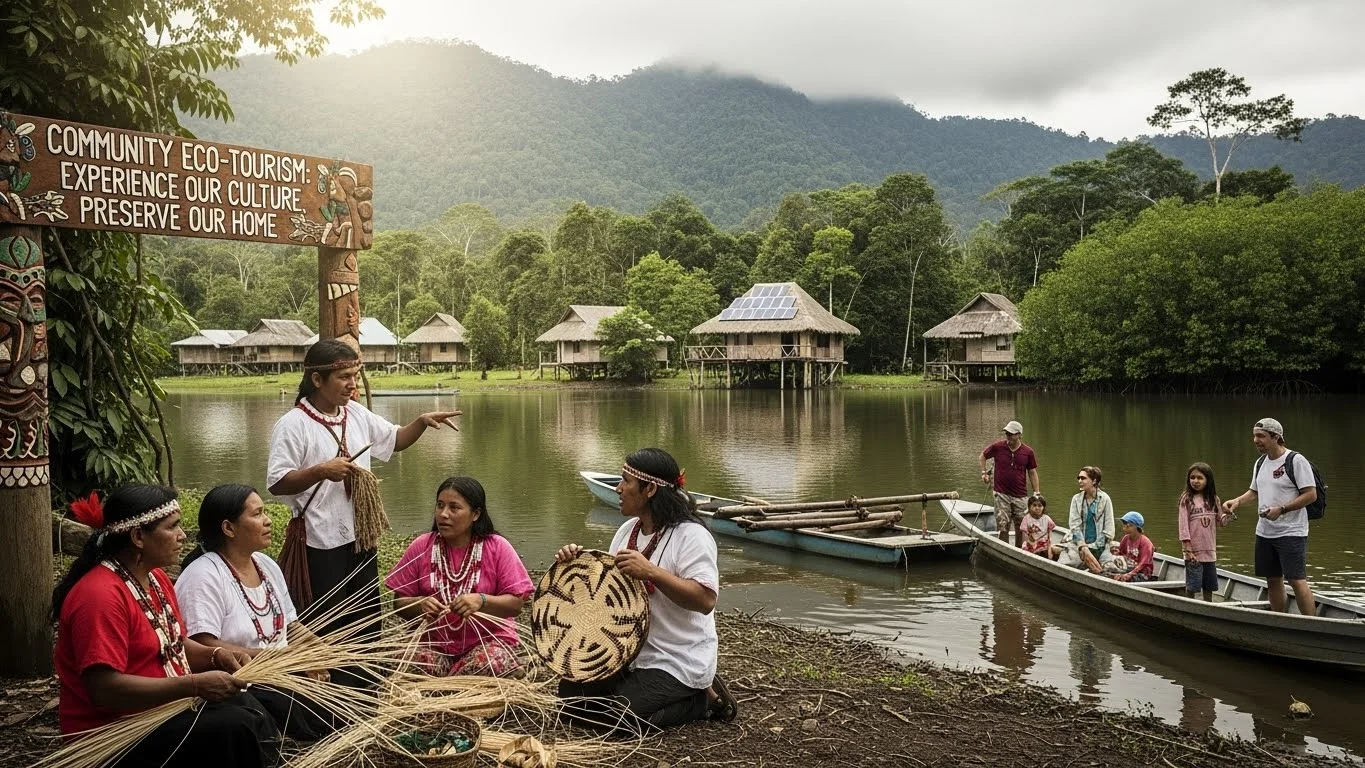
Community-based eco-tourism, in my experience, is a form of travel that emphasizes the involvement of local communities in managing and benefiting from tourism activities. Unlike mass tourism, it focuses on creating authentic experiences that allow visitors to engage with the local culture, environment, and way of life. The idea is not just to visit a place but to truly immerse oneself in its essence. I remember my first trip to a small village where the locals guided us through their daily routines, sharing their stories and traditions. It felt less like tourism and more like a cultural exchange.
Key Principles of Eco-Tourism
From what I’ve learned, there are several core principles that define eco-tourism. First is sustainability, which aims to minimize the environmental impact of tourism while supporting conservation efforts. This means that while we as tourists explore beautiful landscapes, we also contribute to their preservation. Another principle is community involvement. Eco-tourism encourages local input in tourism decisions, ensuring that the benefits of tourism reach the people who live there. I’ve seen how this collaboration empowers locals, as they become stewards of their environment and culture. Lastly, education plays a critical role. Tourists are often educated about the local ecosystem and cultural heritage, which fosters respect and understanding.
Differences Between Traditional and Community-Based Eco-Tourism
It’s interesting to observe how traditional tourism often prioritizes profit over people and the planet. In contrast, community-based eco-tourism focuses on the well-being of local cultures and the environment. During my travels, I noticed that traditional tours often whisk visitors through sights without any real connection to the local culture. In community-based eco-tourism, however, I was encouraged to interact with locals, learn their stories, and even participate in cultural practices. This not only enriched my experience but also fostered mutual respect between us and the community. For instance, visiting a traditional cooking class run by local women was eye-opening. I learned not just how to cook their dishes, but also the history and significance behind each recipe.
Benefits to Local Cultures
Preservation of Cultural Heritage
One of the most profound benefits of community-based eco-tourism is its role in preserving cultural heritage. I’ve seen how tourism can help revive and sustain traditions that might otherwise fade away. For example, in a small village I visited, the influx of curious travelers encouraged locals to share their traditional dances and crafts. This not only kept these practices alive but also instilled pride in the younger generation. They began participating in cultural events, realizing the value of their heritage. It’s a beautiful cycle that reinforces their identity while allowing us to appreciate their uniqueness.
Strengthening Local Economies
We often think about tourism as a way to boost economies, but community-based eco-tourism takes this a step further. It’s not just about making money; it’s about funneling that income back into the community. I remember chatting with a local artisan who explained how tourism allowed her to support her family and invest in her craft. Instead of sending profits to large corporations, the money I spent on handmade souvenirs directly benefited her and her community. This way, local businesses thrive, and the community feels empowered to sustain itself. Read Interesting article: Budget Travel: Embrace Community-Based Eco-Tourism Now
Empowerment of Local Communities
Empowerment is another crucial outcome of community-based eco-tourism. When locals have a seat at the table, they can voice their needs and desires. During my travels, I noticed how communities that embraced eco-tourism had a stronger sense of ownership over their resources. They initiated projects that aligned with their values, leading to greater satisfaction and long-term benefits. For example, eco-tourism can provide training for locals in hospitality and guiding, enabling them to take pride in sharing their culture and environment with visitors.
Promotion of Sustainable Practices
Lastly, community-based eco-tourism promotes sustainable practices on multiple levels. I’ve witnessed how local communities implement strategies to protect their environment while welcoming tourists. For instance, in an eco-lodge I stayed at, waste management was a top priority. They encouraged us to reduce our plastic use and even offered workshops on sustainable living. This not only educated tourists but also inspired locals to adopt more environmentally friendly practices. It’s heartening to know that our travel choices can lead to positive change in these communities.
Impact on Local Traditions and Practices
Revitalization of Traditional Arts and Crafts
One of the most beautiful aspects of community-based eco-tourism is its ability to revitalize traditional arts and crafts. When I visited a village known for its unique pottery, I saw how eco-tourism breathed new life into age-old practices. The artisans were excited to showcase their skills to visitors, sharing the stories behind each piece they created. I learned that many of these crafts were at risk of disappearing as younger generations turned to modern jobs. However, with the increased interest from eco-tourists, the community has found renewed motivation to pass these skills down. This not only preserves their heritage but also creates a living link between past and present, reminding us all of the importance of keeping traditions alive.
Enhancing Cultural Exchanges
Cultural exchange is at the heart of community-based eco-tourism. I often reflect on the moments when I shared meals with local families, learning about their customs and daily life. These interactions forged connections that went beyond simple tourist experiences. I remember joining a storytelling night where elders shared tales of their ancestors, rich with history and wisdom. Such exchanges not only enriched my understanding but also allowed locals to see their culture through fresh eyes. This back-and-forth interaction fosters respect and deeper appreciation for each other’s ways of life, creating a bond that encourages mutual understanding.
Support for Local Festivals and Events
Community-based eco-tourism can significantly boost local festivals and events, providing them with much-needed visibility and support. I’ve had the privilege of attending a vibrant harvest festival in a rural village, where locals invited tourists to participate in their celebrations. The festival showcased traditional music, dance, and food, creating an atmosphere of joy and unity. I learned that the influx of tourists during such events helped fund the community’s initiatives, allowing them to continue these cherished traditions year after year. It was heartwarming to see how eco-tourism could strengthen communal ties and revive celebrations that honor their culture. Read Interesting article: Budget Backpacking: Embrace Community-Based Eco-Tourism
Environmental Benefits of Community-Based Eco-Tourism
Conservation of Natural Resources
Community-based eco-tourism goes hand-in-hand with the conservation of natural resources. I was amazed to learn about the sustainable practices implemented by local guides in a rainforest area I visited. They educated tourists about the importance of protecting their natural surroundings, demonstrating how every visitor could contribute to conservation efforts. For instance, I participated in a tree-planting event that not only offset our carbon footprint but also helped restore the ecosystem. I felt a profound connection to the land and realized how tourism could lead to active participation in preserving our planet.
Protection of Endangered Species
During my travels, I encountered several programs dedicated to protecting endangered species. In one instance, I visited a community-led initiative in an area known for its rare wildlife. The locals had developed eco-tours that highlighted these species while also generating funds to protect their habitats. I felt inspired as I learned how the community worked tirelessly to educate visitors about the importance of biodiversity. These efforts ensured that both tourists and locals could appreciate the beauty of these creatures while taking action to safeguard their future.
Promotion of Biodiversity
Community-based eco-tourism plays a pivotal role in promoting biodiversity. I remember walking through a stunning nature reserve, guided by a local who passionately spoke about the various plant and animal species that thrived there. This experience opened my eyes to the interconnectedness of ecosystems. By engaging in eco-tourism, I realized that our choices as travelers could help protect not only specific sites but also the rich tapestry of life around them. Supporting local conservation projects fosters a sense of responsibility among tourists and reinforces the idea that we all share a stake in preserving the planet’s diversity.
Challenges and Considerations
Balancing Tourism and Cultural Integrity
While community-based eco-tourism has many benefits, it’s essential to acknowledge the challenges that come with it, particularly in balancing tourism and cultural integrity. During my travels, I’ve seen places where the influx of tourists led to cultural dilution, with traditions being altered to cater to visitors’ expectations. I think it’s crucial for communities to set clear boundaries and prioritize their cultural values. It’s a delicate dance between sharing their culture and preserving its authenticity, and I believe that open communication with visitors can help navigate this balance.
Managing Visitor Impact on Local Communities
Another challenge I’ve observed is managing visitor impact on local communities. While tourism can bring economic benefits, it can also strain resources and infrastructure. In one village I visited, the sudden surge of tourists overwhelmed the local water supply, and the community struggled to cope. This experience highlighted the need for sustainable visitor management practices. I think that by educating ourselves as travelers and being mindful of our consumption, we can minimize our footprint and help alleviate pressure on these communities.
Ensuring Community Participation and Benefit Sharing
Ensuring that all community members participate in and benefit from eco-tourism is vital. I’ve seen instances where only a handful of locals reaped the rewards of tourism, while others were left behind. It’s important for tourism initiatives to promote inclusivity, allowing everyone in the community to have a voice and share in the profits. I believe that this can be achieved through community meetings and collaborative planning, ensuring that eco-tourism truly serves the interests of the entire community.
Case Studies of Successful Community-Based Eco-Tourism Initiatives
Example 1: The Maasai Mara, Kenya
When I think about successful community-based eco-tourism, the Maasai Mara in Kenya immediately comes to mind. This region, known for its breathtaking landscapes and rich wildlife, has embraced eco-tourism by allowing the Maasai people to manage and profit from tourism activities. During my visit, I stayed in a tented camp run by Maasai locals. They guided us through the savannah, sharing their deep knowledge of the land and its inhabitants. I learned that not only do these eco-lodges help preserve wildlife, but they also empower the Maasai community by providing jobs and supporting local schools. This approach has fostered a sense of pride among the Maasai, as they see the direct benefits of protecting their homeland. Witnessing their commitment to conservation was inspiring and made me appreciate the delicate balance between tourism and wildlife protection.
Example 2: The Amazon Rainforest, Brazil
The Amazon Rainforest is another remarkable example where community-based eco-tourism plays a crucial role in conservation. I remember visiting a small community in Brazil that had developed eco-tours showcasing the rainforest’s biodiversity. The locals, who had previously struggled with deforestation and illegal logging, found a new way to earn an income by sharing their knowledge of the forest. I participated in guided hikes where the community’s leaders educated us about medicinal plants and the importance of preserving their ecosystem. This initiative not only generates income for the community but also helps protect the rainforest from harmful practices. I was amazed to hear how the community had taken ownership of their environment, showing that eco-tourism can be a powerful tool for both economic and ecological sustainability.
Example 3: The Sami Culture, Norway
In Norway, the Sami people have embraced community-based eco-tourism as a way to share their unique culture while also promoting environmental sustainability. I had the opportunity to visit a Sami village during my travels, where I experienced traditional reindeer herding firsthand. The Sami guides explained the significance of their way of life and how they depend on the reindeer for both sustenance and cultural identity. By participating in activities like reindeer sledding and learning about their customs, I gained a deeper understanding of their heritage. The income generated from eco-tourism supports their community, helps preserve their traditions, and raises awareness about their challenges. It was clear to me that this form of tourism not only benefits the Sami but also teaches visitors about the importance of respecting indigenous cultures and their connection to the land.
How to Get Involved in Community-Based Eco-Tourism
Finding Eco-Tourism Destinations
If you’re interested in exploring community-based eco-tourism, finding the right destinations is key. I often turn to travel blogs, social media, and eco-tourism websites that highlight sustainable travel options. Many organizations focus on promoting responsible tourism, and I’ve found that they often list local communities that offer authentic experiences. When researching, I recommend looking for places that prioritize community involvement and environmental stewardship. My experience has shown that the more I connect with local efforts, the richer my travel experiences become.
Choosing Responsible Tour Operators
Selecting the right tour operator can make a significant difference. I always look for companies that demonstrate a commitment to sustainable practices and community engagement. Reading reviews and testimonials can provide insight into their operations. I’ve had great experiences with operators who collaborate with local artisans and guides, ensuring that the community benefits directly from tourism. It’s reassuring to know that my travel choices contribute positively to the places I visit, and I believe that as travelers, we have the power to influence the industry by supporting ethical companies.
Volunteer Opportunities in Local Communities
Another fulfilling way to engage with community-based eco-tourism is through volunteer opportunities. I’ve volunteered with several organizations that focus on conservation and cultural exchange. These programs often provide hands-on experiences, allowing me to work alongside locals and learn about their projects. Whether it’s helping with environmental restoration or teaching English, volunteering fosters genuine relationships and an understanding of local challenges. I’ve found that giving back enriches my travels and creates lasting memories, as it allows me to witness the impact of my contributions firsthand.
Future Trends in Community-Based Eco-Tourism
Increased Focus on Sustainable Development Goals (SDGs)
As we move forward, I believe that community-based eco-tourism will increasingly align with the Sustainable Development Goals (SDGs) set by the United Nations. I’ve noticed a growing awareness among travelers about the importance of sustainability, and many are seeking out experiences that contribute to these goals. This trend encourages local communities to adopt practices that not only benefit their immediate environment but also promote social and economic development. I think it’s exciting to see how eco-tourism can play a role in achieving these global objectives while enriching our travel experiences.
Technological Innovations in Eco-Tourism
Technological innovations are also shaping the future of community-based eco-tourism. I’ve seen how apps and online platforms can connect travelers with local guides and experiences seamlessly. These advancements can enhance the visitor experience while ensuring that local communities receive fair compensation. For example, I recently used an app that allowed me to book eco-tours directly with local providers, bypassing larger corporations. This direct connection not only supports the community but also ensures that I’m participating in a more authentic and responsible form of tourism.
Growing Demand for Authentic Cultural Experiences
Finally, there’s a growing demand for authentic cultural experiences among travelers. I’ve observed that more people are looking for meaningful connections rather than superficial sightseeing. This trend is encouraging communities to share their stories and traditions in ways that resonate with visitors. I think it’s wonderful to see travelers wanting to engage with locals, strengthening the bonds between cultures. As this demand grows, I believe communities will continue to innovate and find ways to showcase their heritage while preserving their integrity.
Frequently Asked Questions
What is community-based eco-tourism?
Community-based eco-tourism is a form of travel that emphasizes the involvement of local communities in managing and benefiting from tourism activities. It focuses on creating authentic experiences that allow visitors to engage with local culture, environment, and way of life.
What are the key principles of eco-tourism?
The core principles of eco-tourism include sustainability, community involvement, and education. Sustainability aims to minimize environmental impact while supporting conservation, community involvement ensures locals benefit from tourism, and education fosters respect and understanding of local ecosystems and cultural heritage.
How does community-based eco-tourism differ from traditional tourism?
Community-based eco-tourism prioritizes the well-being of local cultures and the environment, whereas traditional tourism often focuses on profit. Eco-tourism encourages interaction and cultural exchanges with locals, enriching visitor experiences and fostering mutual respect.
What are the benefits of community-based eco-tourism for local cultures?
Community-based eco-tourism helps preserve cultural heritage, strengthens local economies, empowers communities, and promotes sustainable practices. It encourages locals to share their traditions, boosts local businesses, and fosters a sense of ownership and pride in their culture and environment.
Can community-based eco-tourism help in the conservation of natural resources?
Yes, community-based eco-tourism supports the conservation of natural resources by educating tourists about the importance of protecting the environment and involving them in conservation efforts, such as tree planting and wildlife protection initiatives.
What challenges can arise from community-based eco-tourism?
Challenges include balancing tourism with cultural integrity, managing visitor impact on local communities, and ensuring that all community members participate in and benefit from eco-tourism initiatives. Open communication and sustainable visitor management practices are essential to address these issues.
What are some successful examples of community-based eco-tourism initiatives?
Successful examples include the Maasai Mara in Kenya, where the Maasai people manage tourism and benefit directly; the Amazon Rainforest in Brazil, where locals developed eco-tours to protect biodiversity; and the Sami culture in Norway, which shares their heritage through eco-tourism while promoting sustainability.
How can travelers get involved in community-based eco-tourism?
Travelers can get involved by finding eco-tourism destinations through travel blogs and websites, choosing responsible tour operators that support local communities, and participating in volunteer opportunities that allow for hands-on engagement with local initiatives.
What future trends are expected in community-based eco-tourism?
Future trends include an increased focus on Sustainable Development Goals (SDGs), technological innovations connecting travelers with local experiences, and a growing demand for authentic cultural experiences among travelers seeking meaningful connections.
How does community-based eco-tourism promote cultural exchanges?
Community-based eco-tourism fosters cultural exchanges by encouraging interactions between travelers and locals, allowing for shared meals, storytelling, and participation in traditional events. These exchanges enhance mutual understanding and appreciation for each other’s ways of life.