
Choosing the right wildlife conservation volunteer experience can be life-changing. It’s not just about helping animals; it’s about personal growth, adventure, and making a meaningful impact. Let’s explore what wildlife conservation volunteering really means and how you can find the perfect fit for your journey. Read Interesting article: Top Wildlife Conservation Volunteer Programs for Budget Travelers
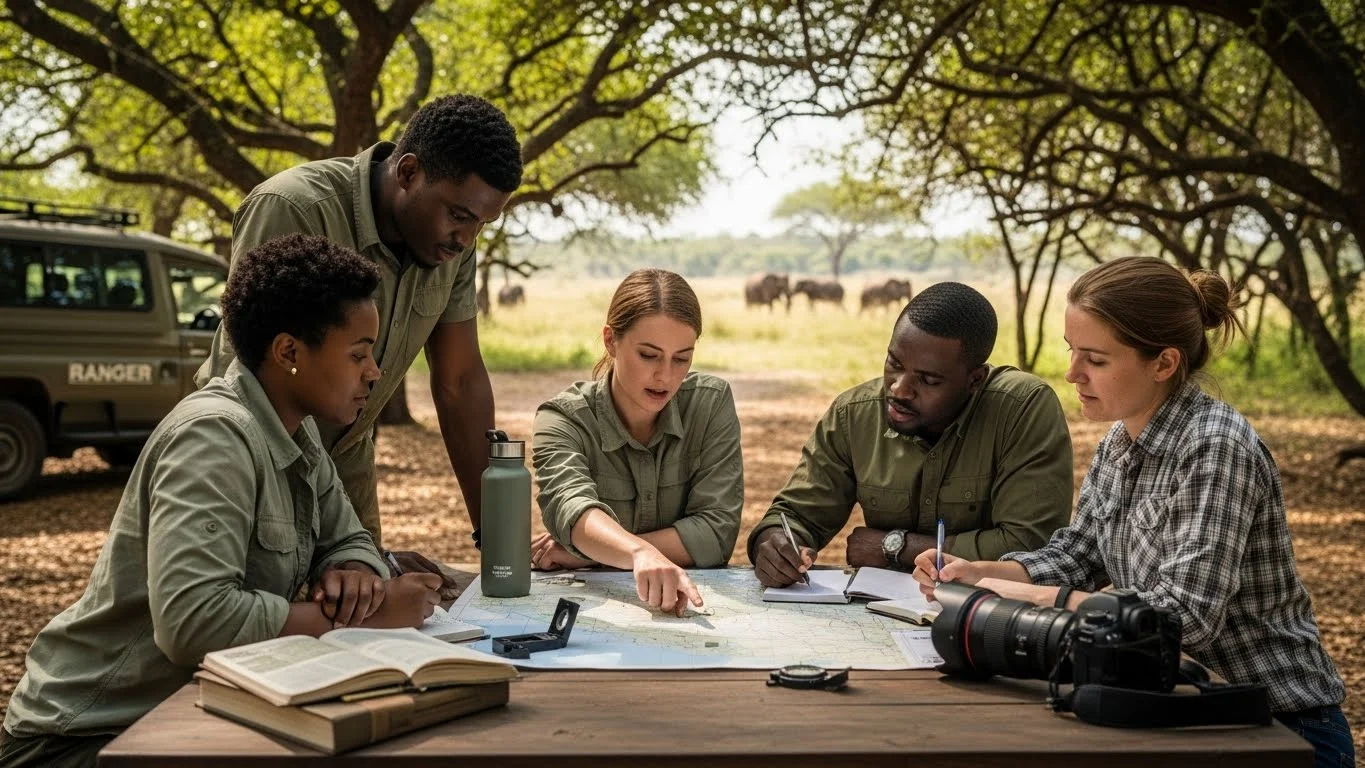
Understanding Wildlife Conservation Volunteering
What is Wildlife Conservation Volunteering?
Wildlife conservation volunteering is a hands-on approach to preserving and protecting natural habitats and species. I remember the first time I heard about it; it felt like an opportunity to marry my passion for animals with a chance to make a difference. Volunteers work alongside local organizations to help with various tasks, from monitoring wildlife to participating in habitat restoration. It’s immersive, often challenging, and profoundly rewarding.
Importance of Wildlife Conservation
We often take the beauty of nature for granted, but wildlife conservation is crucial for maintaining biodiversity and ecosystems. I’ve learned that every species plays a role in the health of our planet. When one species declines, it can create a cascading effect on others. By volunteering, we contribute to the preservation of these ecosystems. It’s our chance to ensure that future generations can experience the wonder of wildlife. Plus, it helps raise awareness about the threats many species face today, such as habitat loss, poaching, and climate change. Read Interesting article: Volunteer for Wildlife Conservation: Travel and Make a Difference
Types of Wildlife Conservation Projects
There’s a vast array of wildlife conservation projects out there, and I found that understanding the different types can help narrow down what truly resonates with you. Here are some projects to consider:
- Habitat Restoration: This often involves replanting native species, removing invasive plants, or cleaning up polluted areas. When I participated in a tree-planting project, it felt incredible to see the immediate difference we were making.
- Wildlife Rehabilitation: Working with injured or orphaned animals can be emotionally intense but incredibly fulfilling. I once helped care for baby birds that had fallen from their nests, and the joy of seeing them fly free was unforgettable.
- Research and Monitoring: Volunteers may assist scientists in tracking animal populations, collecting data, and studying behaviors. I found this aspect fascinating, as it combines fieldwork with a scientific approach.
- Community Education: Engaging local communities and educating them about the importance of conservation can lead to sustainable change. I remember leading workshops where we discussed how protecting wildlife could benefit their livelihoods.
Each project offers its unique challenges and rewards, and the key is to find one that aligns with your interests and values.
Key Considerations When Choosing a Volunteer Program
Assessing Your Goals and Interests
Before diving into a program, take a moment to reflect on what you hope to achieve from this experience. For me, it was a blend of adventure and a desire to learn more about wildlife. Are you looking to gain specific skills, or are you more interested in the experience of helping? I recommend making a list of your goals to guide your search.
Evaluating Program Credibility
With so many volunteer organizations out there, it’s essential to evaluate their credibility. I learned the hard way that not all programs are created equal. Look for organizations that are transparent about their operations and have a proven track record. I found that reading about their impact and how they treat both volunteers and wildlife was key in making my decision.
Understanding the Financial Commitment
Financial aspects can vary significantly between programs. Some may charge hefty fees that cover accommodation and meals, while others might be more affordable but require you to handle your own living expenses. I remember budgeting carefully for my program; knowing what to expect helped me plan and avoid surprises. Make sure to ask questions about where your money goes, as it should support the conservation efforts directly.
Duration and Time Commitment
Consider how much time you can dedicate to volunteering. Most programs range from a few weeks to several months. I chose a month-long program, which felt like the perfect balance of time to immerse myself without feeling overwhelmed. Think about how the time commitment aligns with your personal and professional life.
Location and Accessibility
The location of the program can greatly influence your experience. Some might want to work in remote areas, while others may prefer a more accessible setting. I’ve always been drawn to exotic locations, but I also considered factors like travel arrangements and local amenities. It’s worth researching the area to ensure you’re comfortable with the surroundings.
Choosing the best wildlife conservation volunteer experience can feel daunting, but taking the time to understand what you’re looking for and exploring the options can lead you to a life-changing adventure. Let’s keep digging deeper into how to find the right program for you and what to expect once you’re there.
Researching Wildlife Conservation Volunteer Programs
Finding Reputable Organizations
When I started looking for wildlife conservation volunteer programs, I quickly realized the importance of finding a reputable organization. A simple online search can yield hundreds of options, but not all of them are ethical or effective. I recommend starting with well-known organizations that have a long-standing reputation in the field of conservation. Websites like Idealist or VolunteerMatch can help you find credible programs. I also found it helpful to check for partnerships with local governments or NGOs, as this often indicates a commitment to responsible practices and community involvement.
Reading Reviews and Testimonials
As part of my research, I made it a point to read reviews and testimonials from past volunteers. Websites that aggregate volunteer experiences can give you insights into what to expect. I remember stumbling upon several blogs and forums where individuals shared their firsthand accounts, both good and bad. These stories helped me gauge the authenticity of the organization and the actual impact of their projects. I recommend looking for patterns in the reviews: if multiple people had similar positive or negative experiences, it could be a telling sign.
Understanding Project Impact and Sustainability
It’s important to dive deeper into the project’s impact and sustainability efforts. I found that the best organizations are transparent about their goals and methods. They provide data on how their work contributes to conservation and community well-being. When I participated in a project, I appreciated the regular updates on the progress and outcomes of our efforts. It made me feel connected to something larger. I suggest asking potential programs how they measure success and what long-term benefits they aim for. This information can help you choose a program that aligns with your values. Read Interesting article: Wildlife Conservation Travel: Discover Eco-Friendly Adventures
Contacting Past Volunteers
If possible, I highly recommend reaching out to past volunteers. Many organizations will facilitate this connection, and I found that speaking directly to someone who has been through the program was invaluable. I remember asking questions about daily tasks, the living situation, and the overall experience. This firsthand information provided me with a clearer picture of what to expect, easing my concerns and excitement. Don’t hesitate to ask about the challenges they faced and how they dealt with them—it’s all part of preparing for a rewarding experience.
Types of Wildlife Conservation Projects to Consider
Big Cat Conservation
One of the most thrilling aspects of wildlife conservation volunteering is the opportunity to work with big cats. I’ve always been fascinated by these majestic creatures, and programs focused on their conservation can be particularly rewarding. In some projects, you can help monitor their populations, track their movements, and even assist in the rehabilitation of injured animals. It was incredible for me to witness the care and dedication that conservationists put into protecting these species. If you’re passionate about big cats, this could be a perfect fit.
Marine Conservation
Living near the ocean, I’ve always had a love for marine life. Marine conservation projects often involve activities like coral reef restoration, sea turtle monitoring, or beach clean-ups. The underwater world is so vibrant, and participating in these initiatives made me feel like I was contributing to something vital. I remember snorkeling to help remove debris from the ocean floor and feeling a sense of purpose as I worked to protect these delicate ecosystems. If the ocean calls to you, consider looking into marine-focused programs.
Reforestation Projects
Reforestation has a special place in my heart because trees are essential for our planet’s health. During my time volunteering, I participated in a reforestation project that involved planting native trees to restore local habitats. It was incredibly fulfilling to see the impact of our hands-on efforts. Being out in nature, digging holes, and nurturing young plants made me appreciate the environment in a new way. If you’re passionate about combating climate change and restoring ecosystems, this could be an ideal project for you.
Endangered Species Rehabilitation
Working with endangered species can be both challenging and rewarding. I got the chance to learn about the specific needs of threatened animals and how we can help them thrive. Whether it’s caring for orphaned young or helping with breeding programs, the experience is deeply impactful. I remember the day I assisted in releasing rehabilitated animals back into the wild. The mixture of joy and relief was something I will never forget. If you feel a strong connection to protecting vulnerable species, this line of work can be incredibly fulfilling.
Community-Based Conservation Efforts
Community-based conservation focuses on engaging local populations and educating them about the importance of wildlife preservation. I found that these projects often lead to sustainable change because they empower communities to take charge of their environment. I had the opportunity to participate in workshops that taught locals how to protect habitats while also improving their livelihoods. This experience opened my eyes to the interconnectedness of conservation and community well-being. If you’re interested in making a lasting impact, consider programs that emphasize this approach.
Preparing for Your Volunteer Experience
Required Skills and Qualifications
Before embarking on your adventure, it’s essential to know what skills and qualifications you might need. While many programs welcome volunteers of all backgrounds, some may require specific skills, such as veterinary knowledge or experience in environmental science. I remember feeling a bit intimidated at first, but I discovered that many organizations provided training sessions. It’s a good idea to check in with the program to see what they expect from volunteers, so you can prepare adequately.
Health and Safety Considerations
Your health and safety should always be a priority. I learned this the hard way when I neglected to ask about vaccinations and health precautions before my trip. Depending on the location, you may need vaccinations or medications to protect against local diseases. I also recommend checking the safety protocols of the organization to ensure you know what to do in case of emergencies.
Packing Essentials for Wildlife Volunteering
Packing for your volunteer experience can be quite an adventure in itself! I remember making a checklist, which helped ensure I didn’t forget anything important. Essential items might include sturdy boots, insect repellent, sunscreen, reusable water bottles, and any specific gear required for your project. I also found it helpful to bring a journal to document my experiences and reflect on my journey. This is a great way to process everything you’ll encounter!
Understanding Cultural Sensitivity
Volunteering in another country often means immersing yourself in a different culture. I learned that it’s vital to approach this experience with an open mind and respect for local customs. I took the time to research cultural norms and practices before my trip, which helped me navigate interactions with locals more comfortably. Being culturally sensitive not only enriches your experience but also fosters goodwill between you and the community you’re serving.
The Volunteer Experience: What to Expect
Daily Responsibilities and Tasks
Once you dive into your volunteer experience, you’ll find that each day is unique and full of surprises. I remember waking up each morning with a mix of excitement and a bit of nervousness about what the day would hold. Daily responsibilities can vary widely depending on the type of project you’re involved in. For example, if you’re part of a wildlife rehabilitation program, your tasks might include feeding animals, cleaning enclosures, and monitoring their health. In contrast, a reforestation project might have you planting trees, conducting surveys, or educating visitors about local flora and fauna. I learned that flexibility is key; sometimes, nature has its own plans! Being adaptable helped me make the most of every situation, from long days in the field to unexpected challenges.
Living Arrangements and Accommodations
Your living arrangements can greatly influence your overall experience. I was fortunate enough to stay in a volunteer house with other like-minded individuals, which made the experience even more enriching. From shared meals to late-night discussions, it built a sense of camaraderie that I cherished. However, I’ve heard stories of other volunteers who stayed in more basic conditions, such as tents or homestays with local families. While it might feel uncomfortable at first, I found that these experiences often led to deeper connections with the local culture. It’s a good idea to ask about accommodations before committing to a program to ensure you feel comfortable with what’s offered. Remember, the experience of living in a new environment can be as rewarding as the volunteer work itself!
Working with Local Communities
One of the most rewarding aspects of volunteering is the opportunity to work alongside local communities. I remember feeling a little intimidated at first, but I quickly realized that community engagement was at the heart of effective conservation efforts. Whether it was participating in educational workshops, collaborating on habitat restoration, or helping with community surveys, I saw firsthand how our efforts could create a ripple effect of positive change. The locals often shared their insights and knowledge about the land and its wildlife, which deepened my understanding of the challenges they face. I believe that this interaction is vital; it fosters a sense of respect and partnership, making the conservation work more impactful.
Potential Challenges and How to Overcome Them
No volunteer experience is without its challenges, and I certainly faced my share. Whether it was adapting to a new culture, dealing with physical exhaustion, or encountering unexpected setbacks in projects, I learned that resilience is essential. I remember one instance where heavy rainfall disrupted our reforestation efforts. Instead of feeling defeated, our team brainstormed alternative ways to contribute, such as organizing community clean-ups while we waited for the weather to improve. I found that maintaining a positive attitude and being open to change can transform challenges into opportunities for creativity and teamwork. I also recommend establishing a strong support system among fellow volunteers, as sharing experiences and solutions can greatly enhance your journey.
Post-Volunteer Opportunities and Benefits
Networking and Professional Development
Once your volunteering adventure comes to an end, you might be surprised at the doors that open up. I had the chance to connect with people from various backgrounds—conservationists, researchers, and even fellow volunteers who became friends. These connections can be invaluable for your future career prospects. I learned that networking is often about quality over quantity; even a few meaningful conversations can lead to opportunities down the line. I recommend staying in touch with the people you met, whether through social media or professional platforms like LinkedIn. You never know when a connection may come in handy!
Utilizing Your Experience for Future Careers
Your volunteer experience can serve as a significant stepping stone in your career path. I remember listing my volunteer work on my resume and discussing it during job interviews. Employers appreciate real-world experience, especially in fields related to environmental science, wildlife management, or community development. I also found that the skills I gained—like teamwork, problem-solving, and cultural sensitivity—were highly transferable. Take the time to reflect on what you learned and how it aligns with your career goals; this can help you articulate your experience effectively to potential employers.
Staying Involved with Conservation Efforts
Just because your time as a volunteer has ended doesn’t mean your journey in conservation has to stop. I discovered numerous ways to stay involved, whether through local conservation organizations, online advocacy, or community events. Many volunteers continue to support their projects through fundraising or awareness campaigns. I also found it fulfilling to share my experiences through social media and blogs, inspiring others to consider wildlife conservation volunteering. Staying engaged can lead to new opportunities and allows you to contribute to the cause long after your initial experience.
Frequently Asked Questions
What is wildlife conservation volunteering?
Wildlife conservation volunteering is a hands-on approach to preserving and protecting natural habitats and species. Volunteers work alongside local organizations to help with various tasks, such as monitoring wildlife and participating in habitat restoration.
Why is wildlife conservation important?
Wildlife conservation is crucial for maintaining biodiversity and ecosystems. Every species plays a role in the health of our planet, and when one species declines, it can create a cascading effect on others. Volunteering contributes to the preservation of ecosystems and raises awareness about threats like habitat loss and climate change.
What types of wildlife conservation projects are available?
There are several types of wildlife conservation projects, including habitat restoration, wildlife rehabilitation, research and monitoring, and community education. Each project offers unique challenges and rewards, allowing volunteers to find opportunities that align with their interests and values.
What should I consider when choosing a volunteer program?
When choosing a volunteer program, consider your goals and interests, evaluate program credibility, understand the financial commitment, assess the duration and time commitment, and research the location and accessibility of the program.
How can I find reputable wildlife conservation volunteer organizations?
To find reputable organizations, start with well-known entities that have a long-standing reputation in conservation. Websites like Idealist or VolunteerMatch can help, and checking for partnerships with local governments or NGOs can indicate commitment to responsible practices.
What should I do to prepare for my volunteer experience?
Preparation for a volunteer experience includes understanding required skills and qualifications, health and safety considerations, packing essentials, and being culturally sensitive to the local customs of the area you will be volunteering in.
What can I expect during my volunteer experience?
During your volunteer experience, expect daily responsibilities that vary by project, living arrangements that can range from volunteer houses to homestays, and opportunities to work with local communities. Flexibility and adaptability are key to making the most of your experience.
What are potential challenges I might face while volunteering?
Potential challenges include adapting to a new culture, physical exhaustion, and unexpected setbacks in projects. Resilience, maintaining a positive attitude, and establishing a support system among fellow volunteers can help overcome these challenges.
What are the benefits of volunteering for my future career?
Volunteering can enhance your career prospects by providing real-world experience, networking opportunities, and transferable skills such as teamwork and problem-solving. Listing your volunteer work on your resume and discussing it during interviews can also be beneficial.
How can I stay involved in conservation efforts after volunteering?
Post-volunteering, you can stay involved through local conservation organizations, online advocacy, and community events. Many volunteers continue to support their projects through fundraising or sharing their experiences to inspire others.