
Traveling green is not just a trend; it’s a lifestyle choice that allows us to explore the world while respecting our planet and its people. Connecting with local communities adds depth to our travel experiences and helps preserve the cultures we cherish. Read Interesting article: Guide to Staying Connected During Solo Adventures
Understanding Green Travel
Definition of Green Travel
Green travel, in my experience, means making conscious choices that minimize our impact on the environment while enhancing the local communities we visit. It’s about being aware of our carbon footprint, opting for eco-friendly modes of transport, and supporting local businesses rather than large corporations. When I began to travel with this mindset, I discovered a whole new layer of adventure and connection. It’s not just about the destination; it’s about how we get there and the people we meet along the way.
Benefits of Sustainable Travel
There are countless benefits to sustainable travel. First, I’ve noticed that it often leads to more enriching experiences. When I stay in locally-owned accommodations or eat at family-run restaurants, I get to experience the heart of a place in a way that large tourist destinations can’t replicate. Plus, I feel good knowing my choices support the local economy and help preserve the environment.
Additionally, traveling green has personal benefits too. I find that it fosters a deeper connection with the places I visit. By interacting with locals and understanding their way of life, I gain insights that I would never have discovered through traditional tourism. It creates a sense of community and belonging, which is a feeling I cherish when I’m far from home. Read Interesting article: Essential Apps to Stay Connected When Traveling Alone
Importance of Connecting with Local Communities
Connecting with local communities is essential for several reasons. For one, it helps to bridge cultural gaps and fosters mutual respect. I remember my first trip to Costa Rica; I participated in a community art project, and it was one of the most rewarding experiences of my life. I learned about the local culture, made friends, and contributed something meaningful to the community. This connection not only enriches my travels but also creates a positive impact on the locals.
Moreover, when we engage with communities, we help to preserve their unique traditions and lifestyles. Many local cultures are at risk of fading due to globalization. By supporting local artisans, attending cultural events, and participating in community initiatives, we play a part in keeping these traditions alive. I’ve found that the more I engage, the more I appreciate the subtle nuances of each culture, making my travels far more memorable.
Preparing for Your Green Journey
Researching Local Communities
Preparation is key to making the most of your green journey. Before I embark on a trip, I spend time researching the communities I’ll be visiting. I look into their customs, traditions, and any sustainable practices they might have. This not only helps me understand the culture better but also allows me to plan my activities around local events or festivals. Websites, travel blogs, and social media platforms are excellent resources for this kind of research. I’ve often found that connecting with locals on social media can provide insider tips that traditional travel guides might miss.
Choosing Sustainable Accommodations
When it comes to accommodations, I always opt for places that prioritize sustainability. This might mean choosing eco-lodges, hostels, or bed-and-breakfasts that use renewable energy, practice water conservation, and support local businesses. I remember staying at an eco-friendly lodge in the Amazon rainforest, where the owners were committed to preserving the environment. It felt good knowing that my stay contributed to conservation efforts and that I was supporting a family-run business. Websites like EcoBnB and Green Key can help find environmentally-friendly options.
Understanding Local Customs and Etiquette
Another essential aspect of preparing for green travel is understanding local customs and etiquette. Each culture has its own set of norms, and being respectful of these can go a long way in building positive relationships with locals. For instance, in some cultures, it’s customary to greet people with a handshake, while in others, a bow is more appropriate. I’ve learned that taking the time to learn a few phrases in the local language can also open doors and show that I respect their culture. It’s the little things that make a big difference in how I connect with people during my travels.
Ways to Connect with Local Communities
Participating in Community Events
One of the most rewarding ways I’ve found to connect with local communities is by participating in their events. This could be anything from a village festival to a local market day. I remember attending a harvest festival in a small Italian town, where the locals invited me to join in the grape stomping. Not only did it give me a deeper appreciation for their traditions, but I also had a blast mingling with the locals and sharing laughter. These events are often filled with music, dance, and food, allowing me to immerse myself in the culture and create memories that last a lifetime.
By taking part in these gatherings, we also show our support for their way of life and help keep these traditions alive. So, next time you’re traveling, check local calendars for events happening during your visit. It’s a fantastic opportunity to connect, learn, and enjoy a genuine slice of local life.
Volunteering Opportunities
Volunteering while traveling has been one of the most impactful experiences for me. It’s a way to give back to the communities that welcome us. I’ll never forget my time volunteering at a wildlife sanctuary in South Africa. Not only did I contribute to a cause I cared about, but I also formed deep connections with fellow volunteers and local staff. We shared stories, laughter, and a commitment to the animals we were helping.
Many places offer structured programs for travelers who want to volunteer, whether it’s teaching English, participating in conservation efforts, or helping with community development projects. I believe that volunteering is a two-way street; while we give our time and energy, we also receive invaluable life lessons and friendships in return. Plus, it’s a chance to step outside the typical tourist experience and make a real difference.
Engaging in Local Workshops and Classes
Another enriching way to connect with local communities is by participating in workshops or classes offered by locals. I recall a cooking class I took in Thailand, where I learned to make traditional dishes from a local chef. It was more than just a cooking lesson; it was an opportunity to hear stories about family recipes and cultural significance behind the food. I even made some lifelong friends during the class, sharing meals and laughter as we learned.
Engaging in workshops allows us to not only pick up new skills but also to understand the cultural context behind them. Whether it’s pottery, dance, or language, these experiences help us appreciate the artistry and heritage of the community. I’ve found that locals are often thrilled to share their knowledge, making these classes a wonderful way to connect on a personal level. Read Interesting article: Top Tips for Staying Connected While Traveling Solo
Staying with Locals: Homestays and Couchsurfing
Staying with locals has transformed the way I experience new places. I remember my first homestay in Peru, where I lived with a lovely family in a small village. They welcomed me into their home and shared their daily lives with me. I enjoyed homemade meals, participated in their daily routines, and even attended local celebrations with them. This intimate experience made me feel a part of their world, rather than just a visitor.
Couchsurfing is another option that has given me the chance to connect with locals. I’ve had incredible experiences staying with hosts who not only provided a place to sleep but also became friends who showed me around their city. They shared their favorite spots and hidden gems that I would have never found in a guidebook. It’s these authentic connections that truly enrich our travel experiences and open our eyes to how others live.
Eco-Friendly Transportation Options
Walking and Biking Through Local Areas
When exploring a new destination, I always try to walk or bike whenever possible. There’s something magical about wandering through the streets on foot or cycling along scenic paths that allows me to soak in the atmosphere. I remember biking through Amsterdam’s canals, where I could stop at quirky shops, chat with locals, and truly feel the pulse of the city. Walking and biking not only reduce carbon emissions but also give us a chance to discover hidden treasures that we might miss when traveling by car.
Public Transportation and Its Benefits
Using public transportation has become a preferred choice for me during my travels. It’s an excellent way to experience the daily life of locals and see how they navigate their cities. I’ve often found that trains, buses, and trams offer a unique perspective on a place, giving me insights I wouldn’t gain otherwise. For example, riding the bus in Mexico City exposed me to the vibrant street culture and the friendliness of the people. Plus, it’s usually a lot cheaper than renting a car, allowing me to allocate more funds to local experiences.
Carpooling and Ride-Sharing with Locals
Carpooling or using ride-sharing services can also be a greener way to get around while connecting with locals. I’ve had some of my most enlightening conversations during rideshare trips. One time, I shared a ride with a local artist who gave me insight into the city’s art scene and recommended off-the-beaten-path galleries to visit. These interactions often lead to unexpected friendships and unique local experiences, reinforcing the idea that our journeys are often shaped by the people we meet along the way.
Experiencing Local Culture and Tradition
Exploring Local Markets and Artisans
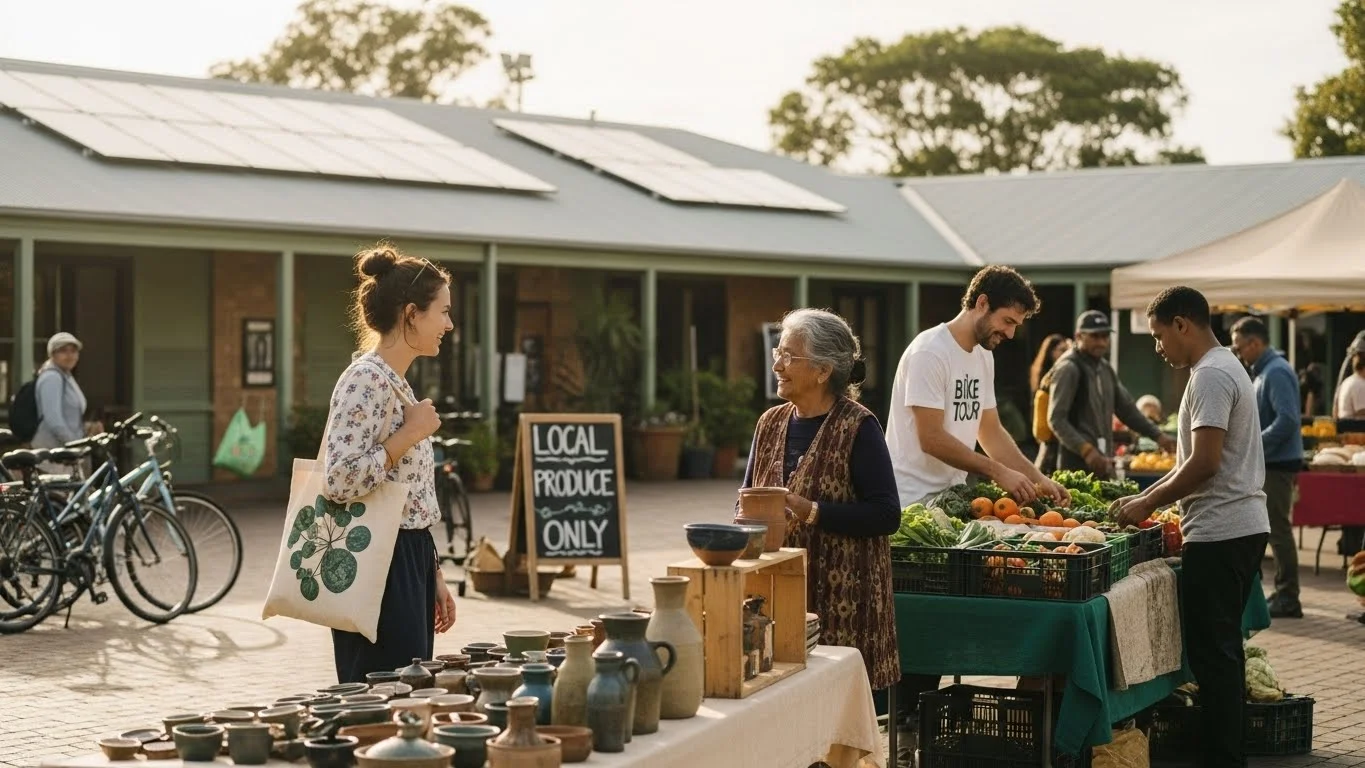
One of my favorite ways to dive into the heart of a community is by exploring local markets. These vibrant spaces are often bustling with energy and filled with colors, scents, and sounds that tell the story of a place. I remember wandering through a market in Marrakech, where I was surrounded by spices, textiles, and handmade crafts. It was a sensory overload in the best way possible. By purchasing goods directly from artisans, I felt not only a connection to their work but also a sense of pride in supporting their craft. Knowing my money was going directly to the hands that made the items made those souvenirs so much more meaningful.
Visiting local markets also allows us to engage with the community in a genuine way. I often find myself chatting with vendors, learning about their products, and sometimes even getting a glimpse into their daily lives. These interactions create a rich tapestry of experiences that no guidebook can capture. Plus, you can often find unique items that reflect the local culture, making them perfect mementos of your travels.
Tasting Authentic Local Cuisine
Food is such an integral part of any culture, and I believe that tasting authentic local cuisine is one of the best ways to immerse myself in a new place. I’ve had the pleasure of indulging in incredible dishes that are deeply rooted in tradition. For instance, during a trip to Vietnam, I took a street food tour that introduced me to pho and banh mi from local vendors. The flavors were far richer than anything I had tried back home. Through food, I not only satisfied my hunger but also learned about the history and stories behind each dish.
Eating at local restaurants, food stalls, or even at home with a family can provide insight into the community’s values and lifestyle. I’ve had experiences where locals shared the significance of certain ingredients or cooking methods, which added another layer to my understanding of their culture. I’ve found that sharing a meal often leads to heartwarming conversations, creating connections that span beyond just the food on the table.
Attending Festivals and Cultural Celebrations
Attending local festivals or cultural celebrations has been a highlight of many of my travels. There’s something magical about being part of a community’s joyous occasion, whether it’s a traditional dance, a religious festival, or a harvest celebration. I remember being in India during Diwali, the festival of lights. The atmosphere was electric, with colorful decorations, fireworks, and families coming together to celebrate. It was an honor to be included in the festivities, and I felt a profound sense of connection to the culture.
These events often offer unique opportunities to witness age-old traditions and practices. I’ve participated in local dances, learned traditional songs, and even tried my hand at making artisanal crafts during these celebrations. It’s a chance not just to observe but to engage and learn. I recommend checking local calendars before your trip to find out if any festivals are happening during your visit—it’s an experience you won’t want to miss.
Building Lasting Connections
Social Media and Community Engagement
In today’s digital age, social media can be a powerful tool for connecting with locals. Before heading to a new destination, I often join local groups or follow community pages to get a sense of what’s happening. This can lead to discovering events, festivals, or even meet-ups that I might not have found otherwise. I remember reaching out to a local artist through Instagram before my visit to Barcelona. She invited me to her studio, where I not only saw her work but also gained insight into the local art scene. It was a fantastic way to connect and build a friendship before I even arrived!
Using platforms like Facebook or local forums can help foster relationships with individuals who share similar interests. Engaging online can lead to offline connections that enrich our travel experiences, allowing us to experience a destination through the eyes of a local.
Creating Meaningful Friendships
Some of the most treasured memories I have from my travels are the friendships I’ve formed along the way. These relationships often start with small conversations but can grow into meaningful connections that last long after the trip ends. I’ve met people who have invited me to their homes, shared meals, and introduced me to their families. I believe that these interactions create a richer travel experience and help break down barriers between cultures.
In many cases, these friendships have led to return visits. I’ve hosted friends I made abroad when they traveled to my city, and it’s been rewarding to share my culture with them as they did with me. I’ve learned that fostering these connections not only enhances our understanding of different cultures but also creates a global community that celebrates diversity.
Supporting Local Businesses and Initiatives
Supporting local businesses is a practice I prioritize during my travels. Instead of heading to chain stores, I seek out small shops, cafés, and artisans that contribute to the local economy. I’ve found that these businesses often provide a more authentic experience. For example, I once stumbled upon a quaint coffee shop in a small town in Italy where the owner roasted his own beans. Not only did I enjoy a fantastic cup of coffee, but I also learned about his roasting process and the local coffee culture.
By consciously choosing to spend my money at local businesses, I feel like I’m contributing positively to the community. It’s a simple yet effective way to make a difference and ensure that the places we love to visit can thrive. Whenever I can, I recommend these local spots to other travelers, helping to spread the word and encourage more people to support the community.
Frequently Asked Questions
What is the definition of green travel?
Green travel refers to making conscious choices that minimize our impact on the environment while enhancing the local communities we visit. It involves being aware of our carbon footprint, opting for eco-friendly transport, and supporting local businesses over large corporations.
What are the benefits of sustainable travel?
Sustainable travel leads to more enriching experiences, such as staying in locally-owned accommodations and eating at family-run restaurants. It supports the local economy, fosters deeper connections with places, and helps preserve the environment and local cultures.
Why is connecting with local communities important?
Connecting with local communities bridges cultural gaps, fosters mutual respect, and helps preserve unique traditions and lifestyles that may be threatened by globalization. Engaging with locals enriches travel experiences and creates a positive impact on the community.
How can I prepare for a green journey?
Preparing for a green journey involves researching local communities, choosing sustainable accommodations, and understanding local customs and etiquette. This preparation allows for deeper cultural understanding and a more meaningful travel experience.
What are some ways to connect with local communities while traveling?
Travelers can connect with local communities by participating in community events, volunteering, engaging in local workshops, and staying with locals through homestays or couchsurfing. These interactions create authentic connections and enrich the travel experience.
What are eco-friendly transportation options for travelers?
Eco-friendly transportation options include walking or biking through local areas, using public transportation, and carpooling or utilizing ride-sharing services. These methods reduce carbon emissions and enhance the opportunity to interact with locals.
How can exploring local markets benefit travelers?
Exploring local markets allows travelers to engage with the community, learn about local products, and support artisans directly. This experience provides a deeper connection to the culture and often results in unique, meaningful souvenirs.
Why is tasting authentic local cuisine significant?
Tasting authentic local cuisine is essential as it offers insights into a community’s values and traditions. Sharing meals with locals often leads to heartwarming conversations and a greater understanding of the culture behind the food.
How can social media be used to connect with locals?
Social media can help travelers connect with locals by joining local groups or following community pages to discover events or meet-ups. Engaging with locals online can lead to offline connections that enhance the travel experience.
What is the impact of supporting local businesses while traveling?
Supporting local businesses contributes positively to the community and provides a more authentic travel experience. By choosing small shops and local artisans, travelers help sustain the local economy and ensure that the places they visit thrive.