
Experiencing the world through community-based tourism opens doors to genuine connections and unforgettable adventures. It’s about immersing ourselves in local cultures, forging bonds, and leaving a positive impact on the places we visit. Read Interesting article: Explore Community-Based Tourism: Your Eco-Adventure Guide
Understanding Community-Based Tourism
Definition of Community-Based Tourism
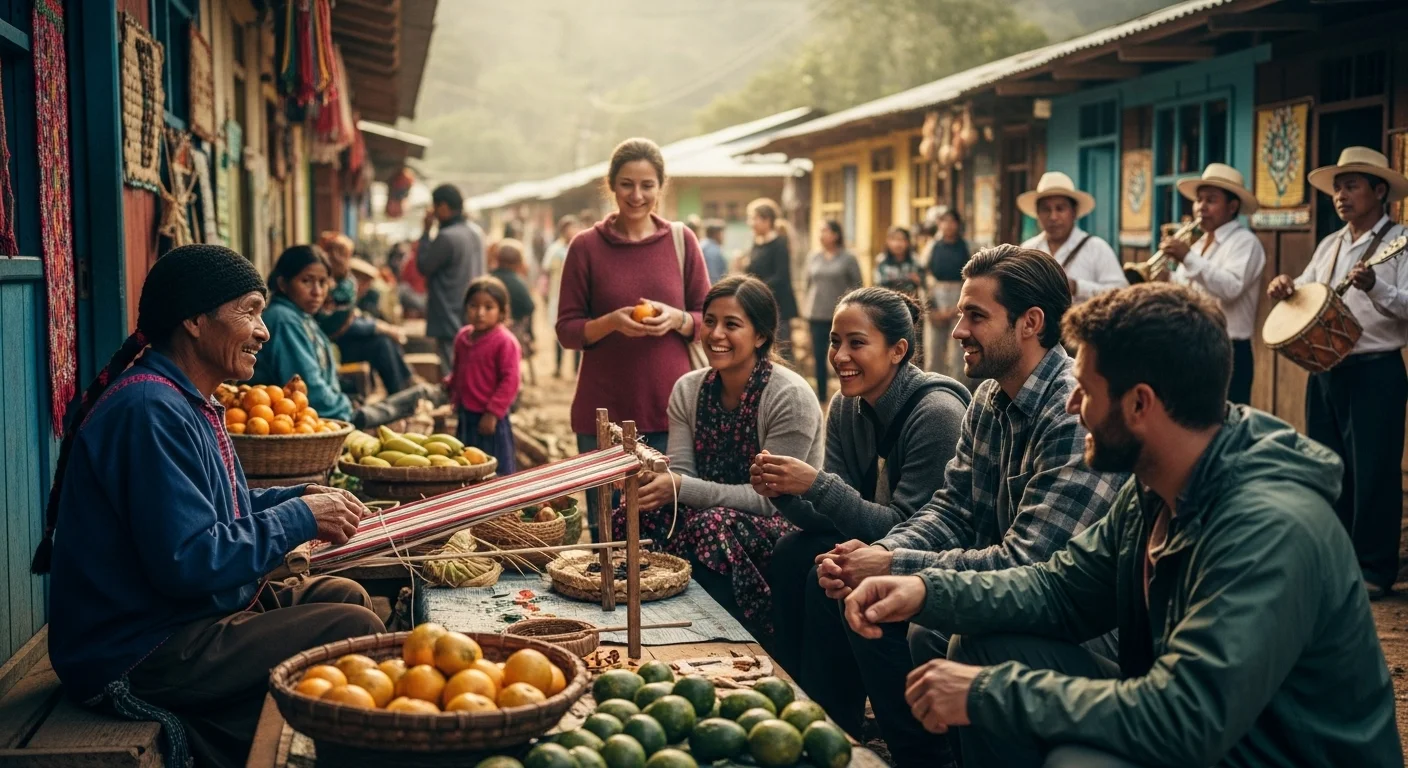
Community-Based Tourism (CBT) is a travel approach that emphasizes direct interaction with local communities. Unlike traditional tourism that often prioritizes large-scale attractions and impersonal experiences, CBT focuses on involving local residents in the tourism process. This allows travelers to engage authentically with the culture and traditions of the area, fostering a deeper understanding of the place and its people. When I first discovered CBT, it felt like a breath of fresh air; the idea of not just visiting a place, but becoming part of it, excited me.
Benefits of Community-Based Tourism
The benefits of community-based tourism are plentiful, both for travelers and the communities themselves. For one, it promotes sustainable practices, ensuring that tourism does not exploit natural resources or disturb local cultures. I remember visiting a small village in Thailand where the local families managed eco-friendly homestays. They not only educated us about their lifestyle and traditions but also shared the importance of preserving their environment. It was rewarding to see how our stay contributed to their livelihoods.
Another significant advantage is that CBT allows for a more enriching travel experience. Travelers often get the chance to participate in local customs, learn traditional crafts, and enjoy home-cooked meals. These moments create lasting memories and foster genuine friendships. In my case, sharing a meal with a local family in Peru was one of the highlights of my journey. We laughed, shared stories, and even learned how to make traditional dishes together. I left feeling like I had gained not just knowledge but also friends.
Difference Between Mass Tourism and Community-Based Tourism
Mass tourism typically involves large groups visiting popular destinations, which can lead to overcrowding and a lack of authentic experiences. I’ve seen this firsthand in places like Venice and Cancun, where the charm of the location is often overshadowed by the sheer number of tourists. In contrast, community-based tourism prioritizes smaller groups and unique experiences that benefit local economies without overwhelming them. This approach allows travelers to connect with the community on a personal level and fosters a sense of respect for the local culture.
One key difference lies in the impact on local communities. Mass tourism can lead to gentrification and cultural dilution, whereas CBT aims to empower locals and preserve their heritage. I recall visiting a community project in Kenya that focused on empowering women through craft-making. The artisans were not only able to sustain their households but also preserve their cultural practices. The difference was palpable—the joy and pride they took in sharing their stories and skills was inspiring.
For me, the essence of travel is about connection—connecting with new places, cultures, and people. Community-based tourism provides a pathway to do just that. It invites us to step off the beaten path and embrace the beauty of human connection in all its forms. As we navigate through the world of travel, understanding these differences helps us make choices that reflect our values and desires for authentic experiences.
By choosing community-based tourism, we’re not just visitors; we become part of a larger narrative. This perspective encourages us to appreciate the rich tapestry of cultures around us and to recognize our role in supporting them. I believe that when we travel this way, we not only enrich our own lives but also contribute positively to the communities we cherish. It’s a win-win situation that makes every journey more meaningful.
How to Identify Authentic Community-Based Tourism Experiences
Researching Local Initiatives
Finding authentic community-based tourism experiences starts with thorough research. I’ve learned that diving into local initiatives can reveal hidden gems that larger travel companies might overlook. Websites, social media platforms, and travel blogs can be gold mines for discovering community projects. I remember spending hours researching eco-villages in Costa Rica and stumbled upon a small community that focused on sustainable farming and tourism. This not only opened my eyes to their unique way of life but also led to an unforgettable experience where I helped harvest coffee beans and learned about their organic farming techniques.
Another effective way to find local initiatives is to connect with organizations that promote community-based tourism. I often check platforms like Airbnb Experiences or local tourism boards, which often spotlight community projects aimed at responsible tourism. By engaging in these initiatives, we can support local economies and ensure our travel dollars are making a difference.
Evaluating Tour Operators and Guides
When it comes to selecting tour operators or guides, I believe it’s crucial to look for those who prioritize community engagement. Personally, I always ask questions about how the operator collaborates with local communities. Do they employ local guides? How much of the proceeds go back to the community? I remember choosing a guide in Vietnam who not only led us through the beautiful rice terraces but also shared the stories of the farmers we met along the way. This kind of engagement made the experience richer and more meaningful.
Reading reviews from other travelers can also help. Websites like TripAdvisor and Google Reviews can provide insights into the authenticity of the tours and the experiences offered. I often look for feedback that highlights the connection between the tour guide and the community. If others mention genuine interactions and cultural exchanges, that’s a good sign that the operator is committed to community-based tourism.
Engaging with Local Communities
Once you arrive at your destination, I find that the best way to identify authentic community-based experiences is to engage directly with local residents. I often strike up conversations with shop owners, market vendors, or even fellow travelers who have ventured off the beaten path. Through these interactions, I’ve been able to discover local events, festivals, or workshops that aren’t advertised online. On one trip to a small coastal town in Portugal, a shopkeeper invited me to a local evening gathering that showcased traditional music and dance. Those spontaneous moments often become the highlights of my travels.
When engaging with communities, I also try to approach with an open heart and a genuine interest in their way of life. I believe it’s essential to listen and learn. I remember participating in a weaving workshop in Guatemala, where the artisan shared not just techniques but also the cultural significance behind the patterns. This level of engagement deepened my appreciation for their craft and allowed me to connect with the community on a personal level.
Top Destinations for Community-Based Tourism
South America: The Andean Highlands
The Andean Highlands are a treasure trove of community-based tourism opportunities. I had the chance to visit a small village in Peru, where the locals offered homestays and guided tours of their stunning landscapes. The experience was enriched by the warmth of the local families who welcomed us into their homes, sharing their daily lives and traditions. The breathtaking scenery was only matched by the depth of connection I felt with the people there. Engaging in traditional agricultural practices, I learned about their relationship with the land and the importance of preserving their heritage.
Asia: Indigenous Tribes in Thailand
Thailand offers a vibrant array of community-based tourism experiences, particularly with its indigenous tribes in the northern regions. I remember trekking through the hills and visiting a Karen village, where the locals showcased their weaving skills and traditional rituals. The experience was not just about observing but truly participating in their way of life. The villagers shared their stories and customs, allowing me to appreciate the richness of their culture. This kind of authentic engagement is what makes community-based tourism so special.
Africa: Community Projects in Kenya
Kenya is known for its wildlife and landscapes, but its community projects are equally captivating. I was fortunate enough to visit a Maasai village where community-based tourism initiatives focus on cultural preservation and sustainable practices. The Maasai people welcomed us with open arms, teaching us about their customs, music, and dance. I learned about their efforts to balance tourism with conservation, ensuring that their traditions are passed down through generations. This experience changed my perspective on travel and the responsibility we carry as visitors.
Europe: Rural Homestays in Italy
Italy is another fantastic destination for community-based tourism, particularly in its rural areas. I recall staying in a family-run agriturismo in Tuscany, where I not only enjoyed homemade pasta but also participated in grape harvesting during the harvest season. The family shared their passion for winemaking and the history of their land, making me feel like part of their family. This personal touch in travel not only supports local economies but also fosters a deeper appreciation for the region’s culture and cuisine. Read Interesting article: Top 10 Community-Based Tourism Destinations for Budget Travelers
Planning Your Community-Based Travel Itinerary
Choosing the Right Time to Visit
Timing can make a huge difference in your community-based tourism experience. I’ve found that visiting during local festivals or harvest seasons not only adds vibrancy to our travels but also allows us to witness cultural practices in full swing. For instance, when I visited a village in Peru during the Inti Raymi Festival, the energy was palpable. The locals invited us to join their celebrations, which included traditional music, dance, and rituals honoring the sun. It was an experience that truly deepened my connection to their culture.
Researching the best times to visit can be quite rewarding. I usually start by looking at local calendars or tourism websites to check for any events that coincide with my travel. Additionally, I’ve learned that the shoulder seasons—just before or after peak tourist times—can offer a more intimate experience. Fewer tourists mean more opportunities for genuine interactions with locals, and often the weather is still pleasant.
Budgeting for Community-Based Travel
When planning for community-based tourism, budgeting is essential. I’ve discovered that while some community experiences can be very affordable, others—like guided tours or workshops with artisans—might come at a premium. I recommend setting aside a specific budget for community experiences to ensure you don’t miss out on unique offerings. For example, I once allocated funds for a pottery workshop in a small village in Mexico, and it turned out to be one of the best investments of my trip. Not only did I get to create my own piece, but I also learned about the cultural significance of pottery in their community.
It’s also important to keep in mind that your spending supports local economies. I often prioritize accommodations, meals, and activities that directly benefit the community. This might mean choosing a locally-owned guesthouse over a hotel chain or dining at family-run restaurants. By doing this, I feel like my travel dollars are making a positive impact, and it enhances my experience by connecting me more closely with the local culture.
Transportation Options for Rural Areas
Getting around rural areas can sometimes be a challenge, but I’ve found that it can also be part of the adventure. When I traveled to a remote village in Thailand, I opted for a combination of local buses and motorbike taxis. While it required a bit of patience and flexibility, the journey itself was a fascinating glimpse into daily life in the countryside. I enjoyed chatting with locals during the bus rides and soaking in the scenic landscapes along the way.
When planning my itinerary, I make sure to research transportation options available for my chosen destinations. Often, community-based tourism initiatives will offer their own transportation, especially if they provide homestays or guided tours. This can be a great way to ensure you’re supporting local services while enjoying a more authentic experience. I once joined a small group that traveled together to a community project in Kenya, and having a local guide made navigating the area so much easier while also enhancing our understanding of the culture.
What to Expect from Community-Based Tourism Activities
Cultural Exchanges and Workshops
One of the most rewarding aspects of community-based tourism is the opportunity for cultural exchanges and hands-on workshops. I remember participating in a traditional cooking class in Morocco, where a local family welcomed us into their home. They not only taught us how to prepare classic dishes but also shared stories about their culinary traditions. This level of engagement brought the experience to life in a way that simply visiting a restaurant never could.
These workshops often foster meaningful connections and allow us to learn skills directly from those who have mastered them. Whether it’s a weaving workshop in Guatemala or a dance lesson in Brazil, I love how these experiences provide insights into the daily lives and cultural practices of the community. They create lasting memories and sometimes even lifelong friendships.
Volunteering Opportunities
Volunteering during your travels can be an incredibly fulfilling way to engage with a community. I had the chance to volunteer with a local conservation project in Costa Rica, where we helped with turtle nesting efforts. The experience not only felt rewarding but also helped me understand the environmental challenges the community faced. I met locals who were passionate about preserving their natural heritage, and their dedication inspired me to be more mindful about the environment back home.
Many communities offer short-term volunteering opportunities that allow travelers to contribute their skills and time while gaining a deeper appreciation for local issues. I recommend checking with local NGOs or community organizations to find programs that align with your interests. It’s a great way to make your travel meaningful and impactful.
Local Cuisine Experiences
Food is a profound way to experience culture, and community-based tourism often provides some of the best culinary experiences. I’ve savored countless delicious meals prepared by local families, from street food in Vietnam to hearty stews in Ethiopia. Sharing a meal with locals can create a warm atmosphere where stories and traditions are exchanged, making the dish taste even better.
Many community-based tourism programs emphasize farm-to-table practices, allowing travelers to enjoy fresh, locally sourced ingredients. On one occasion, I visited an organic farm in Italy where we picked vegetables and then prepared a meal together. The flavors were exceptional, and the whole experience felt more meaningful knowing we had a hand in the meal preparation.
Participating in local cuisine experiences not only indulges your taste buds but also strengthens your connection to the community and its traditions. I encourage everyone to seek out these opportunities during their travels; they can be some of the most memorable experiences you’ll encounter.
Staying Safe While Traveling in Communities
Health Precautions and Insurance Considerations
When venturing into communities for tourism, safety should always be a priority. I’ve learned through experience that understanding local health risks is essential. Before traveling to a new destination, I make sure to research any vaccinations or health precautions I might need. For instance, when I traveled to parts of South America, I was advised to get vaccinations for yellow fever and typhoid. It felt reassuring to know I was taking steps to protect myself while respecting the health guidelines of the community.
Having travel insurance is also something I never overlook. I remember a trip where I unfortunately twisted my ankle while hiking in the Andes. My insurance covered the medical expenses, and I was grateful for that peace of mind. It’s important to check if your insurance covers activities you plan to do, especially if they involve volunteering or physical work in a community setting.
Understanding Local Customs and Etiquette
Each community has its own customs and etiquette, and being aware of these can greatly enrich your experience. I’ve found that taking the time to learn about local traditions not only shows respect but also helps me connect more deeply with the people I meet. For example, in Thailand, I learned to always remove my shoes before entering a home. This simple act opened doors to genuine interactions and made me feel more welcome.
Additionally, it’s a good idea to observe how locals interact with one another. For instance, during a visit to a village in Kenya, I noticed the importance of greetings. A simple “Jambo” followed by a handshake went a long way in creating rapport with the locals. I believe that these small gestures can make a big difference in how you are perceived and accepted within the community.
Staying Informed about Political and Social Issues
Being informed about any political or social issues in the communities we visit is crucial. I remember when I traveled to a region in Central America that was experiencing political unrest. Before my trip, I researched the situation and stayed updated on local news. This awareness allowed me to navigate my experience more safely and respectfully. Engaging with locals about their perspectives also provided valuable insights into their daily lives and challenges.
It’s also wise to register with your embassy or consulate when traveling to areas that may be experiencing instability. This way, you can receive updates and assistance if needed. I once found myself in a situation where roadblocks were set up due to protests. Thanks to my preparedness, I was able to adapt my plans and stay safe.
How to Respect Local Cultures During Your Visit
Supporting Local Businesses
One of the best ways to show respect for local cultures is by supporting local businesses. Whenever I travel, I make a conscious effort to dine at family-run restaurants, shop at local markets, and use services from local guides. This not only boosts the local economy but also creates a more authentic experience. I remember savoring a delicious meal at a small eatery in Vietnam, where the owner shared stories about her family’s recipes. It felt good knowing my money was going directly to someone trying to sustain their livelihood.
Participating in Community Decisions
Involving myself in community decisions is another meaningful way to respect local cultures. Many communities appreciate input from visitors regarding tourism practices. I once had the opportunity to attend a community meeting in a rural village in Ecuador, where locals discussed how to manage tourism sustainably. Listening to their concerns and sharing my thoughts felt empowering and showed that travelers can be part of positive change.
Learning Basic Local Languages
Learning a few basic phrases in the local language can go a long way in showing respect and building connections. I always try to learn simple greetings and expressions before visiting a new place. During my travels in India, I learned to say “Namaste” and “Dhanyavaad” (thank you). The smiles and warmth I received from locals when I attempted to speak their language made those moments even more special. It’s a small effort that can lead to significant rewards in building trust and camaraderie.
Case Studies of Successful Community-Based Tourism Projects
Example 1: The Maasai Mara Community Project
The Maasai Mara Community Project in Kenya is a shining example of community-based tourism. This initiative focuses on preserving local culture while promoting sustainable tourism. By engaging with the Maasai community, visitors can learn traditional practices, participate in eco-friendly tours, and contribute to wildlife conservation efforts. I participated in a cultural exchange there, where I learned about their customs, and it left me feeling inspired by their commitment to preserving their heritage.
Example 2: The Sacred Valley Initiative in Peru
In Peru, the Sacred Valley Initiative has transformed the way travelers experience the stunning landscape and rich culture. This project empowers local families by offering homestays and workshops that showcase traditional crafts. I had the chance to stay with a local family and participated in weaving sessions, which not only supported their livelihood but also deepened my connection to their culture. It demonstrated the positive impact community-based tourism can have.
Example 3: The Guna Yala Experience in Panama
The Guna Yala Experience in Panama provides travelers a unique opportunity to engage with the Guna Indigenous people. Through this initiative, visitors can learn about their cultural practices, enjoy traditional music, and contribute to the preservation of their way of life. I was fortunate to visit a Guna community and was moved by their hospitality and the importance they placed on sharing their culture. It was a vivid reminder of how community-based tourism can be a powerful force for good.
Resources for Community-Based Tourism Travelers
Online Platforms and Websites
When planning a community-based tourism trip, utilizing online resources can be incredibly helpful. Websites like Responsible Travel and Community Based Tourism Network provide listings of initiatives around the world. I’ve often relied on these platforms to find authentic experiences that resonate with my travel goals.
Books and Documentaries on Community Tourism
Diving into books and documentaries can deepen your understanding of community-based tourism. I love exploring titles that showcase different cultures and illustrate the importance of sustainable practices. Documentaries often highlight real-life stories that can inspire and inform our travels, allowing us to approach each journey with a more mindful perspective.
Local Tourism Boards and Organizations
Connecting with local tourism boards or organizations is another excellent way to discover community-based initiatives. I’ve found that they often have up-to-date information and can recommend various projects that align with responsible tourism practices. They serve as a bridge between travelers and communities, ensuring that our visits are meaningful and beneficial.
Final Thoughts
Embracing community-based tourism has transformed my travel experiences. It allows us to connect with people, learn from their stories, and support their livelihoods. Each journey is an opportunity to not just witness culture, but to become a part of it. By making conscious choices, we can ensure that our travels leave a positive impact on the communities we visit while enriching our own lives in the process. Let’s continue to explore the world with open hearts and minds, cherishing the beauty of human connection in every corner of the globe.
Frequently Asked Questions
What is Community-Based Tourism (CBT)?
Community-Based Tourism (CBT) is a travel approach that emphasizes direct interaction with local communities, allowing travelers to engage authentically with the culture and traditions of the area, fostering a deeper understanding of the place and its people.
What are the benefits of Community-Based Tourism?
The benefits of community-based tourism include promoting sustainable practices, providing enriching travel experiences, and creating lasting friendships through authentic interactions with local residents.
How does Community-Based Tourism differ from mass tourism?
Community-Based Tourism prioritizes smaller groups and unique experiences that benefit local economies, whereas mass tourism often involves large groups that can lead to overcrowding and cultural dilution.
How can I find authentic Community-Based Tourism experiences?
Finding authentic experiences can be done through thorough research into local initiatives, connecting with organizations that promote CBT, and evaluating tour operators who prioritize community engagement.
What are some top destinations for Community-Based Tourism?
Top destinations for community-based tourism include the Andean Highlands in South America, indigenous tribes in Thailand, community projects in Kenya, and rural homestays in Italy.
What should I consider when planning a Community-Based Tourism itinerary?
When planning your itinerary, consider choosing the right time to visit for local festivals, budgeting for community experiences, and researching transportation options for rural areas.
What types of activities can I expect from Community-Based Tourism?
Community-Based Tourism activities often include cultural exchanges and workshops, volunteering opportunities, and local cuisine experiences that allow for meaningful connections with the community.
What health precautions should I take when traveling in communities?
Health precautions include researching local health risks and vaccinations needed for the area, as well as obtaining travel insurance that covers activities undertaken during your trip.
How can I respect local cultures during my visit?
Respect local cultures by supporting local businesses, participating in community decisions, and learning basic phrases in the local language to build connections and show appreciation.
Where can I find resources for Community-Based Tourism travelers?
Resources can be found on online platforms and websites focused on responsible travel, books and documentaries about community tourism, and local tourism boards that provide information about community initiatives.