
Finding cheap accommodation while backpacking can be a thrilling adventure in itself. It’s not just about saving money; it’s about the experiences and stories you gather along the way. For more tips on finding budget-friendly places to stay, check out Affordable Stays: Best Budget Accommodation for Travelers.
Understanding the Backpacking Accommodation Landscape
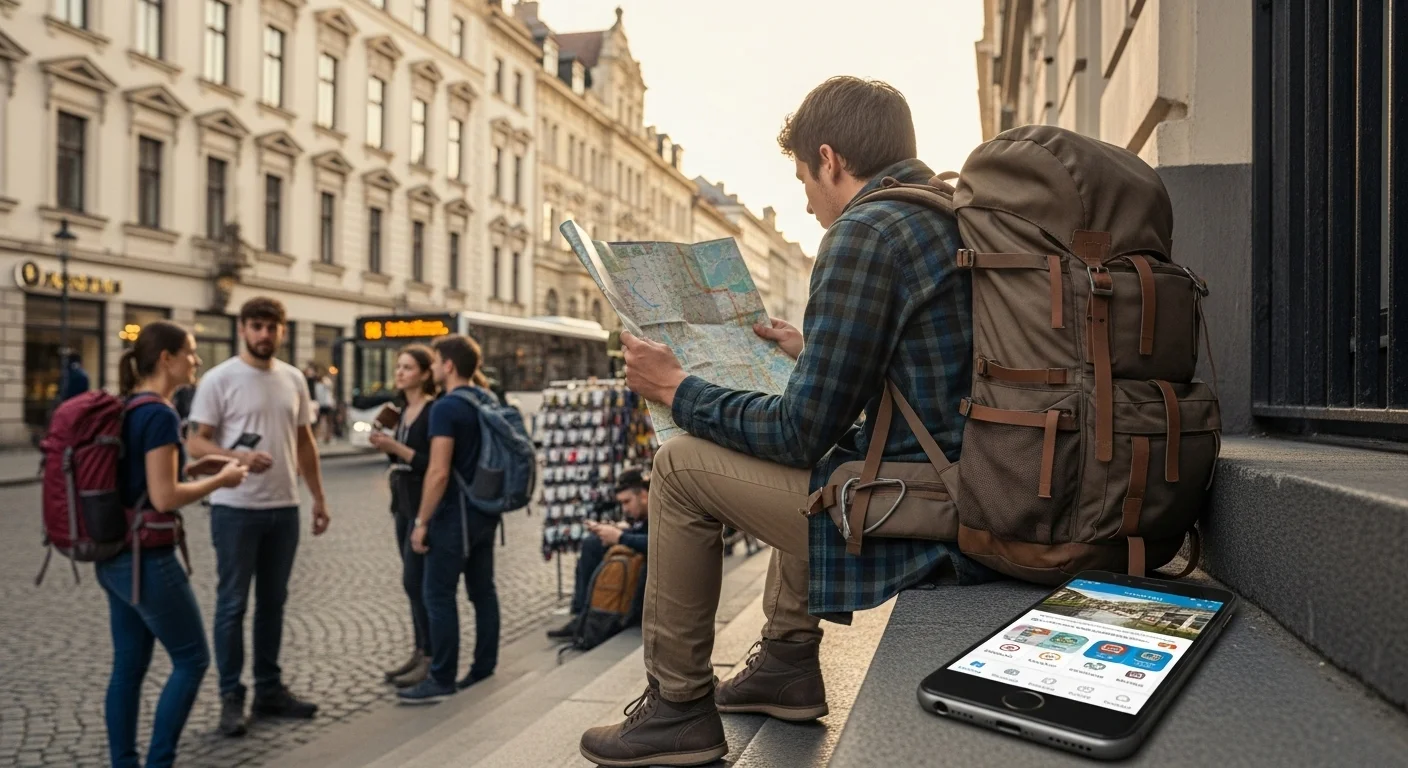
When I first started backpacking, I quickly realized that accommodation choices could make or break my experience. The vast array of options available to travelers today can be overwhelming, but understanding the landscape is half the battle. There are numerous types of accommodations, each with its own unique charm and price range, so let’s dive into what’s out there and how they can benefit us as budget travelers.
Types of Accommodation for Backpackers
Backpackers often opt for budget accommodations, and here are some of the most common types I’ve encountered:
- Hostels: These are the go-to choice for many backpackers. Hostels offer dormitory-style rooms, which can be very affordable. I love the social atmosphere in hostels, where I’ve met fellow travelers from all corners of the globe. Plus, most hostels provide communal kitchens, allowing you to save even more by cooking your meals.
- Guesthouses: Guesthouses are typically family-run and offer a more homey feel. They can be slightly more expensive than hostels but often come with extra benefits like homemade meals or local tips from the owners. I’ve stayed in a guesthouse where the owner even offered to take me to a local market!
- Camping: If you’re feeling adventurous, camping is a fantastic option. I remember setting up my tent by a beautiful lake and waking up to stunning sunrises. Many national parks offer campsites at low prices, and it’s a great way to immerse yourself in nature.
- Airbnb: While not always the cheapest option, Airbnb can be great for groups or longer stays. I’ve found some hidden gems that provided a unique experience, like staying in a traditional yurt or a cozy cabin in the woods.
Benefits of Budget Accommodation
Staying in budget accommodations has numerous perks beyond the savings. For me, one of the biggest benefits is the opportunity to meet new people. In hostels, you’re often sharing space with fellow travelers, which leads to unforgettable conversations and friendships. From sharing travel tips to planning spontaneous adventures, I’ve made connections that lasted well beyond my trips.
Additionally, budget accommodations allow you to extend your travel. By saving on where you sleep, you can allocate more of your budget to experiences, whether it’s trying local cuisine or participating in activities. I’ve found that sometimes, the best memories come from the most spontaneous adventures, like hopping on a bus with newfound friends to explore a nearby town. For more ideas on budget options, refer to Top 10 Budget Accommodation Options for Backpackers.
Another significant advantage is the authenticity of the experience. Many budget accommodations are located in residential neighborhoods rather than tourist hotspots, allowing you to experience a destination like a local. I’ve often stumbled upon charming cafes or markets that I might have missed if I’d stayed in a more commercial area.
Where to Look for Cheap Accommodation
Now that we have a grasp on the types and benefits of budget accommodations, let’s explore where to find them. Over the years, I’ve discovered several effective methods that have made my search much easier and more fruitful.
Online Booking Platforms
Online platforms like Hostelworld, Booking.com, and Agoda have become my best friends while searching for cheap accommodation. They offer a range of filtering options, so you can find exactly what you need, whether it’s a quiet place to rest or a lively environment to meet fellow travelers. I often compare prices across several sites to ensure I’m getting the best deal, and I love how user-friendly these platforms have become. I remember finding a fantastic hostel last minute during a trip to Southeast Asia, simply because I kept checking the platforms for last-minute deals!
Hostels vs. Hotels vs. Guesthouses
While this might seem obvious, it’s worth emphasizing: knowing the difference between hostels, hotels, and guesthouses is crucial in your search for budget accommodation. Hostels are generally the cheapest, but if you’re looking for a bit more comfort, guesthouses can be a great middle ground. Hotels might seem like a safer bet, but they can quickly drain your wallet. I’ve found that with a little research and flexibility, I can often find affordable guesthouses that provide a better experience than budget hotels.
Local Resources and Networks
Don’t underestimate the power of local resources! I’ve often found cheap accommodation options through local bulletin boards, community centers, or even asking locals for recommendations. When I was in a small town in Europe, I approached a friendly cafe owner, and they directed me to a family-run guesthouse that wasn’t listed on any of the booking platforms. It turned out to be one of the highlights of my trip!
Utilizing social media and travel forums can also be incredibly helpful. Websites like Couchsurfing allow you to connect with locals who offer a free place to stay. The connections I’ve made through Couchsurfing have led to incredible cultural exchanges and friendships.
With these insights, I hope you feel more prepared to tackle the accommodation landscape while backpacking. The journey is just as important as the destination, and the places we choose to stay can shape our experiences along the way. Let’s keep exploring!
How to Use Price Comparison Tools Effectively
Top Websites and Apps for Finding Deals
When I first started backpacking, I had no idea how much I could save just by using the right tools. Price comparison websites and apps have become essential in my travel toolkit. Some of my favorites are Kayak, Trivago, and Skyscanner. They allow you to search across multiple platforms all at once, saving you both time and money.
For instance, when I was planning a trip to South America, I used Kayak to compare prices for hostels and guesthouses in various cities. It was eye-opening! I discovered that some platforms listed the same accommodation at significantly different prices. This saved me a good chunk of change, which I could then use for local experiences. I’ve also started using apps like HotelTonight for last-minute bookings; they often have great deals on unsold rooms.
Setting Up Alerts for Price Drops
One of my favorite tricks for scoring budget accommodation is setting up price alerts. Most of the major booking platforms allow you to create alerts for specific locations and dates. I remember planning a trip to Japan and setting alerts for hostels in Tokyo. I received notifications when prices dropped, which helped me land a fantastic place at a fraction of the expected cost.
Not only does this save you money, but it also takes some of the stress out of the planning process. I found that I could just go about my day, knowing I’d be alerted if a good deal popped up. It’s like having your own personal travel assistant looking out for you!
Timing Your Booking for the Best Rates
Off-Peak Travel Seasons
Timing is everything when it comes to finding cheap accommodation. I’ve learned that traveling during off-peak seasons can lead to substantial savings. For instance, I visited Europe in the fall rather than the summer, and not only did I avoid the massive crowds, but I also found that many hostels and guesthouses offered lower rates. It felt like I had the whole place to myself!
When planning your trip, consider the destination’s peak tourist seasons. If you can travel when fewer people are visiting, you’re likely to snag better deals. Plus, you get to experience the destination in a more relaxed atmosphere. I believe that some of my best trips happened when I ventured out of season, allowing me to explore at my own pace.
Last-Minute Deals vs. Early Bookings
Another strategy I’ve experimented with is balancing last-minute deals and early bookings. While early booking can secure you a great rate, I’ve found that waiting until the last minute can yield incredible bargains, especially if you’re flexible with your plans. I remember a spontaneous trip to Thailand where I landed a bed in a beautiful beachfront hostel just a day before arriving. The savings were fantastic, and the thrill of last-minute travel added an extra layer of excitement.
However, there’s a catch: this approach works best if you’re not tied to specific dates or locations. It’s more of a gamble, but the potential rewards can be worth it. Ultimately, I think it comes down to your travel style and how much flexibility you can afford. Having a mix of both strategies in your back pocket can be a powerful way to navigate accommodations.
Strategies for Getting the Best Prices
Negotiating Rates with Hosts
One of the lesser-known strategies I’ve discovered is the art of negotiation. It might sound daunting, but many hosts are open to discussing rates, especially for longer stays. I recall a time in Central America when I needed a place for a week. I approached the owner of a guesthouse and asked if they could offer a discount for my extended stay. To my surprise, they agreed, dropping the price significantly! It never hurts to ask, and sometimes you can end up with a better deal than you imagined.
Just remember to be polite and respectful when negotiating. I’ve found that building a rapport with the host can often lead to better deals and even insider tips about the area. Also, if you’re traveling during a less busy time, hosts may be more willing to negotiate to fill their rooms.
Using Loyalty Programs and Discounts
Lastly, I can’t stress enough how beneficial loyalty programs can be. Many booking platforms and hostels offer loyalty points that can lead to discounts or free nights. I signed up for a few loyalty programs during my travels, and they’ve rewarded me with some amazing deals. I remember using points I’d accrued from various stays to score a free night in a phenomenal hostel in Barcelona. It felt like a win-win situation!
Don’t overlook discounts that may be available to you, whether you’re a student, a member of a travel organization, or even a senior citizen. I’ve found that just by asking about available discounts at check-in can sometimes yield unexpected savings. Being aware of these options can really stretch your travel budget even further.
Alternative Accommodation Options
Couchsurfing and Hospitality Networks
Couchsurfing is one of the most exciting alternatives I’ve discovered while backpacking. Not only does it save money, but it also connects you directly with locals. I remember my first experience with Couchsurfing was in Lisbon. I stayed with a wonderful host who not only provided me with a place to sleep but also shared his favorite local spots, which were far from the usual tourist traps. We ended up exploring the city together, and the personal connection added a unique flavor to my travels.
Couchsurfing allows you to stay with locals for free, but it’s important to approach this option with an open mind and a respectful attitude. You’re not just a guest; you’re a participant in their lives. I’ve made some lasting friendships through this network, and I often keep in touch with my hosts. It’s rewarding to see how these connections can lead to future travels, where I can host them in my home city or meet up again elsewhere in the world.
Besides Couchsurfing, platforms like Warmshowers cater specifically to cyclists, offering a similar hospitality exchange. If you’re cycling through a region, this can be an incredible way to meet fellow travelers and locals who share a passion for adventure.
Camping and Outdoor Options
Camping is another fantastic alternative, especially if you love nature. There’s something incredibly liberating about sleeping under the stars, listening to the sounds of the wilderness. I’ve camped in national parks, forests, and even on beaches, each experience providing its own charm. I remember one night camping on a beach in Thailand, where I could hear the waves crashing while falling asleep. The next morning, I woke up to a breathtaking sunrise that felt like my own private show.
Many national and state parks offer low-cost campsites, and some even allow for free camping in designated areas. I’ve found that this not only saves money but also allows for deeper immersion in the local environment. If you’re planning to camp, make sure to pack the essential gear, like a good quality tent, sleeping bag, and cooking supplies. I always bring my portable stove for cooking up quick meals, which saves money compared to dining out.
For those who are less inclined to rough it, glamping (glamorous camping) has become increasingly popular. This option provides a more comfortable camping experience, with amenities like proper beds and electricity. I tried glamping once in a safari tent in Kenya, and it was such a unique experience! It combined the beauty of nature with the comforts of home.
Safety Considerations When Choosing Budget Accommodation
Researching Hostels and Guesthouses
While budget accommodations can enhance our experiences, safety should always be a top priority. I’ve learned that taking a little time to research places before booking can go a long way in ensuring a safe stay. I usually start by checking the location of the accommodation; I prefer places that are close to public transport and away from high-crime areas.
When booking hostels or guesthouses, I look for places that have good security measures in place, like lockers for valuables and 24-hour reception. I once stayed in a hostel that had a strict keycard system. It gave me peace of mind knowing that only guests had access to the rooms. It’s also helpful to pay attention to the overall cleanliness and maintenance of the property, as it can be an indicator of how well it’s managed.
Reading Reviews and Ratings
Reading reviews is another essential step in my accommodation research. I often refer to sites like Hostelworld and TripAdvisor to get a sense of the experiences others have had. Genuine feedback can reveal a lot about the atmosphere, staff, and cleanliness of a place. I remember booking a hostel in Budapest based on glowing reviews, and it turned out to be one of the best stays I’ve ever had! The friendly staff and vibrant community made my trip unforgettable.
However, I also learned to approach reviews with a critical eye. Sometimes, a few negative reviews can be outliers, while a majority might have had positive experiences. I look for patterns in the feedback rather than getting swayed by a single comment. This approach helps me make more informed choices and avoid potential pitfalls.
Tips for a Comfortable Stay on a Budget
Essential Packing List for Backpackers
To enhance my comfort while staying in budget accommodations, I’ve developed an essential packing list that I carry on every trip. First and foremost, I make sure to pack a good-quality sleeping bag, as it can make a world of difference, especially in shared dorms or camping situations. A lightweight travel pillow also adds a touch of home to a hostel bed.
I also recommend packing a travel-sized toiletries kit and some quick-dry towels. Having these essentials on hand can make shared bathrooms much more bearable. I’ve also found that bringing a pair of flip-flops is a lifesaver for communal showers!
Another tip is to bring some snacks and a reusable water bottle. I always pack energy bars and nuts for long travel days, and having my water bottle means I can fill up wherever I go. It not only saves money but also helps me stay hydrated.
Making the Most of Shared Spaces
Shared spaces in hostels or guesthouses can be a fantastic opportunity to meet fellow travelers and exchange stories. I always try to take advantage of the communal kitchen, where I enjoy cooking meals with others. It’s a great way to bond and share culinary traditions. I remember one night in Barcelona, I teamed up with travelers from three different countries to make a massive pasta dinner. The laughter and camaraderie that night are still some of my fondest memories.
When it comes to common areas, I try to be open and friendly. I’ve found that striking up conversations in lounges or during group activities can lead to new friendships and unforgettable adventures. Sometimes, the most memorable moments happen when you least expect them, so I always keep my mind open to spontaneous plans with new friends.
Frequently Asked Questions
What are some common types of accommodation for backpackers?
Backpackers often choose from several types of accommodation, including hostels, guesthouses, camping, and Airbnb. Hostels offer affordable dormitory-style rooms and a social atmosphere. Guesthouses provide a homey feel and often include local tips from owners. Camping allows for immersion in nature, while Airbnb can be suitable for groups or longer stays.
What are the benefits of staying in budget accommodations?
Staying in budget accommodations allows travelers to meet new people, extend their travel budget for experiences, and enjoy more authentic local experiences. Budget accommodations often provide opportunities for spontaneous adventures and connections with fellow travelers.
Where can I find cheap accommodation?
Cheap accommodation can be found through online booking platforms like Hostelworld, Booking.com, and Agoda. Additionally, local resources, networks, and social media platforms like Couchsurfing can yield great options. It’s also beneficial to ask locals for recommendations.
How can I use price comparison tools effectively?
Using price comparison websites and apps like Kayak, Trivago, and Skyscanner can help travelers save time and money by searching across multiple platforms at once. Setting up price alerts on major booking platforms can notify travelers of price drops for specific locations and dates.
What is the best time to book accommodations for the best rates?
Booking during off-peak travel seasons often leads to better rates. Additionally, balancing last-minute deals with early bookings can yield significant savings, depending on the traveler’s flexibility with plans.
Can I negotiate rates with hosts for budget accommodation?
Yes, many hosts are open to negotiating rates, especially for longer stays. Building rapport with the host and approaching the request politely can lead to better deals.
What is Couchsurfing and how can it benefit travelers?
Couchsurfing is a hospitality exchange platform that allows travelers to stay with locals for free. It not only saves money but also offers cultural exchanges and the chance to connect with locals, enhancing the travel experience.
What should I consider for safety when choosing budget accommodation?
Safety considerations include researching the location of accommodations, looking for good security measures (like lockers and 24-hour reception), and checking reviews for insights about the property’s safety and cleanliness.
What essential items should I pack for staying in budget accommodations?
Essential items for budget travelers include a good-quality sleeping bag, a lightweight travel pillow, toiletries, quick-dry towels, flip-flops for communal showers, snacks, and a reusable water bottle to save money and stay hydrated.
How can I make the most of shared spaces in hostels or guesthouses?
Travelers can maximize shared spaces by cooking meals in communal kitchens, participating in group activities, and striking up conversations with fellow guests. These interactions can lead to new friendships and memorable experiences.