
Traveling solo can be an exhilarating adventure, but ensuring your safety is crucial. Finding safe places to stay while exploring new destinations is key to enjoying your journey without worry. For more insights, check out our Top Tips for Choosing Safe Accommodations While Backpacking.
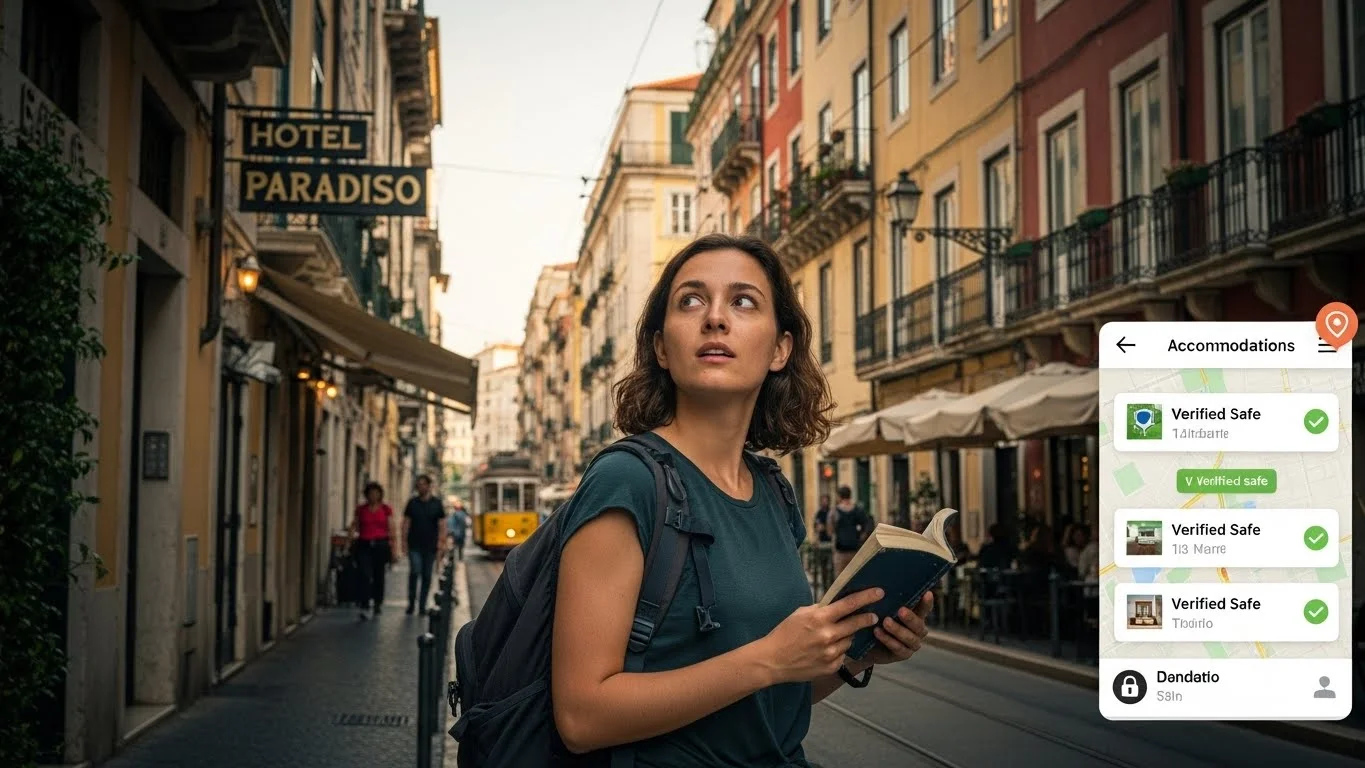
Understanding Safety When Traveling Solo
The Importance of Safety in Solo Travel
As someone who has ventured into the world alone many times, I can’t stress enough how vital safety is when you’re traveling solo. The thrill of discovering new cultures, meeting new people, and stepping out of your comfort zone can easily be overshadowed by safety concerns. When planning my trips, I prioritize finding secure accommodations to ensure I can fully immerse myself in my travels without constant worry. For me, feeling safe makes the difference between a good trip and a great one.
Common Safety Concerns for Solo Travelers
During my travels, I’ve encountered a range of safety concerns that solo travelers often face. From petty theft to more serious issues, it’s important to be aware of the risks. One of the first things I noticed was the vulnerability that comes with being alone. In crowded areas, it’s easy to lose track of your belongings, and I’ve heard countless stories of travelers who’ve had their bags snatched or valuables stolen. I learned to keep my important items close and to blend in with the locals to avoid drawing attention to myself.
Another concern is the safety of the accommodation itself. I remember a time when I booked a seemingly perfect hostel but later learned that it was located in a sketchy neighborhood. I felt uneasy and wished I had researched better. Understanding the area and the type of people who frequent it can help mitigate these risks. Also, I’ve found that some destinations have higher crime rates than others, which is something to consider when choosing where to stay.
Transportation can also pose safety challenges, especially when navigating unfamiliar places. I’ve had experiences where public transportation was unreliable or felt unsafe, especially at night. This is why I always try to stay somewhere that’s easy to access and close to public transport options. Additionally, using travel apps can enhance safety while traveling alone; for more information, check out our Guide to Staying Connected During Solo Adventures.
Researching Destinations
Choosing Safe Destinations for Solo Travelers
When I plan a trip, I like to start by researching destinations that are known for being safe for solo travelers. Some places, like Japan and Iceland, consistently rank high in safety. I remember how reassuring it felt walking around Tokyo, where the locals were friendly and willing to help. I often read blog posts and travel guides to find recommendations for solo-friendly locations. I’ve learned that choosing a destination with a reputation for safety can significantly enhance your travel experience.
Using Travel Forums and Reviews
Travel forums have been a treasure trove of information for me. Websites like TripAdvisor or Lonely Planet can provide insights into the experiences of other solo travelers. I often dive into discussions or read reviews to gauge the safety of various neighborhoods and accommodations. These platforms are filled with firsthand accounts that can help you make informed decisions. I remember reading about a traveler who had a negative experience in a hostel, which helped me steer clear of that place during my visit to Barcelona.
Consulting Safety Resources and Travel Advisories
Before heading out, I also check government travel advisories. These resources are incredibly helpful in understanding the current safety situation in certain areas. Websites such as the U.S. State Department provide detailed information on crime rates and safety concerns. When I was planning a trip to Mexico, I found the advisories vital in determining which areas to avoid and which were considered safer for tourists. Having this information allowed me to enjoy my travels without unnecessary anxiety.
In addition to these resources, I’ve found that local news websites often provide updates on safety issues or events happening in the area. It’s a good way to stay informed and adjust your plans as needed. By doing thorough research before my trips, I feel more prepared and less anxious about what awaits me.
Overall, understanding the importance of safety and taking proactive steps to research your destination can significantly enhance your solo travel experience. Trust me, investing time in this process will pay off, allowing you to explore with confidence and peace of mind.
Types of Accommodations
Hotels: Benefits and Considerations
When it comes to accommodations, I’ve often found that hotels can be a safe bet for solo travelers. They usually have a professional staff that can assist with any issues. I remember checking into a hotel in Prague that had 24-hour front desk service. This not only made me feel secure but also gave me the confidence to explore the city without worrying about returning late. However, I’ve also learned that not all hotels are created equal. Some might be located in less desirable areas or have hidden safety concerns. Researching the area’s reputation before booking is a must. I tend to check reviews specifically mentioning safety and cleanliness, which can provide a clearer picture of what to expect.
Hostels: Finding the Right One
Hostels can be a fantastic option for solo travelers looking to meet others while keeping costs down. My experiences in hostels have varied widely, but I’ve always made sure to choose ones with good security features. I remember staying at a hostel in Lisbon that had key card access to rooms and lockers for personal belongings. This gave me peace of mind, knowing my things were safe. I also look for hostels that have reviews from solo travelers; it helps to find places that are welcoming and friendly for those exploring alone. Additionally, checking if the hostel offers activities or social events can enhance your chances of connecting with fellow travelers.
Vacation Rentals: Safety Tips
Vacation rentals, like those found on platforms such as Airbnb or Vrbo, can provide a unique experience. I’ve enjoyed staying in local neighborhoods, which often gives you a more authentic taste of the area. However, I always approach these with caution. I make sure to read reviews thoroughly, looking for comments about the safety of the neighborhood and the responsiveness of the host. I had a great experience in a rental in Buenos Aires, where the host provided a detailed guide on nearby attractions and safety tips. Also, I check the cancellation policy and whether the rental has proper safety features like smoke detectors and secure locks. This way, I can feel more at ease during my stay.
Bed and Breakfasts: A Cozy Option
Bed and breakfasts can offer a charming and homey atmosphere for solo travelers. My experience at a cozy B&B in New Orleans was delightful. The owner was incredibly welcoming and shared local insights that I wouldn’t have found in a guidebook. B&Bs often have a smaller number of guests, which can make it feel safer. I’ve found that it’s easier to get to know the host and other visitors, creating a sense of community. However, I always check if they have adequate safety measures, like smoke alarms and secure entry points. I recommend reading reviews to see if other solo travelers felt comfortable during their stay.
Safety Features to Look For
Location: Proximity to Attractions and Public Transport
One of the first things I consider when booking my stay is the location. I prefer accommodations that are close to attractions I want to visit and near reliable public transportation. I learned the hard way when I booked a place too far from the city center in Rome; it turned out to be inconvenient and a bit unsettling at night. Being in a lively area usually means less chance of feeling isolated or unsafe. I often look for places that have good reviews on their location; it often makes the experience more enjoyable and manageable.
Security Measures: Locks, Cameras, and Staff
Security features are another vital aspect. I always pay attention to safety measures like deadbolts on doors, security cameras, and a presence of staff, especially at night. In my experience, places with a visible security presence tend to be safer. I once stayed at a hotel where they had a security guard on duty at night, and it really put my mind at ease. Additionally, I prefer accommodations that offer in-room safes for my valuables. This way, I can explore freely without worrying about my important belongings.
Reviews: What to Look For
Reading reviews is one of my favorite parts of the booking process. It’s like getting insider information from fellow travelers. I focus on comments about safety, cleanliness, and overall experience. I’ve noticed that if multiple reviewers mention feeling unsafe or uncomfortable, it’s a red flag. I also look for specifics, like whether the staff was helpful and if the area felt secure at night. I once avoided a hostel in Barcelona based on a review where someone mentioned a break-in incident. Trusting this collective wisdom has helped me choose accommodations that enhance my travel experience.
Utilizing Technology for Safety
Travel Apps for Finding Safe Places
In today’s tech-savvy world, I find that using travel apps can significantly enhance safety while traveling alone. Apps like Google Maps not only help me navigate but also allow me to explore nearby attractions. I remember using an app to find a café in Paris that was highly rated for its welcoming atmosphere. Additionally, there are apps specifically designed for solo travelers, like Solo Traveler, which offer safety tips and suggestions for safe accommodations. These tools have made it easier for me to stay informed and connected while on the road. For more on this topic, check out our article on How to Stay Connected Safely While Traveling Solo.
Emergency Contact Apps
Having emergency contact apps on my phone gives me an extra layer of security. I use apps like bSafe, which allow me to share my location with trusted friends and family, and even send alerts if I feel unsafe. I remember a time in a foreign city when I got lost and felt a bit uneasy. It was comforting to know I could quickly alert someone if needed. Setting up these apps before my trip has made me feel more secure and connected, especially when I’m exploring solo.
Using Maps and GPS for Navigation
Lost in a new city? I think we’ve all been there. I’ve learned how essential it is to have a reliable GPS app on my phone. It not only helps me find my way around but also keeps me off less safe paths. I’ve had experiences where I ventured into unfamiliar neighborhoods, and using GPS helped me redirect to safer areas. I also download maps offline before my trip; this way, I’m never completely stranded if I lose signal. I feel that being prepared in this way enhances my overall confidence while exploring.
Trusting Your Instincts
Listening to Your Gut Feeling
Throughout my travels, I’ve learned that trusting my instincts can be one of the most crucial safety measures. There have been moments where I just felt uneasy about a situation or a place, and I’ve learned not to ignore those feelings. I remember being in a bustling market in a foreign city, and as friendly as the vendors were, something about the atmosphere felt off. Instead of brushing it aside, I decided to leave and explore a different area. It turned out to be a wise choice; I later heard from other travelers that the neighborhood wasn’t the safest for solo explorers. Listening to that little voice inside can be your best defense.
Recognizing Red Flags in Accommodations
When searching for a place to stay, I’ve become adept at spotting red flags that signal potential safety issues. For instance, if I arrive at a hostel and notice that the exterior is poorly maintained or that the staff seems indifferent, it’s a cause for concern. I once checked into a place where the front desk was rarely staffed, and the entrance was not secure. I quickly decided to leave, even though it meant losing my deposit. In my opinion, it’s better to take that hit than to compromise my safety. Always trust your gut when something feels off; there are plenty of other options out there.
Local Resources and Support
Connecting with Local Solo Travel Groups
One of the best ways I’ve found to enhance my safety while traveling solo is by connecting with local solo travel groups. These groups often host meet-ups or activities where you can meet other travelers and share experiences. I remember joining a solo female travelers’ group in Barcelona, and it was incredibly reassuring to meet others who understood the unique challenges we face. We shared tips, formed travel plans, and even explored the city together, making the experience not only safer but also more enjoyable. If you’re traveling alone, I highly recommend seeking out these communities online or through social media platforms.
Finding Local Emergency Contacts
Before heading to a new destination, I always take the time to find out the local emergency contacts. Knowing who to call in case of an emergency can save valuable time. I usually jot down the local police, fire department, and medical services numbers in my travel journal or keep them saved in my phone. Once, while in Thailand, I had a minor accident while exploring. Thankfully, I was able to refer to my notes and contact the local emergency services quickly. I felt a sense of relief knowing I was prepared, and I encourage everyone to do the same when traveling solo.
Using Social Media for Safety Updates
Social media can be a powerful tool for staying updated about safety in a particular area. I’ve found that following local news outlets or travel groups on platforms like Twitter or Facebook helps me stay in the loop regarding any incidents or alerts. During a recent trip to Mexico City, I noticed a spike in reports about protests in certain neighborhoods. By keeping an eye on my social media feed, I was able to adjust my plans and avoid those areas, ultimately ensuring my safety. Engaging with local communities online can provide real-time information that enhances our travel experiences.
Preparation Before You Go
Planning Your Itinerary with Safety in Mind
When I prepare for a trip, I always consider safety in my itinerary planning. I like to map out not only the attractions I want to see but also the safest routes and transportation methods. During one of my trips to New Orleans, I made sure to stick to well-lit streets and avoid certain neighborhoods after dark. By organizing my days around known safe areas, I felt more relaxed and could enjoy the sights without constantly worrying about my surroundings. I recommend taking a little time to familiarize yourself with the layout of the city and the safest ways to get around.
Sharing Your Travel Plans with Friends or Family
Before I head off on any solo adventure, I always share my travel plans with close friends or family. This practice not only keeps my loved ones informed, but it also provides an extra layer of security. I usually send them my itinerary, including where I’m staying, and update them on my movements. Once, during a trip to Lisbon, I found myself in a situation where my phone died, and I couldn’t access maps or my travel details. Thankfully, my sister had a copy of my itinerary, and she was able to help me out. It’s a simple step that can make a huge difference in case of unforeseen circumstances.
Keeping Copies of Important Documents
Finally, I always make sure to keep copies of important documents, such as my passport, travel insurance, and accommodation confirmations. I typically save digital copies on my phone and email them to myself, just in case I lose the originals. Once, while traveling in Italy, I misplaced my wallet, and having those copies saved me a lot of stress. I was able to report the loss and get help without feeling completely lost. I can’t stress enough how beneficial this small preparation step can be for solo travelers.
Frequently Asked Questions
Why is safety important when traveling solo?
Safety is crucial when traveling solo because it allows you to fully immerse yourself in your travels without constant worry. Feeling safe can significantly enhance your travel experience, making the difference between a good trip and a great one.
What are common safety concerns for solo travelers?
Common safety concerns for solo travelers include petty theft, safety of accommodations, and transportation challenges. Being alone can make you more vulnerable, especially in crowded areas where belongings can be lost or stolen.
How can I choose safe destinations for solo travel?
To choose safe destinations, research places known for their safety, such as Japan and Iceland. Reading travel blogs and guides can provide recommendations for solo-friendly locations.
What resources can help me assess the safety of accommodations?
Travel forums like TripAdvisor and Lonely Planet, as well as government travel advisories, are valuable resources. They provide insights into safety experiences from other solo travelers and information on current safety situations in certain areas.
What types of accommodations are considered safe for solo travelers?
Hotels, hostels, vacation rentals, and bed and breakfasts can all be safe options. It’s important to research the area, check reviews for safety features, and assess the overall reputation of the accommodation.
What safety features should I look for when booking accommodations?
Look for accommodations with good security measures such as deadbolts, security cameras, staff presence, and in-room safes. Also, consider the location’s proximity to attractions and reliable public transport.
How can technology enhance my safety while traveling alone?
Using travel apps can help you navigate and find nearby attractions. Emergency contact apps allow you to share your location with trusted contacts, and GPS apps help you avoid unsafe areas.
What should I do if I feel uneasy in a situation while traveling?
Trusting your instincts is crucial. If you feel uneasy about a situation or place, it’s best to leave and explore a different area, as ignoring those feelings can lead to unsafe situations.
How can I connect with local resources for safety while traveling?
Connecting with local solo travel groups can enhance your safety. These groups often share experiences and tips, making your travels more enjoyable and secure. Additionally, knowing local emergency contacts is essential.
What preparations should I make before going on a solo trip?
Before your trip, plan your itinerary with safety in mind, share your travel plans with friends or family, and keep copies of important documents. These steps can help ensure your safety and preparedness during your travels.