
Packing light for budget solo travel can transform your journey into a more enjoyable and stress-free experience. With the right strategies, you can travel with ease and focus on the adventure ahead.
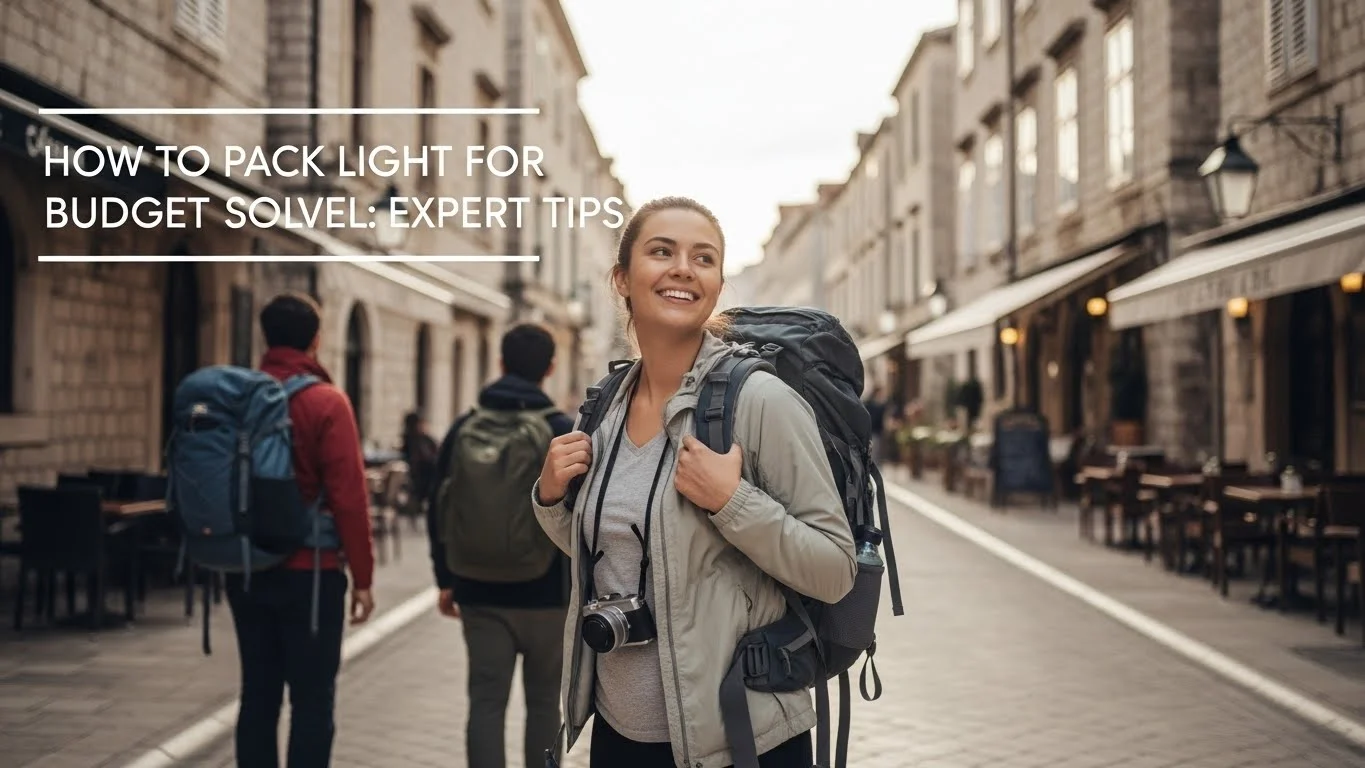
Understanding the Importance of Packing Light
The Benefits of Light Packing for Solo Travelers
I remember the first time I set off on a solo adventure, my bag was bursting at the seams. I thought I needed every possible outfit and gadget, but as I lugged that heavy bag through cobblestone streets, I quickly learned the value of packing light. Light packing not only eases the physical burden but also frees up mental space for exploration and spontaneity. When you travel light, you can move more freely, dodge long lines at baggage claim, and embrace the flexibility of hopping on a train or bus at a moment’s notice. It makes the experience of traveling solo feel less cumbersome and more liberating. For more insights on this topic, check out the Ultimate Guide to Packing Light for Family Travels.
Common Misconceptions About Packing Light
Many people I’ve talked to believe that packing light means sacrificing comfort or style, but that’s simply not true. Packing light can actually enhance your travel experience. It’s all about smart choices. I used to think that I needed to bring options for every occasion, but I realized that most of my favorite travel memories came from being spontaneous, not from having a wardrobe fit for a fashion show. Another misconception is that packing light is only for minimalist travelers. I’ve seen all types of travelers benefit from it—families, business travelers, and yes, even those of us who enjoy a good adventure.
Essential Packing Strategies
Choosing the Right Luggage
When it comes to packing light, the type of luggage you choose sets the stage for your entire trip. I’ve experimented with various bags, and I’ve found that a good carry-on backpack is usually my best bet. It’s easy to carry, fits in overhead compartments, and often has enough space for everything I need. I recommend choosing a bag with multiple compartments; it helps me stay organized and makes it easier to access my essentials without rummaging through everything. Also, consider the weight of the bag itself—some bags can be deceptively heavy. Lightweight materials can make a big difference.
Utilizing Packing Cubes and Compression Bags
Packing cubes have changed the game for me. I didn’t think they would be that helpful at first, but once I tried them, I was hooked. I use them to separate my clothes by type, which makes it super easy to find what I need without unpacking everything. Compression bags are another fantastic tool—I squeeze out the air, and suddenly my bulkier items take up half the space! I remember cramming my winter jacket into one of these bags and being amazed at how much more I could fit in my backpack.
Mastering the Art of Rolling Clothes
Rolling clothes instead of folding them is another trick I swear by. Not only does it save space, but it also helps minimize wrinkles. I learned this technique after watching a travel vlog, and I couldn’t believe how much more I could fit into my bag. I usually roll my t-shirts, pants, and even some dresses. Plus, it’s pretty satisfying to see how neatly everything fits. I recommend pairing this technique with packing cubes for maximum efficiency.
Clothing Essentials for Budget Solo Travel
Versatile Clothing Items to Consider
When deciding what to wear, I focus on versatility. I try to choose pieces that can be mixed and matched easily. For example, a classic pair of dark jeans can be dressed up for an evening out or kept casual for daytime sightseeing. I also love bringing a lightweight, neutral cardigan that can layer over just about anything. Another favorite of mine is a sarong, which can serve as a beach cover-up, a picnic blanket, or even a makeshift towel. The more ways I can use an item, the better! For more tips on packing, check out Top 10 Packing Tips for Solo Backpacking Adventures.
Choosing Fabrics for Different Climates
Fabric choice is crucial for comfort during travel. I’ve learned to prioritize quick-dry, moisture-wicking materials, especially when I’m heading somewhere warm or humid. These fabrics keep me feeling fresh throughout the day, which is essential when I have a busy itinerary. On cooler trips, I opt for thermal layers that provide warmth without added bulk. I’ve made the mistake of bringing too many heavy items, only to regret it later. Lightweight and breathable fabrics make all the difference.
Layering Techniques for Various Weather Conditions
Layering is a skill that I’ve honed over the years. It allows me to adapt to changing weather without overpacking. I often start with a base layer, add a mid-layer for warmth, and finish with a lightweight waterproof jacket. This way, I can peel off or add layers as the day progresses. I also love the versatility that layering brings; I can create different outfits simply by mixing and matching the same pieces. This strategy not only keeps me comfortable but also gives my wardrobe a fresh feel no matter how long I’m on the road.
Travel Gear and Accessories
Must-Have Travel Gadgets
When I think about travel gear, I can’t help but get excited about the gadgets that make my life easier on the road. Over the years, I’ve tried a number of travel gadgets, and some have become absolute essentials for my trips. One of my favorites is a portable phone charger. I’ve had those days where I was out exploring, and my phone battery was running low, which can be stressful when you rely on it for maps and communication. Having a lightweight charger means I can stay connected without worrying about finding a power outlet.
Another gadget I can’t live without is my noise-canceling headphones. They’ve saved me countless hours of discomfort on planes and trains, allowing me to immerse myself in music or podcasts while tuning out the world. I also discovered a compact travel umbrella that folds down to a tiny size but can withstand gusty winds. It’s a lifesaver during unexpected rain showers, which I’ve encountered on more than one occasion.
Choosing Lightweight Footwear
Footwear is one area where I’ve learned to be particularly mindful. I used to pack multiple pairs of shoes, thinking I needed options for every occasion. However, I quickly realized that a single versatile pair could serve me much better. I recommend choosing lightweight shoes that you can walk in for hours. My go-to is a pair of stylish yet comfortable sneakers that can handle everything from city strolling to more rugged trails.
A fantastic addition to my footwear collection has been slip-on shoes for easy airport security and quick exits. I also like to pack a lightweight pair of sandals for warmer destinations, which can double as beach wear or casual evening options. By limiting my footwear to just two pairs, I save space and can move around more freely.
Travel Toiletries: How to Downsize
Toiletries can take up a surprising amount of space in our bags. I remember my first trip where I packed full-sized bottles of shampoo and conditioner, only to find that they took up half of my backpack. Now, I’ve completely downsized my toiletries routine. I recommend investing in travel-sized containers where you can refill your favorite products. This way, I can carry just enough for my trip without overpacking.
I also switched to solid toiletries, like shampoo bars and toothpaste tablets, which are not only compact but also eco-friendly. These items last longer than I initially anticipated, so I feel good about reducing waste while traveling light. Don’t forget to pack a small microfiber towel as well; they dry quickly and are way more manageable than traditional towels.
What to Pack: A Comprehensive Checklist
Clothing Checklist for Solo Travelers
Creating a packing checklist has been a game-changer for me. I usually jot down the essentials before each trip to ensure I don’t forget anything important. My clothing checklist typically includes:
- 2-3 versatile tops
- 1-2 pairs of bottoms (jeans, shorts, or skirts)
- 1 lightweight jacket or sweater
- 1 pair of comfortable walking shoes
- 1 pair of sandals or flip-flops
- Underwear and socks for each day
- Sleepwear
- Accessories like scarves or hats that can change up an outfit
By sticking to this checklist, I can avoid overpacking while ensuring I have everything I need to feel comfortable and stylish on my travels.
Essential Documents and Travel Accessories
Keeping my travel documents organized is crucial for a smooth journey. I learned the hard way to always have a travel wallet where I can keep my passport, boarding passes, and any necessary visas together. I also make copies of important documents to keep in my luggage, just in case. It’s an extra step, but it gives me peace of mind.
Additionally, I never leave home without a travel insurance card and any necessary medical information. A reusable water bottle is another essential that I never forget. It keeps me hydrated and saves money on drinks while being eco-friendly. I also love having a small first-aid kit with basics like band-aids, pain relief, and allergy meds; it’s come in handy more than a few times!
Technology and Entertainment Items
With all the time I spend in transit, I’ve found that keeping myself entertained is key. I always pack my e-reader filled with books, which saves space compared to carrying physical books. Downloading movies or TV shows to my tablet before a trip is another trick I use to pass the time during long flights or train rides.
Having a good pair of travel headphones is a must-have for me, as they not only provide entertainment but also help drown out noise, making it easier to relax. I also recommend bringing a small notebook or travel journal to jot down thoughts and memories as they happen; I’ve cherished looking back on my travel reflections later on.
Smart Packing Tips for Solo Travelers
Creating a Capsule Wardrobe for Travel
I first heard the term “capsule wardrobe” while scrolling through a travel blog, and it really struck a chord with me. The idea is to have a small collection of interchangeable clothing items that all work well together, allowing endless outfit possibilities without the bulk. I decided to give it a try on my next trip, and it made packing more straightforward than ever. I carefully picked pieces that complimented each other—neutral colors, a few pops of color, and classic styles that I could dress up or down. I remember feeling so proud of how effortlessly my outfits came together, and I didn’t have to worry about squeezing in those last-minute items that I thought I might need. It also made unpacking a breeze; everything just had its place, and I didn’t spend forever finding what I wanted to wear each day.
Using a Personal Item Wisely
One thing I’ve learned is that the personal item allowed on flights can be a game-changer. I used to think of it as just another bag, but now I see it as an opportunity. My personal item is a lightweight backpack that I fill with essentials. I keep my travel documents, snacks, a water bottle, and my electronics in there. It’s also where I stash a light sweater or scarf, which always comes in handy during chilly flights. Since I’m mindful of what I pack here, I can easily access what I need without rifling through my carry-on. Plus, this bag doubles as a daypack for exploring, so I get more use out of it!
Minimizing Travel Clothing through Laundry Solutions
Washing clothes while traveling can sound like a hassle, but I’ve found it to be one of the best ways to minimize packing. On longer trips, I’ve taken advantage of laundry services or found local laundromats. I remember a trip to Southeast Asia where I brought just enough clothing to last me a week. Halfway through, I spent a relaxing afternoon getting my clothes cleaned. It was a great way to have fresh clothes without overpacking. I also learned to pack a small amount of laundry detergent, which allows me to wash small items in the sink if needed. This technique not only keeps my bag light but also helps me feel more refreshed during my travels.
Budget-Friendly Packing Hacks
How to Save Space and Money on Packing
One of the best budget-friendly packing hacks I’ve discovered is to look for items that serve multiple purposes. When I went to a tropical destination, I packed a sarong, not just for the beach but also as a blanket for long bus rides and even a makeshift dress for a dinner out. I also like sourcing smaller, travel-sized toiletries from my local dollar store. It’s amazing how much money I can save by buying these items instead of spending at the airport or touristy shops. I even repurpose old makeup containers for my essentials. This approach not only saves space but also allows me to carry just what I need.
Utilizing Hotel Amenities for Packing Efficiency
Another smart strategy I employ is to take full advantage of hotel amenities. Many hotels offer laundry services or have washing machines available for guests. I’ve often planned my trips around destinations where I know I can do laundry without too much hassle. Additionally, I’ll check if the hotel provides basic toiletries like shampoo and conditioner. This way, I can leave those bulky items at home and still feel pampered while I travel. On one trip, I was pleasantly surprised to find a hotel that provided free laundry detergent—definitely a win!
Thrift Shopping for Travel-Specific Items
Thrift shopping is not just for finding unique outfits; it can also be a fantastic way to find travel-specific items. I’ve scored some incredible deals on lightweight jackets, versatile clothing, and even sturdy travel bags. It feels good to save money while being eco-conscious, too. Before my last trip, I found a great pair of quick-dry pants that I could wear hiking or out to dinner. I’ve also picked up travel-sized blankets and packing cubes at thrift stores, saving me from buying new ones. Not only does this help me pack light, but it also adds a little adventure to my trip preparation!
Navigating Security and Airline Restrictions
Understanding Baggage Policies for Budget Airlines
Traveling with budget airlines has become a staple for many of us looking to save money on trips. I’ve flown with several budget carriers, and each one has its own baggage policy. I learned early on that understanding these rules can save you both time and money. Most budget airlines charge hefty fees for checked baggage, so I make it a point to travel with just a carry-on. I recommend checking the airline’s website before your trip to avoid surprises at the airport. Some airlines even have specific dimensions for personal items and carry-ons, so measuring my bag has become part of my packing routine.
One tip I’ve found helpful is to pack my heaviest items—like shoes or toiletries—in my personal item bag. This keeps my carry-on lighter and helps me meet the weight restrictions for both bags. I’ve also seen travelers get creative by wearing their bulkiest layers during the flight, which not only saves space but can also keep you warm on chilly flights.
Tips for Carrying Valuables and Important Documents
Keeping my valuables secure is always a top priority for me when I travel. I’ve experienced the panic of misplacing important documents, so I’ve developed a system that works well. I carry a small travel wallet that I keep close to me at all times. This wallet holds my passport, boarding passes, and any cash or cards I might need. I also like to carry a document organizer for copies of important documents; it’s an extra layer of security that gives me peace of mind.
When it comes to valuables like electronics, I always keep them in my personal item rather than my checked bag. I learned the hard way that checked luggage can be unpredictable. Having my laptop or camera at my side means I can enjoy some downtime during layovers without worrying. Additionally, I’ve found using anti-theft backpacks or bags with lockable zippers can add a layer of security, especially in crowded areas.
Real-Life Examples and Case Studies
Interviews with Experienced Solo Travelers
Talking to experienced solo travelers has been incredibly enlightening for me. I recently connected with a woman who had spent a year traveling around the world with just a 40-liter backpack. Her secret? A carefully curated capsule wardrobe and a knack for finding local laundry services. She shared that her light packing allowed her to take spontaneous detours, like hiking or joining a local festival without the hassle of excess luggage weighing her down. Listening to her stories inspired me to refine my own packing strategies even further!
Success Stories of Light Packing Adventures
One of my favorite success stories is from a friend who traveled across Europe for two weeks with just a carry-on. She managed to pack versatile outfits that were perfect for both sightseeing and dining out. By planning her itinerary around opportunities for laundry, she kept her packing light while still looking stylish. Her experience reminded me that packing light doesn’t mean compromising on experiences; it means embracing the journey and making the most out of every moment. These stories not only motivate me but also provide practical insights that I can implement in my future travels.
Final Thoughts
Packing light has truly changed the way I travel. Through personal experiences, tips from fellow travelers, and a little trial and error, I’ve learned that less really can be more. I feel more free to explore new places, meet new people, and embrace the unexpected when I’m not weighed down by excess baggage. I encourage you to try packing light on your next adventure; you might be surprised at how liberating it feels. Remember, the journey is just as important as the destination, and packing smartly can make all the difference in how you experience both.
Frequently Asked Questions
What are the benefits of packing light for solo travel?
Packing light eases the physical burden, frees up mental space for exploration and spontaneity, allows for more freedom of movement, and helps avoid long lines at baggage claim. It makes solo travel feel less cumbersome and more liberating.
Does packing light mean sacrificing comfort or style?
No, packing light does not mean sacrificing comfort or style. Smart packing can enhance your travel experience, allowing for spontaneity without the need for a vast wardrobe.
What type of luggage is recommended for packing light?
A good carry-on backpack is often the best choice for packing light. It should be easy to carry, fit in overhead compartments, and have multiple compartments for organization without being too heavy.
How can packing cubes and compression bags help?
Packing cubes help separate clothes by type, making it easier to find items without unpacking everything. Compression bags can reduce the space taken up by bulkier items, allowing for more efficient packing.
What are some versatile clothing items to consider for budget solo travel?
Consider packing items like dark jeans, a lightweight neutral cardigan, and a sarong, which can be used in multiple ways. Choosing versatile pieces that can be mixed and matched is key.
What are some must-have travel gadgets for solo travelers?
Essential travel gadgets include a portable phone charger, noise-canceling headphones, and a compact travel umbrella. These items can enhance comfort and convenience during travels.
How can toiletries be downsized for travel?
Toiletries can be downsized by using travel-sized containers, switching to solid toiletries like shampoo bars, and packing a small microfiber towel instead of traditional towels.
What should a clothing checklist for solo travelers include?
A typical clothing checklist might include 2-3 versatile tops, 1-2 pairs of bottoms, 1 lightweight jacket, comfortable walking shoes, sandals, underwear and socks for each day, sleepwear, and accessories.
What strategies can be used to minimize travel clothing?
Washing clothes while traveling, utilizing laundry services, or packing a small amount of laundry detergent for washing small items in the sink can help minimize packing and keep clothes fresh.
How can travelers navigate baggage policies for budget airlines?
Understanding each budget airline’s baggage policy is crucial. Travelers should check the airline’s website for specific dimensions and weight restrictions for personal items and carry-ons, and consider packing heavier items in their personal item bag.