
Planning a budget-friendly backpacking trip can open the door to incredible adventures without breaking the bank. Join me as I share my insights and experiences on how to make the most of your travels while keeping costs low. For more tips, check out Backpacking on a Budget: Your Ultimate Guide to Savings.
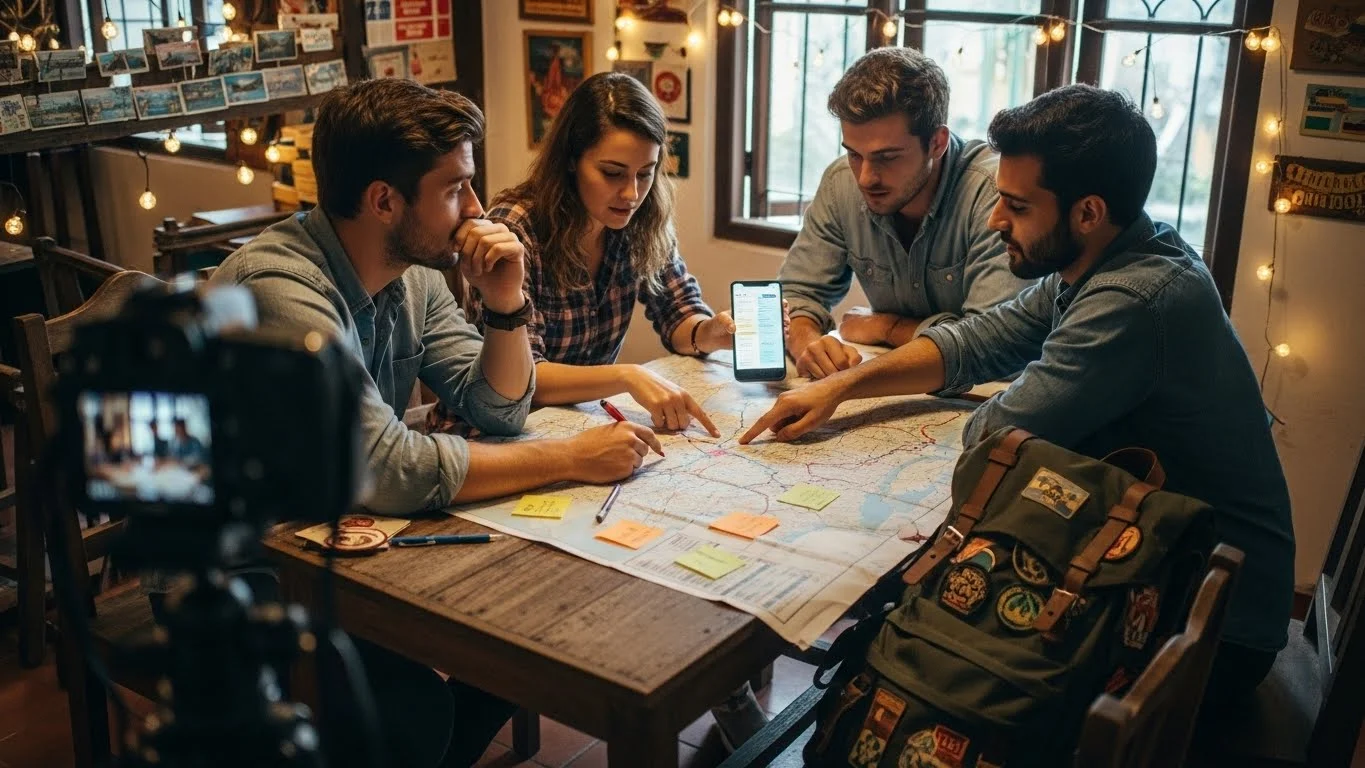
Understanding Backpacking: A Budget-Friendly Approach
What is Backpacking?
Backpacking is more than just a way to travel; it’s a lifestyle choice for many adventurers like myself. It involves carrying all your essentials in a backpack and exploring different destinations, often staying in budget accommodations. I remember my first backpacking trip; the thrill of wandering through unfamiliar cities, meeting new people, and experiencing diverse cultures was exhilarating. It’s about embracing spontaneity and making the journey itself just as rewarding as the destination.
Benefits of Backpacking
There are countless benefits to backpacking that I’ve discovered over the years. Firstly, it offers a sense of freedom. You can change your plans on a whim, explore hidden gems, and immerse yourself in nature. I’ve found that backpacking allows me to connect more deeply with my surroundings. Living out of a backpack forces you to simplify and prioritize what you truly need, which can be a liberating experience. Plus, it’s a fantastic way to meet fellow travelers and forge friendships, often leading to unforgettable shared experiences.
Why Choose a Budget-Friendly Option?
Choosing a budget-friendly approach to backpacking is not just about saving money; it’s about maximizing the experience. I’ve learned that when I keep my expenses low, I can travel longer and visit more places. Budget-friendly travel doesn’t mean sacrificing quality; instead, it encourages creativity. For instance, I’ve discovered local eateries that serve delicious meals at a fraction of the price of tourist traps. By planning wisely, I can allocate more of my budget towards experiences, whether that’s a guided hike or a local cultural event. You can also enhance your experience by exploring Budget Backpacking: Cultural Experiences on Safari Trips.
Choosing Your Destination
Popular Budget-Friendly Backpacking Destinations
When it comes to selecting a destination, I’ve learned that some places are inherently more budget-friendly than others. Southeast Asia has always been a favorite of mine; countries like Thailand, Vietnam, and Indonesia offer stunning landscapes, rich culture, and incredibly low costs for food and accommodation. In Europe, countries like Portugal and Hungary can provide a similar experience without the hefty price tag of more popular spots. I’ve found that researching lesser-known locations can lead to unexpected adventures and savings.
Considerations for Destination Selection
Choosing the right destination involves several factors. I always consider the season; traveling during the off-peak times not only saves money but also allows for a more authentic experience without the crowd. Weather is another critical aspect. I remember planning a trip to the mountains in winter, only to be met with harsh conditions that limited my options. It’s essential to think about what activities you want to engage in and ensure your destination aligns with those interests.
Researching Local Costs and Attractions
Before finalizing my destination, I take the time to research local costs. Websites like Numbeo provide a breakdown of living costs in various cities, which helps me gauge how much I’ll spend on essentials. I also look into local attractions and their entry fees. I’ve often found that many cities offer free walking tours or discounted passes that cover multiple attractions. This kind of research has saved me a lot of money and helped me prioritize what to see based on my budget. Additionally, I always refer to 10 Essential Tips for Budget Backpacking Adventures for more insights.
Planning Your Itinerary
How to Create a Flexible Itinerary
When planning my backpacking itinerary, I’ve learned that flexibility is key. I usually start with a rough outline of where I’d like to go and the main attractions I want to see, but I leave room for spontaneity. Sometimes the best experiences come from unexpected detours or recommendations from fellow travelers. For instance, during a trip in Spain, I stumbled upon a local festival that wasn’t on my radar, but it ended up being one of the highlights of my journey.
Must-See Attractions vs. Off-the-Beaten-Path
While it’s tempting to check off the must-see attractions, I’ve found that some of the most memorable moments happen off the beaten path. I often balance my itinerary by including both. For instance, I might visit a famous landmark in the morning, but then spend the afternoon wandering through a local neighborhood, sipping coffee and soaking up the atmosphere. This mix helps me enjoy a well-rounded experience without feeling too rushed.
Time Management Tips for Backpackers
Time management can make or break a backpacking trip. I’ve discovered that setting priorities is crucial. Each morning, I take a few minutes to review my plans and adjust as needed. I also keep travel times in mind. Public transport can be unpredictable, so I always allow extra time to avoid stress. One of my favorite tricks is to arrive at attractions early to avoid crowds and take photos without the hustle of other tourists.
Budgeting for Your Trip
Estimating Daily Expenses
One of the first things I do when planning a budget-friendly backpacking trip is estimate my daily expenses. This helps me stay on track and avoid any surprises along the way. I usually start by thinking about where I’ll be going and what activities I want to do. For me, it’s important to consider the costs of accommodation, food, transport, and activities. I’ve found it helpful to create a simple spreadsheet to break down these expenses by day and location. This way, I can see how much I can afford to spend while still enjoying my trip. I remember one trip where I underestimated my daily budget, but by keeping a close eye on my spending, I was able to adjust and still have a fantastic experience. Knowing my limits allows me to truly enjoy my travels without the stress of financial worry.
Accommodation: Affordable Options
Accommodation can take up a significant chunk of our travel budget, but I’ve discovered plenty of affordable options. Hostels are often my go-to, as they provide not just a bed, but also an opportunity to meet fellow travelers. I love the communal atmosphere, and many hostels offer kitchen facilities, which can save money on meals. I’ve also had great experiences with guesthouses and budget hotels that provide a cozy environment while still being easy on the wallet. Sometimes, I even look for unique lodging options like treehouses or yurts, which can be both fun and affordable! I find that using websites like Hostelworld or Booking.com helps me find good deals while reading reviews from other travelers.
Food and Drink Budgeting
Food is one of the areas where I can either save a lot or overspend, depending on my choices. I prefer to budget a set amount for meals each day. Eating out for every meal can quickly add up, so I often seek out local markets or grocery stores where I can buy fresh ingredients and prepare my own meals. I remember one trip where I made a point to cook in the hostel’s kitchen a few times a week. Not only was it cheaper, but it also became a fun social activity as I teamed up with other travelers to whip up dinners together. On the flip side, I also make room in my budget to enjoy local cuisine. Trying street food is a must for me! I’ve discovered some of the best meals from food stalls that offer delicious dishes at unbeatable prices.
Transportation Costs and Tips
Getting around can be one of the more daunting aspects of budgeting for a backpacking trip. I’ve learned to research transportation options in advance. In many cities, public transport is affordable and efficient. I love using buses and trains as they often provide a chance to see the countryside or cityscapes I wouldn’t experience from a car. I also keep an eye out for transport passes that offer discounts for multiple rides. On my last trip, I found a rail pass that allowed unlimited travel for a week, which gave me the freedom to explore without worrying about individual ticket prices. If I’m in a city, I usually opt for walking whenever possible. It’s not only free, but it also allows me to discover hidden gems that I might miss while on public transport.
Finding Affordable Accommodation
Hostels: What to Expect
When I think of hostels, I remember the first one I stayed in; it was a cozy little place in Barcelona. Hostels can vary widely in terms of quality, but I’ve generally found them to be great value. You can expect a range of options, from shared dorms to private rooms. Some hostels even offer unique experiences, like themed rooms or activities like pub crawls or group dinners. I appreciate the social aspect of hostels, as they often attract like-minded travelers. If you’re concerned about privacy, many hostels now offer female-only dorms or private options that can be quite affordable. Just remember to read reviews beforehand to ensure that you’re picking a clean and safe place to stay.
Camping and Couchsurfing Options
For those of us who love the outdoors, camping can be an amazing way to save money while enjoying nature. I’ve camped in some breathtaking locations, from the beaches of Thailand to the national parks in the U.S. Many campsites are quite affordable, and some are even free. Plus, I love the experience of cooking over a campfire and falling asleep to the sounds of nature. Couchsurfing is another fantastic option I’ve used several times. It allows you to stay with locals for free while getting a taste of their culture. I remember one time in Lisbon, I was hosted by a wonderful couple who not only provided a place to sleep but also took me on a tour of their favorite local spots, which made my experience much richer.
Budget Hotels and Guesthouses
If hostels aren’t your style, I’ve had great luck finding budget hotels and guesthouses that offer a more private experience. Websites like Agoda or Airbnb often have listings that cater to budget travelers. I recommend looking for places that offer breakfast included, as this can save money and time in the morning. I’ve found that family-run guesthouses often provide a warm, inviting atmosphere, and the owners are usually more than willing to share tips about the area. Sometimes, I book a place for a few nights and then extend my stay if I really like it, which has led to some lovely memories.
Transporting Yourself on a Budget
Public Transport vs. Walking
One of the best ways I save money while backpacking is by using public transport. In many cities, the public transport system is not just economical; it’s also efficient. I remember hopping on a bus in Prague and being amazed at how easy it was to navigate the city. It allowed me to get to places I wanted to see without the hassle of taxis or rideshares. You can often buy day passes or travel cards that offer unlimited rides, which can be a fantastic deal.
Walking is another favorite of mine. It’s free, and more importantly, it allows me to experience the destination in a unique way. I love wandering through neighborhoods, discovering hidden corners, and stopping to chat with locals. I’ve stumbled upon charming cafes or vibrant street art that I would have missed if I’d been zooming by in a car. Plus, walking is a great way to stay active during my travels, balancing out those delicious meals I tend to indulge in!
Budget Airlines and Train Passes
If my travels involve moving between cities or countries, I’ve found that budget airlines can be a lifesaver. Companies like Ryanair and EasyJet offer incredibly low fares across Europe, and I’ve snagged some fantastic deals that made it possible for me to hop from one destination to another without breaking the bank. I usually book these flights well in advance and keep an eye on promotions. Just be cautious about extra fees for baggage or seat selection — I’ve learned to travel light to avoid these costs.
Train travel is another favorite of mine, especially in regions with well-connected rail systems. I’ve discovered that purchasing rail passes can be a smart choice if I plan to travel extensively by train. For example, the Eurail Pass offers flexibility and often saves money compared to buying individual tickets. I remember one trip through Italy where I could hop from Florence to Venice without any hassle, all while enjoying the stunning countryside views from my window.
Car Rentals and Rideshares
While I usually lean towards public transport, there are times when renting a car makes sense, especially when exploring rural areas or national parks. I’ve rented a car a few times, and it allowed me to visit off-the-beaten-path locations that aren’t easily accessible by public transport. I make sure to compare prices across different rental companies and book in advance to get the best deal. Also, I always check for hidden fees like insurance and fuel costs.
Rideshare services like Uber or Lyft can also be budget-friendly options, particularly if I’m traveling with a group. The cost can be split, making it more affordable than traditional taxis. However, I’ve found that walking or using public transport is usually cheaper, so I tend to reserve rideshares for those times when I’m too tired to walk or when public transport isn’t an option.
Saving Money on Food and Activities
Cooking Your Own Meals
One of the best ways to save money while traveling is to cook my own meals. When I stay in hostels or guesthouses with kitchen facilities, I take full advantage of that. I love visiting local markets to buy fresh ingredients. There’s something special about preparing my meals while chatting with locals about their favorite recipes. I remember making a pasta dish in a hostel kitchen in Rome, using tomatoes and basil from a nearby market. Not only did it save money, but it was also a memorable experience that added to my trip.
I usually plan to cook a few meals each week, which not only saves money but also gives me a break from eating out. Plus, it’s a great way to bond with other travelers. I’ve had some fantastic cooking nights where fellow backpackers join in, sharing recipes and stories from their own travels.
Eating Like a Local: Street Food and Markets
While cooking is great, I also believe in indulging in local cuisine. Street food has given me some of the most delicious meals I’ve ever had. I remember biting into a crispy banh mi in Vietnam that was so good I went back for seconds! Eating like a local doesn’t just save money; it immerses me in the culture. I often seek out popular street food spots or local markets where I can sample various dishes.
Markets are also wonderful places to grab a quick bite. I’ve spent whole afternoons wandering through markets, trying different snacks, and soaking up the vibrant atmosphere. It’s one of my favorite ways to experience the local culture and flavors while keeping my food budget in check.
Free and Low-Cost Activities in Your Destination
There’s no need to spend a fortune to have fun while traveling. I’ve discovered countless free and low-cost activities that are often just as rewarding as pricier tours. Many cities offer free walking tours, which provide a fantastic way to learn about the area’s history and culture. I remember joining a free walking tour in Budapest that led me to hidden gems I wouldn’t have found on my own.
Additionally, I always look for local festivals or events happening during my visit; many are free and offer a vibrant glimpse into the community. Nature is another great option. I love hiking or visiting parks, which often don’t cost a thing. Exploring beautiful landscapes can be the highlight of my trip, and it’s a great way to connect with nature and reflect on my journey.
Frequently Asked Questions
What is backpacking?
Backpacking is a lifestyle choice for many adventurers, involving carrying all essentials in a backpack while exploring different destinations and staying in budget accommodations. It emphasizes spontaneity and the journey itself as much as the destination.
What are the benefits of backpacking?
Backpacking offers a sense of freedom, the ability to change plans on a whim, and a deeper connection with surroundings. It simplifies travel by prioritizing essentials and fosters friendships with fellow travelers through shared experiences.
Why should I choose a budget-friendly backpacking option?
A budget-friendly approach maximizes the travel experience by allowing for longer trips and more destinations. It encourages creativity in finding affordable local eateries and experiences without sacrificing quality.
What are some popular budget-friendly backpacking destinations?
Popular budget-friendly destinations include Southeast Asia, particularly Thailand, Vietnam, and Indonesia, as well as European countries like Portugal and Hungary. Researching lesser-known locations can also yield unexpected adventures and savings.
How can I create a flexible itinerary for my backpacking trip?
Start with a rough outline of desired destinations and attractions, but allow room for spontaneity. Some of the best experiences may come from unexpected detours or recommendations from fellow travelers.
What are some tips for estimating daily expenses while backpacking?
Estimate daily expenses by considering accommodation, food, transport, and activities. Creating a simple spreadsheet to track expenses by day and location can help avoid surprises and ensure an enjoyable trip within budget.
What types of affordable accommodations are available for backpackers?
Affordable accommodations include hostels, guesthouses, budget hotels, and unique lodging options like treehouses or yurts. Websites like Hostelworld and Booking.com can help find good deals and read reviews from other travelers.
How can I save money on food while traveling?
To save money on food, budget a set amount for meals, shop at local markets, and prepare your own meals when possible. Enjoying street food and local cuisine can also provide delicious and affordable options.
What transportation options can help me save money while backpacking?
Utilizing public transport is often economical and efficient. Walking is a free way to explore neighborhoods, while budget airlines and train passes can provide affordable options for longer distances. Renting cars or using rideshare services can also be budget-friendly when traveling in groups.
What are some free or low-cost activities to do while traveling?
Many cities offer free walking tours, local festivals, and outdoor activities such as hiking or visiting parks. Exploring these options can provide rich experiences without spending much money.