
Embarking on a budget rock climbing trip is an adventure filled with excitement and challenge. With careful planning, we can explore breathtaking locations without breaking the bank. For those looking to maximize their experience, it’s essential to know about essential gear for budget rock climbing adventures abroad.
Understanding Budget Rock Climbing Trips
What is a Budget Rock Climbing Trip?
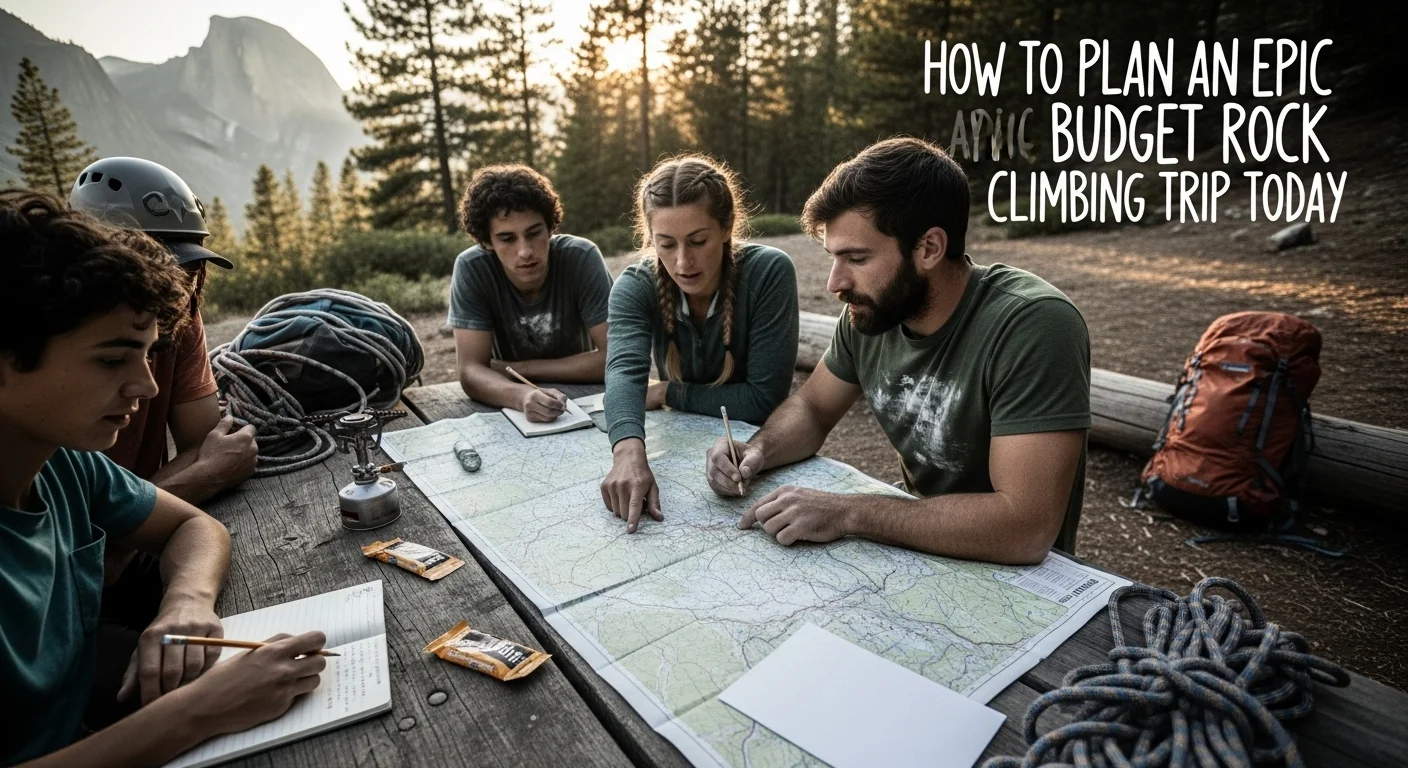
A budget rock climbing trip is all about getting the most thrilling climbing experiences at a fraction of the cost. You don’t need to spend a fortune on fancy equipment or high-end accommodations to enjoy the climb. When I first started planning my budget trips, I realized that the essence of the adventure lies in the experience itself, not in how much money I spent. This type of trip often involves staying in campgrounds, sharing gear, and making the most of what nature offers. It’s about connecting with the environment, embracing the raw challenges of climbing, and sharing moments with fellow climbers while keeping our expenses low.
Benefits of Rock Climbing on a Budget
There are numerous benefits to planning a budget rock climbing trip. First and foremost, saving money means we can climb more frequently! I remember when I was trying to figure out how to balance my love for climbing with my student budget. Every dollar saved on one trip could go toward another. Additionally, budget trips often encourage us to be resourceful and creative. We learn to find hidden gems in nature, explore less crowded routes, and maybe even discover a new favorite climbing spot. Plus, there’s something incredibly rewarding about making the most of what we have and connecting with fellow climbers who share the same passion for adventure.
Choosing Your Destination
Top Affordable Rock Climbing Locations
Choosing the right destination can make or break your budget rock climbing trip. Luckily, there are many stunning locations that cater to climbers on a budget. Here are a few of my favorite places:
Joshua Tree National Park
Joshua Tree is famous for its unique rock formations and diverse climbing routes. I love this park for its breathtaking desert landscapes and the sense of adventure that fills the air. The campgrounds are affordable, and there are plenty of free climbing areas. Just remember to bring plenty of water, especially during the warmer months!
Red River Gorge
This haven for climbers in Kentucky offers a mix of sport and traditional climbing routes. When I visited, I was amazed by the sandstone cliffs and the vibrant community of climbers. The area is surrounded by beautiful hiking trails, and camping options are plentiful and budget-friendly. You can find more about great climbing spots in our article on unforgettable rock climbing spots that won’t break the bank.
Yosemite National Park
While it may seem like a splurge, Yosemite can be done on a budget, especially if you camp. The stunning granite walls and iconic views are worth it. I found that many climbers shared gear and tips, making it even more budget-friendly. Just be sure to plan ahead, as campsites can fill up quickly.
Smith Rock State Park
Smith Rock in Oregon is known as the birthplace of American sport climbing. With its breathtaking scenery and diverse routes, it’s a dream for climbers. I love the affordability of the campgrounds nearby, which allows us to spend extra on some delicious local food after a long day of climbing!
Factors to Consider When Choosing a Destination
When planning your budget rock climbing trip, several factors come into play for selecting the perfect destination:
Accessibility
How far is the location from where you live? I’ve learned that sometimes a shorter drive can save a lot of money on gas and time. It also allows me to spend more time climbing.
Weather Conditions
Check the climate before choosing a destination. I remember planning a trip to a beautiful location only to find out it would be raining the whole time! Researching the best times to visit can make a huge difference in your experience.
Climbing Difficulty Levels
Make sure the destination has routes that match your skill level. I always check if there are beginner-friendly options so that all my friends can join. It’s all about having fun and pushing our limits together!
As I planned my first budget rock climbing trip, these considerations helped shape my journey. The thrill of climbing is amplified when we get to share it with others in beautiful, affordable locations. With a bit of research and creativity, we can enjoy epic adventures without overspending. Next, let’s dive into how to plan our itinerary to make the most of our climbing experience!
Planning Your Itinerary
Duration of Your Trip
Deciding how long to spend on a budget rock climbing trip is crucial. I’ve found that even a weekend can be packed with adventure, but a full week allows for more exploration and relaxation. When I first started planning my trips, I usually aimed for three to four days to make the most of my time. This way, I could tackle different climbing routes and still have downtime to enjoy the scenery or make new friends. Assessing your schedule and determining how much time you can realistically take off work or other commitments is key. Also, don’t forget to factor in travel time to and from your climbing destination!
Key Activities Besides Climbing
Climbing is exhilarating, but there’s a whole world of activities to enjoy while you’re on a budget trip. I always make sure to plan some time for other outdoor adventures that can complement my climbing experience.
Hiking Trails
Exploring the local hiking trails is one of my favorite ways to wind down after a day of climbing. Many climbing destinations are surrounded by stunning landscapes, and hiking can provide a new perspective on the beauty of the area. For instance, at Red River Gorge, I found several trails that led to breathtaking viewpoints overlooking the cliffs. Hiking not only keeps us active but also gives us a chance to appreciate nature even more. Plus, it’s a great way to bond with fellow climbers or camping buddies!
Camping and Accommodations
Choosing where to stay is another part of the planning process that I always take seriously. I’ve found that camping is often the most budget-friendly option, and it adds to the whole outdoor experience. Being surrounded by nature at night while sharing stories around a campfire is hard to beat. Besides, many climbing locations have campgrounds that are close to climbing areas, saving us travel time in the morning. If camping isn’t your style, I recommend checking out local hostels or cabins that can accommodate a group. Splitting costs with friends can make these options more affordable.
Local Attractions and Landmarks
Every climbing destination has its unique attractions that can add a little extra flavor to your trip. I’ve learned that exploring these local gems can turn an ordinary climbing trip into a memorable experience. For example, during my trip to Yosemite, I took a day off from climbing to visit the iconic El Capitan and hike to Glacier Point for some breathtaking views. It was an unforgettable experience that helped me understand the park’s significance and beauty beyond just the climbing routes.
Similarly, in Joshua Tree, I spent a day visiting the park’s otherworldly Joshua trees and rock formations. I couldn’t help but take photos and appreciate the unique landscape. Look for local events, markets, or festivals too! They can provide a fun way to immerse ourselves in the local culture while keeping our budget in check.
Budgeting Your Trip
Estimating Costs
Budgeting for your trip is like creating a roadmap for adventure. I’ve learned that having a clear idea of potential costs can prevent surprises down the road. Start by breaking down the expenses into categories that matter most.
Travel Expenses
Consider how you’ll get to your climbing destination. For me, driving often ends up being the most economical choice, especially if I’m going with friends. We split the gas expenses, which can help lower the costs significantly. Another option is to look for carpooling opportunities with other climbers, which can be both fun and budget-friendly.
Accommodation Costs
Next, factor in accommodation costs. If you’re camping, the fees are generally low, but if you decide on a cozy cabin or hostel, check for group rates. I’ve found that booking ahead can sometimes lead to discounts and ensure we have a place to stay, especially during peak climbing seasons.
Food and Supplies
Food can be another area where we can save money. I often pack meals and snacks to minimize dining costs. Cooking meals at the campsite is not only economical but also brings everyone together. I remember a trip where we had a big pasta night, and it became one of the highlights of our adventure! Sharing recipes and cooking together can create lasting memories.
How to Save Money on Your Trip
With a little creativity, we can make our budget stretch further without sacrificing fun.
Camping vs. Hotels
As I mentioned earlier, camping is often the best option for budget-conscious climbers. It connects us with nature while keeping costs low. However, if you prefer hotels, consider looking for deals on booking sites or checking out local motels that might offer affordable rates. Sometimes, last-minute deals can work in our favor!
Group Discounts
If you’re traveling with a group, take advantage of group discounts for campsites or even climbing gear rentals. I’ve been part of groups that have saved significantly just by inquiring about these deals. It’s always worth asking!
Gear Rentals vs. Purchases
Finally, consider whether to rent or buy gear. If you’re just starting or don’t climb frequently, renting can save a lot of money. I’ve rented gear at local climbing shops and found it to be reliable and affordable. Plus, the staff often shares useful tips about the area and climbing routes!
Essential Gear for Rock Climbing
Must-Have Equipment
When planning a budget rock climbing trip, having the right gear is essential, not only for safety but also for enhancing the overall experience. I remember the first time I went climbing—I was so excited but overwhelmed by the gear choices. Over time, I’ve learned what equipment is truly necessary and which items I can do without.
Climbing Shoes
Climbing shoes are perhaps the most important piece of gear. They provide the grip and support you need on various surfaces. I’ve tried many brands, but I always recommend finding a pair that fits snugly without being painfully tight. I’ve seen climbers make the mistake of choosing comfort over fit, and it can really affect their performance. If you’re on a budget, consider buying a gently used pair or borrowing from a friend. You can often find great deals during sales or at local climbing shops.
Harness and Rope
A good harness is crucial for safety. I’ve used both budget and high-end harnesses, and while comfort varies, I’ve found that a solid mid-range harness can do the job just as well. Look for one that has adjustable leg loops and is easy to put on. As for the rope, it’s often best to rent a climbing rope, especially for beginners. I’ve noticed that many climbing gyms offer affordable rentals, and it saves the hassle of transporting a heavy rope.
Safety Gear
Don’t skimp on safety gear! Chalk bags, helmets, and carabiners should be on your checklist. I remember a trip where I forgot my helmet, and it made me anxious every time I climbed. Helmets are a small investment for peace of mind. You can often find used safety gear in good condition at local shops or through climbing communities. Always prioritize safety, even when trying to save money.
Where to Rent or Buy Gear
Finding the right place to rent or buy gear can make a significant difference. I’ve discovered some fantastic options over the years that cater to budget-conscious climbers.
Local Shops
Local climbing shops are often the best places to start. I love supporting small businesses, and they usually have knowledgeable staff who can help you find what you need. Many shops offer rental programs, which can be incredibly affordable, especially for gear you might not use frequently. I’ve also found that some shops host swap events, where climbers can buy, sell, or trade gear. It’s a great way to score some quality items at a lower price!
Online Retailers
If you prefer shopping online, there are numerous retailers that have excellent deals on climbing gear. Websites like REI, Backcountry, and even Amazon often have sales on climbing equipment. I make it a habit to check for return policies and warranties before making a purchase. I’ve learned the hard way that it’s worth it to pay a bit more for quality gear that will last longer. For more tips on budget-friendly climbing destinations, check out our article on top 10 budget destinations for rock climbing enthusiasts.
Preparing for Your Climbing Experience
Physical Conditioning and Training
Getting in shape for a climbing trip is essential, and it doesn’t have to be intimidating. I remember when I first got serious about climbing; I thought I needed to hit the gym every day. Instead, I found that a balanced approach worked best for me. I focused on strength, endurance, and flexibility to prepare myself for the climbs ahead.
Incorporating exercises like pull-ups, core workouts, and leg strength training into my routine made a noticeable difference in my climbing performance. I also recommend trying yoga or stretching to improve flexibility, which is crucial for reaching those tricky holds. Even a few sessions a week can set you up for success on the rock.
Understanding Climbing Techniques
Before heading out, it’s helpful to brush up on climbing techniques. I’ve found that watching instructional videos or attending climbing clinics can provide valuable insights. Learning about foot placement, body positioning, and proper belaying techniques has made my climbs smoother and more enjoyable. I remember my first outdoor climb; I struggled with footwork, but after some practice and guidance, I improved significantly.
Safety Protocols and Best Practices
Safety is paramount, and I can’t stress enough the importance of understanding climbing protocols. Before every climb, I make it a point to check my gear, ensure my harness is secure, and double-check knots. Additionally, I always communicate clearly with my climbing partner about our plan and any safety measures we’ll follow. I’ve learned that a few minutes spent discussing safety can prevent accidents and ensure we both have an enjoyable experience.
Staying aware of our surroundings is also vital. Whether it’s being mindful of other climbers or checking the weather, these small actions can make a huge difference. I’ve had trips where poor weather caught us off guard, but by planning and keeping an eye on forecasts, we managed to adjust our itinerary and still have a great time.
Connecting with the Climbing Community
Finding Climbing Partners
One of the best parts of rock climbing is the community. I’ve met some of my closest friends through climbing, and it all started with finding partners who share the same passion. A good climbing partner can make a world of difference, and I recommend reaching out to local climbing gyms or communities to meet others. I’ve had great luck finding climbing partners through social media groups or online forums dedicated to climbers in my area.
Joining Local Climbing Groups
Getting involved in local climbing groups can not only help you find partners but also provide a wealth of knowledge. I’ve participated in group climbs organized by these communities, and they have been some of the most rewarding experiences. Climbing with others allows us to learn from each other, share tips, and explore new routes together. Plus, it adds an extra layer of fun to the adventure!
Online Forums and Resources
Online forums and resources can be incredibly helpful for climbers of all levels. I often turn to websites like Mountain Project or Reddit’s climbing forums for advice, gear recommendations, and even trip planning. I’ve found that connecting with experienced climbers online has opened doors to new climbing destinations and hidden gems I might not have discovered otherwise. It’s an amazing way to learn, share experiences, and seek advice from those who’ve been there before.
Frequently Asked Questions
What is a budget rock climbing trip?
A budget rock climbing trip focuses on maximizing thrilling climbing experiences while minimizing costs. It often involves staying in campgrounds, sharing gear, and enjoying the natural environment without high expenses.
What are the benefits of planning a budget rock climbing trip?
Planning a budget rock climbing trip allows climbers to save money, which means they can climb more frequently. It encourages resourcefulness, creativity, and the discovery of less crowded routes or hidden gems in nature.
What are some top affordable rock climbing locations?
Some top affordable rock climbing locations include Joshua Tree National Park, Red River Gorge, Yosemite National Park, and Smith Rock State Park, each offering stunning scenery and budget-friendly camping options.
What factors should I consider when choosing a climbing destination?
When choosing a climbing destination, consider accessibility, weather conditions, and climbing difficulty levels to ensure the location matches your skill level and allows for a fulfilling experience.
How long should I plan for a budget rock climbing trip?
The duration of your trip can vary; even a weekend can be packed with adventure, but a full week allows for more exploration. Three to four days is often ideal for tackling different climbing routes and enjoying downtime.
What activities can complement my climbing experience on a budget trip?
Besides climbing, you can enjoy hiking local trails, exploring local attractions, and participating in outdoor adventures that enhance your experience while keeping costs low.
How can I estimate costs for my budget rock climbing trip?
To estimate costs, break down expenses into categories such as travel, accommodation, food, and supplies. This detailed budgeting helps prevent surprises and ensures you stay within your budget.
What are some ways to save money on a climbing trip?
To save money on your trip, consider camping instead of hotels, looking for group discounts, and opting for gear rentals rather than purchases, especially if you’re a beginner or don’t climb frequently.
What essential gear do I need for rock climbing?
Essential gear includes climbing shoes, a harness, a rope, and safety equipment like chalk bags and helmets. Prioritize quality and safety, and consider renting gear if you’re on a budget.
How can I connect with the climbing community?
You can connect with the climbing community by finding climbing partners through local gyms, joining local climbing groups, and participating in online forums or resources dedicated to climbing.